Public Steam disclosure research25,376 disclosures tracked
Where do games disclose AI use?
Search developers’ Steam disclosures, compare classified AI use across
games, and follow recorded changes.
This index adds cross-game classifications and statistics to
statements published on individual store pages.
Groups reflect automatic analysis of public disclosures; mature records are excluded. These counts do not measure AI use across all of Steam.
Missing or unclear statements cannot establish whether a game uses AI.
An AI-generated sketch is used as a starting point. Everything else is made by a human: every shipped image is redrawn and retouched by hand, and the code, game design and texts are written by the developer.
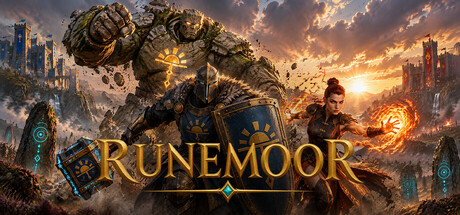
Runemoor was made by a small independent team with the help of generative AI tools. Every AI output was directed, reviewed, edited and integrated by the developer, and checked to keep all designs original. No AI content is generated while you play.
- 3D characters: the champion models, their weapons and props were generated with Meshy (image-to-3D), including its auto-rigging and animation clips, then cleaned up and integrated by hand and with our own scripts.
- 2D art: concept art, key art and store artwork, the logo and app icon, UI artwork and backgrounds, item and spell icons, and material and terrain textures were generated with an OpenAI image model, then selected, post-processed and composited.
- Environment: the map, buildings, rocks and plants are built by our own procedural modeling scripts (no AI model generates the geometry) and use the AI-generated textures listed above.
- Voice: the match announcer voice lines are AI-generated speech (Google Gemini text-to-speech).
- Music (trailer): the music of the store trailer was generated with Google Lyria and carries Google's inaudible SynthID watermark. The in-game music is not AI-generated: it is synthesized procedurally by our own audio code.
- Sound effects and ambience: not AI-generated. They are synthesized procedurally by our own audio code.
Generative AI tools were used during development to create and refine pre-made visual assets, music and sound assets, and localized text. These assets are bundled with the game. No content is generated by AI during gameplay.
Generative AI was used in the creation of images and music in the game. This content was generated and edited during development. No content is generated by AI during gameplay.
Character art, UI graphics and icons were created with generative AI image tools, then selected and edited by the developer. Some in-game text, translations and store page text were drafted with AI assistance and reviewed by the developer. Nothing is generated by AI while you play.
Generative AI tools were used in the development of some visual assets, primarily to help enhance and upscale textures and create additional variations. All assets were reviewed and integrated by the development team as part of the game's art pipeline.
Some in-game visual assets were created with the assistance of generative AI. All AI-assisted content is pre-generated and included in the shipped game; no content is generated during gameplay.
Generative AI tools were used during development to create some in-game artwork, including robot sprites and relic icons, and promotional artwork, including the game logo and Steam store artwork. These assets are pre-generated. The game does not generate AI content or connect to AI services during gameplay.
AI-assisted tools were used during development to create and edit visual assets, including characters, equipment, creatures, environments, UI and store illustrations, and to assist with story text and localization. Music and sound effects were made using AI-assisted synthesis code and composition rules. The game uses prepared assets and predefined effects; it does not generate AI content or connect to generative AI services during play.
The title logo was generated with an AI image tool and then cropped and resized by the developer.
The store capsule artwork (the key art behind the logo) was generated with an AI image tool from text prompts only, then cropped and resized by the developer.
The in-game text in every language except English and Japanese is machine-translated with an AI language model from the developer's English and Japanese text, and has not yet been reviewed by native speakers.
Some English and Japanese interface text and the English and Japanese store description were drafted with an AI writing assistant and then reviewed and edited by the developer. The store description in the other languages is translated with an AI language model.
The majority of the code and the design was written by AI coding agents (Claude and Codex) under the developer's direction and review.
The in-game characters, items, maps, effects, music, sound effects and fonts are mostly purchased or licensed assets. The exceptions are 8 equipment icons, the slash and healing effects, the spectators in the stands, the crowd cheers and the app icon, which were drawn or synthesized by programs written by AI coding agents (no image or audio generation model was used). The cutting out, combining, recoloring and touching up of the purchased assets, and the shapes and light effects the game draws on screen during matches, are also done by programs written by AI.
The game's pixel art (characters, enemies, bosses, environment tiles and props, effects, UI icons) was created with the help of the AI tool PixelLab and then selected, edited, animated and assembled by the developer. The key art, logo, app icon, music and sound effects were generated with Higgsfield and then edited and mixed by the developer. The trailer's opening and closing cinematic shots are AI-animated from the game's key art. All gameplay, code and design are the developer's own. The game does not generate any content with AI while it runs.
1) Artwork: card illustrations and other visual assets were created with the help of AI image generation tools, then selected and edited by the developer.
2) Music: the soundtrack was created with the help of AI music generation tools.
Generative AI tools were used during development to assist in creating some artwork, text, and localization used in the game. All AI-assisted content was reviewed, selected, and edited by the developer before being included in the game. No generative AI is used during gameplay.
Pre-generated content: some 3D models (character/boss bodies and props) were generated with AI and then cleaned up, rigged and textured by hand in Blender and Unity; some voice lines and sound effects were generated with AI voice/SFX tools; parts of the trailer footage were AI-assisted; in-game text translations for some languages were produced with AI assistance and reviewed. No content is generated live while the game is running.
Various visual and audio assets, translations, and promotional materials were created with the assistance of generative AI tools. All AI-assisted content was selected, reviewed, and integrated by the developer.
No generative AI is used during gameplay, and the game does not generate content in real time.
AI tools were used to generate base 2D images and concepts for character masks. These assets were then manually edited, polished, color-corrected, and integrated into the game by the developer.
Pre-generated content only, nothing is generated while the game runs. Most of the pixel art for monsters, bosses, world objects (shrines, totems, traps, items), boon card art and the three hero cats was generated with PixelLab (an AI pixel-art tool) from text prompts and from our own hand-drawn references, then hand-corrected, quantized to the game's palette and animated frame by frame. The music and all sound effects are synthesized procedurally in our own code (no AI). Purchased asset packs (tiles, UI) are hand-drawn by their artists. No AI-generated text, voices or story.
The core art direction and a portion of the artwork were hand-drawn by the developer, and AI was used to produce additional assets in a matching style, which were then reviewed, edited and integrated by hand. The game's music was generated with AI tools. No AI content is generated live while the game is running.
Generative AI tools were used during development to create some of the game’s 3D models, artwork, and audio, as well as promotional artwork. This content is pre-generated and integrated into the game or its marketing materials. The game does not generate AI content during gameplay.
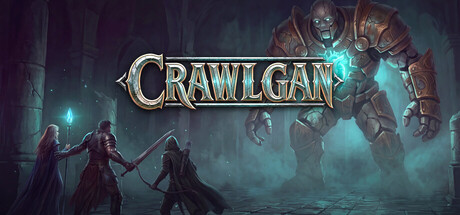
Crawlgan uses generative AI for pre-made content only. All artwork, music and sound effects in the game and on this store page were created with generative AI tools, then selected and edited by the developer. The game text and store page are translated into other languages with AI assistance. Nothing is generated by AI while you play.
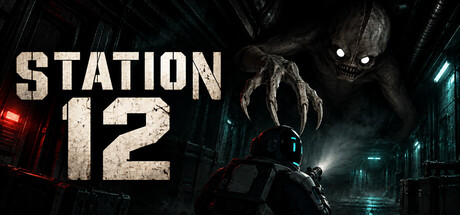
Generative AI was used to help create some of the promotional artwork and marketing images displayed on Station 12’s Steam store page.
These images are promotional illustrations and are a good representation of the in-game visuals.
Generative AI tools were used during development to create or assist with character illustrations, some character sprites and other visual assets, store and promotional artwork, background music, and portions of localized text. These assets were selected, processed and integrated by the developer. The game does not generate AI content during play and does not connect to external AI services at runtime.
AI-assisted tools were used during development to create some visual assets and textures, music and sound effects, and to assist with English localization. Generated promotional illustrations and pre-generated synthetic voice performances are also used in the Steam store materials and trailers. These assets were selected, edited and integrated during production. The game does not generate AI content while it is running.
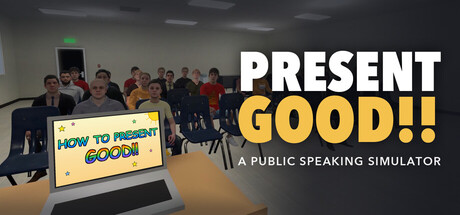
After a talk, audience questions are generated at runtime by a small open-weight language model (Qwen3) running locally on the player's computer, based on a transcript of what the player just said. Speech-to-text also runs locally (whisper.cpp). Nothing is sent to any server.
Some promotional artwork on this store page was created using generative AI tools. All in-game assets (characters, environments, effects) are original or licensed third-party content.
Generative AI is used as a supplementary tool, primarily for partial editing of image assets and translation.
※It is not used to generate images from scratch or to create 3D models.
Some of the game's artwork, including characters, monsters, items and backgrounds, was created with the help of generative AI tools and then edited and refined by our team; none of it is used as raw AI output. Parts of the in-game text and translations were also produced with AI assistance. No AI content is generated during gameplay.
AI tools were used during development to create pre-generated character art and animations, backgrounds, interface artwork, and sound effects, as well as Steam store descriptions and promotional artwork, including the animated store banner. Assets were selected, reviewed, processed or edited as needed, and integrated into the game or its Steam presentation. Music was composed and synthesized with AI-assisted development tools. The shipped game uses these prepared assets; it does not generate AI content or connect to AI services during gameplay.
Pre-generated AI content includes equipment illustrations, skill icons, clothing surface textures, short English character-selection voice lines, and Steam capsule and library artwork. AI tools also assisted with store-page text and translations. The game does not generate AI content or connect to AI services during gameplay.
Generative AI was used as a supporting tool for selected elements of the artwork. Most elements were extensively modified and adapted through substantial hands-on work, including repainting, rigging, and animation.
Generative AI was used to create some content, including certain images, music, text and translations, as well as some store and promotional materials. AI-assisted content was created in advance; the game does not generate AI content or connect to external AI services during gameplay.
Pre-generated generative AI was used in the development of game code, visual assets, character portraits, promotional artwork, and portions of text and localization.
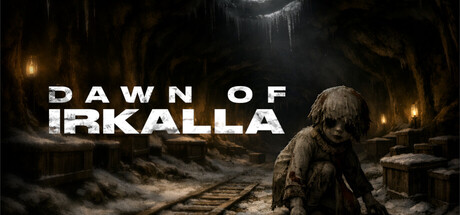
Dawn of Irkalla includes pre-generated AI-assisted content used during development, including some 3D models, images, and code assistance. The game's level design, story, lore, gameplay, music, and many other assets were created by us or sourced from licensed third parties.
Some of the artwork and text in this game and on its store page, including the translations, were created with the assistance of AI tools and reviewed by the developer.
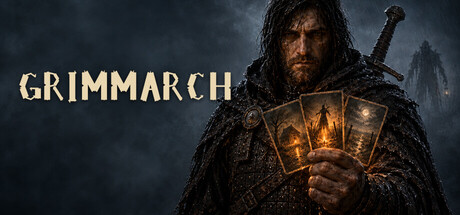
Grimmarch's art, music, voice and sound effects are created or edited with generative AI tools, then selected, edited and approved by a human before shipping. That covers card and interface art, character portraits, map and scene art, the cinematic, music, character voice lines and sound effects.
Nothing is generated while you play: the game contacts no AI service at runtime, and nothing you do is sent to one.
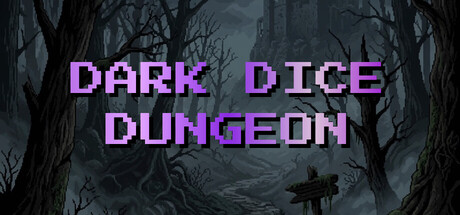
The content of Dark Dice Dungeon was produced with the help of generative AI tools: the illustrations, the music and sound effects, the in-game writing, and the English and Spanish translations. All of it was then selected, edited and assembled by hand by the developer. Nothing is generated while you play: the game ships with fixed assets and never connects to any service.
Some store and marketing images were created with generative AI tools. Parts of the in-game UI artwork were also created or assisted with generative AI, then reviewed and integrated by the developer. All other game content is human-authored or from licensed third-party assets. No generative AI content is created live during gameplay.
Voice lines and sound effects were produced with AI voice synthesis
(ElevenLabs) during development. Some character portraits and UI/VFX
textures were created with AI-assisted tools. All assets were reviewed,
edited and integrated by the developer.
No generative AI runs at runtime — the game ships only pre-generated,
fixed assets.
Generative AI tools were used during development to create some artwork, music, text and translations, including promotional material. This content is prepared in advance. The game does not generate AI content or connect to AI services while you play.
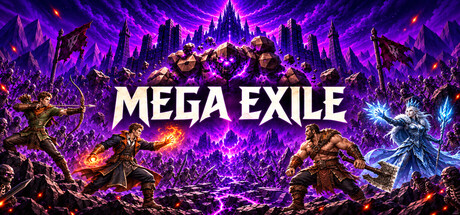
Generative AI tools were used during development to help create some 3D character assets and store page text. This content is prepared in advance. Mega Exile does not generate AI content during gameplay or connect to external AI services while you play.
Generative AI tools were used during development to assist with portions of the game's 2D artwork, UI illustrations, audio, and text/localization. All AI-assisted content was reviewed, selected, edited, and integrated by the developer. The game does not generate AI content during gameplay and does not connect to external AI services.
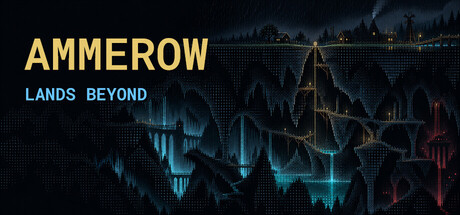
The music in Ammerow: Lands Beyond was created with Claude Compose, a bespoke composition system built for this project. Rather than a generative music model, it works like a tireless studio composer: an AI assistant (Anthropic's Claude) writes and runs code that composes each piece note by note — melody, harmony, counterpoint and orchestration derived from music theory — and performs it through real, licensed virtual instruments in a professional DAW (Ableton Live). It then "listens back" by analysing the rendered audio to refine the balance. No generative audio/music model was used, no AI was trained on other artists' recordings, and no track was produced from a prompt. Every note is placed deliberately, and every piece is directed, reviewed and approved by a human. The result is authored, not generated.
The sound effects are an original, human-directed procedural synthesis library. Claude Code assisted in writing custom Python DSP software and individual cue recipes; every waveform was deterministically rendered from mathematical models and recorded seeds. No recordings, performers, samples, stock audio, sample libraries or generative-audio service were used.
Ammerow is designed primarily as a coloured ASCII game. Selected creature, item and shopkeeper illustrations began as AI-generated source images and are converted through a deterministic ASCII-art pipeline. The optional tile mode is a work-in-progress secondary presentation. Its small atlases were programmatically drawn in a custom SDL application using natural-language Codex direction. No generative-image model, inherited tileset, traced artwork or third-party graphical asset was used.
Some narrative, gameplay data and other player-facing material were also developed with AI assistance under human direction and review.
Some Steam marketing backgrounds were created using OpenAI image-generation tools and then selected, reviewed and combined with deterministic Ammerow branding by the developer.
No AI runs while the game is being played.
An AI-generated sketch is used as a starting point. Everything else is made by a human: every shipped image is redrawn and retouched by hand, and the code, game design and texts are written by the developer.
Runemoor was made by a small independent team with the help of generative AI tools. Every AI output was directed, reviewed, edited and integrated by the developer, and checked to keep all designs original. No AI content is generated while you play.
- 3D characters: the champion models, their weapons and props were generated with Meshy (image-to-3D), including its auto-rigging and animation clips, then cleaned up and integrated by hand and with our own scripts.
- 2D art: concept art, key art and store artwork, the logo and app icon, UI artwork and backgrounds, item and spell icons, and material and terrain textures were generated with an OpenAI image model, then selected, post-processed and composited.
- Environment: the map, buildings, rocks and plants are built by our own procedural modeling scripts (no AI model generates the geometry) and use the AI-generated textures listed above.
- Voice: the match announcer voice lines are AI-generated speech (Google Gemini text-to-speech).
- Music (trailer): the music of the store trailer was generated with Google Lyria and carries Google's inaudible SynthID watermark. The in-game music is not AI-generated: it is synthesized procedurally by our own audio code.
- Sound effects and ambience: not AI-generated. They are synthesized procedurally by our own audio code.
Generative AI tools were used during development to create and refine pre-made visual assets, music and sound assets, and localized text. These assets are bundled with the game. No content is generated by AI during gameplay.
Generative AI was used in the creation of images and music in the game. This content was generated and edited during development. No content is generated by AI during gameplay.
Character art, UI graphics and icons were created with generative AI image tools, then selected and edited by the developer. Some in-game text, translations and store page text were drafted with AI assistance and reviewed by the developer. Nothing is generated by AI while you play.
Generative AI tools were used in the development of some visual assets, primarily to help enhance and upscale textures and create additional variations. All assets were reviewed and integrated by the development team as part of the game's art pipeline.
Some in-game visual assets were created with the assistance of generative AI. All AI-assisted content is pre-generated and included in the shipped game; no content is generated during gameplay.
Generative AI tools were used during development to create some in-game artwork, including robot sprites and relic icons, and promotional artwork, including the game logo and Steam store artwork. These assets are pre-generated. The game does not generate AI content or connect to AI services during gameplay.
AI-assisted tools were used during development to create and edit visual assets, including characters, equipment, creatures, environments, UI and store illustrations, and to assist with story text and localization. Music and sound effects were made using AI-assisted synthesis code and composition rules. The game uses prepared assets and predefined effects; it does not generate AI content or connect to generative AI services during play.
The title logo was generated with an AI image tool and then cropped and resized by the developer.
The store capsule artwork (the key art behind the logo) was generated with an AI image tool from text prompts only, then cropped and resized by the developer.
The in-game text in every language except English and Japanese is machine-translated with an AI language model from the developer's English and Japanese text, and has not yet been reviewed by native speakers.
Some English and Japanese interface text and the English and Japanese store description were drafted with an AI writing assistant and then reviewed and edited by the developer. The store description in the other languages is translated with an AI language model.
The majority of the code and the design was written by AI coding agents (Claude and Codex) under the developer's direction and review.
The in-game characters, items, maps, effects, music, sound effects and fonts are mostly purchased or licensed assets. The exceptions are 8 equipment icons, the slash and healing effects, the spectators in the stands, the crowd cheers and the app icon, which were drawn or synthesized by programs written by AI coding agents (no image or audio generation model was used). The cutting out, combining, recoloring and touching up of the purchased assets, and the shapes and light effects the game draws on screen during matches, are also done by programs written by AI.
The game's pixel art (characters, enemies, bosses, environment tiles and props, effects, UI icons) was created with the help of the AI tool PixelLab and then selected, edited, animated and assembled by the developer. The key art, logo, app icon, music and sound effects were generated with Higgsfield and then edited and mixed by the developer. The trailer's opening and closing cinematic shots are AI-animated from the game's key art. All gameplay, code and design are the developer's own. The game does not generate any content with AI while it runs.
1) Artwork: card illustrations and other visual assets were created with the help of AI image generation tools, then selected and edited by the developer.
2) Music: the soundtrack was created with the help of AI music generation tools.
Generative AI tools were used during development to assist in creating some artwork, text, and localization used in the game. All AI-assisted content was reviewed, selected, and edited by the developer before being included in the game. No generative AI is used during gameplay.
Pre-generated content: some 3D models (character/boss bodies and props) were generated with AI and then cleaned up, rigged and textured by hand in Blender and Unity; some voice lines and sound effects were generated with AI voice/SFX tools; parts of the trailer footage were AI-assisted; in-game text translations for some languages were produced with AI assistance and reviewed. No content is generated live while the game is running.
Various visual and audio assets, translations, and promotional materials were created with the assistance of generative AI tools. All AI-assisted content was selected, reviewed, and integrated by the developer.
No generative AI is used during gameplay, and the game does not generate content in real time.
AI tools were used to generate base 2D images and concepts for character masks. These assets were then manually edited, polished, color-corrected, and integrated into the game by the developer.
Pre-generated content only, nothing is generated while the game runs. Most of the pixel art for monsters, bosses, world objects (shrines, totems, traps, items), boon card art and the three hero cats was generated with PixelLab (an AI pixel-art tool) from text prompts and from our own hand-drawn references, then hand-corrected, quantized to the game's palette and animated frame by frame. The music and all sound effects are synthesized procedurally in our own code (no AI). Purchased asset packs (tiles, UI) are hand-drawn by their artists. No AI-generated text, voices or story.
The core art direction and a portion of the artwork were hand-drawn by the developer, and AI was used to produce additional assets in a matching style, which were then reviewed, edited and integrated by hand. The game's music was generated with AI tools. No AI content is generated live while the game is running.
Generative AI tools were used during development to create some of the game’s 3D models, artwork, and audio, as well as promotional artwork. This content is pre-generated and integrated into the game or its marketing materials. The game does not generate AI content during gameplay.
Crawlgan uses generative AI for pre-made content only. All artwork, music and sound effects in the game and on this store page were created with generative AI tools, then selected and edited by the developer. The game text and store page are translated into other languages with AI assistance. Nothing is generated by AI while you play.
Generative AI was used to help create some of the promotional artwork and marketing images displayed on Station 12’s Steam store page.
These images are promotional illustrations and are a good representation of the in-game visuals.
Generative AI tools were used during development to create or assist with character illustrations, some character sprites and other visual assets, store and promotional artwork, background music, and portions of localized text. These assets were selected, processed and integrated by the developer. The game does not generate AI content during play and does not connect to external AI services at runtime.
AI-assisted tools were used during development to create some visual assets and textures, music and sound effects, and to assist with English localization. Generated promotional illustrations and pre-generated synthetic voice performances are also used in the Steam store materials and trailers. These assets were selected, edited and integrated during production. The game does not generate AI content while it is running.
After a talk, audience questions are generated at runtime by a small open-weight language model (Qwen3) running locally on the player's computer, based on a transcript of what the player just said. Speech-to-text also runs locally (whisper.cpp). Nothing is sent to any server.
Some promotional artwork on this store page was created using generative AI tools. All in-game assets (characters, environments, effects) are original or licensed third-party content.
Generative AI is used as a supplementary tool, primarily for partial editing of image assets and translation.
※It is not used to generate images from scratch or to create 3D models.
Some of the game's artwork, including characters, monsters, items and backgrounds, was created with the help of generative AI tools and then edited and refined by our team; none of it is used as raw AI output. Parts of the in-game text and translations were also produced with AI assistance. No AI content is generated during gameplay.
AI tools were used during development to create pre-generated character art and animations, backgrounds, interface artwork, and sound effects, as well as Steam store descriptions and promotional artwork, including the animated store banner. Assets were selected, reviewed, processed or edited as needed, and integrated into the game or its Steam presentation. Music was composed and synthesized with AI-assisted development tools. The shipped game uses these prepared assets; it does not generate AI content or connect to AI services during gameplay.
Pre-generated AI content includes equipment illustrations, skill icons, clothing surface textures, short English character-selection voice lines, and Steam capsule and library artwork. AI tools also assisted with store-page text and translations. The game does not generate AI content or connect to AI services during gameplay.
Generative AI was used as a supporting tool for selected elements of the artwork. Most elements were extensively modified and adapted through substantial hands-on work, including repainting, rigging, and animation.
Generative AI was used to create some content, including certain images, music, text and translations, as well as some store and promotional materials. AI-assisted content was created in advance; the game does not generate AI content or connect to external AI services during gameplay.
Pre-generated generative AI was used in the development of game code, visual assets, character portraits, promotional artwork, and portions of text and localization.
Dawn of Irkalla includes pre-generated AI-assisted content used during development, including some 3D models, images, and code assistance. The game's level design, story, lore, gameplay, music, and many other assets were created by us or sourced from licensed third parties.
Some of the artwork and text in this game and on its store page, including the translations, were created with the assistance of AI tools and reviewed by the developer.
Grimmarch's art, music, voice and sound effects are created or edited with generative AI tools, then selected, edited and approved by a human before shipping. That covers card and interface art, character portraits, map and scene art, the cinematic, music, character voice lines and sound effects.
Nothing is generated while you play: the game contacts no AI service at runtime, and nothing you do is sent to one.
The content of Dark Dice Dungeon was produced with the help of generative AI tools: the illustrations, the music and sound effects, the in-game writing, and the English and Spanish translations. All of it was then selected, edited and assembled by hand by the developer. Nothing is generated while you play: the game ships with fixed assets and never connects to any service.
Some store and marketing images were created with generative AI tools. Parts of the in-game UI artwork were also created or assisted with generative AI, then reviewed and integrated by the developer. All other game content is human-authored or from licensed third-party assets. No generative AI content is created live during gameplay.
Voice lines and sound effects were produced with AI voice synthesis
(ElevenLabs) during development. Some character portraits and UI/VFX
textures were created with AI-assisted tools. All assets were reviewed,
edited and integrated by the developer.
No generative AI runs at runtime — the game ships only pre-generated,
fixed assets.
Generative AI tools were used during development to create some artwork, music, text and translations, including promotional material. This content is prepared in advance. The game does not generate AI content or connect to AI services while you play.
Generative AI tools were used during development to help create some 3D character assets and store page text. This content is prepared in advance. Mega Exile does not generate AI content during gameplay or connect to external AI services while you play.
Generative AI tools were used during development to assist with portions of the game's 2D artwork, UI illustrations, audio, and text/localization. All AI-assisted content was reviewed, selected, edited, and integrated by the developer. The game does not generate AI content during gameplay and does not connect to external AI services.
The music in Ammerow: Lands Beyond was created with Claude Compose, a bespoke composition system built for this project. Rather than a generative music model, it works like a tireless studio composer: an AI assistant (Anthropic's Claude) writes and runs code that composes each piece note by note — melody, harmony, counterpoint and orchestration derived from music theory — and performs it through real, licensed virtual instruments in a professional DAW (Ableton Live). It then "listens back" by analysing the rendered audio to refine the balance. No generative audio/music model was used, no AI was trained on other artists' recordings, and no track was produced from a prompt. Every note is placed deliberately, and every piece is directed, reviewed and approved by a human. The result is authored, not generated.
The sound effects are an original, human-directed procedural synthesis library. Claude Code assisted in writing custom Python DSP software and individual cue recipes; every waveform was deterministically rendered from mathematical models and recorded seeds. No recordings, performers, samples, stock audio, sample libraries or generative-audio service were used.
Ammerow is designed primarily as a coloured ASCII game. Selected creature, item and shopkeeper illustrations began as AI-generated source images and are converted through a deterministic ASCII-art pipeline. The optional tile mode is a work-in-progress secondary presentation. Its small atlases were programmatically drawn in a custom SDL application using natural-language Codex direction. No generative-image model, inherited tileset, traced artwork or third-party graphical asset was used.
Some narrative, gameplay data and other player-facing material were also developed with AI assistance under human direction and review.
Some Steam marketing backgrounds were created using OpenAI image-generation tools and then selected, reviewed and combined with deterministic Ammerow branding by the developer.
No AI runs while the game is being played.