




Disclosure
AI is used to translate the store page.
- Creator
- Alex Le Mesurier
- Reviews
- -
- Added
- Oct 12, 2026
Public Steam disclosure research 25,376 disclosures tracked
Search developers’ Steam disclosures, compare classified AI use across games, and follow recorded changes. This index adds cross-game classifications and statistics to statements published on individual store pages.
Code help, debugging and other development work.
Capsule art, trailers and promotional material.
Pre-made art, audio, writing and other game assets.
Interactive or runtime AI features disclosed by the developer.
Groups reflect automatic analysis of public disclosures; mature records are excluded. These counts do not measure AI use across all of Steam. Missing or unclear statements cannot establish whether a game uses AI.
AI is used to translate the store page.
The images in this game (in-game assets and store artwork) were created with image-generation AI, then selected and edited by a human. The original draft of the scenario and dialogue was written with Google Gemini, and the implementation and dialogue revisions were done with Claude Code (Anthropic). All of it was supervised and tested by a human. No content is generated by AI while the game is running.
AI tools were used for some background audio and aiding with scripts.
The original 100 000+ word story was written by me in German. I used the AI ChatGPT to help me with localising that into English. This translation was prepared, guided and proof-read by me, to ensure that certain fantastic elements of the story and the world within the game carried over into English. Despite that, much of the actual translating was done by the AI.
LAZARUS was developed with the help of generative AI tools. AI assisted in writing the game's code — including the code that draws every visual and synthesizes all music and sound effects in real time — as well as drafting the story, dialogue, in-game text, English/Chinese localization and store page text. All content was directed, reviewed and edited by the developer. The game does not use AI to generate any content while it is running.
Translated content and subtitle translations produced by artificial intelligence.
This game was developed with Claude and the assistance of advanced AI tools.
This game uses generative AI tools to help create some artwork and store page text. All AI-assisted content is reviewed by the developer before use.
Generative AI may be used to assist with localization. All final text is reviewed and edited by the developer.
Details for the hand-illustrated artworks were mostly AI-generated.
AI was used to assist with coding and to create some textures, which were later reworked by the developer. The game does not generate AI content in real time
Some artwork, promotional images, text, and translations were created with AI assistance.
All visual artwork used in the game was created directly by the developer. Generative AI tools were used as part of the production process for certain audio assets and for translation/localization assistance. AI-generated or AI-assisted outputs were reviewed and edited by the developer before being included in the final game.
This game utilizes Artificial Intelligence solely for text translation and localization across different languages. All translated text has been manually reviewed and proofread for quality and coherence. All other aspects of development, including game design, mechanics, and art, are original assets. The audio features a mix of original work and third-party assets used under their respective licenses.
Generative AI was used during development for some visual and audio assets. During gameplay, narrative text and character dialogue are generated in real time by a third-party AI model selected and configured by the player.
During the development of this title, generative AI was used as an assistive tool for writing some code, as well as for text polishing and translation. Other elements—including core artwork, character and environment designs, and the overall visual presentation—were created entirely by the developers themselves.
AI tools were used to assist with some code generation All game assets were created by people or sourced from asset packs (story, art, music, etc.)
Our team used AI tools to assist with improving some existing sketches and character elements, creating some background elements, and producing/ improving translations and character voices. The vast majority of the game was created by our team without AI.
Generative AI tools were used during development to assist with brainstorming and editing some mission and other written content. All generated suggestions were reviewed and edited by me before inclusion in the game.
- Used generative AI to adjust the game program - Used generative AI to create art assets - Used generative AI to generate background music
Some of this game's dialogue was refined with the help of a generative AI tool during revision. Every line in the finished game was reviewed and edited by the developer. No generative AI was used to create the artwork, sound, or music, and no content is generated during gameplay.
Some, unavoidable, AI was used to generate this game. It's my first and it's just me.
Selected pre-generated visual and audio assets used in Tracked and its store materials were created with the assistance of generative AI tools during development. Every AI-assisted asset was selected, reviewed, and edited by the development team before use. No content is generated during gameplay, and the game does not connect to external AI services.
The game's music includes vocals generated using generative AI. The game's main song will soon be re-recorded with a human singer.
Some code and animation created with the assistance of LLMs.
Images, animations, store page, and logo are generated using AI. Languages other than English are machine translated. AI was used to improve grammar.
Generative artificial intelligence was used to assist with background materials
Stick Crisis was developed with assistance from generative AI tools. AI-assisted image and animation tools were used to create selected visual assets, character animation frames and pre-rendered cinematics; these materials were reviewed, edited and integrated by the developer. AI coding assistants also contributed to portions of the source code. The game does not generate content during gameplay or connect to generative AI services at runtime.
All spoken roles were performed by the developer, Morph. Those recordings were then transformed into different character voices and accents using AI voice conversion and further processed with Logic Pro.
AI was used solely to edit and partially rewrite the original texts, as well as for the English localization.
Generative AI has been used for concepts and early sketches of some backgrounds. No final graphical assets included in the game have been generated by AI. Some promotional images have been enhanced using AI. Some music tracks have been created with the help of AI.
AI Generation Disclosure Abduction uses generative AI in limited, supporting ways during development — for example, assisting with asset preparation such as converting custom font designs into usable game fonts. All core game design, systems, art direction, and content are created and reviewed by the developer. Generative AI is a tool in the pipeline, not a substitute for the creative work behind the game.
We view artificial intelligence solely as a supportive tool. Generative AI was used only as a supportive tool for certain visual designs and language translation. Artificial intelligence helped with grammar corrections in in-game text; these corrections were then carefully reviewed and edited manually.
Algumas imagens presentes neste jogo foram criadas com auxílio de inteligência artificial generativa e posteriormente revisadas, editadas e integradas pelo desenvolvedor. Todo o restante do jogo, incluindo programação, design, mecânicas e direção criativa, foi desenvolvido manualmente.
This game contains pre-generated visual, audio, and text assets created with generative AI and selected, directed, edited, and integrated by the developer. It does not use live-generated AI content during gameplay.
Parts of this game's artwork and audio were created with the help of generative AI tools and then selected, edited and assembled by hand. This covers the comic panels, the character portraits, the store and library artwork, and the music and sound effects. No content is generated while the game is running.
FIRST LINE was designed and directed by its human developer: the gameplay systems, the mechanics, the narrative and every creative decision. The game's code — including the systems that render all visuals and synthesize all audio at runtime — was written with an AI coding assistant (Claude Code) under that direction. The English localization was also produced with AI assistance. No pre-generated AI images, audio, or video assets are included in the game. Parts of the store page text were also written with AI assistance. Store artwork (capsules and icons) is likewise rendered by AI-written code under human direction.
AI was used to generate initial drafts for some images and illustrations. All resulting assets are used only after review and revision by the developer.
Our game, Neo-Exodus: Last Bastion, utilizes generative AI tools to assist in the creation of certain visual assets. Specifically, AI-generated content is used for some static background images, textures, and promotional art displayed on the store page and within the game. All AI-generated content is pre-generated; there is no real-time generation of content during gameplay. We have manually reviewed and curated all AI-assisted assets to ensure they meet our quality and safety standards.
Some visual assets in the game were created with the assistance of generative AI tools. All gameplay systems, mechanics, and interactive content were developed by the team.
Graphics generated by AI.
Generative AI was used during development to assist with a small portion of the game's code, improve and translate dialogue, and create or refine a limited number of sprite assets. All AI-assisted content was reviewed, edited, and integrated by the developer. No generative AI is used in real time during gameplay.
AI tools were used to assist with code development, some in-game text, and marketing visuals. All game design, story direction and gameplay mechanics were created and reviewed by the developer. No AI-generated content is produced in real-time during gameplay.
To create realistic interrogation scenarios in this detective game, this game packages a local, offline LLM to serve as the brain of the NPC suspects. This allows the user to lead the investigation however they like. Generative AI was NOT used to create this game, but an LLM is featured as a main game mechanic in the form of freeform NPC conversation.
Pre-rendered AI imagery was used to create some background looping elements, for example an in-game TV screen. All other artwork, narrative and character art and animation is created by hand.
The game's 2D artwork (character portraits, scenes, backgrounds) and music were created with generative AI tools, then curated and edited by the developer. Parts of the game's code and narrative text were written with AI assistance, under human direction, review and rewriting. All AI-assisted content is pre-generated during development: nothing is generated by AI while you play.
Generative AI tools were used to assist in the creation of selected promotional and store artwork. During gameplay, players can also optionally use generative AI to create custom word sets and hints.
The masterpieces featured in this game are real public-domain paintings, digitized from high-resolution scans. They are not AI-generated. Generative AI was used only in the following areas: some artwork other than the masterpieces (UI, characters, backgrounds), some sound, and localization.
Generative AI was used for creating Store page assets and in game items. Generated content was then manually edited to remove any anomalies and match look and feel of overall game's theme.
This game uses generative artificial intelligence (Midjourney) as a supporting tool in the production of some of its artwork and illustrations. All AI-generated content is selected, edited, and art-directed by the development team, which defines composition, style, and visual coherence before it is integrated into the game.
| Title⇅ | Disclosure | Creator⇅ | Src | Reviews⇅ | Added↓ |
|---|---|---|---|---|---|
 Untold Cases - Lot 42 Store/marketing text | AI is used to translate the store page. | Alex Le Mesurier | - | Oct 12, 2026 | |
 戦う情報システム部 In-game content arttextcode | The images in this game (in-game assets and store artwork) were created with image-generation AI, then selected and edited by a human. The original draft of the scenario and dialogue was written with Google Gemini, and the implementation and dialogue revisions were done with Claude Code (Anthropic). All of it was supervised and tested by a human. No content is generated by AI while the game is running. | CandyRock | - | Oct 12, 2026 | |
 Boarding Denied In-game content audio | AI tools were used for some background audio and aiding with scripts. | AdriDev | - | Oct 10, 2026 | |
 Abenteurergildenmeister In-game content text | The original 100 000+ word story was written by me in German. I used the AI ChatGPT to help me with localising that into English. This translation was prepared, guided and proof-read by me, to ensure that certain fantastic elements of the story and the world within the game carried over into English. Despite that, much of the actual translating was done by the AI. | Oiko | - | Oct 9, 2026 | |
 LAZARUS In-game content artaudiotext | LAZARUS was developed with the help of generative AI tools. AI assisted in writing the game's code — including the code that draws every visual and synthesizes all music and sound effects in real time — as well as drafting the story, dialogue, in-game text, English/Chinese localization and store page text. All content was directed, reviewed and edited by the developer. The game does not use AI to generate any content while it is running. | LunaCraft Games | - | Oct 7, 2026 | |
 River Hallucination In-game content text | Translated content and subtitle translations produced by artificial intelligence. | Viviane dos Santos Brito | - | Oct 4, 2026 | |
 Kompromat Tycoon Unclear | This game was developed with Claude and the assistance of advanced AI tools. | Andrea Inandri | - | Oct 3, 2026 | |
 The Grid Detective In-game content arttext | This game uses generative AI tools to help create some artwork and store page text. All AI-assisted content is reviewed by the developer before use. | Duskery | - | Oct 3, 2026 | |
 HAPPY PROPAGANDA In-game content text | Generative AI may be used to assist with localization. All final text is reviewed and edited by the developer. | Not a Dog | - | Oct 3, 2026 | |
 Cindocu: The Omens In-game content art | Details for the hand-illustrated artworks were mostly AI-generated. | Cindocu Project | - | Oct 3, 2026 | |
 TRAPPIST-1 In-game content art | AI was used to assist with coding and to create some textures, which were later reworked by the developer.
The game does not generate AI content in real time | Systm | - | Oct 1, 2026 | |
 VOICES LIE In-game content arttext | Some artwork, promotional images, text, and translations were created with AI assistance. | Origin Echo | - | Sep 25, 2026 | |
 UMBRATIO - THE ODDS ARE FIXED In-game content audiotext | All visual artwork used in the game was created directly by the developer.
Generative AI tools were used as part of the production process for certain audio assets and for translation/localization assistance. AI-generated or AI-assisted outputs were reviewed and edited by the developer before being included in the final game. | Aesthmaris Studio | - | Sep 22, 2026 | |
 UNDER ROOMS In-game content text | This game utilizes Artificial Intelligence solely for text translation and localization across different languages. All translated text has been manually reviewed and proofread for quality and coherence. All other aspects of development, including game design, mechanics, and art, are original assets. The audio features a mix of original work and third-party assets used under their respective licenses. | Valdez Brothers | - | Sep 20, 2026 | |
 EtelGarde Live AI artaudiotext | Generative AI was used during development for some visual and audio assets.
During gameplay, narrative text and character dialogue are generated in real time by a third-party AI model selected and configured by the player. | Elrolin | - | Sep 19, 2026 | |
 凯索斯之遗 In-game content codetext | During the development of this title, generative AI was used as an assistive tool for writing some code, as well as for text polishing and translation. Other elements—including core artwork, character and environment designs, and the overall visual presentation—were created entirely by the developers themselves. | The Silent Piper | - | Sep 16, 2026 | |
 SableSyn Protocol Dev only code | AI tools were used to assist with some code generation
All game assets were created by people or sourced from asset packs (story, art, music, etc.) | Lamby Wamy Games | - | Sep 14, 2026 | |
 Eternity Lost: Mystery of Aurum Collector's Edition In-game content arttextaudio | Our team used AI tools to assist with improving some existing sketches and character elements, creating some background elements, and producing/ improving translations and character voices.
The vast majority of the game was created by our team without AI. | Cateia Games | - | Sep 10, 2026 | |
 Blackdoor In-game content text | Generative AI tools were used during development to assist with brainstorming and editing some mission and other written content. All generated suggestions were reviewed and edited by me before inclusion in the game. | Static Signal | 16 | Sep 8, 2026 | |
 与AI的最后一战! In-game content artaudiocode | - Used generative AI to adjust the game program
- Used generative AI to create art assets
- Used generative AI to generate background music | 小w的游戏开发小组 | - | Sep 7, 2026 | |
 HadalLine In-game content text | Some of this game's dialogue was refined with the help of a generative AI tool during revision. Every line in the finished game was reviewed and edited by the developer.
No generative AI was used to create the artwork, sound, or music, and no content is generated during gameplay. | Ebi Odore | - | Sep 4, 2026 | |
 Kamikaze Dolphin Unclear | Some, unavoidable, AI was used to generate this game. It's my first and it's just me. | MuldersreVenge | - | Sep 4, 2026 | |
 Tracked In-game content artaudio | Selected pre-generated visual and audio assets used in Tracked and its store materials were created with the assistance of generative AI tools during development. Every AI-assisted asset was selected, reviewed, and edited by the development team before use. No content is generated during gameplay, and the game does not connect to external AI services. | Paper Node Games | - | Sep 3, 2026 | |
 Kat Domino In-game content audio | The game's music includes vocals generated using generative AI. The game's main song will soon be re-recorded with a human singer. | Evil Axis Game Studio | - | Aug 29, 2026 | |
 Hood Dev only code | Some code and animation created with the assistance of LLMs. | Deep Six Game Studios | - | Aug 29, 2026 | |
 The Things We Don't See: 10 Interactive Stories of Horror, Mystery, and the Unknown In-game content arttext | Images, animations, store page, and logo are generated using AI. Languages other than English are machine translated. AI was used to improve grammar. | VisualNovelGames | - | Aug 28, 2026 | |
 全小将 Unclear | Generative artificial intelligence was used to assist with background materials | 崩溃猛犸 | - | Aug 28, 2026 | |
 Stick Crisis In-game content artcode | Stick Crisis was developed with assistance from generative AI tools. AI-assisted image and animation tools were used to create selected visual assets, character animation frames and pre-rendered cinematics; these materials were reviewed, edited and integrated by the developer. AI coding assistants also contributed to portions of the source code. The game does not generate content during gameplay or connect to generative AI services at runtime. | Victor Manuel Ramirez | - | Aug 20, 2026 | |
 Project Looking Glass In-game content audio | All spoken roles were performed by the developer, Morph. Those recordings were then transformed into different character voices and accents using AI voice conversion and further processed with Logic Pro. | MORPH | 36 | Aug 20, 2026 | |
 Palianytsia In-game content text | AI was used solely to edit and partially rewrite the original texts, as well as for the English localization. | Khata | - | Aug 17, 2026 | |
 Mombasa Conspiracy In-game content artaudio | Generative AI has been used for concepts and early sketches of some backgrounds. No final graphical assets included in the game have been generated by AI.
Some promotional images have been enhanced using AI.
Some music tracks have been created with the help of AI. | Blue Moscow Games | - | Aug 16, 2026 | |
 Abduction Dev only art | AI Generation Disclosure
Abduction uses generative AI in limited, supporting ways during development — for example, assisting with asset preparation such as converting custom font designs into usable game fonts. All core game design, systems, art direction, and content are created and reviewed by the developer. Generative AI is a tool in the pipeline, not a substitute for the creative work behind the game. | Buzzed Greys Studios | - | Aug 14, 2026 | |
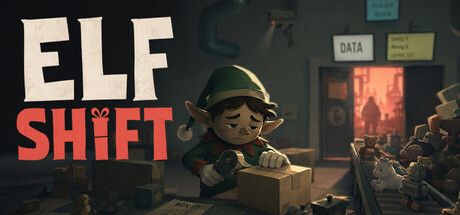 Elf Shift In-game content arttext | We view artificial intelligence solely as a supportive tool. Generative AI was used only as a supportive tool for certain visual designs and language translation.
Artificial intelligence helped with grammar corrections in in-game text; these corrections were then carefully reviewed and edited manually. | Kiki Games | - | Aug 11, 2026 | |
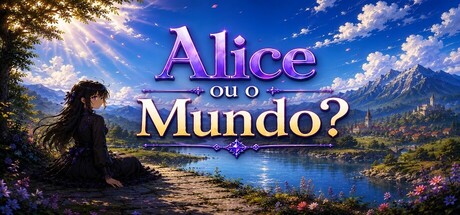 Alice ou o Mundo? In-game content art | Algumas imagens presentes neste jogo foram criadas com auxílio de inteligência artificial generativa e posteriormente revisadas, editadas e integradas pelo desenvolvedor. Todo o restante do jogo, incluindo programação, design, mecânicas e direção criativa, foi desenvolvido manualmente. | Poeira Estelar Game Studios | - | Aug 7, 2026 | |
 ZERO KNOWLEDGE In-game content artaudiotext | This game contains pre-generated visual, audio, and text assets created with generative AI and selected, directed, edited, and integrated by the developer. It does not use live-generated AI content during gameplay. | Spencer MacBeth | - | Aug 4, 2026 | |
 Query Noir In-game content artaudio | Parts of this game's artwork and audio were created with the help of generative AI tools and then selected, edited and assembled by hand. This covers the comic panels, the character portraits, the store and library artwork, and the music and sound effects. No content is generated while the game is running. | Alfish Games | - | Aug 4, 2026 | |
 FIRST LINE In-game content codetext | FIRST LINE was designed and directed by its human developer: the gameplay systems, the mechanics, the narrative and every creative decision. The game's code — including the systems that render all visuals and synthesize all audio at runtime — was written with an AI coding assistant (Claude Code) under that direction. The English localization was also produced with AI assistance. No pre-generated AI images, audio, or video assets are included in the game. Parts of the store page text were also written with AI assistance.
Store artwork (capsules and icons) is likewise rendered by AI-written code under human direction. | FBento | - | Aug 4, 2026 | |
 Bureau of Hero Affairs In-game content art | AI was used to generate initial drafts for some images and illustrations. All resulting assets are used only after review and revision by the developer. | indigoblue | - | Aug 4, 2026 | |
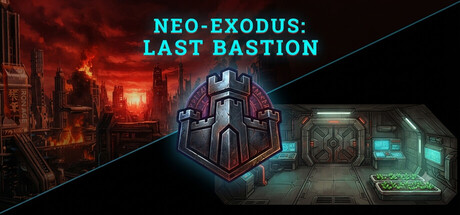 Neo-Exodus: Last Bastion In-game content art | Our game, Neo-Exodus: Last Bastion, utilizes generative AI tools to assist in the creation of certain visual assets. Specifically, AI-generated content is used for some static background images, textures, and promotional art displayed on the store page and within the game. All AI-generated content is pre-generated; there is no real-time generation of content during gameplay. We have manually reviewed and curated all AI-assisted assets to ensure they meet our quality and safety standards. | GODev Games | - | Jul 30, 2026 | |
 Rescue Team: Phantom Crisis In-game content art | Some visual assets in the game were created with the assistance of generative AI tools. All gameplay systems, mechanics, and interactive content were developed by the team. | Game Mixer | - | Jul 27, 2026 | |
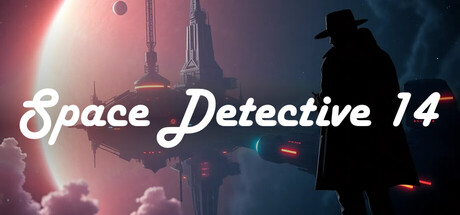 Space Detective 14 Unclear art | Graphics generated by AI. | Videogame Collective | - | Jul 25, 2026 | |
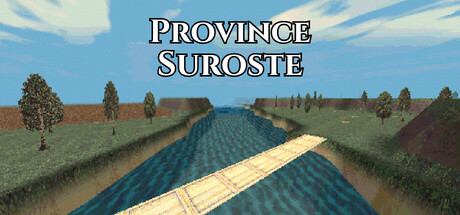 Province: Suroste In-game content textart | Generative AI was used during development to assist with a small portion of the game's code, improve and translate dialogue, and create or refine a limited number of sprite assets. All AI-assisted content was reviewed, edited, and integrated by the developer. No generative AI is used in real time during gameplay. | Ztry8 (AslanD) | - | Jul 25, 2026 | |
 STAMPED In-game content textart | AI tools were used to assist with code development, some in-game text, and marketing visuals. All game design, story direction and gameplay mechanics were created and reviewed by the developer. No AI-generated content is produced in real-time during gameplay. | GrazuleX | - | Jul 25, 2026 | |
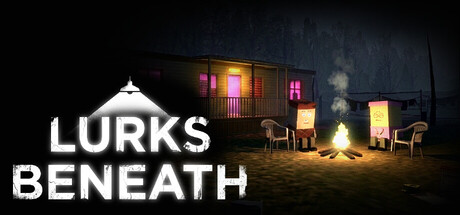 Lurks Beneath Live AI text | To create realistic interrogation scenarios in this detective game, this game packages a local, offline LLM to serve as the brain of the NPC suspects. This allows the user to lead the investigation however they like. Generative AI was NOT used to create this game, but an LLM is featured as a main game mechanic in the form of freeform NPC conversation. | MORPH | - | Jul 23, 2026 | |
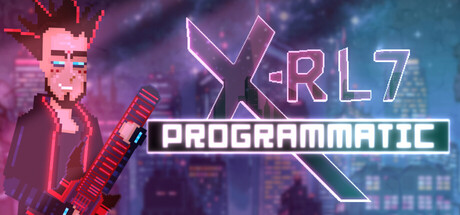 X-RL7: Programmatic In-game content art | Pre-rendered AI imagery was used to create some background looping elements, for example an in-game TV screen. All other artwork, narrative and character art and animation is created by hand. | X-RL7 | - | Jul 23, 2026 | |
 The Fixer In-game content artaudiotextcode | The game's 2D artwork (character portraits, scenes, backgrounds) and music were created with generative AI tools, then curated and edited by the developer. Parts of the game's code and narrative text were written with AI assistance, under human direction, review and rewriting. All AI-assisted content is pre-generated during development: nothing is generated by AI while you play. | Pixel Stratégie | - | Jul 22, 2026 | |
 Kret: The Game Live AI arttext | Generative AI tools were used to assist in the creation of selected promotional and store artwork. During gameplay, players can also optionally use generative AI to create custom word sets and hints. | Gucio Entertainment Studio | - | Jul 22, 2026 | |
 NEVER HAPPENED In-game content artaudiotext | The masterpieces featured in this game are real public-domain paintings, digitized from high-resolution scans. They are not AI-generated.
Generative AI was used only in the following areas: some artwork other than the masterpieces (UI, characters, backgrounds), some sound, and localization. | SF Create | 11 | Jul 20, 2026 | |
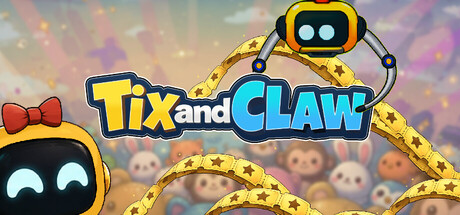 Tix and Claw In-game content art | Generative AI was used for creating Store page assets and in game items. Generated content was then manually edited to remove any anomalies and match look and feel of overall game's theme. | GameGameGames | - | Jul 20, 2026 | |
 Findport: Before the Silence In-game content art | This game uses generative artificial intelligence (Midjourney) as a supporting tool in the production of some of its artwork and illustrations. All AI-generated content is selected, edited, and art-directed by the development team, which defines composition, style, and visual coherence before it is integrated into the game. | Bookleaf Games | - | Jul 17, 2026 |


