Public Steam disclosure research25,376 disclosures tracked
Where do games disclose AI use?
Search developers’ Steam disclosures, compare classified AI use across
games, and follow recorded changes.
This index adds cross-game classifications and statistics to
statements published on individual store pages.
Groups reflect automatic analysis of public disclosures; mature records are excluded. These counts do not measure AI use across all of Steam.
Missing or unclear statements cannot establish whether a game uses AI.
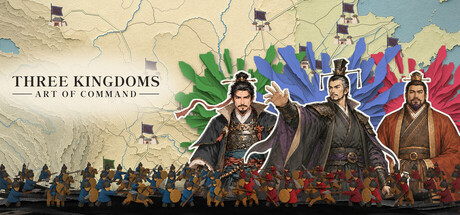
Generative AI tools were used during development to help create pre-made content: officer portraits, map and interface artwork, music and sound effects, and drafts of in-game text and its translations. All of it was selected and edited by the developer. The game does not generate any content with AI while you play.
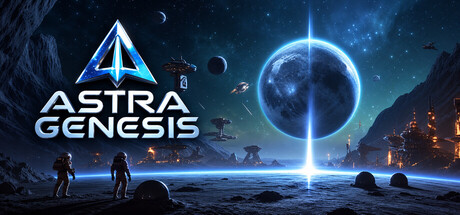
Generative AI tools were used during development to create pre-rendered visual assets, UI elements, and marketing materials. All generated assets were reviewed, finalized, and statically integrated into the game build prior to release. No content is generated in real-time or dynamically during gameplay.
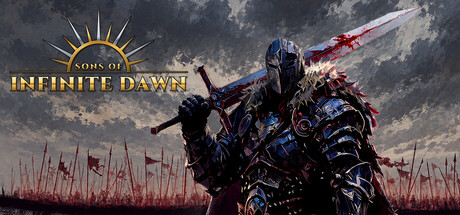
Generative AI was used during the visual development of Sons of Infinite Dawn to create and refine selected 2D artwork, textures and other visual assets used in the game and its store presentation. The resulting assets are reviewed and adjusted before use. No AI content is generated during gameplay, and the game does not connect to external AI services.
IDE Code assistant used to optimize parts of the game's code and resolve bugs.
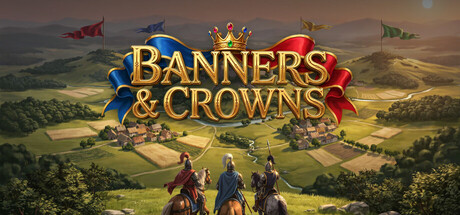
Certain assets in this game were created or modified with the assistance of genAI tools, then reviewed and integrated by our team.
The key art, story illustrations, kingdom portraits, music, opening film, menu video and its narration were produced with generative AI tools (Ideogram, Lyria, Seedance, Kling and ElevenLabs, through Artlist) and then selected, edited and assembled by the developer. The 3D map, units and buildings are procedural low-poly models built in code, and the sound effects are synthesised in the game. The game was written with the help of an AI coding assistant. No content is generated while the game is running; everything is pre-generated and shipped in the build. No real people's likenesses or voices are used.
Some visual assets in this game (such as illustrations, icons, and background images) were created with the assistance of generative AI tools. All AI-generated content was reviewed, edited, and curated by our development team before being included in the game.
Some icons and images in the game were created using generative AI. All AI-generated content is reviewed, edited, and curated by the developer. No live generative AI is used during gameplay.
FleetBane was created by a solo developer with assistance from generative AI tools. During development, these tools helped create and refine some visual assets, music, and written game content. All AI-assisted material was reviewed, selected, edited, polished, or substantially reworked by the developer before being integrated into the game. FleetBane does not use generative AI during gameplay and does not send player input or data to any AI service.
Generative AI tools were used in the development of this game solely to assist with writing and editing text: in-game interface strings and descriptions, their localization into all supported languages, and the text of the game's Steam store page. Every such text was reviewed and edited by a human before publication.
The game contains no AI-generated art, audio, music or gameplay content. All artwork was drawn by hand and all sound effects come from licensed libraries. No generative AI runs in the game at runtime.
Generative AI-assisted tools were used during development to support the creation and refinement of some pre-generated visual assets. No AI content is generated during gameplay.
Generative AI tools were used during development to create and refine some pre-generated artwork, icons, audio, text and localization, and marketing imagery. All such content was reviewed and curated by the developer. No AI-generated content is created during gameplay.
Parts of this game were made with the help of generative AI tools:
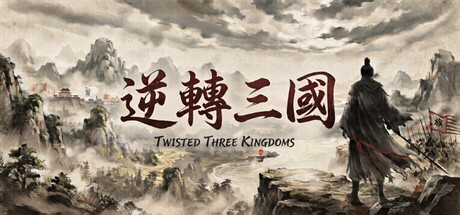
- 3,928 of the 6,608 character portraits were created with generative AI tools and then selected and retouched by a person. The other 2,404 are historical images from public archives such as Wikimedia Commons, and 276 reuse an existing picture.
- The title-screen key art was created with generative AI.
- The character biographies and historical event texts were written with the assistance of generative AI, based on historical sources, and edited by the developer.
- The English, Japanese and Traditional Chinese translations were produced with the assistance of generative AI.
No content is generated by AI while the game is running.
This product contains pre-generated content created with the assistance of generative AI tools during development. AI-assisted content includes selected 2D artwork, character portraits, unit illustrations, decorative interface imagery, trailer and store artwork, portions of the soundtrack, and some player-facing descriptive or localization text. All AI-assisted content was reviewed and edited by the developer and is fixed before release. The game does not generate text, images, audio, or any other content using generative AI while it is running. Computer-controlled opponents and procedural simulation systems use conventional game logic, not generative AI.
Generative AI was used during development to help create some of the game's artwork, written content, and translations, as well as some store-page images and text. This content was prepared before release. The game does not generate AI content during gameplay.
Some promotional artwork for this game (such as the store capsule image)
was created with the help of generative AI tools and then edited by hand.
All in-game content — 3D models, animations, sound effects, interface and
code — was created without generative AI. The game does not use AI during
gameplay and does not connect to any external AI service.
The soundtrack was produced with generative AI music tools and then edited, cut and mixed by the developer. Part of the game's text and this store page was written with AI assistance and reviewed line by line by the developer. Everything else - code, interface art, achievement icons, the map and every capsule and screenshot - is hand-made. No content is generated by AI while you play.
Kingdoms in Ink uses pre-generated AI-assisted content, including decorative map frames, store artwork, and some in-game and store text and translations. These assets and texts are prepared and reviewed during development. The game does not generate AI content during play or connect to external AI services.
This game includes AI-generated content created during development.
Character portraits, illustrations and store artwork were generated with an image model and curated by the developer. Background music was generated with Google Lyria and contains SynthID watermarking.
Translations were produced with AI assistance. No AI content is generated while you play.
Generative AI was used during development to create officer portraits, illustrations, backgrounds and other graphical assets, translations, and background music. This content was generated in advance; no AI content is generated during gameplay.
Diplomacy, or Else! was built with AI-assisted development. Generative AI was used, under the developer's direction and review, for game code and for writing text: interface strings, the in-game diplomacy word tables, achievement names and descriptions, and this store page, including their German, Spanish, Brazilian Portuguese and Ukrainian translations. The soundtrack was produced with an AI music tool and edited by the developer. Artwork, icons, the trailer and sound effects were made without generative AI. The game does not generate content during play and does not connect to any AI service.
Generative AI-assisted tools were used in parts of the development process, including selected visual assets, 3D models, music/audio, and promotional materials. These elements are reviewed and integrated by the developer as part of the game's overall creative direction. No generative AI is used to create content live during gameplay.
Generative AI tools were used during development to enhance and refine certain images which included improving resolution, clarity, colour. No AI-generated content is created during gameplay.
AI tools were used during development to create pre-generated content. The game's text was translated from English into 16 additional languages using AI translation with automated consistency review. Game artwork and the soundtrack were created by the developer using generative AI tools; every asset was individually reviewed and curated before inclusion. Store page assets (screenshots, trailer, capsule art) depict or derive from this same game content. The game contains no live/runtime AI generation — all content is fixed at build time, and the game runs fully offline.
Some of the artwork in this game — including character portraits, user
interface elements, map and battle backgrounds, unit sprites, and visual
effects — was created with the help of generative AI image tools, then
reviewed, corrected, and assembled by hand before being included in the
game. Some sound effects were produced with AI audio tools in the same way.
All of this content is generated ahead of time and is fixed in the shipped
build. The game does not generate any content while you play, and it does
not connect to any external AI service during gameplay.
Generative AI was used to create some pre-rendered marketing artwork for the Steam store page and to assist with drafting and translating store-page text. No generative AI content is generated during gameplay.
The text used in the game and on the Steam store page has currently been translated primarily with the assistance of AI tools.
Most of the graphical assets used in the game are based on real photographs or renders of 3D objects. However, AI-generated imagery was used in cases where no suitable real-world source material was available, or where the available material was insufficient to complete or supplement the required assets.
Generative AI tools were used to assist in the creation and refinement of some visual assets, including illustrations, user interface elements, and marketing materials.
Some pre-generated artwork and audio were created with generative AI during development. These outputs are integrated as fixed assets; the game does not generate content live during gameplay or connect to a third-party AI service during gameplay.
The vast majority of assets are created by me or commercially licensed. I have used AI-generated assets for a few buildings and UI elements as a base end then modified heavily in Photoshop. I am a solo developer and know it’s a controversial topic, but I hope the 1000+ hours I have spent in Photoshop shines through, but I still want to be honest.
Generative AI tools are used during development to assist with selected art production and localization. All AI-assisted outputs are reviewed, edited, and approved by the development team before being integrated into the game. The game does not use generative AI at runtime, and no content is generated live or delivered directly to players as unreviewed AI output.
The packaged offline model generates diplomatic communications and makes faction decisions from structured game state with curated personalities. Generative AI was used to assist in creating some pre-rendered artwork, including environment backgrounds, menu and branding art, icons, and promotional/title-card images. These assets were reviewed and integrated by the developer. Game does not connect to external AI services.
This game uses generative AI during development to assist with selected artwork, relic and character illustrations, and limited text drafts. All generated material was created offline during development, then manually reviewed, edited, integrated, and quality-checked before being included in the game.
The game does not generate images, audio, text, code, or other content in real time, and it does not send player data or game content to external AI services during gameplay.
Generative AI tools were used during development to assist with visual artwork and programming. All AI-assisted outputs were reviewed, edited, and integrated by the developer before inclusion in the game. No generative AI content is created during gameplay.
Generative AI was used to assist in creating some UI elements. No AI-generated content was used as-is; all assets were manually reviewed, refined, and polished by our designers before inclusion in the game.
Some of the content shipping with this game was created using generative AI:
• Images: the title/loading screen, the store graphics (capsules) and the five faction portraits were generated with an image AI. • Audio: the title music, intro music, sector music tracks and the sound effects were created with AI tools. • Text: the store description was drafted with AI assistance.
All of this content was selected, reviewed and integrated by hand. Not AI-generated: the 3D world, the ships, stations and effects — those are built procedurally and in Blender. The source code was developed with AI assistance; we mention this for completeness, even though development tools are exempt from disclosure.
This game contains pre-generated AI-assisted visual assets, including promotional images, icons, artwork, character portraits, and some UI elements. No live or runtime AI is used during gameplay. All gameplay, mechanics, code, and player interactions are handcrafted.
Generative AI tools were used during development to help create pre-made content: officer portraits, map and interface artwork, music and sound effects, and drafts of in-game text and its translations. All of it was selected and edited by the developer. The game does not generate any content with AI while you play.
Generative AI tools were used during development to create pre-rendered visual assets, UI elements, and marketing materials. All generated assets were reviewed, finalized, and statically integrated into the game build prior to release. No content is generated in real-time or dynamically during gameplay.
Generative AI was used during the visual development of Sons of Infinite Dawn to create and refine selected 2D artwork, textures and other visual assets used in the game and its store presentation. The resulting assets are reviewed and adjusted before use. No AI content is generated during gameplay, and the game does not connect to external AI services.
IDE Code assistant used to optimize parts of the game's code and resolve bugs.
Certain assets in this game were created or modified with the assistance of genAI tools, then reviewed and integrated by our team.
The key art, story illustrations, kingdom portraits, music, opening film, menu video and its narration were produced with generative AI tools (Ideogram, Lyria, Seedance, Kling and ElevenLabs, through Artlist) and then selected, edited and assembled by the developer. The 3D map, units and buildings are procedural low-poly models built in code, and the sound effects are synthesised in the game. The game was written with the help of an AI coding assistant. No content is generated while the game is running; everything is pre-generated and shipped in the build. No real people's likenesses or voices are used.
Some visual assets in this game (such as illustrations, icons, and background images) were created with the assistance of generative AI tools. All AI-generated content was reviewed, edited, and curated by our development team before being included in the game.
Some icons and images in the game were created using generative AI. All AI-generated content is reviewed, edited, and curated by the developer. No live generative AI is used during gameplay.
FleetBane was created by a solo developer with assistance from generative AI tools. During development, these tools helped create and refine some visual assets, music, and written game content. All AI-assisted material was reviewed, selected, edited, polished, or substantially reworked by the developer before being integrated into the game. FleetBane does not use generative AI during gameplay and does not send player input or data to any AI service.
Generative AI tools were used in the development of this game solely to assist with writing and editing text: in-game interface strings and descriptions, their localization into all supported languages, and the text of the game's Steam store page. Every such text was reviewed and edited by a human before publication.
The game contains no AI-generated art, audio, music or gameplay content. All artwork was drawn by hand and all sound effects come from licensed libraries. No generative AI runs in the game at runtime.
Generative AI-assisted tools were used during development to support the creation and refinement of some pre-generated visual assets. No AI content is generated during gameplay.
Generative AI tools were used during development to create and refine some pre-generated artwork, icons, audio, text and localization, and marketing imagery. All such content was reviewed and curated by the developer. No AI-generated content is created during gameplay.
Parts of this game were made with the help of generative AI tools:
- 3,928 of the 6,608 character portraits were created with generative AI tools and then selected and retouched by a person. The other 2,404 are historical images from public archives such as Wikimedia Commons, and 276 reuse an existing picture.
- The title-screen key art was created with generative AI.
- The character biographies and historical event texts were written with the assistance of generative AI, based on historical sources, and edited by the developer.
- The English, Japanese and Traditional Chinese translations were produced with the assistance of generative AI.
No content is generated by AI while the game is running.
This product contains pre-generated content created with the assistance of generative AI tools during development. AI-assisted content includes selected 2D artwork, character portraits, unit illustrations, decorative interface imagery, trailer and store artwork, portions of the soundtrack, and some player-facing descriptive or localization text. All AI-assisted content was reviewed and edited by the developer and is fixed before release. The game does not generate text, images, audio, or any other content using generative AI while it is running. Computer-controlled opponents and procedural simulation systems use conventional game logic, not generative AI.
Generative AI was used during development to help create some of the game's artwork, written content, and translations, as well as some store-page images and text. This content was prepared before release. The game does not generate AI content during gameplay.
Some promotional artwork for this game (such as the store capsule image)
was created with the help of generative AI tools and then edited by hand.
All in-game content — 3D models, animations, sound effects, interface and
code — was created without generative AI. The game does not use AI during
gameplay and does not connect to any external AI service.
The soundtrack was produced with generative AI music tools and then edited, cut and mixed by the developer. Part of the game's text and this store page was written with AI assistance and reviewed line by line by the developer. Everything else - code, interface art, achievement icons, the map and every capsule and screenshot - is hand-made. No content is generated by AI while you play.
Kingdoms in Ink uses pre-generated AI-assisted content, including decorative map frames, store artwork, and some in-game and store text and translations. These assets and texts are prepared and reviewed during development. The game does not generate AI content during play or connect to external AI services.
This game includes AI-generated content created during development.
Character portraits, illustrations and store artwork were generated with an image model and curated by the developer. Background music was generated with Google Lyria and contains SynthID watermarking.
Translations were produced with AI assistance. No AI content is generated while you play.
Generative AI was used during development to create officer portraits, illustrations, backgrounds and other graphical assets, translations, and background music. This content was generated in advance; no AI content is generated during gameplay.
Diplomacy, or Else! was built with AI-assisted development. Generative AI was used, under the developer's direction and review, for game code and for writing text: interface strings, the in-game diplomacy word tables, achievement names and descriptions, and this store page, including their German, Spanish, Brazilian Portuguese and Ukrainian translations. The soundtrack was produced with an AI music tool and edited by the developer. Artwork, icons, the trailer and sound effects were made without generative AI. The game does not generate content during play and does not connect to any AI service.
Generative AI-assisted tools were used in parts of the development process, including selected visual assets, 3D models, music/audio, and promotional materials. These elements are reviewed and integrated by the developer as part of the game's overall creative direction. No generative AI is used to create content live during gameplay.
Generative AI tools were used during development to enhance and refine certain images which included improving resolution, clarity, colour. No AI-generated content is created during gameplay.
AI tools were used during development to create pre-generated content. The game's text was translated from English into 16 additional languages using AI translation with automated consistency review. Game artwork and the soundtrack were created by the developer using generative AI tools; every asset was individually reviewed and curated before inclusion. Store page assets (screenshots, trailer, capsule art) depict or derive from this same game content. The game contains no live/runtime AI generation — all content is fixed at build time, and the game runs fully offline.
Some of the artwork in this game — including character portraits, user
interface elements, map and battle backgrounds, unit sprites, and visual
effects — was created with the help of generative AI image tools, then
reviewed, corrected, and assembled by hand before being included in the
game. Some sound effects were produced with AI audio tools in the same way.
All of this content is generated ahead of time and is fixed in the shipped
build. The game does not generate any content while you play, and it does
not connect to any external AI service during gameplay.
Generative AI was used to create some pre-rendered marketing artwork for the Steam store page and to assist with drafting and translating store-page text. No generative AI content is generated during gameplay.
The text used in the game and on the Steam store page has currently been translated primarily with the assistance of AI tools.
Most of the graphical assets used in the game are based on real photographs or renders of 3D objects. However, AI-generated imagery was used in cases where no suitable real-world source material was available, or where the available material was insufficient to complete or supplement the required assets.
Generative AI tools were used to assist in the creation and refinement of some visual assets, including illustrations, user interface elements, and marketing materials.
Some pre-generated artwork and audio were created with generative AI during development. These outputs are integrated as fixed assets; the game does not generate content live during gameplay or connect to a third-party AI service during gameplay.
The vast majority of assets are created by me or commercially licensed. I have used AI-generated assets for a few buildings and UI elements as a base end then modified heavily in Photoshop. I am a solo developer and know it’s a controversial topic, but I hope the 1000+ hours I have spent in Photoshop shines through, but I still want to be honest.
Generative AI tools are used during development to assist with selected art production and localization. All AI-assisted outputs are reviewed, edited, and approved by the development team before being integrated into the game. The game does not use generative AI at runtime, and no content is generated live or delivered directly to players as unreviewed AI output.
The packaged offline model generates diplomatic communications and makes faction decisions from structured game state with curated personalities. Generative AI was used to assist in creating some pre-rendered artwork, including environment backgrounds, menu and branding art, icons, and promotional/title-card images. These assets were reviewed and integrated by the developer. Game does not connect to external AI services.
This game uses generative AI during development to assist with selected artwork, relic and character illustrations, and limited text drafts. All generated material was created offline during development, then manually reviewed, edited, integrated, and quality-checked before being included in the game.
The game does not generate images, audio, text, code, or other content in real time, and it does not send player data or game content to external AI services during gameplay.
Generative AI tools were used during development to assist with visual artwork and programming. All AI-assisted outputs were reviewed, edited, and integrated by the developer before inclusion in the game. No generative AI content is created during gameplay.
Generative AI was used to assist in creating some UI elements. No AI-generated content was used as-is; all assets were manually reviewed, refined, and polished by our designers before inclusion in the game.
Some of the content shipping with this game was created using generative AI:
• Images: the title/loading screen, the store graphics (capsules) and the five faction portraits were generated with an image AI. • Audio: the title music, intro music, sector music tracks and the sound effects were created with AI tools. • Text: the store description was drafted with AI assistance.
All of this content was selected, reviewed and integrated by hand. Not AI-generated: the 3D world, the ships, stations and effects — those are built procedurally and in Blender. The source code was developed with AI assistance; we mention this for completeness, even though development tools are exempt from disclosure.
This game contains pre-generated AI-assisted visual assets, including promotional images, icons, artwork, character portraits, and some UI elements. No live or runtime AI is used during gameplay. All gameplay, mechanics, code, and player interactions are handcrafted.