


Disclosure
We use generative AI to assist with coding and localization.
- Creator
- ぬくもりロボット工房
- Reviews
- -
- Added
- Oct 10, 2026
Public Steam disclosure research 25,376 disclosures tracked
Search developers’ Steam disclosures, compare classified AI use across games, and follow recorded changes. This index adds cross-game classifications and statistics to statements published on individual store pages.
Code help, debugging and other development work.
Capsule art, trailers and promotional material.
Pre-made art, audio, writing and other game assets.
Interactive or runtime AI features disclosed by the developer.
Groups reflect automatic analysis of public disclosures; mature records are excluded. These counts do not measure AI use across all of Steam. Missing or unclear statements cannot establish whether a game uses AI.
We use generative AI to assist with coding and localization.
Generative AI tools were used during development to assist in creating and refining some of the game's visual assets and artwork. These assets were subsequently selected, edited, adapted, and integrated into the game by the developer. No generative AI is used during gameplay, and the game does not generate content dynamically for players.
Some sound resources contain AI-generated music.
About half of the background and prop pixel art was created with generative AI image tools and then edited by the developer. Character art is mostly hand-drawn.
Some background music in this game was created with the assistance of generative AI tools. The final selection, editing, and implementation of the music were handled by the developer.
Generative AI was used during development. Part of the graphics (characters, enemies, bosses, icons, room backgrounds and backdrops) was created with image-generation tools: Google Gemini, OpenAI ChatGPT and a locally run Stable Diffusion model. Part of the music was created with audio-generation tools (Google Gemini). Part of the code, room layouts and texts were written with the help of an AI assistant. The developer reviewed, cut, retouched and hand-adjusted all of this material before adding it to the game. The game does not generate any AI content while it is being played.
Pre-generated content only; nothing is generated while playing. The painted room backgrounds, the doorway arches, character and creature sprites and the key art (title picture, also the basis of the store capsules) were created with a generative image model (OpenAI gpt-image-2) and then hand-composed, cropped, colour-matched and fitted with collision by the developer. Code, level design and texts were written with AI assistance (Anthropic Claude) under human direction and testing; music is synthesised by the game's own code (no AI audio). — DE: Ausschliesslich vorgenerierte Inhalte, nichts wird während des Spielens erzeugt. Die gemalten Raumhintergründe, Torbögen, Figuren- und Kreaturen-Sprites sowie die Schlüsselgrafik (Titelbild, Grundlage der Shop-Kapseln) wurden mit einem generativen Bildmodell (OpenAI gpt-image-2) erzeugt und anschliessend vom Entwickler von Hand komponiert, beschnitten, farblich abgestimmt und mit Kollision belegt. Code, Leveldesign und Texte sind mit KI-Unterstützung (Anthropic Claude) unter menschlicher Leitung und Prüfung entstanden; die Musik wird vom Spielcode selbst synthetisiert (kein KI-Audio).
The protagonist was entirely hand-drawn. Some of the in-game tilesets, objects, background music, and sound effects were created using generative AI, and all AI-generated assets were manually retouched and edited by me before being used in the game.No generative AI content is generated during gameplay.
Generative AI was used only for the character portrait artwork currently included in the demo. No generative AI was used for gameplay, programming, game assets, localization, or other game content.
Generative AI tools were used during development to assist with the creation and refinement of some visual assets and localization. All AI-assisted content is reviewed, edited, and curated by the developer before being included in the game.
Generative AI was used during development to create or refine some of the game’s visual assets and music, and to assist with localization. These assets were selected by the developer and edited and adapted as needed. The game does not generate AI content in real time during gameplay.
The images were created using AI
Development of this game used AI assistance for writing source code, and for creating some of the in-game art assets such as objects and enemies. All AI-generated content was produced during development and reviewed by the developer; the game does not generate any content with AI at runtime.
War of the Watchers uses generative AI in two places. Both are pre-generated before release and ship as fixed files; nothing is generated while you play. Character dialogue is voiced using AI text-to-speech. Every line was written by the developer, and the tool performs those written lines. Each take is recorded before release and ships as an audio file. Some promotional artwork, including the key art and store capsules, was produced with AI image tools and then edited by the developer. Game code, level design and all in-game visuals are hand-authored. No content is generated during gameplay.
Some voice lines, sound effects, and music in the game and its trailer were created with generative AI tools (ElevenLabs, Suno), then reviewed, edited, and finalized by the developer. No content is generated by AI during gameplay.
Generative AI tools were used during development to assist in creating some environmental artwork, textures, and 3D models. The generated assets were subsequently selected, edited, optimized, and integrated into the game by the developer. No generative AI is used during gameplay.
Generative AI tools were used during development to assist with creating and refining some visual assets. All AI-assisted content was reviewed and edited by the developer before being included in the game. All AI-generated content was pre-generated during development. The game does not call any AI services at runtime and does not generate content in real time.
Generative AI is used as a support tool during development, mainly to assist with the creation and iteration of some visual assets and promotional materials. All content is selected, edited, adapted, composed and implemented by the developer. No AI-generated content is created in real time during gameplay.
Some of the sprites and marketing material started as AI-generated art that was processed and reworked by hand before use. No content is generated by AI while the game is running.
Generative AI tools were used during development to assist with the creation and iteration of some visual assets and promotional artwork. All final assets are curated, reviewed and further edited or iterated on by the developer. AI-assisted development tools are also used for programming. No AI-generated content is created during gameplay.
AI generation was temporarily used for placeholder assets, sound effects, and code during early development. all of these will be replaced with custom work before the official launch. AI is not used at runtime.
Some code and animation created with the assistance of LLMs.
Generative AI was used for programming assistance and to create some BGM. The generated music was edited and remastered by the developer. All visual assets were created manually without generative AI. No live-generated AI is used during gameplay.
We use AI-based text-to-speech tools to generate the character voice-over in this game. Everything else that ships in the game is made by our own development team.
Some of the code was generated with AI assistance.
I have used generative AI tools to assist in the creation of the character Elara's artwork for the capsule and for the in-game voiceover. All other aspects of the game are entirely handmade. No generative AI is used during gameplay.
Characters and environments are human‑created. Some cutscenes, special effects and icons use AI-generated assets.
Some initial art and audio materials are created with AI assistance.
Some sound effects and visual assets in the game were created with the assistance of generative AI tools.
Generative AI tools were used as part of the development workflow for selected visual and audio asset refinement and production. All final content is reviewed and edited by the developer. No generative AI is used during gameplay.
Generative AI was used as a tool to assist with a portion of the character designs.
Some resources were created using AI for efficiency as a Solo Developer.
Generative AI was used during development to assist with brainstorming, coding assistance, and drafting certain written materials. All game content, gameplay implementation, testing, review, and final decisions were completed and verified by the developer before release.
Some visual assets in this demo are AI-generated placeholders, used temporarily due to budget constraints as a solo developer. These are planned to be replaced with final hand-crafted art before the game's full release.
Some placeholder assets in the current build were created with AI image tools.
This game contains content created with generative AI, including some monster assets, some icons, the title BGM, and translations.
Gen AI was used only for translation assistance. No AI was used for artwork, visuals, audio, or gameplay content.
During the development of this game, generative AI technologies were utilized to assist in creating certain 3D models and character/environmental textures. All AI-assisted assets have been manually refined, optimized, and reviewed to ensure high quality and full compliance with platform copyright policies.
Generative AI tools were used during development as creative and technical assistance, including support for programming, debugging, text drafting, localization, and some visual/marketing asset iteration. The game does not generate AI content during gameplay. All final content included in the game and store page was reviewed, selected, and edited by the developer before publication.
We use generative AI as an assistive tool during development to help with code writing and to generate drafts or concept materials for 일부 visual assets. All final in-game content is reviewed, edited, and produced by the development team.
Some visual assets used in the game and on the Steam store page were created with the assistance of generative AI and have been further refined and integrated into the game by the developer. No live-generated AI content is used during gameplay.
This game makes extensive use of generative AI for nearly all player-facing content. All assets, textures, shaders, fonts, some animations, sound effects, and music are fully generated using AI tools and then integrated and refined within the game. As a core rule of the project, everything the player sees and hears has to be AI-generated. Game design, mechanics, level design, and technical implementation are created and controlled by the developer. AI is used as a content creation tool and does not dynamically generate gameplay content or influence player experience in real time. No personal player data is processed by AI systems during gameplay.
Some visual assets used in the game and store page were created or modified with the assistance of generative AI, including certain UI elements, icons, and promotional artwork. AI-assisted translation was also used for some store page localizations. All AI-generated content was reviewed, edited, and integrated by the developer.
This game uses generative artificial intelligence in the development of certain content, including NPC dialogue, visual art assets, and music/sound elements. All AI-generated content was created prior to the game's release and is not generated in real time during gameplay. This content has been reviewed and curated by our development team to ensure it meets our creative vision and quality standards.
Dither Paradox is created and directed by Michał Kita. The game's final pixel art, animation, and visual design are made by hand, and every artistic and creative decision is made by people. We use generative AI as a production tool that supports - but does not replace - this work. In the visual layer, AI is sometimes used during the concept and iteration stage - to explore ideas and variations - while the final art assets that ship in the game are made by hand. AI also assists in producing music and voiceover, which are then curated, edited, and approved by the team, as well as some promotional materials. AI lets us reach a higher level of polish in less time, but authorship, art direction, and final responsibility for everything players see and hear remain with the people who make the game.
Inventory icons, and some background images and textures.
The game code was developed with the assistance of generative AI, and part of the game assets are AI-generated.
All visual and audio assets in this game are created without any involvement of AI. AI is just used in a very small part of coding.
This game uses generative AI tools to assist in creating certain environmental assets, which were then manually upscaled, recolored, and heavily edited for quality
Some protein structures shown in the game are predicted by AlphaFold, an AI-based tool. The description for some proteins shown in the museum are polished by Gemini and verified by a human for scientific correctness.
| Title⇅ | Disclosure | Creator⇅ | Src | Reviews⇅ | Added↓ |
|---|---|---|---|---|---|
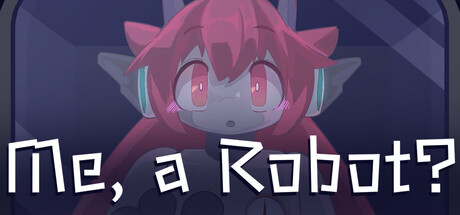 Me, a Robot? In-game content codetext | We use generative AI to assist with coding and localization. | ぬくもりロボット工房 | - | Oct 10, 2026 | |
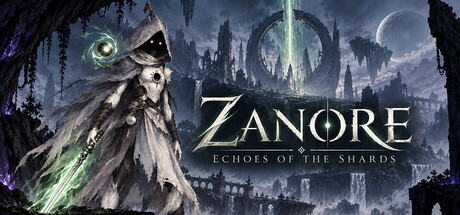 Zanore: Echoes of the Shards In-game content art | Generative AI tools were used during development to assist in creating and refining some of the game's visual assets and artwork. These assets were subsequently selected, edited, adapted, and integrated into the game by the developer. No generative AI is used during gameplay, and the game does not generate content dynamically for players. | Nine Gates Studio | - | Oct 9, 2026 | |
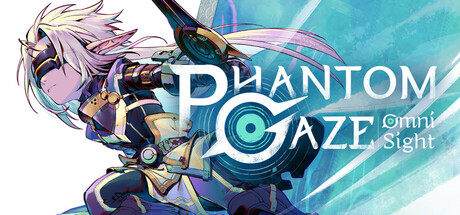 PhantomGaze : Omni-sight In-game content audio | Some sound resources contain AI-generated music. | ConcentGames | - | Oct 8, 2026 | |
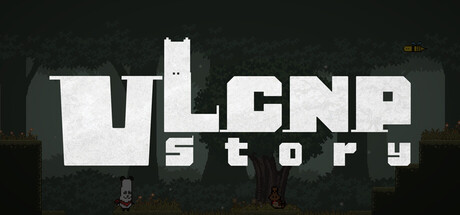 Very Long CNP物語 In-game content art | About half of the background and prop pixel art was created with generative AI image tools and then edited by the developer. Character art is mostly hand-drawn. | y-game | - | Oct 7, 2026 | |
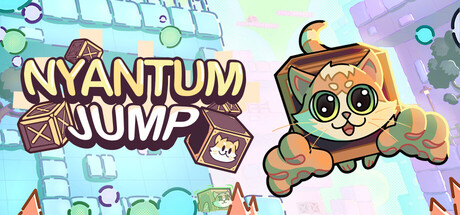 Nyantum Jump In-game content audio | Some background music in this game was created with the assistance of generative AI tools. The final selection, editing, and implementation of the music were handled by the developer. | Lunanod | - | Oct 7, 2026 | |
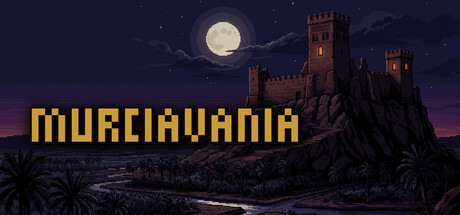 Murciavania In-game content artaudiotextcode | Generative AI was used during development. Part of the graphics (characters, enemies, bosses, icons, room backgrounds and backdrops) was created with image-generation tools: Google Gemini, OpenAI ChatGPT and a locally run Stable Diffusion model. Part of the music was created with audio-generation tools (Google Gemini). Part of the code, room layouts and texts were written with the help of an AI assistant. The developer reviewed, cut, retouched and hand-adjusted all of this material before adding it to the game. The game does not generate any AI content while it is being played. | Manuel Manzano | - | Sep 30, 2026 | |
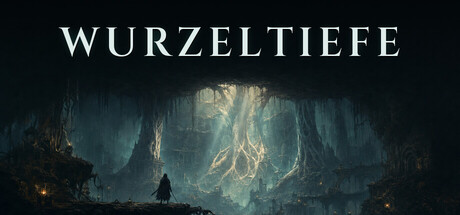 Wurzeltiefe In-game content arttextcode | Pre-generated content only; nothing is generated while playing. The painted room backgrounds, the doorway arches, character and creature sprites and the key art (title picture, also the basis of the store capsules) were created with a generative image model (OpenAI gpt-image-2) and then hand-composed, cropped, colour-matched and fitted with collision by the developer. Code, level design and texts were written with AI assistance (Anthropic Claude) under human direction and testing; music is synthesised by the game's own code (no AI audio). — DE: Ausschliesslich vorgenerierte Inhalte, nichts wird während des Spielens erzeugt. Die gemalten Raumhintergründe, Torbögen, Figuren- und Kreaturen-Sprites sowie die Schlüsselgrafik (Titelbild, Grundlage der Shop-Kapseln) wurden mit einem generativen Bildmodell (OpenAI gpt-image-2) erzeugt und anschliessend vom Entwickler von Hand komponiert, beschnitten, farblich abgestimmt und mit Kollision belegt. Code, Leveldesign und Texte sind mit KI-Unterstützung (Anthropic Claude) unter menschlicher Leitung und Prüfung entstanden; die Musik wird vom Spielcode selbst synthetisiert (kein KI-Audio). | AEV Studios | - | Sep 25, 2026 | |
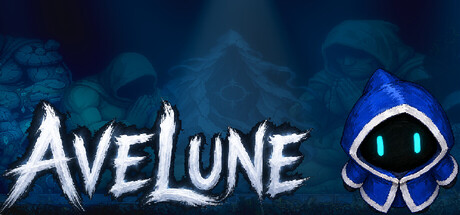 AVELUNE In-game content artaudio | The protagonist was entirely hand-drawn. Some of the in-game tilesets, objects, background music, and sound effects were created using generative AI, and all AI-generated assets were manually retouched and edited by me before being used in the game.No generative AI content is generated during gameplay. | Skyho | - | Sep 24, 2026 | |
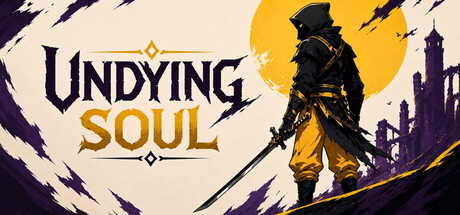 Undying Soul In-game content art | Generative AI was used only for the character portrait artwork currently included in the demo. No generative AI was used for gameplay, programming, game assets, localization, or other game content. | MipuDevs | - | Sep 24, 2026 | |
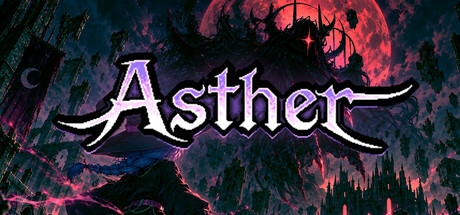 Asther In-game content arttext | Generative AI tools were used during development to assist with the creation and refinement of some visual assets and localization. All AI-assisted content is reviewed, edited, and curated by the developer before being included in the game. | SmallGear Studio | - | Sep 22, 2026 | |
 取经人 In-game content artaudiotext | Generative AI was used during development to create or refine some of the game’s visual assets and music, and to assist with localization. These assets were selected by the developer and edited and adapted as needed. The game does not generate AI content in real time during gameplay. | SvenFish Games | - | Sep 22, 2026 | |
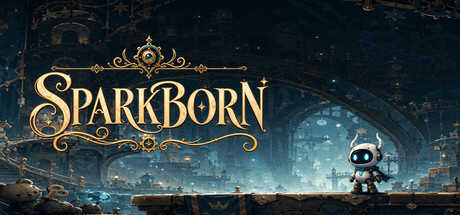 Sparkborn Unclear art | The images were created using AI | CUBE STUDIO | - | Sep 19, 2026 | |
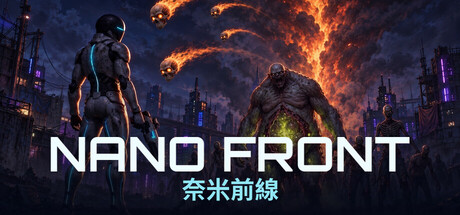 NANO FRONT In-game content artcode | Development of this game used AI assistance for writing source code, and for creating some of the in-game art assets such as objects and enemies. All AI-generated content was produced during development and reviewed by the developer; the game does not generate any content with AI at runtime. | Yang.biz | - | Sep 18, 2026 | |
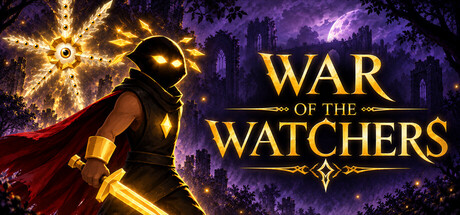 War of the Watchers In-game content audioart | War of the Watchers uses generative AI in two places. Both are pre-generated before release and ship as fixed files; nothing is generated while you play.
Character dialogue is voiced using AI text-to-speech. Every line was written by the developer, and the tool performs those written lines. Each take is recorded before release and ships as an audio file.
Some promotional artwork, including the key art and store capsules, was produced with AI image tools and then edited by the developer.
Game code, level design and all in-game visuals are hand-authored. No content is generated during gameplay. | Crown & Cross Studios | - | Sep 18, 2026 | |
 Don't tread on cat In-game content audio | Some voice lines, sound effects, and music in the game and its trailer were
created with generative AI tools (ElevenLabs, Suno), then reviewed, edited,
and finalized by the developer. No content is generated by AI during gameplay. | Aleksandr Mihhailovski | - | Sep 11, 2026 | |
 Lionheart: The Spirit Within In-game content art | Generative AI tools were used during development to assist in creating some environmental artwork, textures, and 3D models. The generated assets were subsequently selected, edited, optimized, and integrated into the game by the developer. No generative AI is used during gameplay. | Kinokulak | - | Sep 10, 2026 | |
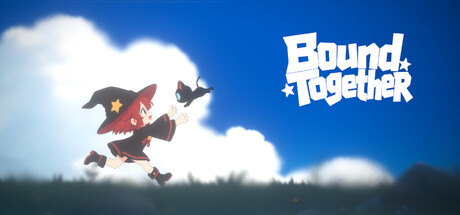 Bound Together In-game content art | Generative AI tools were used during development to assist with creating and refining some visual assets. All AI-assisted content was reviewed and edited by the developer before being included in the game.
All AI-generated content was pre-generated during development. The game does not call any AI services at runtime and does not generate content in real time. | TLY Studio | - | Sep 10, 2026 | |
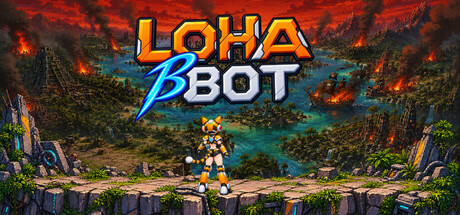 LoHa Beta Bot Store/marketing art | Generative AI is used as a support tool during development, mainly to assist with the creation and iteration of some visual assets and promotional materials. All content is selected, edited, adapted, composed and implemented by the developer. No AI-generated content is created in real time during gameplay. | CBA Entertainment | - | Sep 9, 2026 | |
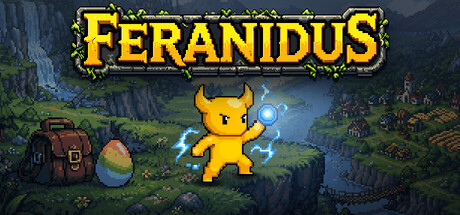 Feranidus In-game content art | Some of the sprites and marketing material started as AI-generated art that was processed and reworked by hand before use. No content is generated by AI while the game is running. | Uncle Skrufters | - | Sep 4, 2026 | |
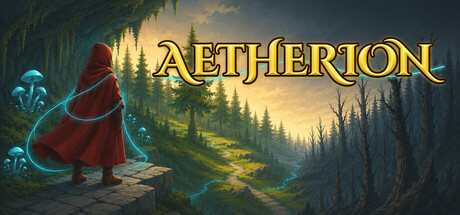 Aetherion Store/marketing artcode | Generative AI tools were used during development to assist with the creation and iteration of some visual assets and promotional artwork. All final assets are curated, reviewed and further edited or iterated on by the developer. AI-assisted development tools are also used for programming. No AI-generated content is created during gameplay. | AiirolDev | - | Sep 4, 2026 | |
 UNSEAM In-game content artaudiocode | AI generation was temporarily used for placeholder assets, sound effects, and code during early development. all of these will be replaced with custom work before the official launch. AI is not used at runtime. | Salt&Vinegar | - | Sep 1, 2026 | |
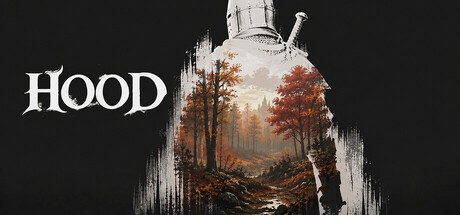 Hood Dev only code | Some code and animation created with the assistance of LLMs. | Deep Six Game Studios | - | Aug 29, 2026 | |
 DevilCompany In-game content audio | Generative AI was used for programming assistance and to create some BGM. The generated music was edited and remastered by the developer. All visual assets were created manually without generative AI. No live-generated AI is used during gameplay. | minimir | - | Aug 28, 2026 | |
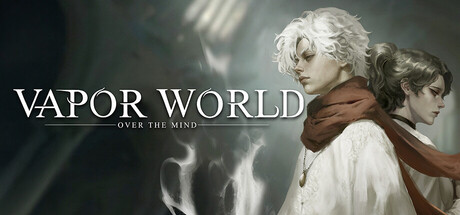 Vapor World: Over The Mind In-game content audio | We use AI-based text-to-speech tools to generate the character voice-over in this game. Everything else that ships in the game is made by our own development team. | ALIVE Inc. | 69 | Aug 25, 2026 | |
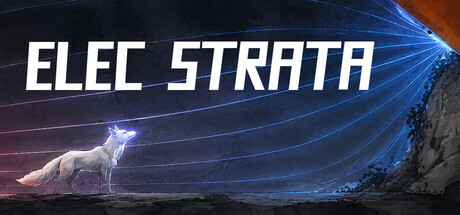 电脉层域 Dev only code | Some of the code was generated with AI assistance. | Draeften | - | Aug 25, 2026 | |
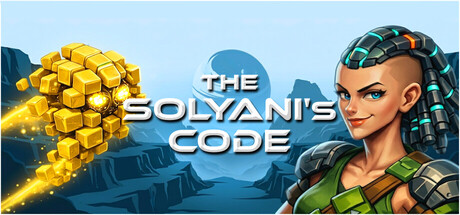 The Solyani's Code In-game content artaudio | I have used generative AI tools to assist in the creation of the character Elara's artwork for the capsule and for the in-game voiceover. All other aspects of the game are entirely handmade. No generative AI is used during gameplay. | ANGames | - | Aug 23, 2026 | |
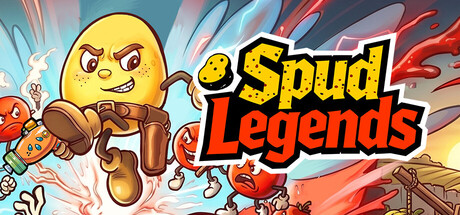 Spud Legends In-game content art | Characters and environments are human‑created. Some cutscenes, special effects and icons use AI-generated assets. | Beijing Gaishi Potato Technology Co., Ltd | - | Aug 23, 2026 | |
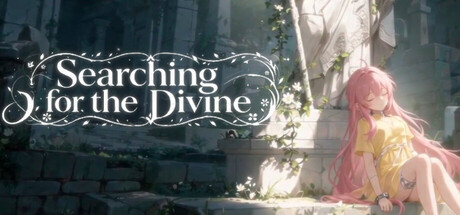 探访神明Searching for the Divine ~Prologue of the Journey In-game content artaudio | Some initial art and audio materials are created with AI assistance. | 蔷薇园的猫 | - | Aug 19, 2026 | |
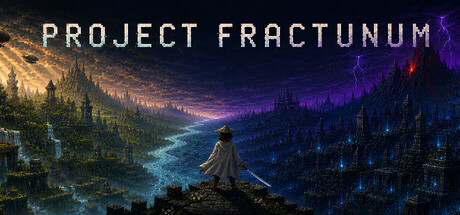 Project: Fractunum In-game content artaudio | Some sound effects and visual assets in the game were created with the assistance of generative AI tools. | Avalorix Interactive | - | Aug 16, 2026 | |
 Moonhollow In-game content artaudio | Generative AI tools were used as part of the development workflow for selected visual and audio asset refinement and production. All final content is reviewed and edited by the developer. No generative AI is used during gameplay. | Questfinity | - | Aug 16, 2026 | |
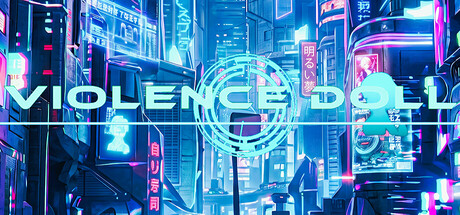 VIOLENCE DOLL バイオレンスドール In-game content art | Generative AI was used as a tool to assist with a portion of the character designs. | Mechanical Games | - | Aug 14, 2026 | |
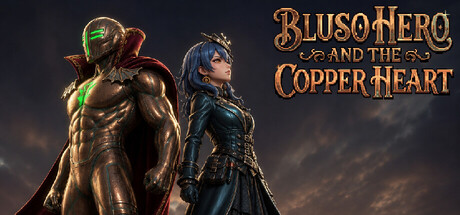 Bluso Hero and the Copper Heart Dev only | Some resources were created using AI for efficiency as a Solo Developer. | El Abrigo de Paulo | - | Aug 11, 2026 | |
 Metroidvania In-game content codetext | Generative AI was used during development to assist with brainstorming, coding assistance, and drafting certain written materials. All game content, gameplay implementation, testing, review, and final decisions were completed and verified by the developer before release. | David Chuks | - | Aug 11, 2026 | |
 Kintsugi Moon In-game content art | Some visual assets in this demo are AI-generated placeholders, used temporarily due to budget constraints as a solo developer. These are planned to be replaced with final hand-crafted art before the game's full release. | Robert Dionian | - | Aug 7, 2026 | |
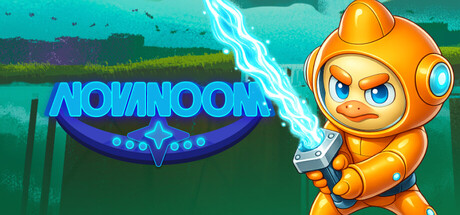 Novanoom art | Some placeholder assets in the current build were
created with AI image tools. | Wavemyth | - | Aug 5, 2026 | |
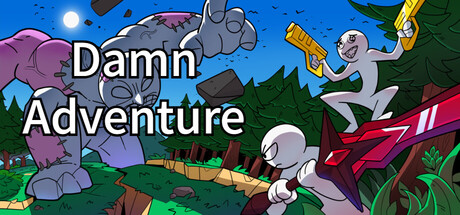 Damn Adventure In-game content artaudiotext | This game contains content created with generative AI, including some monster assets, some icons, the title BGM, and translations. | Hansan Game | - | Aug 1, 2026 | |
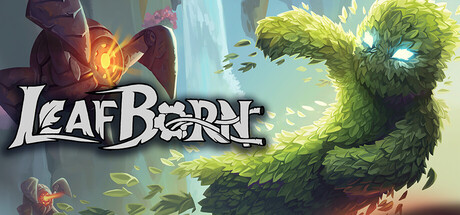 Leafborn In-game content text | Gen AI was used only for translation assistance. No AI was used for artwork, visuals, audio, or gameplay content. | Green Cat Games | - | Jul 18, 2026 | |
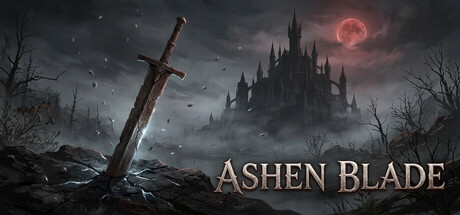 Ashen Blade In-game content art | During the development of this game, generative AI technologies were utilized to assist in creating certain 3D models and character/environmental textures. All AI-assisted assets have been manually refined, optimized, and reviewed to ensure high quality and full compliance with platform copyright policies. | Li Zhi | - | Jul 17, 2026 | |
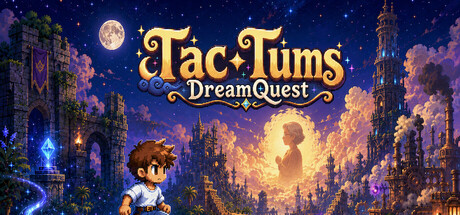 Tac-Tums: DreamQuest In-game content artcodetext | Generative AI tools were used during development as creative and technical assistance, including support for programming, debugging, text drafting, localization, and some visual/marketing asset iteration. The game does not generate AI content during gameplay. All final content included in the game and store page was reviewed, selected, and edited by the developer before publication. | Carlos Sánchez Valenciano | - | Jul 11, 2026 | |
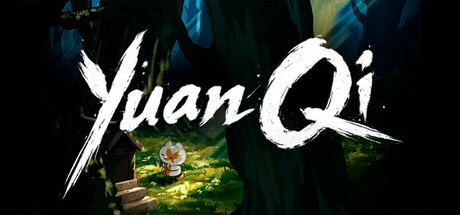 YuanQi : 元氣 In-game content artcode | We use generative AI as an assistive tool during development to help with code writing and to generate drafts or concept materials for 일부 visual assets. All final in-game content is reviewed, edited, and produced by the development team. | YuanQi | - | Jul 8, 2026 | |
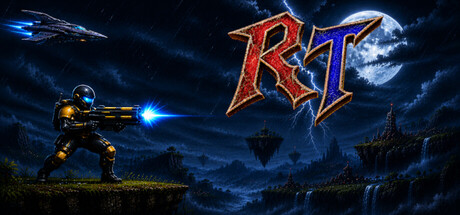 RT In-game content art | Some visual assets used in the game and on the Steam store page were created with the assistance of generative AI and have been further refined and integrated into the game by the developer. No live-generated AI content is used during gameplay. | Supanova | - | Jul 7, 2026 | |
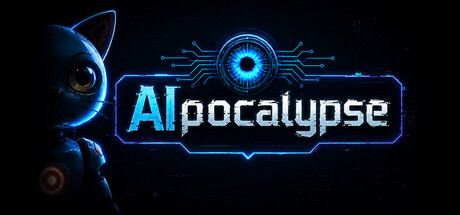 AIpocalypse In-game content artaudiotextcode | This game makes extensive use of generative AI for nearly all player-facing content.
All assets, textures, shaders, fonts, some animations, sound effects, and music are fully generated using AI tools and then integrated and refined within the game. As a core rule of the project, everything the player sees and hears has to be AI-generated.
Game design, mechanics, level design, and technical implementation are created and controlled by the developer. AI is used as a content creation tool and does not dynamically generate gameplay content or influence player experience in real time.
No personal player data is processed by AI systems during gameplay. | fatcatgames | - | Jul 1, 2026 | |
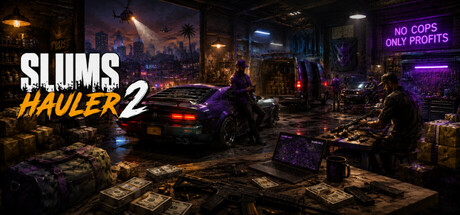 Slums: Hauler 2 In-game content arttext | Some visual assets used in the game and store page were created or modified with the assistance of generative AI, including certain UI elements, icons, and promotional artwork. AI-assisted translation was also used for some store page localizations. All AI-generated content was reviewed, edited, and integrated by the developer. | Urban Bear Studios | - | Jul 1, 2026 | |
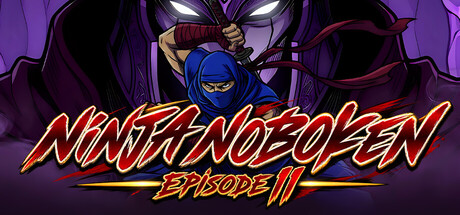 Ninja Noboken Episode 2 In-game content textartaudio | This game uses generative artificial intelligence in the development of certain content, including NPC dialogue, visual art assets, and music/sound elements. All AI-generated content was created prior to the game's release and is not generated in real time during gameplay. This content has been reviewed and curated by our development team to ensure it meets our creative vision and quality standards. | Gabriel Lopez | - | Jun 30, 2026 | |
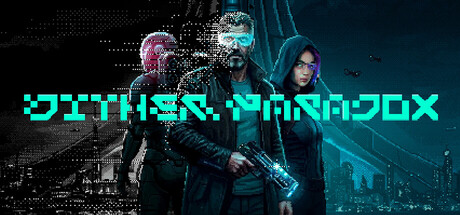 Dither Paradox In-game content artaudio | Dither Paradox is created and directed by Michał Kita. The game's final pixel art, animation, and visual design are made by hand, and every artistic and creative decision is made by people.
We use generative AI as a production tool that supports - but does not replace - this work. In the visual layer, AI is sometimes used during the concept and iteration stage - to explore ideas and variations - while the final art assets that ship in the game are made by hand. AI also assists in producing music and voiceover, which are then curated, edited, and approved by the team, as well as some promotional materials.
AI lets us reach a higher level of polish in less time, but authorship, art direction, and final responsibility for everything players see and hear remain with the people who make the game. | Negative Prompt Studio | - | Jun 28, 2026 | |
 Cytokine Storm In-game content art | Inventory icons, and some background images and textures. | Smooth Brain Studios | - | Jun 28, 2026 | |
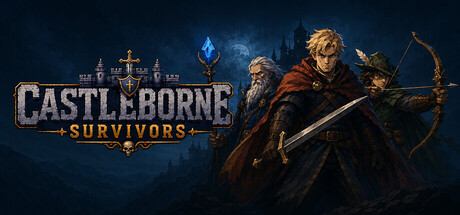 Castleborne Survivors In-game content codeart | The game code was developed with the assistance of generative AI, and part of the game assets are AI-generated. | GameVerse | - | Jun 28, 2026 | |
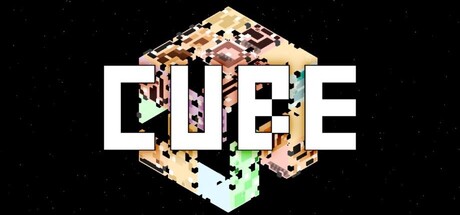 CUBE Dev only code | All visual and audio assets in this game are created without any involvement of AI. AI is just used in a very small part of coding. | EURTSTUDIO | - | Jun 28, 2026 | |
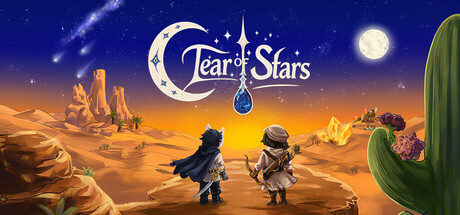 Tear of Stars In-game content art | This game uses generative AI tools to assist in creating certain environmental assets, which were then manually upscaled, recolored, and heavily edited for quality | SevenPearls | - | Jun 28, 2026 | |
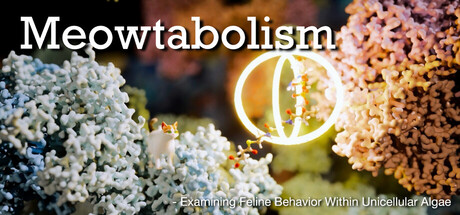 Meowtabolism - Examining Feline Behavior within Unicellular Algae In-game content arttext | Some protein structures shown in the game are predicted by AlphaFold, an AI-based tool. The description for some proteins shown in the museum are polished by Gemini and verified by a human for scientific correctness. | Kasia and Associates | - | Jun 15, 2026 |


