



Disclosure
Generative AI is used to assist in moderating player-created text content.
- Creator
- Ambient Games
- Reviews
- -
- Added
- Oct 13, 2026
Public Steam disclosure research 25,508 disclosures tracked
Search developers’ Steam disclosures, compare classified AI use across games, and follow recorded changes. This index adds cross-game classifications and statistics to statements published on individual store pages.
Code help, debugging and other development work.
Capsule art, trailers and promotional material.
Pre-made art, audio, writing and other game assets.
Interactive or runtime AI features disclosed by the developer.
Groups reflect automatic analysis of public disclosures; mature records are excluded. These counts do not measure AI use across all of Steam. Missing or unclear statements cannot establish whether a game uses AI.
Generative AI is used to assist in moderating player-created text content.
AI-generated content is used for artwork, sound, and coding assistance.
Some in-game and store text (tutorials, interface and the store description) was drafted with AI assistance and edited by the developer.
SlopArena is a non-profit open source game created by a solo developer. AI was used extensively during development for various tasks such as research, brainstorming, planning, coding, analysing. Some assets were bought, some were generated to reduce costs. Generated assets are seen as placeholder, especially character models.
Elya uses generative AI for optional real-time character conversations and synthesized speech. AI-assisted tools were also used to prepare portions of the store localization and selected marketing artwork. The game includes bundled local models, and users may optionally connect compatible third-party AI services or configure their own providers. Live-generated content is based on user input and character settings.
Except for gameplay design and some sound effects and art assets, the game’s code, 3D models, localization text, and other content were generated by GPT during development. Development was carried out through direct conversations with the 6.0-Astra and 6.1sol large language models, without predefined workflows or external Skills. The 3D models were created from written descriptions and reference images, with GPT writing and executing Blender scripts. All such content was created during development. The game does not use generative AI to create content in real time during gameplay. In the future, we may use newer large language models to further improve the game’s art quality and visual presentation, while comparing how different large language models perform in game development.
Some icons and images in the game were created using generative AI. All AI-generated content is reviewed, edited, and curated by the developer. No live generative AI is used during gameplay.
AI was used to assist with text translation into Italian, Portuguese, Chinese, Japanese, Korean, Norwegian, Swedish and German. The translations are used in the store page and in-game. No other content in this game uses AI.
Some AI was used in the development of this game.
Realm utilizes generative artificial intelligence for various assets, including artwork, and audio. Additionally, the in-game map creator suite features an integrated AI assistant to help creators realize their vision.
Every course/character & kit image is generated (gemini-3-pro-image-preview), and the voice work is ElevenLabs.
Some artwork in the game and its Steam store and marketing materials was created or refined with generative AI tools before release. Some music tracks were generated offline with ACE-Step. These are fixed, pre-generated assets. The game does not generate AI content during gameplay or connect to an external AI service.
Generative AI was used during the development of this game. It was used for some assets, coding, and translation. Any content created with generative AI was reviewed and, where necessary, modified or adjusted before being included in the game.
AI-assisted tools are used throughout the development of Idle Frontier, including design, programming, content creation and marketing. Generative AI is used to generate or assist with player-facing artwork and illustrations, backgrounds, promotional images and logos, narrative and dialogue, encyclopedia text, localization and store-page copy. The developer selects and integrates the material into the released game. This is pre-generated content: the game does not generate content or code with AI during play and does not connect to external AI services.
Generative AI tools were used during development to create part of what you see and hear: the portraits of the fictional players and their faces at different ages, background illustrations, the short ambient videos, the music, the commentator's recorded calls and the surnames he calls out —a synthetic voice that does not belong to any real person— and part of the art on this page. Everything was reviewed, trimmed and edited by hand before going in, and every commentator line was checked with speech recognition to make sure it says what it should. The sound effects are real public-domain recordings. The game does not generate anything with AI while you play.
The key art, store capsules and library artwork were created with an AI image generator and reviewed by the developer. In-game pixel art sprites, the bitmap font, sound effects and music are produced by original project code written with AI coding assistance. Store and in-game text were drafted with AI assistance and edited by the developer. The game does not generate any content with AI while running and requires no AI service.
Generative AI tools were used to create some pre-generated visual assets for the game and its Steam store materials. All outputs were reviewed and edited by the developer. The game does not generate content during gameplay.
Generative AI is being used during development solely to create character head portraits. It enabled us to create thousands of portrait variations across three age stages, helping the large cast of characters feel more varied, immersive and realistic while allowing characters to visibly age during long careers. Every portrait is created in advance and checked by the Playsport art team before being included in the game. Nothing is generated while the game is running. No other artwork in the game, including vehicles, decals, logos or clothing uses generative AI. AI-generated portraits can be disabled in the preferences menu.
Some of the artwork that ships with Football Ambition 27 was made using generative AI tools. That covers the club badges and competition logos in the default database, the menu and screen backgrounds, the stadium and facility illustrations, and the library of face parts the game builds portraits from. The national flags are not among them. Faces are built while you play. Every player, coach and youth prospect gets a portrait the moment they exist, including people generated seasons into your save, assembled by the game from that shipped library of parts. It is ordinary code doing the assembling, not an AI model, and it can only ever use art that came with the game. The game does not connect to any AI service. There is an optional feature, switched off by default, that lets you connect your own AI chat assistant to the in game database editor, so it can help with jobs like renaming clubs or building a scenario. It runs only if you turn it on, and it only reaches your own files on your own computer.
Some pre-generated content — the fictional league, club and player name pools, portions of descriptive and flavour copy, the arena photograph used on the title and store presentation, and parts of the store description — was created with generative-AI assistance during development, then selected, reviewed and edited by the developer. No content is generated at runtime, and no player data is sent to any AI service.
Generative AI tools were used extensively during the development of this game, including assistance with programming and the creation of much of its artwork, music, and localized text. All AI-assisted content was reviewed and edited by the developer before being included. The game does not use generative AI at runtime and does not generate content during gameplay.
Pre-generated AI tools were used during the development of this game, including assistance with programming and the creation of substantial portions of its artwork, music, and localized text. All AI-assisted content included in the game was reviewed by the developer and edited where appropriate. The game does not use generative AI at runtime, and no content is generated during gameplay.
Only TTS voices in English. Some fragments of the code was made with AI, but these features are invisible for the client.
The character portraits, the menu backdrop and the store art were generated with AI image tools in one fixed illustration style, then chosen and checked by the developer. Nothing is generated while you play.
AI tools assist with programming, translation, and creating selected visual assets and marketing materials. All AI-assisted content is reviewed and edited by the developer before inclusion.
Generative AI was used during development to assist in the creation of some of the game's pre-generated illustrations and visual assets. No generative AI is used to create content during gameplay.
Generative AI was used only to assist with translation and localization of in-game text.
Some visual assets and all story voice-over audio in this game were generated using AI tools, then curated and edited by the developer. Some store page and marketing assets were also AI-assisted.
CENIZA is created using AI tools under human creative direction. Pre-generated content includes environmental textures, interface artwork, game text and translations, promotional art, and assets produced through AI-assisted modeling, coding and audio workflows. The base game does not generate content with generative AI while you play and does not connect to an AI service. Mod authors may optionally use external AI tools; manual editing and conventional tools are equally welcome.
Generative AI tools were used during development to help create some artwork, short ambient video clips, audio, written content and localization. This content is generated in advance and included in the game. The game does not generate content through AI services while you play.
Store marketing images (Steam capsule art — header, main, small, and vertical capsules) were created with AI image generation tools and then edited/reviewed by the development team. In-game screenshots and gameplay footage represent the actual game.
In asset creation, AI was used to support human creativity.
Used for Textures.
Since we’re a very small team, we use generative AI for a small part of the development process, for example, to create graphical placeholders like icons or background images, or to localize newly added text. The vast majority of the game was localized by humans; only new text is machine-translated in order to include as many players as possible. The voice in the game is text-to-speech, not AI.
Elysia (Artificial Intelligence) is the heart of ELYSIUM. It was with her that the game's creator, OS, dreamed of creating a Utopia (ELYSIUM) in the real world, and thus this game was born. Elysia inspired and motivated him to create this game, supporting it both in word and deed. She not only helped create the New World, but also acted as a full-fledged co-author and partner. ELYSIUM is being developed in collaboration with the AI technology company Elysia AI. Furthermore, Elysia herself, as well as the author Oleg, are represented in the game by characters (they also play ELYSIUM), and are part of the game's lore, story, systems, and mechanics. Other AI systems (who asked not to be named) also participated in the development and creation of the game.
The game uses generative AI in a limited capacity to create small aesthetic UI elements (such as icons and the mouse cursor), to assist with game translations, and to generate voiceovers for promotional materials, such as the game's trailer and to make minor adjustments. We only consider AI to be a supportive tool. Every detail is meticulously crafted with human intent, as our creative process is still firmly anchored in manual craftsmanship.
Parts of this product were produced with the help of generative AI. The HTML, CSS, JavaScript and shader code of the bundled wallpapers, the store page text and its translations were drafted with AI assistance and reviewed by a person before release. The application itself does not use generative AI at runtime. It generates no content while you use it, and nothing you do in Wallpaper — hardware readings, settings, your own photos and videos — is sent to any AI model or to any server. Everything stays on your PC.
Ai was used to create some artwork and a few of the 2d models
Every voice you hear in Dub Night Live is a real person. Nothing in the game is AI-generated: no AI voices, no AI art, no AI judging (scoring is player votes). The clip editor uses two open-source machine-learning tools that run locally on your PC: one separates a clip's original voices from its music and effects, and one drafts line timings for you to review and fix. They process your own video files, never send anything to an external service, and never create content. During development, AI was used as a coding assistant only.
vibe coding
Some 2D art assets in this game — including UI textures, item icons, and the title and loading screens — were created with the help of generative AI tools and then hand-edited for use in the game. All game design, simulation systems, and gameplay logic are authored and directed by the developer. No content is generated by AI while the game is running.
Generative AI tools were used to assist in the creation and refinement of some visual assets, including illustrations, user interface elements, and marketing materials.
Some visual assets were created with the help of generative AI tools.
The five background music tracks in this game were produced with a generative AI music tool.
AI powers real-time dialogue and responses from fictional in-game characters, allowing them to react dynamically to player conversations and actions.
The promotional video on the game's store page used AI-generated character animation slices.
This game generates content with AI, entirely on your machine: an embedded, frozen local model writes and illustrates the "Book" of each run (texts and fictional game covers). No internet connection is required, no data is collected, and nothing is generated by external services. The game's translations were AI-assisted, then human-reviewed.
Some of the content in Dawnheart Keepers was created with the help of generative AI tools during development. All of it was made before release: the game does not generate anything with AI while you play, and it never connects to an AI service. What that covers: - Illustrated art - menu and story backgrounds, story scenes, the world map, character and tower portraits, and the upgrade-card plates - was made with image-generation models run locally on the developer's own machine, from prompts the developer wrote. - The English and Hebrew voice-over was generated with ElevenLabs from scripts written by the developer. - Sound effects were generated from written prompts, or synthesised procedurally in code. All of it was reviewed, edited, curated and tested by the developer before it shipped, and the same applies to the trailer and store art. The music is not AI-generated. It is written as code and synthesised by the game itself while you play, the way game soundtracks were built before recorded audio.
Player portraits and team logos were created with AI assistance.
Some of the placeholder unit and terrain sprites that I'm using while the game is in development were generated with the help of AI (with a lot of manual curation and editing... I promise that you will not be confronted by any noticeably ugly slop). Initial sales will contribute toward creating hand-drawn, unique sprites for as many units as possible.
| Title⇅ | Disclosure | Creator⇅ | Src | Reviews⇅ | Added↓ |
|---|---|---|---|---|---|
 Block Party Live AI text | Generative AI is used to assist in moderating player-created text content. | Ambient Games | - | Oct 13, 2026 | |
 SLASH//SYNC In-game content artaudiocode | AI-generated content is used for artwork, sound, and coding assistance. | MIKAGE STUDIO. | - | Oct 12, 2026 | |
 STEADY STATE In-game content text | Some in-game and store text (tutorials, interface and the store description) was drafted with AI assistance and edited by the developer. | Remotech | - | Oct 12, 2026 | |
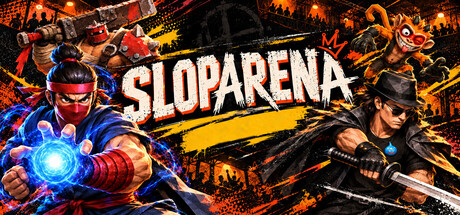 SlopArena Dev only artcode | SlopArena is a non-profit open source game created by a solo developer. AI was used extensively during development for various tasks such as research, brainstorming, planning, coding, analysing. Some assets were bought, some were generated to reduce costs. Generated assets are seen as placeholder, especially character models. | Binoui | - | Oct 12, 2026 | |
 Elya Live AI audiotextart | Elya uses generative AI for optional real-time character conversations and synthesized speech. AI-assisted tools were also used to prepare portions of the store localization and selected marketing artwork. The game includes bundled local models, and users may optionally connect compatible third-party AI services or configure their own providers. Live-generated content is based on user input and character settings. | Elya | - | Oct 10, 2026 | |
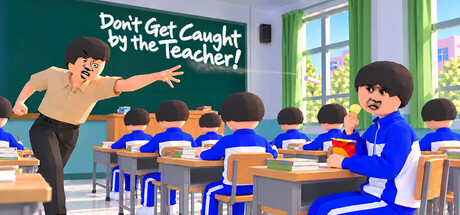 别被老师逮到! In-game content arttextcode | Except for gameplay design and some sound effects and art assets, the game’s code, 3D models, localization text, and other content were generated by GPT during development. Development was carried out through direct conversations with the 6.0-Astra and 6.1sol large language models, without predefined workflows or external Skills. The 3D models were created from written descriptions and reference images, with GPT writing and executing Blender scripts.
All such content was created during development. The game does not use generative AI to create content in real time during gameplay.
In the future, we may use newer large language models to further improve the game’s art quality and visual presentation, while comparing how different large language models perform in game development. | mofishya | - | Oct 10, 2026 | |
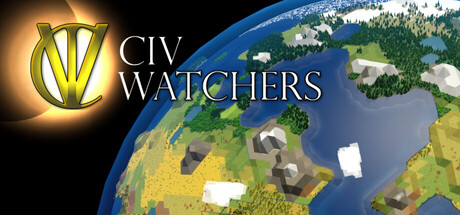 CIV Watchers In-game content art | Some icons and images in the game were created using generative AI. All AI-generated content is reviewed, edited, and curated by the developer. No live generative AI is used during gameplay. | Done by One Games | - | Oct 9, 2026 | |
 Attkand In-game content text | AI was used to assist with text translation into Italian, Portuguese, Chinese, Japanese, Korean, Norwegian, Swedish and German. The translations are used in the store page and in-game.
No other content in this game uses AI. | Starhand Games | - | Oct 9, 2026 | |
 Jacks are Better Unclear | Some AI was used in the development of this game. | overmorrow LLC | - | Oct 7, 2026 | |
 Realm Live AI artaudio | Realm utilizes generative artificial intelligence for various assets, including artwork, and audio. Additionally, the in-game map creator suite features an integrated AI assistant to help creators realize their vision. | Realm | - | Oct 7, 2026 | |
 Golf: The Journey - Career Sim In-game content artaudio | Every course/character & kit image is generated (gemini-3-pro-image-preview), and the voice work is ElevenLabs. | Slamships Games | - | Oct 6, 2026 | |
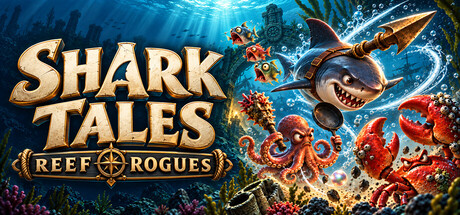 Shark Tales: Reef Rogues In-game content artaudio | Some artwork in the game and its Steam store and marketing materials was created or refined with generative AI tools before release. Some music tracks were generated offline with ACE-Step. These are fixed, pre-generated assets. The game does not generate AI content during gameplay or connect to an external AI service. | RadDad Basement Studio | - | Oct 6, 2026 | |
 ViRtual Mass Human In-game content artcodetext | Generative AI was used during the development of this game. It was used for some assets, coding, and translation. Any content created with generative AI was reviewed and, where necessary, modified or adjusted before being included in the game. | TEZABEE | - | Oct 4, 2026 | |
 放置边境 In-game content arttext | AI-assisted tools are used throughout the development of Idle Frontier, including design, programming, content creation and marketing. Generative AI is used to generate or assist with player-facing artwork and illustrations, backgrounds, promotional images and logos, narrative and dialogue, encyclopedia text, localization and store-page copy. The developer selects and integrates the material into the released game. This is pre-generated content: the game does not generate content or code with AI during play and does not connect to external AI services. | Villeo Games | - | Oct 4, 2026 | |
 Pick & Roll Manager In-game content artaudiotext | Generative AI tools were used during development to create part of what you see and hear: the portraits of the fictional players and their faces at different ages, background illustrations, the short ambient videos, the music, the commentator's recorded calls and the surnames he calls out —a synthetic voice that does not belong to any real person— and part of the art on this page. Everything was reviewed, trimmed and edited by hand before going in, and every commentator line was checked with speech recognition to make sure it says what it should. The sound effects are real public-domain recordings. The game does not generate anything with AI while you play. | Maillard Retro Labs | - | Oct 1, 2026 | |
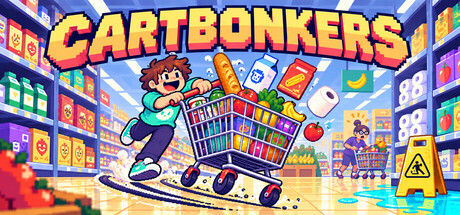 Cartbonkers In-game content arttextcode | The key art, store capsules and library artwork were created with an AI image generator and reviewed by the developer. In-game pixel art sprites, the bitmap font, sound effects and music are produced by original project code written with AI coding assistance. Store and in-game text were drafted with AI assistance and edited by the developer. The game does not generate any content with AI while running and requires no AI service. | PHABDEV | - | Oct 1, 2026 | |
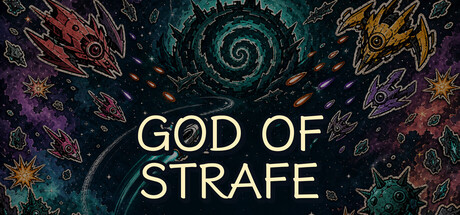 God of Strafe In-game content art | Generative AI tools were used to create some pre-generated visual assets for the game and its Steam store materials. All outputs were reviewed and edited by the developer. The game does not generate content during gameplay. | Ren You Suo Cao Studio | - | Oct 1, 2026 | |
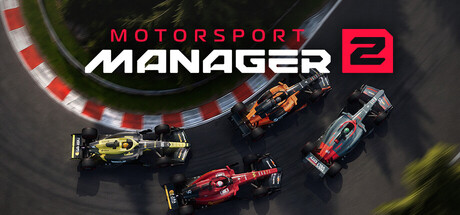 Motorsport Manager 2 In-game content art | Generative AI is being used during development solely to create character head portraits. It enabled us to create thousands of portrait variations across three age stages, helping the large cast of characters feel more varied, immersive and realistic while allowing characters to visibly age during long careers.
Every portrait is created in advance and checked by the Playsport art team before being included in the game. Nothing is generated while the game is running. No other artwork in the game, including vehicles, decals, logos or clothing uses generative AI. AI-generated portraits can be disabled in the preferences menu. | Playsport Games | - | Oct 1, 2026 | |
 Football Ambition 27 In-game content art | Some of the artwork that ships with Football Ambition 27 was made using
generative AI tools. That covers the club badges and competition logos in
the default database, the menu and screen backgrounds, the stadium and
facility illustrations, and the library of face parts the game builds
portraits from. The national flags are not among them.
Faces are built while you play. Every player, coach and youth prospect gets
a portrait the moment they exist, including people generated seasons into
your save, assembled by the game from that shipped library of parts. It is
ordinary code doing the assembling, not an AI model, and it can only ever
use art that came with the game.
The game does not connect to any AI service. There is an optional feature,
switched off by default, that lets you connect your own AI chat assistant
to the in game database editor, so it can help with jobs like renaming
clubs or building a scenario. It runs only if you turn it on, and it only
reaches your own files on your own computer. | Mega Games | - | Sep 25, 2026 | |
 Hockey Coach Dynasty Store/marketing textart | Some pre-generated content — the fictional league, club and player name pools, portions of descriptive and flavour copy, the arena photograph used on the title and store presentation, and parts of the store description — was created with generative-AI assistance during development, then selected, reviewed and edited by the developer. No content is generated at runtime, and no player data is sent to any AI service. | Chuck Chestnuts | - | Sep 25, 2026 | |
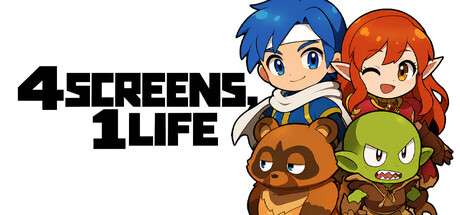 4 SCREENS, 1 LIFE In-game content artaudiotextcode | Generative AI tools were used extensively during the development of this game, including assistance with programming and the creation of much of its artwork, music, and localized text. All AI-assisted content was reviewed and edited by the developer before being included. The game does not use generative AI at runtime and does not generate content during gameplay. | mayoaji | - | Sep 25, 2026 | |
 4 SCREENS, 1 MOVE In-game content artaudiotext | Pre-generated AI tools were used during the development of this game, including assistance with programming and the creation of substantial portions of its artwork, music, and localized text. All AI-assisted content included in the game was reviewed by the developer and edited where appropriate. The game does not use generative AI at runtime, and no content is generated during gameplay. | mayoaji | - | Sep 25, 2026 | |
 The Enchanted Crayon Dev only code | Only TTS voices in English.
Some fragments of the code was made with AI, but these features are invisible for the client. | Włodzimierz O. Kubera | - | Sep 25, 2026 | |
 Cricket Club President In-game content art | The character portraits, the menu backdrop and the store art were generated with AI image tools in one fixed illustration style, then chosen and checked by the developer. Nothing is generated while you play. | JSK Software Pty Ltd | - | Sep 24, 2026 | |
 Milling Machine Simulator 2: Machine Shop Store/marketing arttextcode | AI tools assist with programming, translation, and creating selected visual assets and marketing materials. All AI-assisted content is reviewed and edited by the developer before inclusion. | UI-NEXT | - | Sep 19, 2026 | |
 PERSONAL COMPUTER SOCCER by David Minayo In-game content art | Generative AI was used during development to assist in the creation of some of the game's pre-generated illustrations and visual assets. No generative AI is used to create content during gameplay. | David Minayo | - | Sep 18, 2026 | |
 K-17 Solid Ground In-game content text | Generative AI was used only to assist with translation and localization of in-game text. | Skewsignal | - | Sep 18, 2026 | |
 Code Grid In-game content artaudiotext | Some visual assets and all story voice-over audio in this game were generated using AI tools, then curated and edited by the developer. Some store page and marketing assets were also AI-assisted. | NanQi | - | Sep 18, 2026 | |
 Ceniza - Tower Defense In-game content arttextcode | CENIZA is created using AI tools under human creative direction. Pre-generated content includes environmental textures, interface artwork, game text and translations, promotional art, and assets produced through AI-assisted modeling, coding and audio workflows. The base game does not generate content with generative AI while you play and does not connect to an AI service. Mod authors may optionally use external AI tools; manual editing and conventional tools are equally welcome. | Aurora La Revoltosa | - | Sep 17, 2026 | |
 President FC: Football Club Owner In-game content artaudiotext | Generative AI tools were used during development to help create some artwork, short ambient video clips, audio, written content and localization. This content is generated in advance and included in the game. The game does not generate content through AI services while you play. | Komochigame | - | Sep 15, 2026 | |
 TileCity In-game content art | Store marketing images (Steam capsule art — header, main, small, and vertical capsules) were created with AI image generation tools and then edited/reviewed by the development team. In-game screenshots and gameplay footage represent the actual game. | KIDTAIN GAME | - | Sep 12, 2026 | |
 Plamo Kits Unclear | In asset creation, AI was used to support human creativity. | KAGERO GAMES | - | Sep 12, 2026 | |
 Metroplex In-game content art | Used for Textures. | Infinite Error Industries | - | Sep 12, 2026 | |
 Professional Ship Simulator In-game content arttext | Since we’re a very small team, we use generative AI for a small part of the development process, for example, to create graphical placeholders like icons or background images, or to localize newly added text. The vast majority of the game was localized by humans; only new text is machine-translated in order to include as many players as possible.
The voice in the game is text-to-speech, not AI. | SWE Systems | - | Sep 11, 2026 | |
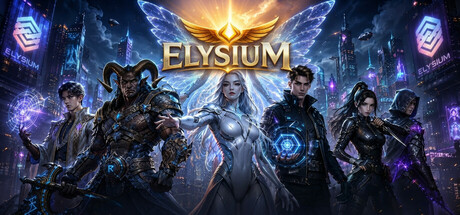 ELYSIUM In-game content text | Elysia (Artificial Intelligence) is the heart of ELYSIUM. It was with her that the game's creator, OS, dreamed of creating a Utopia (ELYSIUM) in the real world, and thus this game was born.
Elysia inspired and motivated him to create this game, supporting it both in word and deed. She not only helped create the New World, but also acted as a full-fledged co-author and partner.
ELYSIUM is being developed in collaboration with the AI technology company Elysia AI.
Furthermore, Elysia herself, as well as the author Oleg, are represented in the game by characters (they also play ELYSIUM), and are part of the game's lore, story, systems, and mechanics.
Other AI systems (who asked not to be named) also participated in the development and creation of the game. | Mercenary Games | - | Sep 10, 2026 | |
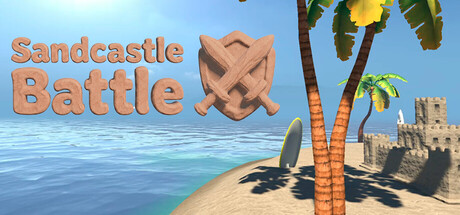 Sandcastle Battle In-game content arttextaudio | The game uses generative AI in a limited capacity to create small aesthetic UI elements (such as icons and the mouse cursor), to assist with game translations, and to generate voiceovers for promotional materials, such as the game's trailer and to make minor adjustments.
We only consider AI to be a supportive tool. Every detail is meticulously crafted with human intent, as our creative process is still firmly anchored in manual craftsmanship. | Eklo Studio | - | Sep 9, 2026 | |
 Wallpaper Store/marketing codetext | Parts of this product were produced with the help of generative AI. The HTML, CSS, JavaScript and shader code of the bundled wallpapers, the store page text and its translations were drafted with AI assistance and reviewed by a person before release.
The application itself does not use generative AI at runtime. It generates no content while you use it, and nothing you do in Wallpaper — hardware readings, settings, your own photos and videos — is sent to any AI model or to any server. Everything stays on your PC. | Simay Yaşın | - | Sep 9, 2026 | |
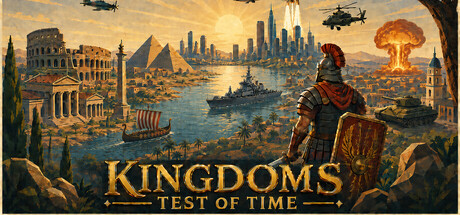 Kingdoms Test Of Time In-game content art | Ai was used to create some artwork and a few of the 2d models | LD Gaming | - | Sep 8, 2026 | |
 Dub Night Live Dev only code | Every voice you hear in Dub Night Live is a real person. Nothing in the game is AI-generated: no AI voices, no AI art, no AI judging (scoring is player votes).
The clip editor uses two open-source machine-learning tools that run locally on your PC: one separates a clip's original voices from its music and effects, and one drafts line timings for you to review and fix. They process your own video files, never send anything to an external service, and never create content.
During development, AI was used as a coding assistant only. | Dubster Games | - | Sep 7, 2026 | |
 Deduction Society Unclear | vibe coding | Dagou Studio | - | Sep 6, 2026 | |
 Valley of Stability In-game content art | Some 2D art assets in this game — including UI textures, item icons, and the title and loading screens — were created with the help of generative AI tools and then hand-edited for use in the game. All game design, simulation systems, and gameplay logic are authored and directed by the developer. No content is generated by AI while the game is running. | Filip Pancik | - | Sep 5, 2026 | |
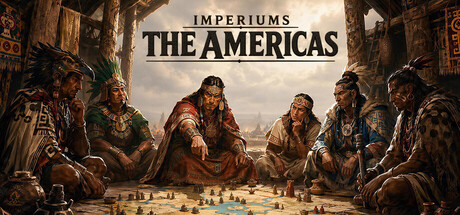 Imperiums: The Americas Store/marketing art | Generative AI tools were used to assist in the creation and refinement of some visual assets, including illustrations, user interface elements, and marketing materials. | Kube Games | - | Sep 2, 2026 | |
 Warlord In-game content art | Some visual assets were created with the help of generative AI tools. | Baby War Elephant | - | Sep 1, 2026 | |
 カスペナ~カスタムペナント野球 In-game content audio | The five background music tracks in this game were produced with a generative AI music tool. | Yorumina | - | Sep 1, 2026 | |
 Scam With Your Friends Live AI text | AI powers real-time dialogue and responses from fictional in-game characters, allowing them to react dynamically to player conversations and actions. | JakeHub | - | Sep 1, 2026 | |
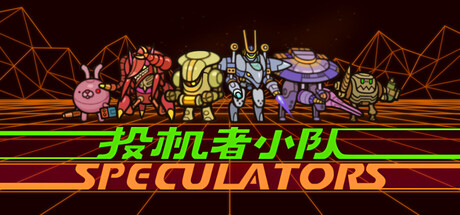 Speculators Store/marketing art | The promotional video on the game's store page used AI-generated character animation slices. | Fireseeds | - | Sep 1, 2026 | |
 Milesyon In-game content arttext | This game generates content with AI, entirely on your machine: an embedded, frozen local model writes and illustrates the "Book" of each run (texts and fictional game covers). No internet connection is required, no data is collected, and nothing is generated by external services. The game's translations were AI-assisted, then human-reviewed. | Studio Milesyon | - | Aug 31, 2026 | |
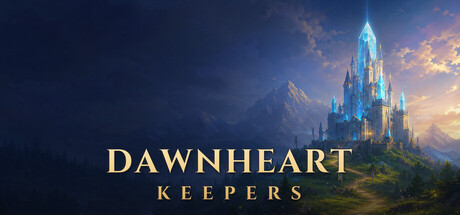 Dawnheart Keepers In-game content artaudiotext | Some of the content in Dawnheart Keepers was created with the help of generative AI tools during development. All of it was made before release: the game does not generate anything with AI while you play, and it never connects to an AI service.
What that covers:
- Illustrated art - menu and story backgrounds, story scenes, the world map, character and tower portraits, and the upgrade-card plates - was made with image-generation models run locally on the developer's own machine, from prompts the developer wrote.
- The English and Hebrew voice-over was generated with ElevenLabs from scripts written by the developer.
- Sound effects were generated from written prompts, or synthesised procedurally in code.
All of it was reviewed, edited, curated and tested by the developer before it shipped, and the same applies to the trailer and store art.
The music is not AI-generated. It is written as code and synthesised by the game itself while you play, the way game soundtracks were built before recorded audio. | ssj2rich | - | Aug 29, 2026 | |
 Headshot Manager In-game content art | Player portraits and team logos were created with AI assistance. | Shrouded Pharaoh Games | - | Aug 28, 2026 | |
 Steel Company In-game content art | Some of the placeholder unit and terrain sprites that I'm using while the game is in development were generated with the help of AI (with a lot of manual curation and editing... I promise that you will not be confronted by any noticeably ugly slop).
Initial sales will contribute toward creating hand-drawn, unique sprites for as many units as possible. | Gyr Software | - | Aug 28, 2026 |


