Public Steam disclosure research25,376 disclosures tracked
Where do games disclose AI use?
Search developers’ Steam disclosures, compare classified AI use across
games, and follow recorded changes.
This index adds cross-game classifications and statistics to
statements published on individual store pages.
Groups reflect automatic analysis of public disclosures; mature records are excluded. These counts do not measure AI use across all of Steam.
Missing or unclear statements cannot establish whether a game uses AI.
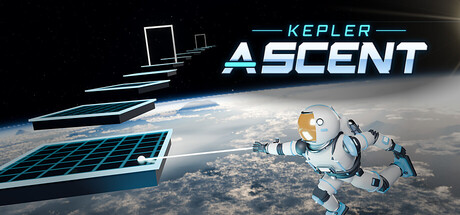
Kepler Ascent was made by an independent developer with the help of generative AI tools. AI was used to write part of the game's text (story and AURA's lines), to compose the music and create AURA's synthesized voice, to build some 3D models and cinematic sets (generated through scripts), and to produce the logo and artwork of this store page (rendered from the game's own models). All of this content was created ahead of time and reviewed by the developer. Nothing is generated by AI while you play.
The core assets, music, 3D objects, and story of this game were entirely reviewed, refined, and crafted by the developer. However, generative AI tools were utilized to assist in creating certain sound effects and a few background/UI images. As this is my very first game developed entirely as a solo indie developer, these tools were used to help overcome the immense challenges of managing all aspects of production alone. All AI-assisted contents have been thoroughly checked to ensure quality and compliance.
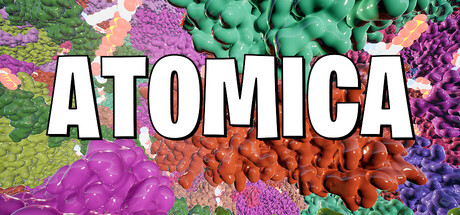
Atomica's translations into the thirteen languages other than English were made by an AI language model and have not yet been reviewed by native speakers. Much of the game's code and the store text were written with AI assistance. Nothing else is AI-generated. The cell is assembled by ordinary procedural code, not machine learning, from real data: Scripps Research's cellPACK model of Mycoplasma genitalium, protein structures from the Protein Data Bank (PDB), and ligands from the wwPDB Chemical Component Dictionary (CCD). The sounds are synthesized from the cell's real activity, and the store images are in-game screenshots.
Generative AI was used during development to create some character models and visual assets, promotional artwork, and to assist with text and localization. These assets are prepared in advance and included with the game or its store and marketing materials. No AI-generated content is created during gameplay, and the game does not connect to external generative AI services.
Generative AI-assisted tools were used during development for parts of localization and written marketing content. During gameplay, automated translation may be used to translate player-written chat messages between supported languages. Original player messages are written by users and are not generated by AI.
AI helped create promotional artwork and the main-menu background illustration, and draft the story, dialogue and Korean and English store descriptions. These assets are pre-generated; no AI content is generated or external AI service used during gameplay.
Generative AI tools were used during development to assist with portions of programming and store-page text. All AI-assisted material was reviewed, edited, tested, and integrated by the developer. No generative AI is used during gameplay.
The store artwork (capsules and key art) was generated with an image model and then composed, cropped and combined with our own logo by hand. The game's ambient background music tracks were generated with an AI music tool and edited afterwards.
AI tools were used as supportive tools during the development process, including assistance with code, and music. All AI-assisted content was reviewed, edited, and integrated by our development team before being included in the game.
Generative AI tools were used during development to assist with debugging. AI-assisted content included in the final game was reviewed and edited by the developer. No content is generated by AI during gameplay.
Generative AI was used to assist in the creation of some promotional and marketing materials (such as key art).
All in-game content, gameplay, and screenshots are created without the use of generative AI.
Some music tracks included in the game were created using generative AI tools by third-party music providers. These tracks are used under licenses that permit their inclusion in commercial projects.
The game's visual assets, 3D environments, characters, animations and other artwork are primarily human-created assets, including original work and commercially licensed asset packs or free asset packs.
The game does not generate AI content while running.
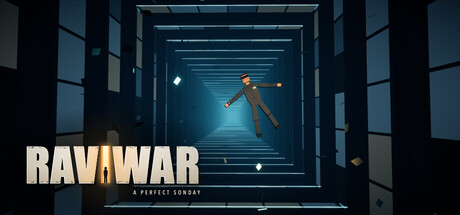
All the Localization, voiceovers/music, and many of the in-game textures were generated using AI.
The store page trailer and images are rendered inside the game itself, so indirectly they also contains those AI generated textures.
A note on why.
RaviWar 1 is the first part of a story that takes eight games to tell: RaviWar 1 & 2, and six shorter games set inside the same universe, under the name Tales of Takarek.
I am one person, with no studio and no funding behind me. Built the traditional way, a project that size would outlast me. These tools are the only way I can attempt it at all, and I would rather finish the whole story imperfectly than finish a fraction of it perfectly.
It is also why this game is free. I am not asking anyone to pay for AI generated work.
The design, the writing, the puzzles and the world are mine. As the project grows I intend to replace generated assets with commissioned ones.
Once again I am sorry.
This game was developed solo by an independent developer. Some UI visuals and artwork used for the Steam store page were created with the help of generative AI. Original sound effects were also created with AI assistance to match the game's atmosphere. This content is fixed and built into the game.
AI is not used to generate content in real time during gameplay.
Generative AI tools were used during development to create some artwork, including character art, environments, and promotional images. These are pre-made assets. No content is generated by AI during gameplay.
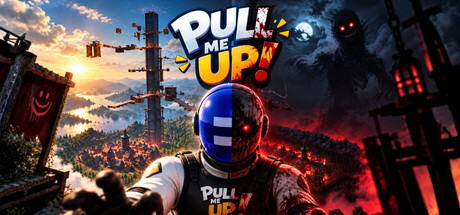
Generative AI was used during the development of Pull Me Up! to create some pre-generated content, including artwork used on the Steam store page, certain UI artwork in the game, and some written store page content. All AI-generated content was reviewed and integrated by the developer as part of the final game and store presentation.
Some 3D models, UI assets and background music of the game were initially created with generative AI tools, and then fully revised, refined and adjusted manually by our development team.
AI is used for programming assistance, for generating in-game sound effects and music, and for drafting store page text. All 3D art assets and level design are created by hand in Blender.
Cat Spirit RPG uses generative AI tools during development to assist with the creation and iteration of some pre-generated visual assets and promotional artwork. All AI-assisted content is reviewed, edited, and refined by the development team to ensure it meets the game's established quality standards and creative direction before being included in the game or its marketing materials.
The game does not generate AI content during gameplay.
This game uses generative AI for some visual content, including icons, logos, game art, Steam store page art, and website marketing images. Some store and website descriptions were written with AI assistance. Store, website, and marketing art is made to match the actual in-game look and design.
The game is a single hand-maintained source file. It was written together
with an AI coding assistant. Every change was reviewed, tested and integrated by
the developer; the game ships with its own automated test suite.
Generative AI tools were used during development to assist with the localization of some in-game text and the creation of certain visual assets. All AI-assisted content was reviewed and edited by the developer before being included in the game.
Generative AI tools were utilized for auxiliary purposes in the production of some assets. These assets were modified and supplemented by professional art personnel and were finally applied to the game.
Generative AI was used to create and/or assist with some promotional and marketing materials for the game, including store capsule artwork, cover images, and other store page visuals. Generative AI was not used to generate gameplay content or content during gameplay.
Portions of the in-game codex (character biographies, historical battle summaries) were drafted with the assistance of a large language model based on the developer's own lore notes and edited by hand. A subset of pixel-art tile and prop textures were procedurally generated from developer-written Python scripts. All content is reviewed and finalized by the developer; no generative image models (e.g. Stable Diffusion, Midjourney) were used to produce in-game art.
AI tools were used during development to generate some of the visual assets (such as UI elements/background textures) and promotional/audio elements. All AI-generated content was reviewed, edited, and integrated manually into the game.
During development, we used procedural and AI-assisted tools to analyze, merge, refine, and polish systems that were originally developed through years of our own experimentation, iteration, and hands-on exploration. These tools accelerated implementation and helped unify complex ideas beyond what would have been practical through manual development alone, while the underlying concepts, creative direction, design decisions, and final implementation remain the work of our development team.
Kepler Ascent was made by an independent developer with the help of generative AI tools. AI was used to write part of the game's text (story and AURA's lines), to compose the music and create AURA's synthesized voice, to build some 3D models and cinematic sets (generated through scripts), and to produce the logo and artwork of this store page (rendered from the game's own models). All of this content was created ahead of time and reviewed by the developer. Nothing is generated by AI while you play.
The core assets, music, 3D objects, and story of this game were entirely reviewed, refined, and crafted by the developer. However, generative AI tools were utilized to assist in creating certain sound effects and a few background/UI images. As this is my very first game developed entirely as a solo indie developer, these tools were used to help overcome the immense challenges of managing all aspects of production alone. All AI-assisted contents have been thoroughly checked to ensure quality and compliance.
Atomica's translations into the thirteen languages other than English were made by an AI language model and have not yet been reviewed by native speakers. Much of the game's code and the store text were written with AI assistance. Nothing else is AI-generated. The cell is assembled by ordinary procedural code, not machine learning, from real data: Scripps Research's cellPACK model of Mycoplasma genitalium, protein structures from the Protein Data Bank (PDB), and ligands from the wwPDB Chemical Component Dictionary (CCD). The sounds are synthesized from the cell's real activity, and the store images are in-game screenshots.
Generative AI was used during development to create some character models and visual assets, promotional artwork, and to assist with text and localization. These assets are prepared in advance and included with the game or its store and marketing materials. No AI-generated content is created during gameplay, and the game does not connect to external generative AI services.
Generative AI-assisted tools were used during development for parts of localization and written marketing content. During gameplay, automated translation may be used to translate player-written chat messages between supported languages. Original player messages are written by users and are not generated by AI.
AI helped create promotional artwork and the main-menu background illustration, and draft the story, dialogue and Korean and English store descriptions. These assets are pre-generated; no AI content is generated or external AI service used during gameplay.
Generative AI tools were used during development to assist with portions of programming and store-page text. All AI-assisted material was reviewed, edited, tested, and integrated by the developer. No generative AI is used during gameplay.
The store artwork (capsules and key art) was generated with an image model and then composed, cropped and combined with our own logo by hand. The game's ambient background music tracks were generated with an AI music tool and edited afterwards.
AI tools were used as supportive tools during the development process, including assistance with code, and music. All AI-assisted content was reviewed, edited, and integrated by our development team before being included in the game.
Generative AI tools were used during development to assist with debugging. AI-assisted content included in the final game was reviewed and edited by the developer. No content is generated by AI during gameplay.
Generative AI was used to assist in the creation of some promotional and marketing materials (such as key art).
All in-game content, gameplay, and screenshots are created without the use of generative AI.
Some music tracks included in the game were created using generative AI tools by third-party music providers. These tracks are used under licenses that permit their inclusion in commercial projects.
The game's visual assets, 3D environments, characters, animations and other artwork are primarily human-created assets, including original work and commercially licensed asset packs or free asset packs.
The game does not generate AI content while running.
All the Localization, voiceovers/music, and many of the in-game textures were generated using AI.
The store page trailer and images are rendered inside the game itself, so indirectly they also contains those AI generated textures.
A note on why.
RaviWar 1 is the first part of a story that takes eight games to tell: RaviWar 1 & 2, and six shorter games set inside the same universe, under the name Tales of Takarek.
I am one person, with no studio and no funding behind me. Built the traditional way, a project that size would outlast me. These tools are the only way I can attempt it at all, and I would rather finish the whole story imperfectly than finish a fraction of it perfectly.
It is also why this game is free. I am not asking anyone to pay for AI generated work.
The design, the writing, the puzzles and the world are mine. As the project grows I intend to replace generated assets with commissioned ones.
Once again I am sorry.
This game was developed solo by an independent developer. Some UI visuals and artwork used for the Steam store page were created with the help of generative AI. Original sound effects were also created with AI assistance to match the game's atmosphere. This content is fixed and built into the game.
AI is not used to generate content in real time during gameplay.
Generative AI tools were used during development to create some artwork, including character art, environments, and promotional images. These are pre-made assets. No content is generated by AI during gameplay.
Generative AI was used during the development of Pull Me Up! to create some pre-generated content, including artwork used on the Steam store page, certain UI artwork in the game, and some written store page content. All AI-generated content was reviewed and integrated by the developer as part of the final game and store presentation.
Some 3D models, UI assets and background music of the game were initially created with generative AI tools, and then fully revised, refined and adjusted manually by our development team.
AI is used for programming assistance, for generating in-game sound effects and music, and for drafting store page text. All 3D art assets and level design are created by hand in Blender.
Cat Spirit RPG uses generative AI tools during development to assist with the creation and iteration of some pre-generated visual assets and promotional artwork. All AI-assisted content is reviewed, edited, and refined by the development team to ensure it meets the game's established quality standards and creative direction before being included in the game or its marketing materials.
The game does not generate AI content during gameplay.
This game uses generative AI for some visual content, including icons, logos, game art, Steam store page art, and website marketing images. Some store and website descriptions were written with AI assistance. Store, website, and marketing art is made to match the actual in-game look and design.
The game is a single hand-maintained source file. It was written together
with an AI coding assistant. Every change was reviewed, tested and integrated by
the developer; the game ships with its own automated test suite.
Generative AI tools were used during development to assist with the localization of some in-game text and the creation of certain visual assets. All AI-assisted content was reviewed and edited by the developer before being included in the game.
Generative AI tools were utilized for auxiliary purposes in the production of some assets. These assets were modified and supplemented by professional art personnel and were finally applied to the game.
Generative AI was used to create and/or assist with some promotional and marketing materials for the game, including store capsule artwork, cover images, and other store page visuals. Generative AI was not used to generate gameplay content or content during gameplay.
Portions of the in-game codex (character biographies, historical battle summaries) were drafted with the assistance of a large language model based on the developer's own lore notes and edited by hand. A subset of pixel-art tile and prop textures were procedurally generated from developer-written Python scripts. All content is reviewed and finalized by the developer; no generative image models (e.g. Stable Diffusion, Midjourney) were used to produce in-game art.
AI tools were used during development to generate some of the visual assets (such as UI elements/background textures) and promotional/audio elements. All AI-generated content was reviewed, edited, and integrated manually into the game.
During development, we used procedural and AI-assisted tools to analyze, merge, refine, and polish systems that were originally developed through years of our own experimentation, iteration, and hands-on exploration. These tools accelerated implementation and helped unify complex ideas beyond what would have been practical through manual development alone, while the underlying concepts, creative direction, design decisions, and final implementation remain the work of our development team.