


Disclosure
Text has been embellished with AI and translations are also AI.
- Creator
- Golden Calf Games
- Reviews
- -
- Added
- Oct 10, 2026
Public Steam disclosure research 25,376 disclosures tracked
Search developers’ Steam disclosures, compare classified AI use across games, and follow recorded changes. This index adds cross-game classifications and statistics to statements published on individual store pages.
Code help, debugging and other development work.
Capsule art, trailers and promotional material.
Pre-made art, audio, writing and other game assets.
Interactive or runtime AI features disclosed by the developer.
Groups reflect automatic analysis of public disclosures; mature records are excluded. These counts do not measure AI use across all of Steam. Missing or unclear statements cannot establish whether a game uses AI.
Text has been embellished with AI and translations are also AI.
for multilingual support
This game did use generative AI during its development. This was more of a fun side project while working on the main project (Ducki's Descent, which doesn't use AI), tinkering around with AI since my fiancé likes this genre of games, so since it uses AI its free.
It has been used in the page visuals and logo.
Cover art made with the help of AI tools.
Korsaros Online uses a hybrid creative workflow combining generative AI tools with manual editing and integration for some artwork, 3D models, and music, including Steam marketing assets. These assets are reviewed before inclusion.
This game uses generative AI for some of its assets. Character portraits and promotional illustrations were created with AI image tools (ChatGPT), 3D landmark models with Tripo3D, sound effects with ElevenLabs, and the background music and theme song with Suno. The English and Simplified Chinese localization was drafted with AI assistance. All AI-generated content was reviewed, edited and selected by the developer before shipping. Nothing is generated live during gameplay.
AI-assisted scripting was used to create visual and audio assets. AI tools also assisted with text and localization. No generative AI is used during gameplay.
Phantom Fleet uses generative AI during development to assist in creating card illustrations, skill icons, UI decorations, backgrounds, ship textures, and some visual effect assets. AI assistance was also used in writing in-game descriptions and store page text. Background music and sound effects were created using audio synthesis code written with the assistance of AI and are included in the game. All of this content is pre-generated during development. The game does not use generative AI to create new images, music, dialogue, or other content in real time during gameplay.
Regarding programming, this game was partially coded and translated using AI; however, AI is used only for marketing art. The game's international artwork is hand-drawn and vectorized based on unofficial rock band logos.
AI was used to generate the art, music, sound effects, the captains' short vocal reactions, the game text and the translations, all curated and reviewed by hand. Nothing is generated at runtime.
AI tools assisted with some of the game's art and writing.
AI powered tools were used to build this game
Some smaller smaller graphical elements in the game utilize gen AI.
This game was made possible due to generative AI coding. It uses generative AI for the code base and procedural environmental generation but is limited to that. Models and music have been manually created.
Pre-generated content: the pixel art (characters, animations, tiles, props, UI frames) and the store capsule art were made with the help of an AI pixel-art tool, then selected, edited and assembled by the developer. Store page texts and their translations were drafted with AI assistance and reviewed by the developer. The game does not generate any content with AI while you play. Music, sound effects and fonts are licensed assets made by people.
Some of the game's content was created with the help of generative AI tools (some of the illustrations and the English translation), then reworked, curated and integrated by the developer. The game does not generate any AI content in real time.
Steam store and library, including capsule images, the logo and icons Gameplay screenshots were captured directly from the game.
This game’s player-facing art, writing, and audio were created with generative AI and then selected, edited, and directed by the developer. Store images and trailers use the same pre-generated assets. No content is generated live during gameplay.
AI was used to translate part of the in-game text and the Steam page.
I am a solo developer trying to get my dream games built. I use some AI tools to help me with this. I try to be thoughtful, careful and do whatever my skills allow.
Steam store page logo and cover art made ai tools. Game menu images made ai tools
Generative AI tools were used to create some of the pre-rendered content that ships with this game and appears on this store page, specifically artwork and character voice audio. Nothing is generated by AI while the game is running.
Generative AI tools were used during development to assist with portions of the game’s interface and narrative text, programming, procedurally constructed 2D visual elements, and marketing materials. All included content was reviewed, edited, and integrated by the developer. Tide & Crown does not generate AI content during gameplay and does not connect to external AI services.
This game uses AI generated images. This game's creation was assisted by AI.
In Game: Icons and splash screens in the game have been generated during the development process using artificial intelligence. Store page: Images on the store page have been generated using artificial intelligence, with exception of in game screen shots which are not made using AI.
Generative AI was used solely as a support tool for language translation.
Generative AI tools were used in creating and refining promotional artwork and marketing assets for this game's Steam store page. The game does not use live-generated AI during gameplay.
Currently, many illustrations have been enhanced by AI using our own artworks and 3D models as a basis. In addition, the audio versions of dialogues are produced using AI-generated voices.
This game makes limited, supplementary use of generative AI tools during development. The primary uses are programming assistance (such as debugging), certain image and audio assets, and assistance with translating text into English. Generated image and audio assets are not used as-is. The development team reviews their content and makes additions, revisions, edits, and other adjustments to ensure that they are appropriately refined and fit the game. For text translated with the assistance of generative AI, the development team reviews the context and content and makes any necessary revisions before using it in the game. Please note that generative AI does not generate any game content during gameplay.
Some of this game's assets were made with the assistance of generative AI tools and were reviewed, curated and hand-finished by the developer. No content is generated while you play.
Some content was created with the assistance of generative AI tools: 2D store and marketing art (library capsule and library hero), the game's localization into non-English languages, and portions of in-game flavour text. All localization was reviewed before shipping. All in-game visuals are generated procedurally at runtime from code, all sound effects are synthesised at runtime, and all music is human-composed and licensed under CC BY 4.0. The game performs no AI generation at runtime and connects to no external AI service.
Store art work has been generated using AI.
Some pre-rendered artwork and marketing assets were created with generative AI tools and then reviewed and edited by the developer before inclusion. The game does not generate new content during gameplay.
Some of the game's textures, models, and code were generated with the assistance of AI.
AI is used to enhance and upscale some images.
I'm not a professional game developer or artist. Making my own game had been a dream for years, but I never knew how to turn that dream into reality. Generative AI became the tool that finally made it possible. With its help, I created many of the game's visual and audio assets, including item, UI, skill, and module icons, character portraits, ships, space stations, backgrounds, the game icon, the Steam store artwork, and some of the sound effects. It also assisted me with programming. But Star Corsairs is not a game that AI simply generated. Every asset was reviewed, rejected, refined, or replaced until it matched the vision I had in mind. Every gameplay system was designed, tested, and reworked repeatedly until it felt right. The economy, ship balance, pirate AI, combat, and progression were all shaped through countless hours of playtesting and manual iteration. The story, world, and all of the writing were created by me. Without generative AI, this game would probably never have existed. But without the countless creative decisions, revisions, and work behind every part of it, Star Corsairs wouldn't exist either.
Kaperfahrt uses AI generated assets in two places. Both are placeholders and are being replaced with commissioned work. The portrait illustrations on the wanted posters of the 23 Blacklist pirates were made with an AI image generator. They were bought as finished assets. The soundtrack, the ambient audio and the spoken lines of the Blacklist pirates were made with Suno under a paid commercial licence.
Art and some code generated with AI models.
The pixel art was generated with PixelLab. The music was generated with Suno on a paid plan. I wrote the prompts, picked what worked, and threw out what didn't. The game itself, the economy, the systems, the design, the words on screen, I built. Nothing is generated while the game runs. Everything ships as files. There are no AI calls at play time, no AI voice, and no chatbots.
The voice lines, non-English localization, and store art in Stellar Orbit are provided by generative AI tools.
We used generative AI for some promotional artwork. No AI is used in the game itself.
This game used AI generated content in early phases for help with game art. This content was later modified or changed completely to achieve the creative vision of the developer.
Some of the art and audio assets in this game were created with the assistance of generative AI tools. Specifically, certain 3D models, UI icons, and background music tracks were generated using AI and then reviewed, edited, and integrated by the developer. No AI-generated content is created live during gameplay.
Generative AI tools were used as an editorial and localization assistant for some written content in the game and on the Steam store page. All such text is reviewed, revised, and approved by the development team. The game does not use generative AI at runtime.
Most of the art assets in this game are human-made, but there are some AI-generated portraits of African, Indian, and East Asian characters, since the (human-made) portrait packs used did not contain all ethnic groups represented in the game. All dialogue in the game is human-directed and edited, but some was AI-generated in order to flesh out the world with unique dialogue for every region and situation.
The developer used generative AI tools during development to help create some art assets (such as character portraits, sprites, and background art) and marketing materials (store capsules and trailers), and to assist with text localization. All AI-assisted content was reviewed and edited by the developer. The game itself does not generate any content in real time and does not connect to AI services during gameplay.
Some of the artworks including pictures, 3D models and audios in the game are generated by AI.
Some placeholder artwork and images currently use generative AI or AI-assisted enhancement. These assets may be replaced or revised during development.
The game uses AI generated icons.
| Title⇅ | Disclosure | Creator⇅ | Src | Reviews⇅ | Added↓ |
|---|---|---|---|---|---|
 Chartward In-game content text | Text has been embellished with AI and translations are also AI. | Golden Calf Games | - | Oct 10, 2026 | |
 Keep on Digging! In-game content text | for multilingual support | Yamu Studios | - | Oct 9, 2026 | |
 A Hoard in Order Dev only | This game did use generative AI during its development. This was more of a fun side project while working on the main project (Ducki's Descent, which doesn't use AI), tinkering around with AI since my fiancé likes this genre of games, so since it uses AI its free. | Salty Scallop Games | - | Oct 9, 2026 | |
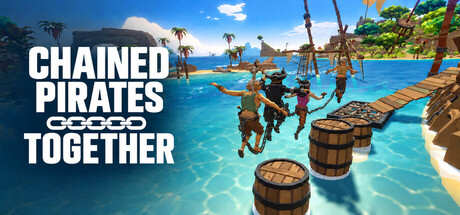 Chained Pirates Together Store/marketing art | It has been used in the page visuals and logo. | cnsgames | - | Oct 7, 2026 | |
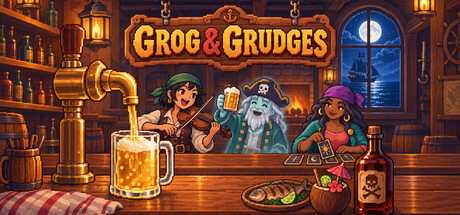 Grog & Grudges Store/marketing art | Cover art made with the help of AI tools. | Akin Games | - | Oct 7, 2026 | |
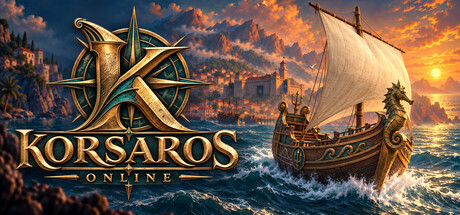 Korsaros Online In-game content artaudio | Korsaros Online uses a hybrid creative workflow combining generative AI tools with manual editing and integration for some artwork, 3D models, and music, including Steam marketing assets. These assets are reviewed before inclusion. | Injesterr | - | Oct 7, 2026 | |
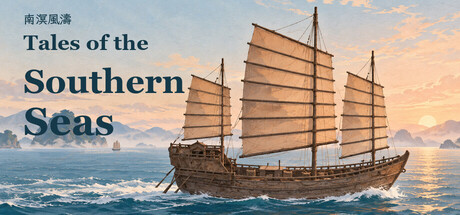 Tales of the Southern Seas In-game content artaudiotext | This game uses generative AI for some of its assets. Character portraits and promotional illustrations were created with AI image tools (ChatGPT), 3D landmark models with Tripo3D, sound effects with ElevenLabs, and the background music and theme song with Suno. The English and Simplified Chinese localization was drafted with AI assistance. All AI-generated content was reviewed, edited and selected by the developer before shipping. Nothing is generated live during gameplay. | Lazycat Interactive | - | Oct 6, 2026 | |
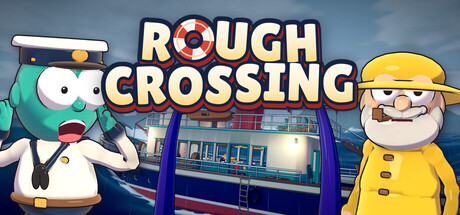 ROUGH CROSSING In-game content artaudiotext | AI-assisted scripting was used to create visual and audio assets. AI tools also assisted with text and localization. No generative AI is used during gameplay. | Summer | - | Oct 6, 2026 | |
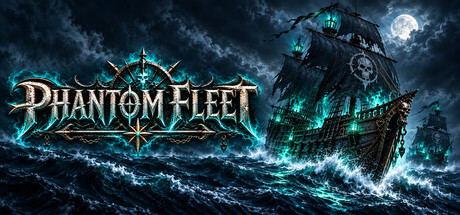 Phantom Fleet In-game content arttextaudio | Phantom Fleet uses generative AI during development to assist in creating card illustrations, skill icons, UI decorations, backgrounds, ship textures, and some visual effect assets. AI assistance was also used in writing in-game descriptions and store page text.
Background music and sound effects were created using audio synthesis code written with the assistance of AI and are included in the game.
All of this content is pre-generated during development. The game does not use generative AI to create new images, music, dialogue, or other content in real time during gameplay. | DevMakerMin | - | Oct 6, 2026 | |
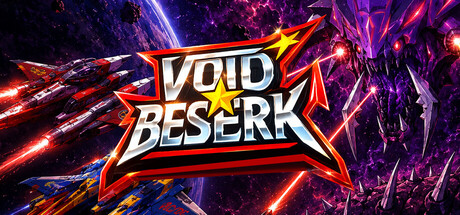 Void Beserk Store/marketing codeart | Regarding programming, this game was partially coded and translated using AI; however, AI is used only for marketing art. The game's international artwork is hand-drawn and vectorized based on unofficial rock band logos. | Okiam666 | - | Oct 6, 2026 | |
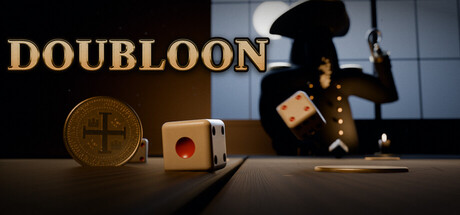 Doubloon: Pirate Dice Roguelike In-game content artaudiotext | AI was used to generate the art, music, sound effects, the captains' short vocal reactions, the game text and the translations, all curated and reviewed by hand. Nothing is generated at runtime. | Windvix Games | - | Oct 4, 2026 | |
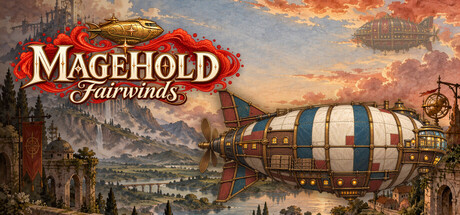 Magehold Fairwinds In-game content arttext | AI tools assisted with some of the game's art and writing. | Pixel Play Studio | - | Oct 3, 2026 | |
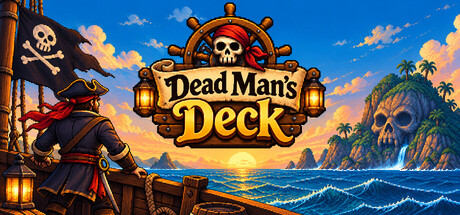 Dead Man's Deck Unclear | AI powered tools were used to build this game | Frederick Martinez | - | Oct 1, 2026 | |
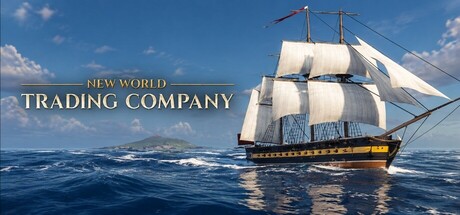 New World Trading Company | Some smaller smaller graphical elements in the game utilize gen AI. | Kokoon Games | - | Sep 30, 2026 | |
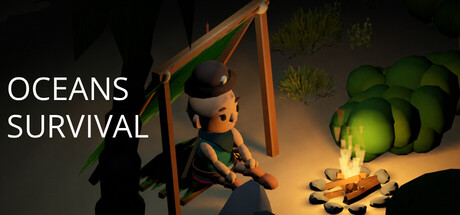 Oceans - Survival In-game content codeart | This game was made possible due to generative AI coding. It uses generative AI for the code base and procedural environmental generation but is limited to that. Models and music have been manually created. | Albin Renlund | - | Sep 30, 2026 | |
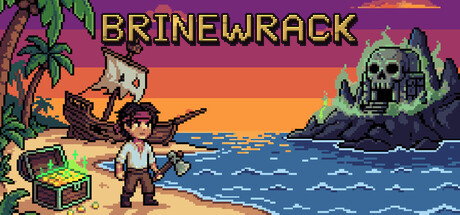 Brinewrack In-game content arttext | Pre-generated content: the pixel art (characters, animations, tiles, props, UI frames) and the store capsule art were made with the help of an AI pixel-art tool, then selected, edited and assembled by the developer. Store page texts and their translations were drafted with AI assistance and reviewed by the developer. The game does not generate any content with AI while you play. Music, sound effects and fonts are licensed assets made by people. | Ninebark | - | Sep 30, 2026 | |
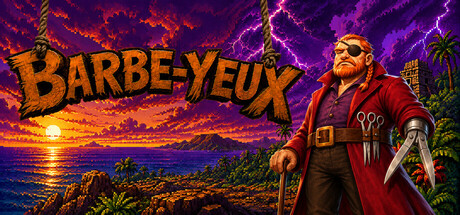 Barbe-Yeux In-game content arttext | Some of the game's content was created with the help of generative AI tools (some of the illustrations and the English translation), then reworked, curated and integrated by the developer. The game does not generate any AI content in real time. | Marian MANGIN | - | Sep 24, 2026 | |
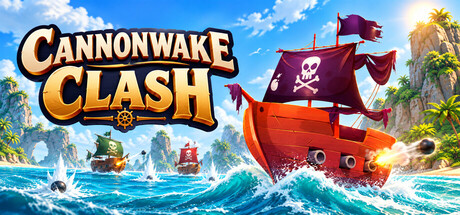 Cannonwake Clash Store/marketing art | Steam store and library, including capsule images, the logo and icons Gameplay screenshots were captured directly from the game. | Cannonwake Clash Studio | - | Sep 22, 2026 | |
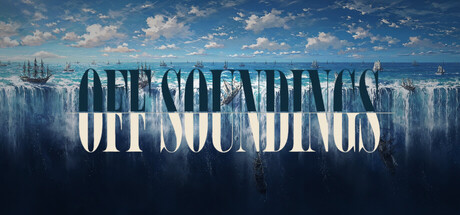 OFF SOUNDINGS In-game content arttextaudio | This game’s player-facing art, writing, and audio were created with generative AI and then selected, edited, and directed by the developer. Store images and trailers use the same pre-generated assets. No content is generated live during gameplay. | Dot2Real | - | Sep 13, 2026 | |
 Cardsair In-game content text | AI was used to translate part of the in-game text and the Steam page. | Inner Flame Games | - | Sep 13, 2026 | |
 Be a Pirate! Dev only | I am a solo developer trying to get my dream games built. I use some AI tools to help me with this. I try to be thoughtful, careful and do whatever my skills allow. | Noble Rogues | - | Sep 12, 2026 | |
 Pirate Guy 2 New Land Store/marketing art | Steam store page logo and cover art made ai tools. Game menu images made ai tools | Valkeala Software | - | Sep 10, 2026 | |
 Ship Busters In-game content artaudio | Generative AI tools were used to create some of the pre-rendered content that ships with this game and appears on this store page, specifically artwork and character voice audio. Nothing is generated by AI while the game is running. | Invo Tech Inc. | - | Sep 10, 2026 | |
 Tide and Crown In-game content arttextcode | Generative AI tools were used during development to assist with portions of the game’s interface and narrative text, programming, procedurally constructed 2D visual elements, and marketing materials. All included content was reviewed, edited, and integrated by the developer. Tide & Crown does not generate AI content during gameplay and does not connect to external AI services. | EnoBlk | - | Sep 7, 2026 | |
 Project Seaborne Unclear | This game uses AI generated images.
This game's creation was assisted by AI. | TLP Studios | - | Sep 7, 2026 | |
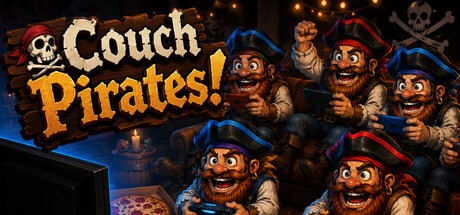 Couch Pirates In-game content art | In Game: Icons and splash screens in the game have been generated during the development process using artificial intelligence.
Store page: Images on the store page have been generated using artificial intelligence, with exception of in game screen shots which are not made using AI. | Manovian | - | Sep 7, 2026 | |
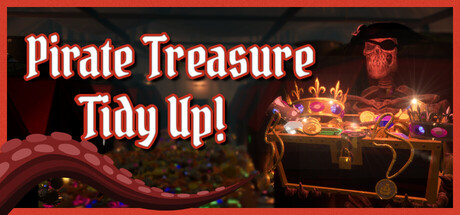 Pirate Treasure: Tidy Up! In-game content text | Generative AI was used solely as a support tool for language translation. | Bricchi Games | - | Sep 4, 2026 | |
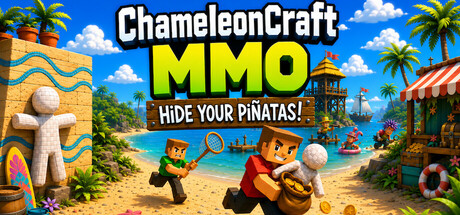 ChameleonCraft MMO: Hide Your Piñatas! Store/marketing art | Generative AI tools were used in creating and refining promotional artwork and marketing assets for this game's Steam store page. The game does not use live-generated AI during gameplay. | LockStep Games | - | Sep 1, 2026 | |
 Overseas Wars In-game content artaudio | Currently, many illustrations have been enhanced by AI using our own artworks and 3D models as a basis.
In addition, the audio versions of dialogues are produced using AI-generated voices. | Studio 213 | - | Aug 29, 2026 | |
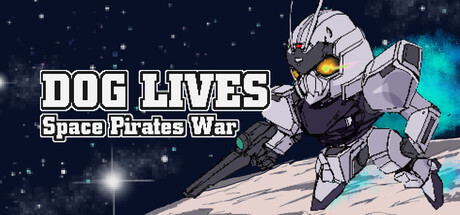 DOG LIVES: Space Pirates War In-game content artaudiotext | This game makes limited, supplementary use of generative AI tools during development. The primary uses are programming assistance (such as debugging), certain image and audio assets, and assistance with translating text into English.
Generated image and audio assets are not used as-is. The development team reviews their content and makes additions, revisions, edits, and other adjustments to ensure that they are appropriately refined and fit the game.
For text translated with the assistance of generative AI, the development team reviews the context and content and makes any necessary revisions before using it in the game. Please note that generative AI does not generate any game content during gameplay. | Space Corgi Games | - | Aug 28, 2026 | |
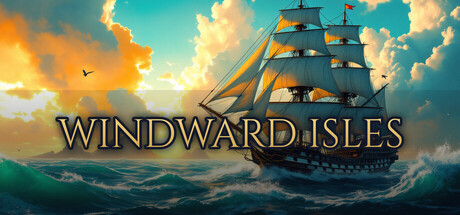 Windward Isles In-game content artaudiotextcode | Some of this game's assets were made with the assistance of generative AI tools and were reviewed, curated and hand-finished by the developer. No content is generated while you play. | Meridian Studios | - | Aug 20, 2026 | |
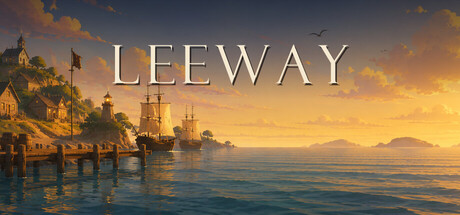 Leeway In-game content arttext | Some content was created with the assistance of generative AI tools: 2D store and
marketing art (library capsule and library hero), the game's localization into
non-English languages, and portions of in-game flavour text. All localization was
reviewed before shipping. All in-game visuals are generated procedurally at runtime
from code, all sound effects are synthesised at runtime, and all music is
human-composed and licensed under CC BY 4.0. The game performs no AI generation at
runtime and connects to no external AI service. | Singularity Reach Studios | - | Aug 20, 2026 | |
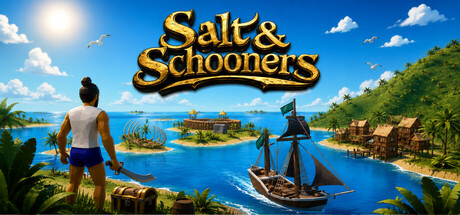 Salt & Schooners Store/marketing art | Store art work has been generated using AI. | Clayton Games | - | Aug 19, 2026 | |
 Davy bones Store/marketing art | Some pre-rendered artwork and marketing assets were created with generative AI tools and then reviewed and edited by the developer before inclusion. The game does not generate new content during gameplay. | Yona games | - | Aug 19, 2026 | |
 Sail: Evolved Tides In-game content artcode | Some of the game's textures, models, and code were generated with the assistance of AI. | Aellora Games | - | Aug 19, 2026 | |
 Dragon Era: Rogue Slots In-game content art | AI is used to enhance and upscale some images. | Playmage | - | Aug 17, 2026 | |
 Star Corsairs: Fractured Frontier In-game content artaudiocode | I'm not a professional game developer or artist. Making my own game had been a dream for years, but I never knew how to turn that dream into reality. Generative AI became the tool that finally made it possible.
With its help, I created many of the game's visual and audio assets, including item, UI, skill, and module icons, character portraits, ships, space stations, backgrounds, the game icon, the Steam store artwork, and some of the sound effects. It also assisted me with programming.
But Star Corsairs is not a game that AI simply generated. Every asset was reviewed, rejected, refined, or replaced until it matched the vision I had in mind. Every gameplay system was designed, tested, and reworked repeatedly until it felt right. The economy, ship balance, pirate AI, combat, and progression were all shaped through countless hours of playtesting and manual iteration. The story, world, and all of the writing were created by me.
Without generative AI, this game would probably never have existed. But without the countless creative decisions, revisions, and work behind every part of it, Star Corsairs wouldn't exist either. | Tagir Nabiullin | - | Aug 16, 2026 | |
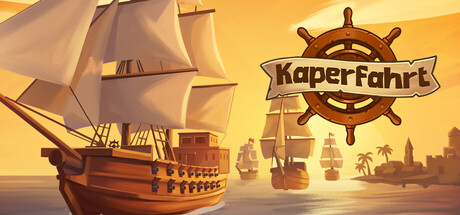 Kaperfahrt In-game content artaudio | Kaperfahrt uses AI generated assets in two places. Both are placeholders and are being replaced with commissioned work.
The portrait illustrations on the wanted posters of the 23 Blacklist pirates were made with an AI image generator. They were bought as finished assets.
The soundtrack, the ambient audio and the spoken lines of the Blacklist pirates were made with Suno under a paid commercial licence. | Kleinod Games | - | Aug 16, 2026 | |
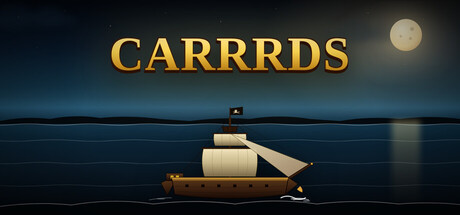 CARRRDS In-game content artcode | Art and some code generated with AI models. | Owen Collier | - | Aug 16, 2026 | |
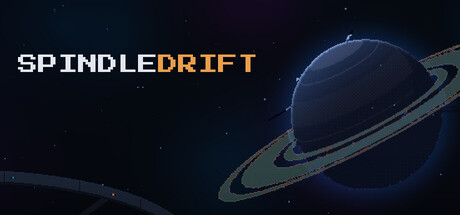 SPINDLEDRIFT In-game content artaudiotext | The pixel art was generated with PixelLab. The music was generated with Suno on a paid plan. I wrote the prompts, picked what worked, and threw out what didn't. The game itself, the economy, the systems, the design, the words on screen, I built. Nothing is generated while the game runs. Everything ships as files. There are no AI calls at play time, no AI voice, and no chatbots. | Half Ass Studios | - | Aug 14, 2026 | |
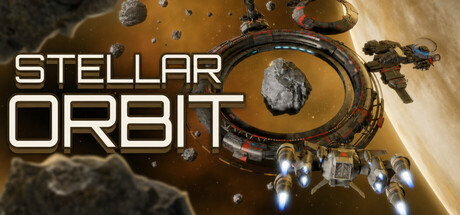 Stellar Orbit In-game content audiotextart | The voice lines, non-English localization, and store art in Stellar Orbit are provided by generative AI tools. | Juha Ylitalo | - | Aug 14, 2026 | |
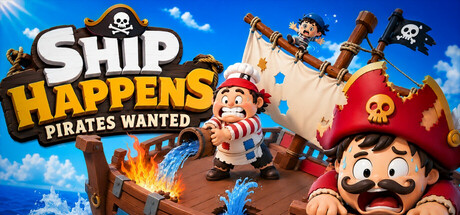 Ship Happens: Pirates Wanted Store/marketing art | We used generative AI for some promotional artwork. No AI is used in the game itself. | Grimoire Entertainment | - | Aug 14, 2026 | |
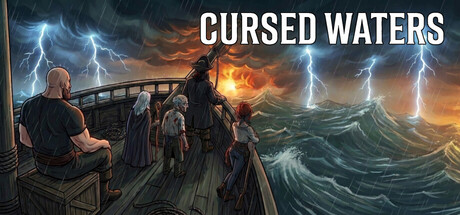 Cursed Waters: Idle RPG Dev only art | This game used AI generated content in early phases for help with game art. This content was later modified or changed completely to achieve the creative vision of the developer. | Tomo. | - | Aug 13, 2026 | |
 Give Me More Missile! In-game content artaudio | Some of the art and audio assets in this game were created with the assistance of generative AI tools. Specifically, certain 3D models, UI icons, and background music tracks were generated using AI and then reviewed, edited, and integrated by the developer. No AI-generated content is created live during gameplay. | Void Cosmos | - | Aug 10, 2026 | |
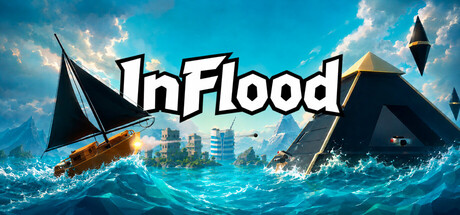 InFlood In-game content text | Generative AI tools were used as an editorial and localization assistant for some written content in the game and on the Steam store page. All such text is reviewed, revised, and approved by the development team. The game does not use generative AI at runtime. | Ilya Maslennikov | - | Aug 8, 2026 | |
 Marque & Reprisal In-game content arttext | Most of the art assets in this game are human-made, but there are some AI-generated portraits of African, Indian, and East Asian characters, since the (human-made) portrait packs used did not contain all ethnic groups represented in the game.
All dialogue in the game is human-directed and edited, but some was AI-generated in order to flesh out the world with unique dialogue for every region and situation. | Iron Pagoda | - | Jul 30, 2026 | |
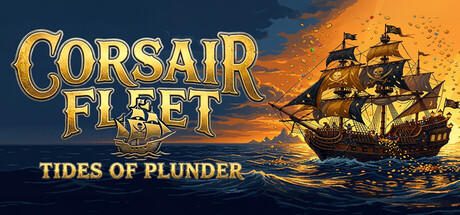 Corsair Fleet Tides of Plunder In-game content arttext | The developer used generative AI tools during development to help create some art assets (such as character portraits, sprites, and background art) and marketing materials (store capsules and trailers), and to assist with text localization. All AI-assisted content was reviewed and edited by the developer. The game itself does not generate any content in real time and does not connect to AI services during gameplay. | Velron Games | - | Jul 29, 2026 | |
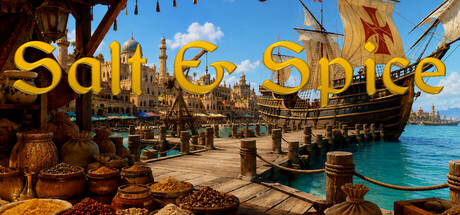 Salt and Spice In-game content artaudio | Some of the artworks including pictures, 3D models and audios in the game are generated by AI. | Swordbearer Studios | - | Jul 25, 2026 | |
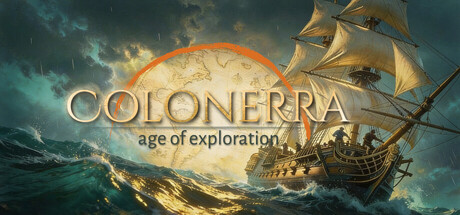 Colonerra: Age of Exploration In-game content art | Some placeholder artwork and images currently use generative AI or AI-assisted enhancement. These assets may be replaced or revised during development. | The Game Tzar | - | Jul 23, 2026 | |
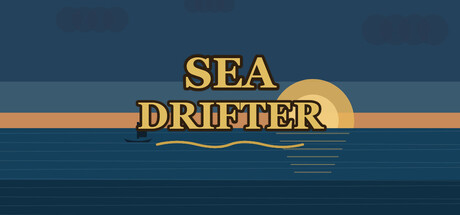 Sea Drifter In-game content art | The game uses AI generated icons. | Xerxz | - | Jul 23, 2026 |


