


Disclosure
AI tools were used to support the development of this game. Some of the audio was created with generative AI. All content was reviewed and selected by the developer.
- Creator
- NRM
- Reviews
- -
- Added
- Oct 12, 2026
Public Steam disclosure research 25,376 disclosures tracked
Search developers’ Steam disclosures, compare classified AI use across games, and follow recorded changes. This index adds cross-game classifications and statistics to statements published on individual store pages.
Code help, debugging and other development work.
Capsule art, trailers and promotional material.
Pre-made art, audio, writing and other game assets.
Interactive or runtime AI features disclosed by the developer.
Groups reflect automatic analysis of public disclosures; mature records are excluded. These counts do not measure AI use across all of Steam. Missing or unclear statements cannot establish whether a game uses AI.
AI tools were used to support the development of this game. Some of the audio was created with generative AI. All content was reviewed and selected by the developer.
Generative AI tools were used during development to assist with the creation of certain 2D visual assets, animations and sound effects. AI tools were also used as development assistance for programming and implementation. All generated content was reviewed and curated by the developer before inclusion in the final game.
The illustrated character portraits used as player avatars (also shown in our store and library artwork) were created with AI image generation (Google Gemini) and then cropped and adjusted by the developer. Some store text and interface translations were drafted with AI assistance. The game does not generate any AI content while you play.
The game is made with: Ai generated 2D sprite images Ai generated code Ai generated video
Some visual assets in the game were created with the assistance of generative AI tools. All gameplay systems, mechanics, and interactive content were developed by the team.
Crie au loup is made with AI, from the first prototype to the illustrations. That is not a manufacturing detail: it is as much the project as the game itself. My role is not a craftsman's: I painted no card, and I did not write the code line by line. I designed the system, I direct it, I arbitrate and I verify. Deciding what makes it into the game, what gets redone, what gets cut: that is production work, and it is mine. What is generated: the creature and location artwork, the interface, a large share of the code and the writing. What is measured rather than assumed: card balance, computed over thousands of simulated matches before every update. What is verified: the historical sources behind every legend, published one by one on the official site, where you can open them and prove me wrong. What is never generated is your match. No image, no text and no game decision comes out of a model while you play: the engine is deterministic, and the solo opponent is a classic program applying the rules. Crie au loup is one of the projects I run around generative AI, and the only one you can play. The making-of is documented without varnish in the devlog on the official site.
This game utilized generative artificial intelligence for: Script creation. Assistance in creating some images. Some narrative text.
Assisting with code creation and review Creating background images
Generative AI was used during the development and publishing process.
AI Generated illustrations
"We utilized generative AI tools to assist in the creation of 2D art assets, including in-game enemy portraits, familiar graphics, and the background illustrations, banners, and logo artwork displayed on our Steam Store page and library graphics."
Generative AI was used during development as a supporting tool to create secondary assets and assist with text revision. All AI-generated content was manually reviewed, edited, and integrated into the game engine to ensure the project's visual and gameplay consistency.
Pueblo Duerme uses generative AI during gameplay to create short in-game text chat messages for bot players in social deduction matches. The game includes local Qwen3 GGUF models that run on the player's PC through a local llama-server process, with Quality and Performance modes available in the settings menu. Player messages are not sent to an external AI service. The system is limited to gameplay dialogue and uses validation and fallback responses to keep messages within the game's rules.
This game uses pre-generated AI-assisted content in a limited way. Some selected audio assets and minor in-game written/visual elements may have been created or edited with AI-assisted tools during development. The game does not use live-generated AI during gameplay and does not connect to any external AI service during gameplay.
AI is used on an ad hoc basis for: 3D model texturing, code assistance, and references for asset modeling. It does not affect gameplay or interactive content.
Clairval uses AI in the following limited ways: 1) Optional AI bot players: When a game host enables "Allow AI players", the server may fill empty seats with computer-controlled bot accounts at game start. These bots follow scripted server-side game logic (votes, night actions, chat). They are not powered by generative AI or large language models, and they do not learn from player conversations. 2) AI-generated visual assets (optional): Some provisional role card illustrations (placeholder JPG artwork) were created with AI-assisted tools during development. Final redrafted role cards (PNG) are human-made and always shown. Players can disable display of AI-generated placeholder art at any time in Account Settings → "Display AI-generated content?" (default: hidden until the player opts in). Clairval does not use generative AI to create in-match dialogue, role assignments, game outcomes, moderation decisions, or real-time gameplay content. All core game rules and results are determined by the game server.
This game used generative AI tools during development to assist with the creation and iteration of some visual assets, text and code. All AI-assisted content was reviewed, edited and manually implemented by the developer. The game does not generate AI content during gameplay.
Some of the in-game 2D textures and visual effects were created using AI-based tools. These elements are modified in terms of art and development throughout the production process to ensure they meet our quality standards and creative vision.
One developer. AI tools helped with images and text because some things are bigger than one pair of hands. Everything you see reflects my own creative decisions.
This game uses generative artificial intelligence as part of its development process. AI tools were used to assist in creating early concept art, drafting dialogue, generating ideas during brainstorming, producing some 3D assets, and supporting debugging and problem-solving during development. All AI-assisted content and outputs were reviewed, edited, and refined by our development team. Final assets, writing, and implementation were curated to ensure consistency, quality, and alignment with the game’s vision. AI is not used to generate content dynamically during gameplay; all in-game content is pre-created and finalized by the developers. We are committed to using these tools responsibly and transparently, with strong human oversight across all aspects of the game.
This game features fully voiced, AI-powered conversations with all of the characters.
Background images, and Main Header and artwork -not characters in the game
AI assisted in the game design and development.
The title image was created with AI. The music was created with AI. AI-generated Steam library images. AI-translated language localization.
Some cutscenes and the game title are AI-generated images.
To create the pixel art and music of the game
"AI was used to generate some images such as loading screens or character portraits."
AI tools were used to support early concept exploration and visual ideation during development. Artificial intelligence tools were used during development to assist with the creation and processing of audio content, such as sound effects and voice variations.
Some menu images, the game’s logo, and certain sprites were created using AI tools and edited manually. No AI content is generated during gameplay.
Art is AI made. Everything is voice acted but What is said is partly made by AI As far as what the voice actor is saying. Some Dialogue and main idea of the story is developer made.
Most of 2D assets in MONSTER WAR has been generated by using AI solutions. But music, code and anything else made by humans.
This game includes limited content generated using artificial intelligence. Only certain image assets (such as logos and interface elements) and some text translations were created with AI tools. The entire game design, structure, and all 3D models were fully created by human. No AI-generated content includes real people or synthetic voices. All AI-generated elements have been reviewed and integrated in an ethical and transparent manner.
In-game background art.
Some Scenes include portions of AI redered images. AI used for animated Talking images and voice. Store page marketing uses AI Images.
We used AI to generate pre-rendered images for the in-game paintings, as well as the opening and ending cutscenes.
Some images generated by free AI.
All AI images used are edited to heavily edited by hand. They were used for the cover art, enemies and background art.
An AI Image Creator was used for the title picture and the Achievement-Icons.
The photos in the store (excluding in-game screenshots) were created with the help of AI. The visuals in the achievements were created with the support of AI.
The game and steam page contain images of units, buildings and characters created by the AI.
As placeholder voiced narrative, this game uses a Unity Asset Store asset which uses a database of non-copyrighted human voices to generate character voices.
The use of AI in the development process has been strictly limited to translation purposes. All graphical assets and code have been exclusively created by professional developers and artists, with no exceptions. And also no AI-generated content has been utilized in the production of these elements.
Some visuals in the game and on the store page were created using artificial intelligence.
In our game, you can communicate by voice with a non-player character, who will generate an answer for you the way a witch's ghost would. In this case, the answer will be voiced.
Some in-game text was initially generated using AI translation tools and later manually reviewed and edited. Additionally, a portion of the plugin code was developed using AI-assisted coding tools. A small number of background music tracks are AI-generated royalty-free assets provided by S_Sleep and are used with permission. No live AI content generation occurs during gameplay.
This game used generative AI for the following elements : -The backgrounds in the game (generated by Lornn, Two Orcs and lehxra, available online) -The representation of Hotel Perkkow (Used in the store and library images)
Generated images are used as placeholder art for certain role portraits.
Main menu graphics.
Only few images like alerite packs (In-game money) were generated by artificial intelligence
Use of AI for backgrounds images in the menu presentation. Some decorative assets in the game like posters and paintings.
| Title⇅ | Disclosure | Creator⇅ | Src | Reviews⇅ | Added↓ |
|---|---|---|---|---|---|
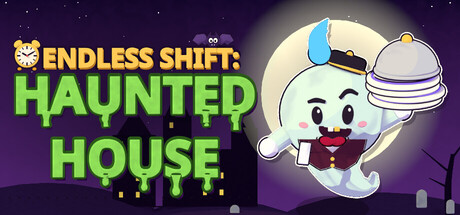 Endless Shift: Haunted House In-game content audio | AI tools were used to support the development of this game. Some of the audio was created with generative AI. All content was reviewed and selected by the developer. | NRM | - | Oct 12, 2026 | |
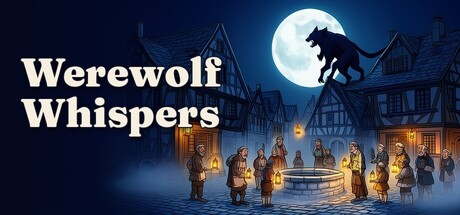 Werewolf Whispers In-game content artaudiocode | Generative AI tools were used during development to assist with the creation of certain 2D visual assets, animations and sound effects. AI tools were also used as development assistance for programming and implementation. All generated content was reviewed and curated by the developer before inclusion in the final game. | SK | - | Oct 7, 2026 | |
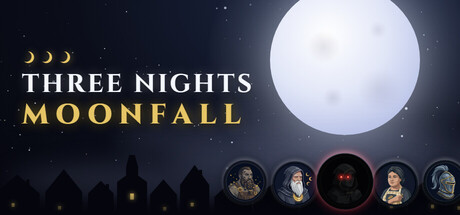 Three Nights: Moonfall In-game content arttext | The illustrated character portraits used as player avatars (also shown in our store and library artwork) were created with AI image generation (Google Gemini) and then cropped and adjusted by the developer. Some store text and interface translations were drafted with AI assistance. The game does not generate any AI content while you play. | Diay Games | - | Sep 30, 2026 | |
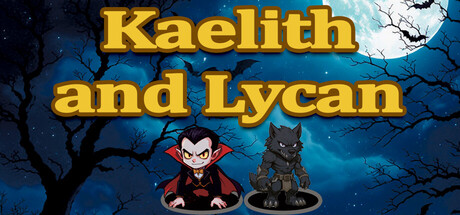 Kaelith and Lycan In-game content artcode | The game is made with:
Ai generated 2D sprite images
Ai generated code
Ai generated video | Thais Uggerholm | - | Sep 22, 2026 | |
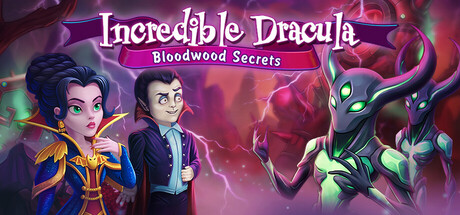 Incredible Dracula: Bloodwood Secrets In-game content art | Some visual assets in the game were created with the assistance of generative AI tools. All gameplay systems, mechanics, and interactive content were developed by the team. | Game Mixer | - | Sep 7, 2026 | |
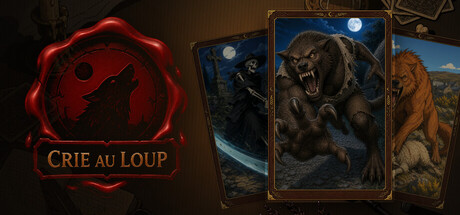 Crie au loup In-game content arttextcode | Crie au loup is made with AI, from the first prototype to the illustrations. That is not a manufacturing detail: it is as much the project as the game itself.
My role is not a craftsman's: I painted no card, and I did not write the code line by line. I designed the system, I direct it, I arbitrate and I verify. Deciding what makes it into the game, what gets redone, what gets cut: that is production work, and it is mine.
What is generated: the creature and location artwork, the interface, a large share of the code and the writing. What is measured rather than assumed: card balance, computed over thousands of simulated matches before every update. What is verified: the historical sources behind every legend, published one by one on the official site, where you can open them and prove me wrong.
What is never generated is your match. No image, no text and no game decision comes out of a model while you play: the engine is deterministic, and the solo opponent is a classic program applying the rules.
Crie au loup is one of the projects I run around generative AI, and the only one you can play. The making-of is documented without varnish in the devlog on the official site. | NXUS | - | Sep 3, 2026 | |
 Os Segredos de Ezequiel In-game content textart | This game utilized generative artificial intelligence for:
Script creation.
Assistance in creating some images.
Some narrative text. | Eric Vinicius da Costa santos | - | Aug 22, 2026 | |
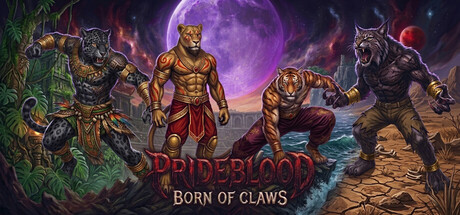 PRIDEBLOOD -Born of Claws- In-game content artcode | Assisting with code creation and review
Creating background images | Studio JKMR | - | Aug 22, 2026 | |
 The Day I Became a Werewolf Dev only | Generative AI was used during the development and publishing process. | Studio Nox | - | Aug 11, 2026 | |
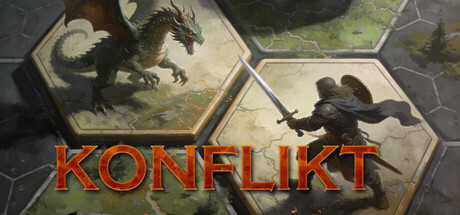 Konflikt Unclear art | AI Generated illustrations | Michal Mlejnek | - | Aug 11, 2026 | |
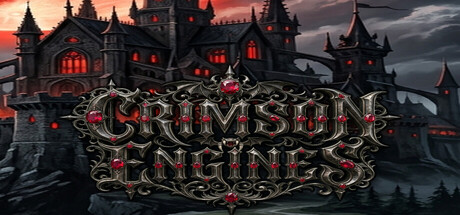 Crimson Engines In-game content art | "We utilized generative AI tools to assist in the creation of 2D art assets, including in-game enemy portraits, familiar graphics, and the background illustrations, banners, and logo artwork displayed on our Steam Store page and library graphics." | Alphasin | - | Aug 7, 2026 | |
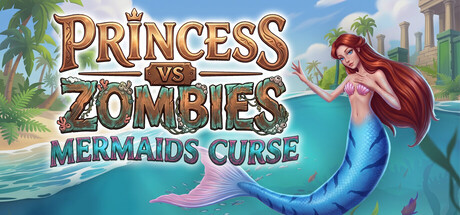 Princess Vs Zombies: Mermaid Curse In-game content arttext | Generative AI was used during development as a supporting tool to create secondary assets and assist with text revision. All AI-generated content was manually reviewed, edited, and integrated into the game engine to ensure the project's visual and gameplay consistency. | Mermie Studio | - | Aug 2, 2026 | |
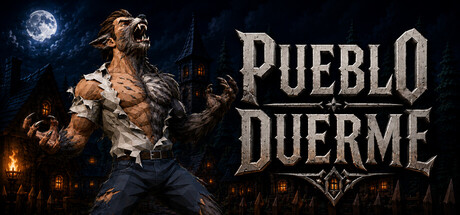 Pueblo Duerme Live AI text | Pueblo Duerme uses generative AI during gameplay to create short in-game text chat messages for bot players in social deduction matches. The game includes local Qwen3 GGUF models that run on the player's PC through a local llama-server process, with Quality and Performance modes available in the settings menu. Player messages are not sent to an external AI service. The system is limited to gameplay dialogue and uses validation and fallback responses to keep messages within the game's rules. | D-Games | - | Jul 13, 2026 | |
 Tower 6: Last Signal In-game content audiotextart | This game uses pre-generated AI-assisted content in a limited way. Some selected audio assets and minor in-game written/visual elements may have been created or edited with AI-assisted tools during development. The game does not use live-generated AI during gameplay and does not connect to any external AI service during gameplay. | Panagiotis Ntailianis | - | Jul 2, 2026 | |
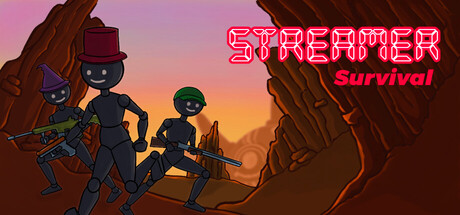 Streamer Survival In-game content artcode | AI is used on an ad hoc basis for: 3D model texturing, code assistance, and references for asset modeling. It does not affect gameplay or interactive content. | mein74555 | - | Jun 11, 2026 | |
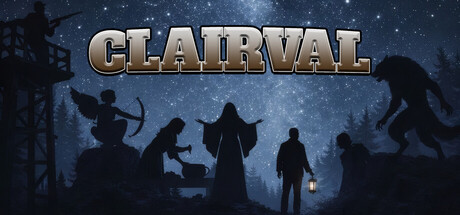 Clairval Live AI art | Clairval uses AI in the following limited ways:
1) Optional AI bot players: When a game host enables "Allow AI players", the server may fill empty seats with computer-controlled bot accounts at game start. These bots follow scripted server-side game logic (votes, night actions, chat). They are not powered by generative AI or large language models, and they do not learn from player conversations.
2) AI-generated visual assets (optional): Some provisional role card illustrations (placeholder JPG artwork) were created with AI-assisted tools during development. Final redrafted role cards (PNG) are human-made and always shown. Players can disable display of AI-generated placeholder art at any time in Account Settings → "Display AI-generated content?" (default: hidden until the player opts in).
Clairval does not use generative AI to create in-match dialogue, role assignments, game outcomes, moderation decisions, or real-time gameplay content. All core game rules and results are determined by the game server. | Alpharkane | - | Jun 4, 2026 | |
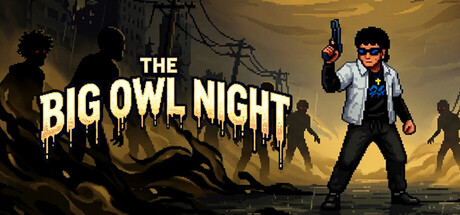 The Big Owl Night In-game content arttextcode | This game used generative AI tools during development to assist with the creation and iteration of some visual assets, text and code. All AI-assisted content was reviewed, edited and manually implemented by the developer. The game does not generate AI content during gameplay. | Visual Slumber Studios | - | Jun 3, 2026 | |
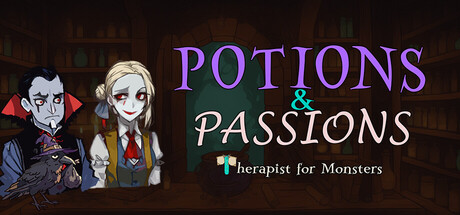 Potions & Passions: Therapist for Monsters In-game content art | Some of the in-game 2D textures and visual effects were created using AI-based tools. These elements are modified in terms of art and development throughout the production process to ensure they meet our quality standards and creative vision. | Fronty Games | - | Jun 3, 2026 | |
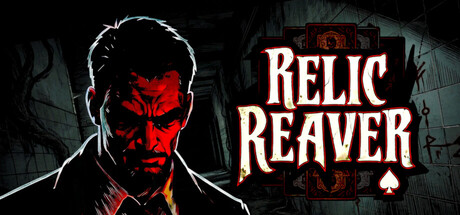 Relic Reaver Dev only arttext | One developer. AI tools helped with images and text because some things are bigger than one pair of hands. Everything you see reflects my own creative decisions. | Collective One | - | May 23, 2026 | |
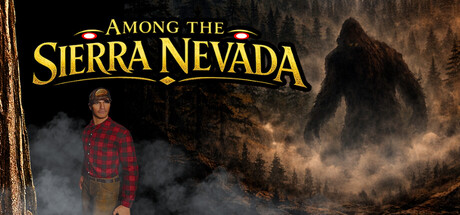 Among The Sierra Nevada In-game content arttext | This game uses generative artificial intelligence as part of its development process. AI tools were used to assist in creating early concept art, drafting dialogue, generating ideas during brainstorming, producing some 3D assets, and supporting debugging and problem-solving during development.
All AI-assisted content and outputs were reviewed, edited, and refined by our development team. Final assets, writing, and implementation were curated to ensure consistency, quality, and alignment with the game’s vision.
AI is not used to generate content dynamically during gameplay; all in-game content is pre-created and finalized by the developers.
We are committed to using these tools responsibly and transparently, with strong human oversight across all aspects of the game. | Genesis Machine Studios | - | May 23, 2026 | |
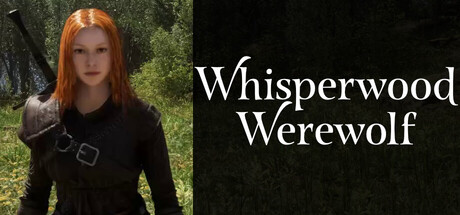 Whisperwood Werewolf Live AI audiotext | This game features fully voiced, AI-powered conversations with all of the characters. | ShilohGames | - | May 23, 2026 | |
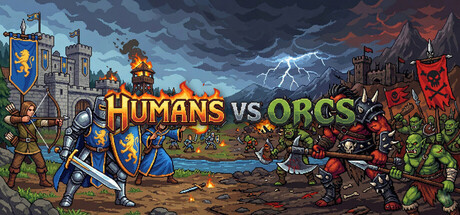 Humans Vs Orcs art | Background images, and Main Header and artwork -not characters in the game | ShakyHand | - | Mar 18, 2026 | |
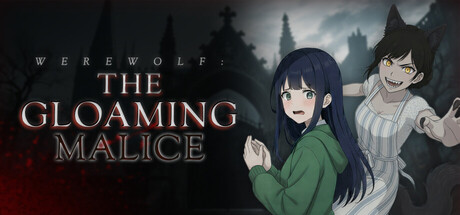 Werewolf: The Gloaming Malice Unclear | AI assisted in the game design and development. | Werewolves Malice | - | Mar 18, 2026 | |
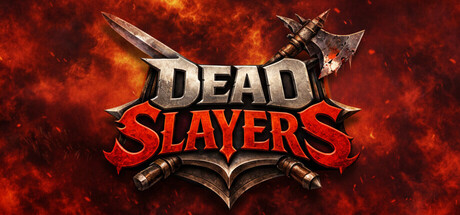 DeadSlayers In-game content artaudiotext | The title image was created with AI.
The music was created with AI.
AI-generated Steam library images.
AI-translated language localization. | JINI SOFT | - | Mar 18, 2026 | |
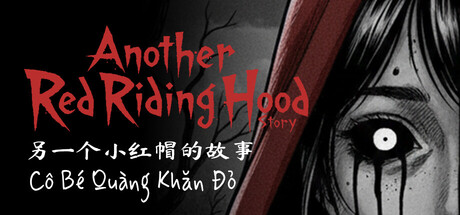 Another Red Riding Hood Story - 另一个小红帽的故事 - Cô Bé Quàng Khăn Đỏ Store/marketing art | Some cutscenes and the game title are AI-generated images. | Succubella Games | - | Mar 18, 2026 | |
 FlashDuels In-game content artaudio | To create the pixel art and music of the game | Luis Munoz | - | Mar 18, 2026 | |
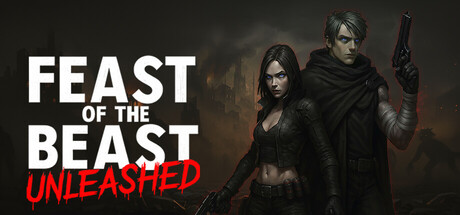 Feast of the Beast Unleashed In-game content art | "AI was used to generate some images such as loading screens or character portraits." | elShele | - | Mar 18, 2026 | |
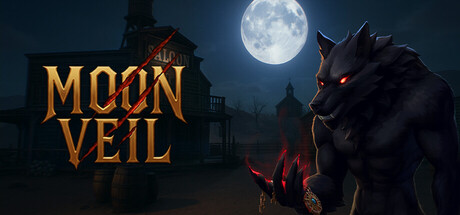 MoonVeil In-game content audio | AI tools were used to support early concept exploration and visual ideation during development.
Artificial intelligence tools were used during development to assist with the creation and processing of audio content, such as sound effects and voice variations. | GrindGames | - | Mar 18, 2026 | |
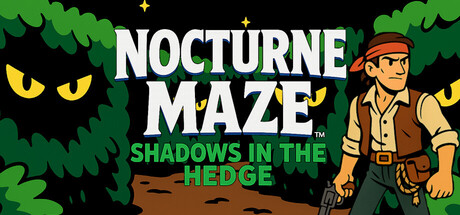 Nocturne Maze: Shadows in the Hedge In-game content art | Some menu images, the game’s logo, and certain sprites were created using AI tools and edited manually. No AI content is generated during gameplay. | Xayba | - | Mar 18, 2026 | |
 Vein-Weaver Knitting In-game content artaudiotext | Art is AI made.
Everything is voice acted but
What is said is partly made by AI
As far as what the voice actor is saying.
Some Dialogue and main idea of the story is
developer made. | Chris Allen | - | Mar 18, 2026 | |
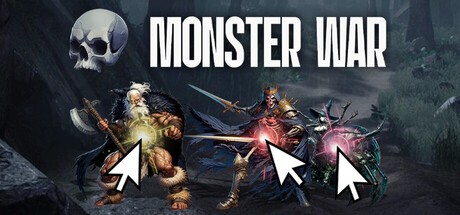 MONSTER WAR In-game content art | Most of 2D assets in MONSTER WAR has been generated by using AI solutions. But music, code and anything else made by humans. | BMBK Games | 42 | Mar 18, 2026 | |
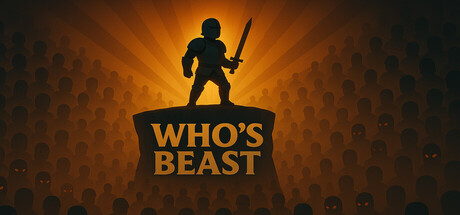 Who's beast In-game content arttext | This game includes limited content generated using artificial intelligence.
Only certain image assets (such as logos and interface elements) and some text translations were created with AI tools.
The entire game design, structure, and all 3D models were fully created by human.
No AI-generated content includes real people or synthetic voices. All AI-generated elements have been reviewed and integrated in an ethical and transparent manner. | Progrediens Studio | 21 | Mar 18, 2026 | |
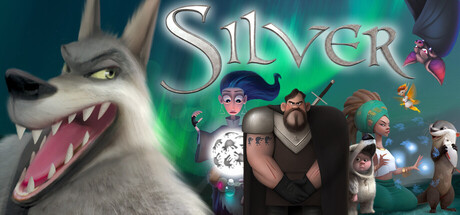 Silver In-game content art | In-game background art. | Bezier Games | - | Mar 18, 2026 | |
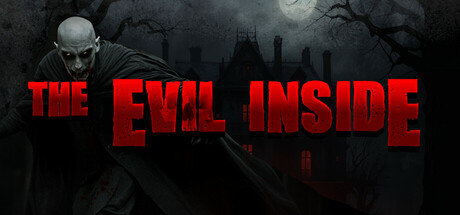 The Evil Inside In-game content artaudio | Some Scenes include portions of AI redered images.
AI used for animated Talking images and voice.
Store page marketing uses AI Images. | Danny Boyd | - | Mar 18, 2026 | |
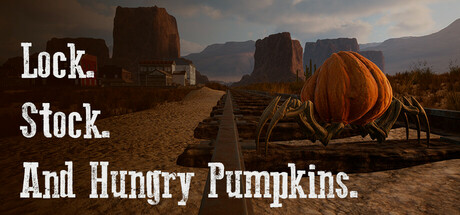 Lock. Stock. And Hungry Pumpkins. In-game content art | We used AI to generate pre-rendered images for the in-game paintings, as well as the opening and ending cutscenes. | Cornfield Games | - | Mar 18, 2026 | |
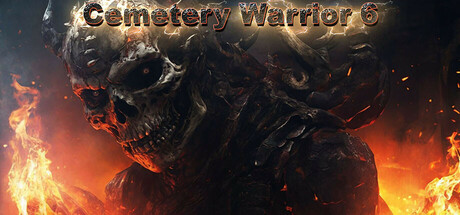 Cemetery Warrior 6 Unclear art | Some images generated by free AI. | Falco Software | 47 | Mar 18, 2026 | |
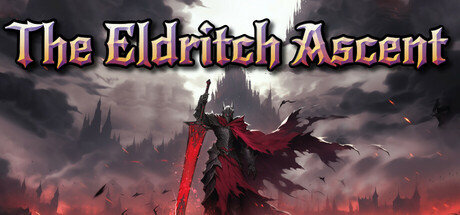 The Eldritch Ascent In-game content art | All AI images used are edited to heavily edited by hand. They were used for the cover art, enemies and background art. | BlisSpectre | - | Mar 18, 2026 | |
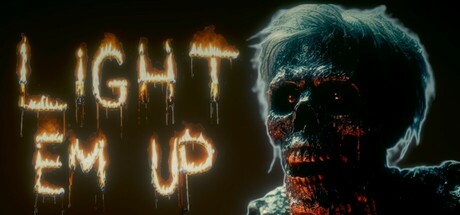 Light'Em Up In-game content art | An AI Image Creator was used for the title picture and the Achievement-Icons. | Tiny Launches | - | Mar 18, 2026 | |
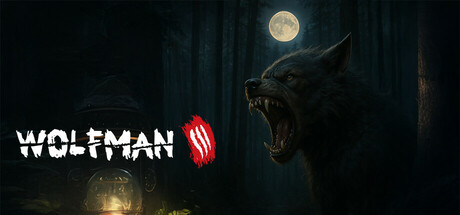 WOLFMAN In-game content art | The photos in the store (excluding in-game screenshots) were created with the help of AI. The visuals in the achievements were created with the support of AI. | LithiumStudios | 10 | Mar 18, 2026 | |
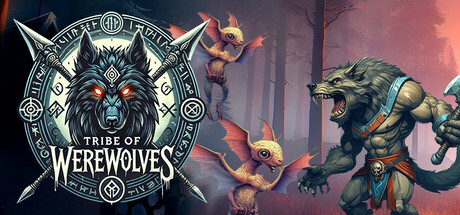 Tribe of Werewolves Store/marketing art | The game and steam page contain images of units, buildings and characters created by the AI. | Gokmen Bolat | - | Mar 18, 2026 | |
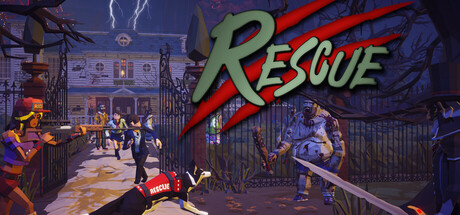 Rescue In-game content audio | As placeholder voiced narrative, this game uses a Unity Asset Store asset which uses a database of non-copyrighted human voices to generate character voices. | KR Clark | - | Mar 18, 2026 | |
 Protovolkers In-game content text | The use of AI in the development process has been strictly limited to translation purposes. All graphical assets and code have been exclusively created by professional developers and artists, with no exceptions. And also no AI-generated content has been utilized in the production of these elements. | Dragon Resonance | - | Mar 18, 2026 | |
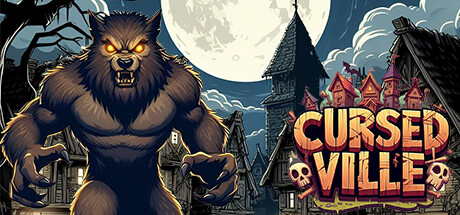 Cursedville Store/marketing art | Some visuals in the game and on the store page were created using artificial intelligence. | Arda Aslan | 11 | Mar 18, 2026 | |
 World horror story Live AI textaudio | In our game, you can communicate by voice with a non-player character, who will generate an answer for you the way a witch's ghost would. In this case, the answer will be voiced. | Chechulin Maxim | 10 | Mar 18, 2026 | |
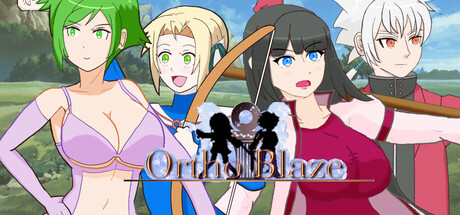 Ortho Blaze In-game content textaudio | Some in-game text was initially generated using AI translation tools and later manually reviewed and edited.
Additionally, a portion of the plugin code was developed using AI-assisted coding tools.
A small number of background music tracks are AI-generated royalty-free assets provided by S_Sleep and are used with permission.
No live AI content generation occurs during gameplay. | Paracelsus Team | - | Mar 18, 2026 | |
 Hotel Perkkow and the Two Vegetarian Werewolves In-game content art | This game used generative AI for the following elements :
-The backgrounds in the game (generated by Lornn, Two Orcs and lehxra, available online)
-The representation of Hotel Perkkow (Used in the store and library images) | John Flex | - | Mar 18, 2026 | |
 Werewolves Revenge In-game content art | Generated images are used as placeholder art for certain role portraits. | Studio Serene | 82 | Mar 18, 2026 | |
 KeeperRL In-game content art | Main menu graphics. | Electric Succubi | 1.6k | Mar 18, 2026 | |
 Hunt In Town In-game content art | Only few images like alerite packs (In-game money) were generated by artificial intelligence | Spyco01 | - | Mar 18, 2026 | |
 Terrordrome - Reign of the Legends In-game content art | Use of AI for backgrounds images in the menu presentation. Some decorative assets in the game like posters and paintings. | Huracan Studio | 155 | Mar 18, 2026 |


