Public Steam disclosure research25,714 disclosures tracked
Where do games disclose AI use?
Search developers’ Steam disclosures, compare classified AI use across
games, and follow recorded changes.
This index adds cross-game classifications and statistics to
statements published on individual store pages.
Groups reflect automatic analysis of public disclosures; mature records are excluded. These counts do not measure AI use across all of Steam.
Missing or unclear statements cannot establish whether a game uses AI.
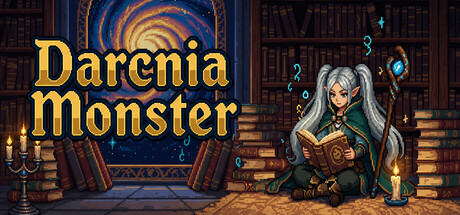
Darcnia Monster is made by a single independent developer. Some of the game's visual assets — background illustrations, cinematic scenes, and character and card artwork — were created with the help of generative AI image tools, and the in-game character voices were produced using AI voice synthesis. Every AI-assisted asset was hand-selected, edited, and integrated by the developer to match the game's art direction and story. No AI runs while you play: nothing is generated in real time, and no player data is ever sent to any AI service.
Generative AI tools were used during the art creation process to generate initial inspiration and drafts. All final art assets were then redrawn, refined, and finalized by the developer to ensure visual consistency, polish, and alignment with the game's overall tone.
Some raster artwork, interface and marketing artwork, sprite animation frames, and authored music were created with assistance from generative AI tools during development. All shipped output was artist-directed, reviewed, edited, and integrated specifically for Bunnyhop. No content is generated by AI while the game is running.
Generative AI was used during development to create some of the artwork included in the game, including character illustrations and themed visual assets. All AI-assisted content was selected and reviewed by the developer. The game does not generate AI content during gameplay.
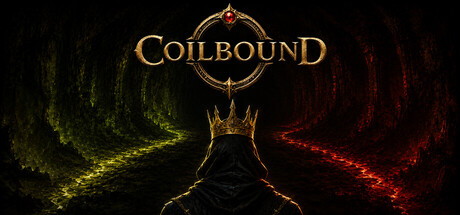
Some of the visual artwork in Coilbound — including character and card illustrations, environment art, and store assets — was created with the assistance of generative AI image tools during development. All generated content was reviewed, edited, and curated by the developer. Coilbound does not use any AI-generated content in real time during gameplay.
Generative AI tools were used during development to create pre-generated 2D visual assets included in the game. These assets may include character, item, environment, and user interface artwork. All AI-generated assets are reviewed, selected, and adjusted by the developer before being included in the game. The game does not use generative AI during runtime and does not connect to any live generative AI service.
Generative AI was used as part of the development process to create and refine some pre-rendered 2D artwork, including icons, item and character sprites, backgrounds, UI elements, and marketing images. All AI-assisted assets were reviewed and curated by the developer before inclusion.
The use of third-party assets were also used in the creation which got refined.
No content is generated by AI during gameplay, and the game does not connect to any external AI services.
Generative AI tools were used during development to assist with selected pre-generated 3D assets, translations into additional languages, and marketing artwork. Polish and English source texts were written by the developer. All AI-assisted content was reviewed, edited, and integrated by the developer. The game does not generate AI content during gameplay.
Some of the artwork in FAVOR — including character board illustrations, card art and cover art — was created with the help of generative AI image tools, then curated, edited and assembled by our team for the printed 1st Edition of the game and this digital adaptation. No content is generated live during gameplay: every card, board and illustration is a fixed, pre-made asset that ships with the game.
Some pre-generated visual assets were created with the assistance of generative AI tools during development, including selected skill icons, weapon icons, concept references and promotional art references. All final assets included in the game were reviewed, curated, edited where needed, and integrated by the development team to match the game’s art direction. The game does not use live-generated AI during gameplay.
As a solo developer, I used AI-assisted tools to support development, including implementation and some audio-related work. All final content was reviewed and edited by me. Character sprite art is hand-drawn, and the game does not use generative AI while running.
Coin Cleaner is made by a solo developer with the help of AI tools. Generative AI was used during development to assist in creating some of the game's content - including artwork, music, sound effects, and code - all of which was directed, curated, and reviewed by the developer, and used with appropriate commercial licensing. All AI-assisted content is created ahead of time (pre-generated). The game does not use AI to generate any content or code during gameplay, and does not connect to any external AI service while you play.
Most of the game's 2D art assets — including monster sprites, map backgrounds, skill and skill tree icons, achievement icons, and store/marketing key art — were created with the assistance of generative AI image tools and then reviewed and edited by the developer. Portions of the localization text (store page and in-game translations) were produced with AI assistance under human review. The game does not generate any content with AI at runtime.
This game uses artificial intelligence to assist in generating art assets and supplementing the game code architecture. (AI was not used for game design or music.)
We used generative AI as a coding assistant during development to help write and debug the game's source code. All AI-assisted code was reviewed and tested by the developer. The game contains some AI-generated sounds and visual content at runtime however most is non AI. The game sends no player data to any AI service.
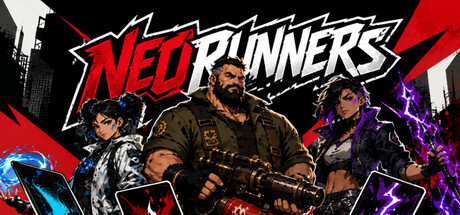
NeoRunners uses generative AI tools as part of its development process. AI-assisted content includes portions of the game's visual artwork and UI assets, promotional/store artwork, and character voice audio. These assets are generated and/or iterated on during development and are reviewed, selected, edited, and integrated by the development team before being included in the game. The game does not generate this content dynamically during gameplay.
I am a solo developer with limited art experience. Generative AI tools were used to assist with the creation of some assets, while I created and refined other assets and sound effects myself.
Generative AI tools were used in the creation of certain art assets, audio materials and descriptive text during game development. All AI-generated content has been manually reviewed, edited and integrated by the developer. No new content is dynamically generated by AI while the game is running.
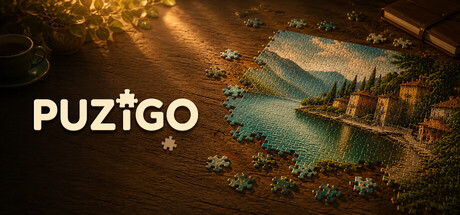
PUZIGO includes pre-generated AI content in the separate free Starter Pack DLC. The Starter Pack contains 40 AI-generated themed puzzle images across seven themes: abstract, animals, flowers, landscapes, painting-style, space, and steampunk.
These images were generated during development, manually reviewed, curated, and included as fixed content. PUZIGO does not use AI to generate content during gameplay.
The remaining five images in the Starter Pack are public-domain classical artworks. Images loaded through the optional Custom Image Unlock DLC are selected by the player, processed locally on the player's PC, and are not uploaded or generated by AI within PUZIGO.
Some promotional and store artwork also contains pre-generated AI-assisted visual elements.
In the interest of transparency, illustrations were created with the help of AI-assisted tools, used as creative support within a human-led artistic process.
AI tools were used during development to assist with concept art, visual references, and certain promotional assets. All gameplay systems, mechanics, and core design were created and implemented by the development team.
AI was used strictly as a supportive tool and does not directly control gameplay or player experience.
Generative AI was used to create some marketing assets, specifically the store capsule images and page banners. The core game content, including the code, levels, character pixel art, and music, has been traditionally developed to ensure a consistent and high-quality solo-developer experience.
ChimpChat is an AI application. Its core feature uses a generative AI text-to-speech model, running entirely on your own device, to synthesize character voices from text you write. Generative AI was also used to produce this store page's assets, including the artwork and the trailer; the character voices in the trailer were generated with ChimpChat itself.
AI was used in the initial generation of some assets, but we edited them in Photoshop to adjust proportions and remove any obvious AI Slop.
As this is primarily a management game, we focused heavily on the gameplay mechanics, ensuring the game is bug-free, fun to play, and, dare we say, addicting!
That said, we would love for the art to be more authentic and beautiful. We have an artist under contract who can replace all of the art in the game if the game sells well enough, and we will release the updated art as a patch to all users who have previously purchased the game.
Some BGs and the temporary world map use AI generated 2D content which is based on 3D asset packs. However, these assets are intended as temporary placeholders and in the polish process they are planned to be swapped with hand made ones.
This game uses generative AI tools to assist in creating some of its text (such as dialogue and descriptions), image assets, and translations. All AI-generated content was reviewed, edited, and curated by humans during development before being included in the game. No content is generated in real time by AI during gameplay.
Some shipped visual assets, narrative text, localization, and store or marketing artwork were created or iterated with the assistance of generative AI tools. All output was selected, edited, reviewed, integrated, and tested by the developer. The game performs no live AI generation
and sends no player input or data to an AI service.
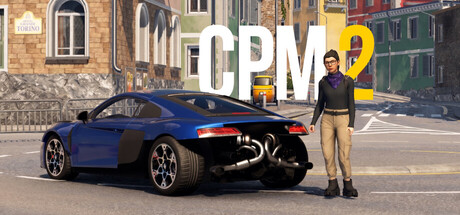
In game development, artificial intelligence is used solely as a supporting tool. We employ neural networks to enhance and refine 2D art (loading screens and promo banners) created using our in-game screenshots, after which they undergo manual color correction and artifact removal. AI also assists us with translating in-game text and generating the announcer's voice for racing modes. All key game elements, including 3D car models, tuning, and the open world, are created entirely by hand by our team.
Some promotional visual assets used on the store page (marketing illustrations) were created with the help of generative artificial intelligence tools.
The game content itself (gameplay, in-game graphics, levels, mechanics, and logic) is entirely created by humans, with no AI-generated content used in real time or in pre-rendered gameplay.
This game used AI tools to transform gameplay ideas and logic into functional code and to create promotional artwork. AI was used as a creative and technical aid during development, without affecting gameplay or the player experience.
Generative AI tools were used during development to assist in the creation of certain visual and audio assets. This includes some concept art, textures, UI elements, loading screens, promotional artwork, graphical assets, music, and sound effects.
AI-assisted content may be edited, modified, retouched, mixed, or otherwise integrated by the development team before being included in the game or promotional materials.
Generative AI is not used to dynamically generate content during gameplay.
Darcnia Monster is made by a single independent developer. Some of the game's visual assets — background illustrations, cinematic scenes, and character and card artwork — were created with the help of generative AI image tools, and the in-game character voices were produced using AI voice synthesis. Every AI-assisted asset was hand-selected, edited, and integrated by the developer to match the game's art direction and story. No AI runs while you play: nothing is generated in real time, and no player data is ever sent to any AI service.
Generative AI tools were used during the art creation process to generate initial inspiration and drafts. All final art assets were then redrawn, refined, and finalized by the developer to ensure visual consistency, polish, and alignment with the game's overall tone.
Some raster artwork, interface and marketing artwork, sprite animation frames, and authored music were created with assistance from generative AI tools during development. All shipped output was artist-directed, reviewed, edited, and integrated specifically for Bunnyhop. No content is generated by AI while the game is running.
Generative AI was used during development to create some of the artwork included in the game, including character illustrations and themed visual assets. All AI-assisted content was selected and reviewed by the developer. The game does not generate AI content during gameplay.
Some of the visual artwork in Coilbound — including character and card illustrations, environment art, and store assets — was created with the assistance of generative AI image tools during development. All generated content was reviewed, edited, and curated by the developer. Coilbound does not use any AI-generated content in real time during gameplay.
Generative AI tools were used during development to create pre-generated 2D visual assets included in the game. These assets may include character, item, environment, and user interface artwork. All AI-generated assets are reviewed, selected, and adjusted by the developer before being included in the game. The game does not use generative AI during runtime and does not connect to any live generative AI service.
Generative AI was used as part of the development process to create and refine some pre-rendered 2D artwork, including icons, item and character sprites, backgrounds, UI elements, and marketing images. All AI-assisted assets were reviewed and curated by the developer before inclusion.
The use of third-party assets were also used in the creation which got refined.
No content is generated by AI during gameplay, and the game does not connect to any external AI services.
Generative AI tools were used during development to assist with selected pre-generated 3D assets, translations into additional languages, and marketing artwork. Polish and English source texts were written by the developer. All AI-assisted content was reviewed, edited, and integrated by the developer. The game does not generate AI content during gameplay.
Some of the artwork in FAVOR — including character board illustrations, card art and cover art — was created with the help of generative AI image tools, then curated, edited and assembled by our team for the printed 1st Edition of the game and this digital adaptation. No content is generated live during gameplay: every card, board and illustration is a fixed, pre-made asset that ships with the game.
Some pre-generated visual assets were created with the assistance of generative AI tools during development, including selected skill icons, weapon icons, concept references and promotional art references. All final assets included in the game were reviewed, curated, edited where needed, and integrated by the development team to match the game’s art direction. The game does not use live-generated AI during gameplay.
As a solo developer, I used AI-assisted tools to support development, including implementation and some audio-related work. All final content was reviewed and edited by me. Character sprite art is hand-drawn, and the game does not use generative AI while running.
Coin Cleaner is made by a solo developer with the help of AI tools. Generative AI was used during development to assist in creating some of the game's content - including artwork, music, sound effects, and code - all of which was directed, curated, and reviewed by the developer, and used with appropriate commercial licensing. All AI-assisted content is created ahead of time (pre-generated). The game does not use AI to generate any content or code during gameplay, and does not connect to any external AI service while you play.
Most of the game's 2D art assets — including monster sprites, map backgrounds, skill and skill tree icons, achievement icons, and store/marketing key art — were created with the assistance of generative AI image tools and then reviewed and edited by the developer. Portions of the localization text (store page and in-game translations) were produced with AI assistance under human review. The game does not generate any content with AI at runtime.
This game uses artificial intelligence to assist in generating art assets and supplementing the game code architecture. (AI was not used for game design or music.)
We used generative AI as a coding assistant during development to help write and debug the game's source code. All AI-assisted code was reviewed and tested by the developer. The game contains some AI-generated sounds and visual content at runtime however most is non AI. The game sends no player data to any AI service.
NeoRunners uses generative AI tools as part of its development process. AI-assisted content includes portions of the game's visual artwork and UI assets, promotional/store artwork, and character voice audio. These assets are generated and/or iterated on during development and are reviewed, selected, edited, and integrated by the development team before being included in the game. The game does not generate this content dynamically during gameplay.
I am a solo developer with limited art experience. Generative AI tools were used to assist with the creation of some assets, while I created and refined other assets and sound effects myself.
Generative AI tools were used in the creation of certain art assets, audio materials and descriptive text during game development. All AI-generated content has been manually reviewed, edited and integrated by the developer. No new content is dynamically generated by AI while the game is running.
PUZIGO includes pre-generated AI content in the separate free Starter Pack DLC. The Starter Pack contains 40 AI-generated themed puzzle images across seven themes: abstract, animals, flowers, landscapes, painting-style, space, and steampunk.
These images were generated during development, manually reviewed, curated, and included as fixed content. PUZIGO does not use AI to generate content during gameplay.
The remaining five images in the Starter Pack are public-domain classical artworks. Images loaded through the optional Custom Image Unlock DLC are selected by the player, processed locally on the player's PC, and are not uploaded or generated by AI within PUZIGO.
Some promotional and store artwork also contains pre-generated AI-assisted visual elements.
In the interest of transparency, illustrations were created with the help of AI-assisted tools, used as creative support within a human-led artistic process.
AI tools were used during development to assist with concept art, visual references, and certain promotional assets. All gameplay systems, mechanics, and core design were created and implemented by the development team.
AI was used strictly as a supportive tool and does not directly control gameplay or player experience.
Generative AI was used to create some marketing assets, specifically the store capsule images and page banners. The core game content, including the code, levels, character pixel art, and music, has been traditionally developed to ensure a consistent and high-quality solo-developer experience.
ChimpChat is an AI application. Its core feature uses a generative AI text-to-speech model, running entirely on your own device, to synthesize character voices from text you write. Generative AI was also used to produce this store page's assets, including the artwork and the trailer; the character voices in the trailer were generated with ChimpChat itself.
AI was used in the initial generation of some assets, but we edited them in Photoshop to adjust proportions and remove any obvious AI Slop.
As this is primarily a management game, we focused heavily on the gameplay mechanics, ensuring the game is bug-free, fun to play, and, dare we say, addicting!
That said, we would love for the art to be more authentic and beautiful. We have an artist under contract who can replace all of the art in the game if the game sells well enough, and we will release the updated art as a patch to all users who have previously purchased the game.
Some BGs and the temporary world map use AI generated 2D content which is based on 3D asset packs. However, these assets are intended as temporary placeholders and in the polish process they are planned to be swapped with hand made ones.
This game uses generative AI tools to assist in creating some of its text (such as dialogue and descriptions), image assets, and translations. All AI-generated content was reviewed, edited, and curated by humans during development before being included in the game. No content is generated in real time by AI during gameplay.
Some shipped visual assets, narrative text, localization, and store or marketing artwork were created or iterated with the assistance of generative AI tools. All output was selected, edited, reviewed, integrated, and tested by the developer. The game performs no live AI generation
and sends no player input or data to an AI service.
In game development, artificial intelligence is used solely as a supporting tool. We employ neural networks to enhance and refine 2D art (loading screens and promo banners) created using our in-game screenshots, after which they undergo manual color correction and artifact removal. AI also assists us with translating in-game text and generating the announcer's voice for racing modes. All key game elements, including 3D car models, tuning, and the open world, are created entirely by hand by our team.
Some promotional visual assets used on the store page (marketing illustrations) were created with the help of generative artificial intelligence tools.
The game content itself (gameplay, in-game graphics, levels, mechanics, and logic) is entirely created by humans, with no AI-generated content used in real time or in pre-rendered gameplay.
This game used AI tools to transform gameplay ideas and logic into functional code and to create promotional artwork. AI was used as a creative and technical aid during development, without affecting gameplay or the player experience.
Generative AI tools were used during development to assist in the creation of certain visual and audio assets. This includes some concept art, textures, UI elements, loading screens, promotional artwork, graphical assets, music, and sound effects.
AI-assisted content may be edited, modified, retouched, mixed, or otherwise integrated by the development team before being included in the game or promotional materials.
Generative AI is not used to dynamically generate content during gameplay.