Public Steam disclosure research25,714 disclosures tracked
Where do games disclose AI use?
Search developers’ Steam disclosures, compare classified AI use across
games, and follow recorded changes.
This index adds cross-game classifications and statistics to
statements published on individual store pages.
Groups reflect automatic analysis of public disclosures; mature records are excluded. These counts do not measure AI use across all of Steam.
Missing or unclear statements cannot establish whether a game uses AI.
Generative AI tools were used during development to create portions of the game’s artwork,sound and localization. Each AI-assisted asset was reviewed, edited, palette-matched, and curated by the developer.
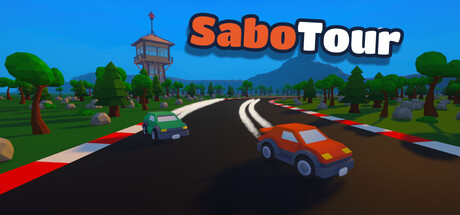
The observation tower model in SaboTour was initially created using an
AI-based 3D generation tool, then manually repaired, retopologized and
finished in Blender. No other AI-generated content is included, and the
game does not generate any content using AI while it is running.
PER MY LAST EMAIL contains pre-generated AI content. Its music is created with generative audio tools; its sound effects are CC0 recordings, not generated. Its narrative text is human-AI co-written and human-edited under the author's direction; the game design is the author's. Its store artwork uses AI-generated background plates, composed and finished programmatically; the game's own user-interface elements are drawn in code and contain no AI-generated images. No AI content is generated at runtime, and the game contains no AI-generated depictions of real people.
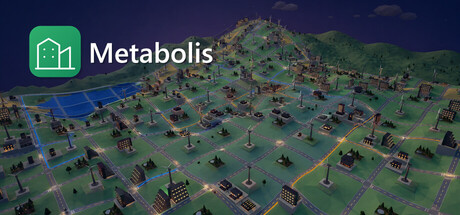
Parts of this game's code were written with the assistance of AI programming tools; all output was reviewed, tested and integrated by the developer. Store page texts and localizations were also produced with AI assistance and reviewed by the developer. [Some music and sound assets were created using AI generation tools and curated by the developer.] [Some marketing artwork (e.g. capsule images) was created with AI image tools and edited by the developer.] All in-game 3D models and simulation content are authored procedurally or by hand. The game does not generate any content with AI at runtime, and it does not connect to any external AI services.
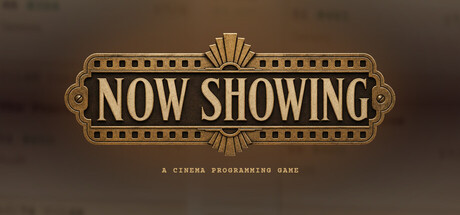
Some visual assets in this game and on this store page were made with the assistance of generative AI tools and then edited by hand — specifically, the game's logo and the decorative border of the certificate you are awarded at the end of a run. Everything else was authored by the developer: all other art, all interface text, all film titles, and all game data. Nothing is generated while you play. The game makes no network connection of any kind.
I'm a solo developer. The idea, design, writing, levels and world are my own work. I use AI to help me write code, and some environment art starts from AI-generated drafts that I then repaint and edit by hand in Procreate. Nothing is AI-generated while you play. The music is a real recording from the 1930s.
Rockinforged is a studio that develops games with an AI-assisted production pipeline. Generative AI tools are used across development — including 2D art, cinematic and video footage, sound, localization, store page text, and marketing materials — always under the developer's direct authorship, curation, and review. The game does not generate any content with AI at runtime.
We use AI as a coding assistant during development, and as a drafting tool to help generate candidate crossword clues from our word bank. Every single clue is reviewed and edited by a human before it ships. AI generated images were used during prototyping as early placeholders. All final visual art assets that ship with the game have been created by the developer.
CRETA: Taskbar Fishing uses generative AI tools to assist with the creation of some visual and audio assets used in the game. AI was used as a supporting tool during development, while the game's design, gameplay systems, programming, and overall creative direction were created by the developer.
This game was developed with AI assistance for localization, in-game text (tutorial, lore, item descriptions, UI), monster/enemy artwork, and store page artwork (including the game's capsule image). All AI-assisted content was reviewed and edited by the developer before release. No content is generated by AI during gameplay.
I used Ai to help convert in-game artwork assets into the icons for steam and desktop icons. All artwork was done in aesprite, based off of drawings done by my young brother.
I also used Ai to upscale assets for the steam page banners.
Generative AI was used to assist in creating some visual assets for the game's store page and promotional materials. All gameplay mechanics, programming, level design, story, and final game implementation were created by the developer.
Music and certain in-game UI icons were created using generative AI tools. All AI-generated assets were reviewed, selected, and, where necessary, edited by the developer before being included in the game. The game does not generate any AI content during gameplay.
Krukmore is developed by a solo developer who uses generative AI as part of the production pipeline. Character and environment sprite art was created using AI image generation, then processed, edited, and integrated by hand. Portions of the game's code were written with AI assistance under the developer's direction, with all systems designed, reviewed, and tested by the developer. All AI-generated content is created during development ("pre-generated") — the game does not generate any content while you play, and no AI runs on your machine. Game design, writing, and all creative decisions are the work of the developer.
This game and its Steam store page contain pre-generated content created with assistance from generative AI tools. AI image generation was used for selected 2D pixel-art assets, which were then curated, edited, cleaned, resized, and integrated by the developer. AI and machine-assisted tools were also used to prepare initial drafts of localized interface text, store-page descriptions, and other marketing copy, followed by developer review and revision. The game does not generate content during play and does not connect to any generative AI service.
Some visual assets used in the game and its promotional materials were created with the assistance of generative AI. These assets were reviewed and integrated by the developer as part of the game's overall art direction.
This game used AI generated content in early phases for help with game art. This content was later modified or changed completely to achieve the creative vision of the developer.
We've harnessed the power of Generative AI technology to create several of our game's unique theme background artworks, enhancing your gaming experience with visually stunning designs.
Generative AI tools were used during development to assist with some pre-generated 2D artwork, text editing, localization, and development support. All AI-assisted content was reviewed, edited, and approved by the developer before being included. The game does not generate AI content during gameplay.
Some of the game's 2D illustration assets and sound reference material were
created with the help of AI tools during development, then reviewed,
edited and validated by hand before shipping.
No content is generated at runtime.
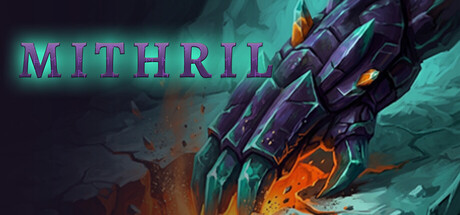
Mithril uses generative AI in much of its art and audio. This includes 3D models, textures and materials throughout the game — cave and terrain surfaces, environment art and interface textures — 2D item and UI icons, store page and marketing images, music and sound effects. All of it was edited and finalised by hand against the game's art direction.
No AI-generated voice is used, and no generative AI runs while you play — the game generates nothing at runtime.
Not AI-generated: world generation (hand-written procedural algorithms, not AI), model animations, game code, and level and systems design.
Some of our art (not all) began as generative drafts made with AI tools, then heavily reworked by hand to fit the game's look. Everything else, story, music, game design and level design is human-made (with love).
Some sound effects and decorative artwork in this game were created using generative AI tools. The game's design, mechanics, level structure, and written content were created by the developer. AI-generated content is limited to supporting assets only.
Some of this game's assets were made with the assistance of generative AI tools and were reviewed, curated and hand-finished by the developer. No content is generated while you play.
Generative AI was used during development to assist with programming and the creation of certain visual, textual, and other development assets. All content included in the final game was reviewed, edited, and approved by the developer. The game does not generate AI content during gameplay.
This game contains pre-generated AI-assisted visual assets, including promotional images, icons, artwork, character portraits, and some UI elements. No live or runtime AI is used during gameplay. All gameplay, mechanics, code, and player interactions are handcrafted.
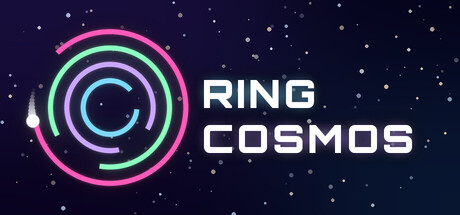
Ring Cosmos was developed by a solo developer with AI assistance during programming. The store page capsule images were also produced with AI assistance, generated programmatically through custom drawing code rather than image generation models. All game visuals are drawn in real time by the game's own rendering code. The soundtrack is licensed human-made music by JDSherbert. No AI content is generated while you play.
Generative AI tools were used during development to assist with the creation of certain pre-rendered visual assets, including selected UI elements, background artwork, promotional images, and store page materials. All generated assets were reviewed, edited, and curated by the development team before inclusion. The game does not generate AI content during gameplay.
Generative AI was used to assist in the creation of character illustrations, selected artwork, store page assets, and localization. All AI-assisted content has been reviewed, edited, and integrated by the developer. The game does not use generative AI to create content during gameplay.
AI tools were used to assist in generating promotional artwork and store page graphics. Additionally, AI coding assistants were utilized during development to help write and optimize scripts and programming logic.
Pre-generated AI was used to assist in the creation of promotional artwork and Steam store assets. No live-generated AI content is used during gameplay. Players do not interact with AI-generated systems while playing the game.
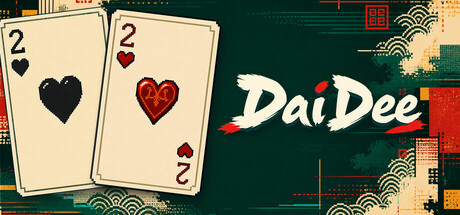
The card illustrations, background art and background music in this game were created with generative AI tools during development. All of it is produced ahead of time, reviewed and selected by the developer, and shipped as fixed asset files. The game does not generate any content at runtime and does not connect to any AI service while you play.
Some store page artwork (capsule images) was created with the assistance of generative AI tools and then edited and reviewed by the developer. Some 2D art (card artwork, backgrounds, UI) and in-game text (card descriptions, flavor text) were created with the help of generative AI tools.
Some art and audio in this game were created with generative AI tools during development. All such content was reviewed before release. No generative AI runs during gameplay.
Pre-generated AI tools were used to create store page and marketing artwork (capsules, key art, banners, broadcast panels). No AI-generated content ships inside the game itself: all in-game visuals are built procedurally in code or come from CC0 asset kits. No live-generated AI content.
Generative AI tools were used during development to create portions of the game’s artwork,sound and localization. Each AI-assisted asset was reviewed, edited, palette-matched, and curated by the developer.
The observation tower model in SaboTour was initially created using an
AI-based 3D generation tool, then manually repaired, retopologized and
finished in Blender. No other AI-generated content is included, and the
game does not generate any content using AI while it is running.
PER MY LAST EMAIL contains pre-generated AI content. Its music is created with generative audio tools; its sound effects are CC0 recordings, not generated. Its narrative text is human-AI co-written and human-edited under the author's direction; the game design is the author's. Its store artwork uses AI-generated background plates, composed and finished programmatically; the game's own user-interface elements are drawn in code and contain no AI-generated images. No AI content is generated at runtime, and the game contains no AI-generated depictions of real people.
Parts of this game's code were written with the assistance of AI programming tools; all output was reviewed, tested and integrated by the developer. Store page texts and localizations were also produced with AI assistance and reviewed by the developer. [Some music and sound assets were created using AI generation tools and curated by the developer.] [Some marketing artwork (e.g. capsule images) was created with AI image tools and edited by the developer.] All in-game 3D models and simulation content are authored procedurally or by hand. The game does not generate any content with AI at runtime, and it does not connect to any external AI services.
Some visual assets in this game and on this store page were made with the assistance of generative AI tools and then edited by hand — specifically, the game's logo and the decorative border of the certificate you are awarded at the end of a run. Everything else was authored by the developer: all other art, all interface text, all film titles, and all game data. Nothing is generated while you play. The game makes no network connection of any kind.
I'm a solo developer. The idea, design, writing, levels and world are my own work. I use AI to help me write code, and some environment art starts from AI-generated drafts that I then repaint and edit by hand in Procreate. Nothing is AI-generated while you play. The music is a real recording from the 1930s.
Rockinforged is a studio that develops games with an AI-assisted production pipeline. Generative AI tools are used across development — including 2D art, cinematic and video footage, sound, localization, store page text, and marketing materials — always under the developer's direct authorship, curation, and review. The game does not generate any content with AI at runtime.
We use AI as a coding assistant during development, and as a drafting tool to help generate candidate crossword clues from our word bank. Every single clue is reviewed and edited by a human before it ships. AI generated images were used during prototyping as early placeholders. All final visual art assets that ship with the game have been created by the developer.
CRETA: Taskbar Fishing uses generative AI tools to assist with the creation of some visual and audio assets used in the game. AI was used as a supporting tool during development, while the game's design, gameplay systems, programming, and overall creative direction were created by the developer.
This game was developed with AI assistance for localization, in-game text (tutorial, lore, item descriptions, UI), monster/enemy artwork, and store page artwork (including the game's capsule image). All AI-assisted content was reviewed and edited by the developer before release. No content is generated by AI during gameplay.
I used Ai to help convert in-game artwork assets into the icons for steam and desktop icons. All artwork was done in aesprite, based off of drawings done by my young brother.
I also used Ai to upscale assets for the steam page banners.
Generative AI was used to assist in creating some visual assets for the game's store page and promotional materials. All gameplay mechanics, programming, level design, story, and final game implementation were created by the developer.
Music and certain in-game UI icons were created using generative AI tools. All AI-generated assets were reviewed, selected, and, where necessary, edited by the developer before being included in the game. The game does not generate any AI content during gameplay.
Krukmore is developed by a solo developer who uses generative AI as part of the production pipeline. Character and environment sprite art was created using AI image generation, then processed, edited, and integrated by hand. Portions of the game's code were written with AI assistance under the developer's direction, with all systems designed, reviewed, and tested by the developer. All AI-generated content is created during development ("pre-generated") — the game does not generate any content while you play, and no AI runs on your machine. Game design, writing, and all creative decisions are the work of the developer.
This game and its Steam store page contain pre-generated content created with assistance from generative AI tools. AI image generation was used for selected 2D pixel-art assets, which were then curated, edited, cleaned, resized, and integrated by the developer. AI and machine-assisted tools were also used to prepare initial drafts of localized interface text, store-page descriptions, and other marketing copy, followed by developer review and revision. The game does not generate content during play and does not connect to any generative AI service.
Some visual assets used in the game and its promotional materials were created with the assistance of generative AI. These assets were reviewed and integrated by the developer as part of the game's overall art direction.
This game used AI generated content in early phases for help with game art. This content was later modified or changed completely to achieve the creative vision of the developer.
We've harnessed the power of Generative AI technology to create several of our game's unique theme background artworks, enhancing your gaming experience with visually stunning designs.
Generative AI tools were used during development to assist with some pre-generated 2D artwork, text editing, localization, and development support. All AI-assisted content was reviewed, edited, and approved by the developer before being included. The game does not generate AI content during gameplay.
Some of the game's 2D illustration assets and sound reference material were
created with the help of AI tools during development, then reviewed,
edited and validated by hand before shipping.
No content is generated at runtime.
Mithril uses generative AI in much of its art and audio. This includes 3D models, textures and materials throughout the game — cave and terrain surfaces, environment art and interface textures — 2D item and UI icons, store page and marketing images, music and sound effects. All of it was edited and finalised by hand against the game's art direction.
No AI-generated voice is used, and no generative AI runs while you play — the game generates nothing at runtime.
Not AI-generated: world generation (hand-written procedural algorithms, not AI), model animations, game code, and level and systems design.
Some of our art (not all) began as generative drafts made with AI tools, then heavily reworked by hand to fit the game's look. Everything else, story, music, game design and level design is human-made (with love).
Some sound effects and decorative artwork in this game were created using generative AI tools. The game's design, mechanics, level structure, and written content were created by the developer. AI-generated content is limited to supporting assets only.
Some of this game's assets were made with the assistance of generative AI tools and were reviewed, curated and hand-finished by the developer. No content is generated while you play.
Generative AI was used during development to assist with programming and the creation of certain visual, textual, and other development assets. All content included in the final game was reviewed, edited, and approved by the developer. The game does not generate AI content during gameplay.
This game contains pre-generated AI-assisted visual assets, including promotional images, icons, artwork, character portraits, and some UI elements. No live or runtime AI is used during gameplay. All gameplay, mechanics, code, and player interactions are handcrafted.
Ring Cosmos was developed by a solo developer with AI assistance during programming. The store page capsule images were also produced with AI assistance, generated programmatically through custom drawing code rather than image generation models. All game visuals are drawn in real time by the game's own rendering code. The soundtrack is licensed human-made music by JDSherbert. No AI content is generated while you play.
Generative AI tools were used during development to assist with the creation of certain pre-rendered visual assets, including selected UI elements, background artwork, promotional images, and store page materials. All generated assets were reviewed, edited, and curated by the development team before inclusion. The game does not generate AI content during gameplay.
Generative AI was used to assist in the creation of character illustrations, selected artwork, store page assets, and localization. All AI-assisted content has been reviewed, edited, and integrated by the developer. The game does not use generative AI to create content during gameplay.
AI tools were used to assist in generating promotional artwork and store page graphics. Additionally, AI coding assistants were utilized during development to help write and optimize scripts and programming logic.
Pre-generated AI was used to assist in the creation of promotional artwork and Steam store assets. No live-generated AI content is used during gameplay. Players do not interact with AI-generated systems while playing the game.
The card illustrations, background art and background music in this game were created with generative AI tools during development. All of it is produced ahead of time, reviewed and selected by the developer, and shipped as fixed asset files. The game does not generate any content at runtime and does not connect to any AI service while you play.
Some store page artwork (capsule images) was created with the assistance of generative AI tools and then edited and reviewed by the developer. Some 2D art (card artwork, backgrounds, UI) and in-game text (card descriptions, flavor text) were created with the help of generative AI tools.
Some art and audio in this game were created with generative AI tools during development. All such content was reviewed before release. No generative AI runs during gameplay.
Pre-generated AI tools were used to create store page and marketing artwork (capsules, key art, banners, broadcast panels). No AI-generated content ships inside the game itself: all in-game visuals are built procedurally in code or come from CC0 asset kits. No live-generated AI content.