Public Steam disclosure research25,867 disclosures tracked
Where do games disclose AI use?
Search developers’ Steam disclosures, compare classified AI use across
games, and follow recorded changes.
This index adds cross-game classifications and statistics to
statements published on individual store pages.
Groups reflect automatic analysis of public disclosures; mature records are excluded. These counts do not measure AI use across all of Steam.
Missing or unclear statements cannot establish whether a game uses AI.
The key art used in this game's store capsules and cover was created with the assistance of generative AI tools, then edited and composited by the developer (logo and layout added manually). AI tools were also used to assist with translating menu text and store page descriptions. All gameplay content — code, in-game sprites, animations, music, and sound effects — was created by human artists or licensed from human-made asset packs. No AI-generated content appears in the game itself.
This game used generative AI as an assistive tool during development to help create some art assets and promotional materials. All AI-generated content was selected, modified, integrated, and quality-checked by the developer before being included in the final product. The game’s story, world-building, character design, gameplay systems, programming, and overall creative direction are original works designed and produced by the developer.
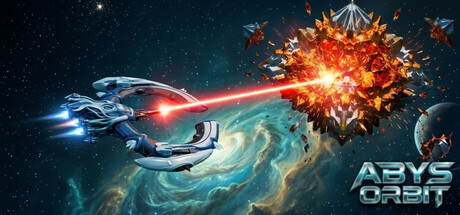
Most of the 2D art in Abys Orbit is AI-assisted, generated with Google Gemini
during development. Ship and NPC sprite sheets begin as Gemini concept images,
are converted to 3D meshes with Meshy.ai, and are then rendered to 2D sprites
in Blender. One dashboard background is a NASA public-domain photograph revised
with AI. All AI-generated assets are reviewed and edited by us before shipping.
The following content is NOT AI-generated: rank insignia (drawn by hand in
Adobe Illustrator), the Scout ship model (a commercially licensed 3D asset
rendered in 3ds Max), UI and research icons (licensed from CraftPix under their
commercial license), two NASA public-domain images, and all audio, which we
produced ourselves.
No AI-generated content is created at runtime; all generation happens during
development.
Generative AI tools were used during development to assist with portions of the game’s code, gameplay data, English and Korean text, visual assets—including card, character, monster, UI, and environment artwork—and the creation of music, ambience, and sound effects.
All AI-assisted material was reviewed and selected by the developer, then edited or processed where appropriate, tested, and integrated into the game. The game does not use generative AI at runtime, and no player input or personal data is sent to generative AI services.
Generative AI tools were used to assist with the creation of some visual assets and music for the game. The resulting content was reviewed, edited, and integrated by the development team.
Portions of this game's visual assets were created with the assistance of generative AI tools and were reviewed, edited, and integrated by the developer. The game does not generate AI content during gameplay.
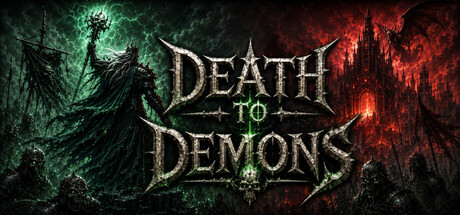
Death to Demons uses pre-generated AI-assisted content in some artwork, visual concepts, promotional images, and development/reference materials. All AI-assisted content used in the shipped game or Steam store materials is reviewed, selected, and edited by the developer before inclusion.
The game does not use live generative AI during gameplay. No player prompts are used to generate in-game content.
This game was developed with the assistance of generative AI tools for coding support and some visual asset creation.
All content was reviewed and finalized by the developer.
No generative AI is used during gameplay.
Rip N Ship uses generative AI for some original artwork in its fictional Oddkin card collection. This artwork was generated during development, then selected, edited, and incorporated into the game by the developer. Streamer Mode chat is scripted/simulated and is not generated by AI during gameplay.
This game contains pre-generated AI-assisted illustrations and visual assets. All AI-assisted content has been reviewed, modified, and integrated by the developer. The game does not generate AI content during gameplay and does not connect to external AI services.
Some of the content in Broken Pixel was created using generative AI. All of it was produced during development, reviewed by us, and shipped as fixed, pre-generated assets — no AI runs while you play.
- Story narration: the roughly ten hours of spoken narration were generated with an AI text-to-speech model (ElevenLabs). The scripts were written with AI assistance and edited by hand.
- Player avatars: the 3D character avatars were generated with an AI image-to-3D tool (Meshy).
- Store & marketing art: the capsule and marketing images were generated with an AI image model (Runware / fal.ai).
- Soundtrack: the lounge soundtrack was generated with an AI music model (Mureka).
The gameplay itself contains no AI-generated content — every room, screen, painting and level layout is built by traditional procedural code. Nothing is generated live, and the game never connects to an AI service while you play.
Generative AI tools were used during development to create all visual artwork, sound effects, and music in Matchinko, including artwork used in store and marketing materials. AI tools also assisted with code, debugging, and drafts of some written content. All generated material was reviewed, selected, edited, tested, and integrated by the developer before inclusion. The game does not generate content using AI at runtime, connect to external AI services during play, or send player data to AI systems.
The game's code, writing (company names, event text, narrative flavor), and 2D art were created during development with AI assistance (Anthropic's Claude), directed, curated, and edited by the developer. All content is pre-generated: the game generates no AI content at runtime and connects to no AI services while you play.
Generative AI tools were used during development to assist with programming tasks and to generate some reference assets and 3D models. All AI-generated content was reviewed, modified, and integrated by the developers.
Some of the game's resources (art assets, some promotional images on the store page, code, etc.) were completed with the help of AI to achieve better artistic effects.
Some of the game’s visual assets were created with the assistance of generative AI. All generated artwork is reviewed, edited, refined, and adapted by the development team to maintain a consistent visual identity and ensure that it matches the game’s artistic direction and design choices.
This approach was necessary due to the high cost of commissioning the full amount of artwork required from one or more professional artists or illustrators. Using AI-assisted tools helped keep the project financially viable, speed up production, and bring the game to players sooner while preserving a cohesive and recognizable style.
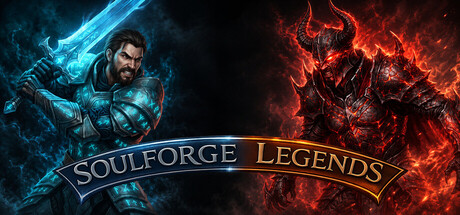
Some of the art in SoulForge Legends was created with the help of generative AI tools. All of it was generated during development, then reviewed, edited and assembled by hand before shipping. Nothing is generated live while you play, and the game never sends your input to an AI service.
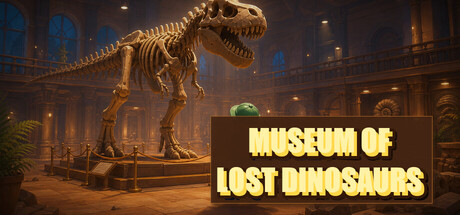
Some Steam store, library, icon, and marketing images for this game were created with generative AI and then reviewed and edited for the dinosaur museum theme. The game does not use real-time generative AI during gameplay.
This game uses a bundled on-device AI model to estimate body-shape parameters from a player-selected full-body photo and apply them to a predefined 3D character mesh. The photo is processed locally and is not sent to an external AI service. Photo-based appearance projection is handled separately as user-provided character customization and is not open-ended AI image generation.
Some of the game's 2D artwork (card illustrations) was created with the assistance of generative AI tools, then curated, edited, and integrated by the developer. AI assistance was also used for in-game text and store page copy. All game design and final content decisions are the developer's own. The game contains no live/runtime AI-generated content.
Some in-game artwork—including characters, monsters, weapons, backgrounds, card illustrations, and UI assets—as well as some store page images, was created using pre-generated AI tools. All generated assets were selected, edited, adjusted, and reviewed by the developer before being included in the game. The game does not generate AI content during gameplay.
Pre-generated only. Generative AI assisted in creating some art, music, SFX, and localization during development, all developer-reviewed. No live AI content in the shipped game.
Some 3D prop assets and promotional artwork were created with the assistance of generative AI tools. All AI-assisted content was manually reviewed, edited, and integrated by the developer. No content is generated during gameplay.
Some pre-generated visual assets and localization text were created with the assistance of generative AI and were reviewed and edited by the developer. The game does not generate AI content during gameplay.
We use AI tools only to demonstrate the game's feel, for marketing materials, and to optimise development. 3D models, UI, characters, robot enemies, the main soundtrack and other key elements of the game are lovingly crafted by our team.
Yes, we're not the fastest indie developers in the world. But we're working hard for you! ^_^
Generative AI tools were used during development to create and refine some pre-generated visual assets, including concept art, character and environment models, textures, animations, UI artwork, icons, visual effects, and selected store or marketing images. All such assets were reviewed and edited by the developer. The game does not generate AI content during gameplay and does not connect to external AI services while running.
Some visual and audio assets were created or assisted using AI tools, then selected, edited, and integrated by the developer. The game's story, gameplay mechanics, dialogue, programming, and overall design were created by the developer.
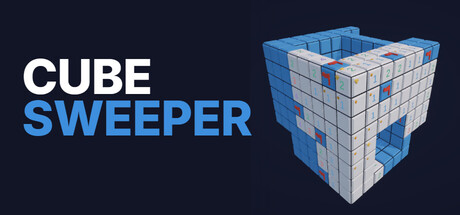
Cube Sweeper used AI assistance during development in two places. Some of the game's handcrafted curated boards began as AI-generated shapes, which were then validated and certified solvable by the game's own logic engine before anything shipped, exactly like every other board in the game. Store page artwork production was aided by AI-assisted tools. No AI is used at runtime. The puzzles are generated by a deterministic system.
The key art used in this game's store capsules and cover was created with the assistance of generative AI tools, then edited and composited by the developer (logo and layout added manually). AI tools were also used to assist with translating menu text and store page descriptions. All gameplay content — code, in-game sprites, animations, music, and sound effects — was created by human artists or licensed from human-made asset packs. No AI-generated content appears in the game itself.
This game used generative AI as an assistive tool during development to help create some art assets and promotional materials. All AI-generated content was selected, modified, integrated, and quality-checked by the developer before being included in the final product. The game’s story, world-building, character design, gameplay systems, programming, and overall creative direction are original works designed and produced by the developer.
Most of the 2D art in Abys Orbit is AI-assisted, generated with Google Gemini
during development. Ship and NPC sprite sheets begin as Gemini concept images,
are converted to 3D meshes with Meshy.ai, and are then rendered to 2D sprites
in Blender. One dashboard background is a NASA public-domain photograph revised
with AI. All AI-generated assets are reviewed and edited by us before shipping.
The following content is NOT AI-generated: rank insignia (drawn by hand in
Adobe Illustrator), the Scout ship model (a commercially licensed 3D asset
rendered in 3ds Max), UI and research icons (licensed from CraftPix under their
commercial license), two NASA public-domain images, and all audio, which we
produced ourselves.
No AI-generated content is created at runtime; all generation happens during
development.
Generative AI tools were used during development to assist with portions of the game’s code, gameplay data, English and Korean text, visual assets—including card, character, monster, UI, and environment artwork—and the creation of music, ambience, and sound effects.
All AI-assisted material was reviewed and selected by the developer, then edited or processed where appropriate, tested, and integrated into the game. The game does not use generative AI at runtime, and no player input or personal data is sent to generative AI services.
Generative AI tools were used to assist with the creation of some visual assets and music for the game. The resulting content was reviewed, edited, and integrated by the development team.
Portions of this game's visual assets were created with the assistance of generative AI tools and were reviewed, edited, and integrated by the developer. The game does not generate AI content during gameplay.
Death to Demons uses pre-generated AI-assisted content in some artwork, visual concepts, promotional images, and development/reference materials. All AI-assisted content used in the shipped game or Steam store materials is reviewed, selected, and edited by the developer before inclusion.
The game does not use live generative AI during gameplay. No player prompts are used to generate in-game content.
This game was developed with the assistance of generative AI tools for coding support and some visual asset creation.
All content was reviewed and finalized by the developer.
No generative AI is used during gameplay.
Rip N Ship uses generative AI for some original artwork in its fictional Oddkin card collection. This artwork was generated during development, then selected, edited, and incorporated into the game by the developer. Streamer Mode chat is scripted/simulated and is not generated by AI during gameplay.
This game contains pre-generated AI-assisted illustrations and visual assets. All AI-assisted content has been reviewed, modified, and integrated by the developer. The game does not generate AI content during gameplay and does not connect to external AI services.
Some of the content in Broken Pixel was created using generative AI. All of it was produced during development, reviewed by us, and shipped as fixed, pre-generated assets — no AI runs while you play.
- Story narration: the roughly ten hours of spoken narration were generated with an AI text-to-speech model (ElevenLabs). The scripts were written with AI assistance and edited by hand.
- Player avatars: the 3D character avatars were generated with an AI image-to-3D tool (Meshy).
- Store & marketing art: the capsule and marketing images were generated with an AI image model (Runware / fal.ai).
- Soundtrack: the lounge soundtrack was generated with an AI music model (Mureka).
The gameplay itself contains no AI-generated content — every room, screen, painting and level layout is built by traditional procedural code. Nothing is generated live, and the game never connects to an AI service while you play.
Generative AI tools were used during development to create all visual artwork, sound effects, and music in Matchinko, including artwork used in store and marketing materials. AI tools also assisted with code, debugging, and drafts of some written content. All generated material was reviewed, selected, edited, tested, and integrated by the developer before inclusion. The game does not generate content using AI at runtime, connect to external AI services during play, or send player data to AI systems.
The game's code, writing (company names, event text, narrative flavor), and 2D art were created during development with AI assistance (Anthropic's Claude), directed, curated, and edited by the developer. All content is pre-generated: the game generates no AI content at runtime and connects to no AI services while you play.
Generative AI tools were used during development to assist with programming tasks and to generate some reference assets and 3D models. All AI-generated content was reviewed, modified, and integrated by the developers.
Some of the game's resources (art assets, some promotional images on the store page, code, etc.) were completed with the help of AI to achieve better artistic effects.
Some of the game’s visual assets were created with the assistance of generative AI. All generated artwork is reviewed, edited, refined, and adapted by the development team to maintain a consistent visual identity and ensure that it matches the game’s artistic direction and design choices.
This approach was necessary due to the high cost of commissioning the full amount of artwork required from one or more professional artists or illustrators. Using AI-assisted tools helped keep the project financially viable, speed up production, and bring the game to players sooner while preserving a cohesive and recognizable style.
Some of the art in SoulForge Legends was created with the help of generative AI tools. All of it was generated during development, then reviewed, edited and assembled by hand before shipping. Nothing is generated live while you play, and the game never sends your input to an AI service.
Some Steam store, library, icon, and marketing images for this game were created with generative AI and then reviewed and edited for the dinosaur museum theme. The game does not use real-time generative AI during gameplay.
This game uses a bundled on-device AI model to estimate body-shape parameters from a player-selected full-body photo and apply them to a predefined 3D character mesh. The photo is processed locally and is not sent to an external AI service. Photo-based appearance projection is handled separately as user-provided character customization and is not open-ended AI image generation.
Some of the game's 2D artwork (card illustrations) was created with the assistance of generative AI tools, then curated, edited, and integrated by the developer. AI assistance was also used for in-game text and store page copy. All game design and final content decisions are the developer's own. The game contains no live/runtime AI-generated content.
Some in-game artwork—including characters, monsters, weapons, backgrounds, card illustrations, and UI assets—as well as some store page images, was created using pre-generated AI tools. All generated assets were selected, edited, adjusted, and reviewed by the developer before being included in the game. The game does not generate AI content during gameplay.
Pre-generated only. Generative AI assisted in creating some art, music, SFX, and localization during development, all developer-reviewed. No live AI content in the shipped game.
Some 3D prop assets and promotional artwork were created with the assistance of generative AI tools. All AI-assisted content was manually reviewed, edited, and integrated by the developer. No content is generated during gameplay.
Some pre-generated visual assets and localization text were created with the assistance of generative AI and were reviewed and edited by the developer. The game does not generate AI content during gameplay.
We use AI tools only to demonstrate the game's feel, for marketing materials, and to optimise development. 3D models, UI, characters, robot enemies, the main soundtrack and other key elements of the game are lovingly crafted by our team.
Yes, we're not the fastest indie developers in the world. But we're working hard for you! ^_^
Generative AI tools were used during development to create and refine some pre-generated visual assets, including concept art, character and environment models, textures, animations, UI artwork, icons, visual effects, and selected store or marketing images. All such assets were reviewed and edited by the developer. The game does not generate AI content during gameplay and does not connect to external AI services while running.
Some visual and audio assets were created or assisted using AI tools, then selected, edited, and integrated by the developer. The game's story, gameplay mechanics, dialogue, programming, and overall design were created by the developer.
Cube Sweeper used AI assistance during development in two places. Some of the game's handcrafted curated boards began as AI-generated shapes, which were then validated and certified solvable by the game's own logic engine before anything shipped, exactly like every other board in the game. Store page artwork production was aided by AI-assisted tools. No AI is used at runtime. The puzzles are generated by a deterministic system.