
Disclosure
AI Artwork includes the logo for the game ONLY!
- Creator
- BeardedChav Games
- Reviews
- -
- Added
- Jul 23, 2026
Public Steam disclosure research 25,877 disclosures tracked
Search developers’ Steam disclosures, compare classified AI use across games, and follow recorded changes. This index adds cross-game classifications and statistics to statements published on individual store pages.
Code help, debugging and other development work.
Capsule art, trailers and promotional material.
Pre-made art, audio, writing and other game assets.
Interactive or runtime AI features disclosed by the developer.
Groups reflect automatic analysis of public disclosures; mature records are excluded. These counts do not measure AI use across all of Steam. Missing or unclear statements cannot establish whether a game uses AI.
AI Artwork includes the logo for the game ONLY!
Some characters in the game were designed using AI.
We used AI‑based tools to create some character images and background assets. All content has been independently edited and refined to ensure it is presented as an original work.
The game logo was created with the assistance of generative AI and edited by the developer. AI was also used to assist with localization translations for other languages, which were reviewed and edited by the developer. No live-generated AI content is used during gameplay.
Artificial intelligence was only used in the 2D store page capsule artwork. There is NO AI used in any other part of the game.
Some in‑game icons were created using AI, while the artwork and translations were produced with human editing based on AI‑generated drafts.
During the development process, I use AI tools to assist with content creation. Specifically, I use them to generate base assets such as textures, visuals, and sound assets, which are then edited and refined by hand before shipping. No content is generated at runtime. In all such cases, the final product reflects my personal creativity, vision, and expression as a solo developer.
Some promotional images and in-game 2D visual assets were created or edited with the assistance of generative AI tools. All final assets were reviewed and edited by our art team before inclusion in the game/store page. We have checked the content to ensure it does not include illegal or infringing material.
This game is built by a Master of the Fine Arts in Digital and New Media with a specialization in procedural content. Generative AI tools were used during development to create and iterate on pre-rendered visual assets, including dream artwork, backgrounds, capsule art, and marketing imagery. All AI-assisted content is selected, edited, and integrated by the development team. The game does not generate AI content during gameplay and does not connect to third-party AI services during play.
The prototypes for a small number of icons and scene images in the game were generated by AI, followed by manual refinement.
Some of the user interfaces were generated using AI; the reason for this is that I am not a graphic designer myself and cannot afford to hire a service provider to create them.
The core game mechanics, game design, and overall creative direction are 100% my original vision. No AI tools were used for conceptualizing ideas or narrative structure. The programming code was generated utilizing the Rosebud AI platform, and the 2D visual assets were initially created with generative art tools. Code, artwork, and music were reviewed, manually edited, and arranged by me to bring my specific creative vision to life.
The game's 2D artwork (character portraits, scenes, backgrounds) and music were created with generative AI tools, then curated and edited by the developer. Parts of the game's code and narrative text were written with AI assistance, under human direction, review and rewriting. All AI-assisted content is pre-generated during development: nothing is generated by AI while you play.
The game icon and store page artwork (capsules and key art backgrounds) were created with the assistance of AI image-generation tools, then edited and composited by the development team. The in-game title logo also used AI assistance. All game design, level design, code, and gameplay content were created by the development team. No AI-generated content is created live during gameplay.
I built Orbisphere as a solo developer using AI tools under human direction. The soundtrack was created with generative AI music tools, with each track directed, selected, and edited by me. In-game vector artwork was authored with AI assistance from my terrible MS Paint references and designs. All game design, writing, systems, and balance are my own work.
The main key art, which is used for the store capsule images, library assets, and the game's opening sequence, was created using generative AI.
Generative AI was used as a production tool to help create selected visual and audio assets and to assist with refining some written content. The game’s concept, narrative direction, scenes, mechanics, and final presentation were defined, directed, reviewed, and edited by the developer. No content is generated by AI during gameplay.
Artwork/Music
本游戏 部分图像和音频含有ai生成创作
Im a solo indie dev, so I used IA tools for better usage of production time. I used code tools to make it easier to implement mechanics. I used Art IA tools to make starting points from where I can work on top. I used Sound IA tools to make music for this game. Of course all these is because im a solo dev. Im planning to contract a team in the future if Im able to.
AI was used to create the artwork (not the logo) for the store's website.
Only Steam store assets and logo are generated or modified by AI
Heartwood Incremental was made by a solo developer working alongside an AI assistant (Anthropic's Claude). The AI helped write the game's code, including the code that procedurally draws its pixel-art sprites, tree, and icons, and helped draft written content such as upgrade, achievement, and store text. Everything was directed, reviewed, and refined by the human developer, and hand-checked before release. No generative AI runs while you play: nothing is created on your device at runtime, and all art and text are fixed in the build.
Character Art, Enemy Art, Two Backgrounds
AI generated art and other assets were referenced and partly used during development, but every effort is taken to make the game original. At UWS, we make every effort to support our art/design team and use AI very rarely to meet our production needs
Generative AI was used during production of some visual and audio assets. All generated material is selected, directed, edited, and integrated through a human-led creative process. The game does not generate content with AI during play.
The cover image was created using AI.
The game used AI to generate artwork and code. We are biologists and we do research for living this is to show to others what its like.
Some 2D art assets in this game — such as menu UI textures (buttons and panels) and background images — were created with the help of generative AI image tools during development. All AI-generated assets were reviewed and edited by the developer before being included in the game. No AI-generated content is created live during gameplay.
Generative AI tools were used during development to assist in creating and refining certain pre-generated 2D visual assets, including character artwork, environments, user interface elements, promotional materials, and store page graphics. All AI-assisted content was reviewed, edited, selected, and integrated by the developer. The game does not generate AI content during gameplay and does not send player input to external AI services.
Some background images are generated by Doubao AI.
Generative AI was used for some images and localization.
AI was used in The Canon Keeper for art assets and programming.
AI is used to prepare the promo materials & trailers and generate funny robot voices for bots.
Used AI to generate cover photo of the game.
Corelink Protocol uses generative AI as part of its creative workflow, including artwork, sprites, music, and certain development assets. All AI‑assisted content is manually reviewed and refined before being included in the game. No content is generated live during gameplay; everything is pre‑produced to ensure a consistent and curated player experience.
Generative AI was used to create various graphical assets featured in the game. These assets were selected, edited, composited and integrated by the developer as part of the game’s visual design, alongside substantial human creative direction, implementation and refinement.
This game uses generative artificial intelligence in the following ways: pixel character artwork and background images. AI-generated content was reviewed and edited by the developer before being included in the game or store page.
No Witnesses is developed by a two-man team, therefore generative AI has been used to assist in the creation of marketing assets and other player facing interfaces. All generated content is reviewed and perfected by a human before use.No Witnesses utilises third-party assets, of which we cannot attest to the creation of.
Generative AI tools were used to assist in the creation of selected promotional and store artwork. During gameplay, players can also optionally use generative AI to create custom word sets and hints.
Certain visual elements and marketing assets for the game were produced with support from generative AI tools. Every AI-assisted asset was carefully selected, edited, and adjusted by the developer to match the game’s intended art style and overall quality.
Some promotional images and marketing content for Maze Mischief were created with the assistance of generative artificial intelligence tools and subsequently reviewed and adjusted by the developer.
Only assets like art and sound were generated using AI. Code was designed and programmed by me.
This game includes some pre-generated artwork and sound effects created with the assistance of generative AI. These assets were reviewed, selected, and integrated by the developer during development. The game does not use live generative AI during gameplay.
Generative AI tools were used during development to assist with visual assets, in-game text, localization, and programming. All AI-assisted content was reviewed, edited, tested, and integrated by the developer. No generative AI is used while the game is running.
All content in this game was created by a single developer using generative AI tools, under full human supervision. The scenario and script were written by the developer (writing assistance: Claude). All theme song lyrics were written by the developer. Backgrounds, character sprites, the logo, and the OP/ED movies were generated with Leonardo AI, based on the developer's own character designs, compositions, and art direction. The music and theme songs were produced with Suno AI. All voice acting was generated with ElevenLabs; every line in all three languages (Japanese, English, and Simplified Chinese, approx. 1,900 lines each) was individually reviewed by the developer for pronunciation, acting, and emotional delivery, and only approved takes were used. Localization was assisted by Claude Code, with every translation reviewed by the developer. Programming was assisted by Claude Code. The store page and marketing assets (capsule images, logo, trailers, etc.) were likewise created with Leonardo AI (imagery) and Suno AI (music). Screenshots and trailer footage are captures of the actual game (the game itself contains the AI-generated assets described above). Every AI-generated asset was reviewed, selected, and corrected by the developer before use. No content is generated by AI at runtime. A breakdown of tools by production stage is included in the end credits.
Train Trek uses generative AI in two ways. During development we used AI tools to help make some assets: the user-interface art (HUD and menu icons, menu artwork, frames, button plates, mouse cursors), the instrumental soundtrack, and some sound effects. All of it was chosen, edited and finished by hand before it shipped. The 3D models are built procedurally by our own scripts, and the design, world generation and balancing are authored by hand. Parts of the source code were written with an AI coding assistant, reviewed and tested by the developer. While you play, the game speaks using a text-to-speech model that ships inside the game and runs entirely on your own computer. It voices tutorial guidance, hints and menu narration instead of pre-recorded audio. It needs no internet connection, sends nothing anywhere, and never records or listens to you. It only reads lines we wrote and shipped with the game - it does not invent dialogue.
Some of the promotional artwork for MoonCraft was created using generative AI tools. All in‑game content, gameplay assets, code, and visuals were created manually without AI. Only the store page art uses AI; the game itself does not include AI‑generated content.
Portions of this game were created with the assistance of generative AI tools. This includes parts of the game's code, artwork and UI graphics, sound effects, and written text (in-game and on the store page). All AI-assisted content was directed, reviewed, and edited by the developer before inclusion. No AI content is generated during gameplay, the cribbage opponent uses conventional game algorithms, not generative AI and the game does not connect to any AI services at runtime.
Generative AI was used to create artwork for the title screen, lobby background, and some UI decorations. The generated images were selected, edited, and sliced by the development team before being integrated into the game. Generative AI was also used to assist with drafting and editing some mini-game prompts. The game does not use generative AI at runtime and does not connect to external AI services during play.
| Title⇅ | Disclosure | Creator⇅ | Src | Reviews⇅ | Added↓ |
|---|---|---|---|---|---|
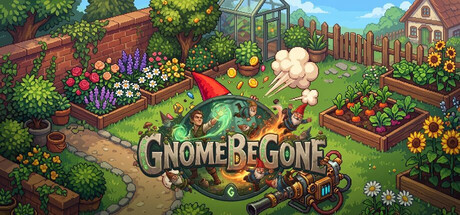 GnomeBeGone Store/marketing art | AI Artwork includes the logo for the game ONLY! | BeardedChav Games | - | Jul 23, 2026 | |
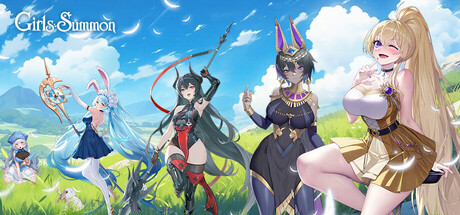 Girls Summon In-game content art | Some characters in the game were designed using AI. | Girls Summon Studio | - | Jul 23, 2026 | |
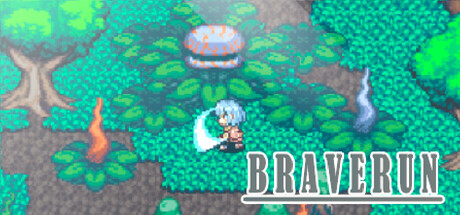 BRAVERUN In-game content art | We used AI‑based tools to create some character images and background assets.
All content has been independently edited and refined to ensure it is presented as an original work. | kosogamekobo | - | Jul 23, 2026 | |
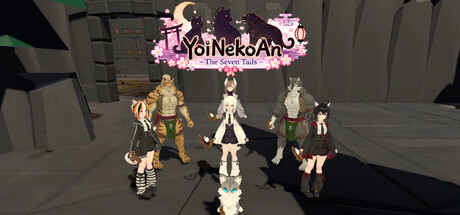 YoiNekoAn: The Seven Tails In-game content arttext | The game logo was created with the assistance of generative AI and edited by the developer. AI was also used to assist with localization translations for other languages, which were reviewed and edited by the developer. No live-generated AI content is used during gameplay. | YoiNekoAn | - | Jul 23, 2026 | |
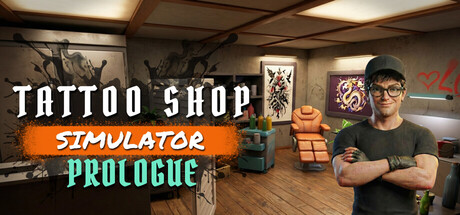 Tattoo Shop Simulator : Prologue Store/marketing art | Artificial intelligence was only used in the 2D store page capsule artwork. There is NO AI used in any other part of the game. | Old Stuff Studio | - | Jul 23, 2026 | |
 Old Coin Pusher Gaiden arttext | Some in‑game icons were created using AI, while the artwork and translations were produced with human editing based on AI‑generated drafts. | STP WORKS | 63 | Jul 23, 2026 | |
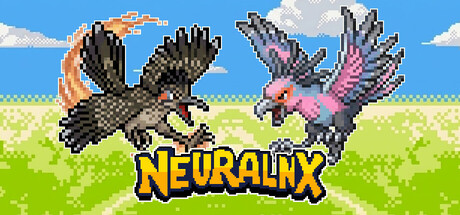 Neuralnx In-game content artaudio | During the development process, I use AI tools to assist with content creation. Specifically, I use them to generate base assets such as textures, visuals, and sound assets, which are then edited and refined by hand before shipping. No content is generated at runtime. In all such cases, the final product reflects my personal creativity, vision, and expression as a solo developer. | Okydonki | - | Jul 23, 2026 | |
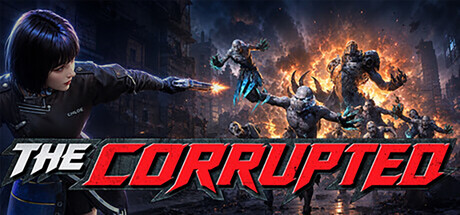 生死狙击:无限 In-game content art | Some promotional images and in-game 2D visual assets were created or edited with the assistance of generative AI tools. All final assets were reviewed and edited by our art team before inclusion in the game/store page. We have checked the content to ensure it does not include illegal or infringing material. | Wizard Games | 205 | Jul 23, 2026 | |
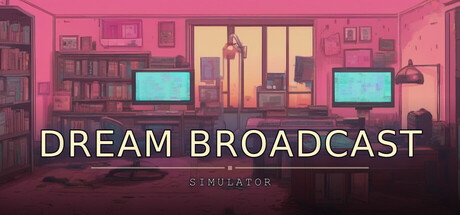 Dream Broadcast Simulator In-game content art | This game is built by a Master of the Fine Arts in Digital and New Media with a specialization in procedural content. Generative AI tools were used during development to create and iterate on pre-rendered visual assets, including dream artwork, backgrounds, capsule art, and marketing imagery. All AI-assisted content is selected, edited, and integrated by the development team. The game does not generate AI content during gameplay and does not connect to third-party AI services during play. | Playable Future LLC | - | Jul 23, 2026 | |
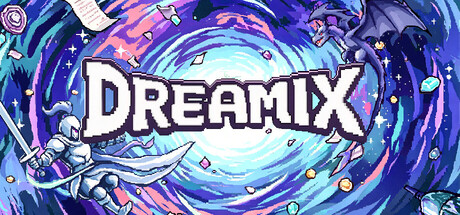 Dreamix In-game content art | The prototypes for a small number of icons and scene images in the game were generated by AI, followed by manual refinement. | 1101 Studio | - | Jul 23, 2026 | |
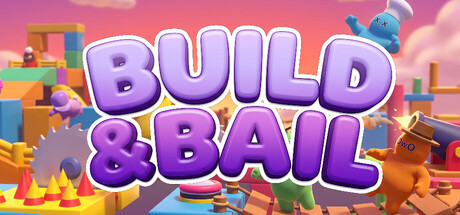 Build & Bail In-game content art | Some of the user interfaces were generated using AI; the reason for this is that I am not a graphic designer myself and cannot afford to hire a service provider to create them. | TS Games | - | Jul 22, 2026 | |
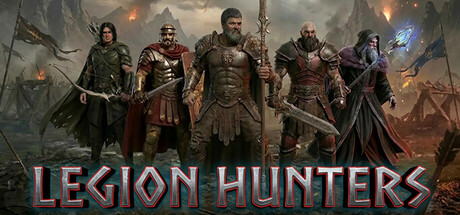 Legion Hunters In-game content artcode | The core game mechanics, game design, and overall creative direction are 100% my original vision. No AI tools were used for conceptualizing ideas or narrative structure. The programming code was generated utilizing the Rosebud AI platform, and the 2D visual assets were initially created with generative art tools. Code, artwork, and music were reviewed, manually edited, and arranged by me to bring my specific creative vision to life. | LegionH | - | Jul 22, 2026 | |
 The Fixer In-game content artaudiotextcode | The game's 2D artwork (character portraits, scenes, backgrounds) and music were created with generative AI tools, then curated and edited by the developer. Parts of the game's code and narrative text were written with AI assistance, under human direction, review and rewriting. All AI-assisted content is pre-generated during development: nothing is generated by AI while you play. | Pixel Stratégie | - | Jul 22, 2026 | |
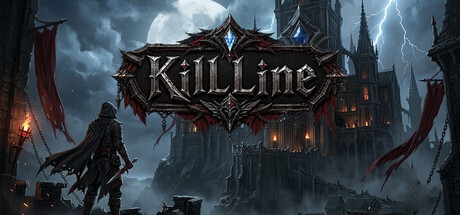 KilLLine In-game content art | The game icon and store page artwork (capsules and key art backgrounds) were created with the assistance of AI image-generation tools, then edited and composited by the development team. The in-game title logo also used AI assistance. All game design, level design, code, and gameplay content were created by the development team. No AI-generated content is created live during gameplay. | Reclover Studio | - | Jul 22, 2026 | |
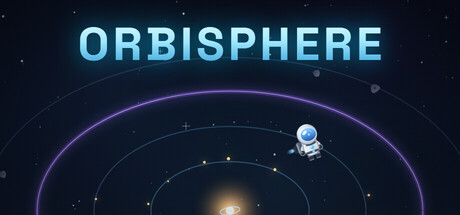 Orbisphere In-game content audioart | I built Orbisphere as a solo developer using AI tools under human direction. The soundtrack was created with generative AI music tools, with each track directed, selected, and edited by me. In-game vector artwork was authored with AI assistance from my terrible MS Paint references and designs. All game design, writing, systems, and balance are my own work. | Potoo Studio | - | Jul 22, 2026 | |
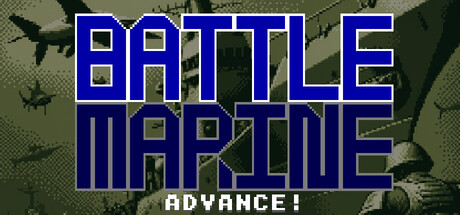 Battle Marine Advance! In-game content art | The main key art, which is used for the store capsule images, library assets, and the game's opening sequence, was created using generative AI. | SUZUKI PLAN, Yoji Suzuki | - | Jul 22, 2026 | |
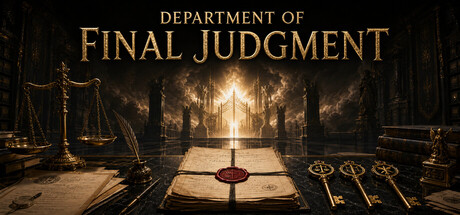 Department of Final Judgment In-game content artaudiotext | Generative AI was used as a production tool to help create selected visual and audio assets and to assist with refining some written content. The game’s concept, narrative direction, scenes, mechanics, and final presentation were defined, directed, reviewed, and edited by the developer. No content is generated by AI during gameplay. | Epog Games Studio | - | Jul 22, 2026 | |
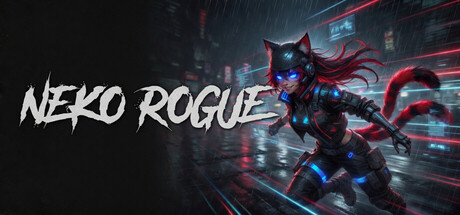 Neko Rogue Unclear artaudio | Artwork/Music | Linkz Games | - | Jul 22, 2026 | |
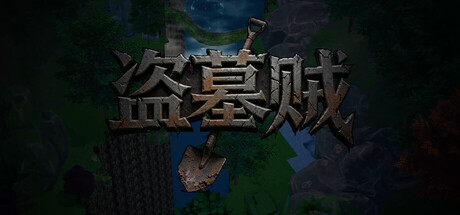 盗墓贼 In-game content artaudio | 本游戏 部分图像和音频含有ai生成创作 | 命运之羁绊 | - | Jul 22, 2026 | |
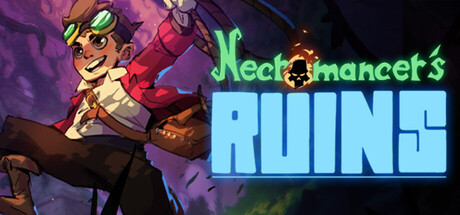 Necromancer´s Ruins In-game content artaudiocode | Im a solo indie dev, so I used IA tools for better usage of production time. I used code tools to make it easier to implement mechanics. I used Art IA tools to make starting points from where I can work on top. I used Sound IA tools to make music for this game.
Of course all these is because im a solo dev. Im planning to contract a team in the future if Im able to. | Tacuabe Games | - | Jul 22, 2026 | |
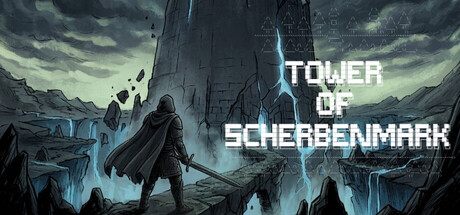 Tower of Scherbenmark Store/marketing art | AI was used to create the artwork (not the logo) for the store's website. | Bernhard Kokesch | - | Jul 22, 2026 | |
 Fruit Store Simulator Store/marketing art | Only Steam store assets and logo are generated or modified by AI | MetaMata | - | Jul 22, 2026 | |
 Heartwood Incremental In-game content arttextcode | Heartwood Incremental was made by a solo developer working alongside an AI assistant (Anthropic's Claude). The AI helped write the game's code, including the code that procedurally draws its pixel-art sprites, tree, and icons, and helped draft written content such as upgrade, achievement, and store text. Everything was directed, reviewed, and refined by the human developer, and hand-checked before release. No generative AI runs while you play: nothing is created on your device at runtime, and all art and text are fixed in the build. | Noah Cook | - | Jul 22, 2026 | |
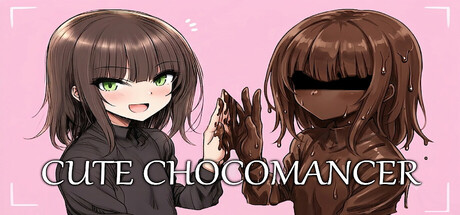 Cute Chocomancer Unclear art | Character Art, Enemy Art, Two Backgrounds | Apropia's Welcome | - | Jul 22, 2026 | |
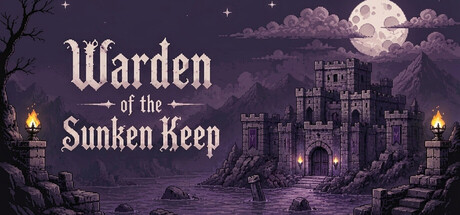 Warden of the Sunken Keep Dev only art | AI generated art and other assets were referenced and partly used during development, but every effort is taken to make the game original. At UWS, we make every effort to support our art/design team and use AI very rarely to meet our production needs | codegamedev | - | Jul 22, 2026 | |
 Pull the Lever In-game content artaudio | Generative AI was used during production of some visual and audio assets. All generated material is selected, directed, edited, and integrated through a human-led creative process. The game does not generate content with AI during play. | Finback Games | - | Jul 22, 2026 | |
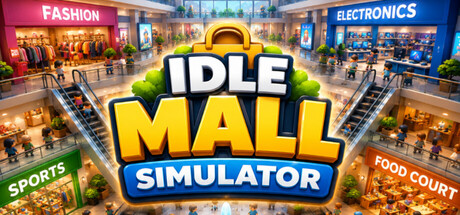 Idle Mall Simulator Store/marketing art | The cover image was created using AI. | PEGAX Studios | - | Jul 22, 2026 | |
 A PhD Simulator - Publish & Perish In-game content artcode | The game used AI to generate artwork and code. We are biologists and we do research for living this is to show to others what its like. | Jiri Koubek | - | Jul 22, 2026 | |
 Velocrash In-game content art | Some 2D art assets in this game — such as menu UI textures (buttons and panels) and background images — were created with the help of generative AI image tools during development. All AI-generated assets were reviewed and edited by the developer before being included in the game. No AI-generated content is created live during gameplay. | Apolloxian Games | 11 | Jul 22, 2026 | |
 Orcs Again In-game content art | Generative AI tools were used during development to assist in creating and refining certain pre-generated 2D visual assets, including character artwork, environments, user interface elements, promotional materials, and store page graphics. All AI-assisted content was reviewed, edited, selected, and integrated by the developer. The game does not generate AI content during gameplay and does not send player input to external AI services. | Hispagames Estudios | - | Jul 22, 2026 | |
 Columbus In-game content art | Some background images are generated by Doubao AI. | ZHANG CHUNNING | - | Jul 22, 2026 | |
 Crown Marshal In-game content arttext | Generative AI was used for some images and localization. | FOGMOE | - | Jul 22, 2026 | |
 The Canon Keeper In-game content artcode | AI was used in The Canon Keeper for art assets and programming. | F. D. Long Jr. Studios | - | Jul 22, 2026 | |
 RIFTFALL In-game content audioart | AI is used to prepare the promo materials & trailers and generate funny robot voices for bots. | GameEra Studios | - | Jul 22, 2026 | |
 Apocalypse Train Store/marketing art | Used AI to generate cover photo of the game. | volaryus | - | Jul 22, 2026 | |
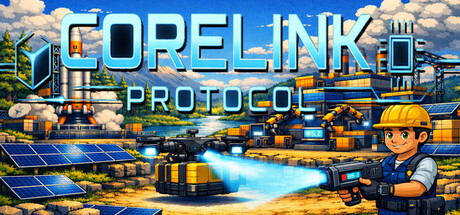 Corelink Protocol In-game content artaudio | Corelink Protocol uses generative AI as part of its creative workflow, including artwork, sprites, music, and certain development assets. All AI‑assisted content is manually reviewed and refined before being included in the game. No content is generated live during gameplay; everything is pre‑produced to ensure a consistent and curated player experience. | Corelink Studio | - | Jul 22, 2026 | |
 100 Hidden Relics In-game content art | Generative AI was used to create various graphical assets featured in the game. These assets were selected, edited, composited and integrated by the developer as part of the game’s visual design, alongside substantial human creative direction, implementation and refinement. | Crow Girl Games | - | Jul 22, 2026 | |
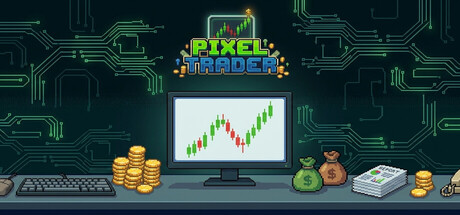 Pixel Trader In-game content art | This game uses generative artificial intelligence in the following ways: pixel character artwork and background images. AI-generated content was reviewed and edited by the developer before being included in the game or store page. | Ryaland Studio | - | Jul 22, 2026 | |
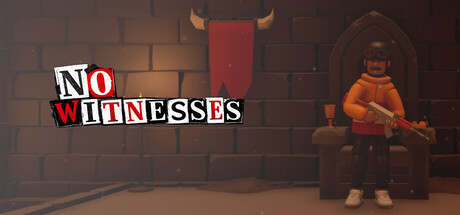 No Witnesses Store/marketing art | No Witnesses is developed by a two-man team, therefore generative AI has been used to assist in the creation of marketing assets and other player facing interfaces. All generated content is reviewed and perfected by a human before use.No Witnesses utilises third-party assets, of which we cannot attest to the creation of. | Pink Thorn Games | - | Jul 22, 2026 | |
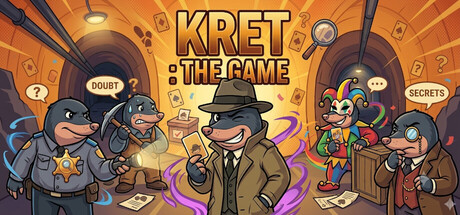 Kret: The Game Live AI arttext | Generative AI tools were used to assist in the creation of selected promotional and store artwork. During gameplay, players can also optionally use generative AI to create custom word sets and hints. | Gucio Entertainment Studio | - | Jul 22, 2026 | |
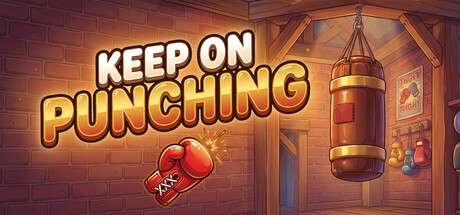 Keep On Punching Store/marketing art | Certain visual elements and marketing assets for the game were produced with support from generative AI tools. Every AI-assisted asset was carefully selected, edited, and adjusted by the developer to match the game’s intended art style and overall quality. | Alfish Games | - | Jul 22, 2026 | |
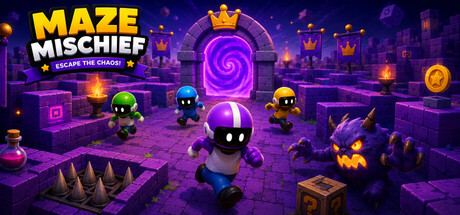 Maze Mischief art | Some promotional images and marketing content for Maze Mischief were created with the assistance of generative artificial intelligence tools and subsequently reviewed and adjusted by the developer. | Gleison Souza | - | Jul 22, 2026 | |
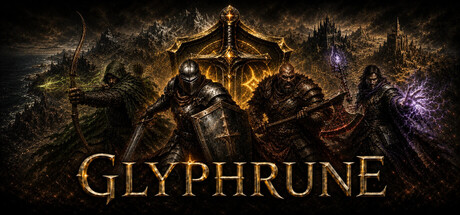 Glyphrune In-game content artaudio | Only assets like art and sound were generated using AI. Code was designed and programmed by me. | Caitlyn Walsh (CaveBit Studios) | - | Jul 22, 2026 | |
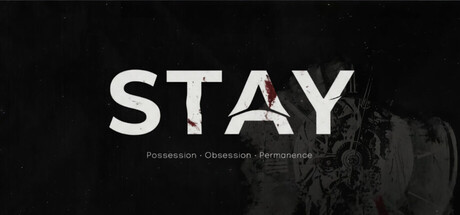 STAY: Possession • Obsession • Permanence In-game content artaudio | This game includes some pre-generated artwork and sound effects created with the assistance of generative AI. These assets were reviewed, selected, and integrated by the developer during development. The game does not use live generative AI during gameplay. | Zyphor Studios | - | Jul 22, 2026 | |
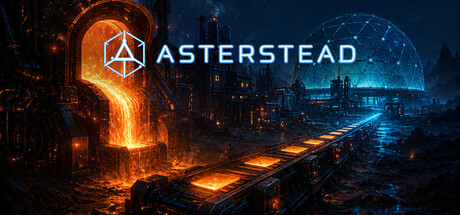 ASTERSTEAD In-game content arttextcode | Generative AI tools were used during development to assist with visual assets, in-game text, localization, and programming. All AI-assisted content was reviewed, edited, tested, and integrated by the developer. No generative AI is used while the game is running. | LUMICROFT | - | Jul 22, 2026 | |
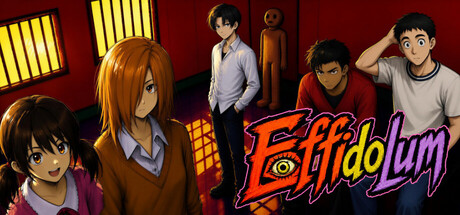 Effidolum In-game content artaudiotextcode | All content in this game was created by a single developer using generative AI tools, under full human supervision.
The scenario and script were written by the developer (writing assistance: Claude). All theme song lyrics were written by the developer. Backgrounds, character sprites, the logo, and the OP/ED movies were generated with Leonardo AI, based on the developer's own character designs, compositions, and art direction. The music and theme songs were produced with Suno AI. All voice acting was generated with ElevenLabs; every line in all three languages (Japanese, English, and Simplified Chinese, approx. 1,900 lines each) was individually reviewed by the developer for pronunciation, acting, and emotional delivery, and only approved takes were used. Localization was assisted by Claude Code, with every translation reviewed by the developer. Programming was assisted by Claude Code.
The store page and marketing assets (capsule images, logo, trailers, etc.) were likewise created with Leonardo AI (imagery) and Suno AI (music). Screenshots and trailer footage are captures of the actual game (the game itself contains the AI-generated assets described above).
Every AI-generated asset was reviewed, selected, and corrected by the developer before use. No content is generated by AI at runtime. A breakdown of tools by production stage is included in the end credits. | Jloo | - | Jul 22, 2026 | |
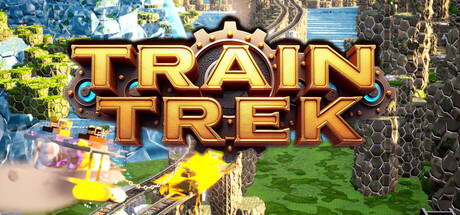 Train Trek Live AI artaudiocode | Train Trek uses generative AI in two ways.
During development we used AI tools to help make some assets: the user-interface art (HUD and menu icons, menu artwork, frames, button plates, mouse cursors), the instrumental soundtrack, and some sound effects. All of it was chosen, edited and finished by hand before it shipped. The 3D models are built procedurally by our own scripts, and the design, world generation and balancing are authored by hand. Parts of the source code were written with an AI coding assistant, reviewed and tested by the developer.
While you play, the game speaks using a text-to-speech model that ships inside the game and runs entirely on your own computer. It voices tutorial guidance, hints and menu narration instead of pre-recorded audio. It needs no internet connection, sends nothing anywhere, and never records or listens to you. It only reads lines we wrote and shipped with the game - it does not invent dialogue. | Aixceptional | - | Jul 22, 2026 | |
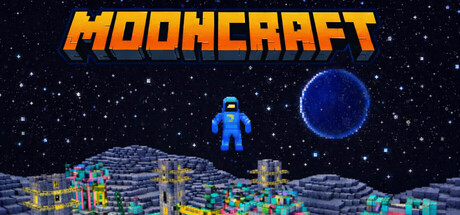 MoonCraft In-game content art | Some of the promotional artwork for MoonCraft was created using generative AI tools.
All in‑game content, gameplay assets, code, and visuals were created manually without AI.
Only the store page art uses AI; the game itself does not include AI‑generated content. | Aluminati Studios | - | Jul 22, 2026 | |
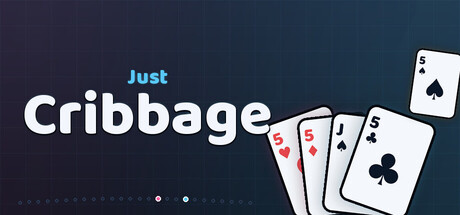 Just Cribbage In-game content artaudiotextcode | Portions of this game were created with the assistance of generative AI tools. This includes parts of the game's code, artwork and UI graphics, sound effects, and written text (in-game and on the store page). All AI-assisted content was directed, reviewed, and edited by the developer before inclusion. No AI content is generated during gameplay, the cribbage opponent uses conventional game algorithms, not generative AI and the game does not connect to any AI services at runtime. | Five Cats Studios | - | Jul 22, 2026 | |
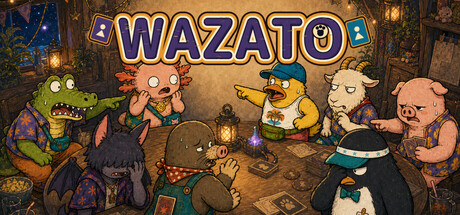 WAZATO: Sabotage or Mistake? In-game content arttext | Generative AI was used to create artwork for the title screen, lobby background, and some UI decorations. The generated images were selected, edited, and sliced by the development team before being integrated into the game. Generative AI was also used to assist with drafting and editing some mini-game prompts. The game does not use generative AI at runtime and does not connect to external AI services during play. | Nichicoma LLC | - | Jul 22, 2026 |


