
Disclosure
We utilize AI in the early stages of content development to create concept art. All final content presented in the game is created by humans.
- Creator
- Game Insight UAB
- Reviews
- -
- Added
- Jul 9, 2026
Public Steam disclosure research 25,878 disclosures tracked
Search developers’ Steam disclosures, compare classified AI use across games, and follow recorded changes. This index adds cross-game classifications and statistics to statements published on individual store pages.
Code help, debugging and other development work.
Capsule art, trailers and promotional material.
Pre-made art, audio, writing and other game assets.
Interactive or runtime AI features disclosed by the developer.
Groups reflect automatic analysis of public disclosures; mature records are excluded. These counts do not measure AI use across all of Steam. Missing or unclear statements cannot establish whether a game uses AI.
We utilize AI in the early stages of content development to create concept art. All final content presented in the game is created by humans.
AI-generated art objects
Generative AI was used solely to assist in the creation of promotional materials, including some Steam store banners. All in-game assets, gameplay, and content were created without the use of generative AI.
AI tools were used during development to assist in creating part of the game's assets. All generated content has been thoroughly reviewed and refined to ensure originality and compliance with copyright standards.
We have used AI to create some of the background artwork and BGM.
The game's lessons and coach commentary were drafted with generative AI tools and then edited by the developer and written into the code. Nothing is generated live while you play. The game's actual analysis, such as equity, odds, and the grading of your decisions, is computed by the game's code, not by AI. The game's 2D artwork was also created using generative AI image tools.
This game does not contain any real-time generative AI features. Some game assets, including but not limited to animation effects, videos, and similar materials, were created with the assistance of AI.
Some of the game's 2D artwork — including character selection images and user interface elements — was created with the help of generative AI tools. All AI-generated assets were reviewed and curated by our team before being included in the game.
This game uses generative AI for the translation of in-game text. AI-generated translations are reviewed using translation services and human editing, and are revised or expanded as needed. Generative AI is also used as a production aid for some UI images. Generated materials are manually edited and adjusted by humans. Generative AI is not used to generate content while the game is running.
Generative AI is used for some characters and backgrounds.
The graphic resources and background music included in this game (including the demo version) were created and processed using Generative AI.
This game uses generative AI in the production process for some item images. The generated images are reviewed and adjusted by the developer before being used in the game.
AI-generated art assets are used in this game. All such assets have been manually reviewed and adjusted to ensure a consistent visual style and quality.
This game includes pre-generated content made with the assistance of generative AI tools during development. AI tools were used to help create and iterate some static story illustrations, character and store-art references, voice and sound-effect materials, texture details, copy polishing, and localization drafts. All such content is selected, edited, assembled, and manually reviewed by the developer before shipping. The game does not connect to a live generative AI service during play and does not generate new player-facing AI content at runtime.
Generative AI tools were used during development to assist in the creation of some pre-generated visual assets, character voices, translations, and promotional materials. All AI-assisted content was reviewed, edited, and curated by the developer. The game does not generate AI content in real time during gameplay.
The in-game music and soundtrack are created using Suno (generative AI). All visual art is produced procedurally through code. Development used an AI coding assistant (Claude), which is a development-efficiency tool; it does not generate any content live at runtime. No generative AI runs during gameplay.
AI generation was used only for store page branding and marketing imagery (the Sizzlix logo, capsule artwork, and store icons). No AI-generated content ships inside the game itself: all in-game 3D art, characters, and environments are licensed asset packs from Synty Studios, in-game icons are rendered directly from those 3D assets, and all audio, text, and design are human-made. The game does not use any live or runtime AI generation.
AI was used to help create some audio files, translations, and to enhance the quality of some textures.
Store and marketing art assets were created with the assistance of generative AI image tools, based on the developer's original prompts. All other game content is human-authored. No AI content is generated during gameplay.
Some backgrounds and sprites in this game have been generated or edited using artificial intelligence tools. Various visual elements, including modified images and photographs, are combined to create a deliberately disturbing and unsettling atmosphere.
The pre-rendered cinematics and/or voiceovers may include AI-generated or AI-enhanced content.
Some visual assets used in the game were generated with AI and then reviewed and edited by the developer before being included in the game. No AI-generated content is intended to infringe copyrights or generate illegal or harmful material.
This game was created with the assistance of generative AI during development. Generative AI tools were used to help produce parts of the game’s art, written content, and soundtrack. All AI-assisted content was selected, refined, and assembled by the developer as part of the final game experience.
Some of the game's 2D art (character sprites, scenery, item icons and store artwork) was created with the help of generative AI image tools, then curated, edited and integrated by the team. Parts of the game's code were written with AI assistance under developer direction. All AI-assisted content was reviewed by the developers. The game does NOT generate AI content at runtime and does NOT connect to any external AI service.
Parts of development (coding assistance) and the store/marketing page's text and graphics were created using AI-assisted tools (including Anthropic Claude). In-game graphics and audio come from licensed asset packs or were assembled manually; no content is generated by AI at runtime within the game.
Some 2D artwork in Akwarium (characters, UI, environments, and store images) was created with generative AI tools, then reviewed and refined by the developer. No gameplay content is generated by AI in real time.
Generative AI was used only during early visual concepting and ideation for some marketing art directions. The game itself, its mechanics, levels, code, UI, and final gameplay assets are created and edited by the developer.
This game is a solo-developed project. Generative AI tools were used as part of the production workflow, including assistance with code and base visual assets. No generative AI output is used as a final in-game asset – all assets were manually edited and finalized by the developer. All gameplay design, creative direction, balancing, and content decisions were made by the developer.
Some store page and promotional artwork were created with the assistance of generative AI tools. No AI-generated content is produced during gameplay.
A pre-rendered cinematic intro sequence was created with the assistance of AI-based video generation tools. Some visual assets were generated or refined using AI image generation.
A small number of in-game icons were generated using AI tools. All generated assets were reviewed and integrated by the developer.
The text translation content, some icons are made by AI.
Some visual assets in this game were created with the assistance of generative AI tools, then edited and integrated by the developer. The game does not use live generative AI to generate content during gameplay.
AI tools were used to assist with code development and some marketing visuals. All game design, writing, and gameplay mechanics were created by the developer. No AI-generated content is produced in real-time during gameplay.
Generative AI was used during development to create selected pre-generated audio assets used in the game, including background music and sound effects. Generative AI was also used to create selected studio logos and promotional artwork used on the Steam store page and in marketing materials. No content is generated by AI during gameplay, and the game does not connect to any external AI services.
Some art assets, textures, and sound effects are created with the assistance of AI tools, then curated and edited by the developer. All game design, gameplay systems, code architecture, physics simulation, and mission design are human-made. No AI-generated content is created at runtime. As a solo developer with a limited budget, I use AI tools to help produce some assets and sounds. This lets me keep my time focused where a solo dev's hours matter most — the core gameplay, the physics simulation, and mission design — while still delivering production quality that would normally require an extended team. Every AI-assisted asset is curated, edited, and integrated by hand.
This game uses AI-generated content, created during development and included as fixed, pre-generated assets in the shipped game (not generated live or dynamically during gameplay). 3D models: Unit, structure, and Titan models are generated using Meshy, an AI text/image-to-3D generation tool. Music: The game's background soundtrack (16 tracks) is generated using Suno, an AI music generation tool.
Some 3D assets, 2D artwork, and marketing materials were created using AI-assisted tools.
Some store page and marketing images (the background art of the capsule assets) were created with image-generation AI (e.g. ChatGPT/DALL·E) and then selected, cropped, composited, and finalized by the developer. No generative AI is used in the application itself (UI or features) or in the content users view. Peekr is a viewer for the user's own media and ships with no content.
Some art assets were created with the help of generative AI.
During production we use generative AI in one narrow way: internal placeholders. Rough concept sketches and scratch voice lines hold a spot while the real assets are being made. Every placeholder is flagged in-engine, and none of it ships in the game players buy — the release version contains no generative AI content. Testers in early builds may spot flagged placeholders; that's what the flags are for. All art, writing, and voice work in the finished game is made by people. We know even placeholder use is a fair thing to question, so where we do use these tools, we aim for ones that license their training data and compensate the creators behind it.
Slimeball Castle Wars was made by a solo developer with the help of generative AI tools. AI was used during development to help create: Music and audio — background music tracks were made using AI music-generation tools. Art and sprites — building art, unit sprites, and other in-game graphics were created or assisted with AI image tools. In-game text — some descriptions and written content were drafted with AI assistance. Code — parts of the game's code were written with the help of an AI coding assistant.
We use generative AI as an assistive tool during development to help with code writing and to generate drafts or concept materials for 일부 visual assets. All final in-game content is reviewed, edited, and produced by the development team.
Thousand Ward uses generative AI as part of the development pipeline to help create and refine some visual assets, including promotional artwork, background illustrations, event imagery, and supporting art concepts. Gameplay systems, balance, progression, and player-facing game design are authored and reviewed by the development team.
This game is developed by a solo developer. To ship a project of this scope in a reasonable timeframe, some assets are created with the help of generative AI tools. This includes parts of the user interface, certain icons, and the game logo. All core gameplay, code, systems, and world generation are built by hand. AI is used only as a support tool for visual assets, and all generated content is reviewed and edited before use.
A game created with the help of "vibe coding." Some assets were created using AI.
Some music, sound effects, and UI icons in Riftslayer were created with the assistance of generative AI tools during development. All AI-assisted content was reviewed and selected by the developer before being included in the game.
Some visual assets used during the development of **Hordes of War** were created or enhanced with the assistance of generative artificial intelligence. These assets include certain promotional artwork, concept art, and placeholder images used during development. All gameplay systems, game design, world-building, maps, mechanics, balance, programming, and the final implementation of in-game content have been created, reviewed, and curated by the development team. Any AI-assisted content is carefully edited and integrated to ensure it meets the artistic style and quality standards of the game.
In order to realize my childhood dream of building this game, I have leveraged AI in every step of the development process, augmenting my capabilities as an engineer and visual designer by having AI generate some of the sprites, music, sound effects, voices, and code used to build this game. I pledge that if Card Knight: Astral Arcana is successful, the sequel title will be brought to life by a team of human artists, composers, and programmers.
Some visual assets and music in the game were created with the assistance of AI tools.
| Title⇅ | Disclosure | Creator⇅ | Src | Reviews⇅ | Added↓ |
|---|---|---|---|---|---|
 Airport City Transport Manager In-game content art | We utilize AI in the early stages of content development to create concept art. All final content presented in the game is created by humans. | Game Insight UAB | - | Jul 9, 2026 | |
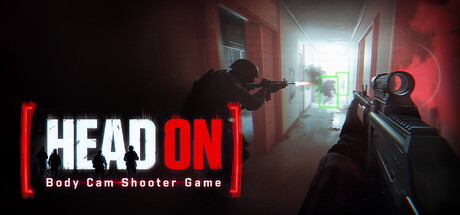 HeadOn - Body Cam Shooter Game In-game content art | AI-generated art objects | INSTAMARKETING & GAME | - | Jul 9, 2026 | |
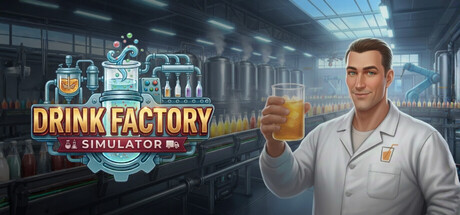 Drink Factory Simulator In-game content art | Generative AI was used solely to assist in the creation of promotional materials, including some Steam store banners. All in-game assets, gameplay, and content were created without the use of generative AI. | Agosto Game Studio | 30 | Jul 9, 2026 | |
 Stickman Adventure In-game content art | AI tools were used during development to assist in creating part of the game's assets. All generated content has been thoroughly reviewed and refined to ensure originality and compliance with copyright standards. | SunGuide-Jack | - | Jul 9, 2026 | |
 IRON RAIL GIRLS : 最終列車のドライジーネ In-game content artaudio | We have used AI to create some of the background artwork and BGM. | もりのあるまち | - | Jul 9, 2026 | |
 Final Table In-game content textart | The game's lessons and coach commentary were drafted with generative AI tools and then edited by the developer and written into the code. Nothing is generated live while you play. The game's actual analysis, such as equity, odds, and the grading of your decisions, is computed by the game's code, not by AI.
The game's 2D artwork was also created using generative AI image tools. | Phocus Games | - | Jul 9, 2026 | |
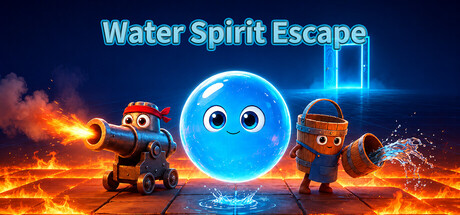 水灵逃生 - Water Spirit Escape In-game content art | This game does not contain any real-time generative AI features. Some game assets, including but not limited to animation effects, videos, and similar materials, were created with the assistance of AI. | 4ANDS | - | Jul 9, 2026 | |
 Impostor Syndrom In-game content art | Some of the game's 2D artwork — including character selection images and user interface elements — was created with the help of generative AI tools. All AI-generated assets were reviewed and curated by our team before being included in the game. | Alphgocipher | - | Jul 9, 2026 | |
 AVILION forever In-game content textart | This game uses generative AI for the translation of in-game text.
AI-generated translations are reviewed using translation services and human editing, and are revised or expanded as needed.
Generative AI is also used as a production aid for some UI images. Generated materials are manually edited and adjusted by humans.
Generative AI is not used to generate content while the game is running. | STUDIO FRONTIER | - | Jul 9, 2026 | |
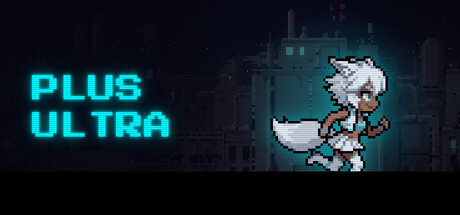 PLUS ULTRA In-game content art | Generative AI is used for some characters and backgrounds. | zawascript | - | Jul 9, 2026 | |
 Shuffle Bistro In-game content artaudio | The graphic resources and background music included in this game (including the demo version) were created and processed using Generative AI. | Sweets Bucket | - | Jul 9, 2026 | |
 You All Know! Arm Tank Volley In-game content art | This game uses generative AI in the production process for some item images. The generated images are reviewed and adjusted by the developer before being used in the game. | Hiroyuki | - | Jul 9, 2026 | |
 Septenary In-game content art | AI-generated art assets are used in this game. All such assets have been manually reviewed and adjusted to ensure a consistent visual style and quality. | Massicot Studio | - | Jul 9, 2026 | |
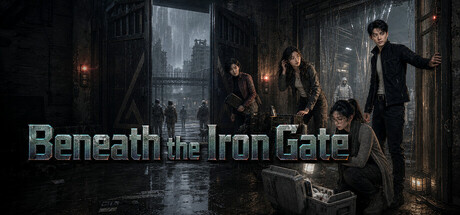 铁门之下 In-game content artaudiotext | This game includes pre-generated content made with the assistance of generative AI tools during development. AI tools were used to help create and iterate some static story illustrations, character and store-art references, voice and sound-effect materials, texture details, copy polishing, and localization drafts. All such content is selected, edited, assembled, and manually reviewed by the developer before shipping. The game does not connect to a live generative AI service during play and does not generate new player-facing AI content at runtime. | FunPlaceGame | - | Jul 9, 2026 | |
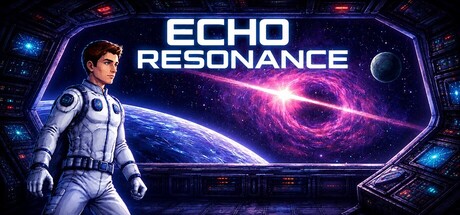 Echo Resonance In-game content artaudiotext | Generative AI tools were used during development to assist in the creation of some pre-generated visual assets, character voices, translations, and promotional materials. All AI-assisted content was reviewed, edited, and curated by the developer. The game does not generate AI content in real time during gameplay. | AZOR7 | - | Jul 8, 2026 | |
 SIGABRT In-game content audioart | The in-game music and soundtrack are created using Suno (generative AI). All visual art is produced procedurally through code. Development used an AI coding assistant (Claude), which is a development-efficiency tool; it does not generate any content live at runtime. No generative AI runs during gameplay. | Verewild | - | Jul 8, 2026 | |
 Sizzlix In-game content art | AI generation was used only for store page branding and marketing imagery (the Sizzlix logo, capsule artwork, and store icons). No AI-generated content ships inside the game itself: all in-game 3D art, characters, and environments are licensed asset packs from Synty Studios, in-game icons are rendered directly from those 3D assets, and all audio, text, and design are human-made. The game does not use any live or runtime AI generation. | Sheelix Games | - | Jul 8, 2026 | |
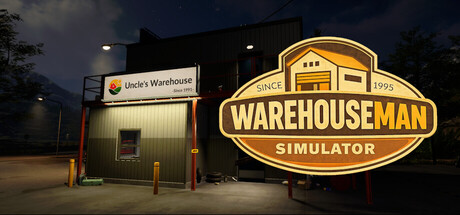 Warehouseman In-game content audiotextart | AI was used to help create some audio files, translations, and to enhance the quality of some textures. | Rolling Hedgehog | - | Jul 8, 2026 | |
 The Keeper's Path In-game content art | Store and marketing art assets were created with the assistance of generative AI image tools, based on the developer's original prompts. All other game content is human-authored. No AI content is generated during gameplay. | Call Yourself a Lord Studios | - | Jul 8, 2026 | |
 The Victim: The Evidence In-game content art | Some backgrounds and sprites in this game have been generated or edited using artificial intelligence tools. Various visual elements, including modified images and photographs, are combined to create a deliberately disturbing and unsettling atmosphere. | Plume Maladroite | - | Jul 8, 2026 | |
 Forest Escape: Last Train Store/marketing artaudio | The pre-rendered cinematics and/or voiceovers may include AI-generated or AI-enhanced content. | Frag Lab, LLC | - | Jul 8, 2026 | |
 Cat Cafe In-game content art | Some visual assets used in the game were generated with AI and then reviewed and edited by the developer before being included in the game. No AI-generated content is intended to infringe copyrights or generate illegal or harmful material. | Annerledes Studio | - | Jul 8, 2026 | |
 Model Co In-game content arttextaudio | This game was created with the assistance of generative AI during development.
Generative AI tools were used to help produce parts of the game’s art, written content, and soundtrack. All AI-assisted content was selected, refined, and assembled by the developer as part of the final game experience. | TiredRocks | - | Jul 8, 2026 | |
 Idle of the Dead In-game content artcode | Some of the game's 2D art (character sprites, scenery, item icons and store artwork) was created with the help of generative AI image tools, then curated, edited and integrated by the team. Parts of the game's code were written with AI assistance under developer direction. All AI-assisted content was reviewed by the developers. The game does NOT generate AI content at runtime and does NOT connect to any external AI service. | Sucata Studio | - | Jul 8, 2026 | |
 Knights vs. Dinosaurs In-game content textartcode | Parts of development (coding assistance) and the store/marketing page's text and graphics were created using AI-assisted tools (including Anthropic Claude). In-game graphics and audio come from licensed asset packs or were assembled manually; no content is generated by AI at runtime within the game. | Svenigator | - | Jul 8, 2026 | |
 Akwarium In-game content art | Some 2D artwork in Akwarium (characters, UI, environments, and store images) was created with generative AI tools, then reviewed and refined by the developer. No gameplay content is generated by AI in real time. | JONE | - | Jul 8, 2026 | |
 Fake Snake In-game content art | Generative AI was used only during early visual concepting and ideation for some marketing art directions. The game itself, its mechanics, levels, code, UI, and final gameplay assets are created and edited by the developer. | Narvio Games | - | Jul 8, 2026 | |
 FIRE. HOLD. REPEAT. Dev only artcode | This game is a solo-developed project. Generative AI tools were used as part of the production workflow, including assistance with code and base visual assets. No generative AI output is used as a final in-game asset – all assets were manually edited and finalized by the developer. All gameplay design, creative direction, balancing, and content decisions were made by the developer. | SLICEMENICE | - | Jul 8, 2026 | |
 Stellar Protocol Store/marketing art | Some store page and promotional artwork were created with the assistance of generative AI tools. No AI-generated content is produced during gameplay. | DerDieDas Studio | - | Jul 8, 2026 | |
 I Missed the Apocalypse Store/marketing art | A pre-rendered cinematic intro sequence was created with the assistance of AI-based video generation tools. Some visual assets were generated or refined using AI image generation. | Bork One | - | Jul 8, 2026 | |
 The Beak Doctor In-game content art | A small number of in-game icons were generated using AI tools. All generated assets were reviewed and integrated by the developer. | Immersion Interactive | - | Jul 8, 2026 | |
 Into the Barrel In-game content textart | The text translation content, some icons are made by AI. | KEBI CHENG | - | Jul 8, 2026 | |
 弈道登仙 In-game content art | Some visual assets in this game were created with the assistance of generative AI tools, then edited and integrated by the developer.
The game does not use live generative AI to generate content during gameplay. | LiBingMoMa Studio | - | Jul 8, 2026 | |
 DISPATCHED In-game content codeart | AI tools were used to assist with code development and some marketing visuals. All game design, writing, and gameplay mechanics were created by the developer. No AI-generated content is produced in real-time during gameplay. | GrazuleX | - | Jul 8, 2026 | |
 Circulo In-game content audioart | Generative AI was used during development to create selected pre-generated audio assets used in the game, including background music and sound effects. Generative AI was also used to create selected studio logos and promotional artwork used on the Steam store page and in marketing materials.
No content is generated by AI during gameplay, and the game does not connect to any external AI services. | Zyneros Studio | - | Jul 8, 2026 | |
 Military Destruction: Shock & Awe In-game content artaudio | Some art assets, textures, and sound effects are created with the assistance of AI tools, then curated and edited by the developer. All game design, gameplay systems, code architecture, physics simulation, and mission design are human-made. No AI-generated content is created at runtime.
As a solo developer with a limited budget, I use AI tools to help produce some assets and sounds. This lets me keep my time focused where a solo dev's hours matter most — the core gameplay, the physics simulation, and mission design — while still delivering production quality that would normally require an extended team. Every AI-assisted asset is curated, edited, and integrated by hand. | Bax Studios | - | Jul 8, 2026 | |
 MoonScape In-game content artaudio | This game uses AI-generated content, created during development and included as fixed, pre-generated assets in the shipped game (not generated live or dynamically during gameplay).
3D models: Unit, structure, and Titan models are generated using Meshy, an AI text/image-to-3D generation tool.
Music: The game's background soundtrack (16 tracks) is generated using Suno, an AI music generation tool. | SouthMoon Studio | - | Jul 8, 2026 | |
 The Passport In-game content art | Some 3D assets, 2D artwork, and marketing materials were created using AI-assisted tools. | KOEX studio | - | Jul 8, 2026 | |
 Peekr VR Manga Viewer Store/marketing art | Some store page and marketing images (the background art of the capsule assets) were created with image-generation AI (e.g. ChatGPT/DALL·E) and then selected, cropped, composited, and finalized by the developer. No generative AI is used in the application itself (UI or features) or in the content users view. Peekr is a viewer for the user's own media and ships with no content. | Peekr | - | Jul 8, 2026 | |
 Sunward In-game content art | Some art assets were created with the help of generative AI. | Voidworks Games | - | Jul 8, 2026 | |
 Arcflame Frontiers In-game content artaudiotext | During production we use generative AI in one narrow way: internal placeholders. Rough concept sketches and scratch voice lines hold a spot while the real assets are being made. Every placeholder is flagged in-engine, and none of it ships in the game players buy — the release version contains no generative AI content. Testers in early builds may spot flagged placeholders; that's what the flags are for. All art, writing, and voice work in the finished game is made by people. We know even placeholder use is a fair thing to question, so where we do use these tools, we aim for ones that license their training data and compensate the creators behind it. | Codename Red Studio | - | Jul 8, 2026 | |
 Slimeball Castle Wars In-game content artaudiotextcode | Slimeball Castle Wars was made by a solo developer with the help of generative AI tools. AI was used during development to help create:
Music and audio — background music tracks were made using AI music-generation tools.
Art and sprites — building art, unit sprites, and other in-game graphics were created or assisted with AI image tools.
In-game text — some descriptions and written content were drafted with AI assistance.
Code — parts of the game's code were written with the help of an AI coding assistant. | Renno East | - | Jul 8, 2026 | |
 YuanQi : 元氣 In-game content artcode | We use generative AI as an assistive tool during development to help with code writing and to generate drafts or concept materials for 일부 visual assets. All final in-game content is reviewed, edited, and produced by the development team. | YuanQi | - | Jul 8, 2026 | |
 Thousand Ward In-game content art | Thousand Ward uses generative AI as part of the development pipeline to help create and refine some visual assets, including promotional artwork, background illustrations, event imagery, and supporting art concepts. Gameplay systems, balance, progression, and player-facing game design are authored and reviewed by the development team. | Veles Labs | - | Jul 8, 2026 | |
 No Man's Mines In-game content art | This game is developed by a solo developer. To ship a project of this scope in a reasonable timeframe, some assets are created with the help of generative AI tools. This includes parts of the user interface, certain icons, and the game logo. All core gameplay, code, systems, and world generation are built by hand. AI is used only as a support tool for visual assets, and all generated content is reviewed and edited before use. | Auscan Games | - | Jul 8, 2026 | |
 Cratebreaker: Wasteland Workshop In-game content art | A game created with the help of "vibe coding." Some assets were created using AI. | VitalGrid Games | - | Jul 8, 2026 | |
 Riftslayer In-game content audioart | Some music, sound effects, and UI icons in Riftslayer were created with the assistance of generative AI tools during development. All AI-assisted content was reviewed and selected by the developer before being included in the game. | haefx | - | Jul 8, 2026 | |
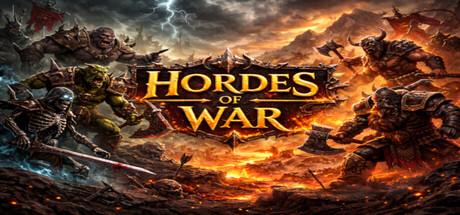 Hordes Of War In-game content art | Some visual assets used during the development of **Hordes of War** were created or enhanced with the assistance of generative artificial intelligence. These assets include certain promotional artwork, concept art, and placeholder images used during development.
All gameplay systems, game design, world-building, maps, mechanics, balance, programming, and the final implementation of in-game content have been created, reviewed, and curated by the development team. Any AI-assisted content is carefully edited and integrated to ensure it meets the artistic style and quality standards of the game. | Brent Spicer | - | Jul 8, 2026 | |
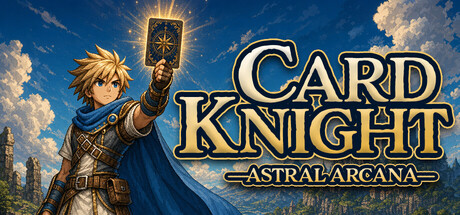 Card Knight: Astral Arcana In-game content artaudiocode | In order to realize my childhood dream of building this game, I have leveraged AI in every step of the development process, augmenting my capabilities as an engineer and visual designer by having AI generate some of the sprites, music, sound effects, voices, and code used to build this game.
I pledge that if Card Knight: Astral Arcana is successful, the sequel title will be brought to life by a team of human artists, composers, and programmers. | Bridgewalker Studios | - | Jul 8, 2026 | |
 Keep On Nailing In-game content artaudio | Some visual assets and music in the game were created with the assistance of AI tools. | Alfish Games | - | Jul 8, 2026 |


