Public Steam disclosure research25,882 disclosures tracked
Where do games disclose AI use?
Search developers’ Steam disclosures, compare classified AI use across
games, and follow recorded changes.
This index adds cross-game classifications and statistics to
statements published on individual store pages.
Groups reflect automatic analysis of public disclosures; mature records are excluded. These counts do not measure AI use across all of Steam.
Missing or unclear statements cannot establish whether a game uses AI.
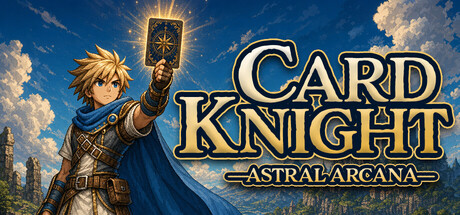
In order to realize my childhood dream of building this game, I have leveraged AI in every step of the development process, augmenting my capabilities as an engineer and visual designer by having AI generate some of the sprites, music, sound effects, voices, and code used to build this game.
I pledge that if Card Knight: Astral Arcana is successful, the sequel title will be brought to life by a team of human artists, composers, and programmers.
Some music and assets in this game were created with generative AI tools, then manually reworked and adapted by the developer. The game design, code and integration are the developer's own work.
Almost the entire game uses traditional assets made by people. Artificial intelligence was only used as an aid to create some music, sound effects, images, and translations.
My game uses artificial intelligence tools to assist in the creation of certain visual assets, including a number of images and illustrations used in the game's library assets and promotional materials.
Generative AI was utilized to produce the mockup video game background you see on the store page. The framepacer application itself does not include AI-generated material.
The in-game music was created through a collaboration between human composition and AI-assisted tools.
Some promotional images displayed on the Steam Store page were also created using AI-assisted tools.
Some art assets in this game were created with the assistance of AI tools. All AI-generated content was pre-generated during development, and the game does not include any real-time AI-generated content during gameplay.
Pre-generated AI content: character art, backgrounds, icons and key art images, music and sound effects, and portions of the story text were created with generative AI tools (Google Gemini, fal.ai, Anthropic Claude) and were reviewed and edited by the developers. No AI content is generated at runtime.
Generative AI tools were used to help create some of the 2D store and marketing graphics (e.g. store capsule images). These assets were reviewed and finalized by the developer, who holds the rights to use them. No generative AI is used for content inside the game, and no AI-generated content is produced live during gameplay.
Gemini was used to assist in creating card art and art in backgrounds based off of a Fantasy setting from a not yet published book which is copyrighted. Sounds were created using elevenlabs for card sounds and effects including vo.
I took human-made photographs, edited them by hand, then used AI to apply a consistent art style among them in batches so they all look thematically related
Guild's Requiem uses generative AI tools to create parts of its content during development. Visual assets — including card illustrations, character portraits, backgrounds, enemy artwork, and UI icons — were produced with AI image tools (Midjourney, Leonardo, Stable Diffusion, and DALL·E) and then reviewed, edited, and curated by the developer. Music and some sound effects were generated with AI audio tools (Udio and ElevenLabs). All AI-assisted content was checked and integrated by the developer, who has taken steps to ensure the shipped content is appropriate and does not infringe third-party rights. The game does not generate any content in real time; there is no AI running during gameplay.
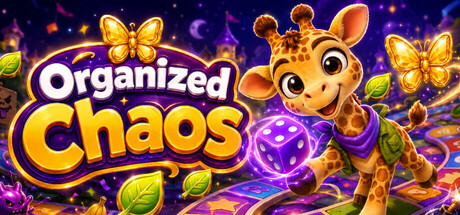
Some visual assets used in Organized Chaos were created with the assistance of generative artificial intelligence tools, including character art, item icons, environmental props, and promotional/game UI visuals. These assets were reviewed, selected, edited, and implemented by the developer to match the game’s intended style, readability, and gameplay needs.
This game uses pre-generated AI-assisted artwork during development, including some character illustrations, item icons, background images, and store/marketing assets. All AI-assisted assets are reviewed, selected, and edited by the development team before being included in the game. The game does not use live generative AI during gameplay and does not connect to external AI services.
Google AI Studio Build and Antigravity were used for coding.
ChatGPT was used for design.
Stable Diffusion, Gemini 3.1 Flash Image, DALLE-3, MAI-image-1, and GPT-4o were used for images.
Suno was used for the BGM.
ElevenLabs Sound Effects was used for the sound effects.
This game uses AI-assisted tools for the creation of some content. Certain artwork, voice lines, and sound effects are generated or assisted using third-party AI services, including ElevenLabs. All AI-assisted content is reviewed and integrated during development to ensure it fits the game’s style and overall experience.
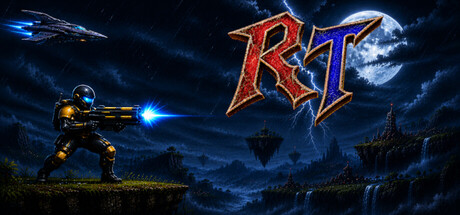
DEFLEKT uses AI-generated assets created during development ("pre-generated"): 3D models for ships, bosses and environment dioramas, background artwork, and portions of the music soundtrack were generated with AI tools and then curated, edited and integrated by the developer. Sound effects are CC0 licensed (Kenney.nl). The game does not generate any content with AI at runtime.
Generative AI was used to create promotional video content for the game's marketing materials (specifically, a cinematic trailer generated with Kling AI). The game's core assets, gameplay, artwork, and audio were created by the development team. No AI-generated content is included in the in-game experience itself.
This game uses generative AI to assist with the creation of some visual, audio, text, and localization assets. All AI-assisted content is reviewed and edited by the development team before being included in the game.
Generative AI was used to assist in creating certain visual assets and concept art. All AI-generated content was reviewed, edited, and integrated by the developer into the final game.
Some visual assets used in the game and on the Steam store page were created with the assistance of generative AI and have been further refined and integrated into the game by the developer. No live-generated AI content is used during gameplay.
FragMend is a local video-conversion utility. The application itself contains no AI-generated content and uses no generative AI at runtime, your recordings are processed entirely on your own PC by ffmpeg, with no AI involved and nothing uploaded.
Some of the text on this store page and related marketing copy was drafted with the help of a generative AI writing assistant, then reviewed and edited by the developer for accuracy. The app's logo and capsule/library artwork are generated programmatically by the developer's own code (procedural rendering), not by generative AI.
AI was used to create some textures that were applied to custom 3D models such as environmental items, clothing, weapons, 3 of the player faces, and some of the 2D UI background.
A small number of icons and minor graphical assets currently used in the game are temporary placeholders created with the help of AI. These assets will be replaced with original, custom-made artwork as development progresses. Our goal is to use fully original content in the final version.
This game uses generative AI during development to assist with selected visual and written content, such as concept art, placeholder materials, localization drafts, and marketing assets. All content included in the game and store materials is reviewed, edited, and approved by the development team before publication.
Generative AI was used during parts of the production process for the game’s graphics, music, and narrative content.
AI-generated outputs were edited, revised, and restructured by the developer and were not used in the game without modification.
The final gameplay experience, narrative structure, character portrayal, and presentation were designed, curated, and supervised by the developer.
The game's music tracks were generated using AI tools (ElevenLabs Music, on a paid commercial plan, and Stable Audio Open) and were curated and edited by the developer. Key art and some promotional images were created with AI image generation (Stable Diffusion) and reviewed by the developer. All gameplay visuals, game design, and code are original work. No AI content is generated at runtime.
During development, generative AI tools were used to assist in the creation of certain visual assets. All AI-generated content has been reviewed and curated by the development team.
Generative AI tools are used to assist the development process, including concept art generation, programming support, and localization. All final content is reviewed and edited by the developer.
In order to realize my childhood dream of building this game, I have leveraged AI in every step of the development process, augmenting my capabilities as an engineer and visual designer by having AI generate some of the sprites, music, sound effects, voices, and code used to build this game.
I pledge that if Card Knight: Astral Arcana is successful, the sequel title will be brought to life by a team of human artists, composers, and programmers.
Some music and assets in this game were created with generative AI tools, then manually reworked and adapted by the developer. The game design, code and integration are the developer's own work.
Almost the entire game uses traditional assets made by people. Artificial intelligence was only used as an aid to create some music, sound effects, images, and translations.
My game uses artificial intelligence tools to assist in the creation of certain visual assets, including a number of images and illustrations used in the game's library assets and promotional materials.
Generative AI was utilized to produce the mockup video game background you see on the store page. The framepacer application itself does not include AI-generated material.
The in-game music was created through a collaboration between human composition and AI-assisted tools.
Some promotional images displayed on the Steam Store page were also created using AI-assisted tools.
Some art assets in this game were created with the assistance of AI tools. All AI-generated content was pre-generated during development, and the game does not include any real-time AI-generated content during gameplay.
Pre-generated AI content: character art, backgrounds, icons and key art images, music and sound effects, and portions of the story text were created with generative AI tools (Google Gemini, fal.ai, Anthropic Claude) and were reviewed and edited by the developers. No AI content is generated at runtime.
Generative AI tools were used to help create some of the 2D store and marketing graphics (e.g. store capsule images). These assets were reviewed and finalized by the developer, who holds the rights to use them. No generative AI is used for content inside the game, and no AI-generated content is produced live during gameplay.
Gemini was used to assist in creating card art and art in backgrounds based off of a Fantasy setting from a not yet published book which is copyrighted. Sounds were created using elevenlabs for card sounds and effects including vo.
I took human-made photographs, edited them by hand, then used AI to apply a consistent art style among them in batches so they all look thematically related
Guild's Requiem uses generative AI tools to create parts of its content during development. Visual assets — including card illustrations, character portraits, backgrounds, enemy artwork, and UI icons — were produced with AI image tools (Midjourney, Leonardo, Stable Diffusion, and DALL·E) and then reviewed, edited, and curated by the developer. Music and some sound effects were generated with AI audio tools (Udio and ElevenLabs). All AI-assisted content was checked and integrated by the developer, who has taken steps to ensure the shipped content is appropriate and does not infringe third-party rights. The game does not generate any content in real time; there is no AI running during gameplay.
Some visual assets used in Organized Chaos were created with the assistance of generative artificial intelligence tools, including character art, item icons, environmental props, and promotional/game UI visuals. These assets were reviewed, selected, edited, and implemented by the developer to match the game’s intended style, readability, and gameplay needs.
This game uses pre-generated AI-assisted artwork during development, including some character illustrations, item icons, background images, and store/marketing assets. All AI-assisted assets are reviewed, selected, and edited by the development team before being included in the game. The game does not use live generative AI during gameplay and does not connect to external AI services.
Google AI Studio Build and Antigravity were used for coding.
ChatGPT was used for design.
Stable Diffusion, Gemini 3.1 Flash Image, DALLE-3, MAI-image-1, and GPT-4o were used for images.
Suno was used for the BGM.
ElevenLabs Sound Effects was used for the sound effects.
This game uses AI-assisted tools for the creation of some content. Certain artwork, voice lines, and sound effects are generated or assisted using third-party AI services, including ElevenLabs. All AI-assisted content is reviewed and integrated during development to ensure it fits the game’s style and overall experience.
DEFLEKT uses AI-generated assets created during development ("pre-generated"): 3D models for ships, bosses and environment dioramas, background artwork, and portions of the music soundtrack were generated with AI tools and then curated, edited and integrated by the developer. Sound effects are CC0 licensed (Kenney.nl). The game does not generate any content with AI at runtime.
Generative AI was used to create promotional video content for the game's marketing materials (specifically, a cinematic trailer generated with Kling AI). The game's core assets, gameplay, artwork, and audio were created by the development team. No AI-generated content is included in the in-game experience itself.
This game uses generative AI to assist with the creation of some visual, audio, text, and localization assets. All AI-assisted content is reviewed and edited by the development team before being included in the game.
Generative AI was used to assist in creating certain visual assets and concept art. All AI-generated content was reviewed, edited, and integrated by the developer into the final game.
Some visual assets used in the game and on the Steam store page were created with the assistance of generative AI and have been further refined and integrated into the game by the developer. No live-generated AI content is used during gameplay.
FragMend is a local video-conversion utility. The application itself contains no AI-generated content and uses no generative AI at runtime, your recordings are processed entirely on your own PC by ffmpeg, with no AI involved and nothing uploaded.
Some of the text on this store page and related marketing copy was drafted with the help of a generative AI writing assistant, then reviewed and edited by the developer for accuracy. The app's logo and capsule/library artwork are generated programmatically by the developer's own code (procedural rendering), not by generative AI.
AI was used to create some textures that were applied to custom 3D models such as environmental items, clothing, weapons, 3 of the player faces, and some of the 2D UI background.
A small number of icons and minor graphical assets currently used in the game are temporary placeholders created with the help of AI. These assets will be replaced with original, custom-made artwork as development progresses. Our goal is to use fully original content in the final version.
This game uses generative AI during development to assist with selected visual and written content, such as concept art, placeholder materials, localization drafts, and marketing assets. All content included in the game and store materials is reviewed, edited, and approved by the development team before publication.
Generative AI was used during parts of the production process for the game’s graphics, music, and narrative content.
AI-generated outputs were edited, revised, and restructured by the developer and were not used in the game without modification.
The final gameplay experience, narrative structure, character portrayal, and presentation were designed, curated, and supervised by the developer.
The game's music tracks were generated using AI tools (ElevenLabs Music, on a paid commercial plan, and Stable Audio Open) and were curated and edited by the developer. Key art and some promotional images were created with AI image generation (Stable Diffusion) and reviewed by the developer. All gameplay visuals, game design, and code are original work. No AI content is generated at runtime.
During development, generative AI tools were used to assist in the creation of certain visual assets. All AI-generated content has been reviewed and curated by the development team.
Generative AI tools are used to assist the development process, including concept art generation, programming support, and localization. All final content is reviewed and edited by the developer.