Public Steam disclosure research25,882 disclosures tracked
Where do games disclose AI use?
Search developers’ Steam disclosures, compare classified AI use across
games, and follow recorded changes.
This index adds cross-game classifications and statistics to
statements published on individual store pages.
Groups reflect automatic analysis of public disclosures; mature records are excluded. These counts do not measure AI use across all of Steam.
Missing or unclear statements cannot establish whether a game uses AI.
Generative AI tools were used during development to assist with visual asset creation, programming support, background music generation, and writing/editing structured script data such as dialogue and localization files.
Some store page graphical assets and marketing images were created with generative AI and edited manually. The game itself does not use generative AI during gameplay.
AI tools were used during development as coding and asset-pipeline assistants (writing the procedural generation code for models, textures and music) and to help draft store page text. All content was reviewed by the developer. The game does not generate content with AI at runtime.
Some of this game's art, including certain item icons, UI elements, and the store/library and promotional images was created with the help of generative AI tools. Some background music was generated with AI and edited by the developer. All AI-generated content was reviewed by the developer for quality and to ensure it doesn't infringe third-party rights. No AI content is generated live during gameplay.
Most art has been hand-crafted but some art has been assisted by generative AI. Art assisted by generative AI includes UI Icons, monsters, items and marketing promotional art. All ingame art has been finalized by hand.
AI-assisted tools were only used during the creation of certain visual assets. These assets were reviewed, edited, modified, and integrated by the developer. The game's story, characters, world, gameplay design, dialogue, and creative direction were entirely created by the developer.
Marketing key art (Steam store capsules, library art, page background) and the comic-book intro trailer were generated using Fal.ai's Flux 2 image diffusion model. Initial concept sketches and in-game sprite references were generated using ChatGPT's image generation, then hand-cleaned and integrated by the developer. All assets are pre-rendered at build time and shipped as static files within the game package - no generative AI runs during gameplay, and no AI is used to generate live content for players. AI was not used for code, voice acting, music, or any system that interacts with the player at runtime.
As a small, two-person independent development team, we have used generative AI to help create a limited number of pre-generated assets during development. This includes portions of the store capsule artwork, a number of UI elements and icons, and approximately three lines of dialogue for a single enemy.
The AI-generated visual content is used solely as placeholder artwork to support our Early Access proof of concept. These assets allow us to focus our limited resources on gameplay, systems, balance, and overall game quality while we continue development. Replacing these placeholder assets with original, commissioned artwork is a planned and intentional part of our Early Access development roadmap.
No generative AI was or will be used to create gameplay, game logic, programming, level design, music, sound effects, visual effects, or any live-generated in-game content.
The creative direction and design of this game are the work of the developer. All code, copywriting, artwork, background images, and non-Chinese translations were AI-assisted.
Pre-generated AI tools were used to create some visual assets and promotional artwork, including UI concepts, store page artwork, icons, and environmental illustrations. These assets are reviewed and curated by the developer before inclusion. The game does not use live-generated AI content during gameplay.
AI tools were used as supportive tools during the development process, including assistance with code, visual assets, and music. All AI-assisted content was reviewed, edited, and integrated by our development team before being included in the game.
This game uses generative artificial intelligence to create dynamic content during gameplay. AI systems may generate political advice, news articles, speeches, social media posts, events, narrative responses, and other text-based content based on player actions and the current game state. AI-generated content is intended to enhance replayability and create unique gameplay experiences. Some store, library, and character artwork was created with the assistance of generative AI image tools.
Some artwork and store page assets were created with the assistance of generative AI and were reviewed and edited by the developer before use. Gameplay and programming were created by the developer.
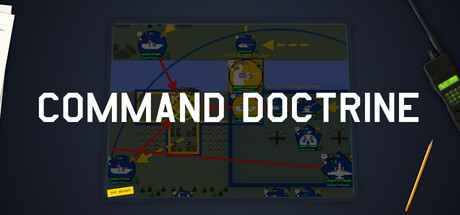
Command Doctrine uses generative AI to create some of the content you play. When you generate a scenario or a campaign, an AI model produces the map, the opposing forces, the objectives, and the written mission briefing from your prompt. AI is also used to write narrative battle reports, to create the images that accompany them, and to interpret the natural-language orders you give your units. This content is generated live by third-party AI services. We apply content moderation and input filtering to guard against inappropriate or unsafe output.
Generative AI was used to create or assist with the game's marketing assets, including the game icon, screenshots, capsule art, library art, and the trailer.
"Generative AI tools were utilized during the pre-production and development phases to assist in creating certain 2D visual assets and concept art. These assets were pre-generated, reviewed, and integrated into the game files prior to launch. No AI content is generated dynamically or in real-time by the game software itself. All final assets have been checked to ensure they adhere to proper copyright regulations."
We use a local real-time deep learning neural network (AI) to perform depth estimation on the video frame. The AI analyzes the 2D image and generates a corresponding depth map in real-time, which is then used to reconstruct the 3D VR environment. The AI only processes the visual depth data and does not generate any text, audio, new art assets, or user-facing media content.
This game utilized AI tools during the development process, primarily to assist in generating character portraits. All AI-generated assets were reviewed and curated by the development team before being implemented into the game.
This game uses generative AI assistance in the creation of some art, audio, text, or marketing materials, and all related content is reviewed, edited, and approved by the development team before release.
Most of the images used in the narrative mode scenes were initially generated using generative AI and subsequently refined through manual editing. Generative AI was also employed to assist with the translation of the narrative text.
This game uses AI-generated images, created with Stable Diffusion and similar tools, for card artwork, character portraits, backgrounds, and animated card videos. All AI-generated assets were reviewed and edited by the developer. No AI generates content during gameplay.
Characters, monsters, some buildings, CG images, and logos were generated using AI.
The characters and some 3D building models were created by V2Fun, and the materials are licensed for commercial use under the CC BY 4.0 license.
Generative AI was used only to assist in editing and enhancing certain 2D images used in the game, such as improving quality, refining details, or making visual adjustments. All gameplay, programming, game design, and the final implementation of assets were created and reviewed by the developer. No generative AI is used to create gameplay content or player interactions during gameplay.
Some in-game UI artwork was created with the assistance of generative AI. All AI-assisted assets were reviewed, edited, and curated by the developer before being included in the game. The game does not use live AI-generated content during gameplay.
This game used generative AI tools during development to assist with: (1) some artwork such as the title illustration, (2) in-game text including newspaper headlines and stock descriptions, and (3) Korean/English localization. All AI-assisted output was reviewed and edited by the developer. The game does not generate any AI content at runtime (all pre-generated).
The artwork in this game. such as item, equipment, and creature icons is currently AI-generated. We plan to replace it with hand-crafted art as the project's budget grows.
AI tools were used strictly as a minor supplementary aid for light editing of select images and textures. Additionally, AI was partially utilized to generate specific ambient sound effects and assist with voiceover processing. All core game mechanics, 3D models, and primary assets were created manually by the developer.
AI-assisted tools were used during visual exploration and iteration for some marketing materials, select visual drafts and music. Final design, creative direction, editing, asset selection, and implementation were handled by the developer.
This game includes pre-generated content created with the assistance of generative AI during development. Generative AI was used to help create some in-game image assets and translations. All AI-assisted content, including AI-generated translations, was reviewed, edited, and approved by the development team before being included in the final game.
This game utilized generative AI technology during development. Scene background artwork and food dish images were created with the assistance of AI image generation tools. Portions of the game code were written with the help of AI coding assistants. All AI-generated content has been manually curated, adjusted, and refined to ensure a consistent visual style and gameplay experience.
Some art, music, and 3D assets in this game were created with the help of generative AI tools. Every AI-generated asset was carefully reviewed, refined, and hand-curated by the developer to fit the game's art direction and tone. The game does not use any live-generated (runtime) AI content.
This game uses generative AI tools during development to assist with the creation of pre-generated game content.
AI tools were used as part of the production workflow for concept/reference images, some 3D model generation, and audio/source material discovery or selection support. The final assets included in the game were reviewed, edited, and integrated by the developer before being added to the game.
The game does not use generative AI to create new content during gameplay.
Some visual assets, including characters, environments, objects, and backgrounds, were produced with the help of generative AI tools during development, then curated, edited, cleaned up, and integrated manually under human art direction to achieve a consistent visual style.
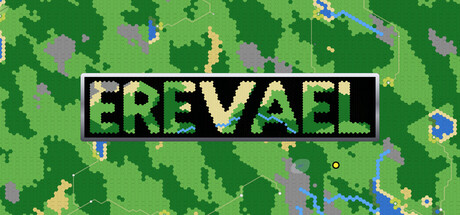
Erevael is made by a solo developer who uses generative AI as part of the development process. The following player-facing content is created with AI and reviewed by the developer before release:
- Visual art, including assets used in the procedurally generated world.
- Localization: translations are machine-generated and have not yet been professionally reviewed.
Music and sound effects are sourced from licensed, human-made libraries and are not AI-generated. AI coding assistants are also used during development.
The AI-generated art is a starting point. If the game finds an audience, the plan is to replace it with work from human artists in a free update for everyone, while keeping the original art available as an optional mod.
Generative AI tools were used during development to assist with visual asset creation, programming support, background music generation, and writing/editing structured script data such as dialogue and localization files.
Some store page graphical assets and marketing images were created with generative AI and edited manually. The game itself does not use generative AI during gameplay.
AI tools were used during development as coding and asset-pipeline assistants (writing the procedural generation code for models, textures and music) and to help draft store page text. All content was reviewed by the developer. The game does not generate content with AI at runtime.
Some of this game's art, including certain item icons, UI elements, and the store/library and promotional images was created with the help of generative AI tools. Some background music was generated with AI and edited by the developer. All AI-generated content was reviewed by the developer for quality and to ensure it doesn't infringe third-party rights. No AI content is generated live during gameplay.
Most art has been hand-crafted but some art has been assisted by generative AI. Art assisted by generative AI includes UI Icons, monsters, items and marketing promotional art. All ingame art has been finalized by hand.
AI-assisted tools were only used during the creation of certain visual assets. These assets were reviewed, edited, modified, and integrated by the developer. The game's story, characters, world, gameplay design, dialogue, and creative direction were entirely created by the developer.
Marketing key art (Steam store capsules, library art, page background) and the comic-book intro trailer were generated using Fal.ai's Flux 2 image diffusion model. Initial concept sketches and in-game sprite references were generated using ChatGPT's image generation, then hand-cleaned and integrated by the developer. All assets are pre-rendered at build time and shipped as static files within the game package - no generative AI runs during gameplay, and no AI is used to generate live content for players. AI was not used for code, voice acting, music, or any system that interacts with the player at runtime.
As a small, two-person independent development team, we have used generative AI to help create a limited number of pre-generated assets during development. This includes portions of the store capsule artwork, a number of UI elements and icons, and approximately three lines of dialogue for a single enemy.
The AI-generated visual content is used solely as placeholder artwork to support our Early Access proof of concept. These assets allow us to focus our limited resources on gameplay, systems, balance, and overall game quality while we continue development. Replacing these placeholder assets with original, commissioned artwork is a planned and intentional part of our Early Access development roadmap.
No generative AI was or will be used to create gameplay, game logic, programming, level design, music, sound effects, visual effects, or any live-generated in-game content.
The creative direction and design of this game are the work of the developer. All code, copywriting, artwork, background images, and non-Chinese translations were AI-assisted.
Pre-generated AI tools were used to create some visual assets and promotional artwork, including UI concepts, store page artwork, icons, and environmental illustrations. These assets are reviewed and curated by the developer before inclusion. The game does not use live-generated AI content during gameplay.
AI tools were used as supportive tools during the development process, including assistance with code, visual assets, and music. All AI-assisted content was reviewed, edited, and integrated by our development team before being included in the game.
This game uses generative artificial intelligence to create dynamic content during gameplay. AI systems may generate political advice, news articles, speeches, social media posts, events, narrative responses, and other text-based content based on player actions and the current game state. AI-generated content is intended to enhance replayability and create unique gameplay experiences. Some store, library, and character artwork was created with the assistance of generative AI image tools.
Some artwork and store page assets were created with the assistance of generative AI and were reviewed and edited by the developer before use. Gameplay and programming were created by the developer.
Command Doctrine uses generative AI to create some of the content you play. When you generate a scenario or a campaign, an AI model produces the map, the opposing forces, the objectives, and the written mission briefing from your prompt. AI is also used to write narrative battle reports, to create the images that accompany them, and to interpret the natural-language orders you give your units. This content is generated live by third-party AI services. We apply content moderation and input filtering to guard against inappropriate or unsafe output.
Generative AI was used to create or assist with the game's marketing assets, including the game icon, screenshots, capsule art, library art, and the trailer.
"Generative AI tools were utilized during the pre-production and development phases to assist in creating certain 2D visual assets and concept art. These assets were pre-generated, reviewed, and integrated into the game files prior to launch. No AI content is generated dynamically or in real-time by the game software itself. All final assets have been checked to ensure they adhere to proper copyright regulations."
We use a local real-time deep learning neural network (AI) to perform depth estimation on the video frame. The AI analyzes the 2D image and generates a corresponding depth map in real-time, which is then used to reconstruct the 3D VR environment. The AI only processes the visual depth data and does not generate any text, audio, new art assets, or user-facing media content.
This game utilized AI tools during the development process, primarily to assist in generating character portraits. All AI-generated assets were reviewed and curated by the development team before being implemented into the game.
This game uses generative AI assistance in the creation of some art, audio, text, or marketing materials, and all related content is reviewed, edited, and approved by the development team before release.
Most of the images used in the narrative mode scenes were initially generated using generative AI and subsequently refined through manual editing. Generative AI was also employed to assist with the translation of the narrative text.
This game uses AI-generated images, created with Stable Diffusion and similar tools, for card artwork, character portraits, backgrounds, and animated card videos. All AI-generated assets were reviewed and edited by the developer. No AI generates content during gameplay.
Characters, monsters, some buildings, CG images, and logos were generated using AI.
The characters and some 3D building models were created by V2Fun, and the materials are licensed for commercial use under the CC BY 4.0 license.
Generative AI was used only to assist in editing and enhancing certain 2D images used in the game, such as improving quality, refining details, or making visual adjustments. All gameplay, programming, game design, and the final implementation of assets were created and reviewed by the developer. No generative AI is used to create gameplay content or player interactions during gameplay.
Some in-game UI artwork was created with the assistance of generative AI. All AI-assisted assets were reviewed, edited, and curated by the developer before being included in the game. The game does not use live AI-generated content during gameplay.
This game used generative AI tools during development to assist with: (1) some artwork such as the title illustration, (2) in-game text including newspaper headlines and stock descriptions, and (3) Korean/English localization. All AI-assisted output was reviewed and edited by the developer. The game does not generate any AI content at runtime (all pre-generated).
The artwork in this game. such as item, equipment, and creature icons is currently AI-generated. We plan to replace it with hand-crafted art as the project's budget grows.
AI tools were used strictly as a minor supplementary aid for light editing of select images and textures. Additionally, AI was partially utilized to generate specific ambient sound effects and assist with voiceover processing. All core game mechanics, 3D models, and primary assets were created manually by the developer.
AI-assisted tools were used during visual exploration and iteration for some marketing materials, select visual drafts and music. Final design, creative direction, editing, asset selection, and implementation were handled by the developer.
This game includes pre-generated content created with the assistance of generative AI during development. Generative AI was used to help create some in-game image assets and translations. All AI-assisted content, including AI-generated translations, was reviewed, edited, and approved by the development team before being included in the final game.
This game utilized generative AI technology during development. Scene background artwork and food dish images were created with the assistance of AI image generation tools. Portions of the game code were written with the help of AI coding assistants. All AI-generated content has been manually curated, adjusted, and refined to ensure a consistent visual style and gameplay experience.
Some art, music, and 3D assets in this game were created with the help of generative AI tools. Every AI-generated asset was carefully reviewed, refined, and hand-curated by the developer to fit the game's art direction and tone. The game does not use any live-generated (runtime) AI content.
This game uses generative AI tools during development to assist with the creation of pre-generated game content.
AI tools were used as part of the production workflow for concept/reference images, some 3D model generation, and audio/source material discovery or selection support. The final assets included in the game were reviewed, edited, and integrated by the developer before being added to the game.
The game does not use generative AI to create new content during gameplay.
Some visual assets, including characters, environments, objects, and backgrounds, were produced with the help of generative AI tools during development, then curated, edited, cleaned up, and integrated manually under human art direction to achieve a consistent visual style.
Erevael is made by a solo developer who uses generative AI as part of the development process. The following player-facing content is created with AI and reviewed by the developer before release:
- Visual art, including assets used in the procedurally generated world.
- Localization: translations are machine-generated and have not yet been professionally reviewed.
Music and sound effects are sourced from licensed, human-made libraries and are not AI-generated. AI coding assistants are also used during development.
The AI-generated art is a starting point. If the game finds an audience, the plan is to replace it with work from human artists in a free update for everyone, while keeping the original art available as an optional mod.