
Disclosure
The game currently makes use of AI assistance in creating the 3D models for placeholder assets for Early Access.
- Creator
- LowRangerDev
- Reviews
- -
- Added
- Jun 28, 2026
Public Steam disclosure research 25,893 disclosures tracked
Search developers’ Steam disclosures, compare classified AI use across games, and follow recorded changes. This index adds cross-game classifications and statistics to statements published on individual store pages.
Code help, debugging and other development work.
Capsule art, trailers and promotional material.
Pre-made art, audio, writing and other game assets.
Interactive or runtime AI features disclosed by the developer.
Groups reflect automatic analysis of public disclosures; mature records are excluded. These counts do not measure AI use across all of Steam. Missing or unclear statements cannot establish whether a game uses AI.
The game currently makes use of AI assistance in creating the 3D models for placeholder assets for Early Access.
This game uses generative AI as part of the asset creation process. Some artwork, textures, music, and sound effects were generated with AI-assisted tools and subsequently modified, curated, and integrated by the developer. All gameplay design, game systems, balancing, programming, and final implementation were created and controlled by the developer.
AI-Generated Content Disclosure: Artificial intelligence technology was utilized during the development of this game to assist in the creation of in-game background art and certain cutscenes.
Some visual assets, images, or concept materials used in this game are created with AI-assisted tools and further selected, adjusted, integrated, or refined by the author for use in the game's artistic presentation and content production.
AI-generated assets were used for the store graphical capsule art.
Some background elements were partially generated using AI. Localization into languages other than German was carried out with the help of AI. AI was used as a development aid (to help implement certain systems in the game). I am a solo indie developer and wanted to tell an engaging horror story set in an anime/Japanese-inspired world. Without AI, I unfortunately would never have been able to create a project like this!
Some visual assets, promotional images, and design elements used in Dream Cola were created or assisted with generative AI tools. All AI-generated content was reviewed, modified, and integrated by the developer to fit the game's artistic direction.
AI was used to create some graphical elements and voice audio.
Some background and environmental artwork in this game was created with the assistance of generative AI and then reviewed, edited, and integrated by the developer. All story content, dialogue, characters, and game design were created by the developer.
The developer used ChatGPT to generate some of the promotional and marketing artwork displayed on the Steam storefront. No AI-Generated assets are used inside the actual game.
All core assets originate from the creativity of our human artists. The use of AI tools is strictly limited to assisting and refining the environmental background designs.
AI generated graphical elements in some UI AI supported localized language translation
Generative AI is only used to assist in generating some game assets.
The development of this game made use of AI-generated content. Specifically, some of the in-game images, video sequences and character voice-over were created with the help of generative AI tools. All AI-generated assets were reviewed, curated and edited by the development team before inclusion in the final product
This game includes some AI-generated and AI-assisted content: 1. Some in-game sprites were adjusted or edited using AI tools. 2. AI was used to correct spelling and grammar in the game's text and on the store page. 3. Adjusting some of the chiptune tracks in the game to sound more musical by putting them all in key 4. Some Steam store and achievement assets were created with AI assistance, specifically generating the greyed-out (inactive) versions of the achievement icons from the colored originals, and producing the various required store image sizes from the original promotional artwork. All AI-assisted content was manually reviewed before release.
This game's development uses generative AI tools in the following ways: Image assets: generating some artwork and image materials (directed and curated by the developer; final design decisions and adjustments are made by a human). Coding: assisting with implementation and development (design decisions and final code review are done by a human). No content is generated by AI at runtime.
Some in-game visual assets and trivia/ranking question data were created with the assistance of generative AI tools. All AI-assisted content was reviewed, edited, and curated by the developer before being included in the game.
AI was used to help resolve bugs and optimize ticks and similar processes. Selected 3D models and icons were generated using AI.
The developer used generative AI tools during development to assist in creating pre-generated assets, including concept art for backgrounds and placeholder text assets. None of the AI content is generated in real-time during gameplay.
Some art and music in Cookiesaner were created with AI-assisted tools: Image generation for sprites and backdrops, and AI-assisted music, then curated, edited, and finished by the solo developer alongside hand-craft and original composition. No AI-generated content is created at runtime; every asset is fixed and reviewed before it ships.
The developer used generative AI tools during the development process to assist in creating visual assets and concept art. All content in the final game is pre-rendered and static; the game does not generate new content in real-time or connect to external AI services during execution.
Some of the background images and environmental artwork in this game were created with the assistance of generative AI tools. All generated images were subsequently edited, adjusted, and integrated manually to match the game's post-apocalyptic aesthetic.
This game utilizes generative artificial intelligence tools in its development to assist our small team. Specifically, AI was used to help localize our Steam store listing text into multiple languages to reach a broader audience. Additionally, AI tools were used to help refine and format certain store promotional images and icons, which are strictly based on and adapted from our original, human-created hand-drawn concept art. No live-generated AI content is used during active gameplay.
This game uses AI-generated artwork.
Digital assets such as sprites, SFX and music use generative AI.
Art assets in this game, such as achievement icons, were created with the assistance of GPT-based image generation tools. The background music was composed using Suno AI. All AI-generated content has been reviewed and approved by human developers.
This game uses text-to-speech to generate character voices, image-to-3D tools to create ship models, and image-to-video tools to produce cinematic sequences you may encounter during gameplay. AI-generated content has been used to enhance and enrich the in-game experience.
AI was used to help modifying and creating part of text translation / visual / sound assets.
Some store page and branding assets for Corner Gallery may have been created with assistance from generative AI tools. The application itself does not generate images, text, audio, code, or other AI content during normal use, and it does not connect to external AI services.
Some backgrounds and translations in this work were created using generative AI.
The game to contain art assets generated by artificial intelligence
This game uses gen-AI images for menus and marketing images/videos...
The promotional images, image graphics, and library asset images of the game are rendered using AI, with the main elements being in-game content and only rendering the atmosphere. Other game models, scenes, and music did not use AI.
Track-select card thumbnails (one image per race track) are AI-generated, pre-rendered JPEGs included in the bundled web build. These are static decorative thumbnails, not generated at runtime. No other in-game content uses generative AI.
Some images in this game were generated with the assistance of AI tools during development.
As a small independent development team, we used generative AI as a supporting production tool during development. All creative direction, game design, asset selection, editing, integration, and final approval were handled by the development team. AI-generated material was reviewed and modified by the developers before being included in the game. The game does not generate AI content during gameplay.
Imperium is a solo-developed game that makes extensive use of generative AI to create its content: • Visual art and graphical assets — planet surfaces, buildings, species and ship artwork, interface art, and store/marketing imagery — were generated using Midjourney and ChatGPT, then extensively edited, composited, and refined by hand in Photoshop (including Photoshop's AI tools) to fit the game's art direction. • Music was generated using Suno. • Sound effects were generated using ElevenLabs. Every asset is reviewed, edited, and approved by the developer before it ships, and the game's design, systems, and balance are the developer's own. Imperium's in-game opponents use traditional algorithmic AI, not generative AI.
The game uses some icons and visuals that were previously created with artificial intelligence (some in-game visuals and capsule image, etc...)
Some sounds effekts and Objects made with AI
Ai was solely used in the creation of capsule art. The artwork is a stylized version of a rendered 3D image directly from Unity.
人物头像、少量图标以及音乐
Some visual assets in this game were created with the assistance of generative AI tools.
Generative AI was used as an assistive tool during certain stages of visual asset creation. The overall design, direction, editing, and final composition of the work were created and managed by the developer.
Partial images Translate
Generative AI tools were used during the creation of certain marketing and promotional materials for the game, including concept artwork, logos, store page assets, and text drafts. All AI-generated content was reviewed, edited, and integrated by the developer before publication.
Cogfall was developed solo by Nodding Panda Studios. To bring the steampunk Clockwork Kingdom to life, AI tools were used to generate artwork and music under the creative direction of the developer. Every image and track was intentionally prompted, selected, and refined to fit the game's vision — AI served as a creative tool, not a replacement for creative decisions. All gameplay systems, code, game design, writing, and balancing were created entirely by the developer.
"AI tools (Leonardo AI) were used to generate some concept art and UI textures during development. AI tools (Gemini) were used to generate background music assets. All assets were pre-generated before being integrated into the game."
AI tools were only used in the development phase for code, textures, texts, audio and music production. There is no player-accessible AI generation feature or external AI service connection in the released game, and all built-in content has passed full manual compliance review.
Some visual/audio assets, text content, and development assistance were created with AI tools and then reviewed, modified, and integrated by the developer.
In this game, some visuals and sounds were generated by artificial intelligence.
| Title⇅ | Disclosure | Creator⇅ | Src | Reviews⇅ | Added↓ |
|---|---|---|---|---|---|
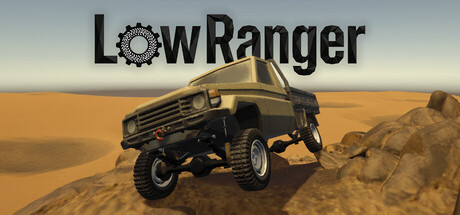 LowRanger In-game content art | The game currently makes use of AI assistance in creating the 3D models for placeholder assets for Early Access. | LowRangerDev | - | Jun 28, 2026 | |
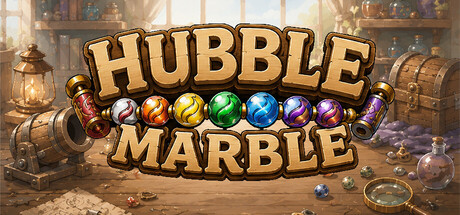 Hubble Marble In-game content artaudio | This game uses generative AI as part of the asset creation process. Some artwork, textures, music, and sound effects were generated with AI-assisted tools and subsequently modified, curated, and integrated by the developer. All gameplay design, game systems, balancing, programming, and final implementation were created and controlled by the developer. | zjinn | - | Jun 28, 2026 | |
 XINGTU In-game content art | AI-Generated Content Disclosure:
Artificial intelligence technology was utilized during the development of this game to assist in the creation of in-game background art and certain cutscenes. | 溯水流觞 | - | Jun 28, 2026 | |
 Fantasy Air-Sea Battles Showdown In-game content art | Some visual assets, images, or concept materials used in this game are created with AI-assisted tools and further selected, adjusted, integrated, or refined by the author for use in the game's artistic presentation and content production. | WANG WENJIE | - | Jun 28, 2026 | |
 APEX Swoop: Card Game Store/marketing art | AI-generated assets were used for the store graphical capsule art. | Apex Business Computing | - | Jun 28, 2026 | |
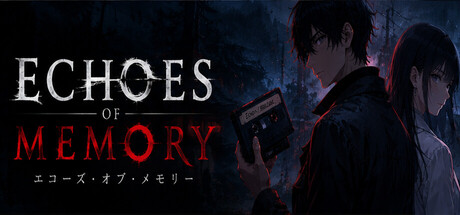 Echoes of Memory In-game content arttext | Some background elements were partially generated using AI.
Localization into languages other than German was carried out with the help of AI.
AI was used as a development aid (to help implement certain systems in the game).
I am a solo indie developer and wanted to tell an engaging horror story set in an anime/Japanese-inspired world. Without AI, I unfortunately would never have been able to create a project like this! | JonnyProductions | - | Jun 28, 2026 | |
 Dream Cola Store/marketing art | Some visual assets, promotional images, and design elements used in Dream Cola were created or assisted with generative AI tools. All AI-generated content was reviewed, modified, and integrated by the developer to fit the game's artistic direction. | a3muy Studio | - | Jun 28, 2026 | |
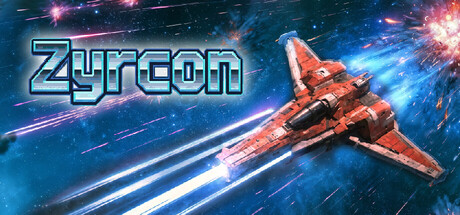 Zyrcon In-game content artaudio | AI was used to create some graphical elements and voice audio. | DIGITALICA | - | Jun 28, 2026 | |
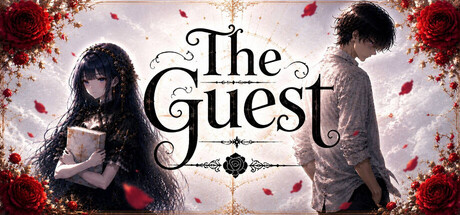 The Guest In-game content art | Some background and environmental artwork in this game was created with the assistance of generative AI and then reviewed, edited, and integrated by the developer. All story content, dialogue, characters, and game design were created by the developer. | Velvet Story | - | Jun 28, 2026 | |
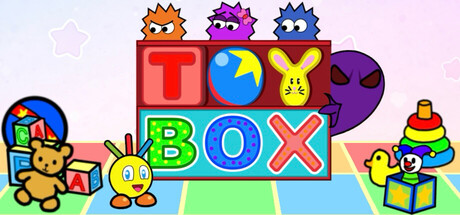 Toy Box Store/marketing art | The developer used ChatGPT to generate some of the promotional and marketing artwork displayed on the Steam storefront. No AI-Generated assets are used inside the actual game. | Bobo's Bakery | - | Jun 28, 2026 | |
 巨獸與傭兵 In-game content art | All core assets originate from the creativity of our human artists. The use of AI tools is strictly limited to assisting and refining the environmental background designs. | 巨兽 | - | Jun 28, 2026 | |
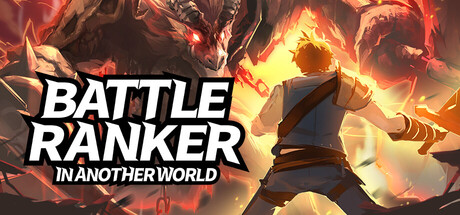 Battle Ranker In-game content arttext | AI generated graphical elements in some UI
AI supported localized language translation | Springcomes | 16 | Jun 28, 2026 | |
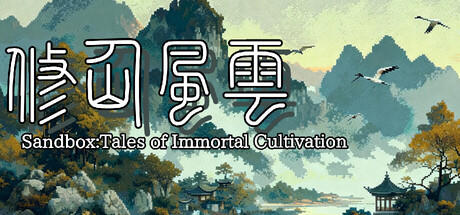 Tales of Immortal Cultivation In-game content art | Generative AI is only used to assist in generating some game assets. | KIKIMORA | - | Jun 28, 2026 | |
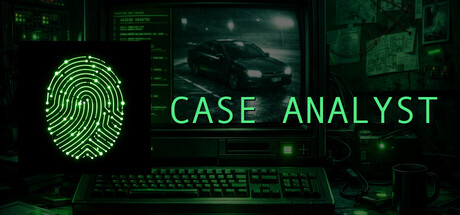 Case Analyst In-game content artaudio | The development of this game made use of AI-generated content. Specifically, some of the in-game images, video sequences and character voice-over were created with the help of generative AI tools. All AI-generated assets were reviewed, curated and edited by the development team before inclusion in the final product | Luca Panteghini | - | Jun 28, 2026 | |
 The Dungeon Persists In-game content arttext | This game includes some AI-generated and AI-assisted content:
1. Some in-game sprites were adjusted or edited using AI tools.
2. AI was used to correct spelling and grammar in the game's text and on the store page.
3. Adjusting some of the chiptune tracks in the game to sound more musical by putting them all in key
4. Some Steam store and achievement assets were created with AI assistance, specifically generating the greyed-out (inactive) versions of the achievement icons from the colored originals, and producing the various required store image sizes from the original promotional artwork.
All AI-assisted content was manually reviewed before release. | Alan Van Dinter | - | Jun 28, 2026 | |
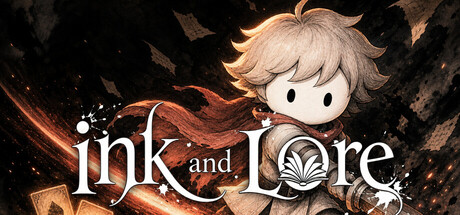 Ink & Lore In-game content artcode | This game's development uses generative AI tools in the following ways:
Image assets: generating some artwork and image materials (directed and curated by the developer; final design decisions and adjustments are made by a human).
Coding: assisting with implementation and development (design decisions and final code review are done by a human).
No content is generated by AI at runtime. | Shintaro Higashi | - | Jun 28, 2026 | |
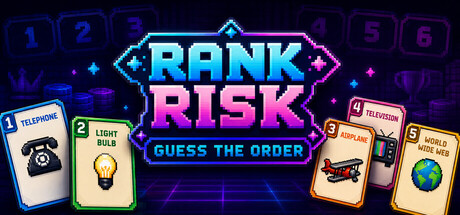 Rank Risk: Guess the Order In-game content arttext | Some in-game visual assets and trivia/ranking question data were created with the assistance of generative AI tools. All AI-assisted content was reviewed, edited, and curated by the developer before being included in the game. | CETIN CAGLAR | - | Jun 28, 2026 | |
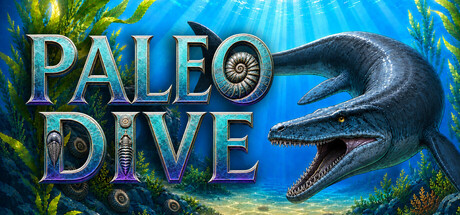 Paleo Dive In-game content art | AI was used to help resolve bugs and optimize ticks and similar processes. Selected 3D models and icons were generated using AI. | Astra Render | - | Jun 28, 2026 | |
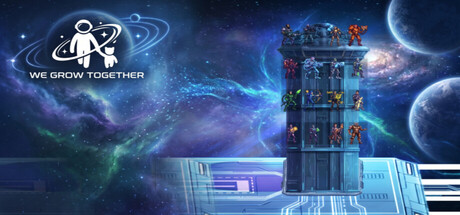 We Grow Together In-game content arttext | The developer used generative AI tools during development to assist in creating pre-generated assets, including concept art for backgrounds and placeholder text assets. None of the AI content is generated in real-time during gameplay. | Mr.Panda01 | - | Jun 28, 2026 | |
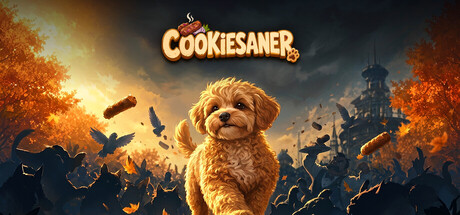 Cookiesaner In-game content artaudio | Some art and music in Cookiesaner were created with AI-assisted tools: Image generation for sprites and backdrops, and AI-assisted music, then curated, edited, and finished by the solo developer alongside hand-craft and original composition. No AI-generated content is created at runtime; every asset is fixed and reviewed before it ships. | Endorfin | - | Jun 28, 2026 | |
 1930: Tinta & Balas In-game content art | The developer used generative AI tools during the development process to assist in creating visual assets and concept art. All content in the final game is pre-rendered and static; the game does not generate new content in real-time or connect to external AI services during execution. | CronusDev | - | Jun 28, 2026 | |
 Seven Stops: A Trotillions Story In-game content art | Some of the background images and environmental artwork in this game were created with the assistance of generative AI tools. All generated images were subsequently edited, adjusted, and integrated manually to match the game's post-apocalyptic aesthetic. | StViga | - | Jun 28, 2026 | |
 STEEL PHANTOMS In-game content textart | This game utilizes generative artificial intelligence tools in its development to assist our small team. Specifically, AI was used to help localize our Steam store listing text into multiple languages to reach a broader audience. Additionally, AI tools were used to help refine and format certain store promotional images and icons, which are strictly based on and adapted from our original, human-created hand-drawn concept art. No live-generated AI content is used during active gameplay. | ZAMJARAH STUDIO | - | Jun 28, 2026 | |
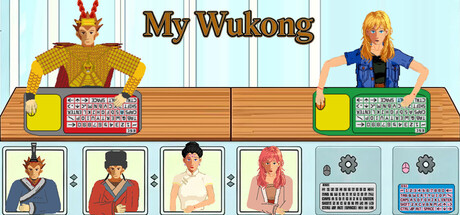 我的悟空 In-game content art | This game uses AI-generated artwork. | https://steamcommunity.com/groups/mywukong | - | Jun 28, 2026 | |
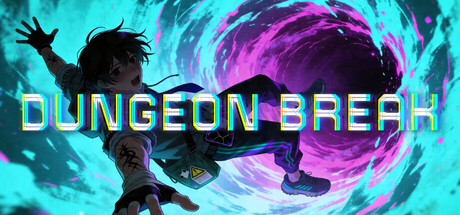 Dungeon Break In-game content artaudio | Digital assets such as sprites, SFX and music use generative AI. | ShadowBroker | - | Jun 28, 2026 | |
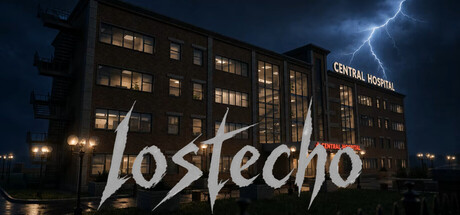 LostEcho In-game content artaudio | Art assets in this game, such as achievement icons, were created with the assistance of GPT-based image generation tools. The background music was composed using Suno AI. All AI-generated content has been reviewed and approved by human developers. | DominamCheng | - | Jun 28, 2026 | |
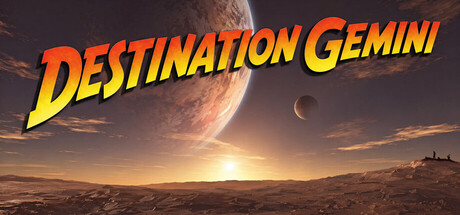 Destination Gemini In-game content audioart | This game uses text-to-speech to generate character voices, image-to-3D tools to create ship models, and image-to-video tools to produce cinematic sequences you may encounter during gameplay.
AI-generated content has been used to enhance and enrich the in-game experience. | Hubert Cachat | - | Jun 28, 2026 | |
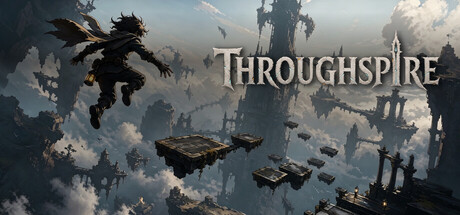 Throughspire In-game content textartaudio | AI was used to help modifying and creating part of text translation / visual / sound assets. | MetaMata | - | Jun 28, 2026 | |
 Corner Gallery Store/marketing art | Some store page and branding assets for Corner Gallery may have been created with assistance from generative AI tools. The application itself does not generate images, text, audio, code, or other AI content during normal use, and it does not connect to external AI services. | Pelican and Swan Studio | - | Jun 28, 2026 | |
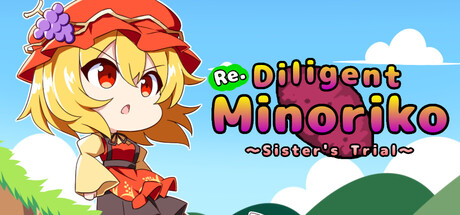 Re.がんばりみのりこ ~お姉ちゃんの試練~ In-game content arttext | Some backgrounds and translations in this work were created using generative AI. | Tosa Laboratory | - | Jun 28, 2026 | |
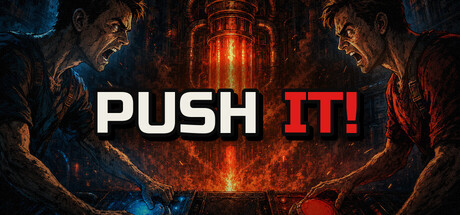 Push It! In-game content art | The game to contain art assets generated by artificial intelligence | NeuroSlop Studio | - | Jun 28, 2026 | |
 Padel Pro World Tour In-game content art | This game uses gen-AI images for menus and marketing images/videos... | Intelectiva Soluciones Innovadoras SL | - | Jun 28, 2026 | |
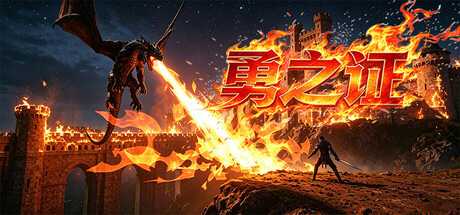 勇之证 In-game content art | The promotional images, image graphics, and library asset images of the game are rendered using AI, with the main elements being in-game content and only rendering the atmosphere.
Other game models, scenes, and music did not use AI. | BURN WOOD STUDIO | - | Jun 28, 2026 | |
 Punk Racer In-game content art | Track-select card thumbnails (one image per race track) are AI-generated, pre-rendered JPEGs included in the bundled web build. These are static decorative thumbnails, not generated at runtime. No other in-game content uses generative AI. | RatKing Labs | - | Jun 28, 2026 | |
 Chinese Pancake Simulator In-game content art | Some images in this game were generated with the assistance of AI tools during development. | Furnace Hound Games | - | Jun 28, 2026 | |
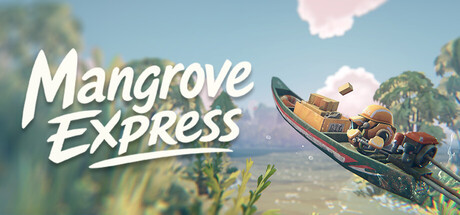 Mangrove Express In-game content arttextcode | As a small independent development team, we used generative AI as a supporting production tool during development.
All creative direction, game design, asset selection, editing, integration, and final approval were handled by the development team. AI-generated material was reviewed and modified by the developers before being included in the game.
The game does not generate AI content during gameplay. | Dig Up Indie | - | Jun 28, 2026 | |
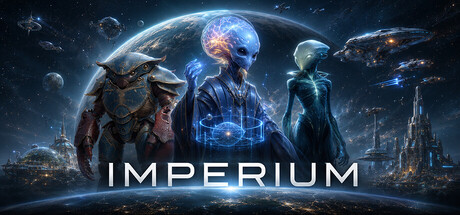 Imperium In-game content artaudio | Imperium is a solo-developed game that makes extensive use of generative AI
to create its content:
• Visual art and graphical assets — planet surfaces, buildings, species and
ship artwork, interface art, and store/marketing imagery — were generated
using Midjourney and ChatGPT, then extensively edited, composited, and
refined by hand in Photoshop (including Photoshop's AI tools) to fit the
game's art direction.
• Music was generated using Suno.
• Sound effects were generated using ElevenLabs.
Every asset is reviewed, edited, and approved by the developer before it
ships, and the game's design, systems, and balance are the developer's own.
Imperium's in-game opponents use traditional algorithmic AI, not generative AI. | Petroff Games | - | Jun 28, 2026 | |
 Sheep Move Together In-game content art | The game uses some icons and visuals that were previously created with artificial intelligence (some in-game visuals and capsule image, etc...) | Shepherd | 10 | Jun 28, 2026 | |
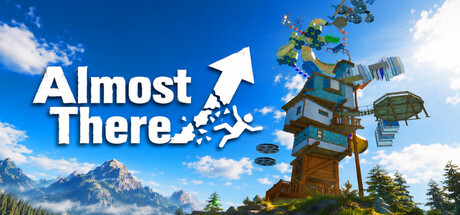 Almost There audioart | Some sounds effekts and Objects made with AI | SIENTURE | - | Jun 28, 2026 | |
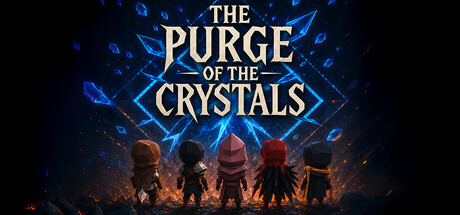 The Purge of the Crystals Store/marketing art | Ai was solely used in the creation of capsule art. The artwork is a stylized version of a rendered 3D image directly from Unity. | Poetic Visuals | - | Jun 28, 2026 | |
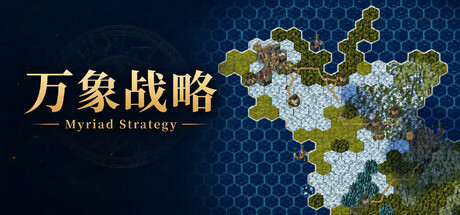 万象战略 In-game content artaudio | 人物头像、少量图标以及音乐 | MeleePsycho | - | Jun 28, 2026 | |
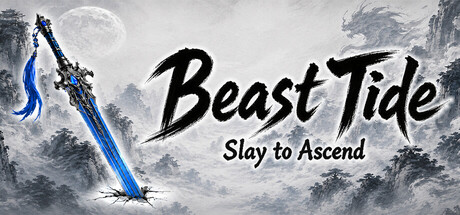 妖潮:以杀证道 In-game content art | Some visual assets in this game were created with the assistance of generative AI tools. | WhaleRise Studio | - | Jun 28, 2026 | |
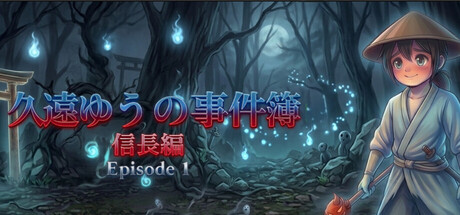 久遠ゆうの事件簿 信長編 - Episode 1 In-game content art | Generative AI was used as an assistive tool during certain stages of visual asset creation. The overall design, direction, editing, and final composition of the work were created and managed by the developer. | studio mabou | - | Jun 28, 2026 | |
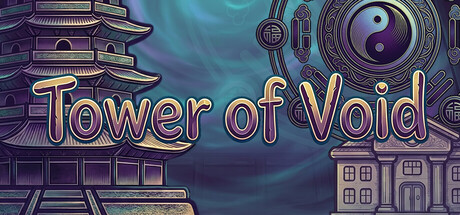 虚无之塔 Unclear art | Partial images
Translate | yhy | - | Jun 28, 2026 | |
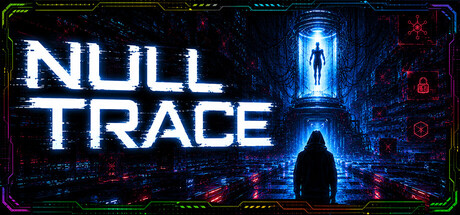 NULL TRACE Store/marketing arttext | Generative AI tools were used during the creation of certain marketing and promotional materials for the game, including concept artwork, logos, store page assets, and text drafts. All AI-generated content was reviewed, edited, and integrated by the developer before publication. | Andrei Uvarov | - | Jun 28, 2026 | |
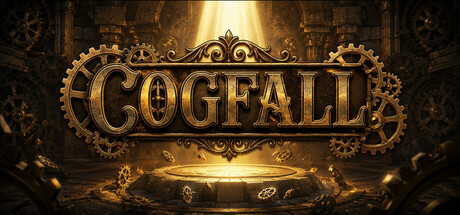 Cogfall In-game content artaudio | Cogfall was developed solo by Nodding Panda Studios. To bring the steampunk Clockwork Kingdom to life, AI tools were used to generate artwork and music under the creative direction of the developer. Every image and track was intentionally prompted, selected, and refined to fit the game's vision — AI served as a creative tool, not a replacement for creative decisions. All gameplay systems, code, game design, writing, and balancing were created entirely by the developer. | Nodding Panda Studios | - | Jun 28, 2026 | |
 NOXE In-game content artaudio | "AI tools (Leonardo AI) were used to generate some concept art and UI textures during development. AI tools (Gemini) were used to generate background music assets. All assets were pre-generated before being integrated into the game." | DSX | - | Jun 28, 2026 | |
 心灵阈值 In-game content arttextaudio | AI tools were only used in the development phase for code, textures, texts, audio and music production. There is no player-accessible AI generation feature or external AI service connection in the released game, and all built-in content has passed full manual compliance review. | 岚爱万七 | - | Jun 28, 2026 | |
 AR Basketball In-game content artaudiotext | Some visual/audio assets, text content, and development assistance were created with AI tools and then reviewed, modified, and integrated by the developer. | Quantel Jackson | - | Jun 28, 2026 | |
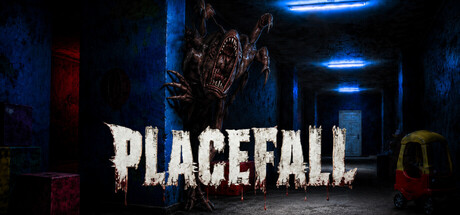 Placefall In-game content artaudio | In this game, some visuals and sounds were generated by artificial intelligence. | Halvenor | - | Jun 28, 2026 |


