Public Steam disclosure research25,394 disclosures tracked
Where do games disclose AI use?
Search developers’ Steam disclosures, compare classified AI use across
games, and follow recorded changes.
This index adds cross-game classifications and statistics to
statements published on individual store pages.
Groups reflect automatic analysis of public disclosures; mature records are excluded. These counts do not measure AI use across all of Steam.
Missing or unclear statements cannot establish whether a game uses AI.
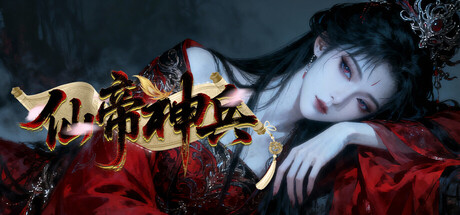
ChatGPT, Grok, Gemini, Suno, and Doubao TTS assisted with most of the pre-generated visual, music, and voice content. All such content was created before release and selected, edited, and integrated by the developer. More than 99% of the game’s text was written manually by the author; AI was used only to help check for errors. The game does not connect to generative AI services or generate content at runtime.
Generative AI was used to assist in the development of this game. Approximately 60% of the code was generated or written with the assistance of AI; in-game imagery was created using generative AI, with a portion of the assets refined and post-processed manually; music was created using generative AI; and approximately 90% of the sound effects were generated or created with AI assistance. Except for Traditional Chinese, localization for all other languages was translated using AI.
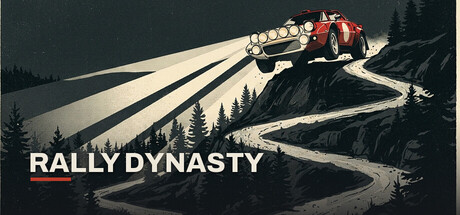
Rally Dynasty's illustrations were produced with generative AI image tools and then chosen, cropped and composited by hand. That covers the key art the game's branding is built on, and the side-elevation drawing of each car in the catalogue. Nothing is generated while you play: the game runs offline, connects to no AI service, and the simulation itself - the era rules, the results, and every line of text you read - is written by hand.
We use our own created small local generative AI models to create Artworks in realtime. Local LLM's are used to interact with the NPC's Text based (Input / Output) in realtime.
Be aware that realtime AI can make mistakes. We put a lot of effort into to make it work properly, but there can still be issues. No external AI models needed so your data stays on your own Computer!
We generally used AI assistance to create Assets in the game, most Assets where highly edited from Human Authoring.
The game was created by strong directed human vision, so everything is unique and my own idea!
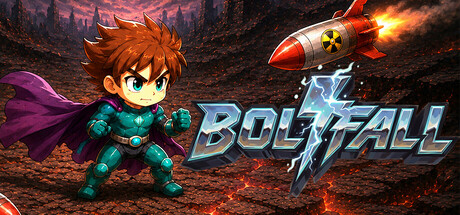
BoltFall was developed with the assistance of generative AI tools. The game's music was generated using AI audio tools, and environment art assets were created with the assistance of AI image generation tools. All AI-generated content was reviewed, edited, and curated by the developer before being included in the final game.
Generative AI was used during development to assist in creating some character, monster, environment, UI icon, and store promotional artwork, as well as portions of the text and translations. These materials were selected, edited, and integrated by the developer. The game does not generate AI content during gameplay.
AI tools were used during the creation of draft visual assets. All AI-generated material is reviewed, edited, and manually refined by professional artists before being included in the final product.
Generative AI tools were used during development to assist with some artwork and localization for the game and its store materials. These images and texts are prepared in advance and included as pre-generated content. The game does not use generative AI to create content or code during gameplay.
Generative AI was used to create portions of the game’s artwork. All such content is prepared during development; no content is AI-generated during gameplay.
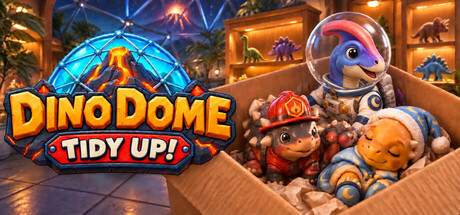
We used AI-assisted tools to help create and refine a small selection of visual assets. Each one was reviewed and adjusted by hand before it was used.
AI also helped us tidy up the grammar and wording in a small amount of in-game and store-page text. We checked and edited every final line ourselves.
For us, AI is simply a supporting tool. Dino Dome: Tidy Up! is still shaped by our own ideas, judgement, and hands-on creative work.
AI tools were used to create or edit some in-game and store artwork and textures, and to assist with translations. Creative direction and final content selection are ours. No AI content is generated during gameplay.
Some of the game's 3D models, some of its music tracks and parts of the user interface were created with the help of generative AI tools, then selected, edited and integrated by our team. Some of the artwork on this store page (capsule and promotional images) was also created with the help of generative AI and edited by our team. AI coding assistants were also used during programming, with all code reviewed and directed by our team. Everything else (game design, level design and the remaining art, music and sound effects) was made by the Domp Studio team. No AI is used to generate content while you play.
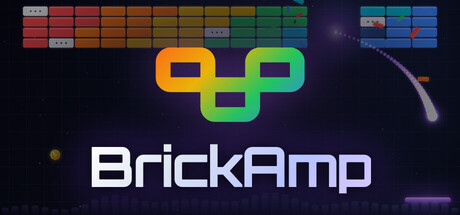
The current soundtrack and its album-cover artwork were generated with AI music and image tools and selected by the developer. I am looking to commission original music from human artists; if you make music and would like to hear your tracks in BrickAmp, get in touch at team@brickamp.com. Some level layouts and visual effects were drafted with AI-assisted coding tools and hand-reviewed. All of this content is pre-generated and ships with the game. Nothing is generated live during play, and the game does not connect to any AI service.
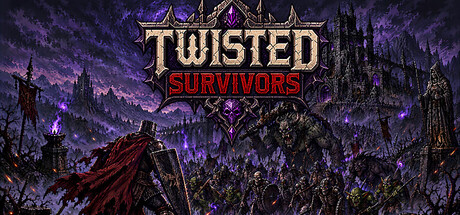
Twisted Survivors was designed and made by Six. Some of its art (including the store artwork), music, voice-over and the opening cinematic were created with the help of AI tools, then curated and edited by Six; nothing is generated while you play.
Some sprite artwork was pre-generated with AI assistance, then manually selected, edited, and integrated into the shipped game. No AI-generated content is created during gameplay.
Generative AI tools were used during development. The 3D models of the animals, leaders, enemies and bosses, along with many environment props, started as AI-generated models, and most 2D icons started as AI-generated images. All of them were then adapted to the game's paper-doodle style. AI tools also helped write and translate the game's text. The game does not use AI to generate any content while you play.
Generative AI tools were used during development to create and refine some pre-generated artwork, icons, audio, text and localization, and marketing imagery. All such content was reviewed and curated by the developer. No AI-generated content is created during gameplay.
For 25 years, we dreamed of making this game together. Alpha Draconis's lore, world, creatures, and factions were all created long before generative AI existed. What we lacked was the time and resources to build it. Generative AI changed that: by using it to help write code and create 3D assets, we were finally able to speed up development enough to turn Alpha Draconis into a real, playable game.
Generative AI was used during development to create 3D models, music, sound effects, and promotional artwork, and to assist with localization, store-page text, and the implementation of game logic and code. This content and code are prepared during development. The game does not generate content or code using AI or connect to external AI services during gameplay.
Some artwork and marketing assets for Fallen Crowns were created with the assistance of generative AI tools. All AI-assisted assets were reviewed and edited by the developer before inclusion. The game does not use AI to generate content live during gameplay.
This game utilized a generative AI (Google Gemini) to assist in creating certain artwork and graphical assets. All AI-generated images were manually reviewed, retouched, and finalized by the developer before being implemented into the game.
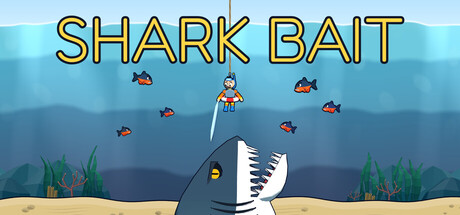
Shark Bait was made with AI assistance. AI assistants wrote the game's code, including the code that creates its 3D models, sound effects and music, so those were made by AI too. They also helped write the in-game text. The developer directed, played and reviewed all of it.
The game's code, which procedurally generates all 3D models, textures, sound effects and music at runtime, was written with the help of an AI coding assistant, as were the store description, marketing images and trailer. No AI generation happens while the game is running.
AI was used to assist with coding and to create some textures, which were later reworked by the developer.
The game does not generate AI content in real time
This game utilizes generative AI in the creation of some images, background music, and sound effects. All such content is reviewed and edited before being incorporated into the game.
Generative AI was used to assist with portions of the Steam store page text, promotional image editing, and the creation of some in-game artwork. All AI-assisted content was reviewed and edited by the development team before inclusion in the game.
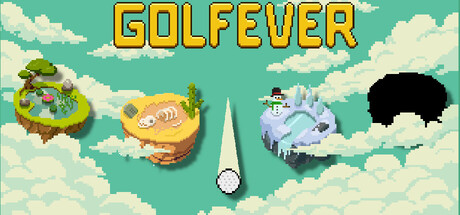
Some of the pixel art in this game started from initial references (the first version you can find in newgrounds, was not pixel art) or silhouettes created with generative AI tools. This only is done to: Islands + main menu frog and clouds.
Those references were then redrawn and refined by hand, pixel by pixel, into the final art you see in the game.
Everything else is handcrafted, including the tiles & obstacles, which were painful to make them connect :(
No other player-facing content uses generative AI, and the game does not generate any content with AI while you play.
Generative AI tools were used during development to create and refine some pre-generated visual assets, music, sound effects, and promotional artwork. No text or narrative content was generated using AI. All AI-assisted materials were reviewed, edited, and integrated by the development team. The game does not use generative AI at runtime, and no player input or personal data is sent to any AI service.
Pre-generated content only; nothing is generated at runtime. Some sound effects, Some textures and images, The in-game dialogue and the Spanish/English texts were written with the help of an AI assistant and reviewed by the developer.
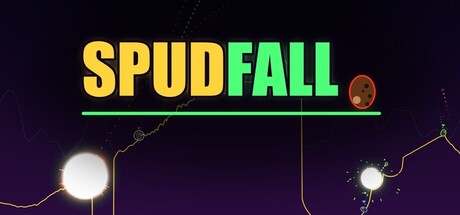
Spudfall's visuals and music are created entirely by the game's own code as you play. There are no image, sprite, or audio files. The developer used an AI assistant to help design and write that code, including the neon visual style and the synthesized soundtrack, and to draft the store page text. Trailers and screenshots show real gameplay. The game does not generate any content with AI while you play.
Generative AI tools were used to create some pre-generated visual assets for the game and its Steam store materials. All outputs were reviewed and edited by the developer. The game does not generate content during gameplay.
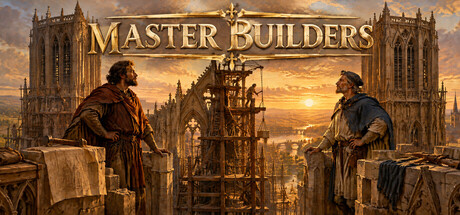
Master Builders was created through close collaboration between a human developer and AI tools: the concept, rules, balance, narrative, and every creative decision came from the developer, while AI assisted with coding and image production to the developer's exact specifications.
Generative AI was used during development to create some 2D artwork, including machines, enemies and environments, and to assist with in-game text, English and German localization, and store materials. These are pre-generated assets and texts.
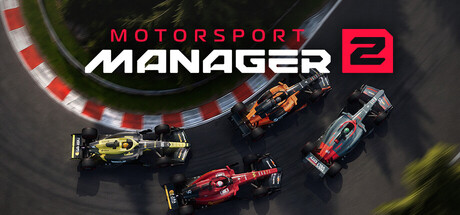
Generative AI is being used during development solely to create character head portraits. It enabled us to create thousands of portrait variations across three age stages, helping the large cast of characters feel more varied, immersive and realistic while allowing characters to visibly age during long careers.
Every portrait is created in advance and checked by the Playsport art team before being included in the game. Nothing is generated while the game is running. No other artwork in the game, including vehicles, decals, logos or clothing uses generative AI. AI-generated portraits can be disabled in the preferences menu.
Generative AI tools were used to assist in the creation of 2D pre-rendered artwork for this game. Specifically, AI was used to generate the promotional library capsules on the store page, as well as the 2D icon graphics for the upgrade cards shown during gameplay. All AI-generated assets were reviewed and manually edited to ensure quality and consistency with the game's art style.
AI tools were used to assist in creating selected promotional store assets and game assets. These materials were or will be later edited, refined, and finalized by human creators.
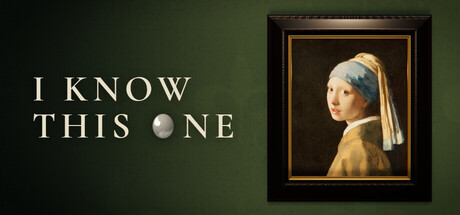
The altered paintings ("forgeries") were made by editing public-domain museum scans with generative AI image tools. Each one was reviewed by hand, colour-matched to its original scan and, where possible, composited back onto that scan so that only the altered detail differs. Some in-game English text (the questions that appear beside the paintings) and parts of this store description were drafted with an AI writing assistant and edited by the developer. The capsule art and screenshots are frames rendered by the game itself; the capsule art shows one of the AI-edited paintings. Nothing is generated by AI while the game runs.
ChatGPT, Grok, Gemini, Suno, and Doubao TTS assisted with most of the pre-generated visual, music, and voice content. All such content was created before release and selected, edited, and integrated by the developer. More than 99% of the game’s text was written manually by the author; AI was used only to help check for errors. The game does not connect to generative AI services or generate content at runtime.
Generative AI was used to assist in the development of this game. Approximately 60% of the code was generated or written with the assistance of AI; in-game imagery was created using generative AI, with a portion of the assets refined and post-processed manually; music was created using generative AI; and approximately 90% of the sound effects were generated or created with AI assistance. Except for Traditional Chinese, localization for all other languages was translated using AI.
Rally Dynasty's illustrations were produced with generative AI image tools and then chosen, cropped and composited by hand. That covers the key art the game's branding is built on, and the side-elevation drawing of each car in the catalogue. Nothing is generated while you play: the game runs offline, connects to no AI service, and the simulation itself - the era rules, the results, and every line of text you read - is written by hand.
We use our own created small local generative AI models to create Artworks in realtime. Local LLM's are used to interact with the NPC's Text based (Input / Output) in realtime.
Be aware that realtime AI can make mistakes. We put a lot of effort into to make it work properly, but there can still be issues. No external AI models needed so your data stays on your own Computer!
We generally used AI assistance to create Assets in the game, most Assets where highly edited from Human Authoring.
The game was created by strong directed human vision, so everything is unique and my own idea!
BoltFall was developed with the assistance of generative AI tools. The game's music was generated using AI audio tools, and environment art assets were created with the assistance of AI image generation tools. All AI-generated content was reviewed, edited, and curated by the developer before being included in the final game.
Generative AI was used during development to assist in creating some character, monster, environment, UI icon, and store promotional artwork, as well as portions of the text and translations. These materials were selected, edited, and integrated by the developer. The game does not generate AI content during gameplay.
AI tools were used during the creation of draft visual assets. All AI-generated material is reviewed, edited, and manually refined by professional artists before being included in the final product.
Generative AI tools were used during development to assist with some artwork and localization for the game and its store materials. These images and texts are prepared in advance and included as pre-generated content. The game does not use generative AI to create content or code during gameplay.
Generative AI was used to create portions of the game’s artwork. All such content is prepared during development; no content is AI-generated during gameplay.
We used AI-assisted tools to help create and refine a small selection of visual assets. Each one was reviewed and adjusted by hand before it was used.
AI also helped us tidy up the grammar and wording in a small amount of in-game and store-page text. We checked and edited every final line ourselves.
For us, AI is simply a supporting tool. Dino Dome: Tidy Up! is still shaped by our own ideas, judgement, and hands-on creative work.
AI tools were used to create or edit some in-game and store artwork and textures, and to assist with translations. Creative direction and final content selection are ours. No AI content is generated during gameplay.
Some of the game's 3D models, some of its music tracks and parts of the user interface were created with the help of generative AI tools, then selected, edited and integrated by our team. Some of the artwork on this store page (capsule and promotional images) was also created with the help of generative AI and edited by our team. AI coding assistants were also used during programming, with all code reviewed and directed by our team. Everything else (game design, level design and the remaining art, music and sound effects) was made by the Domp Studio team. No AI is used to generate content while you play.
The current soundtrack and its album-cover artwork were generated with AI music and image tools and selected by the developer. I am looking to commission original music from human artists; if you make music and would like to hear your tracks in BrickAmp, get in touch at team@brickamp.com. Some level layouts and visual effects were drafted with AI-assisted coding tools and hand-reviewed. All of this content is pre-generated and ships with the game. Nothing is generated live during play, and the game does not connect to any AI service.
Twisted Survivors was designed and made by Six. Some of its art (including the store artwork), music, voice-over and the opening cinematic were created with the help of AI tools, then curated and edited by Six; nothing is generated while you play.
Some sprite artwork was pre-generated with AI assistance, then manually selected, edited, and integrated into the shipped game. No AI-generated content is created during gameplay.
Generative AI tools were used during development. The 3D models of the animals, leaders, enemies and bosses, along with many environment props, started as AI-generated models, and most 2D icons started as AI-generated images. All of them were then adapted to the game's paper-doodle style. AI tools also helped write and translate the game's text. The game does not use AI to generate any content while you play.
Generative AI tools were used during development to create and refine some pre-generated artwork, icons, audio, text and localization, and marketing imagery. All such content was reviewed and curated by the developer. No AI-generated content is created during gameplay.
For 25 years, we dreamed of making this game together. Alpha Draconis's lore, world, creatures, and factions were all created long before generative AI existed. What we lacked was the time and resources to build it. Generative AI changed that: by using it to help write code and create 3D assets, we were finally able to speed up development enough to turn Alpha Draconis into a real, playable game.
Generative AI was used during development to create 3D models, music, sound effects, and promotional artwork, and to assist with localization, store-page text, and the implementation of game logic and code. This content and code are prepared during development. The game does not generate content or code using AI or connect to external AI services during gameplay.
Some artwork and marketing assets for Fallen Crowns were created with the assistance of generative AI tools. All AI-assisted assets were reviewed and edited by the developer before inclusion. The game does not use AI to generate content live during gameplay.
This game utilized a generative AI (Google Gemini) to assist in creating certain artwork and graphical assets. All AI-generated images were manually reviewed, retouched, and finalized by the developer before being implemented into the game.
Shark Bait was made with AI assistance. AI assistants wrote the game's code, including the code that creates its 3D models, sound effects and music, so those were made by AI too. They also helped write the in-game text. The developer directed, played and reviewed all of it.
The game's code, which procedurally generates all 3D models, textures, sound effects and music at runtime, was written with the help of an AI coding assistant, as were the store description, marketing images and trailer. No AI generation happens while the game is running.
AI was used to assist with coding and to create some textures, which were later reworked by the developer.
The game does not generate AI content in real time
This game utilizes generative AI in the creation of some images, background music, and sound effects. All such content is reviewed and edited before being incorporated into the game.
Generative AI was used to assist with portions of the Steam store page text, promotional image editing, and the creation of some in-game artwork. All AI-assisted content was reviewed and edited by the development team before inclusion in the game.
Some of the pixel art in this game started from initial references (the first version you can find in newgrounds, was not pixel art) or silhouettes created with generative AI tools. This only is done to: Islands + main menu frog and clouds.
Those references were then redrawn and refined by hand, pixel by pixel, into the final art you see in the game.
Everything else is handcrafted, including the tiles & obstacles, which were painful to make them connect :(
No other player-facing content uses generative AI, and the game does not generate any content with AI while you play.
Generative AI tools were used during development to create and refine some pre-generated visual assets, music, sound effects, and promotional artwork. No text or narrative content was generated using AI. All AI-assisted materials were reviewed, edited, and integrated by the development team. The game does not use generative AI at runtime, and no player input or personal data is sent to any AI service.
Pre-generated content only; nothing is generated at runtime. Some sound effects, Some textures and images, The in-game dialogue and the Spanish/English texts were written with the help of an AI assistant and reviewed by the developer.
Spudfall's visuals and music are created entirely by the game's own code as you play. There are no image, sprite, or audio files. The developer used an AI assistant to help design and write that code, including the neon visual style and the synthesized soundtrack, and to draft the store page text. Trailers and screenshots show real gameplay. The game does not generate any content with AI while you play.
Generative AI tools were used to create some pre-generated visual assets for the game and its Steam store materials. All outputs were reviewed and edited by the developer. The game does not generate content during gameplay.
Master Builders was created through close collaboration between a human developer and AI tools: the concept, rules, balance, narrative, and every creative decision came from the developer, while AI assisted with coding and image production to the developer's exact specifications.
Generative AI was used during development to create some 2D artwork, including machines, enemies and environments, and to assist with in-game text, English and German localization, and store materials. These are pre-generated assets and texts.
Generative AI is being used during development solely to create character head portraits. It enabled us to create thousands of portrait variations across three age stages, helping the large cast of characters feel more varied, immersive and realistic while allowing characters to visibly age during long careers.
Every portrait is created in advance and checked by the Playsport art team before being included in the game. Nothing is generated while the game is running. No other artwork in the game, including vehicles, decals, logos or clothing uses generative AI. AI-generated portraits can be disabled in the preferences menu.
Generative AI tools were used to assist in the creation of 2D pre-rendered artwork for this game. Specifically, AI was used to generate the promotional library capsules on the store page, as well as the 2D icon graphics for the upgrade cards shown during gameplay. All AI-generated assets were reviewed and manually edited to ensure quality and consistency with the game's art style.
AI tools were used to assist in creating selected promotional store assets and game assets. These materials were or will be later edited, refined, and finalized by human creators.
The altered paintings ("forgeries") were made by editing public-domain museum scans with generative AI image tools. Each one was reviewed by hand, colour-matched to its original scan and, where possible, composited back onto that scan so that only the altered detail differs. Some in-game English text (the questions that appear beside the paintings) and parts of this store description were drafted with an AI writing assistant and edited by the developer. The capsule art and screenshots are frames rendered by the game itself; the capsule art shows one of the AI-edited paintings. Nothing is generated by AI while the game runs.