Public Steam disclosure research25,882 disclosures tracked
Where do games disclose AI use?
Search developers’ Steam disclosures, compare classified AI use across
games, and follow recorded changes.
This index adds cross-game classifications and statistics to
statements published on individual store pages.
Groups reflect automatic analysis of public disclosures; mature records are excluded. These counts do not measure AI use across all of Steam.
Missing or unclear statements cannot establish whether a game uses AI.
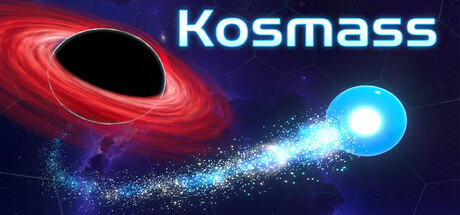
Kosmass incorporates Generative AI specifically for the creation of musical compositions and store page banner artwork. These assets were generated, selected, and refined by me to ensure originality and quality.
The development of this game was handled by a team of just two people. To create a rich and engaging visual novel despite our small size, we used artificial intelligence (AI) as an assistive tool. AI was involved in the initial generation of several elements, including background images, sound effects, and provided a base for editing the character sprites.
Every AI-generated asset was then carefully selected, thoroughly edited, and integrated by us to ensure it fits the game's style and delivers a consistent, high-quality experience. This approach allowed us to bring our idea to life efficiently.
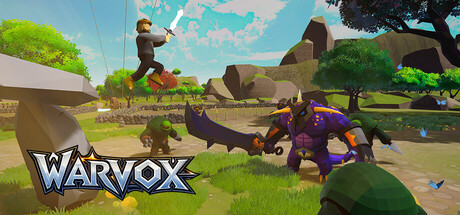
Warvox uses AI-generated artwork only for promotional images on the Steam store page.
The game itself does not use generative AI for gameplay, visuals, characters, environments, quests, dialogue, audio, or story content. All in-game assets, systems, and content are created and authored by the development team.
Any AI referenced within gameplay refers solely to traditional, non-generative game AI systems such as enemy behavior, combat logic, pathfinding, and decision-making. These systems do not generate new content and do not modify player-facing assets.
No generative AI alters player content, visuals, progression, or narrative during gameplay.
We use AI tools to support various parts of our development process:
Coding assistance: AI helps streamline parts of the game development by suggesting or optimizing code.
Concept art: We collaborate with our artists to generate AI-assisted concept art, allowing us to iterate faster during early visual development.
Marketing: Occasionally, we use AI tools in combination with our VFX and music teams to create promotional videos.
Voice acting: We use AI-generated sample lines to guide voice actors during recording sessions and provide reference tone and pacing.
As a solo developer, I use Generative AI in limited, clearly defined ways during the development of Anomaly Island.
This includes:
Assisting in the creation of certain UI elements
Helping with coding learning and a small number of the sound effects
Generating quick previews of marketing materials via in-game screenshots lightly animated into short clips for promotional use
All AI-assisted marketing assets are explicitly labeled and further edited or composited using traditional tools, such as Adobe After Effects.
All unlabeled images, screenshots, and videos shown on this Steam page or in official trailers are directly captured from real in-engine gameplay with no generative AI manipulation.
No environments, models, animations, gameplay systems, level design, or narrative content are AI-generated.
This game features pre-generated visual assets and 3D models created with the help of generative AI during the development process. These assets are fully integrated into the game files, and no AI generation occurs in real-time during gameplay."
AI generated images have been used as reference images. All generated images have been either very heavily modified or fully redrawn by artists before.
Generative artificial intelligence tools were used in a limited capacity during development to assist with asset creation and efficiency. In-game content and materials were manually reviewed, refined, and finalized by the developer.
AI tools were used to generate content for both the game and its store presence. Specifically, AI was used to create marketing materials and capsule images for the store page. In-game, AI was utilized to create visual assets for units and buildings, as well as video elements for the studio intro and the main menu.
AI used only for promo materials:
- Logos: AI-generated (image tools).
- Trailer & banners: AI-assisted.
All in-game content handcrafted. No runtime AI.
The game's cover photos were generated by artificial intelligence.
Some of the texture images in the game's content were also generated by artificial intelligence.
I use AI to generate the store covers and then refine them in Photoshop, but the game screenshots are real and were taken by me during the gameplay, just like the trailer.
Generative AI was used to assist in creating some visual assets and store page images. All content was reviewed and finalized by the developer. No AI is used during gameplay.
“AI tools were used to assist in creating certain visual assets, including store page images, main menu buttons, several in-game paintings, and one jumpscare image that appears during gameplay. AI is not used for gameplay systems, mechanics, code, or player interaction.”
This game uses pre-generated AI only for certain UI background images and promotional store visuals. These assets were created before release and remain fixed. The game does not include any live AI generation during gameplay.
Generative AI tools were used during the development process for preparing store page text and creating certain visual assets. All generated text and images have been manually reviewed and edited by the developer.
This is an independently developed game. Generative AI tools are used as an auxiliary creative method in certain development processes, including art design and assisted code development.
All AI-generated assets and code snippets have undergone original conceptualization by the developer, manual modification, detailed refinement, and strict review, ensuring that all content is legal and compliant, stylistically consistent, and does not infringe upon the intellectual property rights of any third party.
Some of the visual assets had the initial artwork generated by Sora. Then it was heavily modified and improved for the final product. No generation is done in game.
Generative AI tools were used to create visual assets including achievement icons, store page capsules, and marketing materials. Additionally, AI-based Text-to-Speech (TTS) was used for in-game voiceovers. All AI-generated content has been manually reviewed and edited to ensure high quality and consistency with the game's artistic style.
Generative AI was used during the development process to assist in creating 2D UI assets (icons) and drafting text for the store page and item descriptions. All AI-generated content was reviewed, edited, and finalized by the developer to ensure it fits the game's aesthetic and does not contain infringing material. The game does not generate any content live via AI during gameplay.
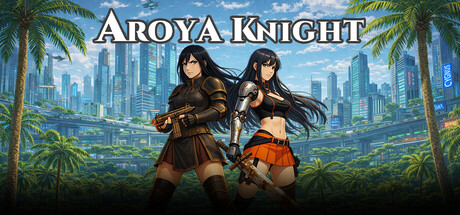
Aroya Knight is developed in Godot with a focus on precision and hand-crafted systems. While generative AI assisted in the early conceptual stages of asset creation, every asset has been manually crafted to ensure a cohesive aesthetic. Most importantly, all code is hand-written—including the 3,000+ line player controller—to guarantee the tight, responsive gameplay essential for a high-stakes Metroidvania.
Kosmass incorporates Generative AI specifically for the creation of musical compositions and store page banner artwork. These assets were generated, selected, and refined by me to ensure originality and quality.
The development of this game was handled by a team of just two people. To create a rich and engaging visual novel despite our small size, we used artificial intelligence (AI) as an assistive tool. AI was involved in the initial generation of several elements, including background images, sound effects, and provided a base for editing the character sprites.
Every AI-generated asset was then carefully selected, thoroughly edited, and integrated by us to ensure it fits the game's style and delivers a consistent, high-quality experience. This approach allowed us to bring our idea to life efficiently.
Warvox uses AI-generated artwork only for promotional images on the Steam store page.
The game itself does not use generative AI for gameplay, visuals, characters, environments, quests, dialogue, audio, or story content. All in-game assets, systems, and content are created and authored by the development team.
Any AI referenced within gameplay refers solely to traditional, non-generative game AI systems such as enemy behavior, combat logic, pathfinding, and decision-making. These systems do not generate new content and do not modify player-facing assets.
No generative AI alters player content, visuals, progression, or narrative during gameplay.
We use AI tools to support various parts of our development process:
Coding assistance: AI helps streamline parts of the game development by suggesting or optimizing code.
Concept art: We collaborate with our artists to generate AI-assisted concept art, allowing us to iterate faster during early visual development.
Marketing: Occasionally, we use AI tools in combination with our VFX and music teams to create promotional videos.
Voice acting: We use AI-generated sample lines to guide voice actors during recording sessions and provide reference tone and pacing.
As a solo developer, I use Generative AI in limited, clearly defined ways during the development of Anomaly Island.
This includes:
Assisting in the creation of certain UI elements
Helping with coding learning and a small number of the sound effects
Generating quick previews of marketing materials via in-game screenshots lightly animated into short clips for promotional use
All AI-assisted marketing assets are explicitly labeled and further edited or composited using traditional tools, such as Adobe After Effects.
All unlabeled images, screenshots, and videos shown on this Steam page or in official trailers are directly captured from real in-engine gameplay with no generative AI manipulation.
No environments, models, animations, gameplay systems, level design, or narrative content are AI-generated.
This game features pre-generated visual assets and 3D models created with the help of generative AI during the development process. These assets are fully integrated into the game files, and no AI generation occurs in real-time during gameplay."
AI generated images have been used as reference images. All generated images have been either very heavily modified or fully redrawn by artists before.
Generative artificial intelligence tools were used in a limited capacity during development to assist with asset creation and efficiency. In-game content and materials were manually reviewed, refined, and finalized by the developer.
AI tools were used to generate content for both the game and its store presence. Specifically, AI was used to create marketing materials and capsule images for the store page. In-game, AI was utilized to create visual assets for units and buildings, as well as video elements for the studio intro and the main menu.
AI used only for promo materials:
- Logos: AI-generated (image tools).
- Trailer & banners: AI-assisted.
All in-game content handcrafted. No runtime AI.
The game's cover photos were generated by artificial intelligence.
Some of the texture images in the game's content were also generated by artificial intelligence.
I use AI to generate the store covers and then refine them in Photoshop, but the game screenshots are real and were taken by me during the gameplay, just like the trailer.
Generative AI was used to assist in creating some visual assets and store page images. All content was reviewed and finalized by the developer. No AI is used during gameplay.
“AI tools were used to assist in creating certain visual assets, including store page images, main menu buttons, several in-game paintings, and one jumpscare image that appears during gameplay. AI is not used for gameplay systems, mechanics, code, or player interaction.”
This game uses pre-generated AI only for certain UI background images and promotional store visuals. These assets were created before release and remain fixed. The game does not include any live AI generation during gameplay.
Generative AI tools were used during the development process for preparing store page text and creating certain visual assets. All generated text and images have been manually reviewed and edited by the developer.
This is an independently developed game. Generative AI tools are used as an auxiliary creative method in certain development processes, including art design and assisted code development.
All AI-generated assets and code snippets have undergone original conceptualization by the developer, manual modification, detailed refinement, and strict review, ensuring that all content is legal and compliant, stylistically consistent, and does not infringe upon the intellectual property rights of any third party.
Some of the visual assets had the initial artwork generated by Sora. Then it was heavily modified and improved for the final product. No generation is done in game.
Generative AI tools were used to create visual assets including achievement icons, store page capsules, and marketing materials. Additionally, AI-based Text-to-Speech (TTS) was used for in-game voiceovers. All AI-generated content has been manually reviewed and edited to ensure high quality and consistency with the game's artistic style.
Generative AI was used during the development process to assist in creating 2D UI assets (icons) and drafting text for the store page and item descriptions. All AI-generated content was reviewed, edited, and finalized by the developer to ensure it fits the game's aesthetic and does not contain infringing material. The game does not generate any content live via AI during gameplay.
Aroya Knight is developed in Godot with a focus on precision and hand-crafted systems. While generative AI assisted in the early conceptual stages of asset creation, every asset has been manually crafted to ensure a cohesive aesthetic. Most importantly, all code is hand-written—including the 3,000+ line player controller—to guarantee the tight, responsive gameplay essential for a high-stakes Metroidvania.