Public Steam disclosure research25,878 disclosures tracked
Where do games disclose AI use?
Search developers’ Steam disclosures, compare classified AI use across
games, and follow recorded changes.
This index adds cross-game classifications and statistics to
statements published on individual store pages.
Groups reflect automatic analysis of public disclosures; mature records are excluded. These counts do not measure AI use across all of Steam.
Missing or unclear statements cannot establish whether a game uses AI.
AI was used in the coding of this game, the asset generation, brainstorming practical solutions (knowledge about opensource tts options, distribution options), and in helping problem solve most steps in the development, and application process. It allowed one developer to create a high quality, low cost educational product to greatly assist in language learning worldwide.
During the development of this game, we used generative AI tools to assist in creating two types of core content: first, game-related graphical materials, including capsule images required for store promotion (such as Header Capsule, Small Capsule, etc.), in-game scene illustrations, character design reference images, and other visual assets; second, game audio materials, including background music for scenes, operational interaction sound effects, and other musical content. All AI-generated materials have undergone screening, modification, and compliance review by the development team to ensure they meet Steam's graphical asset rules and content guidelines. The final presentation is highly consistent with the game's overall style and core gameplay, and does not involve any non-compliant or infringing content.
AI is used only during the early concept and ideation stages of some art. All final in-game assets are created and implemented by the development team.
AI-assisted tools were used during the development of this game, including assistance with writing game code, some audio assets, and certain promotional materials for this store page. All AI-assisted content was directed, reviewed, and integrated by the developer, and the game's design and creative direction are the developer's own. The game does not use AI at runtime: no gameplay content, player-facing text, or other material is generated by AI while playing.
Some art work and visual assets in this game were created using AI-assisted tools. No AI is used during gameplay and no content is generated in real time.
This game uses generative AI only to create a player character’s 3D head. The AI uses a fixed set of pre-approved traits and does not allow text prompts, user uploads, copyrighted references, brands, or trademarked characters.
All outputs are controlled and reviewed to ensure they follow Steam’s guidelines.
About half of the character 3D models were created using AI. AI was used for most of the music, with a few exceptions. For images, AI was used for the icons.
AI has been used to fill in art, music and code due to lack of sufficient resources available. This is not satisfactory in the long run.
The ambition is to eventually replace all AI content with proper man-made assets assuming the revenue increases. I apologize for the slop, but we will have to bear it for now.
This game does not use AI to generate any runtime content during gameplay. AI tools were used only for marketing and promotional materials and do not affect the game itself or player experience.
This game does not use artificial intelligence during gameplay. However, AI tools were used to assist in creating certain promotional and marketing materials, such as key art and visual assets for the store page.
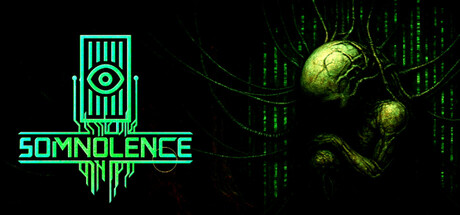
Some visual and audio assets in Somnolence were created or enhanced using AI-assisted tools during development, such as generative image and voice synthesis software.
All content has been manually reviewed, edited, and integrated by the developer to fit the game’s narrative and aesthetic design.
The game itself does not generate or modify content in real time.
AI is used in very limited terms for creating some portions of the store graphic images, which are then modified in paint software for the final product. AI images may be used in some in-game backgrounds like Credits pages, but modified as required. AI is not used to create the game itself or its scripting.
The story, narrative, and core implementation are entirely human-made.
AI tools were used for supporting elements in voice acting (ElevenLabs), imagery, music production, and video. Less than 15% of videographic content used AI generation (primarily edited in Canva and Filmora).
Our two-person team meticulously guided and refined all AI-assisted content, spending hours to meet specific narrative and quality requirements. We specifically chose ElevenLabs as they contribute directly to Voice Actors through royalties and licensing deals.
Special thanks to the Pixabay community for providing the high-quality audio alternatives used when the GenAI Content toggle is inactive.
The developer's description of how AI-generated content is used in the game is as follows:
Certain artistic assets in this work were produced using Stable Diffusion, including but not limited to: scene images, loading images, and select item icons.
Artificial intelligence (AI) was leveraged for key aspects of the game's development, including in-game logic, support systems, and certain artistic assets.
Regarding the composition of game and store images, I used the AI model DeepSeek-R1 to generate them.As far as I know, images generated by AI usually do not have copyright
1. In-game voice lines are dubbed using AI.
2. The game includes one original BGM track by the developer; all other in-game sound effects are generated using AI.
3. Some AI-generated images are used as widgets.
4. A portion of the in-game models (about 5%) were initially created with AI and then modified.
The vending machine and island promo art were AI-generated; the final assets were later hand-retouched. The vending-machine’s facial animations were NOT made with AI.
Some character CG drafts and partial visual materials were created with the assistance of AI tools.
Additionally, AI-generated voice lines were used for some characters.
No AI is used to generate content dynamically during gameplay.
Only a few visuals, specifically posters and promotional materials displayed on the Steam store page, were created with the help of AI tools. No in-game content was AI-generated
AI was used in the coding of this game, the asset generation, brainstorming practical solutions (knowledge about opensource tts options, distribution options), and in helping problem solve most steps in the development, and application process. It allowed one developer to create a high quality, low cost educational product to greatly assist in language learning worldwide.
During the development of this game, we used generative AI tools to assist in creating two types of core content: first, game-related graphical materials, including capsule images required for store promotion (such as Header Capsule, Small Capsule, etc.), in-game scene illustrations, character design reference images, and other visual assets; second, game audio materials, including background music for scenes, operational interaction sound effects, and other musical content. All AI-generated materials have undergone screening, modification, and compliance review by the development team to ensure they meet Steam's graphical asset rules and content guidelines. The final presentation is highly consistent with the game's overall style and core gameplay, and does not involve any non-compliant or infringing content.
AI is used only during the early concept and ideation stages of some art. All final in-game assets are created and implemented by the development team.
AI-assisted tools were used during the development of this game, including assistance with writing game code, some audio assets, and certain promotional materials for this store page. All AI-assisted content was directed, reviewed, and integrated by the developer, and the game's design and creative direction are the developer's own. The game does not use AI at runtime: no gameplay content, player-facing text, or other material is generated by AI while playing.
Some art work and visual assets in this game were created using AI-assisted tools. No AI is used during gameplay and no content is generated in real time.
This game uses generative AI only to create a player character’s 3D head. The AI uses a fixed set of pre-approved traits and does not allow text prompts, user uploads, copyrighted references, brands, or trademarked characters.
All outputs are controlled and reviewed to ensure they follow Steam’s guidelines.
About half of the character 3D models were created using AI. AI was used for most of the music, with a few exceptions. For images, AI was used for the icons.
AI has been used to fill in art, music and code due to lack of sufficient resources available. This is not satisfactory in the long run.
The ambition is to eventually replace all AI content with proper man-made assets assuming the revenue increases. I apologize for the slop, but we will have to bear it for now.
This game does not use AI to generate any runtime content during gameplay. AI tools were used only for marketing and promotional materials and do not affect the game itself or player experience.
This game does not use artificial intelligence during gameplay. However, AI tools were used to assist in creating certain promotional and marketing materials, such as key art and visual assets for the store page.
Some visual and audio assets in Somnolence were created or enhanced using AI-assisted tools during development, such as generative image and voice synthesis software.
All content has been manually reviewed, edited, and integrated by the developer to fit the game’s narrative and aesthetic design.
The game itself does not generate or modify content in real time.
AI is used in very limited terms for creating some portions of the store graphic images, which are then modified in paint software for the final product. AI images may be used in some in-game backgrounds like Credits pages, but modified as required. AI is not used to create the game itself or its scripting.
The story, narrative, and core implementation are entirely human-made.
AI tools were used for supporting elements in voice acting (ElevenLabs), imagery, music production, and video. Less than 15% of videographic content used AI generation (primarily edited in Canva and Filmora).
Our two-person team meticulously guided and refined all AI-assisted content, spending hours to meet specific narrative and quality requirements. We specifically chose ElevenLabs as they contribute directly to Voice Actors through royalties and licensing deals.
Special thanks to the Pixabay community for providing the high-quality audio alternatives used when the GenAI Content toggle is inactive.
The developer's description of how AI-generated content is used in the game is as follows:
Certain artistic assets in this work were produced using Stable Diffusion, including but not limited to: scene images, loading images, and select item icons.
Artificial intelligence (AI) was leveraged for key aspects of the game's development, including in-game logic, support systems, and certain artistic assets.
Regarding the composition of game and store images, I used the AI model DeepSeek-R1 to generate them.As far as I know, images generated by AI usually do not have copyright
1. In-game voice lines are dubbed using AI.
2. The game includes one original BGM track by the developer; all other in-game sound effects are generated using AI.
3. Some AI-generated images are used as widgets.
4. A portion of the in-game models (about 5%) were initially created with AI and then modified.
The vending machine and island promo art were AI-generated; the final assets were later hand-retouched. The vending-machine’s facial animations were NOT made with AI.
Some character CG drafts and partial visual materials were created with the assistance of AI tools.
Additionally, AI-generated voice lines were used for some characters.
No AI is used to generate content dynamically during gameplay.
Only a few visuals, specifically posters and promotional materials displayed on the Steam store page, were created with the help of AI tools. No in-game content was AI-generated