Public Steam disclosure research25,497 disclosures tracked
Where do games disclose AI use?
Search developers’ Steam disclosures, compare classified AI use across
games, and follow recorded changes.
This index adds cross-game classifications and statistics to
statements published on individual store pages.
Groups reflect automatic analysis of public disclosures; mature records are excluded. These counts do not measure AI use across all of Steam.
Missing or unclear statements cannot establish whether a game uses AI.
Generative AI was used during development. Part of the graphics (characters, enemies, bosses, icons, room backgrounds and backdrops) was created with image-generation tools: Google Gemini, OpenAI ChatGPT and a locally run Stable Diffusion model. Part of the music was created with audio-generation tools (Google Gemini). Part of the code, room layouts and texts were written with the help of an AI assistant. The developer reviewed, cut, retouched and hand-adjusted all of this material before adding it to the game. The game does not generate any AI content while it is being played.
Some pre-generated 2D artwork, visual effects, icons, maps, promotional images, and achievement artwork were created or refined with generative AI during development. All AI-generated output was reviewed, edited, and integrated by the development team. The game does not use generative AI at runtime and does not generate player-facing text, images, audio, music, code, or other content while you play.
Some visual assets in this game were generated using AI. Specifically: planet sprites/textures are AI-generated. All other in-game art is purchased/licensed, not AI-generated, and all audio is purchased/licensed, not AI-generated.
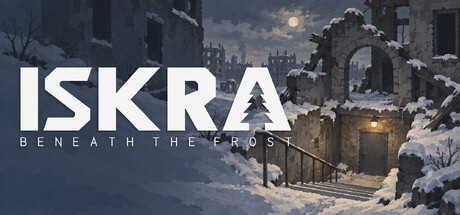
ISKRA currently includes AI-generated artwork prepared during development. We plan to replace this artwork with work created by human artists before leaving Early Access, giving the game the individual artistic identity we envision.
Generative AI tools were used to help create some store and promotional artwork, including capsule images and Steam library artwork. These assets were prepared before release. The game does not generate AI content during gameplay or connect to external AI services.
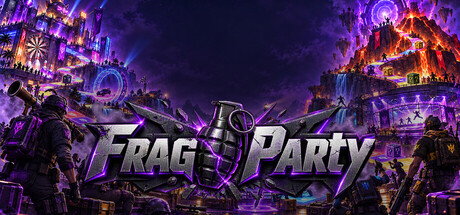
Parts of Frag Party's artwork and translated text were produced with generative AI tools.
Artwork: the promotional key art that the store capsules are composed from, and a small number of
static wallpaper images used as backdrops behind a few of the challenges.
Text: the non-English interface translations (Spanish, French, Portuguese, Russian, Arabic and
Simplified Chinese). English is the original and was written by hand.
Everything else is human-made: all gameplay and code, the 3D characters, weapons and environments,
animation, interface layout and audio. Nothing is generated while you play, and the game does not
connect to any AI service.
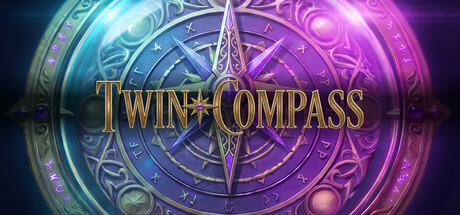
Some of the visual assets in Twin Compass, including enemy and character illustrations, background art, and UI decoration, were created with the assistance of generative AI tools, then selected, edited, composited, and hand-tuned by the developer for use in the game. All game design, code, writing, systems, and final asset integration are human-authored. No AI is used at runtime, the game generates nothing on the player's machine and makes no external requests during play.
Logo/branding art: The game's logo and some promotional material was generated using an AI image generation tool.
Modeling: A handfull of props where generated using AI.
Localization: In-game text (menus, UI, dialogue, and other player-facing strings) has been translated into additional languages using AI translation tools, so accuracy and natural phrasing may vary by language.
Generative AI was used to assist in creating pre-generated in-game content, including visual assets, text, and audio, as well as certain Steam store and marketing materials. The game does not use generative AI to generate content in real time during gameplay.
Generative AI was used to assist in the creation of some promotional artwork for ENCYCLORA, including selected graphical assets used on the Steam store page. The ENCYCLORA application itself does not use generative AI and does not generate AI content during use.
This game uses pre-generated AI-assisted visual content. Generative AI tools were used during development to help create and refine some 2D artwork and Steam store materials, including Chinese ink-style backgrounds, capsule images, UI/marketing artwork, icons, and related visual elements. All AI-assisted assets were reviewed and edited by the developer before being included. The game does not use live generative AI during gameplay, and no player input is sent to an AI service to generate content.
Generative AI was used primarily to assist in the creation of some visual assets and images used in the game, including illustrations, UI artwork, and promotional materials. AI-generated images were manually reviewed, selected, edited, and adjusted by the developer before being integrated into the game.
The game does not use generative AI to create content in real time during gameplay.
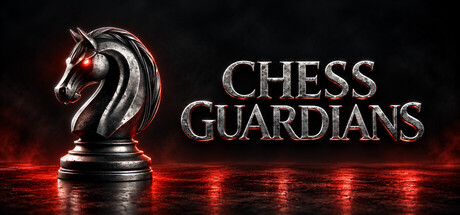
Powered by some of the most advanced chess engines ever created. It also uses two neural networks to recognize chess positions directly from game diagrams, turning images into playable positions in seconds.
The game engine is written with substantial AI assistance.
Some dialogues and quest texts are AI generated, and are successively replaced by human-written dialogue. Every piece of flavor text has a label that states the author (human or ai).
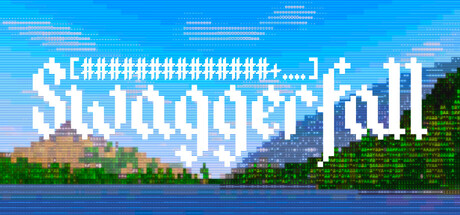
The 3D character models are currently generated with AI, and then transformed through a custom pipeline to work with the text-based graphics and CPU rendering. It is possible to replace them with manually crafted models.
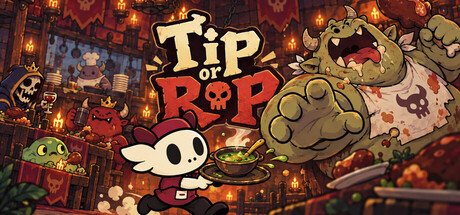
We combined hands-on development with AI tools to help speed up our workflow, including work on artwork, music, text, and translations. Our team designed and built the game, guided its creative direction, and edited and refined the visuals to match TIP or RIP’s cartoon style.
Some promotional artwork on this store page was created using generative AI tools. All in-game assets (characters, environments, effects) are original or licensed third-party content.
Generative AI was used during development to create and assist with character illustrations, card artwork, textures, other visual assets, music, story text, localization, and store and promotional artwork. The game uses pre-generated content selected and incorporated by the developer. It does not generate content with AI during gameplay or connect to external AI services during gameplay. Generative AI was also used for narration in promotional videos.
Generative AI tools were used to assist in creating selected store and promotional artwork. All such assets were subsequently edited, modified and finalized by a human artist. The game itself does not generate AI content at runtime.
AI-assisted tools were used during development to help create visual assets. These assets are included as finished content; the game does not use generative AI during gameplay.
AI assistance was limited to Python programming, including code that helps to draw environments and visual effects in Pygame. These visuals are rendered in code entirely in Python.
Sprite artwork and sound effects were created without generative AI and are sourced from licensed third-party assets.
The soundtrack for the game and trailer was composed specifically for the project in FL Studio.
No generative AI models run in the game or generate content during gameplay.
Generative AI tools were used during development to assist with the creation of some pre-generated visual artwork. AI-assisted artwork is substantially edited, painted over, composited, and finalized by the developer before inclusion in the game. No generative AI is used to create content during gameplay.
Some in-game visual assets (icons and other artwork) were created with generative AI tools during development. Localization text was also drafted with AI and then reviewed by the developer. All shipped images and translations were checked before release. No AI content is generated while the game is running.
Generative AI was used during development to create artwork, music, sound effects, and translations, as well as store and promotional artwork. The game does not generate AI content during gameplay or connect to external AI services.
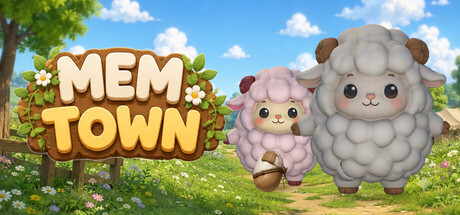
Some 3D models and textures in MemTown were created or converted with the assistance of generative AI during development. These assets are used for certain tools, capture capsules, resource objects, and production facilities in the territory.
Generative AI was used to create some pre-generated artwork, audio, and text included in the game and its promotional materials. The game does not generate AI content during gameplay.
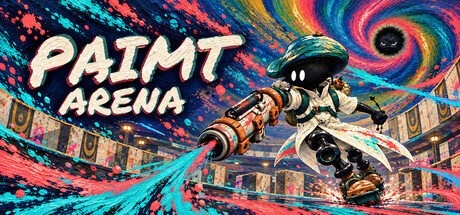
Some of PAIMT ARENA's 3D weapon models started as AI-generated meshes (Tripo) that were then hand-edited, retopologized, textured and rigged by the team. Some store and library artwork was produced with AI image tools and then edited by hand. No content is generated during play; gameplay, code, level design and UI are human-authored.
Generative AI was used to create some of the visual artwork used in the application and on the Steam Store page. AI-assisted tools were also used during development to help generate and refine portions of the application's code. No generative AI is used during runtime, and all AI-assisted content was reviewed and integrated as part of the development process.
Generative AI is used to story board, code, analyze code, analyze performance, create thumbnails and many basic tasks like that to speed up workflows. We pay human artists for things like zombies, guns, props, static meshes etc.
Some pre-generated artwork used in the game and on its Steam store page, including title, introduction, event illustration, and capsule artwork, was created using OpenAI image generation tools. One music track was generated using Google Gemini from a developer-written prompt. All generated assets were reviewed and selected by the developer before release. The game does not generate AI content during gameplay or connect to external AI services.
Generative AI was used in the creation of select in-game BGM (music) as well as promotional graphics and in-game imagery (such as concept artwork and backgrounds).
Some background environment props and their textures (signage, lamps,
surfaces, decals and small set-dressing objects) were generated with AI
assistance, using AI written procedural code rather than an image or mesh
generator. They ship with the game as scenery.
Everything else is the developer's own work: all writing and in-game text,
game design, game code, audio and sound design, the visual identity, and all
store page art.
No AI generated content is produced while the game is running.
Generative AI tools were used during development to assist with the creation of selected visual, audio and creative assets. All content included in the final game was reviewed and selected by the developer.
Pre-generated AI tools were used during development to create portions of the game's static 2D artwork and music, including some environment and character images, store marketing art, and achievement icons. The outputs were selected, edited, integrated, and reviewed by the developer. No content is generated while the game is running, and the game does not send player prompts or player data to any AI service.
AI tools were used during development for programming, image creation, scenario writing, and translation.
All AI-assisted or AI-generated content has been reviewed and, where necessary, edited by the developer before being included in the final release.
No content is generated by AI during gameplay.
Generative AI was used during development. Part of the graphics (characters, enemies, bosses, icons, room backgrounds and backdrops) was created with image-generation tools: Google Gemini, OpenAI ChatGPT and a locally run Stable Diffusion model. Part of the music was created with audio-generation tools (Google Gemini). Part of the code, room layouts and texts were written with the help of an AI assistant. The developer reviewed, cut, retouched and hand-adjusted all of this material before adding it to the game. The game does not generate any AI content while it is being played.
Some pre-generated 2D artwork, visual effects, icons, maps, promotional images, and achievement artwork were created or refined with generative AI during development. All AI-generated output was reviewed, edited, and integrated by the development team. The game does not use generative AI at runtime and does not generate player-facing text, images, audio, music, code, or other content while you play.
Some visual assets in this game were generated using AI. Specifically: planet sprites/textures are AI-generated. All other in-game art is purchased/licensed, not AI-generated, and all audio is purchased/licensed, not AI-generated.
ISKRA currently includes AI-generated artwork prepared during development. We plan to replace this artwork with work created by human artists before leaving Early Access, giving the game the individual artistic identity we envision.
Generative AI tools were used to help create some store and promotional artwork, including capsule images and Steam library artwork. These assets were prepared before release. The game does not generate AI content during gameplay or connect to external AI services.
Parts of Frag Party's artwork and translated text were produced with generative AI tools.
Artwork: the promotional key art that the store capsules are composed from, and a small number of
static wallpaper images used as backdrops behind a few of the challenges.
Text: the non-English interface translations (Spanish, French, Portuguese, Russian, Arabic and
Simplified Chinese). English is the original and was written by hand.
Everything else is human-made: all gameplay and code, the 3D characters, weapons and environments,
animation, interface layout and audio. Nothing is generated while you play, and the game does not
connect to any AI service.
Some of the visual assets in Twin Compass, including enemy and character illustrations, background art, and UI decoration, were created with the assistance of generative AI tools, then selected, edited, composited, and hand-tuned by the developer for use in the game. All game design, code, writing, systems, and final asset integration are human-authored. No AI is used at runtime, the game generates nothing on the player's machine and makes no external requests during play.
Logo/branding art: The game's logo and some promotional material was generated using an AI image generation tool.
Modeling: A handfull of props where generated using AI.
Localization: In-game text (menus, UI, dialogue, and other player-facing strings) has been translated into additional languages using AI translation tools, so accuracy and natural phrasing may vary by language.
Generative AI was used to assist in creating pre-generated in-game content, including visual assets, text, and audio, as well as certain Steam store and marketing materials. The game does not use generative AI to generate content in real time during gameplay.
Generative AI was used to assist in the creation of some promotional artwork for ENCYCLORA, including selected graphical assets used on the Steam store page. The ENCYCLORA application itself does not use generative AI and does not generate AI content during use.
This game uses pre-generated AI-assisted visual content. Generative AI tools were used during development to help create and refine some 2D artwork and Steam store materials, including Chinese ink-style backgrounds, capsule images, UI/marketing artwork, icons, and related visual elements. All AI-assisted assets were reviewed and edited by the developer before being included. The game does not use live generative AI during gameplay, and no player input is sent to an AI service to generate content.
Generative AI was used primarily to assist in the creation of some visual assets and images used in the game, including illustrations, UI artwork, and promotional materials. AI-generated images were manually reviewed, selected, edited, and adjusted by the developer before being integrated into the game.
The game does not use generative AI to create content in real time during gameplay.
Powered by some of the most advanced chess engines ever created. It also uses two neural networks to recognize chess positions directly from game diagrams, turning images into playable positions in seconds.
The game engine is written with substantial AI assistance.
Some dialogues and quest texts are AI generated, and are successively replaced by human-written dialogue. Every piece of flavor text has a label that states the author (human or ai).
The 3D character models are currently generated with AI, and then transformed through a custom pipeline to work with the text-based graphics and CPU rendering. It is possible to replace them with manually crafted models.
We combined hands-on development with AI tools to help speed up our workflow, including work on artwork, music, text, and translations. Our team designed and built the game, guided its creative direction, and edited and refined the visuals to match TIP or RIP’s cartoon style.
Some promotional artwork on this store page was created using generative AI tools. All in-game assets (characters, environments, effects) are original or licensed third-party content.
Generative AI was used during development to create and assist with character illustrations, card artwork, textures, other visual assets, music, story text, localization, and store and promotional artwork. The game uses pre-generated content selected and incorporated by the developer. It does not generate content with AI during gameplay or connect to external AI services during gameplay. Generative AI was also used for narration in promotional videos.
Generative AI tools were used to assist in creating selected store and promotional artwork. All such assets were subsequently edited, modified and finalized by a human artist. The game itself does not generate AI content at runtime.
AI-assisted tools were used during development to help create visual assets. These assets are included as finished content; the game does not use generative AI during gameplay.
AI assistance was limited to Python programming, including code that helps to draw environments and visual effects in Pygame. These visuals are rendered in code entirely in Python.
Sprite artwork and sound effects were created without generative AI and are sourced from licensed third-party assets.
The soundtrack for the game and trailer was composed specifically for the project in FL Studio.
No generative AI models run in the game or generate content during gameplay.
Generative AI tools were used during development to assist with the creation of some pre-generated visual artwork. AI-assisted artwork is substantially edited, painted over, composited, and finalized by the developer before inclusion in the game. No generative AI is used to create content during gameplay.
Some in-game visual assets (icons and other artwork) were created with generative AI tools during development. Localization text was also drafted with AI and then reviewed by the developer. All shipped images and translations were checked before release. No AI content is generated while the game is running.
Generative AI was used during development to create artwork, music, sound effects, and translations, as well as store and promotional artwork. The game does not generate AI content during gameplay or connect to external AI services.
Some 3D models and textures in MemTown were created or converted with the assistance of generative AI during development. These assets are used for certain tools, capture capsules, resource objects, and production facilities in the territory.
Generative AI was used to create some pre-generated artwork, audio, and text included in the game and its promotional materials. The game does not generate AI content during gameplay.
Some of PAIMT ARENA's 3D weapon models started as AI-generated meshes (Tripo) that were then hand-edited, retopologized, textured and rigged by the team. Some store and library artwork was produced with AI image tools and then edited by hand. No content is generated during play; gameplay, code, level design and UI are human-authored.
Generative AI was used to create some of the visual artwork used in the application and on the Steam Store page. AI-assisted tools were also used during development to help generate and refine portions of the application's code. No generative AI is used during runtime, and all AI-assisted content was reviewed and integrated as part of the development process.
Generative AI is used to story board, code, analyze code, analyze performance, create thumbnails and many basic tasks like that to speed up workflows. We pay human artists for things like zombies, guns, props, static meshes etc.
Some pre-generated artwork used in the game and on its Steam store page, including title, introduction, event illustration, and capsule artwork, was created using OpenAI image generation tools. One music track was generated using Google Gemini from a developer-written prompt. All generated assets were reviewed and selected by the developer before release. The game does not generate AI content during gameplay or connect to external AI services.
Generative AI was used in the creation of select in-game BGM (music) as well as promotional graphics and in-game imagery (such as concept artwork and backgrounds).
Some background environment props and their textures (signage, lamps,
surfaces, decals and small set-dressing objects) were generated with AI
assistance, using AI written procedural code rather than an image or mesh
generator. They ship with the game as scenery.
Everything else is the developer's own work: all writing and in-game text,
game design, game code, audio and sound design, the visual identity, and all
store page art.
No AI generated content is produced while the game is running.
Generative AI tools were used during development to assist with the creation of selected visual, audio and creative assets. All content included in the final game was reviewed and selected by the developer.
Pre-generated AI tools were used during development to create portions of the game's static 2D artwork and music, including some environment and character images, store marketing art, and achievement icons. The outputs were selected, edited, integrated, and reviewed by the developer. No content is generated while the game is running, and the game does not send player prompts or player data to any AI service.
AI tools were used during development for programming, image creation, scenario writing, and translation.
All AI-assisted or AI-generated content has been reviewed and, where necessary, edited by the developer before being included in the final release.
No content is generated by AI during gameplay.