Public Steam disclosure research25,376 disclosures tracked
Where do games disclose AI use?
Search developers’ Steam disclosures, compare classified AI use across
games, and follow recorded changes.
This index adds cross-game classifications and statistics to
statements published on individual store pages.
Groups reflect automatic analysis of public disclosures; mature records are excluded. These counts do not measure AI use across all of Steam.
Missing or unclear statements cannot establish whether a game uses AI.
Generative AI tools were used during development to create certain content included with the game:
Visual Art: Store/capsule art, character portraits, icons, UI illustrations, map visuals, and textures.
Audio: Narrator voiceovers generated using text-to-speech (TTS) tools, and select ambient sounds.
Music: A portion of the in-game music was generated using AI music tools.
The game uses pre-generated AI-assisted artwork, including some game visuals and Steam promotional artwork. An optional local large language model generates character conversations, some fictional social text and short resident plans during play. Players can turn the local AI feature off and continue playing.
AI tools were used during development to assist with writing and debugging game code and to generate card illustrations and promotional artwork. All AI-generated content is created before release. The game does not generate AI content during gameplay.
Some visual assets were created with the assistance of generative AI during development, while others were created manually. AI-assisted assets were reviewed and adjusted by the developer. The game does not generate AI content during gameplay.
Generative AI tools were used during development to create and refine pre-made visual assets, music and sound assets, and localized text. These assets are bundled with the game. No content is generated by AI during gameplay.
This game contains content created with the assistance of AI tools. AI was used during development to assist with programming, visual assets, and other creative elements. All generated content was reviewed, edited, and integrated by the dev.
Elya uses generative AI for optional real-time character conversations and synthesized speech. AI-assisted tools were also used to prepare portions of the store localization and selected marketing artwork. The game includes bundled local models, and users may optionally connect compatible third-party AI services or configure their own providers. Live-generated content is based on user input and character settings.
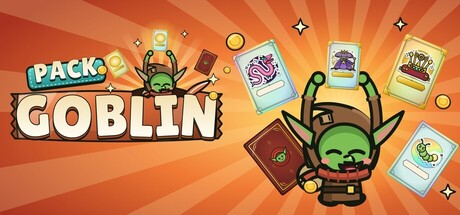
I used AI tools to turn my sketches into clean vector (SVG) art: the goblin, the cards, the decorations, the logo and the store images.
The text of this store page was written with AI help, from my own notes and my own story, and edited by me.
The game does not create any AI content while you play: everything you see was made before release.
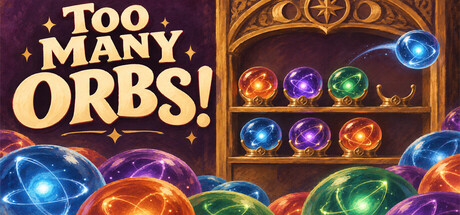
various visual assets and materials for Too Many Orbs! were created with the assistance of generative AI tools.
All AI-generated content was reviewed, refined, and integrated by the developer to ensure consistency with the game's artistic direction and quality standards.
The game is made by a single developer, with help from two friends. I used generative AI for some of the artwork (backgrounds, portraits, icons, book covers, record sleeves, skies) and for some of the music, selecting, editing and integrating every asset by hand. 3D models were bought from their creators, taken from free libraries or made in Blender, and sound effects come from free sound libraries: all authors are credited in the game.
Generative AI was used during development as a programming assistance tool and to help create selected pre-generated visual assets and marketing materials. All such content is reviewed and curated by the developer. Battle Animator does not generate AI content during runtime and does not connect to external AI services.
Generative AI was used to help create pre-generated character and enemy artwork, scene backgrounds, and store promotional illustrations. These assets were selected, prepared, and integrated by the developer. No AI content is generated during gameplay.
Pre-generated content: AI tools assisted during development. Some in-game text (commentary, TV show dialogue), the translations and the store page text were written with AI assistance, and the pixel art, music and sound effects are generated by scripts written with AI assistance. All of this content has been reviewed, approved and modified by the developer. No content is generated by AI while the game is running.
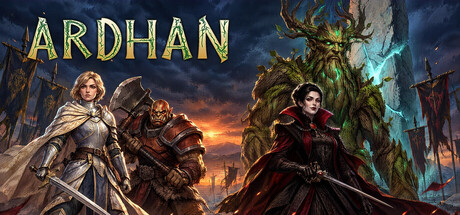
Ardhan was made by a solo developer with some help of generative AI tools. The card, hero, background and cinematic artwork, the key art on this store page, the short animated clips, the voice narration in all nine languages, part of the music and many of the sound effects were generated with AI models (image models hosted on Higgsfield; ElevenLabs voice, music and sound models) and then selected, cropped and edited by the developer. The game does not generate any content while you play, has no AI chat, and sends nothing to any AI service.
Generative AI tools were used during development to create some artwork, background music, and monster vocal effects. AI tools also assisted with the writing and translation of store-page text. These materials were prepared in advance. The game does not generate AI content or connect to third-party AI services during gameplay.
Se han utilizado herramientas de inteligencia artificial generativa durante el desarrollo para ayudar en la creación y adaptación de algunos recursos del juego, como modelos 3D, imágenes, audio y otros elementos gráficos. Todo el contenido generado con IA ha sido revisado y preparado previamente antes de incluirse en el juego. El juego no genera contenido mediante IA en tiempo real ni se conecta a servicios externos de IA durante la partida.
This game contains content created with the assistance of AI tools. AI was used during development to assist with programming, visual assets, and other creative elements. All generated content was reviewed, edited, and integrated by the dev.
AI tools were used to create artwork and assist with coding. The game's writing and planning were created by the developer. No generative AI runs during gameplay.
Generative AI tools were used to help create some visual assets, music, and store/promotional materials, and to assist with translation. No generative AI is used to create content during gameplay.
During development, AI tools assisted with modifying some existing 3D models, procedurally generating some original models and sound effects, coding, and translating the developer's own ending text. All other assets are licensed asset packs, Creative Commons music and real recordings. No AI content is generated during play.
Some of this game's assets, including artwork and sound effects, were created with the assistance of generative AI. These assets were selected and integrated by the developer for use in the game and on its Steam store page.
During development, generative AI was used to create some graphical assets and assist with translation from Japanese into other languages. This includes content used in the game, on the store page, and in promotional materials. The gaem does not use generative AI to generate content during gameplay.
Kepler Ascent was made by an independent developer with the help of generative AI tools. AI was used to write part of the game's text (story and AURA's lines), to compose the music and create AURA's synthesized voice, to build some 3D models and cinematic sets (generated through scripts), and to produce the logo and artwork of this store page (rendered from the game's own models). All of this content was created ahead of time and reviewed by the developer. Nothing is generated by AI while you play.
A few in-game images were generated with an AI image tool and edited by the developer. The game's translations were drafted with AI tools and reviewed by the developer. All other art, sound and design were made by the developer.
Parts of the game's code, interface art, store artwork and store text were created with the help of AI tools and then reviewed and edited by the developer. Nothing is generated by AI while you play.
Character art, portraits, monsters, backgrounds, item and skill icons, and story illustrations were created with AI image-generation tools, then selected, reviewed and laid out in the game by the developers. The background music was created with an AI music-generation tool (Suno). The code and text were written with AI assistance and reviewed by the developers. The game does not generate any AI content while it runs.
Some pre-generated artwork was created with the help of generative AI tools and then edited by the developer, including store and marketing images and some loading-screen art. No AI content is generated live while you play, and the game does not connect to any AI service.
Generative AI was used in the creation of images and music in the game. This content was generated and edited during development. No content is generated by AI during gameplay.
AI tools helped create some artwork, textures, visual effects, sound effects, ambience, instrumental music, translations, and store text. These are pre-generated, fixed assets. No AI content is generated and no third-party AI service is contacted during gameplay.
Pre-generated AI tools were used during development to assist with the creation and refinement of selected visual assets, localization text, and marketing materials. All AI-assisted content was reviewed, edited, and integrated by the developer before inclusion in the game or store materials. The game does not generate AI content in real time during gameplay.
Some content in this game and its store materials was created with the help of generative AI:
- Sound effects and background music were generated with Stable Audio (Stability AI) and edited by the developer.
- The trailer narration was generated with ElevenLabs.
- The store capsule artwork was created with Google's image-generation AI (Nano Banana) and finished by hand.
Cat vocalizations (meows, purrs, hisses) are real recordings, not AI-generated. The game does not generate any content with AI during gameplay.
Some of the artwork and all original background music in this game were created with the assistance of generative AI. All AI-assisted content was manually reviewed and checked for copyright compliance before release.
The game does not generate any AI content in real time during gameplay, nor does it connect to any external AI services. All consumable content is pre-generated during development and distributed as part of the game.
Generative AI was used to create some of the game's content. The illustrations and the characters (character designs and artwork and models) were created with the help of generative AI tools, then selected, edited and integrated by the developer. Some English localization text (UI and character descriptions) and the store page description were also drafted with an AI assistant and reviewed and edited by the developer. The game does not generate any content with AI while it is running.
Generative AI tools were used to create store artwork and portions of in-game text, customer support dialogue, and German/English localization during development. Development also used AI-assisted programming. The current build does not generate content during gameplay or connect to an external AI service.
NBD2 is an AI game development studio. As a solo indie dev who is unlikely to ever make a dime from any of my games, there's no other way I could bring my ideas to life.
Order of the Crystalline Tortoise was created using generative AI throughout development, including its game code, 3D models, interface art, sound and text. The models were built by AI agents writing Blender scripts, the poster is drawn by code, and the music and sound effects were synthesized by code, with gull calls from a CC0 field recording. All AI generation took place during development. The game does not generate AI content or code during play or connect to an external AI service.
I recognize AI in game development is an extremely sensitive topic and I appreciate both sides. I only hope the game is fun.
The goal should always be making something that human beings will enjoy.
This game includes pre-generated artwork, music, and text created with generative AI. The game does not generate AI content during gameplay or connect to external AI services.
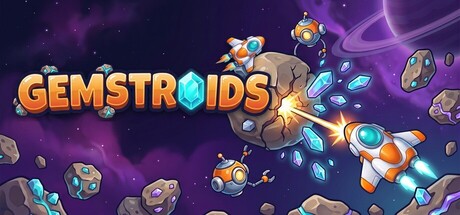
Gemstroids is a solo project, designed and directed by the developer. Art, music, sound effects, the in-game and store page texts and all translations were made with AI tools, then selected, edited and brought into one style by the developer.
This game contains pre-generated content only: no AI generates content during gameplay. The game's translations (English, German, Italian, Spanish) and the store page texts were produced with the help of AI tools, then reviewed. All in-game visuals are rendered from the game's own 3D models.
Generative AI was used to create promotional store artwork and assist with written store descriptions. The game includes Midnight Cocktails, an instrumental background-music track created with Suno. It contains no sung or spoken words.
This game uses generative AI tools for the creation of certain static visual assets, including background images, loading screens, character portraits, marketing materials, and depictions of aircraft.
AI was used during development to create some of the game's visual artwork and graphical assets. The AI-generated assets are pre-generated and included as static content in the game. No AI content is generated during gameplay, and the game does not connect to or use an AI service at runtime.
Generative AI tools were used during development to create certain content included with the game:
Visual Art: Store/capsule art, character portraits, icons, UI illustrations, map visuals, and textures.
Audio: Narrator voiceovers generated using text-to-speech (TTS) tools, and select ambient sounds.
Music: A portion of the in-game music was generated using AI music tools.
The game uses pre-generated AI-assisted artwork, including some game visuals and Steam promotional artwork. An optional local large language model generates character conversations, some fictional social text and short resident plans during play. Players can turn the local AI feature off and continue playing.
AI tools were used during development to assist with writing and debugging game code and to generate card illustrations and promotional artwork. All AI-generated content is created before release. The game does not generate AI content during gameplay.
Some visual assets were created with the assistance of generative AI during development, while others were created manually. AI-assisted assets were reviewed and adjusted by the developer. The game does not generate AI content during gameplay.
Generative AI tools were used during development to create and refine pre-made visual assets, music and sound assets, and localized text. These assets are bundled with the game. No content is generated by AI during gameplay.
This game contains content created with the assistance of AI tools. AI was used during development to assist with programming, visual assets, and other creative elements. All generated content was reviewed, edited, and integrated by the dev.
Elya uses generative AI for optional real-time character conversations and synthesized speech. AI-assisted tools were also used to prepare portions of the store localization and selected marketing artwork. The game includes bundled local models, and users may optionally connect compatible third-party AI services or configure their own providers. Live-generated content is based on user input and character settings.
I used AI tools to turn my sketches into clean vector (SVG) art: the goblin, the cards, the decorations, the logo and the store images.
The text of this store page was written with AI help, from my own notes and my own story, and edited by me.
The game does not create any AI content while you play: everything you see was made before release.
various visual assets and materials for Too Many Orbs! were created with the assistance of generative AI tools.
All AI-generated content was reviewed, refined, and integrated by the developer to ensure consistency with the game's artistic direction and quality standards.
The game is made by a single developer, with help from two friends. I used generative AI for some of the artwork (backgrounds, portraits, icons, book covers, record sleeves, skies) and for some of the music, selecting, editing and integrating every asset by hand. 3D models were bought from their creators, taken from free libraries or made in Blender, and sound effects come from free sound libraries: all authors are credited in the game.
Generative AI was used during development as a programming assistance tool and to help create selected pre-generated visual assets and marketing materials. All such content is reviewed and curated by the developer. Battle Animator does not generate AI content during runtime and does not connect to external AI services.
Generative AI was used to help create pre-generated character and enemy artwork, scene backgrounds, and store promotional illustrations. These assets were selected, prepared, and integrated by the developer. No AI content is generated during gameplay.
Pre-generated content: AI tools assisted during development. Some in-game text (commentary, TV show dialogue), the translations and the store page text were written with AI assistance, and the pixel art, music and sound effects are generated by scripts written with AI assistance. All of this content has been reviewed, approved and modified by the developer. No content is generated by AI while the game is running.
Ardhan was made by a solo developer with some help of generative AI tools. The card, hero, background and cinematic artwork, the key art on this store page, the short animated clips, the voice narration in all nine languages, part of the music and many of the sound effects were generated with AI models (image models hosted on Higgsfield; ElevenLabs voice, music and sound models) and then selected, cropped and edited by the developer. The game does not generate any content while you play, has no AI chat, and sends nothing to any AI service.
Generative AI tools were used during development to create some artwork, background music, and monster vocal effects. AI tools also assisted with the writing and translation of store-page text. These materials were prepared in advance. The game does not generate AI content or connect to third-party AI services during gameplay.
Se han utilizado herramientas de inteligencia artificial generativa durante el desarrollo para ayudar en la creación y adaptación de algunos recursos del juego, como modelos 3D, imágenes, audio y otros elementos gráficos. Todo el contenido generado con IA ha sido revisado y preparado previamente antes de incluirse en el juego. El juego no genera contenido mediante IA en tiempo real ni se conecta a servicios externos de IA durante la partida.
This game contains content created with the assistance of AI tools. AI was used during development to assist with programming, visual assets, and other creative elements. All generated content was reviewed, edited, and integrated by the dev.
AI tools were used to create artwork and assist with coding. The game's writing and planning were created by the developer. No generative AI runs during gameplay.
Generative AI tools were used to help create some visual assets, music, and store/promotional materials, and to assist with translation. No generative AI is used to create content during gameplay.
During development, AI tools assisted with modifying some existing 3D models, procedurally generating some original models and sound effects, coding, and translating the developer's own ending text. All other assets are licensed asset packs, Creative Commons music and real recordings. No AI content is generated during play.
Some of this game's assets, including artwork and sound effects, were created with the assistance of generative AI. These assets were selected and integrated by the developer for use in the game and on its Steam store page.
During development, generative AI was used to create some graphical assets and assist with translation from Japanese into other languages. This includes content used in the game, on the store page, and in promotional materials. The gaem does not use generative AI to generate content during gameplay.
Kepler Ascent was made by an independent developer with the help of generative AI tools. AI was used to write part of the game's text (story and AURA's lines), to compose the music and create AURA's synthesized voice, to build some 3D models and cinematic sets (generated through scripts), and to produce the logo and artwork of this store page (rendered from the game's own models). All of this content was created ahead of time and reviewed by the developer. Nothing is generated by AI while you play.
A few in-game images were generated with an AI image tool and edited by the developer. The game's translations were drafted with AI tools and reviewed by the developer. All other art, sound and design were made by the developer.
Parts of the game's code, interface art, store artwork and store text were created with the help of AI tools and then reviewed and edited by the developer. Nothing is generated by AI while you play.
Character art, portraits, monsters, backgrounds, item and skill icons, and story illustrations were created with AI image-generation tools, then selected, reviewed and laid out in the game by the developers. The background music was created with an AI music-generation tool (Suno). The code and text were written with AI assistance and reviewed by the developers. The game does not generate any AI content while it runs.
Some pre-generated artwork was created with the help of generative AI tools and then edited by the developer, including store and marketing images and some loading-screen art. No AI content is generated live while you play, and the game does not connect to any AI service.
Generative AI was used in the creation of images and music in the game. This content was generated and edited during development. No content is generated by AI during gameplay.
AI tools helped create some artwork, textures, visual effects, sound effects, ambience, instrumental music, translations, and store text. These are pre-generated, fixed assets. No AI content is generated and no third-party AI service is contacted during gameplay.
Pre-generated AI tools were used during development to assist with the creation and refinement of selected visual assets, localization text, and marketing materials. All AI-assisted content was reviewed, edited, and integrated by the developer before inclusion in the game or store materials. The game does not generate AI content in real time during gameplay.
Some content in this game and its store materials was created with the help of generative AI:
- Sound effects and background music were generated with Stable Audio (Stability AI) and edited by the developer.
- The trailer narration was generated with ElevenLabs.
- The store capsule artwork was created with Google's image-generation AI (Nano Banana) and finished by hand.
Cat vocalizations (meows, purrs, hisses) are real recordings, not AI-generated. The game does not generate any content with AI during gameplay.
Some of the artwork and all original background music in this game were created with the assistance of generative AI. All AI-assisted content was manually reviewed and checked for copyright compliance before release.
The game does not generate any AI content in real time during gameplay, nor does it connect to any external AI services. All consumable content is pre-generated during development and distributed as part of the game.
Generative AI was used to create some of the game's content. The illustrations and the characters (character designs and artwork and models) were created with the help of generative AI tools, then selected, edited and integrated by the developer. Some English localization text (UI and character descriptions) and the store page description were also drafted with an AI assistant and reviewed and edited by the developer. The game does not generate any content with AI while it is running.
Generative AI tools were used to create store artwork and portions of in-game text, customer support dialogue, and German/English localization during development. Development also used AI-assisted programming. The current build does not generate content during gameplay or connect to an external AI service.
NBD2 is an AI game development studio. As a solo indie dev who is unlikely to ever make a dime from any of my games, there's no other way I could bring my ideas to life.
Order of the Crystalline Tortoise was created using generative AI throughout development, including its game code, 3D models, interface art, sound and text. The models were built by AI agents writing Blender scripts, the poster is drawn by code, and the music and sound effects were synthesized by code, with gull calls from a CC0 field recording. All AI generation took place during development. The game does not generate AI content or code during play or connect to an external AI service.
I recognize AI in game development is an extremely sensitive topic and I appreciate both sides. I only hope the game is fun.
The goal should always be making something that human beings will enjoy.
This game includes pre-generated artwork, music, and text created with generative AI. The game does not generate AI content during gameplay or connect to external AI services.
Gemstroids is a solo project, designed and directed by the developer. Art, music, sound effects, the in-game and store page texts and all translations were made with AI tools, then selected, edited and brought into one style by the developer.
This game contains pre-generated content only: no AI generates content during gameplay. The game's translations (English, German, Italian, Spanish) and the store page texts were produced with the help of AI tools, then reviewed. All in-game visuals are rendered from the game's own 3D models.
Generative AI was used to create promotional store artwork and assist with written store descriptions. The game includes Midnight Cocktails, an instrumental background-music track created with Suno. It contains no sung or spoken words.
This game uses generative AI tools for the creation of certain static visual assets, including background images, loading screens, character portraits, marketing materials, and depictions of aircraft.
AI was used during development to create some of the game's visual artwork and graphical assets. The AI-generated assets are pre-generated and included as static content in the game. No AI content is generated during gameplay, and the game does not connect to or use an AI service at runtime.