Public Steam disclosure research25,512 disclosures tracked
Where do games disclose AI use?
Search developers’ Steam disclosures, compare classified AI use across
games, and follow recorded changes.
This index adds cross-game classifications and statistics to
statements published on individual store pages.
Groups reflect automatic analysis of public disclosures; mature records are excluded. These counts do not measure AI use across all of Steam.
Missing or unclear statements cannot establish whether a game uses AI.
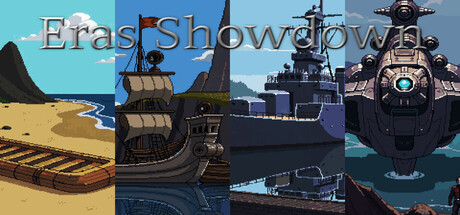
The visual assets in Eras Showdown were created using generative AI: the icons for units, items and materials, the background images, and the user-interface graphics. Every result was selected, reworked and integrated into the game by hand.
This content is pre-generated in full and ships with the installation. Eras Showdown does not generate any content via AI while playing, and it does not connect to any AI service.
Generative AI was used to assist in creating some character illustrations, background images, and localized text. All generated content was reviewed, edited, and adjusted by the developer before being implemented in the game. The game does not generate any AI content in real time during gameplay.
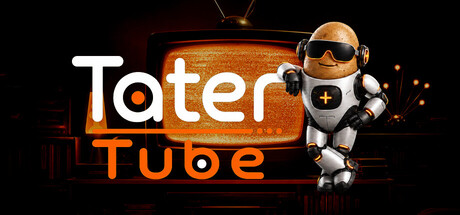
Generative AI assisted with selected original visual assets used by Tater Tube Player, including mascot illustrations, fictional demo artwork, Discovery category art, and Tube TV channel logos. These assets were reviewed before inclusion and do not contain third-party movie or television artwork.
During use, the optional Tater Picks feature can generate short recommendation explanations and a synthesized voice briefing based on titles in the user’s own Tater Tube Server library and viewing history. Tater Picks requires the user to configure Tater Link separately, does not accept free-form prompts through the Player, and is hidden when not configured. It does not generate movies, television programs, music, or other playable media.
The application itself does not use generative AI. Maps are produced by a deterministic, rule-based algorithm from signal analysis of the user's own audio file (tempo, beat grid, onsets, song structure); no machine-learning models are involved, and nothing is generated at runtime by AI.
Generative AI was used only for marketing: the animated scenes in the store trailer were produced with AI image and video tools from our own storyboard and prompts. Store screenshots are real captures of the application, and the capsule artwork was designed by hand.
Generative AI assists in creating some visual assets, music, sound effects and narrative text during development. The art assets currently shown are temporary placeholders used solely to test our technical pipeline and do not represent the final visuals.
Generative AI tools were used during development to help create character artwork, menu backgrounds, some 3D assets, and pre-rendered cinematic videos. AI-assisted tools were also used for programming and debugging. These assets are prepared before release and incorporated into the game.
This application does not use AI at runtime. Compatibility verdicts, expected
presets and the performance recommendation come from a deterministic rule set
and the developer's own hardware tier table, with no AI model involved.
AI was used only for pre-made promotional material: the narration of the
optional intro video for the developer's other product (synthetic text-to-speech
with a preset voice) and parts of the store page artwork, which were generated
with an image model and then edited by the developer. All in-app artwork,
including the mascot, is first-party.
Generative AI tools were used as part of the production process to assist in creating and refining some 2D artwork and visual assets. All such content is pre-generated and reviewed before being included in the game. No AI-generated content is created during gameplay.
Deepworks was made with the help of AI tools. Some of the game's art and audio were generated with AI and then reviewed and edited by the developer, and AI assisted with writing code. Nothing in the game is generated by AI while you play.
I'm an indie dev with a day job. Using AI made building this game possible. I built this game for the fun of it and have no interest in paying thousands or even hundreds of dollars to artists for a little side hobby.
Generative AI was used during development to create and assist with pre-generated 2D artwork, character portraits, selected UI and background artwork, achievement icons, Steam store and library marketing artwork, and portions of localization and text. All AI-assisted content was reviewed, selected, edited, and integrated by the developer. The game does not generate AI content during gameplay and does not connect to external AI services.
Some AI was used to generate marketing images and in-game content, including music and art.
This game would not be possible for a 1-person studio without such tools.
About Generative AI Content
We want to be transparent with our players about how AI was used during the development of this game:
Visual Art: Certain visual assets and background elements in this game were created with the assistance of generative AI tools, then reviewed and integrated by our team.
Code & Development: We utilized AI-powered coding assistant and large language models to help prototype, write, and optimize parts of the game's code to speed up development efficiency.
All AI-generated outputs shipped to players have been curated to ensure they meet our quality standards for your experience.
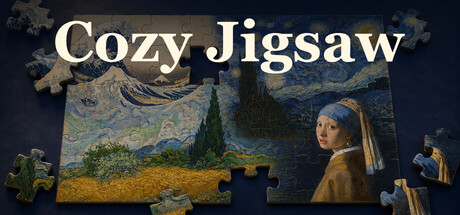
Generative AI was used to assist in creating store promotional artwork, drafting artwork descriptions, and translating interface and notebook text. The paintings used as puzzles are existing historical artworks, not AI-generated images. The game does not generate AI content during gameplay or connect to external AI services.
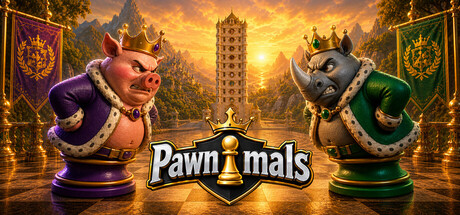
Pawnimals uses generative AI as part of its development and content creation process. Generative AI tools were used to assist with the creation and refinement of some visual assets, character artwork, animations, voice/audio content, and other creative elements in the game.
AI-generated content is reviewed, edited, directed, and integrated by the developer to maintain a consistent visual style, character design, and overall player experience. Generative AI is used as a production tool and does not generate unrestricted content based on player prompts during normal gameplay.
・We are using generative AI to reimagine characters based on original designs.
・We are using AI to generate characters based on some original designs.
・We use generative AI to create illustrations for store and website images.
・We conduct pattern testing using generative AI for logic and communication tests.
This game may include developer-directed generative AI content used during development for select visual assets, concept art, marketing materials, store/community artwork, placeholder imagery, and/or edited production assets.
All AI-assisted content is reviewed, selected, edited, and implemented by the developer. The game does not use live generative AI to create gameplay, dialogue, or player-facing content at runtime.
Some pre-generated static 2D visual assets were created with OpenAI image generation tools, including key art, fictional character portraits, historical event illustrations, map icons, and artwork used to derive store capsules. The developer selected, reviewed, edited, cropped, typeset, and integrated the final assets. Generated images contain no embedded title text; the Chinese and English logos are separately typeset using a licensed font. The game does not generate content with AI while it is running.
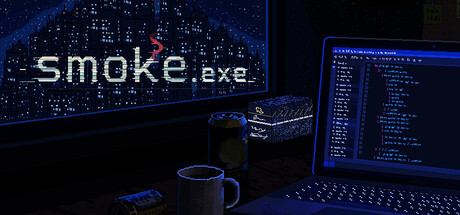
This game uses generative AI in the following ways:
Music — tracks were built from AI-generated material, then edited and arranged by hand.
Title artwork — an AI-generated rough was used as reference and redrawn by hand as pixel art.
English localization — the English text was machine-translated and then reviewed and corrected by the developer.
Code — parts of the game's code were written with AI assistance.
Everything else is made by the developer by hand: all 145 in-game icons, every UI image, the cigarette package illustrations, and the achievement icons.
This game’s player-facing art, writing, and audio were created with generative AI and then selected, edited, and directed by the developer. Store images and trailers use the same pre-generated assets. No content is generated live during gameplay.
I use AI tools mostly for generating code and audio clips. I also use AI at times for image-editing. I write all the dialogue for the characters - but all the voices inside the game are generated by AI.
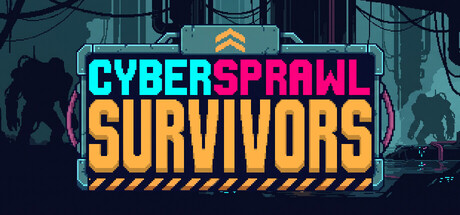
CyberSprawl: Survivors contains pre-generated visual art, written content, sound effects, and other assets created or assisted with generative AI tools, then curated and integrated by the development team. Generative AI also assists development, including code. No AI generates content during gameplay, and the game does not connect to external AI services while you play.
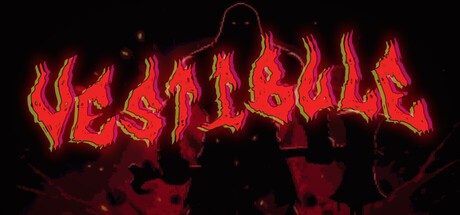
Vestibule's pixel art was generated with an AI art tool, with every design directed, refined, and hand-edited by the developer. Individual trailer and cinematic clips were generated with an AI video tool, built from the game's own artwork and developer-written scene descriptions — the final edit, scene sequencing, and music timing were done manually by the developer in After Effects. All game design, systems, writing, and code are original work.
Store page capsule is temporary ai-generated placeholder, and will be replaced soon.
Cards, some leaders and UI-elements artwork is generated with AI tools, then hand-edited before it goes into the game. They will be phased out as budget and time allows.
The following content was created with the help of AI tools:
- Store capsule images and banners
- Stage map images
- Translations into localized languages
- Steam achievement icons
All AI-generated content was reviewed by our development team before being added to the game and store page.
Some of this game's content was created with the assistance of generative AI tools and was then reviewed, edited and curated by the developer. This includes a portion of the 3D weapon and armor models (generated with AI 3D tools and hand-adjusted), the game logo and store/marketing artwork (AI image tools), and the translation of interface text into languages other than Turkish and English. No content is generated by AI at runtime and the game does not connect to any AI service.
Some of this game's content was created with the assistance of generative AI tools and was then reviewed, edited and curated by the developer. This includes a portion of the 3D shoe models (generated with AI 3D tools and hand-adjusted), the game logo and store/marketing artwork (AI image tools), and the translation of interface text into languages other than Turkish and English. No content is generated by AI at runtime and the game does not connect to any AI service.
Crappy Corp uses a small amount of pre-generated AI content, all created
during development and shipped as fixed assets: the looping background
video on the main menu, and the game's achievement icons. Both were made
with AI image and video tools and then edited and finished by hand.
Parts of the game's code were also written with AI assistance.
Everything else is not AI generated. The 3D models, characters,
environments and animations are licensed commercial asset packs or made
by us, and all sound effects and music come from licensed sound
libraries. The in-game crew voice is Steam voice chat between real
players, not synthesized speech.
No AI content is generated while you play.
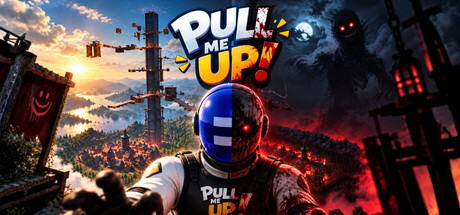
Generative AI was used during the development of Pull Me Up! to create some pre-generated content, including artwork used on the Steam store page, certain UI artwork in the game, and some written store page content. All AI-generated content was reviewed and integrated by the developer as part of the final game and store presentation.
Some store visuals (capsule art) were created using AI image generation tools.
Game text translations for languages other than English/Turkish were done with the assistance of AI translation and manual review.
Cutscenes and the visual slides featuring dialogue were created with the assistance of AI.
Some 3D models, UI assets and background music of the game were initially created with generative AI tools, and then fully revised, refined and adjusted manually by our development team.
Some artwork and promotional images used on the Steam store page were created with assistance from generative AI and subsequently reviewed and approved by humans. The game’s narrative voice-over uses pre-generated text-to-speech audio. No content is generated in real time during gameplay.
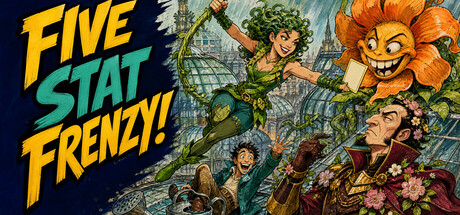
During development, generative AI tools were used to assist with selected pre-generated visual content, including some card illustrations, comic imagery and marketing artwork. Each included illustration was deliberately selected, art-directed and integrated into FIVE STAT FRENZY!’s own comic-watercolour style, cast of characters, game rules and connected Paperlight City story.
The released game uses no generative AI at runtime. Players do not enter AI prompts, and the game does not generate new images, text, dialogue, music or gameplay content while it is being played. Card values, rules, deckbuilding, rivals, campaign progression and comic unlocks are fixed, tested game content.
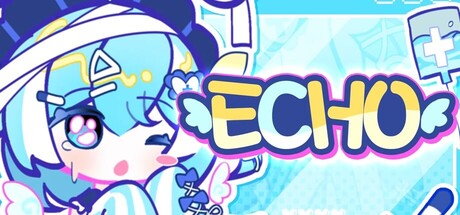
Generative AI was used to assist with localization and some written text, and to create selected artwork for official Steam Workshop content, including the abstract fallback cover in PULSE INDEX. ECHO does not generate content with AI during use or connect to external AI services during use.
Generative AI tools were used during development to assist in the creation and refinement of selected visual, audio and promotional assets.
All AI-assisted content is reviewed and curated by the development team before being included in the game or its marketing materials.
Generative AI was used to help draft some in-game text and Steam store / marketing copy. Selected upgrade card icons were purchased as AI-generated assets and then manually edited. All AI-assisted content is reviewed by the developer before shipping.
The visual assets in Eras Showdown were created using generative AI: the icons for units, items and materials, the background images, and the user-interface graphics. Every result was selected, reworked and integrated into the game by hand.
This content is pre-generated in full and ships with the installation. Eras Showdown does not generate any content via AI while playing, and it does not connect to any AI service.
Generative AI was used to assist in creating some character illustrations, background images, and localized text. All generated content was reviewed, edited, and adjusted by the developer before being implemented in the game. The game does not generate any AI content in real time during gameplay.
Generative AI assisted with selected original visual assets used by Tater Tube Player, including mascot illustrations, fictional demo artwork, Discovery category art, and Tube TV channel logos. These assets were reviewed before inclusion and do not contain third-party movie or television artwork.
During use, the optional Tater Picks feature can generate short recommendation explanations and a synthesized voice briefing based on titles in the user’s own Tater Tube Server library and viewing history. Tater Picks requires the user to configure Tater Link separately, does not accept free-form prompts through the Player, and is hidden when not configured. It does not generate movies, television programs, music, or other playable media.
The application itself does not use generative AI. Maps are produced by a deterministic, rule-based algorithm from signal analysis of the user's own audio file (tempo, beat grid, onsets, song structure); no machine-learning models are involved, and nothing is generated at runtime by AI.
Generative AI was used only for marketing: the animated scenes in the store trailer were produced with AI image and video tools from our own storyboard and prompts. Store screenshots are real captures of the application, and the capsule artwork was designed by hand.
Generative AI assists in creating some visual assets, music, sound effects and narrative text during development. The art assets currently shown are temporary placeholders used solely to test our technical pipeline and do not represent the final visuals.
Generative AI tools were used during development to help create character artwork, menu backgrounds, some 3D assets, and pre-rendered cinematic videos. AI-assisted tools were also used for programming and debugging. These assets are prepared before release and incorporated into the game.
This application does not use AI at runtime. Compatibility verdicts, expected
presets and the performance recommendation come from a deterministic rule set
and the developer's own hardware tier table, with no AI model involved.
AI was used only for pre-made promotional material: the narration of the
optional intro video for the developer's other product (synthetic text-to-speech
with a preset voice) and parts of the store page artwork, which were generated
with an image model and then edited by the developer. All in-app artwork,
including the mascot, is first-party.
Generative AI tools were used as part of the production process to assist in creating and refining some 2D artwork and visual assets. All such content is pre-generated and reviewed before being included in the game. No AI-generated content is created during gameplay.
Deepworks was made with the help of AI tools. Some of the game's art and audio were generated with AI and then reviewed and edited by the developer, and AI assisted with writing code. Nothing in the game is generated by AI while you play.
I'm an indie dev with a day job. Using AI made building this game possible. I built this game for the fun of it and have no interest in paying thousands or even hundreds of dollars to artists for a little side hobby.
Generative AI was used during development to create and assist with pre-generated 2D artwork, character portraits, selected UI and background artwork, achievement icons, Steam store and library marketing artwork, and portions of localization and text. All AI-assisted content was reviewed, selected, edited, and integrated by the developer. The game does not generate AI content during gameplay and does not connect to external AI services.
Some AI was used to generate marketing images and in-game content, including music and art.
This game would not be possible for a 1-person studio without such tools.
About Generative AI Content
We want to be transparent with our players about how AI was used during the development of this game:
Visual Art: Certain visual assets and background elements in this game were created with the assistance of generative AI tools, then reviewed and integrated by our team.
Code & Development: We utilized AI-powered coding assistant and large language models to help prototype, write, and optimize parts of the game's code to speed up development efficiency.
All AI-generated outputs shipped to players have been curated to ensure they meet our quality standards for your experience.
Generative AI was used to assist in creating store promotional artwork, drafting artwork descriptions, and translating interface and notebook text. The paintings used as puzzles are existing historical artworks, not AI-generated images. The game does not generate AI content during gameplay or connect to external AI services.
Pawnimals uses generative AI as part of its development and content creation process. Generative AI tools were used to assist with the creation and refinement of some visual assets, character artwork, animations, voice/audio content, and other creative elements in the game.
AI-generated content is reviewed, edited, directed, and integrated by the developer to maintain a consistent visual style, character design, and overall player experience. Generative AI is used as a production tool and does not generate unrestricted content based on player prompts during normal gameplay.
・We are using generative AI to reimagine characters based on original designs.
・We are using AI to generate characters based on some original designs.
・We use generative AI to create illustrations for store and website images.
・We conduct pattern testing using generative AI for logic and communication tests.
This game may include developer-directed generative AI content used during development for select visual assets, concept art, marketing materials, store/community artwork, placeholder imagery, and/or edited production assets.
All AI-assisted content is reviewed, selected, edited, and implemented by the developer. The game does not use live generative AI to create gameplay, dialogue, or player-facing content at runtime.
Some pre-generated static 2D visual assets were created with OpenAI image generation tools, including key art, fictional character portraits, historical event illustrations, map icons, and artwork used to derive store capsules. The developer selected, reviewed, edited, cropped, typeset, and integrated the final assets. Generated images contain no embedded title text; the Chinese and English logos are separately typeset using a licensed font. The game does not generate content with AI while it is running.
This game uses generative AI in the following ways:
Music — tracks were built from AI-generated material, then edited and arranged by hand.
Title artwork — an AI-generated rough was used as reference and redrawn by hand as pixel art.
English localization — the English text was machine-translated and then reviewed and corrected by the developer.
Code — parts of the game's code were written with AI assistance.
Everything else is made by the developer by hand: all 145 in-game icons, every UI image, the cigarette package illustrations, and the achievement icons.
This game’s player-facing art, writing, and audio were created with generative AI and then selected, edited, and directed by the developer. Store images and trailers use the same pre-generated assets. No content is generated live during gameplay.
I use AI tools mostly for generating code and audio clips. I also use AI at times for image-editing. I write all the dialogue for the characters - but all the voices inside the game are generated by AI.
CyberSprawl: Survivors contains pre-generated visual art, written content, sound effects, and other assets created or assisted with generative AI tools, then curated and integrated by the development team. Generative AI also assists development, including code. No AI generates content during gameplay, and the game does not connect to external AI services while you play.
Vestibule's pixel art was generated with an AI art tool, with every design directed, refined, and hand-edited by the developer. Individual trailer and cinematic clips were generated with an AI video tool, built from the game's own artwork and developer-written scene descriptions — the final edit, scene sequencing, and music timing were done manually by the developer in After Effects. All game design, systems, writing, and code are original work.
Store page capsule is temporary ai-generated placeholder, and will be replaced soon.
Cards, some leaders and UI-elements artwork is generated with AI tools, then hand-edited before it goes into the game. They will be phased out as budget and time allows.
The following content was created with the help of AI tools:
- Store capsule images and banners
- Stage map images
- Translations into localized languages
- Steam achievement icons
All AI-generated content was reviewed by our development team before being added to the game and store page.
Some of this game's content was created with the assistance of generative AI tools and was then reviewed, edited and curated by the developer. This includes a portion of the 3D weapon and armor models (generated with AI 3D tools and hand-adjusted), the game logo and store/marketing artwork (AI image tools), and the translation of interface text into languages other than Turkish and English. No content is generated by AI at runtime and the game does not connect to any AI service.
Some of this game's content was created with the assistance of generative AI tools and was then reviewed, edited and curated by the developer. This includes a portion of the 3D shoe models (generated with AI 3D tools and hand-adjusted), the game logo and store/marketing artwork (AI image tools), and the translation of interface text into languages other than Turkish and English. No content is generated by AI at runtime and the game does not connect to any AI service.
Crappy Corp uses a small amount of pre-generated AI content, all created
during development and shipped as fixed assets: the looping background
video on the main menu, and the game's achievement icons. Both were made
with AI image and video tools and then edited and finished by hand.
Parts of the game's code were also written with AI assistance.
Everything else is not AI generated. The 3D models, characters,
environments and animations are licensed commercial asset packs or made
by us, and all sound effects and music come from licensed sound
libraries. The in-game crew voice is Steam voice chat between real
players, not synthesized speech.
No AI content is generated while you play.
Generative AI was used during the development of Pull Me Up! to create some pre-generated content, including artwork used on the Steam store page, certain UI artwork in the game, and some written store page content. All AI-generated content was reviewed and integrated by the developer as part of the final game and store presentation.
Some store visuals (capsule art) were created using AI image generation tools.
Game text translations for languages other than English/Turkish were done with the assistance of AI translation and manual review.
Cutscenes and the visual slides featuring dialogue were created with the assistance of AI.
Some 3D models, UI assets and background music of the game were initially created with generative AI tools, and then fully revised, refined and adjusted manually by our development team.
Some artwork and promotional images used on the Steam store page were created with assistance from generative AI and subsequently reviewed and approved by humans. The game’s narrative voice-over uses pre-generated text-to-speech audio. No content is generated in real time during gameplay.
During development, generative AI tools were used to assist with selected pre-generated visual content, including some card illustrations, comic imagery and marketing artwork. Each included illustration was deliberately selected, art-directed and integrated into FIVE STAT FRENZY!’s own comic-watercolour style, cast of characters, game rules and connected Paperlight City story.
The released game uses no generative AI at runtime. Players do not enter AI prompts, and the game does not generate new images, text, dialogue, music or gameplay content while it is being played. Card values, rules, deckbuilding, rivals, campaign progression and comic unlocks are fixed, tested game content.
Generative AI was used to assist with localization and some written text, and to create selected artwork for official Steam Workshop content, including the abstract fallback cover in PULSE INDEX. ECHO does not generate content with AI during use or connect to external AI services during use.
Generative AI tools were used during development to assist in the creation and refinement of selected visual, audio and promotional assets.
All AI-assisted content is reviewed and curated by the development team before being included in the game or its marketing materials.
Generative AI was used to help draft some in-game text and Steam store / marketing copy. Selected upgrade card icons were purchased as AI-generated assets and then manually edited. All AI-assisted content is reviewed by the developer before shipping.