Public Steam disclosure research25,519 disclosures tracked
Where do games disclose AI use?
Search developers’ Steam disclosures, compare classified AI use across
games, and follow recorded changes.
This index adds cross-game classifications and statistics to
statements published on individual store pages.
Groups reflect automatic analysis of public disclosures; mature records are excluded. These counts do not measure AI use across all of Steam.
Missing or unclear statements cannot establish whether a game uses AI.
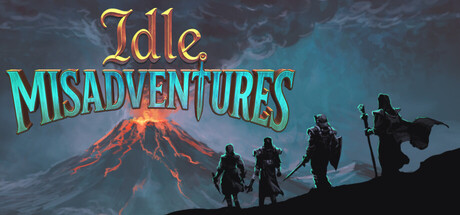
This game was developed with the assistance of generative AI tools. AI was used during development to help write and refactor portions of the game's code, and to assist with design iteration. Some in-game assets (such as placeholder art, sound effects, or text) may have been created or refined with AI assistance. All AI-assisted content was reviewed and edited by the developer before inclusion. The game does not generate any content using AI at runtime, and no live AI features are present in the released product.
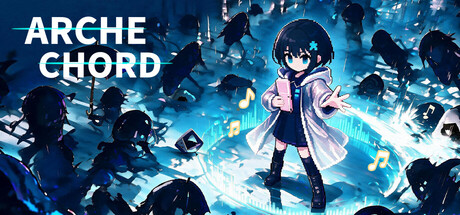
AI was used to create the full scores from chords and melody provided to create retro feel. All art and animations were drawn meticulously character by character using a personal editor I made, but I drew inspiration from generative AI to get the right feel or angles.
Visual Assets: As a solo developer, I use generative AI to create initial variations for scenery, textures, character sprites, and UI. No raw AI output ships in the game — every asset is hand-edited, composited, and cleaned up to match the game's aesthetic.
Music: The soundtrack and ambient music are created with AI audio tools, then curated and sequenced into a cohesive, atmospheric score.
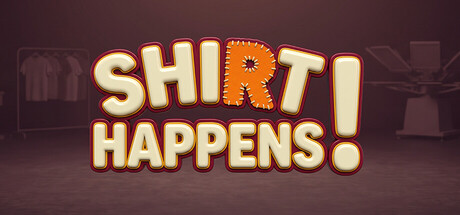
Shirt Happens! was made with the help of generative AI. We used it to write and review
code, to bring the game's mechanics online, to support our UI work, to generate visual
assets and reference images for our 2D and 3D art, to draft written text including parts
of this store page, and as a sounding board for design ideas. Everything it produced was
reviewed, edited and finished by us before it shipped.
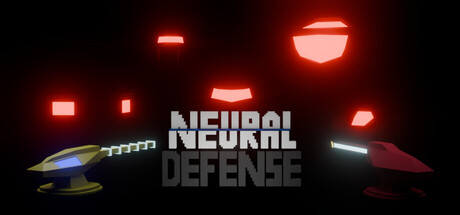
Neural Defense was developed by a five-person indie team using a combination of hand-crafted work and generative AI tools. Generative AI was used during development to assist with music composition, concept art, portions of the game's code, and the editing and expansion of some narrative text. All final in-game assets — including 3D models, textures, and visual art seen during gameplay — were hand-crafted by the studio's artists. No content or code is generated live during gameplay; everything was created, reviewed, and finalized by the team prior to release.
Generative AI was used during the development of this game. AI-assisted tools were used to create or assist with visual assets, UI elements, backgrounds, in-game text, localization, and portions of the game's code and development process. Music used in the game was not generated by AI.
All AI-assisted content was created during development. The game does not use generative AI to create content in real time during gameplay.
This game uses generative AI-assisted tools for certain visual assets and promotional materials, including some artwork shown in the store page and trailer. All AI-assisted content has been reviewed, selected, edited, and integrated by the developer.
Some user interface elements (including UI frames, buttons, panels, and HUD background art) were created with the assistance of generative AI image tools during development, then manually edited, composited, and integrated by the development team. Promotional artwork on the store page (capsule, library header/hero images) also used generative AI assistance and was human-reviewed before publication. No AI is used to generate content during gameplay.
We used an AI diffusion tool in Krita to help create the background for the small capsule shown in search results. Our artist then worked over it with several extra layers, a bit like matte painting. For now, it's a placeholder until our artist finishes the hand-painted version of the small capsule.
The logo and the other capsule images were already hand-painted by our artist. The in-game portraits were also drawn by another artist on our team.
We have a devlog on our website about how we made the capsule artwork and hero portraits, and we'll share the full process on the Steam Community soon too.
The playtest build also includes a few placeholder assets made with AI tools in Krita. Our new UI artist is working on a new UI, so we'll be replacing those placeholders soon. As mentioned above, the hero portraits are also hand-drawn by our artist.
Generative AI tools were used during development to assist in creating some visual artwork and graphical assets used in the game and its marketing materials. The generated assets were reviewed and selected by the developer before being included in the final product. No AI-generated content is created in real time while the game is running.
Generative AI tools were used during development to assist in creating a limited number of in-game UI design elements and texture assets. Generative AI is not used to create content dynamically during gameplay.
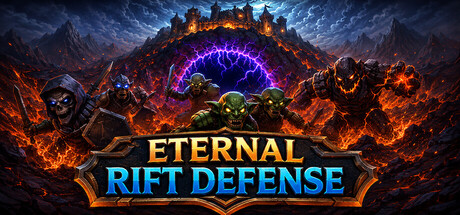
Eternal Rift Defense uses AI-assisted tools during development to help generate and refine certain code, audio, visual assets, and design elements. All AI-assisted content is reviewed, modified, and validated by the developers to ensure quality, security, and consistency with the game’s design.
Generative AI tools were used during development to assist with the creation and iteration of some visual assets and promotional artwork. All final assets are curated, reviewed and further edited or iterated on by the developer. AI-assisted development tools are also used for programming. No AI-generated content is created during gameplay.
AI-assistive tools were used for development support, including prototyping, coding, testing, documentation, and workflows; all player-facing creative content such as Art, UI, VFX, music, voice acting, and marketing materials was created by human developers and artists.
The text used in the game and on the Steam store page has currently been translated primarily with the assistance of AI tools.
Most of the graphical assets used in the game are based on real photographs or renders of 3D objects. However, AI-generated imagery was used in cases where no suitable real-world source material was available, or where the available material was insufficient to complete or supplement the required assets.
We used generative AI to create artwork for this store page and for promotional
materials. All generated material was reviewed and adjusted
by humans before use. No content is generated by AI during gameplay.
This game was developed by a single developer. Generative AI was used in the creation of character animation, UI icons, music, and sound effects, and for coding assistance during development. The story, writing, character design direction, and all creative decisions were made entirely by the developer. No content is generated by AI during gameplay.
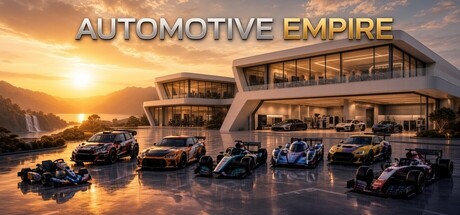
Automotive Empire was developed using AI-assisted tools across multiple disciplines. Visual assets, music, and audio were generated using AI tools. The game's code was developed with AI coding assistance.
Every element — every image, every track, every line of code — was reviewed, selected, refined, and approved by the developer as part of a deliberate creative vision.
The game design, systems, world-building, and writing are entirely human-made.
Automotive Empire is the product of one person's vision, built with the best tools available today.
This game uses AI tools in the following ways:
Music: Composed using Suno.
Code: Written and debugged with AI assistance.
Art: Created with AI assistance.
All AI-assisted content was reviewed, edited, and finalized by the developer.
Some of this game's assets were created with the assistance of generative AI tools and were then reviewed, edited, and integrated by the developer. This includes: base meshes of some 3D character models, some 2D artwork such as card illustrations and icons, voice lines and sound effects created with AI voice/audio generation, and parts of the localized text. All such content was pre-generated during development — the game does not generate any content with AI at runtime.
his game uses generative AI during development to assist in the creation of certain visual assets, including but not limited to store promotional images, concept illustrations, and decorative graphics. All AI-generated images have been reviewed, selected, and post-processed by the developer to ensure consistency with the game's overall art direction. The core gameplay, programming code, written content, numerical systems, music, and sound effects were independently designed and authored by the developer without the use of generative AI. AI tools were used solely to improve the production efficiency of visual assets and are not involved in any real-time in-game content generation.
Generative AI tools were used during development to create and refine visual artwork and music, and to assist with programming. All final content was directed, selected, edited and integrated by the developer. AI is not used at runtime and the game does not generate new content while you play.
Generative AI was used during development to assist with the creation of some visual and promotional assets, including artwork used on the Steam store page and marketing materials. All AI-assisted content was reviewed and curated by the developer. No generative AI is used during gameplay.
The store artwork (capsules and key art) was generated with an image model and then composed, cropped and combined with our own logo by hand. The game's ambient background music tracks were generated with an AI music tool and edited afterwards.
This game uses content created with the assistance of generative AI tools. 2D image assets (including the game logo and in-game textures), 3D models, and some sound effects and music were generated with AI and then reviewed, edited, and integrated by the developer. Localization into supported languages was also produced with AI assistance. All game design, narrative, and text content were written by the developer. No content is generated in real time during gameplay.
All code, game design, maps, and audio behavior were created using AI. AI tools were also used for in-game character 3D models (subsequently hand-optimized and rigged), main menu background videos, store trailer cinematic shots, and store artwork (logo and capsule backgrounds). All content is based on the game's own original characters.
Some of the 3D character models in Glims were made with the help of generative AI: reference art was produced with an AI image tool and turned into 3D meshes with Meshy. Every model was then cleaned up, re-rigged, animated and hand-tuned by us, and all game code, design, UI art and animation work is human-made. No generative AI runs while you play — nothing is generated live.
Generative AI was used during development to assist with visual concept exploration and the creation of certain pre-generated art assets. No generative AI content is generated during gameplay.
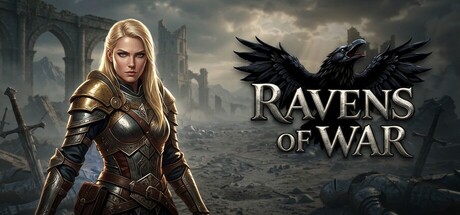
Ravens of War uses generative AI to create some of the artwork and illustrations used in the game, including card artwork. This content is pre-generated and included as part of the game; the game does not generate new AI content during gameplay.
Generative AI tools were used during development to assist with artwork refinement and programming. All character designs were originally hand-drawn by the developer, with AI used only for selected improvements and post-processing. AI was also used as a coding assistant. No AI-generated content is created live during gameplay.
Some 2D artwork was created with the assistance of AI image-generation tools (the mascot character portrait, generated with Recraft and then hand-edited; it appears in-game and in store artwork). All gameplay, code, design, text and audio are made by hand. The game does not use live/runtime AI generation.
Some of the 2D artwork used for this game's branding and store page - including the app icon and the key art - was created with the help of generative AI image tools, then cropped, edited and finalized by hand. No AI-generated content is produced while you play: all gameplay, 3D models, animation and audio come from licensed or hand-authored assets.
Selected pre-generated visual and audio assets used in Tracked and its store materials were created with the assistance of generative AI tools during development. Every AI-assisted asset was selected, reviewed, and edited by the development team before use. No content is generated during gameplay, and the game does not connect to external AI services.
During the development of this game, generative AI was used to assist with the creation of some art assets, sound effects, music, text translations, and development reference materials. All AI-assisted generated content was manually reviewed, edited, integrated, and approved before being included in the game. No content is generated in real time based on player input during gameplay.
Guildfire uses pre-generated AI-assisted content in parts of its visual art, localization, sound effects, and soundtrack. AI-generated material is manually selected, edited, and integrated by the developer. No generative AI is used during gameplay, and the game does not connect to external AI services at runtime.
This game was developed with the assistance of generative AI tools. AI was used during development to help write and refactor portions of the game's code, and to assist with design iteration. Some in-game assets (such as placeholder art, sound effects, or text) may have been created or refined with AI assistance. All AI-assisted content was reviewed and edited by the developer before inclusion. The game does not generate any content using AI at runtime, and no live AI features are present in the released product.
AI was used to create the full scores from chords and melody provided to create retro feel. All art and animations were drawn meticulously character by character using a personal editor I made, but I drew inspiration from generative AI to get the right feel or angles.
Visual Assets: As a solo developer, I use generative AI to create initial variations for scenery, textures, character sprites, and UI. No raw AI output ships in the game — every asset is hand-edited, composited, and cleaned up to match the game's aesthetic.
Music: The soundtrack and ambient music are created with AI audio tools, then curated and sequenced into a cohesive, atmospheric score.
Shirt Happens! was made with the help of generative AI. We used it to write and review
code, to bring the game's mechanics online, to support our UI work, to generate visual
assets and reference images for our 2D and 3D art, to draft written text including parts
of this store page, and as a sounding board for design ideas. Everything it produced was
reviewed, edited and finished by us before it shipped.
Neural Defense was developed by a five-person indie team using a combination of hand-crafted work and generative AI tools. Generative AI was used during development to assist with music composition, concept art, portions of the game's code, and the editing and expansion of some narrative text. All final in-game assets — including 3D models, textures, and visual art seen during gameplay — were hand-crafted by the studio's artists. No content or code is generated live during gameplay; everything was created, reviewed, and finalized by the team prior to release.
Generative AI was used during the development of this game. AI-assisted tools were used to create or assist with visual assets, UI elements, backgrounds, in-game text, localization, and portions of the game's code and development process. Music used in the game was not generated by AI.
All AI-assisted content was created during development. The game does not use generative AI to create content in real time during gameplay.
This game uses generative AI-assisted tools for certain visual assets and promotional materials, including some artwork shown in the store page and trailer. All AI-assisted content has been reviewed, selected, edited, and integrated by the developer.
Some user interface elements (including UI frames, buttons, panels, and HUD background art) were created with the assistance of generative AI image tools during development, then manually edited, composited, and integrated by the development team. Promotional artwork on the store page (capsule, library header/hero images) also used generative AI assistance and was human-reviewed before publication. No AI is used to generate content during gameplay.
We used an AI diffusion tool in Krita to help create the background for the small capsule shown in search results. Our artist then worked over it with several extra layers, a bit like matte painting. For now, it's a placeholder until our artist finishes the hand-painted version of the small capsule.
The logo and the other capsule images were already hand-painted by our artist. The in-game portraits were also drawn by another artist on our team.
We have a devlog on our website about how we made the capsule artwork and hero portraits, and we'll share the full process on the Steam Community soon too.
The playtest build also includes a few placeholder assets made with AI tools in Krita. Our new UI artist is working on a new UI, so we'll be replacing those placeholders soon. As mentioned above, the hero portraits are also hand-drawn by our artist.
Generative AI tools were used during development to assist in creating some visual artwork and graphical assets used in the game and its marketing materials. The generated assets were reviewed and selected by the developer before being included in the final product. No AI-generated content is created in real time while the game is running.
Generative AI tools were used during development to assist in creating a limited number of in-game UI design elements and texture assets. Generative AI is not used to create content dynamically during gameplay.
Eternal Rift Defense uses AI-assisted tools during development to help generate and refine certain code, audio, visual assets, and design elements. All AI-assisted content is reviewed, modified, and validated by the developers to ensure quality, security, and consistency with the game’s design.
Generative AI tools were used during development to assist with the creation and iteration of some visual assets and promotional artwork. All final assets are curated, reviewed and further edited or iterated on by the developer. AI-assisted development tools are also used for programming. No AI-generated content is created during gameplay.
AI-assistive tools were used for development support, including prototyping, coding, testing, documentation, and workflows; all player-facing creative content such as Art, UI, VFX, music, voice acting, and marketing materials was created by human developers and artists.
The text used in the game and on the Steam store page has currently been translated primarily with the assistance of AI tools.
Most of the graphical assets used in the game are based on real photographs or renders of 3D objects. However, AI-generated imagery was used in cases where no suitable real-world source material was available, or where the available material was insufficient to complete or supplement the required assets.
We used generative AI to create artwork for this store page and for promotional
materials. All generated material was reviewed and adjusted
by humans before use. No content is generated by AI during gameplay.
This game was developed by a single developer. Generative AI was used in the creation of character animation, UI icons, music, and sound effects, and for coding assistance during development. The story, writing, character design direction, and all creative decisions were made entirely by the developer. No content is generated by AI during gameplay.
Automotive Empire was developed using AI-assisted tools across multiple disciplines. Visual assets, music, and audio were generated using AI tools. The game's code was developed with AI coding assistance.
Every element — every image, every track, every line of code — was reviewed, selected, refined, and approved by the developer as part of a deliberate creative vision.
The game design, systems, world-building, and writing are entirely human-made.
Automotive Empire is the product of one person's vision, built with the best tools available today.
This game uses AI tools in the following ways:
Music: Composed using Suno.
Code: Written and debugged with AI assistance.
Art: Created with AI assistance.
All AI-assisted content was reviewed, edited, and finalized by the developer.
Some of this game's assets were created with the assistance of generative AI tools and were then reviewed, edited, and integrated by the developer. This includes: base meshes of some 3D character models, some 2D artwork such as card illustrations and icons, voice lines and sound effects created with AI voice/audio generation, and parts of the localized text. All such content was pre-generated during development — the game does not generate any content with AI at runtime.
his game uses generative AI during development to assist in the creation of certain visual assets, including but not limited to store promotional images, concept illustrations, and decorative graphics. All AI-generated images have been reviewed, selected, and post-processed by the developer to ensure consistency with the game's overall art direction. The core gameplay, programming code, written content, numerical systems, music, and sound effects were independently designed and authored by the developer without the use of generative AI. AI tools were used solely to improve the production efficiency of visual assets and are not involved in any real-time in-game content generation.
Generative AI tools were used during development to create and refine visual artwork and music, and to assist with programming. All final content was directed, selected, edited and integrated by the developer. AI is not used at runtime and the game does not generate new content while you play.
Generative AI was used during development to assist with the creation of some visual and promotional assets, including artwork used on the Steam store page and marketing materials. All AI-assisted content was reviewed and curated by the developer. No generative AI is used during gameplay.
The store artwork (capsules and key art) was generated with an image model and then composed, cropped and combined with our own logo by hand. The game's ambient background music tracks were generated with an AI music tool and edited afterwards.
This game uses content created with the assistance of generative AI tools. 2D image assets (including the game logo and in-game textures), 3D models, and some sound effects and music were generated with AI and then reviewed, edited, and integrated by the developer. Localization into supported languages was also produced with AI assistance. All game design, narrative, and text content were written by the developer. No content is generated in real time during gameplay.
All code, game design, maps, and audio behavior were created using AI. AI tools were also used for in-game character 3D models (subsequently hand-optimized and rigged), main menu background videos, store trailer cinematic shots, and store artwork (logo and capsule backgrounds). All content is based on the game's own original characters.
Some of the 3D character models in Glims were made with the help of generative AI: reference art was produced with an AI image tool and turned into 3D meshes with Meshy. Every model was then cleaned up, re-rigged, animated and hand-tuned by us, and all game code, design, UI art and animation work is human-made. No generative AI runs while you play — nothing is generated live.
Generative AI was used during development to assist with visual concept exploration and the creation of certain pre-generated art assets. No generative AI content is generated during gameplay.
Ravens of War uses generative AI to create some of the artwork and illustrations used in the game, including card artwork. This content is pre-generated and included as part of the game; the game does not generate new AI content during gameplay.
Generative AI tools were used during development to assist with artwork refinement and programming. All character designs were originally hand-drawn by the developer, with AI used only for selected improvements and post-processing. AI was also used as a coding assistant. No AI-generated content is created live during gameplay.
Some 2D artwork was created with the assistance of AI image-generation tools (the mascot character portrait, generated with Recraft and then hand-edited; it appears in-game and in store artwork). All gameplay, code, design, text and audio are made by hand. The game does not use live/runtime AI generation.
Some of the 2D artwork used for this game's branding and store page - including the app icon and the key art - was created with the help of generative AI image tools, then cropped, edited and finalized by hand. No AI-generated content is produced while you play: all gameplay, 3D models, animation and audio come from licensed or hand-authored assets.
Selected pre-generated visual and audio assets used in Tracked and its store materials were created with the assistance of generative AI tools during development. Every AI-assisted asset was selected, reviewed, and edited by the development team before use. No content is generated during gameplay, and the game does not connect to external AI services.
During the development of this game, generative AI was used to assist with the creation of some art assets, sound effects, music, text translations, and development reference materials. All AI-assisted generated content was manually reviewed, edited, integrated, and approved before being included in the game. No content is generated in real time based on player input during gameplay.
Guildfire uses pre-generated AI-assisted content in parts of its visual art, localization, sound effects, and soundtrack. AI-generated material is manually selected, edited, and integrated by the developer. No generative AI is used during gameplay, and the game does not connect to external AI services at runtime.