
Disclosure
Steam store page logo and cover art made with ai tools
- Creator
- Valkeala Software
- Reviews
- -
- Added
- Aug 29, 2026
Public Steam disclosure research 25,706 disclosures tracked
Search developers’ Steam disclosures, compare classified AI use across games, and follow recorded changes. This index adds cross-game classifications and statistics to statements published on individual store pages.
Code help, debugging and other development work.
Capsule art, trailers and promotional material.
Pre-made art, audio, writing and other game assets.
Interactive or runtime AI features disclosed by the developer.
Groups reflect automatic analysis of public disclosures; mature records are excluded. These counts do not measure AI use across all of Steam. Missing or unclear statements cannot establish whether a game uses AI.
Steam store page logo and cover art made with ai tools
Generative AI tools were used only during early-stage concept exploration and as internal visual and design references. No AI-generated artwork or other AI-generated content is included in the final game. All final in-game art assets are either created by our development team or sourced from properly licensed assets. The game does not use live-generated AI during gameplay.
Generative AI was used as a development tool for this game. An AI assistant helped with programming, game design iteration, and text translation, always under the developer's direction and review. Some 3D models, such as mech parts, are based on assets created with generative AI tools and then adjusted and integrated by the developer. No content is generated by AI during gameplay: enemy behavior is not generative AI, but the same deterministic node-based algorithms that players build themselves.
To streamline development and enhance our creative vision, generative AI technologies were utilized in the following areas during the production of this game: Programming & Development Support: AI tools assisted in drafting source code and verifying game logic. Art & Visual Assets: AI tools were used to assist with concept art and base background materials, all of which were manually retouched, processed, and reconstructed. Music: AI tools were used to assist in arranging and producing original tracks, followed by manual editing and mastering. All AI-assisted assets have been carefully curated, modified, and reviewed manually by the developer prior to integration into the game. The game does not feature any live-generated AI content during gameplay, and development strictly adheres to all applicable legal standards and Steam's content guidelines.
"AI tools were used to assist in the creation of some of the game's artwork and textures."
This game uses generative AI tools in parts of its artwork and dialogue/narrative writing, as well as for in-game text localization (translation).
Monster images are machine generated output based.
Hellternum is developed by a small independent studio. Some visual elements — certain in-game illustrations, textures and marketing images — were produced with the help of generative AI tools, always under direct human art direction and edited by hand to fit the game's visual identity. Everything else is human-made: design, writing, level design, code and audio. We think you should know this before you play.
Generative AI is used for background artwork and English translation.
Generative AI tools were used during development to create portions of the game’s artwork and sound.
This game uses AI to code some features of the game including, but not limited to, the actual game code itself and some of the store page art. However, none of this actually contributes to the actual gameplay itself as all the assets, game trailer and game scenes are still handmade, purchased, or free.
The key art used for this game's store capsules and Steam library images was produced with the help of a generative AI image tool, then composed and finished by hand. In the game itself, all visuals are drawn procedurally at runtime and all tap sounds are synthesised in code; no AI content is generated while you play.
AI generative tools were used to create some 2D art assets used in the game
Some pre-generated visual assets in SCOP were created with the assistance of generative AI tools. These assets were reviewed, selected and edited before being integrated into the final game. SCOP does not generate AI content during gameplay.
Pre-generated pixel-art character artwork, animation frames, and localization text were created with assistance from generative AI tools during development. All shipped results are fixed in the build, human-reviewed, and based on original prompts or project-owned references. The application performs no live AI generation.
Generative AI tools were used to create the Steam capsule artwork and other promotional images, and to assist with drafting and editing portions of the Steam store page text. All final text was reviewed and revised by the developer, and all promotional artwork was reviewed and selected by the developer. The game does not use generative AI at runtime, and no AI content is generated during gameplay.
Some of the images on our store page were created by artificial intelligence and edits were made on the images. and some images in the game were made by artificial intelligence.
Artwork is currently initially generated using AI processes
Generative AI tools are used during development to assist with selected art production and localization. All AI-assisted outputs are reviewed, edited, and approved by the development team before being integrated into the game. The game does not use generative AI at runtime, and no content is generated live or delivered directly to players as unreviewed AI output.
Generative AI was used to create some pre-generated artwork and music included in the game and its promotional materials. AI-generated content was reviewed and selected by the developer before being included. The game does not use generative AI to generate content live during gameplay.
The game's code was written with the help of an AI coding assistant, following the developer's design direction. Because the characters, arenas, materials and user interface are generated procedurally in code rather than authored as art assets, they are a result of that same process. The background music tracks were generated with Suno (commercial licence). Sound effects are licensed from Mixkit and Freesound. Nothing is generated by AI while the game is running.
Generative AI tools were used during development to assist in creating some 2D graphics, visual effects, and sound effects. AI-generated outputs are reviewed and edited before being used in the game. The game does not use generative AI or generate AI content during gameplay.
We used generative AI for the icons in the skill tree.
Some of this game's art and audio were created with generative AI tools, then selected, edited and assembled by the developer: the ink-wash illustrations and character portraits, part of the interface artwork, and the background music. The store page artwork and the trailer were produced the same way. Everything ships as fixed, pre-rendered assets. The game generates no content while you play and connects to no AI service. Puzzle levels are built and verified by our own deterministic mahjong solver, not by AI.
As a solo developer, I used a combination of purchased assets, original artwork, and AI-assisted tools to create and refine game assets.
Steam community assets and store page art. Planning to replace later with art from an artist.
The game’s music and minor visual assets were generated with AI assistance and manually refined by the developer. The rest of the content was created without generative AI.
Some music, graphics and a little bit of code
During development, parts of Marsheez were made with generative AI: some of the source code was written with the help of an AI coding assistant, and some of the art and music were created with help of AI tools and then later edited by the developer. The game does not use any generative AI while you play.
Tidy Tokens is the first game created by our small independent development team, born from a shared passion and a dream of creating our own video game. With limited resources, we used generative AI tools as assistance in certain areas, including some graphical and musical elements. These tools helped complement our skills and allowed us to bring to life a project we could not have created alone at this scale. The game, its design, its world, and its development remain the result of our work, creative decisions, and passion.
This game uses generative AI tools during development. - Artwork in Steam Shop , and Picture Character in Game
Generative AI was used for parts of the game's 3D assets, voice and narration, ambient audio, translations, and store artwork. All generated content was reviewed and edited by hand. No AI is used at runtime.
This game contains pre-generated 2D artwork and music created with assistance from generative AI tools and reviewed and edited by the developer. The game does not use generative AI or generate content during runtime.
The images of characters and props in this game were all generated using AI tools; Some of the game's code was directly generated or assisted by AI
All 2D art (character sprites, backgrounds, environment pieces, UI) and the current music were created during development using generative AI tools, then curated, edited, and baked into the build. No content is generated at runtime. The game design, level design, code, and writing are human-made.
Character artwork for Giusto’s characters that represent each tier of the player’s journey began as AI-generated concept art, conceptualized, directed and reviewed by our team to match the the art direction of the game. 3D character models were generated from this concept art using Tripo AI’s image-to-3D tool, then reviewed and integrated into the game by our development team. From which, the final 3D models were designed and styled within Unreal Engine 5 to fit the feel of our game. All game design, music and other content were built directly by our team and purchased and licensed human-made asset packs.
The code and the graphic design was made with AI
Generative AI was used in the development of some UI elements of the game.
The packaged offline model generates diplomatic communications and makes faction decisions from structured game state with curated personalities. Generative AI was used to assist in creating some pre-rendered artwork, including environment backgrounds, menu and branding art, icons, and promotional/title-card images. These assets were reviewed and integrated by the developer. Game does not connect to external AI services.
Generative AI was used to assist with the processing and enhancement of some images for atmospheric purposes. These images were then manually retouched and further edited by the developer before being used in the game.
This game uses generative AI in a limited way, and only for some artwork. Selected visual assets — including fictional club kits, generic stadium photographs and blueprint-style ground plans — were created or edited with image-generation tools, then reviewed, cropped, and placed by us. Player names, club names, and brands in the public release are invented; they are not official likenesses. The game itself is not an AI chatbot. Matches, tactics, transfers, finances, and the season are simulated by our own code. No generative AI runs on your PC while you play, and the game does not send your actions to an AI service. We do not use generative AI to impersonate real clubs, real players, or real people.
Generative AI tools were used during development to assist with some visual assets, audio, and code. All content was reviewed, edited, and integrated by the developer. The game does not generate AI content during gameplay.
Generative AI was used for some textures and 3D models, as well as for English translation of both the game and its Steam store page. All original content, including the story, dialogue, archive documents, game design, level design, programming, and Chinese localization, was created by the developer.
Some of the background images used in this game were created with the help of generative AI tools. All generated images were reviewed, selected, and adjusted by the developer before being included in the game. Generative AI was not used for the scenario text, the character sprites, the UI, or the music. This game contains no system that generates any content in real time with AI while playing.
Some game assets - including certain 3D models, sound effects, images and music - were created with the assistance of generative AI tools and then reviewed, edited, and integrated by the developer. The game does not generate AI content at runtime.
Some of the 2D artwork and animation frames in this game were produced with the assistance of generative AI tools. Every AI-assisted asset was reviewed and edited by me (the developer) before shipping. The game contains no live-generated AI content — all art, animation, and text are fixed at release and identical for every player.
Some of the assets used in the game were generated using Generative AI.
The game only uses AI for the game's logo.
Translations and audio dubbings are made with AI. Some contents including graphic images and video are made with AI.
Generative AI was used during development to assist with coding, promotional artwork, and store-page copy and localization. All outputs were reviewed by the developer.
| Title⇅ | Disclosure | Creator⇅ | Src | Reviews⇅ | Added↓ |
|---|---|---|---|---|---|
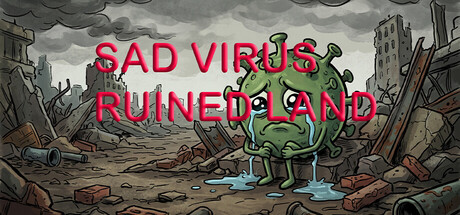 Sad Virus Ruined Land Store/marketing art | Steam store page logo and cover art made with ai tools | Valkeala Software | - | Aug 29, 2026 | |
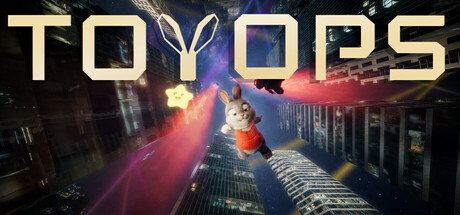 ToyOps Dev only art | Generative AI tools were used only during early-stage concept exploration and as internal visual and design references. No AI-generated artwork or other AI-generated content is included in the final game. All final in-game art assets are either created by our development team or sourced from properly licensed assets. The game does not use live-generated AI during gameplay. | Potato Games Studio | - | Aug 29, 2026 | |
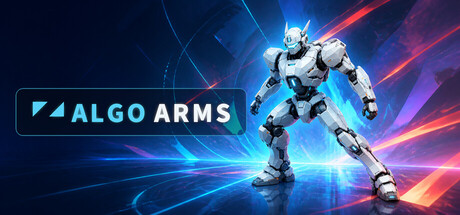 ALGO ARMS In-game content arttextcode | Generative AI was used as a development tool for this game. An AI assistant helped with programming, game design iteration, and text translation, always under the developer's direction and review. Some 3D models, such as mech parts, are based on assets created with generative AI tools and then adjusted and integrated by the developer. No content is generated by AI during gameplay: enemy behavior is not generative AI, but the same deterministic node-based algorithms that players build themselves. | Quench Forge | - | Aug 29, 2026 | |
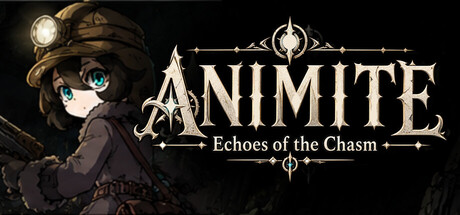 ANIMITE Echoes of the Chasm In-game content artaudiocode | To streamline development and enhance our creative vision, generative AI technologies were utilized in the following areas during the production of this game:
Programming & Development Support: AI tools assisted in drafting source code and verifying game logic.
Art & Visual Assets: AI tools were used to assist with concept art and base background materials, all of which were manually retouched, processed, and reconstructed.
Music: AI tools were used to assist in arranging and producing original tracks, followed by manual editing and mastering.
All AI-assisted assets have been carefully curated, modified, and reviewed manually by the developer prior to integration into the game. The game does not feature any live-generated AI content during gameplay, and development strictly adheres to all applicable legal standards and Steam's content guidelines. | Motaro | - | Aug 29, 2026 | |
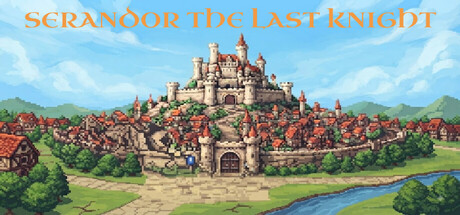 Serandor The Last Knight In-game content art | "AI tools were used to assist in the creation of some of the game's artwork and textures." | Reynoc Games | - | Aug 29, 2026 | |
 Live on, Until we can't In-game content arttext | This game uses generative AI tools in parts of its artwork and dialogue/narrative writing, as well as for in-game text localization (translation). | Pallang Studio | - | Aug 29, 2026 | |
 Lootstone In-game content art | Monster images are machine generated output based. | Rokas | - | Aug 29, 2026 | |
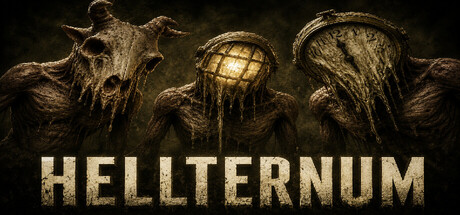 Hellternum In-game content art | Hellternum is developed by a small independent studio. Some visual elements — certain in-game illustrations, textures and marketing images — were produced with the help of generative AI tools, always under direct human art direction and edited by hand to fit the game's visual identity.
Everything else is human-made: design, writing, level design, code and audio.
We think you should know this before you play. | Weird Potro Studio | - | Aug 29, 2026 | |
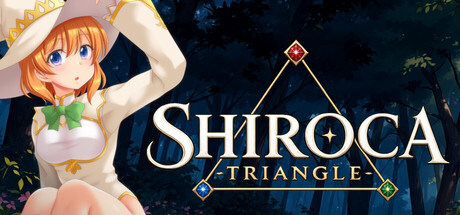 ShirocaTriangle In-game content arttext | Generative AI is used for background artwork and English translation. | 海のお魚パーティー | - | Aug 29, 2026 | |
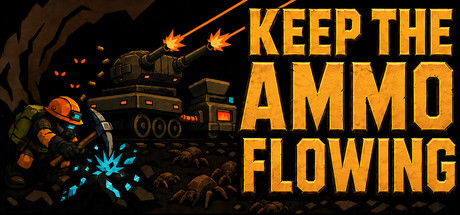 Keep The Ammo Flowing In-game content artaudio | Generative AI tools were used during development to create portions of the game’s artwork and sound. | YCF Productions | - | Aug 29, 2026 | |
 Casae In Silva In-game content codeart | This game uses AI to code some features of the game including, but not limited to, the actual game code itself and some of the store page art. However, none of this actually contributes to the actual gameplay itself as all the assets, game trailer and game scenes are still handmade, purchased, or free. | Racergobrr | - | Aug 29, 2026 | |
 DAKENSHI Store/marketing art | The key art used for this game's store capsules and Steam library images was produced with the help of a generative AI image tool, then composed and finished by hand. In the game itself, all visuals are drawn procedurally at runtime and all tap sounds are synthesised in code; no AI content is generated while you play. | Sakamo Productions | - | Aug 29, 2026 | |
 Requies In-game content art | AI generative tools were used to create some 2D art assets used in the game | Maksim Mazanets | - | Aug 29, 2026 | |
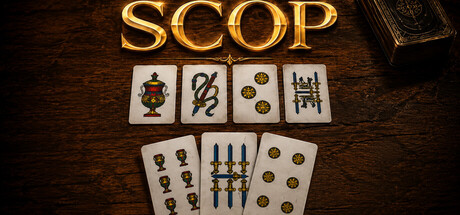 SCOP In-game content art | Some pre-generated visual assets in SCOP were created with the assistance of generative AI tools. These assets were reviewed, selected and edited before being integrated into the final game. SCOP does not generate AI content during gameplay. | LudoDema | - | Aug 29, 2026 | |
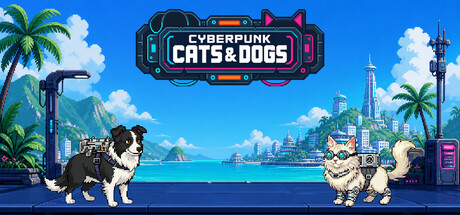 Cyberpunk Cats & Dogs In-game content arttext | Pre-generated pixel-art character artwork, animation frames, and localization text were created with assistance from generative AI tools during development. All shipped results are fixed in the build, human-reviewed, and based on original prompts or project-owned references. The application performs no live AI generation. | Black One Room Games | - | Aug 29, 2026 | |
 The House Between Times Store/marketing arttext | Generative AI tools were used to create the Steam capsule artwork and other promotional images, and to assist with drafting and editing portions of the Steam store page text. All final text was reviewed and revised by the developer, and all promotional artwork was reviewed and selected by the developer. The game does not use generative AI at runtime, and no AI content is generated during gameplay. | Gentle Quartz | - | Aug 29, 2026 | |
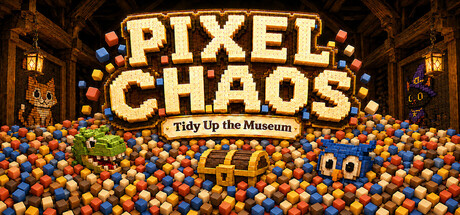 Pixel Chaos: Tidy Up the Museum In-game content art | Some of the images on our store page were created by artificial intelligence and edits were made on the images. and some images in the game were made by artificial intelligence. | Surprisia Games | - | Aug 29, 2026 | |
 Drums & Steel Unclear art | Artwork is currently initially generated using AI processes | OuterBounds | - | Aug 29, 2026 | |
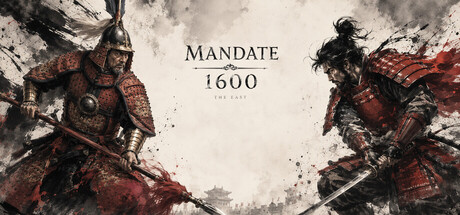 Mandate 1600: The East In-game content arttext | Generative AI tools are used during development to assist with selected art production and localization. All AI-assisted outputs are reviewed, edited, and approved by the development team before being integrated into the game. The game does not use generative AI at runtime, and no content is generated live or delivered directly to players as unreviewed AI output. | RM GAME | - | Aug 29, 2026 | |
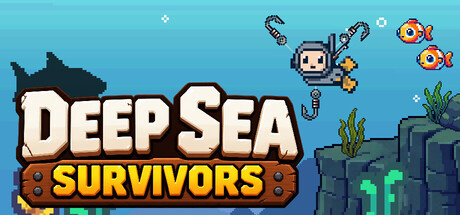 Deep Sea Survivor In-game content artaudio | Generative AI was used to create some pre-generated artwork and music included in the game and its promotional materials. AI-generated content was reviewed and selected by the developer before being included. The game does not use generative AI to generate content live during gameplay. | 10PARK | - | Aug 29, 2026 | |
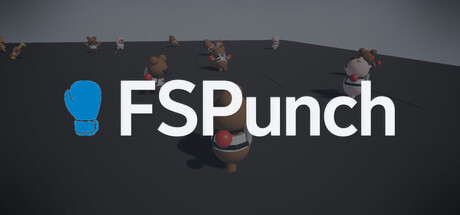 FSPunch In-game content artaudiocode | The game's code was written with the help of an AI coding assistant, following the developer's design direction. Because the characters, arenas, materials and user interface are generated procedurally in code rather than authored as art assets, they are a result of that same process. The background music tracks were generated with Suno (commercial licence). Sound effects are licensed from Mixkit and Freesound. Nothing is generated by AI while the game is running. | opinionampGames | - | Aug 29, 2026 | |
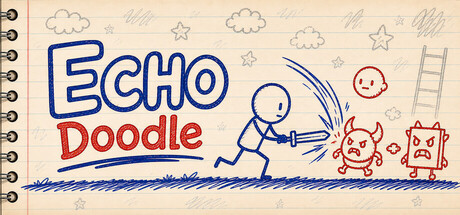 Echo Doodle In-game content artaudio | Generative AI tools were used during development to assist in creating some 2D graphics, visual effects, and sound effects. AI-generated outputs are reviewed and edited before being used in the game. The game does not use generative AI or generate AI content during gameplay. | TruePushed | - | Aug 29, 2026 | |
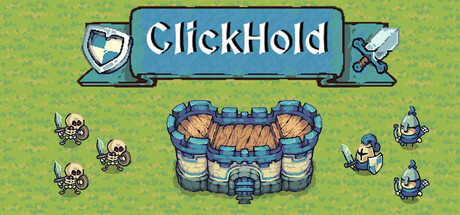 Clickhold In-game content art | We used generative AI for the icons in the skill tree. | Cataclicktic Games | - | Aug 29, 2026 | |
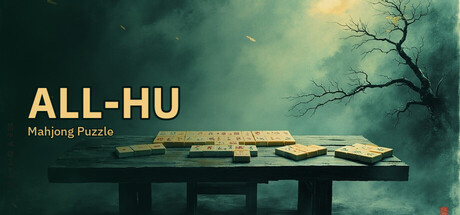 ALL-HU: Mahjong Puzzle In-game content artaudio | Some of this game's art and audio were created with generative AI tools, then selected, edited and assembled by the developer: the ink-wash illustrations and character portraits, part of the interface artwork, and the background music. The store page artwork and the trailer were produced the same way. Everything ships as fixed, pre-rendered assets. The game generates no content while you play and connects to no AI service. Puzzle levels are built and verified by our own deterministic mahjong solver, not by AI. | SHJ Studio | - | Aug 29, 2026 | |
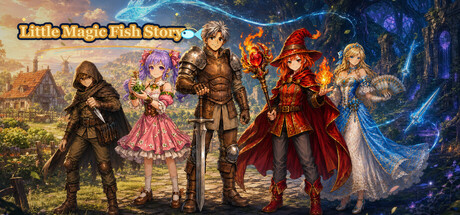 Little Magic Fish Story In-game content art | As a solo developer, I used a combination of purchased assets, original artwork, and AI-assisted tools to create and refine game assets. | III SRISLE | - | Aug 29, 2026 | |
 Rookie Spook Store/marketing art | Steam community assets and store page art. Planning to replace later with art from an artist. | Games with Geebs | - | Aug 29, 2026 | |
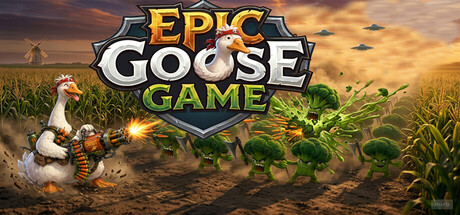 Epic Goose Game In-game content audioart | The game’s music and minor visual assets were generated with AI assistance and manually refined by the developer. The rest of the content was created without generative AI. | Kotynia Games | - | Aug 29, 2026 | |
 Morality In-game content artaudiocode | Some music, graphics and a little bit of code | Novka Studio | - | Aug 29, 2026 | |
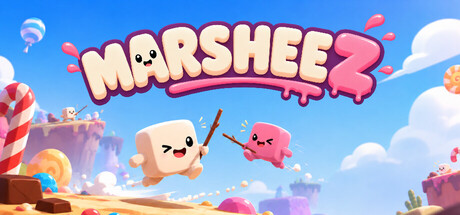 Marsheez In-game content artaudiocode | During development, parts of Marsheez were made with generative AI: some of the source code was written with the help of an AI coding assistant, and some of the art and music were created with help of AI tools and then later edited by the developer. The game does not use any generative AI while you play. | Tijmen Meijer MSc | - | Aug 29, 2026 | |
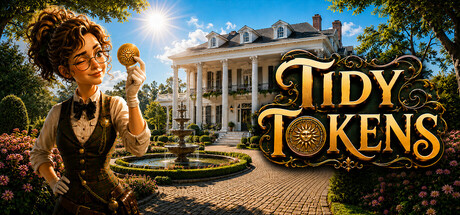 Tidy Tokens In-game content artaudio | Tidy Tokens is the first game created by our small independent development team, born from a shared passion and a dream of creating our own video game. With limited resources, we used generative AI tools as assistance in certain areas, including some graphical and musical elements. These tools helped complement our skills and allowed us to bring to life a project we could not have created alone at this scale. The game, its design, its world, and its development remain the result of our work, creative decisions, and passion. | 2 STATES STUDIO | - | Aug 29, 2026 | |
 Hunt Soul Infinity art | This game uses generative AI tools during development.
- Artwork in Steam Shop , and Picture Character in Game | VORAWIT KIDARN | - | Aug 29, 2026 | |
 Harvest Exit Plan In-game content artaudiotext | Generative AI was used for parts of the game's 3D assets, voice and narration, ambient audio, translations, and store artwork.
All generated content was reviewed and edited by hand. No AI is used at runtime. | Nicholas Schmitz | - | Aug 29, 2026 | |
 一锅成名 In-game content artaudio | This game contains pre-generated 2D artwork and music created with assistance from generative AI tools and reviewed and edited by the developer. The game does not use generative AI or generate content during runtime. | WANG YUXIN | - | Aug 29, 2026 | |
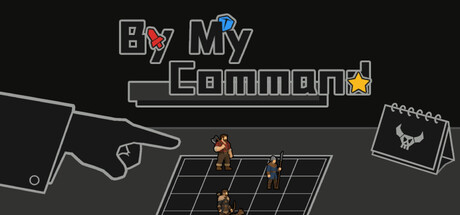 By My Command In-game content artcode | The images of characters and props in this game were all generated using AI tools;
Some of the game's code was directly generated or assisted by AI | bluem | - | Aug 29, 2026 | |
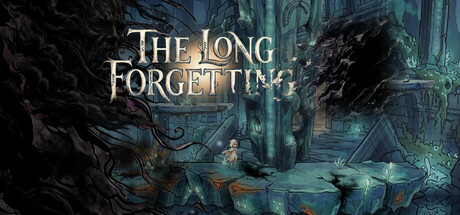 THE LONG FORGETTING In-game content artaudio | All 2D art (character sprites, backgrounds, environment pieces, UI) and the current music were created during development using generative AI tools, then curated, edited, and baked into the build. No content is generated at runtime. The game design, level design, code, and writing are human-made. | Quiet Machine | - | Aug 29, 2026 | |
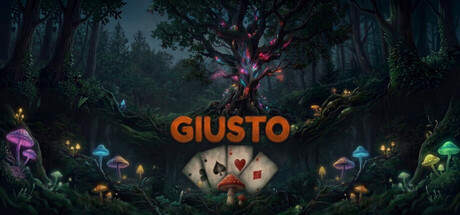 Giusto In-game content art | Character artwork for Giusto’s characters that represent each tier of the player’s journey began as AI-generated concept art, conceptualized, directed and reviewed by our team to match the the art direction of the game. 3D character models were generated from this concept art using Tripo AI’s image-to-3D tool, then reviewed and integrated into the game by our development team. From which, the final 3D models were designed and styled within Unreal Engine 5 to fit the feel of our game. All game design, music and other content were built directly by our team and purchased and licensed human-made asset packs. | JustRite Games | - | Aug 29, 2026 | |
 Arcanefall : Darklands Unclear artcode | The code and the graphic design was made with AI | zak1aN | - | Aug 29, 2026 | |
 Rap In-game content art | Generative AI was used in the development of some UI elements of the game. | axis | - | Aug 29, 2026 | |
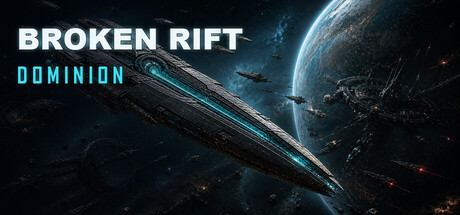 Broken Rift: Dominion In-game content art | The packaged offline model generates diplomatic communications and makes faction decisions from structured game state with curated personalities. Generative AI was used to assist in creating some pre-rendered artwork, including environment backgrounds, menu and branding art, icons, and promotional/title-card images. These assets were reviewed and integrated by the developer. Game does not connect to external AI services. | Last Exit Diner | - | Aug 29, 2026 | |
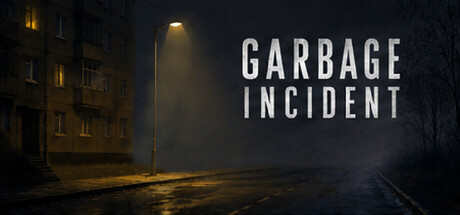 Garbage Incident In-game content art | Generative AI was used to assist with the processing and enhancement of some images for atmospheric purposes. These images were then manually retouched and further edited by the developer before being used in the game. | Empty Pixel | - | Aug 29, 2026 | |
 Retro Club Dynasty Season 92/93 In-game content art | This game uses generative AI in a limited way, and only for some artwork.
Selected visual assets — including fictional club kits, generic stadium photographs and blueprint-style ground plans — were created or edited with image-generation tools, then reviewed, cropped, and placed by us. Player names, club names, and brands in the public release are invented; they are not official likenesses.
The game itself is not an AI chatbot. Matches, tactics, transfers, finances, and the season are simulated by our own code. No generative AI runs on your PC while you play, and the game does not send your actions to an AI service.
We do not use generative AI to impersonate real clubs, real players, or real people. | Mezko Games | - | Aug 29, 2026 | |
 Bullet Debt In-game content artaudiocode | Generative AI tools were used during development to assist with some visual assets, audio, and code. All content was reviewed, edited, and integrated by the developer. The game does not generate AI content during gameplay. | David Gamble | - | Aug 29, 2026 | |
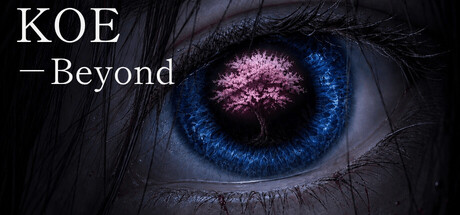 越え In-game content arttext | Generative AI was used for some textures and 3D models, as well as for English translation of both the game and its Steam store page.
All original content, including the story, dialogue, archive documents, game design, level design, programming, and Chinese localization, was created by the developer. | Lunamarine Studio | - | Aug 29, 2026 | |
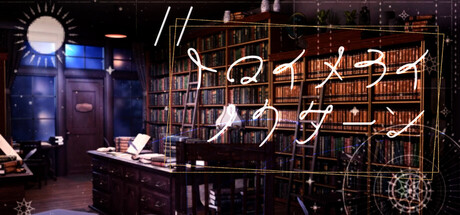 //トロイメライ・ノクターン In-game content art | Some of the background images used in this game were created with the help of generative AI tools.
All generated images were reviewed, selected, and adjusted by the developer before being included in the game.
Generative AI was not used for the scenario text, the character sprites, the UI, or the music.
This game contains no system that generates any content in real time with AI while playing. | shiori-project | - | Aug 29, 2026 | |
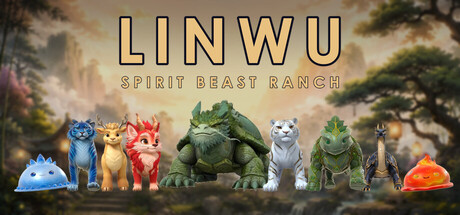 Linwu: Spirit Beast Ranch In-game content artaudio | Some game assets - including certain 3D models, sound effects, images and music - were created with the assistance of generative AI tools and then reviewed, edited, and integrated by the developer. The game does not generate AI content at runtime. | Linveil Games | - | Aug 29, 2026 | |
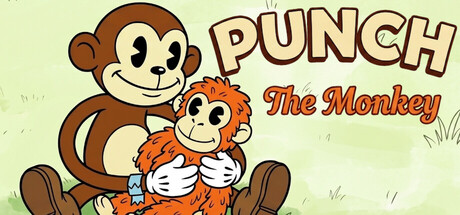 Punch The Monkey In-game content art | Some of the 2D artwork and animation frames in this game were produced with the assistance of generative AI tools. Every AI-assisted asset was reviewed and edited by me (the developer) before shipping. The game contains no live-generated AI content — all art, animation, and text are fixed at release and identical for every player. | DiamondDev | - | Aug 29, 2026 | |
 Don't Stop Cutting The Trees! In-game content art | Some of the assets used in the game were generated using Generative AI. | Wovley Games | - | Aug 29, 2026 | |
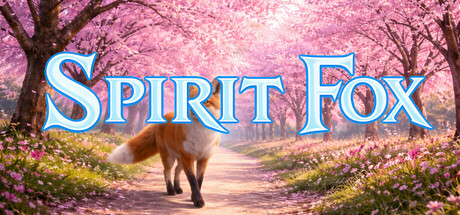 Spirit Fox Store/marketing art | The game only uses AI for the game's logo. | TheWolfYT | - | Aug 29, 2026 | |
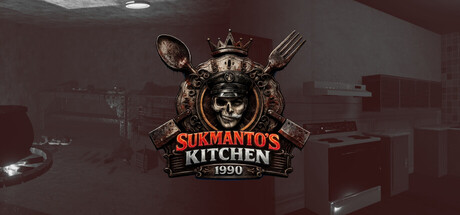 Sukmantos Kitchen 1990 In-game content artaudio | Translations and audio dubbings are made with AI. Some contents including graphic images and video are made with AI. | Ilhaminati | - | Aug 29, 2026 | |
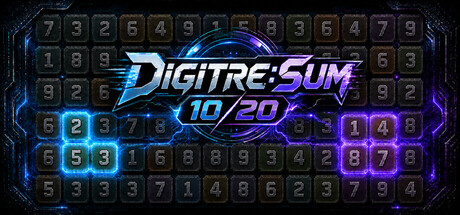 DIGITRE:SUM Store/marketing codearttext | Generative AI was used during development to assist with coding, promotional artwork, and store-page copy and localization. All outputs were reviewed by the developer. | Overlatt | - | Aug 29, 2026 |


