Public Steam disclosure research25,710 disclosures tracked
Where do games disclose AI use?
Search developers’ Steam disclosures, compare classified AI use across
games, and follow recorded changes.
This index adds cross-game classifications and statistics to
statements published on individual store pages.
Groups reflect automatic analysis of public disclosures; mature records are excluded. These counts do not measure AI use across all of Steam.
Missing or unclear statements cannot establish whether a game uses AI.
This game uses generative AI to assist in producing some in-game text (such as news articles, in-game emails, and flavor text), 2D visual assets (such as player portraits, icons, and background art), and audio (background music and user interface sound effects). All AI-assisted content is generated during development and reviewed before release; the game does not generate content while you play.
This game was made by a two-person team specializing in storytelling. The entire narrative, all gameplay systems, UI, animations, core sound and game design were built entirely by our team. AI was used to generate some of audio and graphical assets due to the limited resources. Scenario was originally written in Ukrainian language, so translations might have minor mistakes. Thank you for your understanding.
Some of Nation's 2D artwork — character portraits, card illustrations, backgrounds, and store/marketing images — was created with the assistance of generative AI tools, then selected, edited, and composited by our team. All game design, rules, writing, and code are human-made. The game does not generate content with AI while you play.
Generative AI tools were used during development to assist with the creation of some pre-generated visual assets and development materials. All AI-assisted content is reviewed, selected, and integrated by the developer. The game does not generate AI content during gameplay.
Selected pre-generated visual materials used for the Steam store page, capsule artwork, promotional assets, and presentation screenshots were created or refined with the assistance of generative AI tools.
The game does not use live generative AI during gameplay. No gameplay content, dialogue, images, audio, or missions are generated in real time by AI, and the game does not connect to external AI services during play.
Some artwork (ship, station and environment sprites, icons) and sound effects were created using generative AI tools during development, then curated and hand-edited by the developer. All AI-generated content was reviewed before inclusion.
AI Generated Content Disclosure
The developers of LIGHT IT provide the following disclosure regarding the use of AI tools in the creation of this game. All AI-assisted content is pre-generated; the game does not generate any AI content live during gameplay.
Music: The in-game music was produced using Suno, an AI music-generation tool.
Art: Some visual assets were created with the assistance of AI image-generation tools.
Code: AI assistants were used to help brainstorm implementation ideas and to assist with debugging.
All AI-assisted content and code was reviewed, tested, and refined by the developer before being included in the final game.
AI tools were used to create some of the game's artwork, UI elements, backgrounds, music and sound effects. Visual effects generally combine or modify multiple generated assets, while sound effects are edited and layered from multiple generated sounds. Some generated artwork, including backgrounds and UI elements, is used largely as originally created. No AI content is generated during gameplay.
Store page capsule artwork was generated using AI tools. Application code was developed with AI assistance. All output was reviewed and tested by the developer.
All video, voice and music content in this game was pre-generated using AI tools under full human direction. The story, characters, dialogue, game design, editing and code are original work by a solo developer. No content is generated while the game is running; players only ever see pre-produced, human-reviewed material.
Yes — pre-rendered only (no real-time generative AI during gameplay).
Generative AI tools were used to create or refine some visual assets (UI, images, marketing / store materials) and parts of text / localization. Gameplay, code and game design are made and reviewed by the studio. No AI content is generated live during play.
Generative AI tools were used during development to assist with the creation of some voice-over content, images, and written content. All AI-assisted content was generated and reviewed by the developer before being included in the game or its promotional materials. No generative AI is used during gameplay.
The store page artwork (capsule images) was created with AI assistance and depicts the actual game. The game itself contains no AI-generated content: all gameplay, audio, and in-game visuals are created by the developer or by players themselves.
Guttering Light's content was created using generative AI tools, with every piece prompted, curated, and integrated by the game's solo developer. All AI-generated content is pre-generated: it was reviewed and hand-finished during development, and nothing is generated while you play.
Generative AI tools were used as part of the development workflow for selected visual and audio asset refinement and production. All final content is reviewed and edited by the developer. No generative AI is used during gameplay.
Some of the capsule artwork on this store page was created with the help of AI tools. No AI-generated content is used in the game's in-game art, code, audio or text.
This game uses generative AI as an assistive tool for creating some artwork and store assets. All AI-assisted content has been reviewed, edited, and approved by the developer before inclusion. The game does not generate AI content during gameplay.
Generative AI tools were used during development to create pre-generated content included in the game. Suno AI was used to create the music tracks under a paid commercial-use plan. AI-assisted tools were also used to help create some 3D and environmental assets, as well as localization text. All outputs were reviewed, edited, and integrated by the developer before release. The game does not generate AI content during gameplay and does not connect to any generative AI service at runtime.
Some of this game's assets were made with the assistance of generative AI tools and were reviewed, curated and hand-finished by the developer. No content is generated while you play.
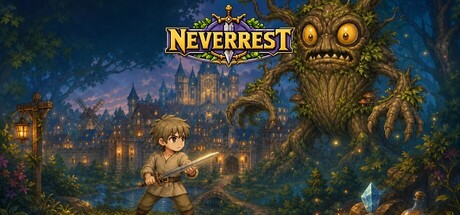
Neverrest uses generative AI tools during development to assist with the creation of some pre-rendered 2D artwork and visual assets. All AI-assisted content is reviewed, edited, and integrated by the developer. The game does not generate AI content during gameplay.
During development, OpenAI image generation tools were used to create portions of the game's 2D artwork, including characters, monsters, backgrounds, UI elements, and icons. Suno was used to create portions of the background music, and ElevenLabs was used to create portions of the sound effects. Generative AI was also used as a drafting and editing aid for some in-game writing and localization.
All generated material was selected, edited, processed, and reviewed by the developer before inclusion in the game. The game does not connect to generative AI services at runtime and does not generate content from player input.
Generative AI tools were used during development to assist with programming and Unreal Engine Blueprint creation, the creation of some 3D assets, selected music and audio, and some promotional artwork and marketing materials. AI-generated content is reviewed and edited by the development team before use. The game does not generate AI content during gameplay.
Some textures and audio assets were created using generative AI tools and then reviewed and edited by the developer. The game does not generate AI content during gameplay.
This game uses generative AI for the following:
Images: the source material for both the scene artwork and the item icons (backpack, hand cart and so on) is photographs taken by the developer — the scenes in the lanes, stairwells and apartment courtyards of Anping, Tainan; the items shot as physical objects. Each photograph is processed first — removing things that should not appear in frame, commercial branding, and anything touching on privacy — and then stylised into animation by AI.
Music: planned to be AI-generated (not yet implemented).
Localisation: Traditional Chinese is the language the game is written in. Every other language — English, Japanese, German, and Taiwanese Pe̍h-ōe-jī — is AI-translated, with no native-speaker editing pass. If you find a mistake, please do tell me.
Store page and marketing images also include AI-generated elements.
Some content was created with the help of neural networks; all materials were reviewed and edited by hand. The game does not generate anything with AI at runtime.
AI-generated content is used in this product. The store page capsule artwork was created using an AI image generation tool. Portions of the store page description text were drafted with the assistance of an AI writing tool and reviewed/edited by the developer.
During development, AI was used to refine some fixed ASCII pixel-art data and portions of the code-defined sound data embedded in the game's C# source. Deterministic rendering and synthesis functions convert this fixed data into sprites and audio at runtime. Some Steam store images use renders of the same sprites.
No generative AI is used while the game is running. The game does not contact an AI service, generate AI content during play, or send player input to an AI service.
Swarmvore was built by a solo developer using generative AI tools for the game's code, art, and text. Every piece of content went through many rounds of prompting, testing, and refining, and every creative decision, from mechanics to tone to visual style, was made by the developer.
This work incorporates the use of generative artificial intelligence (AI) in the following areas:
Parts of the artwork, parts of the sound, and localization.
I’m a normal guy, and making a game has been a dream of mine. I used generative AI as part of my development process, including helping with code and creating visual assets. Every asset included in the final game was personally selected, refined, placed, and directed by me to match the game’s overall vision.
I'm not a professional game developer or artist. Making my own game had been a dream for years, but I never knew how to turn that dream into reality. Generative AI became the tool that finally made it possible.
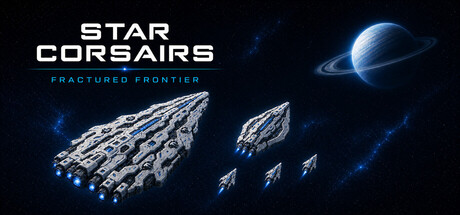
With its help, I created many of the game's visual and audio assets, including item, UI, skill, and module icons, character portraits, ships, space stations, backgrounds, the game icon, the Steam store artwork, and some of the sound effects. It also assisted me with programming.
But Star Corsairs is not a game that AI simply generated. Every asset was reviewed, rejected, refined, or replaced until it matched the vision I had in mind. Every gameplay system was designed, tested, and reworked repeatedly until it felt right. The economy, ship balance, pirate AI, combat, and progression were all shaped through countless hours of playtesting and manual iteration. The story, world, and all of the writing were created by me.
Without generative AI, this game would probably never have existed. But without the countless creative decisions, revisions, and work behind every part of it, Star Corsairs wouldn't exist either.
Generative AI tools were used during development to assist with game code, localization, concept development, selected environmental and shop-interior images and textures, and store and marketing artwork. All AI-assisted outputs were reviewed, edited, and integrated by the developer before inclusion. The game does not use generative AI during runtime, and players cannot generate AI content within the game.
This game uses generative AI to assist in producing some in-game text (such as news articles, in-game emails, and flavor text), 2D visual assets (such as player portraits, icons, and background art), and audio (background music and user interface sound effects). All AI-assisted content is generated during development and reviewed before release; the game does not generate content while you play.
This game was made by a two-person team specializing in storytelling. The entire narrative, all gameplay systems, UI, animations, core sound and game design were built entirely by our team. AI was used to generate some of audio and graphical assets due to the limited resources. Scenario was originally written in Ukrainian language, so translations might have minor mistakes. Thank you for your understanding.
Some of Nation's 2D artwork — character portraits, card illustrations, backgrounds, and store/marketing images — was created with the assistance of generative AI tools, then selected, edited, and composited by our team. All game design, rules, writing, and code are human-made. The game does not generate content with AI while you play.
Generative AI tools were used during development to assist with the creation of some pre-generated visual assets and development materials. All AI-assisted content is reviewed, selected, and integrated by the developer. The game does not generate AI content during gameplay.
Selected pre-generated visual materials used for the Steam store page, capsule artwork, promotional assets, and presentation screenshots were created or refined with the assistance of generative AI tools.
The game does not use live generative AI during gameplay. No gameplay content, dialogue, images, audio, or missions are generated in real time by AI, and the game does not connect to external AI services during play.
Some artwork (ship, station and environment sprites, icons) and sound effects were created using generative AI tools during development, then curated and hand-edited by the developer. All AI-generated content was reviewed before inclusion.
AI Generated Content Disclosure
The developers of LIGHT IT provide the following disclosure regarding the use of AI tools in the creation of this game. All AI-assisted content is pre-generated; the game does not generate any AI content live during gameplay.
Music: The in-game music was produced using Suno, an AI music-generation tool.
Art: Some visual assets were created with the assistance of AI image-generation tools.
Code: AI assistants were used to help brainstorm implementation ideas and to assist with debugging.
All AI-assisted content and code was reviewed, tested, and refined by the developer before being included in the final game.
AI tools were used to create some of the game's artwork, UI elements, backgrounds, music and sound effects. Visual effects generally combine or modify multiple generated assets, while sound effects are edited and layered from multiple generated sounds. Some generated artwork, including backgrounds and UI elements, is used largely as originally created. No AI content is generated during gameplay.
Store page capsule artwork was generated using AI tools. Application code was developed with AI assistance. All output was reviewed and tested by the developer.
All video, voice and music content in this game was pre-generated using AI tools under full human direction. The story, characters, dialogue, game design, editing and code are original work by a solo developer. No content is generated while the game is running; players only ever see pre-produced, human-reviewed material.
Yes — pre-rendered only (no real-time generative AI during gameplay).
Generative AI tools were used to create or refine some visual assets (UI, images, marketing / store materials) and parts of text / localization. Gameplay, code and game design are made and reviewed by the studio. No AI content is generated live during play.
Generative AI tools were used during development to assist with the creation of some voice-over content, images, and written content. All AI-assisted content was generated and reviewed by the developer before being included in the game or its promotional materials. No generative AI is used during gameplay.
The store page artwork (capsule images) was created with AI assistance and depicts the actual game. The game itself contains no AI-generated content: all gameplay, audio, and in-game visuals are created by the developer or by players themselves.
Guttering Light's content was created using generative AI tools, with every piece prompted, curated, and integrated by the game's solo developer. All AI-generated content is pre-generated: it was reviewed and hand-finished during development, and nothing is generated while you play.
Generative AI tools were used as part of the development workflow for selected visual and audio asset refinement and production. All final content is reviewed and edited by the developer. No generative AI is used during gameplay.
Some of the capsule artwork on this store page was created with the help of AI tools. No AI-generated content is used in the game's in-game art, code, audio or text.
This game uses generative AI as an assistive tool for creating some artwork and store assets. All AI-assisted content has been reviewed, edited, and approved by the developer before inclusion. The game does not generate AI content during gameplay.
Generative AI tools were used during development to create pre-generated content included in the game. Suno AI was used to create the music tracks under a paid commercial-use plan. AI-assisted tools were also used to help create some 3D and environmental assets, as well as localization text. All outputs were reviewed, edited, and integrated by the developer before release. The game does not generate AI content during gameplay and does not connect to any generative AI service at runtime.
Some of this game's assets were made with the assistance of generative AI tools and were reviewed, curated and hand-finished by the developer. No content is generated while you play.
Neverrest uses generative AI tools during development to assist with the creation of some pre-rendered 2D artwork and visual assets. All AI-assisted content is reviewed, edited, and integrated by the developer. The game does not generate AI content during gameplay.
During development, OpenAI image generation tools were used to create portions of the game's 2D artwork, including characters, monsters, backgrounds, UI elements, and icons. Suno was used to create portions of the background music, and ElevenLabs was used to create portions of the sound effects. Generative AI was also used as a drafting and editing aid for some in-game writing and localization.
All generated material was selected, edited, processed, and reviewed by the developer before inclusion in the game. The game does not connect to generative AI services at runtime and does not generate content from player input.
Generative AI tools were used during development to assist with programming and Unreal Engine Blueprint creation, the creation of some 3D assets, selected music and audio, and some promotional artwork and marketing materials. AI-generated content is reviewed and edited by the development team before use. The game does not generate AI content during gameplay.
Some textures and audio assets were created using generative AI tools and then reviewed and edited by the developer. The game does not generate AI content during gameplay.
This game uses generative AI for the following:
Images: the source material for both the scene artwork and the item icons (backpack, hand cart and so on) is photographs taken by the developer — the scenes in the lanes, stairwells and apartment courtyards of Anping, Tainan; the items shot as physical objects. Each photograph is processed first — removing things that should not appear in frame, commercial branding, and anything touching on privacy — and then stylised into animation by AI.
Music: planned to be AI-generated (not yet implemented).
Localisation: Traditional Chinese is the language the game is written in. Every other language — English, Japanese, German, and Taiwanese Pe̍h-ōe-jī — is AI-translated, with no native-speaker editing pass. If you find a mistake, please do tell me.
Store page and marketing images also include AI-generated elements.
Some content was created with the help of neural networks; all materials were reviewed and edited by hand. The game does not generate anything with AI at runtime.
AI-generated content is used in this product. The store page capsule artwork was created using an AI image generation tool. Portions of the store page description text were drafted with the assistance of an AI writing tool and reviewed/edited by the developer.
During development, AI was used to refine some fixed ASCII pixel-art data and portions of the code-defined sound data embedded in the game's C# source. Deterministic rendering and synthesis functions convert this fixed data into sprites and audio at runtime. Some Steam store images use renders of the same sprites.
No generative AI is used while the game is running. The game does not contact an AI service, generate AI content during play, or send player input to an AI service.
Swarmvore was built by a solo developer using generative AI tools for the game's code, art, and text. Every piece of content went through many rounds of prompting, testing, and refining, and every creative decision, from mechanics to tone to visual style, was made by the developer.
This work incorporates the use of generative artificial intelligence (AI) in the following areas:
Parts of the artwork, parts of the sound, and localization.
I’m a normal guy, and making a game has been a dream of mine. I used generative AI as part of my development process, including helping with code and creating visual assets. Every asset included in the final game was personally selected, refined, placed, and directed by me to match the game’s overall vision.
I'm not a professional game developer or artist. Making my own game had been a dream for years, but I never knew how to turn that dream into reality. Generative AI became the tool that finally made it possible.
With its help, I created many of the game's visual and audio assets, including item, UI, skill, and module icons, character portraits, ships, space stations, backgrounds, the game icon, the Steam store artwork, and some of the sound effects. It also assisted me with programming.
But Star Corsairs is not a game that AI simply generated. Every asset was reviewed, rejected, refined, or replaced until it matched the vision I had in mind. Every gameplay system was designed, tested, and reworked repeatedly until it felt right. The economy, ship balance, pirate AI, combat, and progression were all shaped through countless hours of playtesting and manual iteration. The story, world, and all of the writing were created by me.
Without generative AI, this game would probably never have existed. But without the countless creative decisions, revisions, and work behind every part of it, Star Corsairs wouldn't exist either.
Generative AI tools were used during development to assist with game code, localization, concept development, selected environmental and shop-interior images and textures, and store and marketing artwork. All AI-assisted outputs were reviewed, edited, and integrated by the developer before inclusion. The game does not use generative AI during runtime, and players cannot generate AI content within the game.