Public Steam disclosure research25,376 disclosures tracked
Where do games disclose AI use?
Search developers’ Steam disclosures, compare classified AI use across
games, and follow recorded changes.
This index adds cross-game classifications and statistics to
statements published on individual store pages.
Groups reflect automatic analysis of public disclosures; mature records are excluded. These counts do not measure AI use across all of Steam.
Missing or unclear statements cannot establish whether a game uses AI.
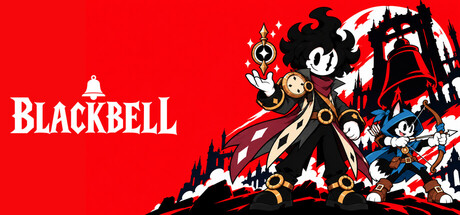
Generative AI tools were used extensively during the development of BLACKBELL, including for artwork, writing, audio, code, and production support. All AI-generated content included in the shipped game is pre-generated, selected, edited, and integrated by the developer. The developer is responsible for the game's creative direction, design, curation, quality control, and final implementation.
Some of the art in Planet Pilot was made with generative AI tools during development, then selected, edited and fitted into the game by the developer. This covers the store and key art, many 2D illustrations (mission briefing, Legends, ace, medal and loading pictures, hangar plane pictures, emblems and some painted ground textures), the picture thumbnails in the landmarks list, and the high-detail 3D models of more than 40 landmarks. The game's translations were made with AI tools and reviewed by the developer. In the trailers, the opening 30 seconds of the cinematic trailer and the trailer music and sound effects were made with AI tools. The world, aircraft, flight model and gameplay were built by the developer. Nothing in the game is generated by AI while you play.
Generative AI tools were used to assist with the creation and refinement of some pre-generated sound effects, 3D assets, 2D images, voice lines, and localization. All AI-assisted content was reviewed, edited, and integrated by the developer. The game does not use generative AI to create content during gameplay.
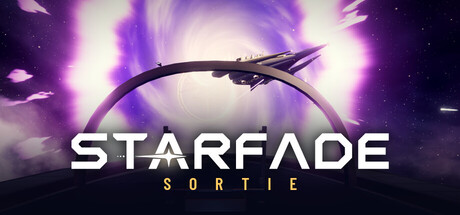
Character voices, and some of the sound effects and music, were pre-generated with AI voice and audio tools and then edited and mixed by the developer. The dialogue, store text and Korean/English translations were written with the help of an AI assistant and reviewed by the developer. All ships, cockpit and environments are in-engine 3D models, and the store images and trailer are in-game captures. No AI content is generated while you play.
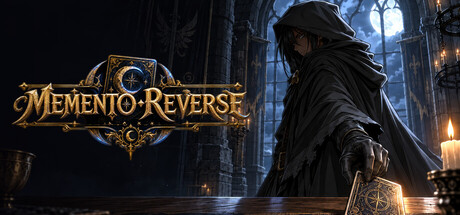
Some of the card illustrations, title art, UI elements, and character voices in this game, as well as the store capsule images, library artwork, and other promotional images, were created with generative AI, then selected and adjusted by the developer. The English text is based on AI translation and has been reviewed by the developer.
As an optional feature, players can connect their own Claude (Anthropic's AI assistant) through a Claude Desktop extension to play against it or watch it play against the CPU. Claude's lines shown in the game are written by the player's own Claude; the game itself does not generate text or communicate with any AI service.
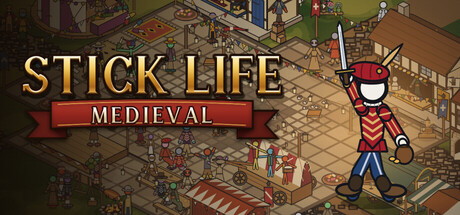
Stick Life: Medieval is designed and directed by a solo developer. Some of the game's code, its in-game writing, the artwork the game draws and parts of this store page were made with the help of generative AI tools, and some of its music was made with Suno, an AI music tool. All of it was played, reviewed and edited by the developer. Nothing is generated by AI while you play.
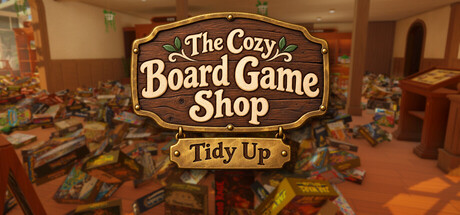
Some art assets (the board game box covers, in-game posters and the game logo) and the background music were created with the help of generative AI tools, then selected and refined by our small team. Everything else, from the shop itself to the gameplay, was built by hand. No AI content is generated during gameplay.
Generative AI tools were used during development to create the sky panoramas, several 3D models and textures, the music and sound effects, and the store art. No AI content is generated while you play.
Pre-generated content: the character voices, some sound effects, ambience and the music were generated with AI audio tools (ElevenLabs), then selected, edited and mixed by the developer. Most 3D models (props, tools, vehicles) and some 2D artwork (signs, posters, in-game documents, interface illustrations and store art) were generated with AI tools and then integrated, adjusted and reviewed in the game by the developer. The people are built with the open-source MakeHuman tools and animated with motion capture (CMU), not with AI. Translations were made with AI assistance and reviewed. The levels and code were built with AI-assisted tools and reviewed and tested by the developer. No content is generated by AI while you play.
The intro cinematic and the artwork taken from it (used on this store page) were generated with AI video tools from the game's own 3D models, as were some illustrations and icons of the interface. The soundtrack was composed with an AI music tool, and the translations were made with AI assistance. No AI generates content while you play.
Everything is AI Assisted
only thing that isn't AI Assisted is the Soundtrack, If i release the Soundtracks on Steam they made by my Friends Imogen and Orlando.
Much of the artwork in Convoy Inc. was created with the help of AI image tools, including job and event scenes, driver portraits, truck and city illustrations, map decorations and parts of the interface art. Every image was selected, edited and composited by the developer to fit the game's vintage atlas style.
The illustrated story scenes and the music in the trailer were also created with AI-assisted tools.
The game's design, code, systems, map data and all written text were created by the developer. The game does not generate any AI content while it runs.
Generative AI tools were used during development to create some of the game’s 2D artwork, 3D assets, and music, as well as Steam store artwork. These are pre-generated assets. The game does not generate AI content or connect to external AI services during gameplay.
AI Generated Content Disclosure
The developers of LIGHT IT provide the following disclosure regarding the use of AI tools in the creation of this game. All AI-assisted content is pre-generated; the game does not generate any AI content live during gameplay.
Music: The in-game music was produced using Suno, an AI music-generation tool.
Art: Some visual assets were created with the assistance of AI image-generation tools.
Code: AI assistants were used to help brainstorm implementation ideas and to assist with debugging.
All AI-assisted content and code was reviewed, tested, and refined by the developer before being included in the final game.
Some of the game's artwork (cards, bosses, mascot, icons) and music were initially created with generative AI tools, then reworked, edited and integrated by the developer. All code, game design, writing and balancing were made by the developer. No content is generated by AI while the game is running.
Generative AI tools were used throughout this game's production pipeline, alongside traditional development tools and techniques, to speed up iteration and expand what our team can make. AI-assisted content that ships in the game includes 2D artwork, voice narration, sound effects, music and in-game text. Every asset in the final product was selected, reviewed, modified where appropriate, and integrated by the development team. No generative AI content is created during gameplay.
AI tools were used during development to assist with writing and translating French and English text, creating branding artwork (including the logo, icon and splash screen), and producing some music. Promotional artwork and the voice-over in our gameplay overview videos also use AI-generated content. These assets were prepared in advance and integrated by the developers. The game does not generate AI content during gameplay.
The music was created with Suno and the logo lettering with an AI image tool (DeeVid); both were edited and are fixed assets in the game. The tutorial voice is text-to-speech. Nothing is generated while the game runs.
Some character avatars, application icons, store and library artwork, and fixed character voice lines were created with generative AI. The launch version uses local gameplay AI and prerecorded voice clips; it does not generate content during play or connect to external AI services.
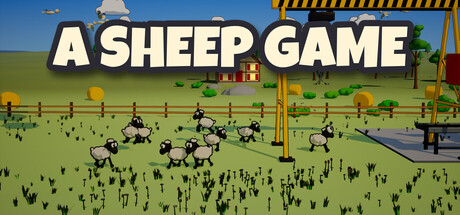
Pre-generated content: Parts of the game were made with generative AI tools and then selected, edited and integrated by the developer: the soundtrack (made with Suno), interface icons and stickers, the painted world illustrations on the level cards and act screens, sound effects and the spoken sheep lines. Some in-game and store texts, including the English translation, were drafted with an AI assistant and edited by the developer. All 3D models, animations and levels are made by the developer's own tools. The game does not generate content with AI while it runs.
Generative AI tools were used to create music and visual artwork, including store and promotional images. These assets were generated before release and selected by the developer. No AI content is generated during gameplay.
We are a team of 3 developers and everything you see in the game including 3D models, textures, and environments were crafted entirely by human hands. We used Generative AI for store capsule images, translations, and the soundtrack.
The background music tracks were created with the help of generative AI, and the translated in-game text for some languages was produced with AI assistance. The game does not use AI while you play.
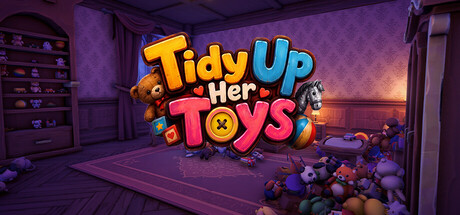
AI-assisted tools were used during the development of Tidy Up Her Toys as part of the creative and production workflow.
AI was utilized to assist with certain aspects of programming and development, music creation, and the production of selected graphical and visual elements. These tools were used to support the development process, experimentation, iteration, and creative production.
The overall game design, direction, implementation, integration, editing, and final creative decisions were handled by the developer. AI-generated and AI-assisted content was reviewed, adapted, and integrated into the game as part of the development process.
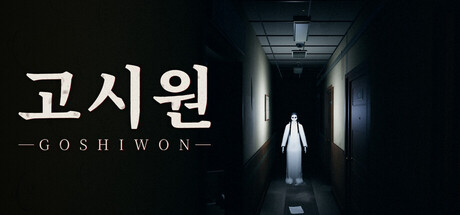
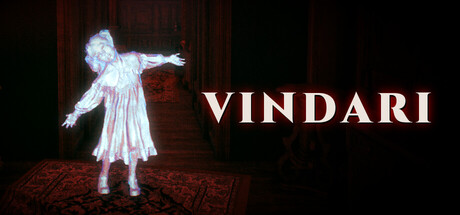
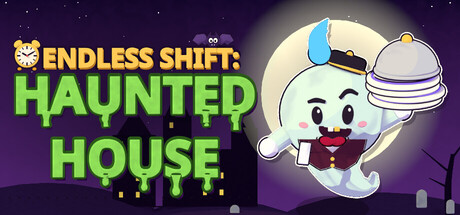
The ghost's voice lines, lullaby, screams, laughter and some sound effects were generated with AI audio tools (ElevenLabs). The store page description and the layout of the capsule art were prepared with the help of an AI assistant, using screenshots captured from the game. All 3D models, environments and animations are human-made assets licensed from the Fab marketplace.
Art and sound within the game and trailer were created with the help of AI tools. In-game text was edited with AI assistance. All puzzles were hand-designed by the developer.
The core art direction and a portion of the artwork were hand-drawn by the developer, and AI was used to produce additional assets in a matching style, which were then reviewed, edited and integrated by hand. The game's music was generated with AI tools. No AI content is generated live while the game is running.
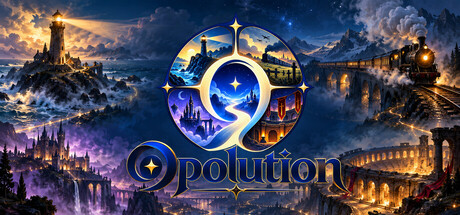
Opolution includes AI-generated illustrations, video sequences and voice-over audio, as well as AI-assisted narrative text and translations. These assets are created in advance during development. No AI content is generated during gameplay, and the game does not connect to external AI services while you play.
Generative AI tools were used during development to create visual assets, including character artwork, environments, and visual effects, as well as in-game music. AI tools also assisted with promotional artwork and the translation of store descriptions. These contents were generated during development. The game does not generate content using AI during gameplay.
Character animations are generated with an AI motion model (Kimodo) and then cleaned up and retargeted by our team. Character voice-overs are created with AI text-to-speech and directed and edited by our team. All 3D models, buildings, textures and writing are made by us. No AI content is generated live during gameplay.
AI tools assisted in creating and revising the ending illustrations, narrative and explanatory text, English localization, and some visuals and sound effects produced through code. AI tools also assisted with store descriptions and promotional artwork. The game contains fixed, completed content and does not generate new content or connect to external AI services during play.
This game was made using generative AI. Generative AI was used for card illustrations, backgrounds, character videos, music, the story and other text, translations, and promotional materials such as the store page and trailer. All of this content was created in advance; no content is generated by AI during gameplay.
AI was used in assisiting to create the VFX, trailer music, localisation and concept art.
All generated material was reviewed, refined and integrated by the developers before use.
Generative AI tools were used to help create some visual assets, animated effects, text and translations in the game and its store materials. These assets were prepared in advance and integrated by the developer. The game does not generate AI content during gameplay. Generative AI was also used to create some music and sound effects for the trailers.
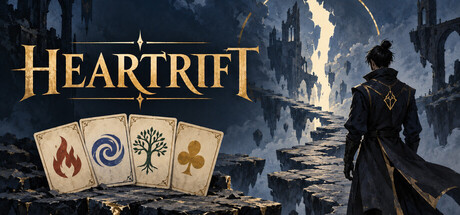
Generative AI was used during development to create artwork, UI and promotional assets, as well as audio content, including character voices. AI tools also assisted with writing and refining the game’s code. All AI-generated content is pre-generated; HEARTRIFT does not generate content or code with AI during gameplay or connect to an external AI service.
The game's code, in-game text (item names, objectives, story) and synthesized sound effects were created with the help of an AI coding assistant and reviewed by the developer. Store and library art is composed from in-game screenshots. 3D models, textures, music and recorded sound effects are human-made CC0 assets (Kenney, Poly Haven, OpenGameArt).
This game uses generative AI in the creation of some visual elements, including character illustrations and backgrounds; all results were reviewed and retouched by hand. Voice audio is based on dubbing and recordings by real people, which were then converted or refined using generative AI.
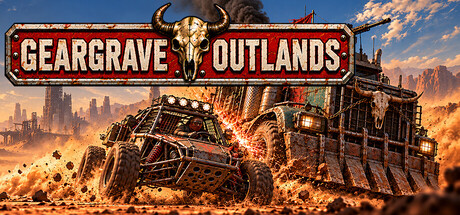
All artwork, music, and sound effects in Geargrave Outlands were created with generative AI tools (images: OpenAI image models; music: Suno; sound effects: ElevenLabs) and then selected, edited, and integrated by the developer. Story text was written with AI assistance and edited by the developer. All translations were produced with AI assistance. All of this content is pre-generated and ships as fixed files. The game does not generate any content with AI while you play.
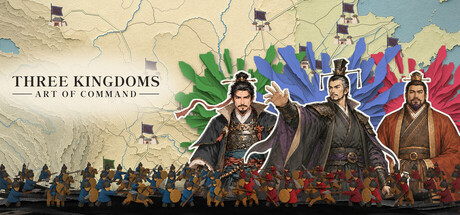
Generative AI tools were used during development to help create pre-made content: officer portraits, map and interface artwork, music and sound effects, and drafts of in-game text and its translations. All of it was selected and edited by the developer. The game does not generate any content with AI while you play.
The voices, music and sound effects were generated with AI audio tools (ElevenLabs) and then edited and mixed by the developer. The 3D world and the game itself were built with the help of an AI coding assistant. The trailers' narration also uses AI-generated voices. Nothing is generated by AI while you play.
AI tools were used to support the development of this game. Some of the audio was created with generative AI. All content was reviewed and selected by the developer.
This game contains pre-generated AI content, all reviewed and edited by the developer:
- Voice acting: every radio and PA line, in English and Turkish, is text-to-speech generated with ElevenLabs.
- Audio: most sound effects and the three music beds were generated with ElevenLabs.
- 3D art: some organic growth props were shaped with an image-to-3D pipeline (SDXL + Hunyuan3D), then UV-unwrapped, baked and finished by hand in Blender.
- 2D art: the still images in the narrated opening were made with an image model.
The game generates nothing with AI while it runs. The trailer, screenshots and capsule art on this page are in-game footage and in-engine captures.
Sound effects, some character voices and music in the game were made with generative AI tools (ElevenLabs). Everything is pre-generated during development; nothing is generated while you play.
Generative AI tools are used during the development of MASSVEIL to assist with the creation and refinement of certain pre-generated materials, including selected visual elements, sound effects, voice lines, and text content.
All AI-assisted content is reviewed and, where necessary, edited by the developer before being included in the game.
Generative AI is not used to create new content during gameplay, and the game does not connect to third-party AI services while running.
Generative AI tools were used extensively during the development of BLACKBELL, including for artwork, writing, audio, code, and production support. All AI-generated content included in the shipped game is pre-generated, selected, edited, and integrated by the developer. The developer is responsible for the game's creative direction, design, curation, quality control, and final implementation.
Some of the art in Planet Pilot was made with generative AI tools during development, then selected, edited and fitted into the game by the developer. This covers the store and key art, many 2D illustrations (mission briefing, Legends, ace, medal and loading pictures, hangar plane pictures, emblems and some painted ground textures), the picture thumbnails in the landmarks list, and the high-detail 3D models of more than 40 landmarks. The game's translations were made with AI tools and reviewed by the developer. In the trailers, the opening 30 seconds of the cinematic trailer and the trailer music and sound effects were made with AI tools. The world, aircraft, flight model and gameplay were built by the developer. Nothing in the game is generated by AI while you play.
Generative AI tools were used to assist with the creation and refinement of some pre-generated sound effects, 3D assets, 2D images, voice lines, and localization. All AI-assisted content was reviewed, edited, and integrated by the developer. The game does not use generative AI to create content during gameplay.
Character voices, and some of the sound effects and music, were pre-generated with AI voice and audio tools and then edited and mixed by the developer. The dialogue, store text and Korean/English translations were written with the help of an AI assistant and reviewed by the developer. All ships, cockpit and environments are in-engine 3D models, and the store images and trailer are in-game captures. No AI content is generated while you play.
Some of the card illustrations, title art, UI elements, and character voices in this game, as well as the store capsule images, library artwork, and other promotional images, were created with generative AI, then selected and adjusted by the developer. The English text is based on AI translation and has been reviewed by the developer.
As an optional feature, players can connect their own Claude (Anthropic's AI assistant) through a Claude Desktop extension to play against it or watch it play against the CPU. Claude's lines shown in the game are written by the player's own Claude; the game itself does not generate text or communicate with any AI service.
Stick Life: Medieval is designed and directed by a solo developer. Some of the game's code, its in-game writing, the artwork the game draws and parts of this store page were made with the help of generative AI tools, and some of its music was made with Suno, an AI music tool. All of it was played, reviewed and edited by the developer. Nothing is generated by AI while you play.
Some art assets (the board game box covers, in-game posters and the game logo) and the background music were created with the help of generative AI tools, then selected and refined by our small team. Everything else, from the shop itself to the gameplay, was built by hand. No AI content is generated during gameplay.
Generative AI tools were used during development to create the sky panoramas, several 3D models and textures, the music and sound effects, and the store art. No AI content is generated while you play.
Pre-generated content: the character voices, some sound effects, ambience and the music were generated with AI audio tools (ElevenLabs), then selected, edited and mixed by the developer. Most 3D models (props, tools, vehicles) and some 2D artwork (signs, posters, in-game documents, interface illustrations and store art) were generated with AI tools and then integrated, adjusted and reviewed in the game by the developer. The people are built with the open-source MakeHuman tools and animated with motion capture (CMU), not with AI. Translations were made with AI assistance and reviewed. The levels and code were built with AI-assisted tools and reviewed and tested by the developer. No content is generated by AI while you play.
The intro cinematic and the artwork taken from it (used on this store page) were generated with AI video tools from the game's own 3D models, as were some illustrations and icons of the interface. The soundtrack was composed with an AI music tool, and the translations were made with AI assistance. No AI generates content while you play.
Everything is AI Assisted
only thing that isn't AI Assisted is the Soundtrack, If i release the Soundtracks on Steam they made by my Friends Imogen and Orlando.
Much of the artwork in Convoy Inc. was created with the help of AI image tools, including job and event scenes, driver portraits, truck and city illustrations, map decorations and parts of the interface art. Every image was selected, edited and composited by the developer to fit the game's vintage atlas style.
The illustrated story scenes and the music in the trailer were also created with AI-assisted tools.
The game's design, code, systems, map data and all written text were created by the developer. The game does not generate any AI content while it runs.
Generative AI tools were used during development to create some of the game’s 2D artwork, 3D assets, and music, as well as Steam store artwork. These are pre-generated assets. The game does not generate AI content or connect to external AI services during gameplay.
AI Generated Content Disclosure
The developers of LIGHT IT provide the following disclosure regarding the use of AI tools in the creation of this game. All AI-assisted content is pre-generated; the game does not generate any AI content live during gameplay.
Music: The in-game music was produced using Suno, an AI music-generation tool.
Art: Some visual assets were created with the assistance of AI image-generation tools.
Code: AI assistants were used to help brainstorm implementation ideas and to assist with debugging.
All AI-assisted content and code was reviewed, tested, and refined by the developer before being included in the final game.
Some of the game's artwork (cards, bosses, mascot, icons) and music were initially created with generative AI tools, then reworked, edited and integrated by the developer. All code, game design, writing and balancing were made by the developer. No content is generated by AI while the game is running.
Generative AI tools were used throughout this game's production pipeline, alongside traditional development tools and techniques, to speed up iteration and expand what our team can make. AI-assisted content that ships in the game includes 2D artwork, voice narration, sound effects, music and in-game text. Every asset in the final product was selected, reviewed, modified where appropriate, and integrated by the development team. No generative AI content is created during gameplay.
AI tools were used during development to assist with writing and translating French and English text, creating branding artwork (including the logo, icon and splash screen), and producing some music. Promotional artwork and the voice-over in our gameplay overview videos also use AI-generated content. These assets were prepared in advance and integrated by the developers. The game does not generate AI content during gameplay.
The music was created with Suno and the logo lettering with an AI image tool (DeeVid); both were edited and are fixed assets in the game. The tutorial voice is text-to-speech. Nothing is generated while the game runs.
Some character avatars, application icons, store and library artwork, and fixed character voice lines were created with generative AI. The launch version uses local gameplay AI and prerecorded voice clips; it does not generate content during play or connect to external AI services.
Pre-generated content: Parts of the game were made with generative AI tools and then selected, edited and integrated by the developer: the soundtrack (made with Suno), interface icons and stickers, the painted world illustrations on the level cards and act screens, sound effects and the spoken sheep lines. Some in-game and store texts, including the English translation, were drafted with an AI assistant and edited by the developer. All 3D models, animations and levels are made by the developer's own tools. The game does not generate content with AI while it runs.
Generative AI tools were used to create music and visual artwork, including store and promotional images. These assets were generated before release and selected by the developer. No AI content is generated during gameplay.
We are a team of 3 developers and everything you see in the game including 3D models, textures, and environments were crafted entirely by human hands. We used Generative AI for store capsule images, translations, and the soundtrack.
The background music tracks were created with the help of generative AI, and the translated in-game text for some languages was produced with AI assistance. The game does not use AI while you play.
AI-assisted tools were used during the development of Tidy Up Her Toys as part of the creative and production workflow.
AI was utilized to assist with certain aspects of programming and development, music creation, and the production of selected graphical and visual elements. These tools were used to support the development process, experimentation, iteration, and creative production.
The overall game design, direction, implementation, integration, editing, and final creative decisions were handled by the developer. AI-generated and AI-assisted content was reviewed, adapted, and integrated into the game as part of the development process.
The ghost's voice lines, lullaby, screams, laughter and some sound effects were generated with AI audio tools (ElevenLabs). The store page description and the layout of the capsule art were prepared with the help of an AI assistant, using screenshots captured from the game. All 3D models, environments and animations are human-made assets licensed from the Fab marketplace.
Art and sound within the game and trailer were created with the help of AI tools. In-game text was edited with AI assistance. All puzzles were hand-designed by the developer.
The core art direction and a portion of the artwork were hand-drawn by the developer, and AI was used to produce additional assets in a matching style, which were then reviewed, edited and integrated by hand. The game's music was generated with AI tools. No AI content is generated live while the game is running.
Opolution includes AI-generated illustrations, video sequences and voice-over audio, as well as AI-assisted narrative text and translations. These assets are created in advance during development. No AI content is generated during gameplay, and the game does not connect to external AI services while you play.
Generative AI tools were used during development to create visual assets, including character artwork, environments, and visual effects, as well as in-game music. AI tools also assisted with promotional artwork and the translation of store descriptions. These contents were generated during development. The game does not generate content using AI during gameplay.
Character animations are generated with an AI motion model (Kimodo) and then cleaned up and retargeted by our team. Character voice-overs are created with AI text-to-speech and directed and edited by our team. All 3D models, buildings, textures and writing are made by us. No AI content is generated live during gameplay.
AI tools assisted in creating and revising the ending illustrations, narrative and explanatory text, English localization, and some visuals and sound effects produced through code. AI tools also assisted with store descriptions and promotional artwork. The game contains fixed, completed content and does not generate new content or connect to external AI services during play.
This game was made using generative AI. Generative AI was used for card illustrations, backgrounds, character videos, music, the story and other text, translations, and promotional materials such as the store page and trailer. All of this content was created in advance; no content is generated by AI during gameplay.
AI was used in assisiting to create the VFX, trailer music, localisation and concept art.
All generated material was reviewed, refined and integrated by the developers before use.
Generative AI tools were used to help create some visual assets, animated effects, text and translations in the game and its store materials. These assets were prepared in advance and integrated by the developer. The game does not generate AI content during gameplay. Generative AI was also used to create some music and sound effects for the trailers.
Generative AI was used during development to create artwork, UI and promotional assets, as well as audio content, including character voices. AI tools also assisted with writing and refining the game’s code. All AI-generated content is pre-generated; HEARTRIFT does not generate content or code with AI during gameplay or connect to an external AI service.
The game's code, in-game text (item names, objectives, story) and synthesized sound effects were created with the help of an AI coding assistant and reviewed by the developer. Store and library art is composed from in-game screenshots. 3D models, textures, music and recorded sound effects are human-made CC0 assets (Kenney, Poly Haven, OpenGameArt).
This game uses generative AI in the creation of some visual elements, including character illustrations and backgrounds; all results were reviewed and retouched by hand. Voice audio is based on dubbing and recordings by real people, which were then converted or refined using generative AI.
All artwork, music, and sound effects in Geargrave Outlands were created with generative AI tools (images: OpenAI image models; music: Suno; sound effects: ElevenLabs) and then selected, edited, and integrated by the developer. Story text was written with AI assistance and edited by the developer. All translations were produced with AI assistance. All of this content is pre-generated and ships as fixed files. The game does not generate any content with AI while you play.
Generative AI tools were used during development to help create pre-made content: officer portraits, map and interface artwork, music and sound effects, and drafts of in-game text and its translations. All of it was selected and edited by the developer. The game does not generate any content with AI while you play.
The voices, music and sound effects were generated with AI audio tools (ElevenLabs) and then edited and mixed by the developer. The 3D world and the game itself were built with the help of an AI coding assistant. The trailers' narration also uses AI-generated voices. Nothing is generated by AI while you play.
AI tools were used to support the development of this game. Some of the audio was created with generative AI. All content was reviewed and selected by the developer.
This game contains pre-generated AI content, all reviewed and edited by the developer:
- Voice acting: every radio and PA line, in English and Turkish, is text-to-speech generated with ElevenLabs.
- Audio: most sound effects and the three music beds were generated with ElevenLabs.
- 3D art: some organic growth props were shaped with an image-to-3D pipeline (SDXL + Hunyuan3D), then UV-unwrapped, baked and finished by hand in Blender.
- 2D art: the still images in the narrated opening were made with an image model.
The game generates nothing with AI while it runs. The trailer, screenshots and capsule art on this page are in-game footage and in-engine captures.
Sound effects, some character voices and music in the game were made with generative AI tools (ElevenLabs). Everything is pre-generated during development; nothing is generated while you play.
Generative AI tools are used during the development of MASSVEIL to assist with the creation and refinement of certain pre-generated materials, including selected visual elements, sound effects, voice lines, and text content.
All AI-assisted content is reviewed and, where necessary, edited by the developer before being included in the game.
Generative AI is not used to create new content during gameplay, and the game does not connect to third-party AI services while running.