Public Steam disclosure research25,383 disclosures tracked
Where do games disclose AI use?
Search developers’ Steam disclosures, compare classified AI use across
games, and follow recorded changes.
This index adds cross-game classifications and statistics to
statements published on individual store pages.
Groups reflect automatic analysis of public disclosures; mature records are excluded. These counts do not measure AI use across all of Steam.
Missing or unclear statements cannot establish whether a game uses AI.
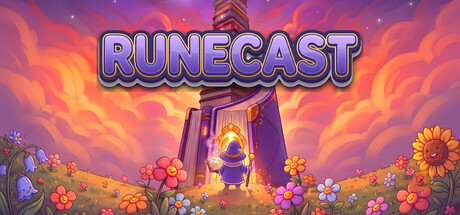
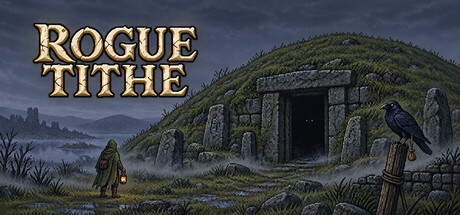
Runecast’s illustrations were generated with AI tools, then curated, edited and integrated by hand. The soundtrack was generated with Suno under a commercial license. The game’s design and code were developed with AI assistance, directed and reviewed by the developer.
Generative AI was used during development to create image assets, including characters, environments, items and titles, and to create background music. Selected images were adapted into the game's pixel-art assets. AI and machine translation were also used when preparing localized text. These assets are prepared in advance; the game does not generate images, music or text with AI during play.
Generative AI tools were used during development to assist with the creation and refinement of some game content and assets. All AI-assisted content was reviewed and integrated by the development team before being included in the game.
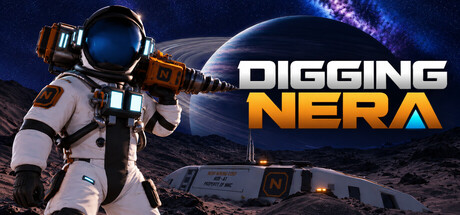
I prefer to be clear and transparent about the development of Digging Nera, without attempting to hide, downplay, or minimize my use of AI or AI-assisted tools.
I am the sole developer of Digging Nera. I work without a team, without significant resources, and without formal training in game development. What I do have is my own artistic sensibility, curiosity, creativity, and willingness to learn. AI has been one of the tools that has helped me turn that vision into a game, and I have used it as follows:
I have primarily used generative AI to assist with localization and translation across the game's supported languages, as well as with the creation or refinement of selected visual and audio elements.
For some visual elements, I have used AI-assisted content as a starting point or production aid before selecting, adapting, editing, integrating, or reworking it to fit the artistic direction I established for the game. I have also used generative AI selectively to assist with certain audio elements and development-related tasks.
Developing Digging Nera represents a substantial personal investment of time and work. I have spent many hours designing and building its environments, implementing gameplay systems, testing, correcting issues, making adjustments, optimizing performance, and polishing the overall experience. AI tools are part of my production process, but they do not replace the work I put into designing, developing, testing, and shaping the game.
I personally designed and implemented the core of Digging Nera, including its environments, level design, gameplay mechanics, progression systems, narrative structure, user interface, world building, and overall creative direction.
I review, select, adapt where necessary, and integrate all AI-assisted content that ultimately appears in the game.
No generative AI is used in real time during gameplay. Digging Nera does not dynamically generate AI-created text, images, audio, levels, dialogue, or other content while the player is playing.
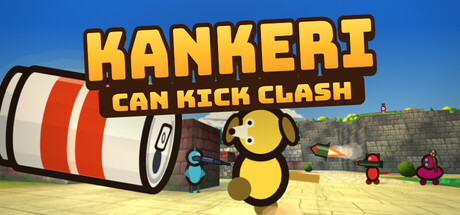
This game uses AI-generated assets created during development. Sound effects (footsteps, can kicks, gunshots, explosions, etc.) were generated with AI and selected and adjusted by the developer. Background art (textures for the ground, walls, distant scenery, clouds, trees and waterside details) was generated with AI and processed by the developer (desaturated, cropped and recolored in-game). Characters, the can, weapons, UI and music are not AI-generated. The game does not generate any content with AI while running.
Generative AI was used to create artwork, videos, music, sound effects, and translations during development. No AI content is generated during gameplay. The game does not connect to external AI services during gameplay.
This game includes AI-generated content created during development.
Character portraits, illustrations and store artwork were generated with an image model and curated by the developer. Background music was generated with Google Lyria and contains SynthID watermarking.
Translations were produced with AI assistance. No AI content is generated while you play.
Some of the store artwork, the game icon and some sound effects were created with generative AI tools and then edited by hand before release. The simulation, the program code, the 3D models and the text in the game were made without generative AI. Nothing is generated by AI while you play.
Generative AI was used for part of this game's content production (background art, music, and text), as well as for part of this store page's text (description and translation).
We used generative AI during development. The title logo image was created with a
generative AI image tool. Sound effects in the game and in the trailer are synthesised
by a script that was written with AI coding assistance. The nine non-Japanese interface
translations and the store text were produced by AI. AI coding assistance was used
throughout development. The game does not generate any content with AI while it runs.
Generative AI was used during development to help create some character illustrations, artwork and animations, music and sound effects, drafts of in-game text, localization, and store-page materials. This content is prepared in advance and incorporated into the game or its store page. The game does not generate content using generative AI during gameplay.
AI was used throughout development for assistance with artwork, audio, code, and prototyping, as a tool, not a magic wand. Everything is directed, edited, assembled, and ultimately blamed on one questionably qualified human developer.
No AI runs during gameplay. It already costs me enough when the game isn't running.
The token bill remains undefeated.
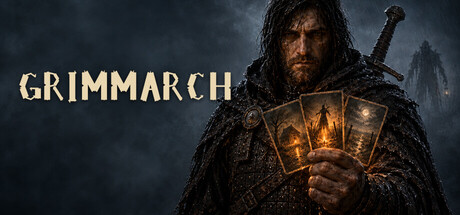
Grimmarch's art, music, voice and sound effects are created or edited with generative AI tools, then selected, edited and approved by a human before shipping. That covers card and interface art, character portraits, map and scene art, the cinematic, music, character voice lines and sound effects.
Nothing is generated while you play: the game contacts no AI service at runtime, and nothing you do is sent to one.
Generative AI was used during development to create visual and 3D assets, background music, sound effects, and localized text, including store and marketing materials. The game does not generate AI content during gameplay or connect to external AI services.
Generative AI tools were used during development to assist with character artwork, educational text, translations, musical compositions, and store and marketing materials. This content was prepared during development. The game does not use generative AI during gameplay or connect to external AI services.
The protagonist was entirely hand-drawn. Some of the in-game tilesets, objects, background music, and sound effects were created using generative AI, and all AI-generated assets were manually retouched and edited by me before being used in the game.No generative AI content is generated during gameplay.
We use AI as a production tool in areas of development, with all creative direction, concepts, and final assembly done by humans:
Code assistance: AI tools help us write and debug GDScript/shader code for our Godot 4.5 engine. All architecture, game design decisions, and systems design are human-led.
3D models and art assets: Some 3D models and textures are AI-generated or AI-assisted, then manually cleaned up, retopologized, and integrated by hand. Final visual style and direction are decided by us.
Audio: Some sound effects and audio elements are AI-generated, then curated, edited, and mixed to fit the game.
Everything else — the game concept, world design, story, gameplay systems, and the process of bringing all elements together into the final game — is entirely human-made.
We used AI tools to help create artwork, music, and text, including translations. We selected and refined the visuals to fit Nightclub Security's cartoon style.
Generative AI was used during development to create some visual assets, including background artwork, UI graphics, icons and 3D models, as well as music, some sound effects, and localized text. These assets are included as pre-generated content. The game does not generate AI content or connect to external AI services during gameplay.
Artwork, video and voice performances in this game were created with generative-AI tools and selected and edited by the author; the writing was drafted with AI assistance and reviewed by the author. Nothing is generated while you play.
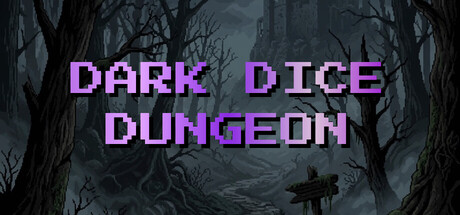
The content of Dark Dice Dungeon was produced with the help of generative AI tools: the illustrations, the music and sound effects, the in-game writing, and the English and Spanish translations. All of it was then selected, edited and assembled by hand by the developer. Nothing is generated while you play: the game ships with fixed assets and never connects to any service.
Some art assets in this game — including scene backgrounds, character portraits, promotional images, and music — were created with the assistance of generative AI tools during development, and were manually selected, retouched, and integrated by the developer.
I used AI-generated images, assets, and music. I also used AI to assist with creating some of game's Bluprint. However, as a Motion graphic designer, I created as many of the 3D assets myself as possible.
Generative AI tools assisted in producing content for the game and its store materials, including some images, music and character voices. Starlit Hall Studio designs, selects, revises, integrates and reviews the final content. All content is prepared before release; the game does not generate content or connect to generative AI services during play.
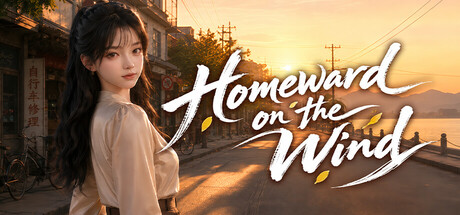
Visual assets and music in Homeward on the Wind were created with the assistance of generative AI tools and were reviewed and refined by the development team. The game does not generate content in real time. All storylines, choices, and interactions are pre-designed.
Some pre-rendered visual and audio assets were created with the assistance of generative AI tools during development. All such content was reviewed, edited, and finalized by the developer before shipping. The game does not use AI to generate content during gameplay.
Generative AI was used during development to create some images, in-game assets, and voices. This includes artwork used on the Steam store page and in promotional materials.
I would use pictures, send them through Nano Banana to enhance and modify (Example: silver eyes for Bees) then have AI turn the creatures into sprites. Game mechanics are all mine but AI would make the Pop up's. (Example: For a $5 bonus correctly spell the territory you captured.) A few sounds are AI generated.
During development we use AI-based tools to assist with content creation, including modelling, voice lines, music and translations. All of it is reviewed by the team to ensure the final product stays true to our own vision.
Voice lines and sound effects were produced with AI voice synthesis
(ElevenLabs) during development. Some character portraits and UI/VFX
textures were created with AI-assisted tools. All assets were reviewed,
edited and integrated by the developer.
No generative AI runs at runtime — the game ships only pre-generated,
fixed assets.
Pre-generated voice-over and minor environmental assets were created using generative AI.
All generated content was selected, edited, and integrated by the development team. No generative AI is used during gameplay.
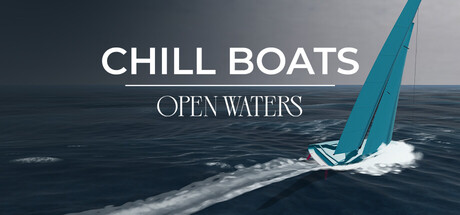
Some sound effects in the game, including boat and engine sounds, were generated using AI tools during development and are included as pre-generated audio assets. This was intended as a temporary solution, with the goal of replacing them with original, professionally recorded sound effects once the necessary resources become available.
Runecast’s illustrations were generated with AI tools, then curated, edited and integrated by hand. The soundtrack was generated with Suno under a commercial license. The game’s design and code were developed with AI assistance, directed and reviewed by the developer.
Generative AI was used during development to create image assets, including characters, environments, items and titles, and to create background music. Selected images were adapted into the game's pixel-art assets. AI and machine translation were also used when preparing localized text. These assets are prepared in advance; the game does not generate images, music or text with AI during play.
Generative AI tools were used during development to assist with the creation and refinement of some game content and assets. All AI-assisted content was reviewed and integrated by the development team before being included in the game.
I prefer to be clear and transparent about the development of Digging Nera, without attempting to hide, downplay, or minimize my use of AI or AI-assisted tools.
I am the sole developer of Digging Nera. I work without a team, without significant resources, and without formal training in game development. What I do have is my own artistic sensibility, curiosity, creativity, and willingness to learn. AI has been one of the tools that has helped me turn that vision into a game, and I have used it as follows:
I have primarily used generative AI to assist with localization and translation across the game's supported languages, as well as with the creation or refinement of selected visual and audio elements.
For some visual elements, I have used AI-assisted content as a starting point or production aid before selecting, adapting, editing, integrating, or reworking it to fit the artistic direction I established for the game. I have also used generative AI selectively to assist with certain audio elements and development-related tasks.
Developing Digging Nera represents a substantial personal investment of time and work. I have spent many hours designing and building its environments, implementing gameplay systems, testing, correcting issues, making adjustments, optimizing performance, and polishing the overall experience. AI tools are part of my production process, but they do not replace the work I put into designing, developing, testing, and shaping the game.
I personally designed and implemented the core of Digging Nera, including its environments, level design, gameplay mechanics, progression systems, narrative structure, user interface, world building, and overall creative direction.
I review, select, adapt where necessary, and integrate all AI-assisted content that ultimately appears in the game.
No generative AI is used in real time during gameplay. Digging Nera does not dynamically generate AI-created text, images, audio, levels, dialogue, or other content while the player is playing.
This game uses AI-generated assets created during development. Sound effects (footsteps, can kicks, gunshots, explosions, etc.) were generated with AI and selected and adjusted by the developer. Background art (textures for the ground, walls, distant scenery, clouds, trees and waterside details) was generated with AI and processed by the developer (desaturated, cropped and recolored in-game). Characters, the can, weapons, UI and music are not AI-generated. The game does not generate any content with AI while running.
Generative AI was used to create artwork, videos, music, sound effects, and translations during development. No AI content is generated during gameplay. The game does not connect to external AI services during gameplay.
This game includes AI-generated content created during development.
Character portraits, illustrations and store artwork were generated with an image model and curated by the developer. Background music was generated with Google Lyria and contains SynthID watermarking.
Translations were produced with AI assistance. No AI content is generated while you play.
Some of the store artwork, the game icon and some sound effects were created with generative AI tools and then edited by hand before release. The simulation, the program code, the 3D models and the text in the game were made without generative AI. Nothing is generated by AI while you play.
Generative AI was used for part of this game's content production (background art, music, and text), as well as for part of this store page's text (description and translation).
We used generative AI during development. The title logo image was created with a
generative AI image tool. Sound effects in the game and in the trailer are synthesised
by a script that was written with AI coding assistance. The nine non-Japanese interface
translations and the store text were produced by AI. AI coding assistance was used
throughout development. The game does not generate any content with AI while it runs.
Generative AI was used during development to help create some character illustrations, artwork and animations, music and sound effects, drafts of in-game text, localization, and store-page materials. This content is prepared in advance and incorporated into the game or its store page. The game does not generate content using generative AI during gameplay.
AI was used throughout development for assistance with artwork, audio, code, and prototyping, as a tool, not a magic wand. Everything is directed, edited, assembled, and ultimately blamed on one questionably qualified human developer.
No AI runs during gameplay. It already costs me enough when the game isn't running.
The token bill remains undefeated.
Grimmarch's art, music, voice and sound effects are created or edited with generative AI tools, then selected, edited and approved by a human before shipping. That covers card and interface art, character portraits, map and scene art, the cinematic, music, character voice lines and sound effects.
Nothing is generated while you play: the game contacts no AI service at runtime, and nothing you do is sent to one.
Generative AI was used during development to create visual and 3D assets, background music, sound effects, and localized text, including store and marketing materials. The game does not generate AI content during gameplay or connect to external AI services.
Generative AI tools were used during development to assist with character artwork, educational text, translations, musical compositions, and store and marketing materials. This content was prepared during development. The game does not use generative AI during gameplay or connect to external AI services.
The protagonist was entirely hand-drawn. Some of the in-game tilesets, objects, background music, and sound effects were created using generative AI, and all AI-generated assets were manually retouched and edited by me before being used in the game.No generative AI content is generated during gameplay.
We use AI as a production tool in areas of development, with all creative direction, concepts, and final assembly done by humans:
Code assistance: AI tools help us write and debug GDScript/shader code for our Godot 4.5 engine. All architecture, game design decisions, and systems design are human-led.
3D models and art assets: Some 3D models and textures are AI-generated or AI-assisted, then manually cleaned up, retopologized, and integrated by hand. Final visual style and direction are decided by us.
Audio: Some sound effects and audio elements are AI-generated, then curated, edited, and mixed to fit the game.
Everything else — the game concept, world design, story, gameplay systems, and the process of bringing all elements together into the final game — is entirely human-made.
We used AI tools to help create artwork, music, and text, including translations. We selected and refined the visuals to fit Nightclub Security's cartoon style.
Generative AI was used during development to create some visual assets, including background artwork, UI graphics, icons and 3D models, as well as music, some sound effects, and localized text. These assets are included as pre-generated content. The game does not generate AI content or connect to external AI services during gameplay.
Artwork, video and voice performances in this game were created with generative-AI tools and selected and edited by the author; the writing was drafted with AI assistance and reviewed by the author. Nothing is generated while you play.
The content of Dark Dice Dungeon was produced with the help of generative AI tools: the illustrations, the music and sound effects, the in-game writing, and the English and Spanish translations. All of it was then selected, edited and assembled by hand by the developer. Nothing is generated while you play: the game ships with fixed assets and never connects to any service.
Some art assets in this game — including scene backgrounds, character portraits, promotional images, and music — were created with the assistance of generative AI tools during development, and were manually selected, retouched, and integrated by the developer.
I used AI-generated images, assets, and music. I also used AI to assist with creating some of game's Bluprint. However, as a Motion graphic designer, I created as many of the 3D assets myself as possible.
Generative AI tools assisted in producing content for the game and its store materials, including some images, music and character voices. Starlit Hall Studio designs, selects, revises, integrates and reviews the final content. All content is prepared before release; the game does not generate content or connect to generative AI services during play.
Visual assets and music in Homeward on the Wind were created with the assistance of generative AI tools and were reviewed and refined by the development team. The game does not generate content in real time. All storylines, choices, and interactions are pre-designed.
Some pre-rendered visual and audio assets were created with the assistance of generative AI tools during development. All such content was reviewed, edited, and finalized by the developer before shipping. The game does not use AI to generate content during gameplay.
Generative AI was used during development to create some images, in-game assets, and voices. This includes artwork used on the Steam store page and in promotional materials.
I would use pictures, send them through Nano Banana to enhance and modify (Example: silver eyes for Bees) then have AI turn the creatures into sprites. Game mechanics are all mine but AI would make the Pop up's. (Example: For a $5 bonus correctly spell the territory you captured.) A few sounds are AI generated.
During development we use AI-based tools to assist with content creation, including modelling, voice lines, music and translations. All of it is reviewed by the team to ensure the final product stays true to our own vision.
Voice lines and sound effects were produced with AI voice synthesis
(ElevenLabs) during development. Some character portraits and UI/VFX
textures were created with AI-assisted tools. All assets were reviewed,
edited and integrated by the developer.
No generative AI runs at runtime — the game ships only pre-generated,
fixed assets.
Pre-generated voice-over and minor environmental assets were created using generative AI.
All generated content was selected, edited, and integrated by the development team. No generative AI is used during gameplay.
Some sound effects in the game, including boat and engine sounds, were generated using AI tools during development and are included as pre-generated audio assets. This was intended as a temporary solution, with the goal of replacing them with original, professionally recorded sound effects once the necessary resources become available.