
Disclosure
Generative AI was used for in-game illustrations, store and library artwork, and background music.
- Creator
- Entity Welfare
- Reviews
- -
- Added
- Sep 19, 2026
Public Steam disclosure research 25,383 disclosures tracked
Search developers’ Steam disclosures, compare classified AI use across games, and follow recorded changes. This index adds cross-game classifications and statistics to statements published on individual store pages.
Code help, debugging and other development work.
Capsule art, trailers and promotional material.
Pre-made art, audio, writing and other game assets.
Interactive or runtime AI features disclosed by the developer.
Groups reflect automatic analysis of public disclosures; mature records are excluded. These counts do not measure AI use across all of Steam. Missing or unclear statements cannot establish whether a game uses AI.
Generative AI was used for in-game illustrations, store and library artwork, and background music.
Use of AI for translation. Use of AI to create/enhance some images. Use of AI to Generate Audio
Some visual assets, including 3D objects and example artwork, sound effects, and music were created with generative AI during development. Promotional videos also use AI-generated narration. These assets are prepared in advance. The current game does not use generative AI to create content during gameplay.
Generative AI tools were used during the development of LOCKDOWN to assist in the creation of some artwork and music featured in the game. All AI-assisted content was reviewed, selected, edited, and integrated by the development team. Generative AI is not used to generate content in real time during gameplay.
Trading-card illustrations and promotional artwork were created with generative AI. Trailer music and sound effects were also generated with AI. All assets are pre-generated; no AI content is generated during gameplay, and the game does not connect to an AI service.
We want to be transparent about our use of AI. AI was used only as a supporting tool for selected textures and sounds. Due to our limited budget, it helped us create visual assets that would otherwise have been difficult to produce within our resources. We deeply respect the work of real artists. The game’s concept, creative direction, design, and programming were created entirely by humans. AI was used only as a supplementary tool in a limited part of the audio/visual production process.
I am a solo developer leveraging AI to improve my efficiency while moonlighting this project. Hence, many temporary AI-generated assets make their way into the game but I hope to replace over 90% of those with handcrafted assets over time.
AI was generally used in collaboration with human editing throughout most of the game. All released content was selected, edited and integrated by the developer. No content is generated during gameplay.
This game was built with the help of generative AI. All of its code, visuals, and music were created with the help of AI tools during development. Everything you see and hear in the game is pre-made; nothing is generated live while you play.
Music and images created with AI assistance.
Parts of this game's 2D artwork (event panels, backgrounds, UI elements) were created using generative AI tools and were then curated, corrected and finished by our artist. Some music and ambience tracks were produced with AI assistance and manually edited. Event texts were drafted with LLM assistance and fully reviewed, edited and approved by the developers. The game contains NO live/runtime AI generation: all content is pre-generated and human-reviewed before shipping. No third-party copyrighted material and no real persons' likenesses were used in prompts.
Some of the game's music and sound effects were created with the help of generative AI tools. Generative AI was also used to assist with in-game text and its translations into other languages. All AI-assisted content was produced during development and reviewed by the team. The game does not generate any content with AI during gameplay.
The game uses generative AI for some of the artwork on the Steam page and for certain audio content within the game.
Jump Bait was created using generative AI, including its code, visual assets, music, and written content. AI-generated content was created during development. The game does not generate AI content or connect to third-party AI services during gameplay.
Pre-rendered art, sound effects, music
Some visual and audio assets were created with generative AI tools and then reviewed and edited by the developer: the city background scenes, the store trailers (including the animated cinematic and its character), the music tracks and ambient loops, and store/marketing images such as capsules and the icon. All gameplay, game design, code, UI, and text were written by the developer. No AI-generated content is created at runtime.
Some content was pre-generated with AI tools during development and reviewed by the developer before shipping: the store key art and capsule images, a number of surface textures used as decorative materials in the environments, and the narration, which is synthesized offline from the developer's original script with the Piper text-to-speech engine (a public-domain-derived voice). No content is generated by AI during gameplay, and the game does not connect to any external AI service. World layouts, equipment, mission logic, writing and code are project-authored.
Some artwork, character voice lines and store promotional assets were created with generative AI during development and are supplied as fixed, pre-generated content. The game does not generate AI content during play or connect to external AI services.
Generative AI was used during development to create officer portraits, illustrations, backgrounds and other graphical assets, translations, and background music. This content was generated in advance; no AI content is generated during gameplay.
Generative AI tools were used during development. Some 3D models of characters and environments, some pre-rendered cutscenes, the main theme song, marketing videos and the translations were created with the help of AI tools, then edited and assembled by the developer. Gameplay design, code and in-game animations were made by the developer. No content is generated by AI during gameplay.
Diplomacy, or Else! was built with AI-assisted development. Generative AI was used, under the developer's direction and review, for game code and for writing text: interface strings, the in-game diplomacy word tables, achievement names and descriptions, and this store page, including their German, Spanish, Brazilian Portuguese and Ukrainian translations. The soundtrack was produced with an AI music tool and edited by the developer. Artwork, icons, the trailer and sound effects were made without generative AI. The game does not generate content during play and does not connect to any AI service.
Generative AI tools were used during development to assist in creating some visual assets, audio, and other game content. All AI-assisted content included in the final game was reviewed and selected by the developer.
I've used AI for a lot of things in this project. The code, 3D models, textures, 3D animations, music and more. I know a lot of people don't anything to do with AI so I want to be up front. This is a small pet project, I'm able to create a lot more of my vision than I could without AI. I do not dismiss the reasons people have for rejecting AI.
Neon Chase is solo developer game. Every environment, menu, lighting model, weapon, and enemy vehicles were built as 3D models using Blender. The game design, system mechanics, style, gameplay, bug fixing and features of the game are mine. AI tools were used for some of the audio, this includes the sound effects, spoken dialogue and music which were edited and integrated by me but developed with the help of Suno for the music and Elevenlabs for the sound effects. No content is generated using AI whilst running the game.
Generative AI tools were used during the development of GIGA BRAIN TACTICS to assist with the creation of certain visual and audio assets, as well as during the game development process. All AI-assisted content is reviewed, refined, and integrated by the developers to ensure consistency with the game's visual style and quality standards.
Shiny Gen ships over thirty original games and scenes. Their art, animation frames, music and sound effects were produced with the same AI generation tools the product offers to players, using the third party services listed in our Live-Generated answer. All of it was directed, reviewed and assembled by us before it shipped, and the game code itself is authored and hand edited by our team. No pre generated content in the shipping build is produced from a player's input, and none of it is generated at runtime from our side. Shiny Gen is a game creation tool, so live generation is the product rather than a feature of it. When a player asks for something, we call third party AI services to generate game code, images, animation frames, music, sound effects and 3D models from the text they type. Generation always happens at the player's explicit request, never in the background, and always requires a free Shiny Gen account and an internet connection. Every request goes to an established commercial AI provider: Anthropic, OpenAI, Google, OpenRouter, Cloudflare Workers AI, Runware, Retro Diffusion, Replicate and ElevenLabs. Each request is governed by that provider's usage policy and runs under the provider's own built-in safety systems at their default settings. We never disable, weaken or opt out of a provider's safety system anywhere in our product. OpenAI image generation runs under OpenAI's default moderation, and Google image generation carries Google's SynthID provenance watermarking. Guardrails on our side: - Our Community Rules, which are binding under our Terms of Service and published on our website, set out what may not be generated or shared. They prohibit, among other things, any sexual content involving a minor and sexual imagery of a real person without their consent, and they treat a prompt asking for prohibited content as a breach whether or not the model produces it. - Generation requires a signed in Shiny Gen account. There is no anonymous generation, so every request is attributable to an account. - Generation is rate limited per account and per address, and it is metered against a paid credit balance, so volume abuse is bounded rather than free. - The prompt and the resulting asset are retained against the account that made them, which is what lets us act on a report. - Anyone can report content to support@shinygen.ai. A person on our team reviews each report and can remove the content and close the account responsible. - The in app feed cannot receive player made content. It is served from our own catalogue and is enforced in code: the publish endpoint refuses any caller that is not our own account. Nothing a player generates can appear in another player's feed. - Multiplayer contains no free text channel of any kind. Communication is a closed set of eight fixed emotes, so there is no user to user text surface to moderate. - Player made games are never separate programs. They run as interpreted scripts inside our own sandbox, which is an allowlist: it has no filesystem, network, process or operating system access, and no reflection or dynamic dispatch. A generated game cannot execute native code, start a process, reach the network or read the player's files. We do not permit and do not support the generation of Adult Only sexual content, and we will act on reports received through Steam's in game reporting system and at support@shinygen.ai.
Break Even was built with an AI coding assistant working under the developer's direction and review. That includes the game's code and, with it, the pixel maps its sprites are drawn from, its synthesized sound, its dialogue and ending text, the scripts that draw the store images, and drafts of this store page. The game ships no image or audio files of its own — every picture is drawn and every sound synthesized by its own code while you play — and the one bundled file is an open-licence pixel font. No AI runs during play, and the game contacts no AI service.
Some art and audio in this game were created with generative AI tools and then edited by hand: ability and application icons and the logo (OpenAI image generation), a number of 3D props (Tripo3D), and some sound effects (ElevenLabs). All of it was generated during development and reviewed by the developer before shipping. Nothing is generated live while you play
Salvage Inc. was designed, developed, and assembled by a human developer. Generative AI tools were used to assist in the creation of some game assets, including certain visual and audio elements.
Generative AI was used during development to assist in creating some pre-generated game assets, such as sound effects and visual content. No AI-generated content is created during gameplay.
Some of the game's assets were created with generative AI tools during development and are pre-generated: card illustrations, character portraits and UI artwork (image generation), several 3D character models (Meshy), sound effects, music and the narrated story panels (ElevenLabs). Parts of the code were written with AI coding assistants. All of this content was reviewed and integrated by the developer. The game does not generate any content while you play.
Some audio and visuals may be generated with artificial intelligence.
Wickwood is made by one developer, and generative AI was used openly in its production. Here is exactly where: - Code: the game's GDScript code, the pixel-drawing scripts and the build/test tools were written with Claude (Anthropic) under the developer's design, direction and review. - Text: the in-game notes and place descriptions, the ending credits and the store page copy were drafted with Claude and edited and approved by the developer. - Music: all music tracks (world, main menu, finale) were generated with Google's Lyria from prompts written by the developer. - Artwork: tilesets, characters and creatures are hand-drawn commercial pixel-art packs (credited in-game), not AI-generated. Some landmark props (the standing stones, the cave interiors, the bunker hatch and similar pieces) were drawn or assembled pixel by pixel by scripts written with Claude, using the palettes and parts of those packs. - Sound effects were sourced from Freesound and Kenney's sound packs. - Store art (capsules, logo, icons) was made by hand; screenshots and video are captured from the game itself. No AI runs during gameplay: nothing is generated live, and the game does not connect to any online AI service.
During the development of this game, generative AI was used to assist in the creation of some 2D art assets and pre-generated sound effects. All AI-assisted content underwent manual review, modification, and integration by the developers. No content will be generated by generative AI during gameplay.
Some of this game's content was created with generative AI and then reworked and adjusted by hand by the developer. This applies in particular to code, the 3D models and textures, and the music and sound effects. Animations, game rules, simulation, balance and the structure of the game come entirely from the developer.
Generative AI was used to support and enhance the Soundtrack Production.
Generative AI tools were used during development to help create some visual and audio assets, including illustrations, textures, 3D asset sources and short character videos. This content is prepared in advance and included in the game. Hamsuri does not generate AI content during play or connect to external AI services.
Specifically: pre-generated content (narrative/UI text and the audio click effect), not live-generated (nothing in your game runs AI at runtime).
This game contains pre-generated visual and audio assets created with generative AI tools and edited by the developer. No content is generated during gameplay.
Some AI tools were used during development to assist with code, artwork, and audio production. All content was reviewed, edited and assembled by the developer.
Some pre-rendered visual assets and music were created with generative AI tools, then curated, edited, and integrated by the developer. No AI content is generated during gameplay, and the game does not connect to external AI services.
Parts of the soundtrack were created with AI-assisted music generation, then edited, mixed and mastered by hand. Some of the game's code and store text were also written with AI assistance. All art, level design and gameplay are hand-made. No content is generated while you play.
Generative AI was used to assist in creating some of the game’s art assets, including character portraits and illustrations, as well as background music. These assets were modified by the developer before being incorporated into the game.
This game uses AI-generated content for some background music, sound effects, and artwork/visual assets. All other content, including game design and code, was created by the developer.
This game was created with the assistance of AI tools in several areas of development. Music: The songs were written and originally recorded by me, with AI tools used for additional processing and production. Artwork: The visual concepts and creative direction were created by me, while AI tools were used to generate and develop some of the final artwork based on my concepts. Programming: AI-assisted tools were used during development to help with coding and implementation. All AI-assisted content was reviewed, selected, and integrated by me as part of the game's creative and development process.
Generative AI tools were used during PowerPitch’s development to create its code and player-facing content, including artwork, audio, text, localization, and promotional materials.
Some of the image and audio assets were created with the help of generative AI. All final design adjustments and processing were done by hand by the developer.
Generative AI was used to assist in the creation of some in-game graphical assets and to generate or process some voice audio. All AI-assisted content was created and reviewed during development. The game does not generate AI content during gameplay.
AI used for graphics, translations, and sounds.
This game contains assets created with the assistance of generative tools. Every piece of delivered content has been manually reviewed and refined.
| Title⇅ | Disclosure | Creator⇅ | Src | Reviews⇅ | Added↓ |
|---|---|---|---|---|---|
 Last Bottle In-game content artaudio | Generative AI was used for in-game illustrations, store and library artwork, and background music. | Entity Welfare | - | Sep 19, 2026 | |
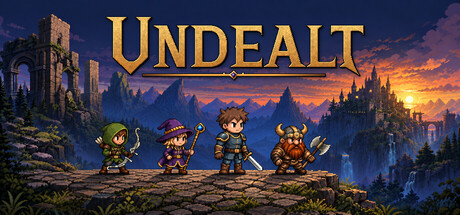 Undealt In-game content textartaudio | Use of AI for translation.
Use of AI to create/enhance some images.
Use of AI to Generate Audio | Tail House | - | Sep 19, 2026 | |
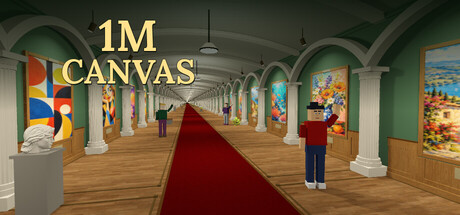 One Million Canvas In-game content artaudio | Some visual assets, including 3D objects and example artwork, sound effects, and music were created with generative AI during development. Promotional videos also use AI-generated narration. These assets are prepared in advance. The current game does not use generative AI to create content during gameplay. | One Million Canvas | - | Sep 19, 2026 | |
 LOCKDOWN In-game content artaudio | Generative AI tools were used during the development of LOCKDOWN to assist in the creation of some artwork and music featured in the game. All AI-assisted content was reviewed, selected, edited, and integrated by the development team. Generative AI is not used to generate content in real time during gameplay. | M1G GAMES STUDIOS | - | Sep 19, 2026 | |
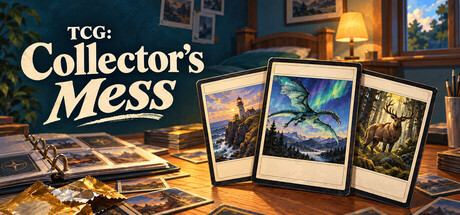 TCG: Collector’s Mess Store/marketing artaudio | Trading-card illustrations and promotional artwork were created with generative AI. Trailer music and sound effects were also generated with AI. All assets are pre-generated; no AI content is generated during gameplay, and the game does not connect to an AI service. | JaceDev | - | Sep 19, 2026 | |
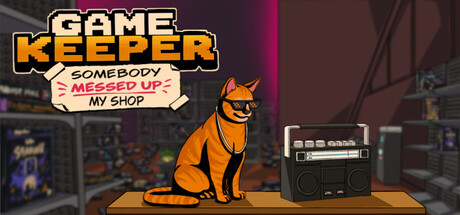 Game Keeper: Somebody Messed Up My Shop! In-game content artaudio | We want to be transparent about our use of AI.
AI was used only as a supporting tool for selected textures and sounds. Due to our limited budget, it helped us create visual assets that would otherwise have been difficult to produce within our resources.
We deeply respect the work of real artists. The game’s concept, creative direction, design, and programming were created entirely by humans. AI was used only as a supplementary tool in a limited part of the audio/visual production process. | VeinStudios | - | Sep 19, 2026 | |
 Aubelys In-game content artaudiocodetext | I am a solo developer leveraging AI to improve my efficiency while moonlighting this project. Hence, many temporary AI-generated assets make their way into the game but I hope to replace over 90% of those with handcrafted assets over time. | Doom | - | Sep 19, 2026 | |
 Daily Bagholder: Stock Market Simulator In-game content arttextaudio | AI was generally used in collaboration with human editing throughout most of the game. All released content was selected, edited and integrated by the developer. No content is generated during gameplay. | CyberInu4200 | - | Sep 19, 2026 | |
 Football Scout Simulator In-game content artaudiocode | This game was built with the help of generative AI. All of its code, visuals, and music were created with the help of AI tools during development. Everything you see and hear in the game is pre-made; nothing is generated live while you play. | JK NOVA | - | Sep 19, 2026 | |
 Return to the Jianghu In-game content artaudio | Music and images created with AI assistance. | Onshore Studio | - | Sep 19, 2026 | |
 ODYSSEY: Wine-Dark Sea In-game content artaudiotext | Parts of this game's 2D artwork (event panels, backgrounds, UI elements) were created using generative AI tools and were then curated, corrected and finished by our artist. Some music and ambience tracks were produced with AI assistance and manually edited. Event texts were drafted with LLM assistance and fully reviewed, edited and approved by the developers. The game contains NO live/runtime AI generation: all content is pre-generated and human-reviewed before shipping. No third-party copyrighted material and no real persons' likenesses were used in prompts. | BAF Games | - | Sep 19, 2026 | |
 LUPKAR - World of Billiards In-game content audiotext | Some of the game's music and sound effects were created with the help of generative AI tools. Generative AI was also used to assist with in-game text and its translations into other languages. All AI-assisted content was produced during development and reviewed by the team. The game does not generate any content with AI during gameplay. | New Emotion Game | - | Sep 19, 2026 | |
 Project Remnant In-game content artaudio | The game uses generative AI for some of the artwork on the Steam page and for certain audio content within the game. | Retro Head Game Studio | - | Sep 19, 2026 | |
 Jump Bait In-game content artaudiotextcode | Jump Bait was created using generative AI, including its code, visual assets, music, and written content. AI-generated content was created during development. The game does not generate AI content or connect to third-party AI services during gameplay. | Tim Anderson | - | Sep 19, 2026 | |
 Russpuppy Play & Learn artaudio | Pre-rendered art, sound effects, music | russpuppy | - | Sep 18, 2026 | |
 Open Late In-game content artaudio | Some visual and audio assets were created with generative AI tools and then reviewed and edited by the developer: the city background scenes, the store trailers (including the animated cinematic and its character), the music tracks and ambient loops, and store/marketing images such as capsules and the icon. All gameplay, game design, code, UI, and text were written by the developer. No AI-generated content is created at runtime. | Legion Forge | - | Sep 18, 2026 | |
 Hazard Ready In-game content artaudio | Some content was pre-generated with AI tools during development and reviewed by the developer before shipping: the store key art and capsule images, a number of surface textures used as decorative materials in the environments, and the narration, which is synthesized offline from the developer's original script with the Piper text-to-speech engine (a public-domain-derived voice). No content is generated by AI during gameplay, and the game does not connect to any external AI service. World layouts, equipment, mission logic, writing and code are project-authored. | Austin Peterson | - | Sep 18, 2026 | |
 套圈圈模拟器 In-game content artaudio | Some artwork, character voice lines and store promotional assets were created with generative AI during development and are supplied as fixed, pre-generated content. The game does not generate AI content during play or connect to external AI services. | shanjianyeren | - | Sep 18, 2026 | |
 대국삼국지 In-game content arttextaudio | Generative AI was used during development to create officer portraits, illustrations, backgrounds and other graphical assets, translations, and background music. This content was generated in advance; no AI content is generated during gameplay. | TEVROK | - | Sep 18, 2026 | |
 Cow's Heart In-game content artaudiotext | Generative AI tools were used during development. Some 3D models of characters and environments, some pre-rendered cutscenes, the main theme song, marketing videos and the translations were created with the help of AI tools, then edited and assembled by the developer. Gameplay design, code and in-game animations were made by the developer. No content is generated by AI during gameplay. | Chuongcc | - | Sep 18, 2026 | |
 Diplomacy, or Else! In-game content textcodeaudio | Diplomacy, or Else! was built with AI-assisted development. Generative AI was used, under the developer's direction and review, for game code and for writing text: interface strings, the in-game diplomacy word tables, achievement names and descriptions, and this store page, including their German, Spanish, Brazilian Portuguese and Ukrainian translations. The soundtrack was produced with an AI music tool and edited by the developer. Artwork, icons, the trailer and sound effects were made without generative AI. The game does not generate content during play and does not connect to any AI service. | Noxflare | - | Sep 18, 2026 | |
 Prehistoric toybox In-game content artaudio | Generative AI tools were used during development to assist in creating some visual assets, audio, and other game content. All AI-assisted content included in the final game was reviewed and selected by the developer. | picnic rice | - | Sep 18, 2026 | |
 Meat Hell In-game content artaudiocode | I've used AI for a lot of things in this project. The code, 3D models, textures, 3D animations, music and more. I know a lot of people don't anything to do with AI so I want to be up front. This is a small pet project, I'm able to create a lot more of my vision than I could without AI. I do not dismiss the reasons people have for rejecting AI. | Meat Hell Games | - | Sep 18, 2026 | |
 Neon Chase In-game content audio | Neon Chase is solo developer game. Every environment, menu, lighting model, weapon, and enemy vehicles were built as 3D models using Blender. The game design, system mechanics, style, gameplay, bug fixing and features of the game are mine.
AI tools were used for some of the audio, this includes the sound effects, spoken dialogue and music which were edited and integrated by me but developed with the help of Suno for the music and Elevenlabs for the sound effects.
No content is generated using AI whilst running the game. | Rogue Software | - | Sep 18, 2026 | |
 GiGA BRAIN TACTICS In-game content artaudio | Generative AI tools were used during the development of GIGA BRAIN TACTICS to assist with the creation of certain visual and audio assets, as well as during the game development process.
All AI-assisted content is reviewed, refined, and integrated by the developers to ensure consistency with the game's visual style and quality standards. | One Solution Games | - | Sep 18, 2026 | |
 Shiny Gen Live AI artaudiotextcode | Shiny Gen ships over thirty original games and scenes. Their art, animation frames, music and sound effects were produced with the same AI generation tools the product offers to players, using the third party services listed in our Live-Generated answer. All of it was directed, reviewed and assembled by us before it shipped, and the game code itself is authored and hand edited by our team. No pre generated content in the shipping build is produced from a player's input, and none of it is generated at runtime from our side.
Shiny Gen is a game creation tool, so live generation is the product rather than a feature of it. When a player asks for something, we call third party AI services to generate game code, images, animation frames, music, sound effects and 3D models from the text they type. Generation always happens at the player's explicit request, never in the background, and always requires a free Shiny Gen account and an internet connection.
Every request goes to an established commercial AI provider: Anthropic, OpenAI, Google, OpenRouter, Cloudflare Workers AI, Runware, Retro Diffusion, Replicate and ElevenLabs. Each request is governed by that provider's usage policy and runs under the provider's own built-in safety systems at their default settings. We never disable, weaken or opt out of a provider's safety system anywhere in our product. OpenAI image generation runs under OpenAI's default moderation, and Google image generation carries Google's SynthID provenance watermarking.
Guardrails on our side:
- Our Community Rules, which are binding under our Terms of Service and published on our website, set out what may not be generated or shared. They prohibit, among other things, any sexual content involving a minor and sexual imagery of a real person without their consent, and they treat a prompt asking for prohibited content as a breach whether or not the model produces it.
- Generation requires a signed in Shiny Gen account. There is no anonymous generation, so every request is attributable to an account.
- Generation is rate limited per account and per address, and it is metered against a paid credit balance, so volume abuse is bounded rather than free.
- The prompt and the resulting asset are retained against the account that made them, which is what lets us act on a report.
- Anyone can report content to support@shinygen.ai. A person on our team reviews each report and can remove the content and close the account responsible.
- The in app feed cannot receive player made content. It is served from our own catalogue and is enforced in code: the publish endpoint refuses any caller that is not our own account. Nothing a player generates can appear in another player's feed.
- Multiplayer contains no free text channel of any kind. Communication is a closed set of eight fixed emotes, so there is no user to user text surface to moderate.
- Player made games are never separate programs. They run as interpreted scripts inside our own sandbox, which is an allowlist: it has no filesystem, network, process or operating system access, and no reflection or dynamic dispatch. A generated game cannot execute native code, start a process, reach the network or read the player's files.
We do not permit and do not support the generation of Adult Only sexual content, and we will act on reports received through Steam's in game reporting system and at support@shinygen.ai. | David Walter | - | Sep 18, 2026 | |
 Break Even:The Grind In-game content artaudiotextcode | Break Even was built with an AI coding assistant working under the developer's direction and review. That includes the game's code and, with it, the pixel maps its sprites are drawn from, its synthesized sound, its dialogue and ending text, the scripts that draw the store images, and drafts of this store page. The game ships no image or audio files of its own — every picture is drawn and every sound synthesized by its own code while you play — and the one bundled file is an open-licence pixel font. No AI runs during play, and the game contacts no AI service. | Testudo Forge LLC | - | Sep 18, 2026 | |
 Please, Kick the Can! In-game content artaudio | Some art and audio in this game were created with generative AI tools and then edited by hand: ability and application icons and the logo (OpenAI image generation), a number of 3D props (Tripo3D), and some sound effects (ElevenLabs). All of it was generated during development and reviewed by the developer before shipping. Nothing is generated live while you play | Pingu Works | - | Sep 18, 2026 | |
 Salvage Inc In-game content artaudio | Salvage Inc. was designed, developed, and assembled by a human developer. Generative AI tools were used to assist in the creation of some game assets, including certain visual and audio elements. | Hyper Mode | - | Sep 18, 2026 | |
 Life bar In-game content artaudio | Generative AI was used during development to assist in creating some pre-generated game assets, such as sound effects and visual content. No AI-generated content is created during gameplay. | liam frydman | - | Sep 18, 2026 | |
 Flameward In-game content artaudiotextcode | Some of the game's assets were created with generative AI tools during development and are pre-generated: card illustrations, character portraits and UI artwork (image generation), several 3D character models (Meshy), sound effects, music and the narrated story panels (ElevenLabs). Parts of the code were written with AI coding assistants. All of this content was reviewed and integrated by the developer. The game does not generate any content while you play. | Polo the Frog | - | Sep 18, 2026 | |
 Child of the Arcane In-game content artaudio | Some audio and visuals may be generated with artificial intelligence. | Fool's Gold Game Studio | - | Sep 18, 2026 | |
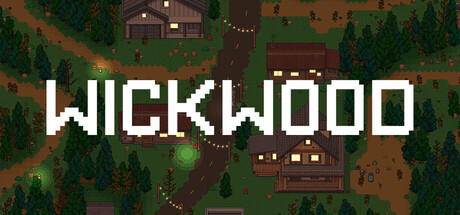 Wickwood In-game content textaudiocode | Wickwood is made by one developer, and generative AI was used openly in its production. Here is exactly where:
- Code: the game's GDScript code, the pixel-drawing scripts and the build/test tools were written with Claude (Anthropic) under the developer's design, direction and review.
- Text: the in-game notes and place descriptions, the ending credits and the store page copy were drafted with Claude and edited and approved by the developer.
- Music: all music tracks (world, main menu, finale) were generated with Google's Lyria from prompts written by the developer.
- Artwork: tilesets, characters and creatures are hand-drawn commercial pixel-art packs (credited in-game), not AI-generated. Some landmark props (the standing stones, the cave interiors, the bunker hatch and similar pieces) were drawn or assembled pixel by pixel by scripts written with Claude, using the palettes and parts of those packs.
- Sound effects were sourced from Freesound and Kenney's sound packs.
- Store art (capsules, logo, icons) was made by hand; screenshots and video are captured from the game itself.
No AI runs during gameplay: nothing is generated live, and the game does not connect to any online AI service. | Renderville Games | - | Sep 18, 2026 | |
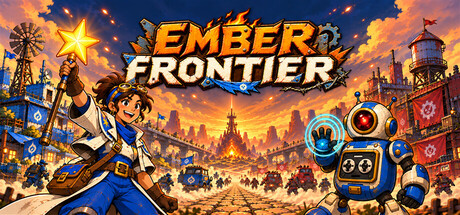 余烬边界 In-game content artaudio | During the development of this game, generative AI was used to assist in the creation of some 2D art assets and pre-generated sound effects. All AI-assisted content underwent manual review, modification, and integration by the developers. No content will be generated by generative AI during gameplay. | FishForge | - | Sep 18, 2026 | |
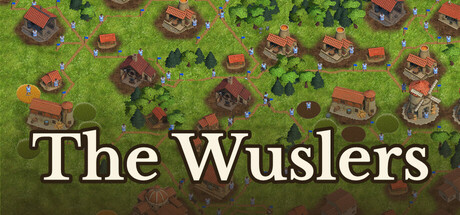 The Wuslers In-game content artaudiocode | Some of this game's content was created with generative AI and then reworked and adjusted by hand by the developer. This applies in particular to code, the 3D models and textures, and the music and sound effects. Animations, game rules, simulation, balance and the structure of the game come entirely from the developer. | Quolz-Systems | - | Sep 18, 2026 | |
 Nullwatch In-game content audio | Generative AI was used to support and enhance the Soundtrack Production. | Grid North Games | - | Sep 18, 2026 | |
 Hamsuri : Bomb Festival In-game content artaudio | Generative AI tools were used during development to help create some visual and audio assets, including illustrations, textures, 3D asset sources and short character videos. This content is prepared in advance and included in the game. Hamsuri does not generate AI content during play or connect to external AI services. | Isotis | - | Sep 18, 2026 | |
 Planet Escape Idle In-game content textaudio | Specifically: pre-generated content (narrative/UI text and the audio click effect), not live-generated (nothing in your game runs AI at runtime). | SenseiBeaconMedia | - | Sep 18, 2026 | |
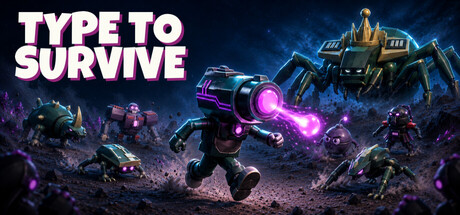 Type to Survive In-game content artaudio | This game contains pre-generated visual and audio assets created with generative AI tools and edited by the developer. No content is generated during gameplay. | Maj Labs | - | Sep 18, 2026 | |
 Podium '80 In-game content artaudiocode | Some AI tools were used during development to assist with code, artwork, and audio production. All content was reviewed, edited and assembled by the developer. | Mebobox Ltd | - | Sep 18, 2026 | |
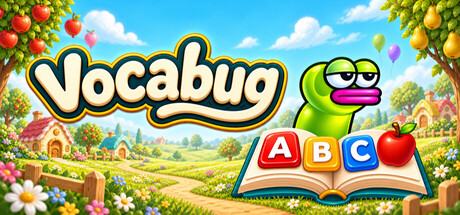 Vocabug In-game content artaudio | Some pre-rendered visual assets and music were created with generative AI tools, then curated, edited, and integrated by the developer. No AI content is generated during gameplay, and the game does not connect to external AI services. | Rovshan Garayev | - | Sep 18, 2026 | |
 EMBERLOST In-game content audiocodetext | Parts of the soundtrack were created with AI-assisted music generation, then edited, mixed and mastered by hand. Some of the game's code and store text were also written with AI assistance. All art, level design and gameplay are hand-made. No content is generated while you play. | TSD Games | - | Sep 18, 2026 | |
 Stock Baron In-game content artaudio | Generative AI was used to assist in creating some of the game’s art assets, including character portraits and illustrations, as well as background music. These assets were modified by the developer before being incorporated into the game. | Recursive Studio | - | Sep 18, 2026 | |
 Dice Poker In-game content audioart | This game uses AI-generated content for some background music, sound effects, and artwork/visual assets. All other content, including game design and code, was created by the developer. | DR Games | - | Sep 18, 2026 | |
 YumeGirl In-game content artaudiocode | This game was created with the assistance of AI tools in several areas of development.
Music: The songs were written and originally recorded by me, with AI tools used for additional processing and production.
Artwork: The visual concepts and creative direction were created by me, while AI tools were used to generate and develop some of the final artwork based on my concepts.
Programming: AI-assisted tools were used during development to help with coding and implementation.
All AI-assisted content was reviewed, selected, and integrated by me as part of the game's creative and development process. | NotABear | - | Sep 18, 2026 | |
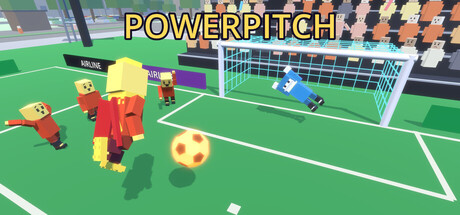 PowerPitch In-game content artaudiotext | Generative AI tools were used during PowerPitch’s development to create its code and player-facing content, including artwork, audio, text, localization, and promotional materials. | knighttimenow | - | Sep 18, 2026 | |
 絶望ショッピング ZETSUBO SHOPPING In-game content artaudio | Some of the image and audio assets were created with the help of generative AI.
All final design adjustments and processing were done by hand by the developer. | ShintoWorks | - | Sep 18, 2026 | |
 LOVE COMPANY: A Romance Escape In-game content artaudio | Generative AI was used to assist in the creation of some in-game graphical assets and to generate or process some voice audio. All AI-assisted content was created and reviewed during development. The game does not generate AI content during gameplay. | jbdjgames | - | Sep 18, 2026 | |
 Fox Clicker In-game content arttextaudio | AI used for graphics, translations, and sounds. | Kemonocept | - | Sep 18, 2026 | |
 不完美奇迹 In-game content artaudiotextcode | This game contains assets created with the assistance of generative tools. Every piece of delivered content has been manually reviewed and refined. | 天灵zp | - | Sep 18, 2026 |


