Public Steam disclosure research25,519 disclosures tracked
Where do games disclose AI use?
Search developers’ Steam disclosures, compare classified AI use across
games, and follow recorded changes.
This index adds cross-game classifications and statistics to
statements published on individual store pages.
Groups reflect automatic analysis of public disclosures; mature records are excluded. These counts do not measure AI use across all of Steam.
Missing or unclear statements cannot establish whether a game uses AI.
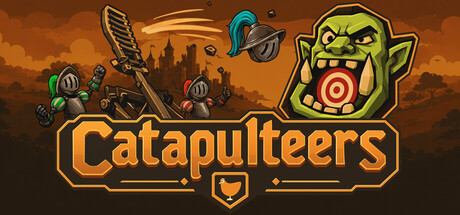
Some content in Catapulteers was created with the assistance of generative AI tools, including selected in-game textures, models, voice-over, and music.
Catapulteers is a handcrafted game made by a small independent team of five developers. We use AI only as one of several production tools to support specific parts of asset creation and iteration.
Every AI-assisted element has been reviewed, edited, selected, and integrated by our team, and the final creative direction, gameplay, humor, world, systems, and overall experience are fully authored by us.
Generative AI tools were used for some visual and audio assets, as well as in parts of the development process. All content included in the final game and store materials was reviewed and edited by the developer before release.
To further enrich the unique world and atmosphere of this game, we utilized AI technology to assist in creating the background artwork and soundtrack.
AI was primarily used as a sketching tool to draft initial ideas. All final assets implemented in the game underwent detailed retouching and careful direction by the developer, meticulously polished to seamlessly blend into the game's distinct vibe.
Salvo uses generative AI in a limited, pre-rendered capacity:
• Voice Acting: NPC dialogue throughout the campaign is voiced using ElevenLabs text-to-speech technology. All voice lines are generated, reviewed, and bundled with the game during development. No voice synthesis occurs at runtime.
• Visual Assets: Select concept art, promotional materials, and supplementary illustrations (such as wiki imagery) were created with assistance from AI image generation tools and reviewed by the development team before inclusion.
• Marketing Materials: The game's trailer voiceover and certain store page assets were produced with AI assistance.
All AI-assisted content has been reviewed by the developer prior to release. The game does not generate, transmit, or produce any AI content during gameplay — all in-game audio, visuals, and text are pre-rendered and ship with the game.
We occasionally used generative AI as an assistive tool to refine certain visual assets, enhance texture resolutions, and process minor audio elements. These tools were used sparingly to support our production workflow, and all final content has been manually reviewed and polished by our team to ensure it meets our quality and legal standards.
The background music in this game was created using generative AI (Suno AI). Every audio track has been personally reviewed and edited by the developer. Furthermore, all content is used in full compliance with the commercial usage rights provided by the tool's official licensing.
Some item icons, visual assets, and music in this game were created with the assistance of generative AI. In-game text was translated to multiple languages using AI. All AI-generated content was reviewed, edited, and curated by the developer.
Generative AI is used as an assistive tool in the development of this game, including visual assets (item, ability, and boss icons), code, and music. All AI-generated content is produced under direct human creative direction, with the developer serving as director and approver at every stage. AI assists — the human decides.
Music tracks were generated using Suno AI. All other game content (code, visuals, UI,
localization) was created by the developer. No AI-generated content is used in real-time
during gameplay.
This project was developed using advanced AI-assisted tools across visual assets, audio design, and core system implementation, with all elements carefully refined and adjusted to ensure a cohesive and polished gameplay experience.
Generative AI has been used to create some music and a small number of textures (in a limited way). It has also been used for translations and character voices.
I’m a solo developer and I use my own cat photography in the game. Some of those photos were transformed into in-game card art with generative AI. Both my original photography and the card art based on it are included in the game. Voice lines in the intro cinematic were also generated with AI. Generative AI is also used when generating stylized weapon & power-up cards. Final assets were selected and edited by the developer.
Voice synthesis. All informant dialogue is voiced using Google Cloud Text-to-Speech. Each of the 27 informants has a distinct voice selected to reflect their regional background.
Story illustrations. Discovery images were generated using AI image generation and curated by the developer.
Game content. Story text, discovery descriptions, and informant dialogue were drafted with AI assistance and edited by the developer.
No AI-generated content is produced live during gameplay. All content is pre-rendered and reviewed before shipping.
The following content is created with generative AI: character portraits, background music, and cover/promo material (hand-made in-game screenshots edited/overpainted with AI-assisted tools). All other content (code, game mechanics, driving physics, 3D assets, sound effects, text, track design, gameplay) is hand-made without AI generation.
Some 2D assets and audio used in the game were created with the assistance of AI tools and later reviewed, edited, and integrated by the developers as part of the final game content.
AI tools were used only during development for tasks such as code assistance and partial media creation (e.g., some music elements).
No AI systems run in the game itself, and AI does not affect gameplay or player experience
We have used generative AI tools to assist in the creation of several game assets, including background music (BGM), environment background images, and various UI elements such as icons and store banners. All AI-generated content has been thoroughly reviewed and refined by our development team to ensure high quality and to confirm that it does not contain any illegal or infringing material. The final assets are integrated into the game as static files and are not generated in real-time during gameplay.
During the development of Furious Kitchen, we utilized generative Artificial Intelligence (AI) tools to assist in content creation and optimization. The specific implementations are as follows:
Programming & Scripts: We used AI programming assistants (Large Language Models) to help write and refactor underlying game logic code, as well as to assist with the implementation of the multi-language localization system and text translation.
Art Assets : Certain visual elements within the game (such as UI icons, background assets, or promotional base art) were created with the assistance of AI image generation tools. All generated images were subsequently redrawn, modified, and stylized manually by the developer to fit the game's aesthetic.
Music & Audio : Some background music or sound effect assets in the game were composed and arranged using AI audio generation tools.
This game does not feature any live-generated AI content (i.e., AI content generated in real-time while playing). All AI-assisted assets were pre-generated during the development phase and carefully reviewed to ensure they do not infringe upon any third-party copyrights.
Some parts of this game were created with the assistance of generative AI tools, including certain visual assets, sounds, and code.
All AI-generated content has been reviewed and modified by the developer to ensure quality and consistency.
This game uses AI-generated imagery for store page assets and marketing materials. Including, capsule art and banner images. AI-generated music was used in the trailer and promotional materials. All in-game content is crated by developer.
Generative AI was used only during development to create part of the pre-generated content. This includes some marketing materials for the store page, part of the 3D models, as well as music and some sound effects. All such content was reviewed, selected, edited, and integrated manually by the developer before release.
The game does not use generative AI at runtime. Story content, gameplay logic, enemy behavior, game balance, and any real-time interaction with the player are created and executed without generative AI.
Generative AI technology was utilized during the development of this game (specifically for combat music and English localization).
Special thanks to Suno for generating the game's combat music.
Special thanks to Gemini for supporting the English localization.
This game was developed with AI assistance for visual assets, sound effects, localization, and code. All AI-generated content was pre-generated during development and reviewed by the developer. No real-time AI content generation occurs during gameplay.
AI-assisted tools were used for all of the game visuals, audio, and code. No AI generation occurs during gameplay, and no external AI services are used while playing.
Empetiti: Quest for the Pinnacle uses generative AI as part of the production pipeline for selected images and voice-over/audio assets appearing in the game and some promotional materials. These assets are reviewed and refined by the development team before being published. The game does not use live-generated AI during gameplay.
THE GAME IS CONSTANTLY BEING REWORKED TO FURTHER MINIMISE THE USE OF AI-GENERATED IMAGES AND VOICES.
We use AI to improve our work in all spheres of the game. We generate images where appropriate and enhance them where it makes the game better. AI helps us with animations and in-between frames in cutscenes, and also assists in writing music
Contains some optional AI generated voice samples, using Canva, strictly in order to comply with United States Twenty-First Century Communications and Video Accessibility Act (CVAA)
Non-majorists are using Generative AI in everything from coding, images, audio, etc. to create games with just planning. At least it's a lot better than what I do myself.
Some content in Catapulteers was created with the assistance of generative AI tools, including selected in-game textures, models, voice-over, and music.
Catapulteers is a handcrafted game made by a small independent team of five developers. We use AI only as one of several production tools to support specific parts of asset creation and iteration.
Every AI-assisted element has been reviewed, edited, selected, and integrated by our team, and the final creative direction, gameplay, humor, world, systems, and overall experience are fully authored by us.
Generative AI tools were used for some visual and audio assets, as well as in parts of the development process. All content included in the final game and store materials was reviewed and edited by the developer before release.
To further enrich the unique world and atmosphere of this game, we utilized AI technology to assist in creating the background artwork and soundtrack.
AI was primarily used as a sketching tool to draft initial ideas. All final assets implemented in the game underwent detailed retouching and careful direction by the developer, meticulously polished to seamlessly blend into the game's distinct vibe.
Salvo uses generative AI in a limited, pre-rendered capacity:
• Voice Acting: NPC dialogue throughout the campaign is voiced using ElevenLabs text-to-speech technology. All voice lines are generated, reviewed, and bundled with the game during development. No voice synthesis occurs at runtime.
• Visual Assets: Select concept art, promotional materials, and supplementary illustrations (such as wiki imagery) were created with assistance from AI image generation tools and reviewed by the development team before inclusion.
• Marketing Materials: The game's trailer voiceover and certain store page assets were produced with AI assistance.
All AI-assisted content has been reviewed by the developer prior to release. The game does not generate, transmit, or produce any AI content during gameplay — all in-game audio, visuals, and text are pre-rendered and ship with the game.
We occasionally used generative AI as an assistive tool to refine certain visual assets, enhance texture resolutions, and process minor audio elements. These tools were used sparingly to support our production workflow, and all final content has been manually reviewed and polished by our team to ensure it meets our quality and legal standards.
The background music in this game was created using generative AI (Suno AI). Every audio track has been personally reviewed and edited by the developer. Furthermore, all content is used in full compliance with the commercial usage rights provided by the tool's official licensing.
Some item icons, visual assets, and music in this game were created with the assistance of generative AI. In-game text was translated to multiple languages using AI. All AI-generated content was reviewed, edited, and curated by the developer.
Generative AI is used as an assistive tool in the development of this game, including visual assets (item, ability, and boss icons), code, and music. All AI-generated content is produced under direct human creative direction, with the developer serving as director and approver at every stage. AI assists — the human decides.
Music tracks were generated using Suno AI. All other game content (code, visuals, UI,
localization) was created by the developer. No AI-generated content is used in real-time
during gameplay.
This project was developed using advanced AI-assisted tools across visual assets, audio design, and core system implementation, with all elements carefully refined and adjusted to ensure a cohesive and polished gameplay experience.
Generative AI has been used to create some music and a small number of textures (in a limited way). It has also been used for translations and character voices.
I’m a solo developer and I use my own cat photography in the game. Some of those photos were transformed into in-game card art with generative AI. Both my original photography and the card art based on it are included in the game. Voice lines in the intro cinematic were also generated with AI. Generative AI is also used when generating stylized weapon & power-up cards. Final assets were selected and edited by the developer.
Voice synthesis. All informant dialogue is voiced using Google Cloud Text-to-Speech. Each of the 27 informants has a distinct voice selected to reflect their regional background.
Story illustrations. Discovery images were generated using AI image generation and curated by the developer.
Game content. Story text, discovery descriptions, and informant dialogue were drafted with AI assistance and edited by the developer.
No AI-generated content is produced live during gameplay. All content is pre-rendered and reviewed before shipping.
The following content is created with generative AI: character portraits, background music, and cover/promo material (hand-made in-game screenshots edited/overpainted with AI-assisted tools). All other content (code, game mechanics, driving physics, 3D assets, sound effects, text, track design, gameplay) is hand-made without AI generation.
Some 2D assets and audio used in the game were created with the assistance of AI tools and later reviewed, edited, and integrated by the developers as part of the final game content.
AI tools were used only during development for tasks such as code assistance and partial media creation (e.g., some music elements).
No AI systems run in the game itself, and AI does not affect gameplay or player experience
We have used generative AI tools to assist in the creation of several game assets, including background music (BGM), environment background images, and various UI elements such as icons and store banners. All AI-generated content has been thoroughly reviewed and refined by our development team to ensure high quality and to confirm that it does not contain any illegal or infringing material. The final assets are integrated into the game as static files and are not generated in real-time during gameplay.
During the development of Furious Kitchen, we utilized generative Artificial Intelligence (AI) tools to assist in content creation and optimization. The specific implementations are as follows:
Programming & Scripts: We used AI programming assistants (Large Language Models) to help write and refactor underlying game logic code, as well as to assist with the implementation of the multi-language localization system and text translation.
Art Assets : Certain visual elements within the game (such as UI icons, background assets, or promotional base art) were created with the assistance of AI image generation tools. All generated images were subsequently redrawn, modified, and stylized manually by the developer to fit the game's aesthetic.
Music & Audio : Some background music or sound effect assets in the game were composed and arranged using AI audio generation tools.
This game does not feature any live-generated AI content (i.e., AI content generated in real-time while playing). All AI-assisted assets were pre-generated during the development phase and carefully reviewed to ensure they do not infringe upon any third-party copyrights.
Some parts of this game were created with the assistance of generative AI tools, including certain visual assets, sounds, and code.
All AI-generated content has been reviewed and modified by the developer to ensure quality and consistency.
This game uses AI-generated imagery for store page assets and marketing materials. Including, capsule art and banner images. AI-generated music was used in the trailer and promotional materials. All in-game content is crated by developer.
Generative AI was used only during development to create part of the pre-generated content. This includes some marketing materials for the store page, part of the 3D models, as well as music and some sound effects. All such content was reviewed, selected, edited, and integrated manually by the developer before release.
The game does not use generative AI at runtime. Story content, gameplay logic, enemy behavior, game balance, and any real-time interaction with the player are created and executed without generative AI.
Generative AI technology was utilized during the development of this game (specifically for combat music and English localization).
Special thanks to Suno for generating the game's combat music.
Special thanks to Gemini for supporting the English localization.
This game was developed with AI assistance for visual assets, sound effects, localization, and code. All AI-generated content was pre-generated during development and reviewed by the developer. No real-time AI content generation occurs during gameplay.
AI-assisted tools were used for all of the game visuals, audio, and code. No AI generation occurs during gameplay, and no external AI services are used while playing.
Empetiti: Quest for the Pinnacle uses generative AI as part of the production pipeline for selected images and voice-over/audio assets appearing in the game and some promotional materials. These assets are reviewed and refined by the development team before being published. The game does not use live-generated AI during gameplay.
THE GAME IS CONSTANTLY BEING REWORKED TO FURTHER MINIMISE THE USE OF AI-GENERATED IMAGES AND VOICES.
We use AI to improve our work in all spheres of the game. We generate images where appropriate and enhance them where it makes the game better. AI helps us with animations and in-between frames in cutscenes, and also assists in writing music
Contains some optional AI generated voice samples, using Canva, strictly in order to comply with United States Twenty-First Century Communications and Video Accessibility Act (CVAA)
Non-majorists are using Generative AI in everything from coding, images, audio, etc. to create games with just planning. At least it's a lot better than what I do myself.