Public Steam disclosure research25,383 disclosures tracked
Where do games disclose AI use?
Search developers’ Steam disclosures, compare classified AI use across
games, and follow recorded changes.
This index adds cross-game classifications and statistics to
statements published on individual store pages.
Groups reflect automatic analysis of public disclosures; mature records are excluded. These counts do not measure AI use across all of Steam.
Missing or unclear statements cannot establish whether a game uses AI.
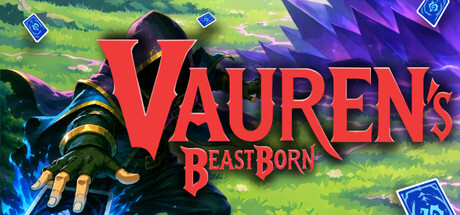
We used Kimi 3 to generate the code, vector game assets, skeletal animations and code-synthesized sound effects for this game. Music was generated via Suno, while the game design documents, gameplay mechanics and numerical balancing are strictly controlled by human designers.
This game uses generative AI in parts of its development.
Generative AI is used to help generate the game's program code. However, all final testing, adjustment, and verification of the generated code are carried out by human developers.
Generative AI is also used to create the game's background music (BGM).
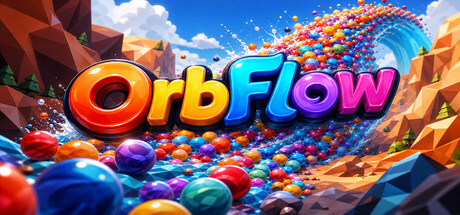
OrbFlow was created with the assistance of AI coding agents for script generation, physics optimization, and text drafting. All game design, level layouts, visual aesthetics, and quality assurance were directed, tested, and refined by the human developer.
The game uses generative artificial intelligence on informative text messages and coding assistance. The game rules and campaign maps are crafted by a human,.
All visual art in SagoCat — characters, animation, and visual design — is hand-crafted, with no AI used.
Generative AI is used as follows: the pet's conversational replies are generated in real time by a third-party AI service and require an internet connection (use the built-in free quota or your own API key); during development, AI tools also assisted with parts of the code, some in-app text, and some sound effects.
- Audio: background music is generated with AI music tools.
- Translation: in-game and store text is translated using AI.
- Code: the game's code, including the code that draws every visual at runtime,
was written with the help of an AI coding assistant.
Generative AI tools were used during development to assist with creating some visual assets. These assets were manually reviewed, edited, and finalized before being included in the game. AI tools were also used as a programming assistant during development. The game does not use generative AI during gameplay.
As a solo developer I find use of AI to be one of my most prominent and efficient tools ever used.
I'm heavily relying on Gemini, Claude and QWEN to create my code snippets and review them. I also manually review their work from time to time.
Visual assets creation also rely on AI(NanoBanana2). Some of the assets are my sketches that has been polished to perfection by AI. Some are AI generated and hand-edited after and some, I'll be totally honest here, are fully AI generated, via meticulous prompt engineering and trial and errors.
I'm heavily opposed to using AI to create slop or mass produce clones of existing content. But I'm a firm believer that, when curated by talented individual with solid vision, it can achieve great results.
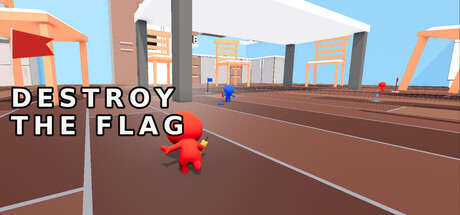
Destroy the Flag was developed with the assistance of a generative AI coding assistant (Claude, by Anthropic), used throughout development as a programming and writing collaborator.
Pre-Generated content (created during development, ships with the game):
- In-game interface text — menu labels, HUD text, on-screen instructions, and system messages — was drafted with AI assistance as part of the game's code, then reviewed and refined by the developer before shipping.
- The Steam store page's short and long descriassistance, then fact-checked, edited, and approvpublishing.
Live-Generated content: None. The game does not usnt isgenerated by AI while the game is being
played
Some assets used during the development of Agent Pro were created or assisted using generative AI tools. All content included in the released version of the game has been reviewed, edited, and approved by the developer before being integrated into the game. No AI-generated content is created by players or generated dynamically during gameplay.
This game contains pre-generated AI-assisted content used during development, including gameplay code, selected in-game and UI text/localization, generated sound effects, and AI-assisted visual materials for Steam community/store assets such as achievement icons. No AI content is generated live during gameplay, and the game does not connect to external AI services at runtime.
Generative AI was used selectively during
development, always under direct human
authorship and review:
• Code — An AI coding assistant supported
development as a productivity tool; all systems
were designed, reviewed, and tested by the
developer.
• Key art — The Steam key art was created with
generative AI, then curated and hand-finished by
the developer. All in-game tilesets and
character art are licensed, human-made asset
packs.
• Music — Background music tracks were produced
with the assistance of generative AI tools, then
selected, edited, and mixed by the developer.
The game contains no live-generated AI content:
nothing is generated by AI at runtime.
Generative AI was used as a development tool for this game. An AI assistant helped with programming, game design iteration, and text translation, always under the developer's direction and review. Some 3D models, such as mech parts, are based on assets created with generative AI tools and then adjusted and integrated by the developer. No content is generated by AI during gameplay: enemy behavior is not generative AI, but the same deterministic node-based algorithms that players build themselves.
To streamline development and enhance our creative vision, generative AI technologies were utilized in the following areas during the production of this game:
Programming & Development Support: AI tools assisted in drafting source code and verifying game logic.
Art & Visual Assets: AI tools were used to assist with concept art and base background materials, all of which were manually retouched, processed, and reconstructed.
Music: AI tools were used to assist in arranging and producing original tracks, followed by manual editing and mastering.
All AI-assisted assets have been carefully curated, modified, and reviewed manually by the developer prior to integration into the game. The game does not feature any live-generated AI content during gameplay, and development strictly adheres to all applicable legal standards and Steam's content guidelines.
Some of the game's text, including in-app interface copy and the store page description, was drafted with the assistance of an LLM and edited by the developer, as was the game's source code. All artwork, animation, 3D models and audio are human-authored. The game does not generate any content at runtime.
AI-generated content in this game includes the BGM. Additionally, AI was used to assist in writing code, which was fully reviewed and verified by developer.
This game uses AI to code some features of the game including, but not limited to, the actual game code itself and some of the store page art. However, none of this actually contributes to the actual gameplay itself as all the assets, game trailer and game scenes are still handmade, purchased, or free.
PupRacers is developed by a solo human developer. AI tools are used as development assistants for various tasks including translations, code assistance, and content creation. All AI output is reviewed, edited, and validated by the developer. The creative vision, game design, and final decisions are 100% human-driven.
Store page texts and localization drafts were prepared with the help of AI tools, and parts of the game's source code were written with AI coding assistants — all of it reviewed, edited and tested by the developer. All art, game design and audio are human-made. The in-game opponent is a custom neural network trained by the developer through self-play (a chess-engine-style game AI, not generative AI).
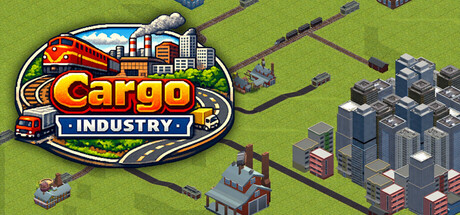
Generative AI tools were used during the development of Cargo Industry as programming assistance tools. They were used to assist with code generation, code modification, debugging, and exploring programming solutions. AI-generated code is included in the game's released codebase.
The game's code was written with the help of an AI coding assistant, following the developer's design direction. Because the characters, arenas, materials and user interface are generated procedurally in code rather than authored as art assets, they are a result of that same process. The background music tracks were generated with Suno (commercial licence). Sound effects are licensed from Mixkit and Freesound. Nothing is generated by AI while the game is running.
Generative AI tools were used during development to assist with portions of source code and early drafts of store-page
and localization text. All AI-assisted output was reviewed, edited, and integrated by the developer. The game does not
generate AI content during gameplay and does not connect to external AI services.
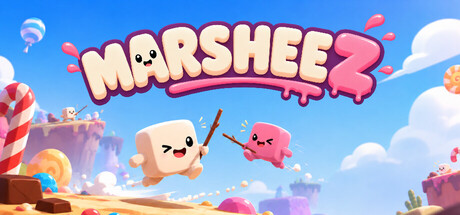
During development, parts of Marsheez were made with generative AI: some of the source code was written with the help of an AI coding assistant, and some of the art and music were created with help of AI tools and then later edited by the developer. The game does not use any generative AI while you play.
The game is a single hand-maintained source file. It was written together
with an AI coding assistant. Every change was reviewed, tested and integrated by
the developer; the game ships with its own automated test suite.
Generative AI tools were used during development to assist with some visual assets, audio, and code. All content was reviewed, edited, and integrated by the developer. The game does not generate AI content during gameplay.
Generative AI was used during development to assist with coding, promotional artwork, and store-page copy and localization. All outputs were reviewed by the developer.
This project used AI-assisted tools during development, primarily for promotional artwork, code development, the creation of art assets, and music production.
AI was mainly used to improve development efficiency and assist in creating original content. All AI-assisted content was manually reviewed, selected, edited, redrawn, adjusted, tested, or rearranged, and was further refined to ensure consistency with the game's overall style and actual development needs.
Part of the program code, art materials, and text content in this work were created using generative artificial intelligence and have been manually reviewed and adjusted to ensure a seamless gaming experience. During gameplay, AI does not generate content in real-time, all content is pre generated.
Generative AI was used to create and iteratively refine some graphics and promotional images, as well as to assist with writing and implementing the game’s code. All outputs were selected, reviewed, and integrated by the developer. No AI-generated content is produced during gameplay.
Seed Money was developed with the assistance of generative AI tools, including Claude, GPT, and Gemini. AI was used throughout the development process, including programming assistance and the creation of artwork and sound assets. All AI-generated content included in the game was reviewed and integrated by the development team.
This game uses generative AI tools. Some art assets, texts and portions of the game's code were created with the assistance of generative AI during development. All AI-assisted content was reviewed, edited, and integrated by the developer before release. The game does not use generative AI in real time during gameplay.
We used Kimi 3 to generate the code, vector game assets, skeletal animations and code-synthesized sound effects for this game. Music was generated via Suno, while the game design documents, gameplay mechanics and numerical balancing are strictly controlled by human designers.
This game uses generative AI in parts of its development.
Generative AI is used to help generate the game's program code. However, all final testing, adjustment, and verification of the generated code are carried out by human developers.
Generative AI is also used to create the game's background music (BGM).
OrbFlow was created with the assistance of AI coding agents for script generation, physics optimization, and text drafting. All game design, level layouts, visual aesthetics, and quality assurance were directed, tested, and refined by the human developer.
The game uses generative artificial intelligence on informative text messages and coding assistance. The game rules and campaign maps are crafted by a human,.
All visual art in SagoCat — characters, animation, and visual design — is hand-crafted, with no AI used.
Generative AI is used as follows: the pet's conversational replies are generated in real time by a third-party AI service and require an internet connection (use the built-in free quota or your own API key); during development, AI tools also assisted with parts of the code, some in-app text, and some sound effects.
- Audio: background music is generated with AI music tools.
- Translation: in-game and store text is translated using AI.
- Code: the game's code, including the code that draws every visual at runtime,
was written with the help of an AI coding assistant.
Generative AI tools were used during development to assist with creating some visual assets. These assets were manually reviewed, edited, and finalized before being included in the game. AI tools were also used as a programming assistant during development. The game does not use generative AI during gameplay.
As a solo developer I find use of AI to be one of my most prominent and efficient tools ever used.
I'm heavily relying on Gemini, Claude and QWEN to create my code snippets and review them. I also manually review their work from time to time.
Visual assets creation also rely on AI(NanoBanana2). Some of the assets are my sketches that has been polished to perfection by AI. Some are AI generated and hand-edited after and some, I'll be totally honest here, are fully AI generated, via meticulous prompt engineering and trial and errors.
I'm heavily opposed to using AI to create slop or mass produce clones of existing content. But I'm a firm believer that, when curated by talented individual with solid vision, it can achieve great results.
Destroy the Flag was developed with the assistance of a generative AI coding assistant (Claude, by Anthropic), used throughout development as a programming and writing collaborator.
Pre-Generated content (created during development, ships with the game):
- In-game interface text — menu labels, HUD text, on-screen instructions, and system messages — was drafted with AI assistance as part of the game's code, then reviewed and refined by the developer before shipping.
- The Steam store page's short and long descriassistance, then fact-checked, edited, and approvpublishing.
Live-Generated content: None. The game does not usnt isgenerated by AI while the game is being
played
Some assets used during the development of Agent Pro were created or assisted using generative AI tools. All content included in the released version of the game has been reviewed, edited, and approved by the developer before being integrated into the game. No AI-generated content is created by players or generated dynamically during gameplay.
This game contains pre-generated AI-assisted content used during development, including gameplay code, selected in-game and UI text/localization, generated sound effects, and AI-assisted visual materials for Steam community/store assets such as achievement icons. No AI content is generated live during gameplay, and the game does not connect to external AI services at runtime.
Generative AI was used selectively during
development, always under direct human
authorship and review:
• Code — An AI coding assistant supported
development as a productivity tool; all systems
were designed, reviewed, and tested by the
developer.
• Key art — The Steam key art was created with
generative AI, then curated and hand-finished by
the developer. All in-game tilesets and
character art are licensed, human-made asset
packs.
• Music — Background music tracks were produced
with the assistance of generative AI tools, then
selected, edited, and mixed by the developer.
The game contains no live-generated AI content:
nothing is generated by AI at runtime.
Generative AI was used as a development tool for this game. An AI assistant helped with programming, game design iteration, and text translation, always under the developer's direction and review. Some 3D models, such as mech parts, are based on assets created with generative AI tools and then adjusted and integrated by the developer. No content is generated by AI during gameplay: enemy behavior is not generative AI, but the same deterministic node-based algorithms that players build themselves.
To streamline development and enhance our creative vision, generative AI technologies were utilized in the following areas during the production of this game:
Programming & Development Support: AI tools assisted in drafting source code and verifying game logic.
Art & Visual Assets: AI tools were used to assist with concept art and base background materials, all of which were manually retouched, processed, and reconstructed.
Music: AI tools were used to assist in arranging and producing original tracks, followed by manual editing and mastering.
All AI-assisted assets have been carefully curated, modified, and reviewed manually by the developer prior to integration into the game. The game does not feature any live-generated AI content during gameplay, and development strictly adheres to all applicable legal standards and Steam's content guidelines.
Some of the game's text, including in-app interface copy and the store page description, was drafted with the assistance of an LLM and edited by the developer, as was the game's source code. All artwork, animation, 3D models and audio are human-authored. The game does not generate any content at runtime.
AI-generated content in this game includes the BGM. Additionally, AI was used to assist in writing code, which was fully reviewed and verified by developer.
This game uses AI to code some features of the game including, but not limited to, the actual game code itself and some of the store page art. However, none of this actually contributes to the actual gameplay itself as all the assets, game trailer and game scenes are still handmade, purchased, or free.
PupRacers is developed by a solo human developer. AI tools are used as development assistants for various tasks including translations, code assistance, and content creation. All AI output is reviewed, edited, and validated by the developer. The creative vision, game design, and final decisions are 100% human-driven.
Store page texts and localization drafts were prepared with the help of AI tools, and parts of the game's source code were written with AI coding assistants — all of it reviewed, edited and tested by the developer. All art, game design and audio are human-made. The in-game opponent is a custom neural network trained by the developer through self-play (a chess-engine-style game AI, not generative AI).
Generative AI tools were used during the development of Cargo Industry as programming assistance tools. They were used to assist with code generation, code modification, debugging, and exploring programming solutions. AI-generated code is included in the game's released codebase.
The game's code was written with the help of an AI coding assistant, following the developer's design direction. Because the characters, arenas, materials and user interface are generated procedurally in code rather than authored as art assets, they are a result of that same process. The background music tracks were generated with Suno (commercial licence). Sound effects are licensed from Mixkit and Freesound. Nothing is generated by AI while the game is running.
Generative AI tools were used during development to assist with portions of source code and early drafts of store-page
and localization text. All AI-assisted output was reviewed, edited, and integrated by the developer. The game does not
generate AI content during gameplay and does not connect to external AI services.
During development, parts of Marsheez were made with generative AI: some of the source code was written with the help of an AI coding assistant, and some of the art and music were created with help of AI tools and then later edited by the developer. The game does not use any generative AI while you play.
The game is a single hand-maintained source file. It was written together
with an AI coding assistant. Every change was reviewed, tested and integrated by
the developer; the game ships with its own automated test suite.
Generative AI tools were used during development to assist with some visual assets, audio, and code. All content was reviewed, edited, and integrated by the developer. The game does not generate AI content during gameplay.
Generative AI was used during development to assist with coding, promotional artwork, and store-page copy and localization. All outputs were reviewed by the developer.
This project used AI-assisted tools during development, primarily for promotional artwork, code development, the creation of art assets, and music production.
AI was mainly used to improve development efficiency and assist in creating original content. All AI-assisted content was manually reviewed, selected, edited, redrawn, adjusted, tested, or rearranged, and was further refined to ensure consistency with the game's overall style and actual development needs.
Part of the program code, art materials, and text content in this work were created using generative artificial intelligence and have been manually reviewed and adjusted to ensure a seamless gaming experience. During gameplay, AI does not generate content in real-time, all content is pre generated.
Generative AI was used to create and iteratively refine some graphics and promotional images, as well as to assist with writing and implementing the game’s code. All outputs were selected, reviewed, and integrated by the developer. No AI-generated content is produced during gameplay.
Seed Money was developed with the assistance of generative AI tools, including Claude, GPT, and Gemini. AI was used throughout the development process, including programming assistance and the creation of artwork and sound assets. All AI-generated content included in the game was reviewed and integrated by the development team.
This game uses generative AI tools. Some art assets, texts and portions of the game's code were created with the assistance of generative AI during development. All AI-assisted content was reviewed, edited, and integrated by the developer before release. The game does not use generative AI in real time during gameplay.