Public Steam disclosure research25,383 disclosures tracked
Where do games disclose AI use?
Search developers’ Steam disclosures, compare classified AI use across
games, and follow recorded changes.
This index adds cross-game classifications and statistics to
statements published on individual store pages.
Groups reflect automatic analysis of public disclosures; mature records are excluded. These counts do not measure AI use across all of Steam.
Missing or unclear statements cannot establish whether a game uses AI.
All shipped assets are first-party or CC0/OFL-licensed human-made packs. Some 3D
meshes (enemy armor fused onto CC0 base rigs, the drone, weapon models) and the
entire soundtrack are produced by deterministic, first-party procedural build
scripts; those scripts were written with the help of an AI code assistant. No
image-, audio- or voice-generation model produced any shipped asset. The game's
written text — squad comms, item and mission descriptions, narrative screens —
and this store page's copy were drafted with AI assistance under developer
direction, then reviewed and edited by the developer. The game contains no
runtime or live AI generation.
Generative AI tools were used as part of the content creation process for this game:
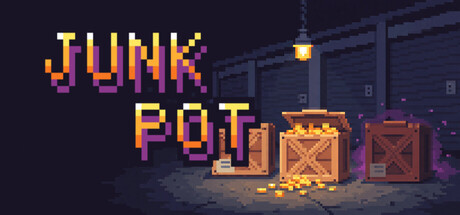
- Visual assets — some item, charm and UI sprites were generated with AI assistance and used as a base, then reviewed, reworked and finalized by the team before being integrated into the game
- Store page artwork — AI image generation was used as a starting point, then reworked, recolored and finalized by the team to match the game's pixel art style
A large part of the game's code was written with the help of AI coding assistants.
All content was reviewed and approved by the team before shipping.
As a small independent developer, obviously AI tools was used to assist in the development of this game, including working on graphical elements as well as writing code.
Generative AI tools were used during development to assist with programming and in the creation of certain pre-generated game assets. All AI-assisted content was reviewed, selected, edited when necessary, and manually integrated by the developer. No AI-generated content is produced in real time during gameplay.
AI tools (LLMs) were used solely for programming assistance, brainstorming, and writing Unreal Engine Blueprint logic. All visual assets, 3D models, and gameplay systems were entirely created and implemented manually by the solo developer.
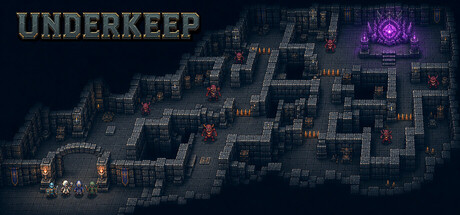
Underkeep's visual assets — character and monster sprites, traps, tiles, effects, UI art, and store artwork — were produced using generative AI image tools. The developer selected, adjusted, and quality-checked every asset before it went into the game.
The English and Spanish text was machine-translated from the original Korean.
Parts of the source code were written with an AI coding assistant, under the developer's direction and review.
Music and sound effects are not AI-generated. They are human-made CC0 assets from Kenney and OpenGameArt, and the in-game font (Galmuri) is a human-made open-source font.
Underkeep does not use generative AI while you play. The game runs fully offline and generates no content at runtime.
Generative AI was used to create some visual elements of the game's main menu and to assist with programming during development. Claude was used as a coding assistant to help write, review, and troubleshoot code.
All assets in this game — art, music, and text — were created by humans. During development, generative AI tools were used for coding assistance and debugging. All resulting code was reviewed and approved by a human developer before inclusion.
Some assets in Crown Cribbage were made with the help of generative AI tools:
- in-game music was generated with AI music tools
- capsule/key art
- marketing copy drafts
- assistance with programming
One point of emphasis:
The computer opponents in this game are not generative AI. They are hand-written heuristics, a fixed set of rules for discarding and pegging, tuned by
difficulty.
They see only what you see. They do not look at your hand, and nothing about them is generated while you play.
No AI content of any kind is created during a match.
Generative AI was used in the development of this game. The background art and character illustrations were created with an image generation model; all images were selected, edited, and processed by the developer. The story text and game logic were drafted and implemented with a large language model, with the developer directing the story and scene design, reviewing and approving all content, and requesting revisions. No generative AI runs at runtime during gameplay.
This game was developed with the help of generative AI.
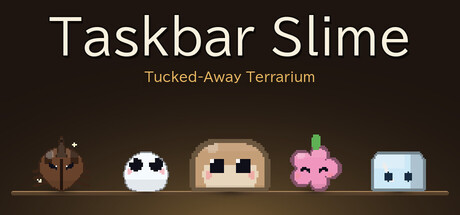
- Generative AI was used to write and translate text (slime descriptions,
in-game wording, and the English localisation). All of it was reviewed
and edited by a human.
- Generative AI was also used to write program code.
- The slime pixel art is not image-generated. It is drawn by a rendering
program written for this game.
- No AI runs while the game is playing. The game makes no network
connections and calls no AI models.
Generative AI tools were used during development to assist with programming, text, and the creation of some visual assets. The game does not use generative AI to create content during gameplay.
Generative AI tools were used during development to assist with programming, game systems, debugging, visual assets and written content. All AI-assisted work is reviewed, tested, edited, and integrated by the developer before being included.
3D models for props and buildings have been generated with code developed by AI. The game splash screens and logo have been generated by AI. Music is generated live with code developed by AI.
Portions of the game's code were written with AI assistance and reviewed, tested and integrated by the developer. Localization into non-English languages was machine-assisted and human-reviewed. Some 2D concept/marketing artwork was AI-assisted and manually refined. All gameplay, game design and audio are human-made. The game does not generate any content with AI at runtime.
Generative AI tools were only used to assist with writing some C# code scripts during development and to translate/draft the text descriptions for the Steam Store page. There are no AI-generated visual (art/UI) or audio assets included in the game.
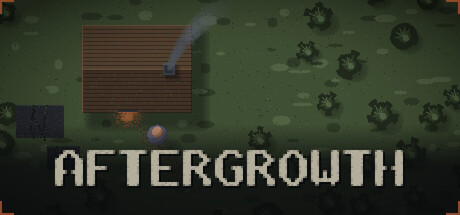
Aftergrowth's code was written with the help of an AI coding assistant, and some of the game's text — including parts of this store page — was first drafted with it and then edited by hand.
Nothing you see or hear is AI-generated. Every sprite, tile and icon is drawn by deterministic Python scripts rather than by an image model. The music is synthesised and the sound effects are CC0 recordings by Kenney, both credited in the game's CREDITS file. No generative AI runs while you play: nothing is generated live, and the game makes no request to any AI service.
I created this game solo, using generative AI as one of the tools.
It helped me write the code and also generated the ambient music and
some of the planet textures. Everything else was crafted by hand: the
interface, Fjord and the seals orbiting the Earth aren't drawn images —
they're rendered in code.
Nothing is generated while you play: the game runs fully offline.
And no, I didn't just sit around drinking coffee while the AI did the
work — though I certainly did consume an obscene amount of coffee.
Policy on the Use of Generative AI Technology in Our Titles
HUGA INC. (hereinafter referred to as "the Company") actively adopts and utilizes generative AI technology—including code assistance tools for development efficiency and image generation—in our titles. This is positioned as part of our development process to pursue new possibilities of artistic expression and high productivity in small-scale indie game development.
In utilizing AI technology, the Company strictly adheres to the following compliance and development standards:
■ Compliance with Laws and Intellectual Property Rights
Our development process complies with the Copyright Act of Japan (including the provisions for information analysis under Article 30-4) as well as the laws and regulations of relevant countries. Generative AI tools are used strictly within legally permitted boundaries.
■ Adherence to Distribution Platform Guidelines
We strictly comply with the disclosure obligations and various guidelines regarding generative AI established by Steam and other distribution platforms, ensuring appropriate information disclosure and proper registration processes.
■ Establishment of Creative Direction as a Proprietary Product
All AI-generated assets are integrated into our games only after undergoing our strict creative direction, editing, processing, and reconstruction within the overall game design. Our products do not rely on mere automated output.
The Company positions the proactive adoption of new technologies to deliver next-generation entertainment as a core innovation strategy for an indie developer.
Please note that while the Company closely monitors the ongoing social and ethical debates surrounding AI technology, we conduct our business lawfully based on current regulations and platform rules. Therefore, we do not issue individual statements or respond to inquiries regarding legal interpretations or related debates. Thank you for your understanding.
Generative AI tools were used during development to assist with programming, debugging, optimization, gameplay design, and the review or translation of some written content. The game does not use live-generated AI and does not connect to an AI service during gameplay.
This game includes an optional AI assistant. Players may use the AI tools during gameplay for in‑game assistance such as balloon‑shooting, feeding and other actions. No AI‑generated content will be produced.
During development, generative AI tools were used to assist with programming and some pre‑generated text. All AI‑assisted text included in the game was reviewed and edited by the development team.
No AI was used to generate the game's artwork or music. All artwork and music were created by human artists and musicians.
This game contains pre-generated 2D artwork and source code created with ChatGPT during development. All game source code was generated with ChatGPT, then reviewed, tested, debugged, and integrated by the developer. The artwork was generated from original prompts written for Gravefire Tavern, then reviewed, selected, edited, composited, cropped, and integrated by the developer. No generative AI runs during gameplay, and no player input is sent to an AI service.
Generative AI tools were used during the development of this game and in the creation of some of its visual, audio, and technical content.
AI was used to create and refine the background, logo, and related visual elements.
AI-assisted tools were used to create and prepare some of the sound effects.
AI-powered coding tools were used for code generation, autocomplete, and development assistance.
AI-generated designs were selected, edited, and enhanced for use in some of the game's visual content.
Some visuals were selected from AI-generated designs and subsequently enhanced and upscaled.
All AI-generated or AI-assisted content was reviewed, selected, edited, and adapted by the developer before being used in the game.
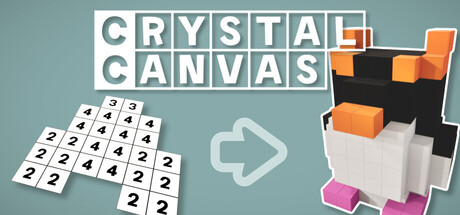
CrystalCanvas uses generative AI in parts of its development process.
For the sound effects played when placing voxels, we aimed to create sounds that remain pleasant and unobtrusive even during extended play sessions. After exploring a variety of sound assets and recordings, we ultimately used generative AI as part of the sound design process to achieve the desired result.
Generative AI is also used as a development aid through Claude Code for generating and assisting with parts of the code related to voxel space management and rendering.
Generative AI is not used to generate the voxel artwork or gameplay content itself.
This game utilized generative AI tools during development to assist with the following aspects:
Generation and optimization of certain code snippets;
Creation and processing of some sound effects;
Machine translation and localization assistance for in-game text and UI strings.
Important note: All visual art assets in the game (including characters, environments, props, UI elements, icons, animations, etc.) are exclusively created by human artists and were not generated by any AI tools.
All AI-generated content (code, sound, translation) has been manually reviewed, revised, and tested to ensure quality, stylistic consistency, and compliance with applicable regulations. AI is not used for real-time generation of player-facing content; all released content is finalized prior to launch.
Some 2D art assets in this game (character illustrations, sprites, backgrounds, and UI decorations) were created using generative AI (Google Gemini) and then retouched and processed under human supervision. Text, code, and game design were created with AI-assisted tools under human direction and review. All generated content has been reviewed by a human to ensure it does not resemble existing copyrighted works.
All speech audio is generated at runtime by a local text-to-speech model (Kokoro) running on the player's PC. Memnon reads text that is already visible on the player's screen and speaks it aloud. It does not write stories, create images, or generate any other content. If the player connects their own cloud API key, those voices are synthesized by their chosen provider under their own account.
Some of the app's code was written with the assistance of AI coding tools. All artwork and store assets are human-made.
Generative AI tools were used during development to assist with programming and to create some pre-generated 2D visual assets, including icons and promotional artwork. All AI-assisted code and generated assets were reviewed, tested, edited, and integrated by the developer. No generative AI is used while the game is running, and no content is generated live.
Portions of this game's code were written with the assistance of an AI coding tool, working under the developer's direction, with all output reviewed, tested, and integrated by hand. All artwork, animation, music, and sound effects are human-created licensed assets — no AI-generated art or audio is used. The game does not generate any content with AI at runtime; computer opponents use traditional hand-written game logic.
This game was developed with the help of generative AI tools in the following areas:
Some art assets, including characters, backgrounds, UI, and effects
Store page capsule images and key art
English localization of in-game text
Portions of the source code
All generated output was reviewed, edited, and integrated by the developer, and the final content is the developer's responsibility. No content is generated by AI while the game is running.
This game was primarily coded with AI.
The story and concept was made almost entirely by myself (As this was the main aim of the game to begin with)
Please don't buy it if you're not a fan of this use of AI generation.
AI helped us create our new logo, and we used Claude Code to help us with... the code, bro. Otherwise, the game's hand-made!
Our world is entering a troubling and hilarious time, and so critical reflection is important - but we are not categorically anti-AI. After all, you can't criticize something you don't understand, can you?
Yayoi Kaihatsu, the developer, takes full responsibility for the use of generative AI in this work.
If any issues arise regarding the use of generative AI in this work, please contact the representative of Yayoi Kaihatsu via the Steam Community or other channels.
Generative AI is used in this work according to the following policy:
・Code generation and tool operations related to game development
・Translation of text used on the store page and in-game (original source is Japanese)
Generative AI tools were used during development to assist with code and selected pre-generated game and marketing content. All shipped content was reviewed by the developer. No AI content is generated during gameplay.
Load Factor's player-facing content its data, simulation, art, and text is authored by us, not generated by AI. During development we used AI-assisted coding tools to help write and review source code, in the same way modern IDEs offer AI assistance. No artwork, audio, writing, or localization shipped in the game is AI-generated, and the game does not generate any content using AI while you play.
Generative AI was used as a creative tool to assist with parts of the artwork, code, and written content. All design choices, creative direction, edits, and final decisions were made by the human developer, with all AI-assisted work reviewed and refined before release.
Generative AI was used during game development to assist with programming and to create some pre-generated promotional artwork. All AI-assisted outputs were reviewed and edited by the developer before release.
All shipped assets are first-party or CC0/OFL-licensed human-made packs. Some 3D
meshes (enemy armor fused onto CC0 base rigs, the drone, weapon models) and the
entire soundtrack are produced by deterministic, first-party procedural build
scripts; those scripts were written with the help of an AI code assistant. No
image-, audio- or voice-generation model produced any shipped asset. The game's
written text — squad comms, item and mission descriptions, narrative screens —
and this store page's copy were drafted with AI assistance under developer
direction, then reviewed and edited by the developer. The game contains no
runtime or live AI generation.
Generative AI tools were used as part of the content creation process for this game:
- Visual assets — some item, charm and UI sprites were generated with AI assistance and used as a base, then reviewed, reworked and finalized by the team before being integrated into the game
- Store page artwork — AI image generation was used as a starting point, then reworked, recolored and finalized by the team to match the game's pixel art style
A large part of the game's code was written with the help of AI coding assistants.
All content was reviewed and approved by the team before shipping.
As a small independent developer, obviously AI tools was used to assist in the development of this game, including working on graphical elements as well as writing code.
Generative AI tools were used during development to assist with programming and in the creation of certain pre-generated game assets. All AI-assisted content was reviewed, selected, edited when necessary, and manually integrated by the developer. No AI-generated content is produced in real time during gameplay.
AI tools (LLMs) were used solely for programming assistance, brainstorming, and writing Unreal Engine Blueprint logic. All visual assets, 3D models, and gameplay systems were entirely created and implemented manually by the solo developer.
Underkeep's visual assets — character and monster sprites, traps, tiles, effects, UI art, and store artwork — were produced using generative AI image tools. The developer selected, adjusted, and quality-checked every asset before it went into the game.
The English and Spanish text was machine-translated from the original Korean.
Parts of the source code were written with an AI coding assistant, under the developer's direction and review.
Music and sound effects are not AI-generated. They are human-made CC0 assets from Kenney and OpenGameArt, and the in-game font (Galmuri) is a human-made open-source font.
Underkeep does not use generative AI while you play. The game runs fully offline and generates no content at runtime.
Generative AI was used to create some visual elements of the game's main menu and to assist with programming during development. Claude was used as a coding assistant to help write, review, and troubleshoot code.
All assets in this game — art, music, and text — were created by humans. During development, generative AI tools were used for coding assistance and debugging. All resulting code was reviewed and approved by a human developer before inclusion.
Some assets in Crown Cribbage were made with the help of generative AI tools:
- in-game music was generated with AI music tools
- capsule/key art
- marketing copy drafts
- assistance with programming
One point of emphasis:
The computer opponents in this game are not generative AI. They are hand-written heuristics, a fixed set of rules for discarding and pegging, tuned by
difficulty.
They see only what you see. They do not look at your hand, and nothing about them is generated while you play.
No AI content of any kind is created during a match.
Generative AI was used in the development of this game. The background art and character illustrations were created with an image generation model; all images were selected, edited, and processed by the developer. The story text and game logic were drafted and implemented with a large language model, with the developer directing the story and scene design, reviewing and approving all content, and requesting revisions. No generative AI runs at runtime during gameplay.
This game was developed with the help of generative AI.
- Generative AI was used to write and translate text (slime descriptions,
in-game wording, and the English localisation). All of it was reviewed
and edited by a human.
- Generative AI was also used to write program code.
- The slime pixel art is not image-generated. It is drawn by a rendering
program written for this game.
- No AI runs while the game is playing. The game makes no network
connections and calls no AI models.
Generative AI tools were used during development to assist with programming, text, and the creation of some visual assets. The game does not use generative AI to create content during gameplay.
Generative AI tools were used during development to assist with programming, game systems, debugging, visual assets and written content. All AI-assisted work is reviewed, tested, edited, and integrated by the developer before being included.
3D models for props and buildings have been generated with code developed by AI. The game splash screens and logo have been generated by AI. Music is generated live with code developed by AI.
Portions of the game's code were written with AI assistance and reviewed, tested and integrated by the developer. Localization into non-English languages was machine-assisted and human-reviewed. Some 2D concept/marketing artwork was AI-assisted and manually refined. All gameplay, game design and audio are human-made. The game does not generate any content with AI at runtime.
Generative AI tools were only used to assist with writing some C# code scripts during development and to translate/draft the text descriptions for the Steam Store page. There are no AI-generated visual (art/UI) or audio assets included in the game.
Aftergrowth's code was written with the help of an AI coding assistant, and some of the game's text — including parts of this store page — was first drafted with it and then edited by hand.
Nothing you see or hear is AI-generated. Every sprite, tile and icon is drawn by deterministic Python scripts rather than by an image model. The music is synthesised and the sound effects are CC0 recordings by Kenney, both credited in the game's CREDITS file. No generative AI runs while you play: nothing is generated live, and the game makes no request to any AI service.
I created this game solo, using generative AI as one of the tools.
It helped me write the code and also generated the ambient music and
some of the planet textures. Everything else was crafted by hand: the
interface, Fjord and the seals orbiting the Earth aren't drawn images —
they're rendered in code.
Nothing is generated while you play: the game runs fully offline.
And no, I didn't just sit around drinking coffee while the AI did the
work — though I certainly did consume an obscene amount of coffee.
Policy on the Use of Generative AI Technology in Our Titles
HUGA INC. (hereinafter referred to as "the Company") actively adopts and utilizes generative AI technology—including code assistance tools for development efficiency and image generation—in our titles. This is positioned as part of our development process to pursue new possibilities of artistic expression and high productivity in small-scale indie game development.
In utilizing AI technology, the Company strictly adheres to the following compliance and development standards:
■ Compliance with Laws and Intellectual Property Rights
Our development process complies with the Copyright Act of Japan (including the provisions for information analysis under Article 30-4) as well as the laws and regulations of relevant countries. Generative AI tools are used strictly within legally permitted boundaries.
■ Adherence to Distribution Platform Guidelines
We strictly comply with the disclosure obligations and various guidelines regarding generative AI established by Steam and other distribution platforms, ensuring appropriate information disclosure and proper registration processes.
■ Establishment of Creative Direction as a Proprietary Product
All AI-generated assets are integrated into our games only after undergoing our strict creative direction, editing, processing, and reconstruction within the overall game design. Our products do not rely on mere automated output.
The Company positions the proactive adoption of new technologies to deliver next-generation entertainment as a core innovation strategy for an indie developer.
Please note that while the Company closely monitors the ongoing social and ethical debates surrounding AI technology, we conduct our business lawfully based on current regulations and platform rules. Therefore, we do not issue individual statements or respond to inquiries regarding legal interpretations or related debates. Thank you for your understanding.
Generative AI tools were used during development to assist with programming, debugging, optimization, gameplay design, and the review or translation of some written content. The game does not use live-generated AI and does not connect to an AI service during gameplay.
This game includes an optional AI assistant. Players may use the AI tools during gameplay for in‑game assistance such as balloon‑shooting, feeding and other actions. No AI‑generated content will be produced.
During development, generative AI tools were used to assist with programming and some pre‑generated text. All AI‑assisted text included in the game was reviewed and edited by the development team.
No AI was used to generate the game's artwork or music. All artwork and music were created by human artists and musicians.
This game contains pre-generated 2D artwork and source code created with ChatGPT during development. All game source code was generated with ChatGPT, then reviewed, tested, debugged, and integrated by the developer. The artwork was generated from original prompts written for Gravefire Tavern, then reviewed, selected, edited, composited, cropped, and integrated by the developer. No generative AI runs during gameplay, and no player input is sent to an AI service.
Generative AI tools were used during the development of this game and in the creation of some of its visual, audio, and technical content.
AI was used to create and refine the background, logo, and related visual elements.
AI-assisted tools were used to create and prepare some of the sound effects.
AI-powered coding tools were used for code generation, autocomplete, and development assistance.
AI-generated designs were selected, edited, and enhanced for use in some of the game's visual content.
Some visuals were selected from AI-generated designs and subsequently enhanced and upscaled.
All AI-generated or AI-assisted content was reviewed, selected, edited, and adapted by the developer before being used in the game.
CrystalCanvas uses generative AI in parts of its development process.
For the sound effects played when placing voxels, we aimed to create sounds that remain pleasant and unobtrusive even during extended play sessions. After exploring a variety of sound assets and recordings, we ultimately used generative AI as part of the sound design process to achieve the desired result.
Generative AI is also used as a development aid through Claude Code for generating and assisting with parts of the code related to voxel space management and rendering.
Generative AI is not used to generate the voxel artwork or gameplay content itself.
This game utilized generative AI tools during development to assist with the following aspects:
Generation and optimization of certain code snippets;
Creation and processing of some sound effects;
Machine translation and localization assistance for in-game text and UI strings.
Important note: All visual art assets in the game (including characters, environments, props, UI elements, icons, animations, etc.) are exclusively created by human artists and were not generated by any AI tools.
All AI-generated content (code, sound, translation) has been manually reviewed, revised, and tested to ensure quality, stylistic consistency, and compliance with applicable regulations. AI is not used for real-time generation of player-facing content; all released content is finalized prior to launch.
Some 2D art assets in this game (character illustrations, sprites, backgrounds, and UI decorations) were created using generative AI (Google Gemini) and then retouched and processed under human supervision. Text, code, and game design were created with AI-assisted tools under human direction and review. All generated content has been reviewed by a human to ensure it does not resemble existing copyrighted works.
All speech audio is generated at runtime by a local text-to-speech model (Kokoro) running on the player's PC. Memnon reads text that is already visible on the player's screen and speaks it aloud. It does not write stories, create images, or generate any other content. If the player connects their own cloud API key, those voices are synthesized by their chosen provider under their own account.
Some of the app's code was written with the assistance of AI coding tools. All artwork and store assets are human-made.
Generative AI tools were used during development to assist with programming and to create some pre-generated 2D visual assets, including icons and promotional artwork. All AI-assisted code and generated assets were reviewed, tested, edited, and integrated by the developer. No generative AI is used while the game is running, and no content is generated live.
Portions of this game's code were written with the assistance of an AI coding tool, working under the developer's direction, with all output reviewed, tested, and integrated by hand. All artwork, animation, music, and sound effects are human-created licensed assets — no AI-generated art or audio is used. The game does not generate any content with AI at runtime; computer opponents use traditional hand-written game logic.
This game was developed with the help of generative AI tools in the following areas:
Some art assets, including characters, backgrounds, UI, and effects
Store page capsule images and key art
English localization of in-game text
Portions of the source code
All generated output was reviewed, edited, and integrated by the developer, and the final content is the developer's responsibility. No content is generated by AI while the game is running.
This game was primarily coded with AI.
The story and concept was made almost entirely by myself (As this was the main aim of the game to begin with)
Please don't buy it if you're not a fan of this use of AI generation.
AI helped us create our new logo, and we used Claude Code to help us with... the code, bro. Otherwise, the game's hand-made!
Our world is entering a troubling and hilarious time, and so critical reflection is important - but we are not categorically anti-AI. After all, you can't criticize something you don't understand, can you?
Yayoi Kaihatsu, the developer, takes full responsibility for the use of generative AI in this work.
If any issues arise regarding the use of generative AI in this work, please contact the representative of Yayoi Kaihatsu via the Steam Community or other channels.
Generative AI is used in this work according to the following policy:
・Code generation and tool operations related to game development
・Translation of text used on the store page and in-game (original source is Japanese)
Generative AI tools were used during development to assist with code and selected pre-generated game and marketing content. All shipped content was reviewed by the developer. No AI content is generated during gameplay.
Load Factor's player-facing content its data, simulation, art, and text is authored by us, not generated by AI. During development we used AI-assisted coding tools to help write and review source code, in the same way modern IDEs offer AI assistance. No artwork, audio, writing, or localization shipped in the game is AI-generated, and the game does not generate any content using AI while you play.
Generative AI was used as a creative tool to assist with parts of the artwork, code, and written content. All design choices, creative direction, edits, and final decisions were made by the human developer, with all AI-assisted work reviewed and refined before release.
Generative AI was used during game development to assist with programming and to create some pre-generated promotional artwork. All AI-assisted outputs were reviewed and edited by the developer before release.