Public Steam disclosure research25,376 disclosures tracked
Where do games disclose AI use?
Search developers’ Steam disclosures, compare classified AI use across
games, and follow recorded changes.
This index adds cross-game classifications and statistics to
statements published on individual store pages.
Groups reflect automatic analysis of public disclosures; mature records are excluded. These counts do not measure AI use across all of Steam.
Missing or unclear statements cannot establish whether a game uses AI.
Generative AI was used only for localization. As a solo developer, I used AI tools to translate the game's text into other languages, which would not have been possible for me otherwise. All artwork, audio, and gameplay content were created without generative AI.
This game’s store page text has been translated into multiple languages with the assistance of AI translation tools. We review and adjust translations manually.
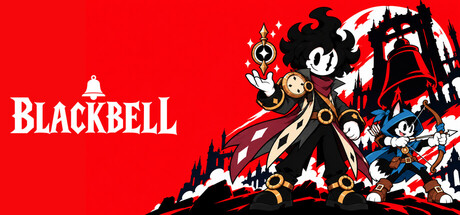
Generative AI tools were used extensively during the development of BLACKBELL, including for artwork, writing, audio, code, and production support. All AI-generated content included in the shipped game is pre-generated, selected, edited, and integrated by the developer. The developer is responsible for the game's creative direction, design, curation, quality control, and final implementation.
Some in-game posters and signs, the splash screen, and parts of the text and translation were made with the help of generative AI and then edited by hand.
The character, hat, background and icon artwork in the game, and the artwork on this store page, were created with AI image generation and then selected, cut out and adjusted by the developer. In-game text and translations were written with the help of AI tools. Nothing is generated by AI while you play.
Some of the art in Planet Pilot was made with generative AI tools during development, then selected, edited and fitted into the game by the developer. This covers the store and key art, many 2D illustrations (mission briefing, Legends, ace, medal and loading pictures, hangar plane pictures, emblems and some painted ground textures), the picture thumbnails in the landmarks list, and the high-detail 3D models of more than 40 landmarks. The game's translations were made with AI tools and reviewed by the developer. In the trailers, the opening 30 seconds of the cinematic trailer and the trailer music and sound effects were made with AI tools. The world, aircraft, flight model and gameplay were built by the developer. Nothing in the game is generated by AI while you play.
Some of the game's text, including the clients' letters and notes, and the store page text were drafted with the help of an AI language model and edited by the developer. The artwork comes from the game's own renderer and models, not from image-generating AI, and the music is played by the game's own code. Nothing is generated by AI while you play.
Generative AI tools were used to assist with the creation and refinement of some pre-generated sound effects, 3D assets, 2D images, voice lines, and localization. All AI-assisted content was reviewed, edited, and integrated by the developer. The game does not use generative AI to create content during gameplay.
Character voices, and some of the sound effects and music, were pre-generated with AI voice and audio tools and then edited and mixed by the developer. The dialogue, store text and Korean/English translations were written with the help of an AI assistant and reviewed by the developer. All ships, cockpit and environments are in-engine 3D models, and the store images and trailer are in-game captures. No AI content is generated while you play.
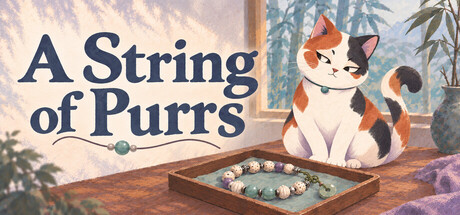
Generative AI tools were used during development to assist with some art assets, written content and localization, as well as store and marketing materials. This includes character portraits, cat and scene illustrations, selected textures and UI illustrations, store capsule artwork and promotional illustrations. These materials are generated, selected and integrated as fixed assets before release. The game does not use generative AI during play or generate dialogue, images or audio in real time.
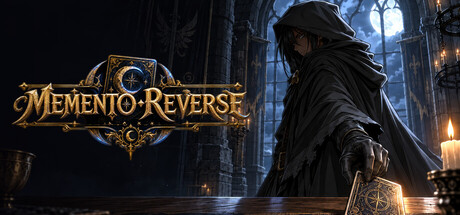
Some of the card illustrations, title art, UI elements, and character voices in this game, as well as the store capsule images, library artwork, and other promotional images, were created with generative AI, then selected and adjusted by the developer. The English text is based on AI translation and has been reviewed by the developer.
As an optional feature, players can connect their own Claude (Anthropic's AI assistant) through a Claude Desktop extension to play against it or watch it play against the CPU. Claude's lines shown in the game are written by the player's own Claude; the game itself does not generate text or communicate with any AI service.
Luckforge was made with the help of generative AI tools, selected and directed by the developer. The title-screen and battle backdrops were generated from our own layout briefs and screenshots, then converted to the game's pixel grid and colour palette. The pixel sprites, in-game text, translations and store text were created with AI assistance. Some promotional materials use AI-generated art or music. Nothing is generated by AI while you play.
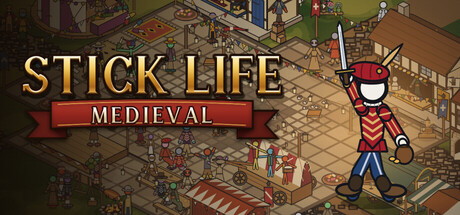
Stick Life: Medieval is designed and directed by a solo developer. Some of the game's code, its in-game writing, the artwork the game draws and parts of this store page were made with the help of generative AI tools, and some of its music was made with Suno, an AI music tool. All of it was played, reviewed and edited by the developer. Nothing is generated by AI while you play.
Pre-generated content: the character voices, some sound effects, ambience and the music were generated with AI audio tools (ElevenLabs), then selected, edited and mixed by the developer. Most 3D models (props, tools, vehicles) and some 2D artwork (signs, posters, in-game documents, interface illustrations and store art) were generated with AI tools and then integrated, adjusted and reviewed in the game by the developer. The people are built with the open-source MakeHuman tools and animated with motion capture (CMU), not with AI. Translations were made with AI assistance and reviewed. The levels and code were built with AI-assisted tools and reviewed and tested by the developer. No content is generated by AI while you play.
The intro cinematic and the artwork taken from it (used on this store page) were generated with AI video tools from the game's own 3D models, as were some illustrations and icons of the interface. The soundtrack was composed with an AI music tool, and the translations were made with AI assistance. No AI generates content while you play.
Much of the artwork in Convoy Inc. was created with the help of AI image tools, including job and event scenes, driver portraits, truck and city illustrations, map decorations and parts of the interface art. Every image was selected, edited and composited by the developer to fit the game's vintage atlas style.
The illustrated story scenes and the music in the trailer were also created with AI-assisted tools.
The game's design, code, systems, map data and all written text were created by the developer. The game does not generate any AI content while it runs.
Game text translations and parts of the store page and marketing text were created with AI assistance. All art, music and sound effects are made without generative AI.
Generative AI was used during development to help create some in-game visual assets, store and promotional artwork, and store description text and translations. These materials were generated in advance.
Generative AI was used for UI icons, the intro video, and retouching of store capsule images. In-game 3D assets, characters and environments are licensed or hand-made, not AI-generated. AI was used as an assistive tool for code, text and translation.
Some 2D artwork in the game, such as backgrounds, decoration items and illustrations, was made with the help of generative AI image tools and then edited and adjusted by the developer. Some in-game text translations were also produced with AI assistance. All sound and music are created by the game’s own code. No content is generated by AI while you play.
AI tools were used during development to create the pixel art, the game's text and promotional images. Pawnbroke does not generate AI content during gameplay.
Generative AI tools were used throughout this game's production pipeline, alongside traditional development tools and techniques, to speed up iteration and expand what our team can make. AI-assisted content that ships in the game includes 2D artwork, voice narration, sound effects, music and in-game text. Every asset in the final product was selected, reviewed, modified where appropriate, and integrated by the development team. No generative AI content is created during gameplay.
AI tools were used during development to assist with writing and translating French and English text, creating branding artwork (including the logo, icon and splash screen), and producing some music. Promotional artwork and the voice-over in our gameplay overview videos also use AI-generated content. These assets were prepared in advance and integrated by the developers. The game does not generate AI content during gameplay.
Generative AI tools were used to assist with code refactoring and with writing and translating text for the game and its store page. No content is generated using generative AI during gameplay.
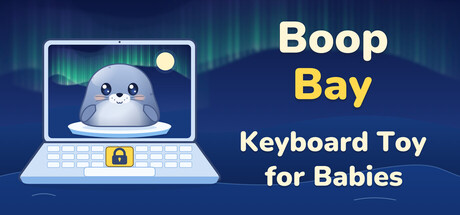
Boop Bay was made by its developer with the help of an AI assistant (Anthropic's Claude). The art (the vector drawings of the places and animals) was drawn by the AI as code and SVG under the developer's direction; no image-generation models were used. The on-screen text in languages other than English was translated with AI. Store page text was drafted with AI and edited by the developer. The animal and instrument sounds are public-domain (CC0) recordings made by people; the other sounds are synthesized by the game.
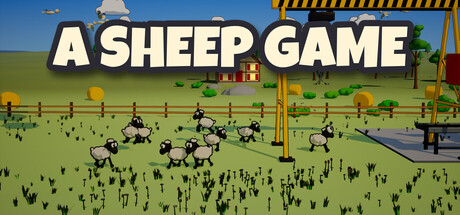
Pre-generated content: Parts of the game were made with generative AI tools and then selected, edited and integrated by the developer: the soundtrack (made with Suno), interface icons and stickers, the painted world illustrations on the level cards and act screens, sound effects and the spoken sheep lines. Some in-game and store texts, including the English translation, were drafted with an AI assistant and edited by the developer. All 3D models, animations and levels are made by the developer's own tools. The game does not generate content with AI while it runs.
We are a team of 3 developers and everything you see in the game including 3D models, textures, and environments were crafted entirely by human hands. We used Generative AI for store capsule images, translations, and the soundtrack.
The game's code, some in-game text (English/Turkish dialogue and UI) and some poster artwork were created with the help of generative AI and then reviewed and edited by the developer. The game does not generate any AI content at runtime.
The background music tracks were created with the help of generative AI, and the translated in-game text for some languages was produced with AI assistance. The game does not use AI while you play.
Generative AI was used as a development assistance tool during the creation of GNOME DOME, including help with gameplay logic, Unreal Engine/Blueprint development, debugging, writing, and concept development. All AI-assisted work was reviewed, edited, and implemented by the developer. Generative AI is not used to create content dynamically during gameplay.
Artwork: cards, lobby illustrations and achievement icons were pregenerated with AI image tools and rewritten by hand. The visual style was reviewed and rewritten artist.
Text: The German and Italian localizations were made with AI translation.
Art and sound within the game and trailer were created with the help of AI tools. In-game text was edited with AI assistance. All puzzles were hand-designed by the developer.
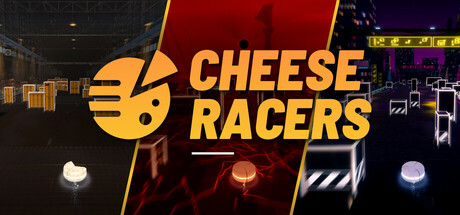
Cheese Racers is designed, directed and reviewed by a solo developer and built with an AI assistant, which wrote the code and drafted much of the text. The visuals (maps, cheese skins, crates) are drawn by that code as the game runs, not by AI image generators. No AI-generated music or voices, and nothing is generated by AI while you play.
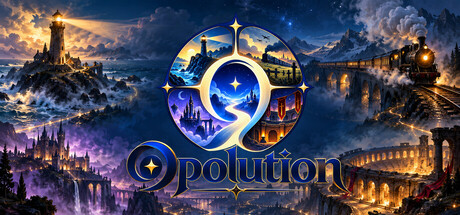
Opolution includes AI-generated illustrations, video sequences and voice-over audio, as well as AI-assisted narrative text and translations. These assets are created in advance during development. No AI content is generated during gameplay, and the game does not connect to external AI services while you play.
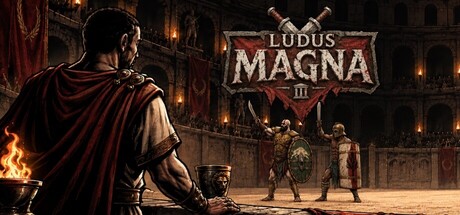
Ludus Magna uses pre-generated, AI-assisted content created during development. This includes parts of the game's visual content such as character portraits, backgrounds and other illustrations, as well as AI-assisted text and localization. All content is selected, edited and reviewed by the developer before being included in the game. No generative AI content is created while the game is running.
The capsule and logo artwork was created with an AI image generator. Some of the game's code and parts of the written dialogue were produced with the help of an AI assistant, then reviewed and edited by the developer. No content is generated by AI while the game is running.
Generative AI tools were used during development to create visual assets, including character artwork, environments, and visual effects, as well as in-game music. AI tools also assisted with promotional artwork and the translation of store descriptions. These contents were generated during development. The game does not generate content using AI during gameplay.
Character animations are generated with an AI motion model (Kimodo) and then cleaned up and retargeted by our team. Character voice-overs are created with AI text-to-speech and directed and edited by our team. All 3D models, buildings, textures and writing are made by us. No AI content is generated live during gameplay.
AI tools assisted in creating and revising the ending illustrations, narrative and explanatory text, English localization, and some visuals and sound effects produced through code. AI tools also assisted with store descriptions and promotional artwork. The game contains fixed, completed content and does not generate new content or connect to external AI services during play.
Generative AI was used for some background and crystal artwork, and assisted with interface and store text localization. These assets are prepared before release. The game does not generate content or connect to AI services during play.
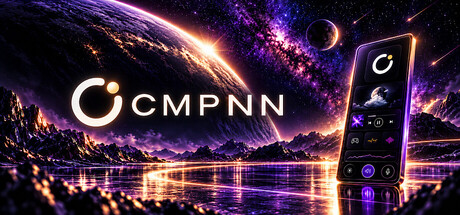
Generative AI tools were used during development to assist with pre-generated text, localization, and some promotional/store-page materials. No generative AI is used during gameplay, no content is generated live for users, and CMPNN does not connect to external AI services during gameplay.
The built-in starter question packs were drafted with AI assistance, then fact-checked and edited by the developer. Store page and interface text were also drafted with AI help and reviewed. No content is generated by AI while you play.
This game was made using generative AI. Generative AI was used for card illustrations, backgrounds, character videos, music, the story and other text, translations, and promotional materials such as the store page and trailer. All of this content was created in advance; no content is generated by AI during gameplay.
Generative AI was used only for localization. As a solo developer, I used AI tools to translate the game's text into other languages, which would not have been possible for me otherwise. All artwork, audio, and gameplay content were created without generative AI.
This game’s store page text has been translated into multiple languages with the assistance of AI translation tools. We review and adjust translations manually.
Generative AI tools were used extensively during the development of BLACKBELL, including for artwork, writing, audio, code, and production support. All AI-generated content included in the shipped game is pre-generated, selected, edited, and integrated by the developer. The developer is responsible for the game's creative direction, design, curation, quality control, and final implementation.
Some in-game posters and signs, the splash screen, and parts of the text and translation were made with the help of generative AI and then edited by hand.
The character, hat, background and icon artwork in the game, and the artwork on this store page, were created with AI image generation and then selected, cut out and adjusted by the developer. In-game text and translations were written with the help of AI tools. Nothing is generated by AI while you play.
Some of the art in Planet Pilot was made with generative AI tools during development, then selected, edited and fitted into the game by the developer. This covers the store and key art, many 2D illustrations (mission briefing, Legends, ace, medal and loading pictures, hangar plane pictures, emblems and some painted ground textures), the picture thumbnails in the landmarks list, and the high-detail 3D models of more than 40 landmarks. The game's translations were made with AI tools and reviewed by the developer. In the trailers, the opening 30 seconds of the cinematic trailer and the trailer music and sound effects were made with AI tools. The world, aircraft, flight model and gameplay were built by the developer. Nothing in the game is generated by AI while you play.
Some of the game's text, including the clients' letters and notes, and the store page text were drafted with the help of an AI language model and edited by the developer. The artwork comes from the game's own renderer and models, not from image-generating AI, and the music is played by the game's own code. Nothing is generated by AI while you play.
Generative AI tools were used to assist with the creation and refinement of some pre-generated sound effects, 3D assets, 2D images, voice lines, and localization. All AI-assisted content was reviewed, edited, and integrated by the developer. The game does not use generative AI to create content during gameplay.
Character voices, and some of the sound effects and music, were pre-generated with AI voice and audio tools and then edited and mixed by the developer. The dialogue, store text and Korean/English translations were written with the help of an AI assistant and reviewed by the developer. All ships, cockpit and environments are in-engine 3D models, and the store images and trailer are in-game captures. No AI content is generated while you play.
Generative AI tools were used during development to assist with some art assets, written content and localization, as well as store and marketing materials. This includes character portraits, cat and scene illustrations, selected textures and UI illustrations, store capsule artwork and promotional illustrations. These materials are generated, selected and integrated as fixed assets before release. The game does not use generative AI during play or generate dialogue, images or audio in real time.
Some of the card illustrations, title art, UI elements, and character voices in this game, as well as the store capsule images, library artwork, and other promotional images, were created with generative AI, then selected and adjusted by the developer. The English text is based on AI translation and has been reviewed by the developer.
As an optional feature, players can connect their own Claude (Anthropic's AI assistant) through a Claude Desktop extension to play against it or watch it play against the CPU. Claude's lines shown in the game are written by the player's own Claude; the game itself does not generate text or communicate with any AI service.
Luckforge was made with the help of generative AI tools, selected and directed by the developer. The title-screen and battle backdrops were generated from our own layout briefs and screenshots, then converted to the game's pixel grid and colour palette. The pixel sprites, in-game text, translations and store text were created with AI assistance. Some promotional materials use AI-generated art or music. Nothing is generated by AI while you play.
Stick Life: Medieval is designed and directed by a solo developer. Some of the game's code, its in-game writing, the artwork the game draws and parts of this store page were made with the help of generative AI tools, and some of its music was made with Suno, an AI music tool. All of it was played, reviewed and edited by the developer. Nothing is generated by AI while you play.
Pre-generated content: the character voices, some sound effects, ambience and the music were generated with AI audio tools (ElevenLabs), then selected, edited and mixed by the developer. Most 3D models (props, tools, vehicles) and some 2D artwork (signs, posters, in-game documents, interface illustrations and store art) were generated with AI tools and then integrated, adjusted and reviewed in the game by the developer. The people are built with the open-source MakeHuman tools and animated with motion capture (CMU), not with AI. Translations were made with AI assistance and reviewed. The levels and code were built with AI-assisted tools and reviewed and tested by the developer. No content is generated by AI while you play.
The intro cinematic and the artwork taken from it (used on this store page) were generated with AI video tools from the game's own 3D models, as were some illustrations and icons of the interface. The soundtrack was composed with an AI music tool, and the translations were made with AI assistance. No AI generates content while you play.
Much of the artwork in Convoy Inc. was created with the help of AI image tools, including job and event scenes, driver portraits, truck and city illustrations, map decorations and parts of the interface art. Every image was selected, edited and composited by the developer to fit the game's vintage atlas style.
The illustrated story scenes and the music in the trailer were also created with AI-assisted tools.
The game's design, code, systems, map data and all written text were created by the developer. The game does not generate any AI content while it runs.
Game text translations and parts of the store page and marketing text were created with AI assistance. All art, music and sound effects are made without generative AI.
Generative AI was used during development to help create some in-game visual assets, store and promotional artwork, and store description text and translations. These materials were generated in advance.
Generative AI was used for UI icons, the intro video, and retouching of store capsule images. In-game 3D assets, characters and environments are licensed or hand-made, not AI-generated. AI was used as an assistive tool for code, text and translation.
Some 2D artwork in the game, such as backgrounds, decoration items and illustrations, was made with the help of generative AI image tools and then edited and adjusted by the developer. Some in-game text translations were also produced with AI assistance. All sound and music are created by the game’s own code. No content is generated by AI while you play.
AI tools were used during development to create the pixel art, the game's text and promotional images. Pawnbroke does not generate AI content during gameplay.
Generative AI tools were used throughout this game's production pipeline, alongside traditional development tools and techniques, to speed up iteration and expand what our team can make. AI-assisted content that ships in the game includes 2D artwork, voice narration, sound effects, music and in-game text. Every asset in the final product was selected, reviewed, modified where appropriate, and integrated by the development team. No generative AI content is created during gameplay.
AI tools were used during development to assist with writing and translating French and English text, creating branding artwork (including the logo, icon and splash screen), and producing some music. Promotional artwork and the voice-over in our gameplay overview videos also use AI-generated content. These assets were prepared in advance and integrated by the developers. The game does not generate AI content during gameplay.
Generative AI tools were used to assist with code refactoring and with writing and translating text for the game and its store page. No content is generated using generative AI during gameplay.
Boop Bay was made by its developer with the help of an AI assistant (Anthropic's Claude). The art (the vector drawings of the places and animals) was drawn by the AI as code and SVG under the developer's direction; no image-generation models were used. The on-screen text in languages other than English was translated with AI. Store page text was drafted with AI and edited by the developer. The animal and instrument sounds are public-domain (CC0) recordings made by people; the other sounds are synthesized by the game.
Pre-generated content: Parts of the game were made with generative AI tools and then selected, edited and integrated by the developer: the soundtrack (made with Suno), interface icons and stickers, the painted world illustrations on the level cards and act screens, sound effects and the spoken sheep lines. Some in-game and store texts, including the English translation, were drafted with an AI assistant and edited by the developer. All 3D models, animations and levels are made by the developer's own tools. The game does not generate content with AI while it runs.
We are a team of 3 developers and everything you see in the game including 3D models, textures, and environments were crafted entirely by human hands. We used Generative AI for store capsule images, translations, and the soundtrack.
The game's code, some in-game text (English/Turkish dialogue and UI) and some poster artwork were created with the help of generative AI and then reviewed and edited by the developer. The game does not generate any AI content at runtime.
The background music tracks were created with the help of generative AI, and the translated in-game text for some languages was produced with AI assistance. The game does not use AI while you play.
Generative AI was used as a development assistance tool during the creation of GNOME DOME, including help with gameplay logic, Unreal Engine/Blueprint development, debugging, writing, and concept development. All AI-assisted work was reviewed, edited, and implemented by the developer. Generative AI is not used to create content dynamically during gameplay.
Artwork: cards, lobby illustrations and achievement icons were pregenerated with AI image tools and rewritten by hand. The visual style was reviewed and rewritten artist.
Text: The German and Italian localizations were made with AI translation.
Art and sound within the game and trailer were created with the help of AI tools. In-game text was edited with AI assistance. All puzzles were hand-designed by the developer.
Cheese Racers is designed, directed and reviewed by a solo developer and built with an AI assistant, which wrote the code and drafted much of the text. The visuals (maps, cheese skins, crates) are drawn by that code as the game runs, not by AI image generators. No AI-generated music or voices, and nothing is generated by AI while you play.
Opolution includes AI-generated illustrations, video sequences and voice-over audio, as well as AI-assisted narrative text and translations. These assets are created in advance during development. No AI content is generated during gameplay, and the game does not connect to external AI services while you play.
Ludus Magna uses pre-generated, AI-assisted content created during development. This includes parts of the game's visual content such as character portraits, backgrounds and other illustrations, as well as AI-assisted text and localization. All content is selected, edited and reviewed by the developer before being included in the game. No generative AI content is created while the game is running.
The capsule and logo artwork was created with an AI image generator. Some of the game's code and parts of the written dialogue were produced with the help of an AI assistant, then reviewed and edited by the developer. No content is generated by AI while the game is running.
Generative AI tools were used during development to create visual assets, including character artwork, environments, and visual effects, as well as in-game music. AI tools also assisted with promotional artwork and the translation of store descriptions. These contents were generated during development. The game does not generate content using AI during gameplay.
Character animations are generated with an AI motion model (Kimodo) and then cleaned up and retargeted by our team. Character voice-overs are created with AI text-to-speech and directed and edited by our team. All 3D models, buildings, textures and writing are made by us. No AI content is generated live during gameplay.
AI tools assisted in creating and revising the ending illustrations, narrative and explanatory text, English localization, and some visuals and sound effects produced through code. AI tools also assisted with store descriptions and promotional artwork. The game contains fixed, completed content and does not generate new content or connect to external AI services during play.
Generative AI was used for some background and crystal artwork, and assisted with interface and store text localization. These assets are prepared before release. The game does not generate content or connect to AI services during play.
Generative AI tools were used during development to assist with pre-generated text, localization, and some promotional/store-page materials. No generative AI is used during gameplay, no content is generated live for users, and CMPNN does not connect to external AI services during gameplay.
The built-in starter question packs were drafted with AI assistance, then fact-checked and edited by the developer. Store page and interface text were also drafted with AI help and reviewed. No content is generated by AI while you play.
This game was made using generative AI. Generative AI was used for card illustrations, backgrounds, character videos, music, the story and other text, translations, and promotional materials such as the store page and trailer. All of this content was created in advance; no content is generated by AI during gameplay.