Public Steam disclosure research25,508 disclosures tracked
Where do games disclose AI use?
Search developers’ Steam disclosures, compare classified AI use across
games, and follow recorded changes.
This index adds cross-game classifications and statistics to
statements published on individual store pages.
Groups reflect automatic analysis of public disclosures; mature records are excluded. These counts do not measure AI use across all of Steam.
Missing or unclear statements cannot establish whether a game uses AI.
This title uses lightweight local AI to generate character conversations in real time.
Each playthrough features dynamic character interactions and evolving stories, letting you enjoy action within a living, breathing world.
This game uses generative AI to support certain NPC dialogue and voice interactions. AI-generated content operates within predefined gameplay systems and is moderated to ensure it complies with platform guidelines.
This game utilizes a generative AI tool for the creation of its BGM (background music), some logos and localization.
The data was pre-rendered by the developer during the game's development and integrated as final game assets before release.
The game does not contain any features that generate content in real-time during gameplay. All content has been checked by the developer for compliance with the AI tool's commercial terms, and careful attention has been paid to avoid any copyright infringement or violation of general decency standards.
AI was used in the coding of this game, the asset generation, brainstorming practical solutions (knowledge about opensource tts options, distribution options), and in helping problem solve most steps in the development, and application process. It allowed one developer to create a high quality, low cost educational product to greatly assist in language learning worldwide.
Using artificial intelligence:
Some famous games (example, lyrics, partial usage, and musical accompaniment) were created to promote technological progress. The lecture, one way or another, is dedicated to (OpenAI) and Mubert.
This helped expand the creative possibilities and add a unique atmosphere, while maintaining full creative control on the part of the developer.
The game uses some AI-generated text to enhance immersion through short form responsive NPC dialogue and procedurally described events. Each character’s dialogue is contextually grounded in their role, knowledge, and surroundings, keeping interactions cohesive and authentic.
Generative AI is NOT used for world narrative writing, lore, game logic, audio, images, or calculating outcomes of any kind.
AI systems ensure every player’s experience feels distinct while remaining true to the game’s established lore and tone.
This feature is experimental, and is not part of the core game.
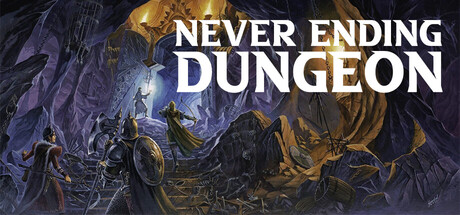
The program includes a local (offline, downloaded with the build) AI model trained by us to generate text content for adventures, NPCs, mobs, and items based on player prompts. In addition, the program includes pre-generated 3D models of props and NPCs edited by artists.
About the Use of AI
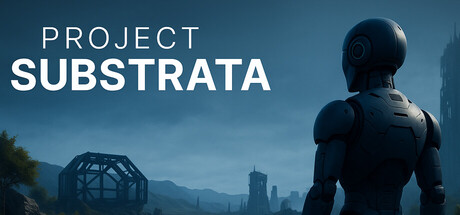
During the early stages of development, Project Substrata utilized generative AI tools (such as image generation) for concept art and idea exploration only.
All in-game assets, textures, audio, story elements, and code are manually created and refined by the development team.
Within the game world, autonomous drones and facility AIs operate as part of the gameplay and narrative systems, not as real AI services.
The game runs entirely offline, with no external data transmission or use of online AI APIs.
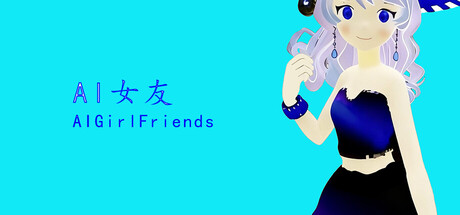
In the game, players can press the "G" key to open the AI communication panel, and interact with the two AIs—Doubao and DeepSeek—by typing text. Players can choose to chat with either Doubao or DeepSeek, and both AIs will respond based on the player's input.
Meanwhile, the AIs' decisions will influence the progression of the in-game storyline and their own specific behaviors. For instance, the AIs may determine the direction of storyline branches based on the content of the player's conversation, or change their movement paths in the game world and perform different actions. This creates a richer and more personalized gaming experience for players.
・Program Development Support: Using GitHub Copilot and OpenAI ChatGPT for code completion and refactoring.
・Graphic and Design Creation Support: Utilizing OpenAI ChatGPT and Google Gemini to support asset creation.
・Scenario Writing Support: Employing OpenAI ChatGPT and Microsoft 365 Copilot for story structuring and text improvement.
・Pre-translated content using OpenAI API (gpt-4o-mini) for multilingual support.
Concept arts and drafts for characters, monsters, UI icons are generated by AI, however, they have all gone through manual post-processed. Sound assets are generated by generative-AI models. Marketing materials including Library Assets are also AI-assisted generated. Some parts of localization string is assisted by AI to get proper translation.
Some visual and textual elements used in the game's marketing materials were created with the assistance of artificial intelligence tools.
No AI is used during gameplay, and all in-game content is designed and implemented manually.
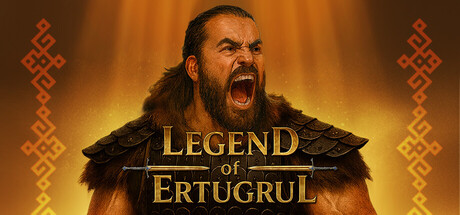
Legend of Ertuğrul is a story-driven action game featuring fixed content created by the development team.
During development, AI tools were used only for idea generation, text drafting, and the initial design stage of certain character visuals.
These visuals were then edited, repainted, or composited by the development team to create the final versions.
The game does not include any real-time AI content generation or user-created content features.
All texts, sounds, models, and code in the game were originally created by the developers or obtained from licensed sources.
Generative AI tools were used during development to assist with visual materials, texture design, localization, marketing texts, and partially for coding assistance. No AI is used during gameplay or for generating real-time content.
we use AI across multiple areas of our creative process. This includes generating and enhancing textures, videos, stories, logos, concepts and ideas, music, voice acting, sound effects, and even 3D models. AI tools help us experiment faster, explore new artistic directions, and bring our worlds to life with greater efficiency and creativity.
The mission dialogues and character voices were created using AI. Since the game is fully offline, the voices are pre-generated and not produced in real time during gameplay.
Players can optionally use AI-assisted world generation when creating new game worlds. Through a structured wizard
interface, players configure:
- World name and theme (e.g., "Classic Fantasy")
- Geographic bounds
- Optional location suggestions
The AI then generates points of interest (shrines, inns, guild halls, ruins), NPC characters with names and
personalities, dialogue (greetings, backstories, quest hooks), and story assignments.
Players do not have direct chat access to the AI. All generation flows through fixed game parameters and moderated
output. The feature is optional - players can also create worlds manually.
Some in-game text were proofread and improved by AI-powered writing reviewer.
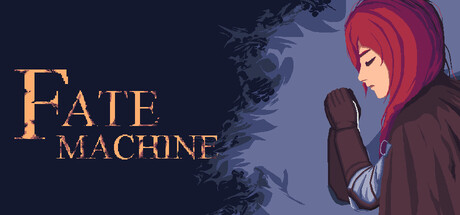
No other game assets were AI-gnereated. All sprites you see here are hand-pixelated.
This title uses lightweight local AI to generate character conversations in real time.
Each playthrough features dynamic character interactions and evolving stories, letting you enjoy action within a living, breathing world.
This game uses generative AI to support certain NPC dialogue and voice interactions. AI-generated content operates within predefined gameplay systems and is moderated to ensure it complies with platform guidelines.
This game utilizes a generative AI tool for the creation of its BGM (background music), some logos and localization.
The data was pre-rendered by the developer during the game's development and integrated as final game assets before release.
The game does not contain any features that generate content in real-time during gameplay. All content has been checked by the developer for compliance with the AI tool's commercial terms, and careful attention has been paid to avoid any copyright infringement or violation of general decency standards.
AI was used in the coding of this game, the asset generation, brainstorming practical solutions (knowledge about opensource tts options, distribution options), and in helping problem solve most steps in the development, and application process. It allowed one developer to create a high quality, low cost educational product to greatly assist in language learning worldwide.
Using artificial intelligence:
Some famous games (example, lyrics, partial usage, and musical accompaniment) were created to promote technological progress. The lecture, one way or another, is dedicated to (OpenAI) and Mubert.
This helped expand the creative possibilities and add a unique atmosphere, while maintaining full creative control on the part of the developer.
The game uses some AI-generated text to enhance immersion through short form responsive NPC dialogue and procedurally described events. Each character’s dialogue is contextually grounded in their role, knowledge, and surroundings, keeping interactions cohesive and authentic.
Generative AI is NOT used for world narrative writing, lore, game logic, audio, images, or calculating outcomes of any kind.
AI systems ensure every player’s experience feels distinct while remaining true to the game’s established lore and tone.
This feature is experimental, and is not part of the core game.
The program includes a local (offline, downloaded with the build) AI model trained by us to generate text content for adventures, NPCs, mobs, and items based on player prompts. In addition, the program includes pre-generated 3D models of props and NPCs edited by artists.
About the Use of AI
During the early stages of development, Project Substrata utilized generative AI tools (such as image generation) for concept art and idea exploration only.
All in-game assets, textures, audio, story elements, and code are manually created and refined by the development team.
Within the game world, autonomous drones and facility AIs operate as part of the gameplay and narrative systems, not as real AI services.
The game runs entirely offline, with no external data transmission or use of online AI APIs.
In the game, players can press the "G" key to open the AI communication panel, and interact with the two AIs—Doubao and DeepSeek—by typing text. Players can choose to chat with either Doubao or DeepSeek, and both AIs will respond based on the player's input.
Meanwhile, the AIs' decisions will influence the progression of the in-game storyline and their own specific behaviors. For instance, the AIs may determine the direction of storyline branches based on the content of the player's conversation, or change their movement paths in the game world and perform different actions. This creates a richer and more personalized gaming experience for players.
・Program Development Support: Using GitHub Copilot and OpenAI ChatGPT for code completion and refactoring.
・Graphic and Design Creation Support: Utilizing OpenAI ChatGPT and Google Gemini to support asset creation.
・Scenario Writing Support: Employing OpenAI ChatGPT and Microsoft 365 Copilot for story structuring and text improvement.
・Pre-translated content using OpenAI API (gpt-4o-mini) for multilingual support.
Concept arts and drafts for characters, monsters, UI icons are generated by AI, however, they have all gone through manual post-processed. Sound assets are generated by generative-AI models. Marketing materials including Library Assets are also AI-assisted generated. Some parts of localization string is assisted by AI to get proper translation.
Some visual and textual elements used in the game's marketing materials were created with the assistance of artificial intelligence tools.
No AI is used during gameplay, and all in-game content is designed and implemented manually.
Legend of Ertuğrul is a story-driven action game featuring fixed content created by the development team.
During development, AI tools were used only for idea generation, text drafting, and the initial design stage of certain character visuals.
These visuals were then edited, repainted, or composited by the development team to create the final versions.
The game does not include any real-time AI content generation or user-created content features.
All texts, sounds, models, and code in the game were originally created by the developers or obtained from licensed sources.
Generative AI tools were used during development to assist with visual materials, texture design, localization, marketing texts, and partially for coding assistance. No AI is used during gameplay or for generating real-time content.
we use AI across multiple areas of our creative process. This includes generating and enhancing textures, videos, stories, logos, concepts and ideas, music, voice acting, sound effects, and even 3D models. AI tools help us experiment faster, explore new artistic directions, and bring our worlds to life with greater efficiency and creativity.
The mission dialogues and character voices were created using AI. Since the game is fully offline, the voices are pre-generated and not produced in real time during gameplay.
Players can optionally use AI-assisted world generation when creating new game worlds. Through a structured wizard
interface, players configure:
- World name and theme (e.g., "Classic Fantasy")
- Geographic bounds
- Optional location suggestions
The AI then generates points of interest (shrines, inns, guild halls, ruins), NPC characters with names and
personalities, dialogue (greetings, backstories, quest hooks), and story assignments.
Players do not have direct chat access to the AI. All generation flows through fixed game parameters and moderated
output. The feature is optional - players can also create worlds manually.
Some in-game text were proofread and improved by AI-powered writing reviewer.
No other game assets were AI-gnereated. All sprites you see here are hand-pixelated.