
Disclosure
A lot of the artwork here was created with AI and only detailed and fixed by human hands. The voice acting, music, and soundtrack as well. The code and writing are all human-made.
- Creator
- Low Light Games
- Reviews
- -
- Added
- Aug 29, 2026
Public Steam disclosure research 25,508 disclosures tracked
Search developers’ Steam disclosures, compare classified AI use across games, and follow recorded changes. This index adds cross-game classifications and statistics to statements published on individual store pages.
Code help, debugging and other development work.
Capsule art, trailers and promotional material.
Pre-made art, audio, writing and other game assets.
Interactive or runtime AI features disclosed by the developer.
Groups reflect automatic analysis of public disclosures; mature records are excluded. These counts do not measure AI use across all of Steam. Missing or unclear statements cannot establish whether a game uses AI.
A lot of the artwork here was created with AI and only detailed and fixed by human hands. The voice acting, music, and soundtrack as well. The code and writing are all human-made.
Some of this game's 2D art (such as item icons and UI illustrations) was created with the help of generative AI, and AI was also used to help write and translate some in-game and store page text. All of it was reviewed and finalized by the developer, and no content is generated by AI while you play.
ORACLE uses generative AI in two ways: some marketing artwork was created with generative tools, and an optional bundled local language model can generate short, context-aware ORACLE narration during play. Live generation runs locally on the player's PC and is limited to text; it does not generate code, images, audio, or gameplay rules.
Part of the program code, art materials, and text content in this work were created using generative artificial intelligence and have been manually reviewed and adjusted to ensure a seamless gaming experience. During gameplay, AI does not generate content in real-time, all content is pre generated.
Generative AI was used to assist in creating pre-generated visual assets for the game and its promotional materials, including character artwork and event illustrations. It was also used to assist with portions of the game's text and localization. All included content was reviewed and curated by the developer. No content is generated by AI during gameplay.
AI tools were used as an aid in the English localization of this title. All original narrative content, artwork, music, and game systems were created by human authors.
Despite game is simulating the AI, all conversations are hard coded and written by person. AI was used to generate the names and descriptions for some items, but it was manually reviewed by developer.
AI was used solely for game localization—translating both written and spoken text—to reach a wider audience of players.
This game uses generative AI tools. Some art assets, texts and portions of the game's code were created with the assistance of generative AI during development. All AI-assisted content was reviewed, edited, and integrated by the developer before release. The game does not use generative AI in real time during gameplay.
This game utilizes AI during gameplay to dynamically generate partial narrative texts and character dialogue in real time based on game progress, character status, and player choices, which may result in varying text content across different playthroughs. To mitigate the risk of inappropriate output, the game enforces rule constraints, sensitive content detection, and keyword filtering on both AI prompts and generated responses. Any non-compliant content will be blocked or replaced accordingly.
Some of the content in Dawnheart Keepers was created with the help of generative AI tools during development. All of it was made before release: the game does not generate anything with AI while you play, and it never connects to an AI service. What that covers: - Illustrated art - menu and story backgrounds, story scenes, the world map, character and tower portraits, and the upgrade-card plates - was made with image-generation models run locally on the developer's own machine, from prompts the developer wrote. - The English and Hebrew voice-over was generated with ElevenLabs from scripts written by the developer. - Sound effects were generated from written prompts, or synthesised procedurally in code. All of it was reviewed, edited, curated and tested by the developer before it shipped, and the same applies to the trailer and store art. The music is not AI-generated. It is written as code and synthesised by the game itself while you play, the way game soundtracks were built before recorded audio.
The development of this game makes extensive use of generative AI. AI tools were used to help create the game's art and visual assets, sound and music, text and narrative, code, and localization. All AI-assisted content is reviewed by our team before release to ensure quality and appropriateness.
游戏内的游戏世界状态反馈、NPC对话,是通过接入大语言模型(LLM)在游戏运行时实时生成。
Generative AI tools were used for localization, marketing images, intro video, and some graphical assets.
Generative AI was used to assist with drafting and editing portions of the Steam store page description and marketing copy. All AI-assisted text was reviewed, revised, and approved by the development team before publication. No AI-generated content is used during gameplay.
Pre-rendered Content: Generative AI tools and agentic AI development workflows were utilized during the creation of this game to assist in: - Code & Systems: Writing and optimizing core gameplay logic, typescript structures, and simulation algorithms. - Visual Assets: Creating and pre-rendering all visual assets used in-game, including boot screen artworks, drive interfaces, and graphical components. - Localization: Translating and reviewing in-game text and UI labels. Please note that all AI-assisted assets and code were pre-rendered and compiled during the development phase. The game runs entirely locally and does not perform any real-time (live) AI generation, nor does it connect to any external AI APIs or services during gameplay.
In early development, the game included some AI-generated graphical elements while I waited for a professional artist's work. I am now gradually integrating that work, but the process is not yet finished. AI also generated the game's English, German, and French localizations from the original Ukrainian text, and later proofread by a human.
Text Localization: Translated using AI
AI used to generate code, including code to procedurally generate graphics/sound. Artists using Suno marked "(Suno)" after artist name. AI used for localization.
AI was used to generate some texts and to translate to other languages.
Translations, SFXs and some cutscenes are made with the help of AI
We used AI to create initial translations, which were then reviewed and refined by a human editor.
The AI coworkers in this game are voiced by a machine (TTS), and their dialogue was really written by AI together with self portraits, on purpose and under human review. The slop is diegetic. The code was written with AI agents and reviewed by the last human in that loop, the developer. That is also the plot. No AI runs at runtime. Everything was baked and reviewed before shipping.
Beneath Solmere includes pre-generated content created with the assistance of generative AI tools. This includes six music tracks created with Google Gemini/Lyria, AI-assisted localization for nine non-English languages, and AI-generated artwork used in Steam Store marketing materials. No generative AI is used during gameplay.
Generative AI was used to assist with writing portions of the game’s code and store page.
The music in this game was created using generative AI Some of the text on this store page was written with AI assistance. Nothing is generated by AI while you play. The game runs entirely offline and makes no calls to any AI service at any time.
Generative AI is used to assist with the translation and localization of in-game text and Steam store page content from the original Japanese into other supported languages.
AI translated languages
Generative AI tools were used during development to assist with creating a limited number of 2D inventory icons and portions of written text and localization. All AI-assisted content was reviewed, edited, and integrated by the developer. The game does not generate AI content during gameplay.
Some pre-rendered assets were created with the help of generative AI during development: 2D line-art images (mascot sprites, badges, store artwork), portions of the game code, and drafts of store/in-game text (human-reviewed). Nothing is generated at runtime, and the game never connects to any AI service while you play. Sound effects are procedurally synthesized without AI.
Generative AI was used during development to generate suspect mugshot photos, dossier case texts, and to assist with language localization. All generated assets are static and pre-packaged into the game.
AI was used solely for localization purposes.
We used Claude (Anthropic) during development for the following: - Writing the store page description - Assisting with the translation of in-game text - Generating some simple in-game objects
AI has been used to generate capsule art as well as in-game dialogue. NPC voices are AI
Images, animations, store page, and logo are generated using AI. Languages other than English are machine translated. AI was used to improve grammar.
Generative AI tools were used to assist with programming and translation/localization during development. All artwork and original dialogue were created by the developer. AI-assisted translations were reviewed and edited by the developer before being included in the game. No generative AI is used during gameplay.
SIDE OUT was built with AI-assisted development tools. No artwork, audio, text or other content in the game is generated by AI. All visuals are drawn procedurally in code, and all store text is written by hand.
Artwork used on the Steam store page was created with the assistance of generative AI and was subsequently manually edited, refined, and improved. AI tools were also used to assist with the localization of the Steam store page.
This game uses AI to assist in generating background music, art design, and multilingual translations.
Close Enough was built with generative AI. The code, the in-game text, the level layouts and all seven translations were written by an AI assistant (Claude) working to the developer's direction, and most of what you see on screen — the objects, the whole interface — is drawn by that code rather than loaded from image files. The doodle recognition inside the game is not generative. It is a small image classifier bundled with the game, trained on Google's Quick, Draw! dataset of human-drawn doodles. It runs entirely on your own computer, sorts each drawing into one of 100 pre-defined objects and creates nothing. Your drawings are never uploaded, and the release build contains no code that could upload them. The sprites, tiles, music, sound effects and font are licensed assets made by people, not by AI. Every one of them is credited inside the game under Esc → Credits.
This game uses generative AI as a production tool. Character, enemy, boss, UI, and background art were created with image-generation models and then assembled, keyed, and edited by the team. Background music and in-game voice and narration (including Classical Latin lines in Purgatory) were also generated with AI and curated for the game. Gameplay, design, writing, and programming are human-authored. The game does not generate new text, images, or audio while you play. Some store and marketing images were produced with the same tools.
Coquí Crusader was made with AI-assisted tools under the developer's direction. The coquí mascot logo and the background music were AI-generated. AI coding assistance was used to build the game and to help write its in-game and store text, all reviewed by the developer. Every design decision was made by the developer: the mechanics, the progression and balance, and the Puerto Rican setting — the ten zones based on real landmarks, the folklore creatures from Taíno legend, and the Spanish localization. No content is generated during gameplay, and the game never connects to any external AI service.
Generative AI was used during development to create pre-generated artwork (including fictional film posters and marketing images), narration, and some text and translations. These are fixed assets shipped with the game. No generative AI runs during gameplay, and no player input is sent to an external AI service.
We used AI tools in two places during development, and in neither of them to replace creative work. Our French, Spanish, Italian, Japanese and Korean localisations are made using AI. We also used AI assistance while writing and restructuring parts of our codebase. Everything players see and hear — art, animation, sound, music, game design and all original writing — was made by people.
All simulation, art, audio and text in Terra Logic are hand-made — the game ships with no AI-generated content and makes no network requests by default. One optional feature can generate text at runtime: the "whisper" narrator, a single one-line ambient caption. By default it composes lines from a built-in, hand-written phrase library. Players who supply their own Anthropic (Claude) API key in a local config file may enable AI-generated phrasing for that one caption line; without a key the AI path is fully inactive. AI output never affects simulation, gameplay, art, audio, or any other text.
There is usage of generative AI in two places and everything it produced has been reviewed. The soundtrack was created with the assistance of AI, and some of the writing was drafted with an AI assistant and then edited afterwards: card, UI and help text, the Simplified Chinese translation, and the store page and marketing copy. Nothing else is model output — the logo, the app icon and every visual in the game are drawn by the game's own code from geometry in the source, and the sound effects are synthesized as you play.
AI-generated content in this project is limited to the store page and marketing materials. The game build itself contains no AI-generated content. Store page text: The store description and Early Access questionnaire answers were drafted with the assistance of a large language model, then reviewed and edited by the developer. Not AI-generated: All in-game art, models, textures and animation. 3D assets are CC0-licensed (Kenney) or built by the developer in Blender; textures are CC0/licensed sets from Poly Haven, ambientCG and Poliigon. All screenshots and capsule images are real frames captured from the game's renderer, composited with the game's own title typography. No image generation model was used to produce any art in the game or on the store page.
A moonlighting project from a husband and father of two, where late evenings and early mornings were made a little easier by generative AI tooling. The game's art, the pilot voice-over, and the music all started as AI-generated assets that I then reviewed, edited, and shaped into the game. The direction and the decisions are mine; nothing is generated while you play. Always open to constructive feedback.
Generative AI is used in a supplementary capacity, at two points. First, as a drafting step for some of the game's 2D illustrations: every such asset is then rebuilt through our own production pipeline — reduced to a strict 1-bit black-and-white format, curated, and animated frame by frame with in-house tools — so that it matches our art direction. Second, the game is written in French, and its translations into the eight other supported languages are AI-assisted. No generative AI runs in the game itself: all content ships fixed with the build.
Generative magic was used in the creation of the quest.
| Title⇅ | Disclosure | Creator⇅ | Src | Reviews⇅ | Added↓ |
|---|---|---|---|---|---|
 Ask Sergeant Major In-game content artaudiotext | A lot of the artwork here was created with AI and only detailed and fixed by human hands. The voice acting, music, and soundtrack as well. The code and writing are all human-made. | Low Light Games | - | Aug 29, 2026 | |
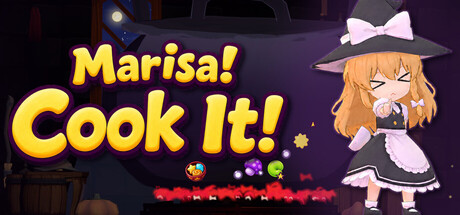 Marisa! Banquet Cooking Bonanza! In-game content arttext | Some of this game's 2D art (such as item icons and UI illustrations) was created with the help of generative AI, and AI was also used to help write and translate some in-game and store page text. All of it was reviewed and finalized by the developer, and no content is generated by AI while you play. | FIVE DUCK GAMES | - | Aug 29, 2026 | |
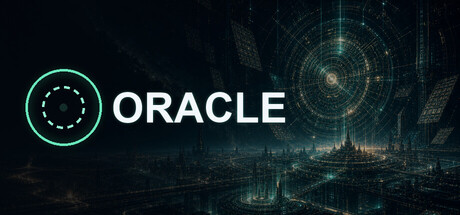 ORACLE: Humanity, Automated Live AI text | ORACLE uses generative AI in two ways: some marketing artwork was created with generative tools, and an optional bundled local language model can generate short, context-aware ORACLE narration during play. Live generation runs locally on the player's PC and is limited to text; it does not generate code, images, audio, or gameplay rules. | ZANKYO GAMES | - | Aug 29, 2026 | |
 洪荒修仙界 In-game content arttextcode | Part of the program code, art materials, and text content in this work were created using generative artificial intelligence and have been manually reviewed and adjusted to ensure a seamless gaming experience. During gameplay, AI does not generate content in real-time, all content is pre generated. | Janyouth | - | Aug 29, 2026 | |
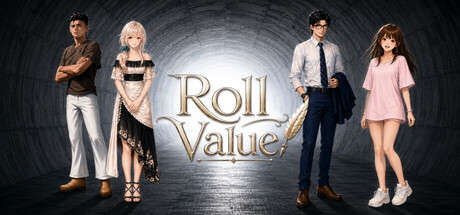 Roll Value In-game content arttext | Generative AI was used to assist in creating pre-generated visual assets for the game and its promotional materials, including character artwork and event illustrations. It was also used to assist with portions of the game's text and localization. All included content was reviewed and curated by the developer. No content is generated by AI during gameplay. | = tale(JK, 3) | - | Aug 29, 2026 | |
 La mansión de Campanillas In-game content text | AI tools were used as an aid in the English localization of this title. All
original narrative content, artwork, music, and game systems were created by
human authors. | Lacinia Estudio | - | Aug 29, 2026 | |
 Vibe Coder Inc. In-game content text | Despite game is simulating the AI, all conversations are hard coded and written by person.
AI was used to generate the names and descriptions for some items, but it was manually reviewed by developer. | Brisk Sloths | - | Aug 29, 2026 | |
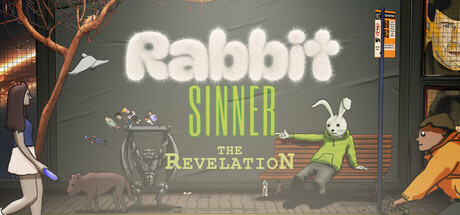 Rabbit Sinner the revelation In-game content text | AI was used solely for game localization—translating both written and spoken text—to reach a wider audience of players. | Andres Balasso | - | Aug 29, 2026 | |
 Managing Up In-game content arttextcode | This game uses generative AI tools. Some art assets, texts and portions of the game's code were created with the assistance of generative AI during development. All AI-assisted content was reviewed, edited, and integrated by the developer before release. The game does not use generative AI in real time during gameplay. | Slacking Logic | - | Aug 29, 2026 | |
 神明游戏 Live AI text | This game utilizes AI during gameplay to dynamically generate partial narrative texts and character dialogue in real time based on game progress, character status, and player choices, which may result in varying text content across different playthroughs. To mitigate the risk of inappropriate output, the game enforces rule constraints, sensitive content detection, and keyword filtering on both AI prompts and generated responses. Any non-compliant content will be blocked or replaced accordingly. | 灵能游戏 | - | Aug 29, 2026 | |
 Dawnheart Keepers In-game content artaudiotext | Some of the content in Dawnheart Keepers was created with the help of generative AI tools during development. All of it was made before release: the game does not generate anything with AI while you play, and it never connects to an AI service.
What that covers:
- Illustrated art - menu and story backgrounds, story scenes, the world map, character and tower portraits, and the upgrade-card plates - was made with image-generation models run locally on the developer's own machine, from prompts the developer wrote.
- The English and Hebrew voice-over was generated with ElevenLabs from scripts written by the developer.
- Sound effects were generated from written prompts, or synthesised procedurally in code.
All of it was reviewed, edited, curated and tested by the developer before it shipped, and the same applies to the trailer and store art.
The music is not AI-generated. It is written as code and synthesised by the game itself while you play, the way game soundtracks were built before recorded audio. | ssj2rich | - | Aug 29, 2026 | |
 Reaper GoStop In-game content artaudiotextcode | The development of this game makes extensive use of generative AI. AI tools were used to help create the game's art and visual assets, sound and music, text and narrative, code, and localization. All AI-assisted content is reviewed by our team before release to ensure quality and appropriateness. | Beaver Studio | - | Aug 29, 2026 | |
 玄天仙路:修仙模拟器 Live AI text | 游戏内的游戏世界状态反馈、NPC对话,是通过接入大语言模型(LLM)在游戏运行时实时生成。 | 阅澜工作室 | - | Aug 29, 2026 | |
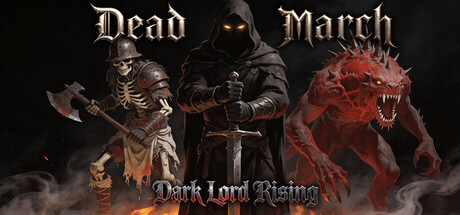 Dead March: Dark Lord Rising In-game content textart | Generative AI tools were used for localization, marketing images, intro video, and some graphical assets. | Imaginary | - | Aug 29, 2026 | |
 Heatline Store/marketing text | Generative AI was used to assist with drafting and editing portions of the Steam store page description and marketing copy. All AI-assisted text was reviewed, revised, and approved by the development team before publication. No AI-generated content is used during gameplay. | STELLARCH GAMES | - | Aug 29, 2026 | |
 Final_Final.zip In-game content arttextcode | Pre-rendered Content:
Generative AI tools and agentic AI development workflows were utilized during the creation of this game to assist in:
- Code & Systems: Writing and optimizing core gameplay logic, typescript structures, and simulation algorithms.
- Visual Assets: Creating and pre-rendering all visual assets used in-game, including boot screen artworks, drive interfaces, and graphical components.
- Localization: Translating and reviewing in-game text and UI labels.
Please note that all AI-assisted assets and code were pre-rendered and compiled during the development phase. The game runs entirely locally and does not perform any real-time (live) AI generation, nor does it connect to any external AI APIs or services during gameplay. | K1.Ki Labs | - | Aug 29, 2026 | |
 D.A.M.N! In-game content arttext | In early development, the game included some AI-generated graphical elements while I waited for a professional artist's work. I am now gradually integrating that work, but the process is not yet finished. AI also generated the game's English, German, and French localizations from the original Ukrainian text, and later proofread by a human. | The DAMN Board Games | - | Aug 29, 2026 | |
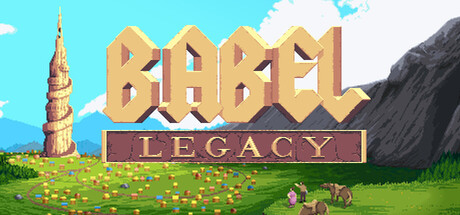 Babel Legacy In-game content text | Text Localization: Translated using AI | Broken Toilet Games | - | Aug 29, 2026 | |
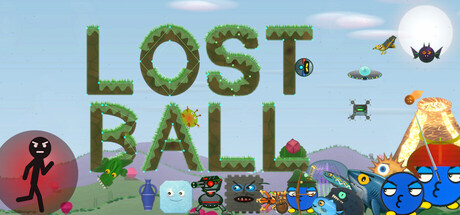 Lost Ball In-game content codeartaudiotext | AI used to generate code, including code to procedurally generate graphics/sound.
Artists using Suno marked "(Suno)" after artist name.
AI used for localization. | Knut Ryager | - | Aug 29, 2026 | |
 Fault Lines In-game content text | AI was used to generate some texts and to translate to other languages. | Andreas Müller | - | Aug 29, 2026 | |
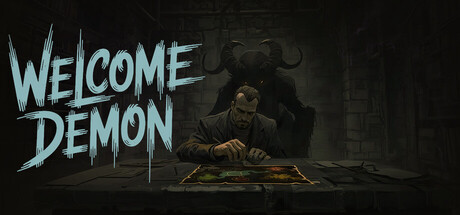 Welcome Demon In-game content textaudio | Translations, SFXs and some cutscenes are made with the help of AI | NurRam | - | Aug 29, 2026 | |
 PixelHeroScramble Plus In-game content text | We used AI to create initial translations, which were then reviewed and refined by a human editor. | One or Eight | - | Aug 29, 2026 | |
 Agents! Please? In-game content textartaudio | The AI coworkers in this game are voiced by a machine (TTS), and their dialogue was really written by AI together with self portraits, on purpose and under human review. The slop is diegetic. The code was written with AI agents and reviewed by the last human in that loop, the developer. That is also the plot. No AI runs at runtime. Everything was baked and reviewed before shipping. | KIB Games | - | Aug 28, 2026 | |
 Beneath Solmere In-game content audiotextart | Beneath Solmere includes pre-generated content created with the assistance of generative AI tools. This includes six music tracks created with Google Gemini/Lyria, AI-assisted localization for nine non-English languages, and AI-generated artwork used in Steam Store marketing materials. No generative AI is used during gameplay. | Matias Devoto | - | Aug 28, 2026 | |
 Huma Store/marketing codetext | Generative AI was used to assist with writing portions of the game’s code and store page. | Beep | - | Aug 28, 2026 | |
 Refund Me TD In-game content audiotext | The music in this game was created using generative AI
Some of the text on this store page was written with AI assistance.
Nothing is generated by AI while you play. The game runs entirely offline and makes no calls to any AI service at any time. | LoneDragonDev | - | Aug 28, 2026 | |
 Slime Mine Survivor In-game content text | Generative AI is used to assist with the translation and localization of in-game text and Steam store page content from the original Japanese into other supported languages. | Hassaku | - | Aug 28, 2026 | |
 SAAM Tactics In-game content text | AI translated languages | wantagamemakeagame | - | Aug 28, 2026 | |
 ARETIAS: Cursed Island In-game content arttext | Generative AI tools were used during development to assist with creating a limited number of 2D inventory icons and portions of written text and localization. All AI-assisted content was reviewed, edited, and integrated by the developer. The game does not generate AI content during gameplay. | inHeka Studios | - | Aug 28, 2026 | |
 Just Make Sense: Instinct Lab In-game content arttextcode | Some pre-rendered assets were created with the help of generative AI during development: 2D line-art images (mascot sprites, badges, store artwork), portions of the game code, and drafts of store/in-game text (human-reviewed). Nothing is generated at runtime, and the game never connects to any AI service while you play. Sound effects are procedurally synthesized without AI. | SHJ Studio | - | Aug 28, 2026 | |
 Chief? About That File... In-game content arttext | Generative AI was used during development to generate suspect mugshot photos, dossier case texts, and to assist with language localization. All generated assets are static and pre-packaged into the game. | Desk Lamp | - | Aug 28, 2026 | |
 Flippy the Spider In-game content text | AI was used solely for localization purposes. | Zerith | - | Aug 28, 2026 | |
 それゆけ!パンジャンドラム In-game content textart | We used Claude (Anthropic) during development for the following:
- Writing the store page description
- Assisting with the translation of in-game text
- Generating some simple in-game objects | WINGLAY | - | Aug 28, 2026 | |
 Kebab Shop Simulator Live AI arttextaudio | AI has been used to generate capsule art as well as in-game dialogue. NPC voices are AI | Clayton Games | - | Aug 28, 2026 | |
 The Things We Don't See: 10 Interactive Stories of Horror, Mystery, and the Unknown In-game content arttext | Images, animations, store page, and logo are generated using AI. Languages other than English are machine translated. AI was used to improve grammar. | VisualNovelGames | - | Aug 28, 2026 | |
 Cook to Zero In-game content text | Generative AI tools were used to assist with programming and translation/localization during development. All artwork and original dialogue were created by the developer. AI-assisted translations were reviewed and edited by the developer before being included in the game. No generative AI is used during gameplay. | DOLSTEP | - | Aug 28, 2026 | |
 SIDE OUT Dev only arttextcode | SIDE OUT was built with AI-assisted development tools. No artwork, audio, text or other content in the game is generated by AI. All visuals are drawn procedurally in code, and all store text is written by hand. | antics | - | Aug 28, 2026 | |
 Last Paddle Standing In-game content arttext | Artwork used on the Steam store page was created with the assistance of generative AI and was subsequently manually edited, refined, and improved. AI tools were also used to assist with the localization of the Steam store page. | TAYN Games | - | Aug 28, 2026 | |
 Hanzi Bird In-game content audioarttext | This game uses AI to assist in generating background music, art design, and multilingual translations. | FFSKYChocobo | - | Aug 28, 2026 | |
 Close Enough In-game content arttextcode | Close Enough was built with generative AI. The code, the in-game text, the level layouts and all seven translations were written by an AI assistant (Claude) working to the developer's direction, and most of what you see on screen — the objects, the whole interface — is drawn by that code rather than loaded from image files.
The doodle recognition inside the game is not generative. It is a small image classifier bundled with the game, trained on Google's Quick, Draw! dataset of human-drawn doodles. It runs entirely on your own computer, sorts each drawing into one of 100 pre-defined objects and creates nothing. Your drawings are never uploaded, and the release build contains no code that could upload them.
The sprites, tiles, music, sound effects and font are licensed assets made by people, not by AI. Every one of them is credited inside the game under Esc → Credits. | dodnd | - | Aug 28, 2026 | |
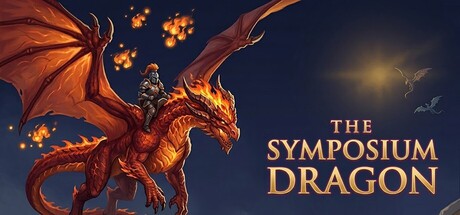 The Symposium Dragon In-game content artaudiotext | This game uses generative AI as a production tool. Character, enemy, boss, UI, and background art were created with image-generation models and then assembled, keyed, and edited by the team. Background music and in-game voice and narration (including Classical Latin lines in Purgatory) were also generated with AI and curated for the game.
Gameplay, design, writing, and programming are human-authored. The game does not generate new text, images, or audio while you play. Some store and marketing images were produced with the same tools. | STUDIO MIL | - | Aug 28, 2026 | |
 Coquí Crusader: Defenders of Borikén In-game content artaudiotext | Coquí Crusader was made with AI-assisted tools under the developer's direction.
The coquí mascot logo and the background music were AI-generated. AI coding assistance was used to build the game and to help write its in-game and store text, all reviewed by the developer.
Every design decision was made by the developer: the mechanics, the progression and balance, and the Puerto Rican setting — the ten zones based on real landmarks, the folklore creatures from Taíno legend, and the Spanish localization.
No content is generated during gameplay, and the game never connects to any external AI service. | Yucayeque Games | - | Aug 28, 2026 | |
 Popcorn & Premieren In-game content arttext | Generative AI was used during development to create pre-generated artwork (including fictional film posters and marketing images), narration, and some text and translations. These are fixed assets shipped with the game. No generative AI runs during gameplay, and no player input is sent to an external AI service. | Jodelsoft | - | Aug 28, 2026 | |
 Confined Space - Module Madness In-game content textcode | We used AI tools in two places during development, and in neither of them to replace creative work.
Our French, Spanish, Italian, Japanese and Korean localisations are made using AI. We also used AI assistance while writing and restructuring parts of our codebase.
Everything players see and hear — art, animation, sound, music, game design and all original writing — was made by people. | Confined Space Crew | - | Aug 28, 2026 | |
 TERRA: 地表逻辑 Live AI text | All simulation, art, audio and text in Terra Logic are hand-made — the game ships with no AI-generated content and makes no network requests by default. One optional feature can generate text at runtime: the "whisper" narrator, a single one-line ambient caption. By default it composes lines from a built-in, hand-written phrase library. Players who supply their own Anthropic (Claude) API key in a local config file may enable AI-generated phrasing for that one caption line; without a key the AI path is fully inactive. AI output never affects simulation, gameplay, art, audio, or any other text. | Cyborg V | - | Aug 28, 2026 | |
 Scrapstorm In-game content audiotext | There is usage of generative AI in two places and everything it produced has been reviewed. The soundtrack was created with the assistance of AI, and some of the writing was drafted with an AI assistant and then edited afterwards: card, UI and help text, the Simplified Chinese translation, and the store page and marketing copy. Nothing else is model output — the logo, the app icon and every visual in the game are drawn by the game's own code from geometry in the source, and the sound effects are synthesized as you play. | Pixiliated | - | Aug 28, 2026 | |
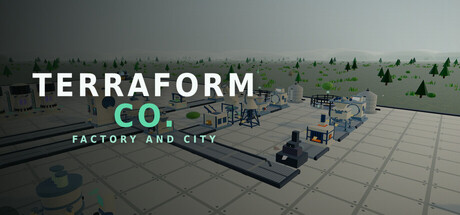 Terraform Co: Factory and City Store/marketing text | AI-generated content in this project is limited to the store page and marketing materials. The game build itself contains no AI-generated content.
Store page text: The store description and Early Access questionnaire answers were drafted with the assistance of a large language model, then reviewed and edited by the developer.
Not AI-generated: All in-game art, models, textures and animation. 3D assets are CC0-licensed (Kenney) or built by the developer in Blender; textures are CC0/licensed sets from Poly Haven, ambientCG and Poliigon. All screenshots and capsule images are real frames captured from the game's renderer, composited with the game's own title typography. No image generation model was used to produce any art in the game or on the store page. | Melon Dev | - | Aug 28, 2026 | |
 Heroes Guard: Starforge In-game content artaudiotext | A moonlighting project from a husband and father of two, where late evenings and early mornings were made a little easier by generative AI tooling. The game's art, the pilot voice-over, and the music all started as AI-generated assets that I then reviewed, edited, and shaped into the game. The direction and the decisions are mine; nothing is generated while you play. Always open to constructive feedback. | Under Byte Studios, LLC | - | Aug 28, 2026 | |
 Randventure In-game content arttext | Generative AI is used in a supplementary capacity, at two points. First, as a drafting step for some of the game's 2D illustrations: every such asset is then rebuilt through our own production pipeline — reduced to a strict 1-bit black-and-white format, curated, and animated frame by frame with in-house tools — so that it matches our art direction. Second, the game is written in French, and its translations into the eight other supported languages are AI-assisted. No generative AI runs in the game itself: all content ships fixed with the build. | Epreyn | - | Aug 28, 2026 | |
 HalfHourRPG In-game content text | Generative magic was used in the creation of the quest. | Dea Machina | - | Aug 28, 2026 |


