Public Steam disclosure research25,380 disclosures tracked
Where do games disclose AI use?
Search developers’ Steam disclosures, compare classified AI use across
games, and follow recorded changes.
This index adds cross-game classifications and statistics to
statements published on individual store pages.
Groups reflect automatic analysis of public disclosures; mature records are excluded. These counts do not measure AI use across all of Steam.
Missing or unclear statements cannot establish whether a game uses AI.
Generative AI was used during development to create certain pre-generated visual assets and character textures included in the game, as well as to assist with translation into certain languages (French, German, and Spanish). These assets are created during development and are integrated into the game; there is no real-time AI content generation during gameplay.
Generative AI was used to assist with English texts, localizations, and some pre-generated 3D character models, with all content manually reviewed and edited by the developer.
StageStar uses generative AI only to create fictional social media-style posts inside the game’s parody social platform. These AI-generated posts are used to make the game world feel more alive and reactive to the player’s career progress.
The AI-generated content does not represent real people, real accounts, or real-world social media posts. It is fictional in-game content created for entertainment purposes only.
Generative AI was used to create three pre-generated images used in the game: the splash screen, loading screen, and main menu background. No other game content was generated using AI, and the game does not generate AI content during gameplay.
Dawn of Irkalla includes pre-generated AI-assisted content used during development, including some 3D models, images, and code assistance. The game's level design, story, lore, gameplay, music, and many other assets were created by us or sourced from licensed third parties.
Spirestorm uses pre-generated AI-assisted artwork for characters, enemies, environments, interface illustrations, and promotional images. These assets were selected, edited, animated, and integrated during development. No AI content is generated during gameplay.
AI tools were used in the creation of some of the game's artwork. All AI-generated assets were subsequently reviewed, edited, and refined by me or a family member before being incorporated into the game.
No AI-generated content was added to the game without prior human review and editing.
Generative AI was used for pre-generated Steam store promotional artwork, library artwork, and application icons. No AI content is generated during gameplay, and the game does not connect to external AI services.
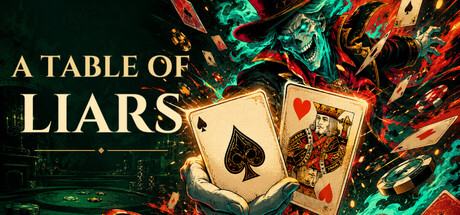
Generative AI was used for pre-generated artwork, including character portraits, key art, cards, Jokers and decorative interface artwork, and assisted portions of game text and localization. Assets are selected and integrated during development. No AI content is generated during gameplay, and the game does not connect to external AI services.
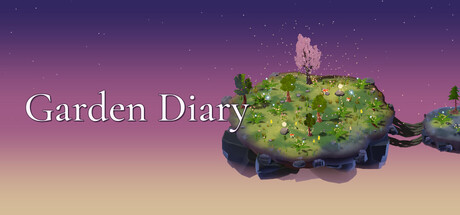
Garden Diary uses generative AI in these places, all reviewed and edited by me:
• Code - written with an AI coding assistant.
• Text - the interface text, hints and the game's written lines were drafted with AI help and edited by hand. This store description was written the same way.
• Interface icons- the small line glyphs are hand-authored SVG produced with the same assistant.
No AI-generated 3D art, textures, voice or music. Every 3D asset comes from licensed, human-made packs; the fonts are open-licensed human work; the wind, crickets, bells and lullaby are synthesised by the game's own audio code, and the rain is a licensed recording.
Generative AI tools were used during development to assist with debugging. AI-assisted content included in the final game was reviewed and edited by the developer. No content is generated by AI during gameplay.
Generative AI was used to create and refine the game's store capsule art and logo. No other in-game assets were generated with generative AI, and to the best of my knowledge, the same is true of third-party assets. Separately, a model trained with reinforcement learning controls enemy behavior. It does not generate content.
Some 3D props and textures in this game were created with the help of generative AI tools during development. Every generated asset was then reviewed, edited, retextured and integrated by hand, and anything that did not meet our quality bar was rebuilt or discarded. All gameplay, code, level design, systems and written text are human-made. The game does not generate any content with AI while you play.
The music in this game was created using the Suno AI music generation tool. All other content — including all art and pixel art, level and puzzle design, mechanics, writing, — was created by hand by the developer, without generative AI.
Some backgrounds, item artwork, character portraits, vehicles, icons, and store artwork were created using generative AI during development. These assets are pre-generated. The game does not generate AI content or connect to external AI services during gameplay.
In-game text (bee facts, item descriptions, achievement lines) and store page copy were written with the assistance of an AI writing tool, under the developer's direction and review. All artwork is pixel art drawn by the game's own code, and all audio is synthesized or CC0 field recordings — no AI-generated images, audio, or music.
The game uses generative AI to create some of the 2D pixel-art sprites and character animations. All such content is manually reviewed and edited before being included in the game.
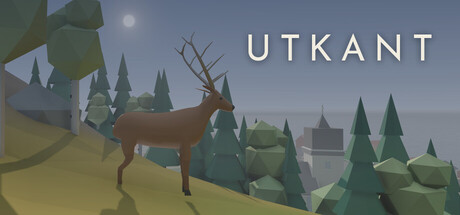
Utkant is a solo project developed with the help of AI coding assistants. The store page text and some in-game writing were drafted with AI assistance, then reviewed and edited by the developer. Nothing is generated by AI while you play.
Artificial intelligence was used as a supportive developer tool. It helped create conceptual background environment art. It also generated ambient layers for the soundtrack. This was done solely to enhance the neon synthwave atmosphere. All content underwent manual selection and final refinement.
AI Disclosure Statement:Code Optimization: AI tools were used as an assistant during development to review the C# source code and optimize algorithms for better in-game performance (higher FPS).Localization: The translation of game texts into multiple languages was generated using AI translation tools and manually reviewed for quality.Visual Assets: The loading screens were created with the assistance of AI image generation tools and polished for in-game integration. All generated content has been verified to ensure it does not infringe on existing copyrights.
AI tools assisted in developing certain visual and audio elements, design references, and translations. The development team reviewed and finalized all published content.
This game's marketing materials include AI-generated voice narration created with ElevenLabs. The game itself does not use live-generated AI, and gameplay content is not generated by AI.
Generative AI tools were used throughout development: the game's code and its in-game text, the paintings, icons and interface art, the 3D models, and the music and sound effects. Everything was reviewed, edited and tested, and ships as fixed content. Nothing is generated while you play: the game runs no model and makes no network call.
Generative AI was used to create pre-rendered story illustrations, horror encounter images, promotional artwork and music. AI tools also assisted with narrative text and localization. These assets are prepared in advance; the game does not generate AI content during play.
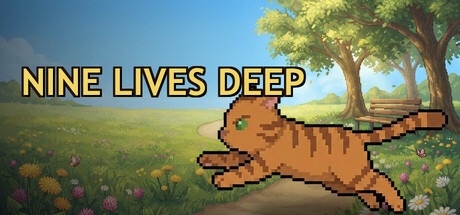
Some 2D artwork in Nine Lives Deep including select UI elements, item icons, and environment backgrounds was created with the help of generative AI image tools during development. All such content is static and fixed at the time the game ships; nothing is generated live during gameplay, and the game does not connect to any AI service while you play.
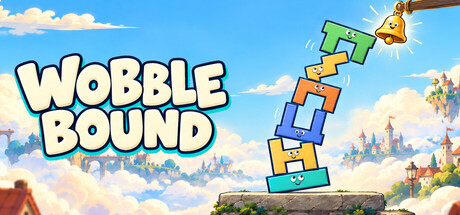
AI tools were used during development to create illustrated backgrounds, decorative sprites, interface artwork and promotional images. These assets were reviewed and integrated into the finished game. Wobblebound does not generate AI content during gameplay.
Generative AI tools were used during development across visual assets, audio, and written content. AI-assisted outputs were substantially edited, composited, photobashed and hand-painted by the developer before inclusion in the game. No generative AI is used at runtime.
Generative AI tools were used during development to help create some 3D models and textures, UI and icon artwork, character voice recordings, sound effects, promotional artwork, and store-page text. These are pre-generated assets and text.
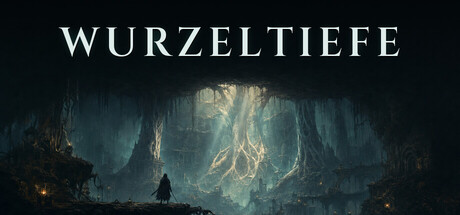
Pre-generated content only; nothing is generated while playing. The painted room backgrounds, the doorway arches, character and creature sprites and the key art (title picture, also the basis of the store capsules) were created with a generative image model (OpenAI gpt-image-2) and then hand-composed, cropped, colour-matched and fitted with collision by the developer. Code, level design and texts were written with AI assistance (Anthropic Claude) under human direction and testing; music is synthesised by the game's own code (no AI audio). — DE: Ausschliesslich vorgenerierte Inhalte, nichts wird während des Spielens erzeugt. Die gemalten Raumhintergründe, Torbögen, Figuren- und Kreaturen-Sprites sowie die Schlüsselgrafik (Titelbild, Grundlage der Shop-Kapseln) wurden mit einem generativen Bildmodell (OpenAI gpt-image-2) erzeugt und anschliessend vom Entwickler von Hand komponiert, beschnitten, farblich abgestimmt und mit Kollision belegt. Code, Leveldesign und Texte sind mit KI-Unterstützung (Anthropic Claude) unter menschlicher Leitung und Prüfung entstanden; die Musik wird vom Spielcode selbst synthetisiert (kein KI-Audio).
Pre-generated content: some character and venue artwork, some 3D props, the cast voice lines, the intro films and the translations were created with AI tools and reviewed by the developer. No content is generated at runtime.
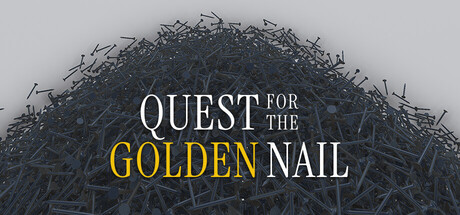
Quest for the Golden Nail was made with extensive use of generative AI. All creative, design and production decisions were made by a human developer.
Generative AI was used for:
Code and implementation support: OpenAI Codex and Anthropic Claude
3D Art & Textures: Codex, ChatGPT / Imagen, Meshy.ai
Writing and translation support: ChatGPT
Sounds and voices were recorded by humans.
Every part of the game was directed, reviewed, tested and refined by hand.
We use generative AI for localization support. All AI assisted translations are reviewed and edited by human translators before being included in the game.
This game is a polished and updated version of a limited-time game released in August 2026, and only available for a single month.
The objective for the original was to create a game in as short a time as possible. Development was finished in three weeks, and to achieve this goal, Suno(AI) was used to create some of the sound assets.
If you would prefer not to support this game due to this use of AI, we fully understand. Regardless, thank you for taking the time to consider it!
Generative AI tools were used to assist in the creation of certain visual assets during development. All final in-game content was reviewed and edited by the developer. No AI-generated content is produced during gameplay.
Generative AI was used to assist in the creation of some promotional and marketing materials (such as key art).
All in-game content, gameplay, and screenshots are created without the use of generative AI.
The store artwork (key art, capsule images, logo) was created with the help of generative AI and then selected and edited by hand. AI tools assisted with programming, in-game text and translations; all content was reviewed and revised by the developer. The in-game 3D models, textures and animations come from licensed asset packs and are not AI-generated. No content is generated by AI during gameplay.
Generative AI tools were used during development to assist with some pre-generated 2D visual assets, marketing artwork, and localized text. All AI-assisted content was reviewed and edited by the developer before inclusion. The game does not generate AI content or code during play and does not connect to external AI services.
Concept Art and Design:
Generative AI tools were used during the pre-production phase to brainstorm visual aesthetics and generate early concept art for the title screen and in-game graphic elements.
Final Assets:
While AI was used to establish the artistic direction and conceptual frameworks, all final assets, title screen graphics, and in-game artwork appearing in the released version of the game were manually refined to ensure a cohesive, high-quality experience.
Generative AI was used during development to create certain pre-generated visual assets and character textures included in the game, as well as to assist with translation into certain languages (French, German, and Spanish). These assets are created during development and are integrated into the game; there is no real-time AI content generation during gameplay.
Generative AI was used to assist with English texts, localizations, and some pre-generated 3D character models, with all content manually reviewed and edited by the developer.
StageStar uses generative AI only to create fictional social media-style posts inside the game’s parody social platform. These AI-generated posts are used to make the game world feel more alive and reactive to the player’s career progress.
The AI-generated content does not represent real people, real accounts, or real-world social media posts. It is fictional in-game content created for entertainment purposes only.
Generative AI was used to create three pre-generated images used in the game: the splash screen, loading screen, and main menu background. No other game content was generated using AI, and the game does not generate AI content during gameplay.
Dawn of Irkalla includes pre-generated AI-assisted content used during development, including some 3D models, images, and code assistance. The game's level design, story, lore, gameplay, music, and many other assets were created by us or sourced from licensed third parties.
Spirestorm uses pre-generated AI-assisted artwork for characters, enemies, environments, interface illustrations, and promotional images. These assets were selected, edited, animated, and integrated during development. No AI content is generated during gameplay.
AI tools were used in the creation of some of the game's artwork. All AI-generated assets were subsequently reviewed, edited, and refined by me or a family member before being incorporated into the game.
No AI-generated content was added to the game without prior human review and editing.
Generative AI was used for pre-generated Steam store promotional artwork, library artwork, and application icons. No AI content is generated during gameplay, and the game does not connect to external AI services.
Generative AI was used for pre-generated artwork, including character portraits, key art, cards, Jokers and decorative interface artwork, and assisted portions of game text and localization. Assets are selected and integrated during development. No AI content is generated during gameplay, and the game does not connect to external AI services.
Garden Diary uses generative AI in these places, all reviewed and edited by me:
• Code - written with an AI coding assistant.
• Text - the interface text, hints and the game's written lines were drafted with AI help and edited by hand. This store description was written the same way.
• Interface icons- the small line glyphs are hand-authored SVG produced with the same assistant.
No AI-generated 3D art, textures, voice or music. Every 3D asset comes from licensed, human-made packs; the fonts are open-licensed human work; the wind, crickets, bells and lullaby are synthesised by the game's own audio code, and the rain is a licensed recording.
Generative AI tools were used during development to assist with debugging. AI-assisted content included in the final game was reviewed and edited by the developer. No content is generated by AI during gameplay.
Generative AI was used to create and refine the game's store capsule art and logo. No other in-game assets were generated with generative AI, and to the best of my knowledge, the same is true of third-party assets. Separately, a model trained with reinforcement learning controls enemy behavior. It does not generate content.
Some 3D props and textures in this game were created with the help of generative AI tools during development. Every generated asset was then reviewed, edited, retextured and integrated by hand, and anything that did not meet our quality bar was rebuilt or discarded. All gameplay, code, level design, systems and written text are human-made. The game does not generate any content with AI while you play.
The music in this game was created using the Suno AI music generation tool. All other content — including all art and pixel art, level and puzzle design, mechanics, writing, — was created by hand by the developer, without generative AI.
Some backgrounds, item artwork, character portraits, vehicles, icons, and store artwork were created using generative AI during development. These assets are pre-generated. The game does not generate AI content or connect to external AI services during gameplay.
In-game text (bee facts, item descriptions, achievement lines) and store page copy were written with the assistance of an AI writing tool, under the developer's direction and review. All artwork is pixel art drawn by the game's own code, and all audio is synthesized or CC0 field recordings — no AI-generated images, audio, or music.
The game uses generative AI to create some of the 2D pixel-art sprites and character animations. All such content is manually reviewed and edited before being included in the game.
Utkant is a solo project developed with the help of AI coding assistants. The store page text and some in-game writing were drafted with AI assistance, then reviewed and edited by the developer. Nothing is generated by AI while you play.
Artificial intelligence was used as a supportive developer tool. It helped create conceptual background environment art. It also generated ambient layers for the soundtrack. This was done solely to enhance the neon synthwave atmosphere. All content underwent manual selection and final refinement.
AI Disclosure Statement:Code Optimization: AI tools were used as an assistant during development to review the C# source code and optimize algorithms for better in-game performance (higher FPS).Localization: The translation of game texts into multiple languages was generated using AI translation tools and manually reviewed for quality.Visual Assets: The loading screens were created with the assistance of AI image generation tools and polished for in-game integration. All generated content has been verified to ensure it does not infringe on existing copyrights.
AI tools assisted in developing certain visual and audio elements, design references, and translations. The development team reviewed and finalized all published content.
This game's marketing materials include AI-generated voice narration created with ElevenLabs. The game itself does not use live-generated AI, and gameplay content is not generated by AI.
Generative AI tools were used throughout development: the game's code and its in-game text, the paintings, icons and interface art, the 3D models, and the music and sound effects. Everything was reviewed, edited and tested, and ships as fixed content. Nothing is generated while you play: the game runs no model and makes no network call.
Generative AI was used to create pre-rendered story illustrations, horror encounter images, promotional artwork and music. AI tools also assisted with narrative text and localization. These assets are prepared in advance; the game does not generate AI content during play.
Some 2D artwork in Nine Lives Deep including select UI elements, item icons, and environment backgrounds was created with the help of generative AI image tools during development. All such content is static and fixed at the time the game ships; nothing is generated live during gameplay, and the game does not connect to any AI service while you play.
AI tools were used during development to create illustrated backgrounds, decorative sprites, interface artwork and promotional images. These assets were reviewed and integrated into the finished game. Wobblebound does not generate AI content during gameplay.
Generative AI tools were used during development across visual assets, audio, and written content. AI-assisted outputs were substantially edited, composited, photobashed and hand-painted by the developer before inclusion in the game. No generative AI is used at runtime.
Generative AI tools were used during development to help create some 3D models and textures, UI and icon artwork, character voice recordings, sound effects, promotional artwork, and store-page text. These are pre-generated assets and text.
Pre-generated content only; nothing is generated while playing. The painted room backgrounds, the doorway arches, character and creature sprites and the key art (title picture, also the basis of the store capsules) were created with a generative image model (OpenAI gpt-image-2) and then hand-composed, cropped, colour-matched and fitted with collision by the developer. Code, level design and texts were written with AI assistance (Anthropic Claude) under human direction and testing; music is synthesised by the game's own code (no AI audio). — DE: Ausschliesslich vorgenerierte Inhalte, nichts wird während des Spielens erzeugt. Die gemalten Raumhintergründe, Torbögen, Figuren- und Kreaturen-Sprites sowie die Schlüsselgrafik (Titelbild, Grundlage der Shop-Kapseln) wurden mit einem generativen Bildmodell (OpenAI gpt-image-2) erzeugt und anschliessend vom Entwickler von Hand komponiert, beschnitten, farblich abgestimmt und mit Kollision belegt. Code, Leveldesign und Texte sind mit KI-Unterstützung (Anthropic Claude) unter menschlicher Leitung und Prüfung entstanden; die Musik wird vom Spielcode selbst synthetisiert (kein KI-Audio).
Pre-generated content: some character and venue artwork, some 3D props, the cast voice lines, the intro films and the translations were created with AI tools and reviewed by the developer. No content is generated at runtime.
Quest for the Golden Nail was made with extensive use of generative AI. All creative, design and production decisions were made by a human developer.
Generative AI was used for:
Code and implementation support: OpenAI Codex and Anthropic Claude
3D Art & Textures: Codex, ChatGPT / Imagen, Meshy.ai
Writing and translation support: ChatGPT
Sounds and voices were recorded by humans.
Every part of the game was directed, reviewed, tested and refined by hand.
We use generative AI for localization support. All AI assisted translations are reviewed and edited by human translators before being included in the game.
This game is a polished and updated version of a limited-time game released in August 2026, and only available for a single month.
The objective for the original was to create a game in as short a time as possible. Development was finished in three weeks, and to achieve this goal, Suno(AI) was used to create some of the sound assets.
If you would prefer not to support this game due to this use of AI, we fully understand. Regardless, thank you for taking the time to consider it!
Generative AI tools were used to assist in the creation of certain visual assets during development. All final in-game content was reviewed and edited by the developer. No AI-generated content is produced during gameplay.
Generative AI was used to assist in the creation of some promotional and marketing materials (such as key art).
All in-game content, gameplay, and screenshots are created without the use of generative AI.
The store artwork (key art, capsule images, logo) was created with the help of generative AI and then selected and edited by hand. AI tools assisted with programming, in-game text and translations; all content was reviewed and revised by the developer. The in-game 3D models, textures and animations come from licensed asset packs and are not AI-generated. No content is generated by AI during gameplay.
Generative AI tools were used during development to assist with some pre-generated 2D visual assets, marketing artwork, and localized text. All AI-assisted content was reviewed and edited by the developer before inclusion. The game does not generate AI content or code during play and does not connect to external AI services.
Concept Art and Design:
Generative AI tools were used during the pre-production phase to brainstorm visual aesthetics and generate early concept art for the title screen and in-game graphic elements.
Final Assets:
While AI was used to establish the artistic direction and conceptual frameworks, all final assets, title screen graphics, and in-game artwork appearing in the released version of the game were manually refined to ensure a cohesive, high-quality experience.