Public Steam disclosure research25,376 disclosures tracked
Where do games disclose AI use?
Search developers’ Steam disclosures, compare classified AI use across
games, and follow recorded changes.
This index adds cross-game classifications and statistics to
statements published on individual store pages.
Groups reflect automatic analysis of public disclosures; mature records are excluded. These counts do not measure AI use across all of Steam.
Missing or unclear statements cannot establish whether a game uses AI.
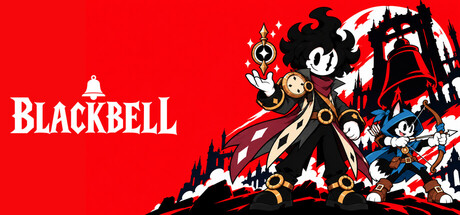
Generative AI tools were used extensively during the development of BLACKBELL, including for artwork, writing, audio, code, and production support. All AI-generated content included in the shipped game is pre-generated, selected, edited, and integrated by the developer. The developer is responsible for the game's creative direction, design, curation, quality control, and final implementation.
Pre-generated content: Many 3D models and textures used in the game, including cakes, fruit, items, tools, and environmental/shop assets, were generated using Meshy AI and then edited and integrated by the developer. Generative AI was also used to assist in drafting some store-page text, which was reviewed and edited by the developer. No generative AI is used at runtime. No AI-generated voice or music is used.
Some of the game's text, including the clients' letters and notes, and the store page text were drafted with the help of an AI language model and edited by the developer. The artwork comes from the game's own renderer and models, not from image-generating AI, and the music is played by the game's own code. Nothing is generated by AI while you play.
Generative AI tools were used to assist with the creation and refinement of some pre-generated sound effects, 3D assets, 2D images, voice lines, and localization. All AI-assisted content was reviewed, edited, and integrated by the developer. The game does not use generative AI to create content during gameplay.
Character voices, and some of the sound effects and music, were pre-generated with AI voice and audio tools and then edited and mixed by the developer. The dialogue, store text and Korean/English translations were written with the help of an AI assistant and reviewed by the developer. All ships, cockpit and environments are in-engine 3D models, and the store images and trailer are in-game captures. No AI content is generated while you play.
Generative AI tools were used during development to create the sky panoramas, several 3D models and textures, the music and sound effects, and the store art. No AI content is generated while you play.
Pre-generated content: the character voices, some sound effects, ambience and the music were generated with AI audio tools (ElevenLabs), then selected, edited and mixed by the developer. Most 3D models (props, tools, vehicles) and some 2D artwork (signs, posters, in-game documents, interface illustrations and store art) were generated with AI tools and then integrated, adjusted and reviewed in the game by the developer. The people are built with the open-source MakeHuman tools and animated with motion capture (CMU), not with AI. Translations were made with AI assistance and reviewed. The levels and code were built with AI-assisted tools and reviewed and tested by the developer. No content is generated by AI while you play.
Much of the artwork in Convoy Inc. was created with the help of AI image tools, including job and event scenes, driver portraits, truck and city illustrations, map decorations and parts of the interface art. Every image was selected, edited and composited by the developer to fit the game's vintage atlas style.
The illustrated story scenes and the music in the trailer were also created with AI-assisted tools.
The game's design, code, systems, map data and all written text were created by the developer. The game does not generate any AI content while it runs.
Generative AI tools were used during development to create some of the game’s 2D artwork, 3D assets, and music, as well as Steam store artwork. These are pre-generated assets. The game does not generate AI content or connect to external AI services during gameplay.
AI Generated Content Disclosure
The developers of LIGHT IT provide the following disclosure regarding the use of AI tools in the creation of this game. All AI-assisted content is pre-generated; the game does not generate any AI content live during gameplay.
Music: The in-game music was produced using Suno, an AI music-generation tool.
Art: Some visual assets were created with the assistance of AI image-generation tools.
Code: AI assistants were used to help brainstorm implementation ideas and to assist with debugging.
All AI-assisted content and code was reviewed, tested, and refined by the developer before being included in the final game.
Generative AI was used for UI icons, the intro video, and retouching of store capsule images. In-game 3D assets, characters and environments are licensed or hand-made, not AI-generated. AI was used as an assistive tool for code, text and translation.
Some of the game's artwork (cards, bosses, mascot, icons) and music were initially created with generative AI tools, then reworked, edited and integrated by the developer. All code, game design, writing and balancing were made by the developer. No content is generated by AI while the game is running.
AI tools were used during development to create the pixel art, the game's text and promotional images. Pawnbroke does not generate AI content during gameplay.
Generative AI tools were used during development to assist in the creation of some pre-generated visual assets and promotional materials. All AI-assisted content is reviewed, selected, and integrated by the development team. The game does not use generative AI to create content during gameplay.
Generative AI tools were used throughout this game's production pipeline, alongside traditional development tools and techniques, to speed up iteration and expand what our team can make. AI-assisted content that ships in the game includes 2D artwork, voice narration, sound effects, music and in-game text. Every asset in the final product was selected, reviewed, modified where appropriate, and integrated by the development team. No generative AI content is created during gameplay.
Generative AI tools were used to assist with code refactoring and with writing and translating text for the game and its store page. No content is generated using generative AI during gameplay.
The game's code, some in-game text (English/Turkish dialogue and UI) and some poster artwork were created with the help of generative AI and then reviewed and edited by the developer. The game does not generate any AI content at runtime.
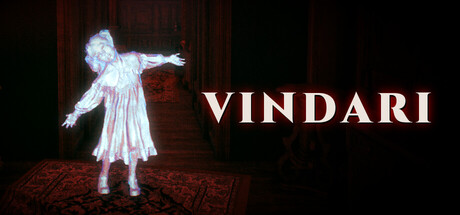
The ghost's voice lines, lullaby, screams, laughter and some sound effects were generated with AI audio tools (ElevenLabs). The store page description and the layout of the capsule art were prepared with the help of an AI assistant, using screenshots captured from the game. All 3D models, environments and animations are human-made assets licensed from the Fab marketplace.
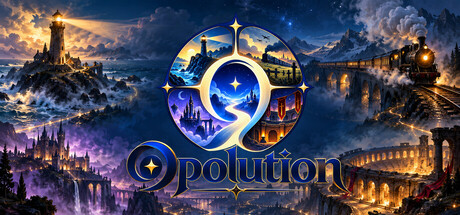
Opolution includes AI-generated illustrations, video sequences and voice-over audio, as well as AI-assisted narrative text and translations. These assets are created in advance during development. No AI content is generated during gameplay, and the game does not connect to external AI services while you play.
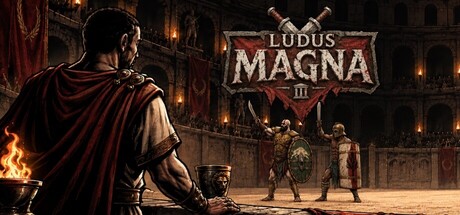
Ludus Magna uses pre-generated, AI-assisted content created during development. This includes parts of the game's visual content such as character portraits, backgrounds and other illustrations, as well as AI-assisted text and localization. All content is selected, edited and reviewed by the developer before being included in the game. No generative AI content is created while the game is running.
The capsule and logo artwork was created with an AI image generator. Some of the game's code and parts of the written dialogue were produced with the help of an AI assistant, then reviewed and edited by the developer. No content is generated by AI while the game is running.
Generative AI tools were used during development to help create code, 2D art and text, including draft translations. The developer directed, selected and assembled all of it into the game.
No generative AI runs while you play. Meridian, your companion, is scripted rather than a chatbot, and the game sends nothing to AI services. Planets come from the game's own procedural generator, not an AI model.
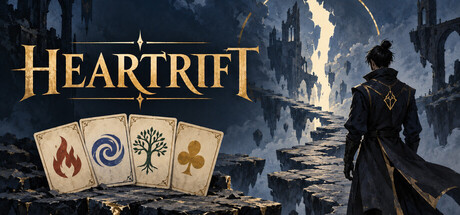
Generative AI was used during development to create artwork, UI and promotional assets, as well as audio content, including character voices. AI tools also assisted with writing and refining the game’s code. All AI-generated content is pre-generated; HEARTRIFT does not generate content or code with AI during gameplay or connect to an external AI service.
The voices, music and sound effects were generated with AI audio tools (ElevenLabs) and then edited and mixed by the developer. The 3D world and the game itself were built with the help of an AI coding assistant. The trailers' narration also uses AI-generated voices. Nothing is generated by AI while you play.
Game contains AI generated code. Some icons. logos, marketing assets or placeholders may be AI generated. In-game screenshots and footage are displayed as-is and are unaltered by AI.
This game contains pre-generated AI content, all reviewed and edited by the developer:
- Voice acting: every radio and PA line, in English and Turkish, is text-to-speech generated with ElevenLabs.
- Audio: most sound effects and the three music beds were generated with ElevenLabs.
- 3D art: some organic growth props were shaped with an image-to-3D pipeline (SDXL + Hunyuan3D), then UV-unwrapped, baked and finished by hand in Blender.
- 2D art: the still images in the narrated opening were made with an image model.
The game generates nothing with AI while it runs. The trailer, screenshots and capsule art on this page are in-game footage and in-engine captures.
Sound effects, some character voices and music in the game were made with generative AI tools (ElevenLabs). Everything is pre-generated during development; nothing is generated while you play.
The developer used generative AI to help write and translate (Japanese to English) the in-game and store page text. All text was reviewed and edited by the developer. No graphics, sound or music in the game are AI-generated, and no content is generated by AI while playing.
Generative AI was used only as a supporting tool, for language translation and for UI support. Only one in-game object was created with AI: the statue in the middle of the shop. Everything else was produced by our team.
Generative AI tools were used during development to help create some visual assets and branding. Some music and sound effects were developed with AI-assisted composition and procedural sound synthesis. Store screenshots and gameplay video are captured from the game. These assets are prepared before release.
Generative AI was used during development to help create visual assets, including textures and 3D models, as well as music, in-game text, including fictional film titles and catalog descriptions, and translations. AI tools were also used to create store and promotional artwork. All such content was created in advance. The game does not generate AI content during gameplay or connect to external AI services.
AI tools assisted in developing some procedural animations and sound effects. These elements were reviewed and refined to match the game’s artistic direction.
All in-game graphical assets were handcrafted by artists.
The developer uses AI tools to assist in creating 2D graphic assets, specifically the game icon. All assets have been carefully reviewed to ensure they are unique and do not infringe on any copyrighted materials.
Generative AI tools were used during development to create some 3D models and textures, including buildings, vegetation, rocks and animals, as well as some menu backgrounds, interface artwork and store artwork. These assets were selected, edited, optimized and integrated during development. The game does not generate AI content during play or connect to an external AI service.
Generative AI was used to create background music, paintings displayed throughout the motel, and selected 3D assets, including sequence props, keys, relics, and pedestals. AI assistance was also used to draft portions of the store page text.
Generative AI was used for some Steam store and marketing materials only (section banners and draft store copy). These assets were reviewed and edited before publishing.
No generative AI is used in the shipped game at runtime. In-game 3D furniture, environments, and gameplay content are created with traditional art and development tools (purchased/licensed assets and original work). AI-assisted coding tools were used during development; they are not used to generate player-facing game content.
Generative AI tools were used extensively during the development of BLACKBELL, including for artwork, writing, audio, code, and production support. All AI-generated content included in the shipped game is pre-generated, selected, edited, and integrated by the developer. The developer is responsible for the game's creative direction, design, curation, quality control, and final implementation.
Pre-generated content: Many 3D models and textures used in the game, including cakes, fruit, items, tools, and environmental/shop assets, were generated using Meshy AI and then edited and integrated by the developer. Generative AI was also used to assist in drafting some store-page text, which was reviewed and edited by the developer. No generative AI is used at runtime. No AI-generated voice or music is used.
Some of the game's text, including the clients' letters and notes, and the store page text were drafted with the help of an AI language model and edited by the developer. The artwork comes from the game's own renderer and models, not from image-generating AI, and the music is played by the game's own code. Nothing is generated by AI while you play.
Generative AI tools were used to assist with the creation and refinement of some pre-generated sound effects, 3D assets, 2D images, voice lines, and localization. All AI-assisted content was reviewed, edited, and integrated by the developer. The game does not use generative AI to create content during gameplay.
Character voices, and some of the sound effects and music, were pre-generated with AI voice and audio tools and then edited and mixed by the developer. The dialogue, store text and Korean/English translations were written with the help of an AI assistant and reviewed by the developer. All ships, cockpit and environments are in-engine 3D models, and the store images and trailer are in-game captures. No AI content is generated while you play.
Generative AI tools were used during development to create the sky panoramas, several 3D models and textures, the music and sound effects, and the store art. No AI content is generated while you play.
Pre-generated content: the character voices, some sound effects, ambience and the music were generated with AI audio tools (ElevenLabs), then selected, edited and mixed by the developer. Most 3D models (props, tools, vehicles) and some 2D artwork (signs, posters, in-game documents, interface illustrations and store art) were generated with AI tools and then integrated, adjusted and reviewed in the game by the developer. The people are built with the open-source MakeHuman tools and animated with motion capture (CMU), not with AI. Translations were made with AI assistance and reviewed. The levels and code were built with AI-assisted tools and reviewed and tested by the developer. No content is generated by AI while you play.
Much of the artwork in Convoy Inc. was created with the help of AI image tools, including job and event scenes, driver portraits, truck and city illustrations, map decorations and parts of the interface art. Every image was selected, edited and composited by the developer to fit the game's vintage atlas style.
The illustrated story scenes and the music in the trailer were also created with AI-assisted tools.
The game's design, code, systems, map data and all written text were created by the developer. The game does not generate any AI content while it runs.
Generative AI tools were used during development to create some of the game’s 2D artwork, 3D assets, and music, as well as Steam store artwork. These are pre-generated assets. The game does not generate AI content or connect to external AI services during gameplay.
AI Generated Content Disclosure
The developers of LIGHT IT provide the following disclosure regarding the use of AI tools in the creation of this game. All AI-assisted content is pre-generated; the game does not generate any AI content live during gameplay.
Music: The in-game music was produced using Suno, an AI music-generation tool.
Art: Some visual assets were created with the assistance of AI image-generation tools.
Code: AI assistants were used to help brainstorm implementation ideas and to assist with debugging.
All AI-assisted content and code was reviewed, tested, and refined by the developer before being included in the final game.
Generative AI was used for UI icons, the intro video, and retouching of store capsule images. In-game 3D assets, characters and environments are licensed or hand-made, not AI-generated. AI was used as an assistive tool for code, text and translation.
Some of the game's artwork (cards, bosses, mascot, icons) and music were initially created with generative AI tools, then reworked, edited and integrated by the developer. All code, game design, writing and balancing were made by the developer. No content is generated by AI while the game is running.
AI tools were used during development to create the pixel art, the game's text and promotional images. Pawnbroke does not generate AI content during gameplay.
Generative AI tools were used during development to assist in the creation of some pre-generated visual assets and promotional materials. All AI-assisted content is reviewed, selected, and integrated by the development team. The game does not use generative AI to create content during gameplay.
Generative AI tools were used throughout this game's production pipeline, alongside traditional development tools and techniques, to speed up iteration and expand what our team can make. AI-assisted content that ships in the game includes 2D artwork, voice narration, sound effects, music and in-game text. Every asset in the final product was selected, reviewed, modified where appropriate, and integrated by the development team. No generative AI content is created during gameplay.
Generative AI tools were used to assist with code refactoring and with writing and translating text for the game and its store page. No content is generated using generative AI during gameplay.
The game's code, some in-game text (English/Turkish dialogue and UI) and some poster artwork were created with the help of generative AI and then reviewed and edited by the developer. The game does not generate any AI content at runtime.
The ghost's voice lines, lullaby, screams, laughter and some sound effects were generated with AI audio tools (ElevenLabs). The store page description and the layout of the capsule art were prepared with the help of an AI assistant, using screenshots captured from the game. All 3D models, environments and animations are human-made assets licensed from the Fab marketplace.
Opolution includes AI-generated illustrations, video sequences and voice-over audio, as well as AI-assisted narrative text and translations. These assets are created in advance during development. No AI content is generated during gameplay, and the game does not connect to external AI services while you play.
Ludus Magna uses pre-generated, AI-assisted content created during development. This includes parts of the game's visual content such as character portraits, backgrounds and other illustrations, as well as AI-assisted text and localization. All content is selected, edited and reviewed by the developer before being included in the game. No generative AI content is created while the game is running.
The capsule and logo artwork was created with an AI image generator. Some of the game's code and parts of the written dialogue were produced with the help of an AI assistant, then reviewed and edited by the developer. No content is generated by AI while the game is running.
Generative AI tools were used during development to help create code, 2D art and text, including draft translations. The developer directed, selected and assembled all of it into the game.
No generative AI runs while you play. Meridian, your companion, is scripted rather than a chatbot, and the game sends nothing to AI services. Planets come from the game's own procedural generator, not an AI model.
Generative AI was used during development to create artwork, UI and promotional assets, as well as audio content, including character voices. AI tools also assisted with writing and refining the game’s code. All AI-generated content is pre-generated; HEARTRIFT does not generate content or code with AI during gameplay or connect to an external AI service.
The voices, music and sound effects were generated with AI audio tools (ElevenLabs) and then edited and mixed by the developer. The 3D world and the game itself were built with the help of an AI coding assistant. The trailers' narration also uses AI-generated voices. Nothing is generated by AI while you play.
Game contains AI generated code. Some icons. logos, marketing assets or placeholders may be AI generated. In-game screenshots and footage are displayed as-is and are unaltered by AI.
This game contains pre-generated AI content, all reviewed and edited by the developer:
- Voice acting: every radio and PA line, in English and Turkish, is text-to-speech generated with ElevenLabs.
- Audio: most sound effects and the three music beds were generated with ElevenLabs.
- 3D art: some organic growth props were shaped with an image-to-3D pipeline (SDXL + Hunyuan3D), then UV-unwrapped, baked and finished by hand in Blender.
- 2D art: the still images in the narrated opening were made with an image model.
The game generates nothing with AI while it runs. The trailer, screenshots and capsule art on this page are in-game footage and in-engine captures.
Sound effects, some character voices and music in the game were made with generative AI tools (ElevenLabs). Everything is pre-generated during development; nothing is generated while you play.
The developer used generative AI to help write and translate (Japanese to English) the in-game and store page text. All text was reviewed and edited by the developer. No graphics, sound or music in the game are AI-generated, and no content is generated by AI while playing.
Generative AI was used only as a supporting tool, for language translation and for UI support. Only one in-game object was created with AI: the statue in the middle of the shop. Everything else was produced by our team.
Generative AI tools were used during development to help create some visual assets and branding. Some music and sound effects were developed with AI-assisted composition and procedural sound synthesis. Store screenshots and gameplay video are captured from the game. These assets are prepared before release.
Generative AI was used during development to help create visual assets, including textures and 3D models, as well as music, in-game text, including fictional film titles and catalog descriptions, and translations. AI tools were also used to create store and promotional artwork. All such content was created in advance. The game does not generate AI content during gameplay or connect to external AI services.
AI tools assisted in developing some procedural animations and sound effects. These elements were reviewed and refined to match the game’s artistic direction.
All in-game graphical assets were handcrafted by artists.
The developer uses AI tools to assist in creating 2D graphic assets, specifically the game icon. All assets have been carefully reviewed to ensure they are unique and do not infringe on any copyrighted materials.
Generative AI tools were used during development to create some 3D models and textures, including buildings, vegetation, rocks and animals, as well as some menu backgrounds, interface artwork and store artwork. These assets were selected, edited, optimized and integrated during development. The game does not generate AI content during play or connect to an external AI service.
Generative AI was used to create background music, paintings displayed throughout the motel, and selected 3D assets, including sequence props, keys, relics, and pedestals. AI assistance was also used to draft portions of the store page text.
Generative AI was used for some Steam store and marketing materials only (section banners and draft store copy). These assets were reviewed and edited before publishing.
No generative AI is used in the shipped game at runtime. In-game 3D furniture, environments, and gameplay content are created with traditional art and development tools (purchased/licensed assets and original work). AI-assisted coding tools were used during development; they are not used to generate player-facing game content.