Public Steam disclosure research25,380 disclosures tracked
Where do games disclose AI use?
Search developers’ Steam disclosures, compare classified AI use across
games, and follow recorded changes.
This index adds cross-game classifications and statistics to
statements published on individual store pages.
Groups reflect automatic analysis of public disclosures; mature records are excluded. These counts do not measure AI use across all of Steam.
Missing or unclear statements cannot establish whether a game uses AI.
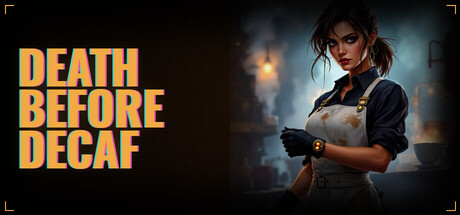
Death Before Decaf uses generative AI tools to assist with visual asset production. This includes character and enemy sprites, environment art, and marketing capsule images, all created using a fine-tuned model trained on reference materials owned by Overdose Interactive (Scenario.gg with a custom DBD LoRA, plus Replicate/Flux for select assets). All AI-generated outputs are reviewed, edited, and approved by a human art director before being shipped in the game.
The game itself does not generate any AI content at runtime: all assets are pre-rendered and bundled with the build. The game does not connect to any external AI services during gameplay.
Character portraits, world objects, and background artwork utilize generative AI as a foundational base. However, every visual asset undergoes heavy, manual editing and refinement through multiple iterations by myself to achieve the game's specific art style.
This game uses generative AI to assist in creating certain in-game assets, including pixel-style character art, environmental backgrounds, and music. All AI-generated content was created using licensed commercial services.
This game only uses AI-generated sound effects in partial content. All AI materials have been manually reviewed and modified, with no real-time AI content generated during gameplay.
This game uses AI assistance in the following areas:
- Localization: Some translations were assisted by AI tools.
- Some promotional or UI images were partially generated or refined using AI tools.
All gameplay content, art direction, and core assets are created by human developers.
Nothing is outside the scope of AI usage. Images were generated with an AI workflow. Sounds are free and edited. Code includes consultation with free tier LLMs.
Generative AI was used to assist in creating certain in-game UI assets (such as combo icons), the main capsule (cover art), and for code debugging during the development process. All AI-assisted content has been manually reviewed, refined, and integrated by the developer to ensure a high-quality experience.
Visuals: We used generative AI tools (Midjourney, ComfyUI) to assist in creating background illustrations and concept art for characters. All AI-generated outputs were manually refined, overpainted, and edited by human artists to ensure visual consistency and quality.
Text: We utilized AI-powered translation tools to assist in localizing scripts and store page descriptions from Korean to English. All translated text was proofread and edited by a native speaker to maintain the narrative's tone and nuance.
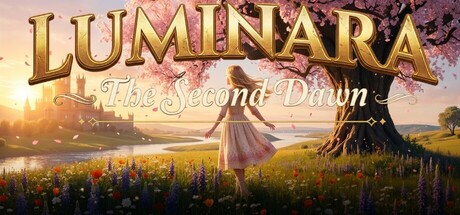
Luminara: The Second Dawn was created by a solo developer with the help of AI tools to bring the game to life. Every piece of content—art, music, story, and code—has been personally reviewed, curated, and directed by me to ensure it fits the game's vision and quality standards.
This game uses generative AI as part of its development process. Most of the game’s implementation is based on AI-assisted code generated through prompts, which is then reviewed, modified, and integrated by the developer.
Generative AI is also used to create some 3D assets, including the player character object and certain background building objects. These assets are not used as raw AI output; they are selected, adjusted, revised, and optimized for in-game use by the developer before being implemented in the game.
The content shown in this game is not generated live during gameplay. It is created and reviewed in advance before being included in the final product.
This game uses generative AI (pre-rendered) in the creation process of the following in-game content:
- Character portraits/sprites
- Certain image assets such as backgrounds, UI, and items
- In-game background music (BGM)
All AI-generated materials are not used as-is; they are manually edited, retouched, and adjusted by the developer to ensure they perfectly fit the dark fantasy world of this game.
Art and Visual Assets: The game’s visual assets, including character designs, backgrounds, and UI elements, were pre-generated using AI tools. These assets were then curated and stylized to fit a unique comic-book aesthetic.
Code and Development: Portions of the game's underlying code and systems were developed with the assistance of AI-powered coding tools.
Quality Control: All AI-generated content has been thoroughly reviewed and edited by the developer to ensure it does not contain any infringing or illegal material and meets the game's quality standards.
This game makes limited use of generative artificial intelligence during development.
Generative AI was used to help create some game music and sound effects, to generate the store page thumbnail artwork, and as a support tool for brainstorming ideas and coding auto-completion.
All gameplay, design, and final creative decisions were made by the developer.
This is a solo independent project. Except for the logo and UI design completed by an external collaborator, all other content was created by the author alone.
Visual assets were generated with AI assistance, with character designs refined through multiple iterations by the author. All character expression variations were hand-drawn by the author, with the protagonist featuring dozens of distinct expressions. Key story CGs were hand-sketched or 3D-posed by the author before final production.
Background music was generated with AI assistance. Some sound effects were recorded on location by the author; others were synthesized.
Some background art in Pantheon is AI-assisted. The characters, story, and all core creative elements are original.
Due to limited funds, AI backgrounds are used for now. With future income, they will be gradually replaced with hand-drawn art.
Thank you for your understanding and support.
"We utilize AI to assist in various design processes, including stylistic conceptualization, environment concept art, character definition, and color scheme planning."
How I use AI:
To have it translated.
To have it coded.
To have the Impressionist-style-like paintings I painted transformed into accurate, precise images.
To have the songs I composed enhanced with various instruments.
Yes. The game uses AI for localization translation (8 languages) and AI-assisted pixel art generation. All AI-generated assets have been heavily edited and refined by the developer to fit the game's dark pixel art style and narrative context.
To further enrich the unique world and atmosphere of this game, we utilized AI technology to assist in creating the background artwork and soundtrack.
AI was primarily used as a sketching tool to draft initial ideas. All final assets implemented in the game underwent detailed retouching and careful direction by the developer, meticulously polished to seamlessly blend into the game's distinct vibe.
This product uses pre-generated AI content during development. Some store page promotional images and some pre-rendered in-game video assets were created or edited with generative AI tools, including ChatGPT image tools and Veo.
All such assets were reviewed and edited by the developer before being included in the final product. No AI content is generated live during gameplay.
We use AI to improve our work in all spheres of the game. We generate images where appropriate and enhance them where it makes the game better. AI helps us with animations and in-between frames in cutscenes, and also assists in writing music
Death Before Decaf uses generative AI tools to assist with visual asset production. This includes character and enemy sprites, environment art, and marketing capsule images, all created using a fine-tuned model trained on reference materials owned by Overdose Interactive (Scenario.gg with a custom DBD LoRA, plus Replicate/Flux for select assets). All AI-generated outputs are reviewed, edited, and approved by a human art director before being shipped in the game.
The game itself does not generate any AI content at runtime: all assets are pre-rendered and bundled with the build. The game does not connect to any external AI services during gameplay.
Character portraits, world objects, and background artwork utilize generative AI as a foundational base. However, every visual asset undergoes heavy, manual editing and refinement through multiple iterations by myself to achieve the game's specific art style.
This game uses generative AI to assist in creating certain in-game assets, including pixel-style character art, environmental backgrounds, and music. All AI-generated content was created using licensed commercial services.
This game only uses AI-generated sound effects in partial content. All AI materials have been manually reviewed and modified, with no real-time AI content generated during gameplay.
This game uses AI assistance in the following areas:
- Localization: Some translations were assisted by AI tools.
- Some promotional or UI images were partially generated or refined using AI tools.
All gameplay content, art direction, and core assets are created by human developers.
Nothing is outside the scope of AI usage. Images were generated with an AI workflow. Sounds are free and edited. Code includes consultation with free tier LLMs.
Generative AI was used to assist in creating certain in-game UI assets (such as combo icons), the main capsule (cover art), and for code debugging during the development process. All AI-assisted content has been manually reviewed, refined, and integrated by the developer to ensure a high-quality experience.
Visuals: We used generative AI tools (Midjourney, ComfyUI) to assist in creating background illustrations and concept art for characters. All AI-generated outputs were manually refined, overpainted, and edited by human artists to ensure visual consistency and quality.
Text: We utilized AI-powered translation tools to assist in localizing scripts and store page descriptions from Korean to English. All translated text was proofread and edited by a native speaker to maintain the narrative's tone and nuance.
Luminara: The Second Dawn was created by a solo developer with the help of AI tools to bring the game to life. Every piece of content—art, music, story, and code—has been personally reviewed, curated, and directed by me to ensure it fits the game's vision and quality standards.
This game uses generative AI as part of its development process. Most of the game’s implementation is based on AI-assisted code generated through prompts, which is then reviewed, modified, and integrated by the developer.
Generative AI is also used to create some 3D assets, including the player character object and certain background building objects. These assets are not used as raw AI output; they are selected, adjusted, revised, and optimized for in-game use by the developer before being implemented in the game.
The content shown in this game is not generated live during gameplay. It is created and reviewed in advance before being included in the final product.
This game uses generative AI (pre-rendered) in the creation process of the following in-game content:
- Character portraits/sprites
- Certain image assets such as backgrounds, UI, and items
- In-game background music (BGM)
All AI-generated materials are not used as-is; they are manually edited, retouched, and adjusted by the developer to ensure they perfectly fit the dark fantasy world of this game.
Art and Visual Assets: The game’s visual assets, including character designs, backgrounds, and UI elements, were pre-generated using AI tools. These assets were then curated and stylized to fit a unique comic-book aesthetic.
Code and Development: Portions of the game's underlying code and systems were developed with the assistance of AI-powered coding tools.
Quality Control: All AI-generated content has been thoroughly reviewed and edited by the developer to ensure it does not contain any infringing or illegal material and meets the game's quality standards.
This game makes limited use of generative artificial intelligence during development.
Generative AI was used to help create some game music and sound effects, to generate the store page thumbnail artwork, and as a support tool for brainstorming ideas and coding auto-completion.
All gameplay, design, and final creative decisions were made by the developer.
This is a solo independent project. Except for the logo and UI design completed by an external collaborator, all other content was created by the author alone.
Visual assets were generated with AI assistance, with character designs refined through multiple iterations by the author. All character expression variations were hand-drawn by the author, with the protagonist featuring dozens of distinct expressions. Key story CGs were hand-sketched or 3D-posed by the author before final production.
Background music was generated with AI assistance. Some sound effects were recorded on location by the author; others were synthesized.
Some background art in Pantheon is AI-assisted. The characters, story, and all core creative elements are original.
Due to limited funds, AI backgrounds are used for now. With future income, they will be gradually replaced with hand-drawn art.
Thank you for your understanding and support.
"We utilize AI to assist in various design processes, including stylistic conceptualization, environment concept art, character definition, and color scheme planning."
How I use AI:
To have it translated.
To have it coded.
To have the Impressionist-style-like paintings I painted transformed into accurate, precise images.
To have the songs I composed enhanced with various instruments.
Yes. The game uses AI for localization translation (8 languages) and AI-assisted pixel art generation. All AI-generated assets have been heavily edited and refined by the developer to fit the game's dark pixel art style and narrative context.
To further enrich the unique world and atmosphere of this game, we utilized AI technology to assist in creating the background artwork and soundtrack.
AI was primarily used as a sketching tool to draft initial ideas. All final assets implemented in the game underwent detailed retouching and careful direction by the developer, meticulously polished to seamlessly blend into the game's distinct vibe.
This product uses pre-generated AI content during development. Some store page promotional images and some pre-rendered in-game video assets were created or edited with generative AI tools, including ChatGPT image tools and Veo.
All such assets were reviewed and edited by the developer before being included in the final product. No AI content is generated live during gameplay.
We use AI to improve our work in all spheres of the game. We generate images where appropriate and enhance them where it makes the game better. AI helps us with animations and in-between frames in cutscenes, and also assists in writing music