Public Steam disclosure research25,376 disclosures tracked
Where do games disclose AI use?
Search developers’ Steam disclosures, compare classified AI use across
games, and follow recorded changes.
This index adds cross-game classifications and statistics to
statements published on individual store pages.
Groups reflect automatic analysis of public disclosures; mature records are excluded. These counts do not measure AI use across all of Steam.
Missing or unclear statements cannot establish whether a game uses AI.
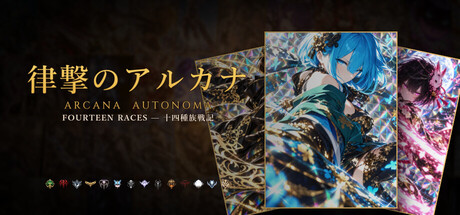
This game was made using generative AI. Generative AI was used for card illustrations, backgrounds, character videos, music, the story and other text, translations, and promotional materials such as the store page and trailer. All of this content was created in advance; no content is generated by AI during gameplay.
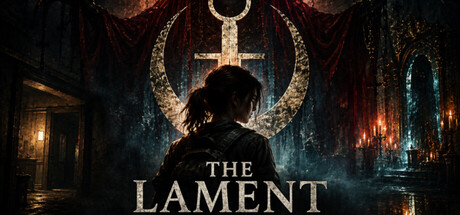
Generative AI was used to create background music, paintings displayed throughout the motel, and selected 3D assets, including sequence props, keys, relics, and pedestals. AI assistance was also used to draft portions of the store page text.
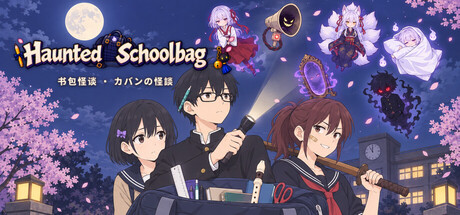
Character art, portraits, monsters, backgrounds, item and skill icons, and story illustrations were created with AI image-generation tools, then selected, reviewed and laid out in the game by the developers. The background music was created with an AI music-generation tool (Suno). The code and text were written with AI assistance and reviewed by the developers. The game does not generate any AI content while it runs.
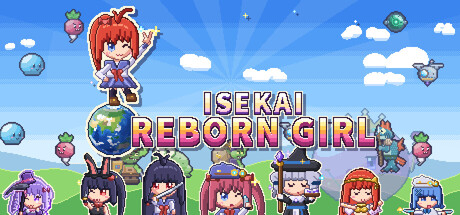
AI was used during development to create some of the game's visual artwork and graphical assets. The AI-generated assets are pre-generated and included as static content in the game. No AI content is generated during gameplay, and the game does not connect to or use an AI service at runtime.
Generative AI tools were used to help create promotional artwork and Steam store page text. This content was prepared in advance. The game does not use generative AI or connect to external AI services during gameplay.
Generative AI was used to create or edit some images, generate English voice audio, and assist with translation. All content was prepared before release. No content is generated and no external AI services are accessed during gameplay.
The core assets, music, 3D objects, and story of this game were entirely reviewed, refined, and crafted by the developer. However, generative AI tools were utilized to assist in creating certain sound effects and a few background/UI images. As this is my very first game developed entirely as a solo indie developer, these tools were used to help overcome the immense challenges of managing all aspects of production alone. All AI-assisted contents have been thoroughly checked to ensure quality and compliance.
Some game artwork was created with the assistance of AI-generated concept art or reference images during development. These were used solely as creative references, and all artwork used in the final game was manually redrawn and processed. AI-generated images are not used directly.
Some game text and its corresponding localized translations were generated using AI.
AI tools were used to translate the store page text and some localizations. All in-game art, 3D models, animations, music and sound effects are not AI-generated.
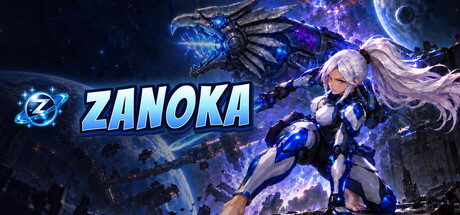
ZANOKA is made by a solo developer. All of its art began as hand-made drawings, sketches and pixel art, including concept art by artist Malaika Raheel. AI-assisted tools were used for polishing, frame interpolation and translation.
1) Artwork: card illustrations and other visual assets were created with the help of AI image generation tools, then selected and edited by the developer.
2) Music: the soundtrack was created with the help of AI music generation tools.
Generative AI assisted with some programming and debugging during the development of Daylight Line. Some in-game visual assets, including battle status icons, were also created with the assistance of generative AI and then processed and integrated by the development team. The game does not generate AI content during gameplay.
We use generative AI for some of the following elements.
・Some of the in-game art
・Some of the code
・Some of the banners and trailers on the store page
AI was used as an interface and scripting assistant for industry standard tools such as Reaper, Godot, Blender, Aseprite, and Deepl for enhancing the quality and consistency of the game content and building systems I otherwise would not have the capacity to design and implement as solo developer.
Where possible, artists are and will continue to be supported via use of their paid or free assets. For this game, the most money spent was on Quaternius source level packages.
Notable exception to this is the UI, which was generated using RetroDiffusion with a python pipeline built in house for consistent design around UI elements using color normalization and targeting from a theme palette, which is then imported and tweaked in Godot.
The game itself contains no AI-generated assets. Generative AI was used only for some promotional artwork on the store page such as posters. This artwork was edited by the development team.
Some character illustrations and 3D character models were created with the assistance of generative AI during development. The generated assets were manually edited, refined, and integrated into the game's final content by the developer. No generative AI is used to create new content in real time during gameplay.
AI assistance was used to draft and translate text for this Steam store page from the developer’s own story and game information. No AI-generated artwork, voices, music, in-game story or in-game translations are currently used. No content is generated by AI during gameplay.
This game uses Generative AI tools during development to assist with asset, text, or code generation. All AI-generated content has been manually reviewed, edited, and integrated by the developers.
Some artwork used in the Steam store capsules and the game's Steam Library background image was created with the assistance of generative AI and subsequently edited and refined by the development team. The game logo and initial design concepts were created without the use of generative AI.
Some illustrations in the game were created using generative AI. The developer selected and adjusted the generated images before incorporating them into the game.
Please note that non-Japanese localization is currently generated by AI. I plan to replace this with professional human localization in the future.
Furthermore, one sound effect was created using AI.
All other elements have been meticulously crafted by myself.
Generative AI assisted in creating some artwork, dialogue, descriptions, and translations during development. No AI content is generated during gameplay.
The character art, idle animations, icons and store images were created with locally run AI image tools, then selected and retouched by hand. Nothing is generated by AI while the game runs.
Some pre-made content was created with the help of generative AI tools and then edited by our team: parts of the key art and logo, some 3D models, some UI/ability icons, and some character voice lines. AI coding assistants were also used during development. Gameplay design and level design were done by the developers. The game does not generate any AI content live during gameplay.
We use generative AI tools during development to create some concept art and supporting images, as well as certain materials for the store page. All in-game content, including final assets, models, and text, is created and reviewed by hand.
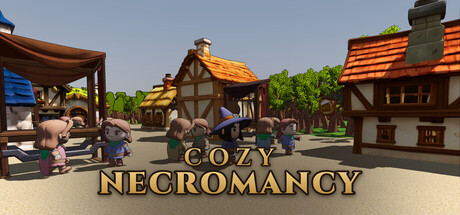
A small language model (Google's Gemma 3 270M) runs entirely on the player's computer, with no network connection. It writes short lines of villager small talk, the ritual oracle's one- or two-sentence hint after a failed ritual, and routine filler records in the in-game archive, and it chooses which of our pre-written dialogue lines fits the moment.
Guardrails: the player never types to the model — there is no text input anywhere in the game. Every prompt is a fixed template we wrote, filled in from game state such as a character's name, the time of day and the current quest. Output is short by construction (hard token caps, and lines over a few words are cut or discarded); lines that read as narration, stage directions or an assistant speaking are rejected; dialogue choices are constrained to our own authored lines. Any failure falls back to written lines. Players can turn the model off in Settings, and the game plays identically on written lines alone.
This game utilizes generative AI for a significant portion of its art assets. Many AI-assisted elements underwent manual editing and modification by the developer before being integrated into the final game.
Some of this game's art, music, sound effects, 3D models, and translations were created with the help of generative AI. No content is generated by AI during gameplay.
Generative AI was used during development to help create some of the game's images, 3D models, animations, background music, sound effects, and story and dialogue text, and to translate in-game text. This includes generating images and models, as well as creating environment models, background music, and some sound effects using AI-written scripts. The story and dialogue use AI-generated text, edited as needed. Translations were created and revised during development and included in the game. This content was created in advance during development; the game does not generate content using generative AI during gameplay. Generative AI was also used to create promotional images and translate store descriptions into multiple languages for the Steam store.
Generative AI tools were used during development to create or assist with character illustrations, some character sprites and other visual assets, store and promotional artwork, background music, and portions of localized text. These assets were selected, processed and integrated by the developer. The game does not generate AI content during play and does not connect to external AI services at runtime.
Generative AI was used during development to help create some visual and audio assets, dialogue, and translations. This content was selected and edited during development and incorporated into the game. No content is generated by AI in real time during gameplay.
The background music in this game was created using generative AI. Generative AI was also used for the translations into the nine languages other than Korean, and for the achievement icons. The game design, the original Korean writing, and the character pixel art are human-made.
Generative AI tools were used during development to assist with some artwork and localization for the game and its store materials. These images and texts are prepared in advance and included as pre-generated content. The game does not use generative AI to create content or code during gameplay.
Some sprite artwork was pre-generated with AI assistance, then manually selected, edited, and integrated into the shipped game. No AI-generated content is created during gameplay.
Generative AI tools were used during development to assist in creating pre-generated audio and other selected content. These assets are reviewed and integrated by the developer before being included in the game or its promotional materials. The game does not use real-time generative AI during gameplay.
This game was made using generative AI. Generative AI was used for card illustrations, backgrounds, character videos, music, the story and other text, translations, and promotional materials such as the store page and trailer. All of this content was created in advance; no content is generated by AI during gameplay.
Generative AI was used to create background music, paintings displayed throughout the motel, and selected 3D assets, including sequence props, keys, relics, and pedestals. AI assistance was also used to draft portions of the store page text.
Character art, portraits, monsters, backgrounds, item and skill icons, and story illustrations were created with AI image-generation tools, then selected, reviewed and laid out in the game by the developers. The background music was created with an AI music-generation tool (Suno). The code and text were written with AI assistance and reviewed by the developers. The game does not generate any AI content while it runs.
AI was used during development to create some of the game's visual artwork and graphical assets. The AI-generated assets are pre-generated and included as static content in the game. No AI content is generated during gameplay, and the game does not connect to or use an AI service at runtime.
Generative AI tools were used to help create promotional artwork and Steam store page text. This content was prepared in advance. The game does not use generative AI or connect to external AI services during gameplay.
Generative AI was used to create or edit some images, generate English voice audio, and assist with translation. All content was prepared before release. No content is generated and no external AI services are accessed during gameplay.
The core assets, music, 3D objects, and story of this game were entirely reviewed, refined, and crafted by the developer. However, generative AI tools were utilized to assist in creating certain sound effects and a few background/UI images. As this is my very first game developed entirely as a solo indie developer, these tools were used to help overcome the immense challenges of managing all aspects of production alone. All AI-assisted contents have been thoroughly checked to ensure quality and compliance.
Some game artwork was created with the assistance of AI-generated concept art or reference images during development. These were used solely as creative references, and all artwork used in the final game was manually redrawn and processed. AI-generated images are not used directly.
Some game text and its corresponding localized translations were generated using AI.
AI tools were used to translate the store page text and some localizations. All in-game art, 3D models, animations, music and sound effects are not AI-generated.
ZANOKA is made by a solo developer. All of its art began as hand-made drawings, sketches and pixel art, including concept art by artist Malaika Raheel. AI-assisted tools were used for polishing, frame interpolation and translation.
1) Artwork: card illustrations and other visual assets were created with the help of AI image generation tools, then selected and edited by the developer.
2) Music: the soundtrack was created with the help of AI music generation tools.
Generative AI assisted with some programming and debugging during the development of Daylight Line. Some in-game visual assets, including battle status icons, were also created with the assistance of generative AI and then processed and integrated by the development team. The game does not generate AI content during gameplay.
We use generative AI for some of the following elements.
・Some of the in-game art
・Some of the code
・Some of the banners and trailers on the store page
AI was used as an interface and scripting assistant for industry standard tools such as Reaper, Godot, Blender, Aseprite, and Deepl for enhancing the quality and consistency of the game content and building systems I otherwise would not have the capacity to design and implement as solo developer.
Where possible, artists are and will continue to be supported via use of their paid or free assets. For this game, the most money spent was on Quaternius source level packages.
Notable exception to this is the UI, which was generated using RetroDiffusion with a python pipeline built in house for consistent design around UI elements using color normalization and targeting from a theme palette, which is then imported and tweaked in Godot.
The game itself contains no AI-generated assets. Generative AI was used only for some promotional artwork on the store page such as posters. This artwork was edited by the development team.
Some character illustrations and 3D character models were created with the assistance of generative AI during development. The generated assets were manually edited, refined, and integrated into the game's final content by the developer. No generative AI is used to create new content in real time during gameplay.
AI assistance was used to draft and translate text for this Steam store page from the developer’s own story and game information. No AI-generated artwork, voices, music, in-game story or in-game translations are currently used. No content is generated by AI during gameplay.
This game uses Generative AI tools during development to assist with asset, text, or code generation. All AI-generated content has been manually reviewed, edited, and integrated by the developers.
Some artwork used in the Steam store capsules and the game's Steam Library background image was created with the assistance of generative AI and subsequently edited and refined by the development team. The game logo and initial design concepts were created without the use of generative AI.
Some illustrations in the game were created using generative AI. The developer selected and adjusted the generated images before incorporating them into the game.
Please note that non-Japanese localization is currently generated by AI. I plan to replace this with professional human localization in the future.
Furthermore, one sound effect was created using AI.
All other elements have been meticulously crafted by myself.
Generative AI assisted in creating some artwork, dialogue, descriptions, and translations during development. No AI content is generated during gameplay.
The character art, idle animations, icons and store images were created with locally run AI image tools, then selected and retouched by hand. Nothing is generated by AI while the game runs.
Some pre-made content was created with the help of generative AI tools and then edited by our team: parts of the key art and logo, some 3D models, some UI/ability icons, and some character voice lines. AI coding assistants were also used during development. Gameplay design and level design were done by the developers. The game does not generate any AI content live during gameplay.
We use generative AI tools during development to create some concept art and supporting images, as well as certain materials for the store page. All in-game content, including final assets, models, and text, is created and reviewed by hand.
A small language model (Google's Gemma 3 270M) runs entirely on the player's computer, with no network connection. It writes short lines of villager small talk, the ritual oracle's one- or two-sentence hint after a failed ritual, and routine filler records in the in-game archive, and it chooses which of our pre-written dialogue lines fits the moment.
Guardrails: the player never types to the model — there is no text input anywhere in the game. Every prompt is a fixed template we wrote, filled in from game state such as a character's name, the time of day and the current quest. Output is short by construction (hard token caps, and lines over a few words are cut or discarded); lines that read as narration, stage directions or an assistant speaking are rejected; dialogue choices are constrained to our own authored lines. Any failure falls back to written lines. Players can turn the model off in Settings, and the game plays identically on written lines alone.
This game utilizes generative AI for a significant portion of its art assets. Many AI-assisted elements underwent manual editing and modification by the developer before being integrated into the final game.
Some of this game's art, music, sound effects, 3D models, and translations were created with the help of generative AI. No content is generated by AI during gameplay.
Generative AI was used during development to help create some of the game's images, 3D models, animations, background music, sound effects, and story and dialogue text, and to translate in-game text. This includes generating images and models, as well as creating environment models, background music, and some sound effects using AI-written scripts. The story and dialogue use AI-generated text, edited as needed. Translations were created and revised during development and included in the game. This content was created in advance during development; the game does not generate content using generative AI during gameplay. Generative AI was also used to create promotional images and translate store descriptions into multiple languages for the Steam store.
Generative AI tools were used during development to create or assist with character illustrations, some character sprites and other visual assets, store and promotional artwork, background music, and portions of localized text. These assets were selected, processed and integrated by the developer. The game does not generate AI content during play and does not connect to external AI services at runtime.
Generative AI was used during development to help create some visual and audio assets, dialogue, and translations. This content was selected and edited during development and incorporated into the game. No content is generated by AI in real time during gameplay.
The background music in this game was created using generative AI. Generative AI was also used for the translations into the nine languages other than Korean, and for the achievement icons. The game design, the original Korean writing, and the character pixel art are human-made.
Generative AI tools were used during development to assist with some artwork and localization for the game and its store materials. These images and texts are prepared in advance and included as pre-generated content. The game does not use generative AI to create content or code during gameplay.
Some sprite artwork was pre-generated with AI assistance, then manually selected, edited, and integrated into the shipped game. No AI-generated content is created during gameplay.
Generative AI tools were used during development to assist in creating pre-generated audio and other selected content. These assets are reviewed and integrated by the developer before being included in the game or its promotional materials. The game does not use real-time generative AI during gameplay.