Public Steam disclosure research25,380 disclosures tracked
Where do games disclose AI use?
Search developers’ Steam disclosures, compare classified AI use across
games, and follow recorded changes.
This index adds cross-game classifications and statistics to
statements published on individual store pages.
Groups reflect automatic analysis of public disclosures; mature records are excluded. These counts do not measure AI use across all of Steam.
Missing or unclear statements cannot establish whether a game uses AI.
Some visual assets and artwork in this game were created with the assistance of generative AI tools and then curated, edited, and integrated by the developer.
All final content has been reviewed and adjusted to ensure consistency, quality, and compliance with Steam guidelines.
Some of the promotional and storefront images were created with AI tools and then refined by hand. All of the in-game assets were designed by a 3D artist.
AI is used to create codes for the game, also used to create some graphical elements, like usage of upscayl to create larger map, some character may also created with ai. Texture etc is hand made, (see full disclosure in credits page within the game, this page also available in demo)
Visual Content: Generative AI was used to create the base visual concepts and illustrations for the puzzles. These images were then manually edited and refined to ensure they fit the historical context and game style.
Programming: AI tools were used to assist in code optimization and the implementation of localization systems.
Marketing: AI assisted in creating graphic assets for the Steam Store page (e.g., store banners).
All AI-assisted content has been carefully reviewed and manually post-processed to ensure quality and compliance with copyright standards.
This game utilizes generative AI tools to assist and enhance various aspects of our creative process. Specifically, AI technologies were employed to help design and refine visual artwork, generate dynamic variations of select musical tracks, assist in the editing of specific in-game assets, and support our localization efforts across multiple languages
AI tools were used to assist with writing game narrative and event text during development. All style guides directing tone, humor, and historical relevance were created by the developer and all content was reviewed, edited, and curated by the developer.
This game uses generative AI tools during development to assist with certain artwork, localization, and written content.
All AI-assisted content has been reviewed, edited, and integrated by the developer to ensure originality, quality, and compliance with applicable rights.
AI was used to generate art pieces for the Steam Store Page as placeholder. As the developing continues and feedback from the community comes, those placeholders will be changed to real art done by real persons.
AI tools were used in a limited capacity to assist in the creation of certain visual assets for store and marketing presentation (such as background elements and minor graphical components). All final content was reviewed, edited, and approved by the development team.
Generative AI was used during the development process to enhance and diversify the variety of card assets and narrative content. This technology allowed for the creation of a more expansive and unique library of scenarios, ensuring a richer and more varied gameplay experience for the player.
In The Hollow, artificial intelligence is used to enhance images, create the basis for certain textures, and ensure more accurate translations. Some of the characters’ faces could not have been created without processing their images using artificial intelligence. Furthermore, some of the generated results served as the basis for further manual refinement of the game assets.
This game has used Generative AI during the development process. It was used minimally during coding, mostly for auto complete, <1% of the code is a result of the output from AI. More extensively is AIs use in the artwork, in order to speed up the process sketches were created by artist, details were filled in by AI, then artists corrected the output.
Most of the game's graphics assets were created using pose sketches (ControlNet) and then adjusted in the graphics editor to maintain consistency. The game does not use any real-time AI-generated content.
Generative AI assists in the development of certain base Gaussian-splatted object meshes and is also used as the basis for some interface images and portions of documentation text used in the product. These AI-assisted elements are further reviewed, selected, and integrated into the final game content as part of the development process.
I'm a solo game developer. I use AI for checking spelling, grammar, some text generation for in-game item description, marketing material to make sure the English content is well presented to the players. Because English is not my native langue.
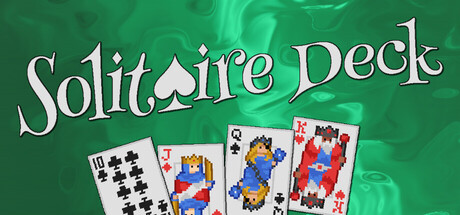
AI tools were used to localize Solitaire Deck's text into multiple languages, this is the only AI content in the game. As a solo developer, it was my only feasible way to support players who prefer games in their native language. Some translations have been reviewed by native speakers, and I'm working to get more checked over time. If you spot anything off, please let me know through the Steam discussions and I'll get it fixed.
During development, this game used generative AI tools to help brainstorm, expand, and polish narrative and dialogue text, and to assist with in-editor organization in the development stage (for example, using novel/story-related plugins to structure plot outlines). All such material was reviewed, rewritten, and unified by the team; the final in-game text is based on the version approved by the team.
If a game build includes dialogue or text generated in real time by a large language model (for example, online responses from a third-party AI service), we will update this disclosure with the specific scope when that feature goes live. In the currently public version, the experience is primarily based on pre-written, human-reviewed story content.
We did not use generative AI to replace basic fact-checking for historical subject matter; statements involving history and historical figures remain guided by design intent and human oversight.
About localization
Please note:The English localization is AI-assisted and human-verified.
We are continuously refining the text, so please feel free to join us and share any feedback !
Some visual assets used in the store page and marketing materials may include AI-assisted elements. These assets are reviewed and modified by the development team to ensure quality and consistency with the game's art direction.
Some languages include text that was initially generated using machine translation as a base, with partial revisions and feedback incorporated by translation contributors.
Additionally, this response itself has been translated from Japanese using generative AI.
We want to be transparent about our use of AI:
AI is used for: assisting with code development (debugging, refactoring, technical guidance during programming sessions).
AI is NOT used for: the story, the dialogue, the music, the illustrations, the character designs, or any creative content. A Piano Tale is a deeply personal project, and its soul comes entirely from human hands.
Some store artwork and promotional images were created with the assistance of AI image generation tools. All game logic, commentary text, fight simulation, and gameplay content are authored by the developer using traditional programming — no generative AI is used during gameplay.
Generative AI tools were used during the development process to assist in creating some background environmental textures, atmospheric sound effects, and promotional marketing materials. All AI-generated assets have been reviewed and refined by the developer to ensure quality and originality.
We use AI in early conceptual design, to figure out an appropriate background art. We then go through several iterations manually with artist modifications, to produce a good, highly polished background that gels well with our characters, story and intended art style.
Our characters are hand drawn by humans.
Our objects are hand drawn by humans.
All user interface (UI) elements are hand drawn by humans.
All animations are hand drawn and meticulously rigged (also by humans) using bone animation.
In the interest of transparency, illustrations were created with the help of AI-assisted tools, used as creative support within a human-led artistic process.
AI was used to generate some of the 2D assets and portraits. I have personally selected and verified all generated content to ensure it fits the game's historical theme.
Graphical elements in the game (screens, icons, illustrations) were created with the assistance of generative tools and then edited and refined by hand to match the game’s visual style. Additionally, translation was supported by AI.
Some visual assets and artwork in this game were created with the assistance of generative AI tools and then curated, edited, and integrated by the developer.
All final content has been reviewed and adjusted to ensure consistency, quality, and compliance with Steam guidelines.
Some of the promotional and storefront images were created with AI tools and then refined by hand. All of the in-game assets were designed by a 3D artist.
AI is used to create codes for the game, also used to create some graphical elements, like usage of upscayl to create larger map, some character may also created with ai. Texture etc is hand made, (see full disclosure in credits page within the game, this page also available in demo)
Visual Content: Generative AI was used to create the base visual concepts and illustrations for the puzzles. These images were then manually edited and refined to ensure they fit the historical context and game style.
Programming: AI tools were used to assist in code optimization and the implementation of localization systems.
Marketing: AI assisted in creating graphic assets for the Steam Store page (e.g., store banners).
All AI-assisted content has been carefully reviewed and manually post-processed to ensure quality and compliance with copyright standards.
This game utilizes generative AI tools to assist and enhance various aspects of our creative process. Specifically, AI technologies were employed to help design and refine visual artwork, generate dynamic variations of select musical tracks, assist in the editing of specific in-game assets, and support our localization efforts across multiple languages
AI tools were used to assist with writing game narrative and event text during development. All style guides directing tone, humor, and historical relevance were created by the developer and all content was reviewed, edited, and curated by the developer.
This game uses generative AI tools during development to assist with certain artwork, localization, and written content.
All AI-assisted content has been reviewed, edited, and integrated by the developer to ensure originality, quality, and compliance with applicable rights.
AI was used to generate art pieces for the Steam Store Page as placeholder. As the developing continues and feedback from the community comes, those placeholders will be changed to real art done by real persons.
AI tools were used in a limited capacity to assist in the creation of certain visual assets for store and marketing presentation (such as background elements and minor graphical components). All final content was reviewed, edited, and approved by the development team.
Generative AI was used during the development process to enhance and diversify the variety of card assets and narrative content. This technology allowed for the creation of a more expansive and unique library of scenarios, ensuring a richer and more varied gameplay experience for the player.
In The Hollow, artificial intelligence is used to enhance images, create the basis for certain textures, and ensure more accurate translations. Some of the characters’ faces could not have been created without processing their images using artificial intelligence. Furthermore, some of the generated results served as the basis for further manual refinement of the game assets.
This game has used Generative AI during the development process. It was used minimally during coding, mostly for auto complete, <1% of the code is a result of the output from AI. More extensively is AIs use in the artwork, in order to speed up the process sketches were created by artist, details were filled in by AI, then artists corrected the output.
Most of the game's graphics assets were created using pose sketches (ControlNet) and then adjusted in the graphics editor to maintain consistency. The game does not use any real-time AI-generated content.
Generative AI assists in the development of certain base Gaussian-splatted object meshes and is also used as the basis for some interface images and portions of documentation text used in the product. These AI-assisted elements are further reviewed, selected, and integrated into the final game content as part of the development process.
I'm a solo game developer. I use AI for checking spelling, grammar, some text generation for in-game item description, marketing material to make sure the English content is well presented to the players. Because English is not my native langue.
AI tools were used to localize Solitaire Deck's text into multiple languages, this is the only AI content in the game. As a solo developer, it was my only feasible way to support players who prefer games in their native language. Some translations have been reviewed by native speakers, and I'm working to get more checked over time. If you spot anything off, please let me know through the Steam discussions and I'll get it fixed.
During development, this game used generative AI tools to help brainstorm, expand, and polish narrative and dialogue text, and to assist with in-editor organization in the development stage (for example, using novel/story-related plugins to structure plot outlines). All such material was reviewed, rewritten, and unified by the team; the final in-game text is based on the version approved by the team.
If a game build includes dialogue or text generated in real time by a large language model (for example, online responses from a third-party AI service), we will update this disclosure with the specific scope when that feature goes live. In the currently public version, the experience is primarily based on pre-written, human-reviewed story content.
We did not use generative AI to replace basic fact-checking for historical subject matter; statements involving history and historical figures remain guided by design intent and human oversight.
About localization
Please note:The English localization is AI-assisted and human-verified.
We are continuously refining the text, so please feel free to join us and share any feedback !
Some visual assets used in the store page and marketing materials may include AI-assisted elements. These assets are reviewed and modified by the development team to ensure quality and consistency with the game's art direction.
Some languages include text that was initially generated using machine translation as a base, with partial revisions and feedback incorporated by translation contributors.
Additionally, this response itself has been translated from Japanese using generative AI.
We want to be transparent about our use of AI:
AI is used for: assisting with code development (debugging, refactoring, technical guidance during programming sessions).
AI is NOT used for: the story, the dialogue, the music, the illustrations, the character designs, or any creative content. A Piano Tale is a deeply personal project, and its soul comes entirely from human hands.
Some store artwork and promotional images were created with the assistance of AI image generation tools. All game logic, commentary text, fight simulation, and gameplay content are authored by the developer using traditional programming — no generative AI is used during gameplay.
Generative AI tools were used during the development process to assist in creating some background environmental textures, atmospheric sound effects, and promotional marketing materials. All AI-generated assets have been reviewed and refined by the developer to ensure quality and originality.
We use AI in early conceptual design, to figure out an appropriate background art. We then go through several iterations manually with artist modifications, to produce a good, highly polished background that gels well with our characters, story and intended art style.
Our characters are hand drawn by humans.
Our objects are hand drawn by humans.
All user interface (UI) elements are hand drawn by humans.
All animations are hand drawn and meticulously rigged (also by humans) using bone animation.
In the interest of transparency, illustrations were created with the help of AI-assisted tools, used as creative support within a human-led artistic process.
AI was used to generate some of the 2D assets and portraits. I have personally selected and verified all generated content to ensure it fits the game's historical theme.
Graphical elements in the game (screens, icons, illustrations) were created with the assistance of generative tools and then edited and refined by hand to match the game’s visual style. Additionally, translation was supported by AI.