Public Steam disclosure research25,380 disclosures tracked
Where do games disclose AI use?
Search developers’ Steam disclosures, compare classified AI use across
games, and follow recorded changes.
This index adds cross-game classifications and statistics to
statements published on individual store pages.
Groups reflect automatic analysis of public disclosures; mature records are excluded. These counts do not measure AI use across all of Steam.
Missing or unclear statements cannot establish whether a game uses AI.
Some of PitWal's artwork and store images were made with help from AI tools and then finished by a person. PitWal's in-app commentary lines were also written with help from AI during development and ship as a fixed set. While you play, PitWal picks from those prewritten lines and fills in your own numbers from your own driving.
PitWal does not run any AI while you play and does not send your data to any AI service. If you want, PitWal lets you connect your own AI assistant, such as Claude or a coding agent local or paid, to read your own data on your own machine. That is optional, uses your own tool, and is never required to use PitWal.
The store page and library artwork (capsule images, library hero, and the game
logo) were created using a generative AI image tool, then cropped, colour-corrected
and composited by hand to meet Steam's asset specifications.
No AI-generated content ships inside the game itself. All in-game visuals, audio,
shaders and level layout are generated procedurally by the game's own code, or
hand-written.
AI-assisted development tools were used during production to help write game code, in-game text, and the English localization. All AI-assisted content was reviewed and tested by the developer.
Generative AI tools were used during development to assist with programming, debugging, and selected visual and marketing assets. All AI-assisted code and content were reviewed, tested, and edited by the developer. No content is generated during gameplay.
Shirt Happens! was made with the help of generative AI. We used it to write and review
code, to bring the game's mechanics online, to support our UI work, to generate visual
assets and reference images for our 2D and 3D art, to draft written text including parts
of this store page, and as a sounding board for design ideas. Everything it produced was
reviewed, edited and finished by us before it shipped.
Some user interface elements (including UI frames, buttons, panels, and HUD background art) were created with the assistance of generative AI image tools during development, then manually edited, composited, and integrated by the development team. Promotional artwork on the store page (capsule, library header/hero images) also used generative AI assistance and was human-reviewed before publication. No AI is used to generate content during gameplay.
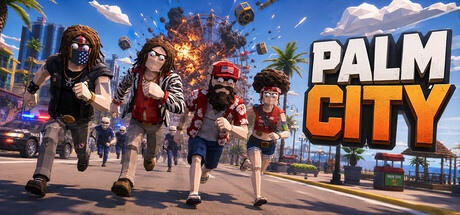
All code, game design, maps, and audio behavior were created using AI. AI tools were also used for in-game character 3D models (subsequently hand-optimized and rigged), main menu background videos, store trailer cinematic shots, and store artwork (logo and capsule backgrounds). All content is based on the game's own original characters.
Generative AI was used during development to assist with visual concept exploration and the creation of certain pre-generated art assets. No generative AI content is generated during gameplay.
AI tools were used during development to assist with writing the game's code and text content (including UI text, English/Korean localization, and store page text). All AI-assisted content was created under direct developer supervision and reviewed by the developer. No content is generated by AI at runtime.
We used Artificial Intelligence tools as an aid during development and in the creation of some game content. All AI-assisted material was personally reviewed and adjusted by our team, who were involved throughout every stage of the creative process.
We’d like to be transparent about the localization of THE WRONG WAY ROUND.
Some of the game’s translations have been created with the assistance of AI and then reviewed and adjusted by us. This allows us to make the game available to more players and support more languages than we could otherwise manage.
We’re continuously improving the translations and really appreciate any feedback from native speakers.
Some character artwork was developed from AI-assisted concept images, then
rebuilt and refined by the developer through 3D modelling and a deterministic
No generative AI is used while the game is running.
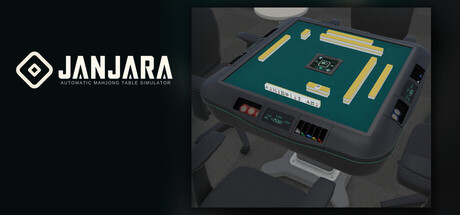
AI assistance was used to edit and localize the Steam store text and to help select, crop, and composite developer-captured gameplay screenshots and recordings with the developer-provided JANJARA logo for store capsules, library artwork, client icons, and the trailer. No synthetic gameplay imagery or audio was generated, and the game does not generate AI content during play.
"This game's code, including the level and cosmetics editors, are all AI-generated.
The maps and music are not AI-generated.
Some cosmetics may be AI-generated, but most are not."
Mad Friday is made by one person. The art, animation, design and code are all mine, made by hand. A few background music tracks are licensed royalty-free assets produced with a generative music model. All audio is pre-generated and shipped with the build; nothing is generated at runtime.
Some visual artwork and marketing assets were created or edited with generative AI under developer direction. All gameplay systems are authored, and no content is generated during gameplay.
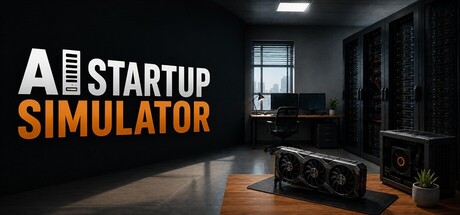
Some pre-generated visual and audio assets in AI Startup Simulator were created with the assistance of generative AI tools during development. This includes in-game desktop wallpapers, images used in vision-related tasks, and instrumental music loops for minigames. These assets were reviewed, edited, and integrated by the development team before release. The game does not use live generative AI and does not generate content with AI during gameplay.
Generative AI was used to assist in creating pre-generated artwork, animation, audio, dialogue, and localization. All content was reviewed and edited by the developer. No AI is used at runtime.
Generative AI tools were used during development to assist with creating select pre-generated 3D base models, 2D promotional/marketing art, and drafting portions of the source code
All animations (sourced and configured via Mixamo), level design, environmental layouts, physics tuning, core game logic, and overall gameplay systems were manually designed, built, and integrated by the development team
The game does not generate any live AI content at runtime
All AI-assisted assets and code have been manually reviewed, curated, and tested to ensure stability, quality, and full compliance with copyright and intellectual property standards
This game uses generative AI tools in a few areas: some 2D art assets (such as the main menu background, title logo, and UI icons), some background music and sound effects, and the drafting and translation of store page text. All AI-generated content was reviewed and edited by the developer to ensure quality and appropriate use.
Generative AI was used to create certain promotional artwork for the Steam store page, including capsule images and the community icon. These assets were reviewed and edited by the developer. The game itself does not contain AI-generated artwork, audio, narrative, localization, or live-generated AI content.
Generative artificial intelligence (AI) was used to create some audio and visual assets, portions of the game code, Steam store page copy, and localized content. No AI-generated content is created in real time during gameplay.
The game's logo and main capsule assets were generated using artificial intelligence tools (e.g., [Gemini]). We retain full rights to the resulting images and they have been human-edited for the final version.
Some of the game model mesh are crafted with AI Support, we have 1 artist creating toy design and 1 model artist to craft model of our own design. AI is used to help edit some of the model.
This game uses generative AI in the following ways:
Art: Visual assets including the logo, UI elements, backgrounds, and character sprites were created with the assistance of AI image generation tools, then reviewed and adjusted by the developer.
Localization: In-game text was translated into 72 languages with the assistance of AI translation tools.
All content has been reviewed by the developer before release.
Generative AI tools were used to assist with some UI artwork and localization.
All AI-assisted content is pre-generated and reviewed before being included in the game or its store materials.
Pre-generated 2D marketing artwork and Steam store assets were created with assistance from OpenAI image-generation tools during development. All outputs were reviewed and selected by the developer. The game itself does not include AI-generated content, generate AI content at runtime, or connect to AI services.
Some visual assets and portions of the game’s code were created with the assistance of generative AI. All AI-assisted content was reviewed and edited by the developer before being included in the game. The game does not generate AI content during gameplay.
We use generative AI to create promotional artwork only. The store capsules, library assets, and page background were generated with an image model using our own gameplay captures and in-house masters as the only references.
We may use AI-based tools during development to assist with content creation. In all such cases, the final game mirrors our dev team's creativity and expression.
Some of PitWal's artwork and store images were made with help from AI tools and then finished by a person. PitWal's in-app commentary lines were also written with help from AI during development and ship as a fixed set. While you play, PitWal picks from those prewritten lines and fills in your own numbers from your own driving.
PitWal does not run any AI while you play and does not send your data to any AI service. If you want, PitWal lets you connect your own AI assistant, such as Claude or a coding agent local or paid, to read your own data on your own machine. That is optional, uses your own tool, and is never required to use PitWal.
The store page and library artwork (capsule images, library hero, and the game
logo) were created using a generative AI image tool, then cropped, colour-corrected
and composited by hand to meet Steam's asset specifications.
No AI-generated content ships inside the game itself. All in-game visuals, audio,
shaders and level layout are generated procedurally by the game's own code, or
hand-written.
AI-assisted development tools were used during production to help write game code, in-game text, and the English localization. All AI-assisted content was reviewed and tested by the developer.
Generative AI tools were used during development to assist with programming, debugging, and selected visual and marketing assets. All AI-assisted code and content were reviewed, tested, and edited by the developer. No content is generated during gameplay.
Shirt Happens! was made with the help of generative AI. We used it to write and review
code, to bring the game's mechanics online, to support our UI work, to generate visual
assets and reference images for our 2D and 3D art, to draft written text including parts
of this store page, and as a sounding board for design ideas. Everything it produced was
reviewed, edited and finished by us before it shipped.
Some user interface elements (including UI frames, buttons, panels, and HUD background art) were created with the assistance of generative AI image tools during development, then manually edited, composited, and integrated by the development team. Promotional artwork on the store page (capsule, library header/hero images) also used generative AI assistance and was human-reviewed before publication. No AI is used to generate content during gameplay.
All code, game design, maps, and audio behavior were created using AI. AI tools were also used for in-game character 3D models (subsequently hand-optimized and rigged), main menu background videos, store trailer cinematic shots, and store artwork (logo and capsule backgrounds). All content is based on the game's own original characters.
Generative AI was used during development to assist with visual concept exploration and the creation of certain pre-generated art assets. No generative AI content is generated during gameplay.
AI tools were used during development to assist with writing the game's code and text content (including UI text, English/Korean localization, and store page text). All AI-assisted content was created under direct developer supervision and reviewed by the developer. No content is generated by AI at runtime.
We used Artificial Intelligence tools as an aid during development and in the creation of some game content. All AI-assisted material was personally reviewed and adjusted by our team, who were involved throughout every stage of the creative process.
We’d like to be transparent about the localization of THE WRONG WAY ROUND.
Some of the game’s translations have been created with the assistance of AI and then reviewed and adjusted by us. This allows us to make the game available to more players and support more languages than we could otherwise manage.
We’re continuously improving the translations and really appreciate any feedback from native speakers.
Some character artwork was developed from AI-assisted concept images, then
rebuilt and refined by the developer through 3D modelling and a deterministic
No generative AI is used while the game is running.
AI assistance was used to edit and localize the Steam store text and to help select, crop, and composite developer-captured gameplay screenshots and recordings with the developer-provided JANJARA logo for store capsules, library artwork, client icons, and the trailer. No synthetic gameplay imagery or audio was generated, and the game does not generate AI content during play.
"This game's code, including the level and cosmetics editors, are all AI-generated.
The maps and music are not AI-generated.
Some cosmetics may be AI-generated, but most are not."
Mad Friday is made by one person. The art, animation, design and code are all mine, made by hand. A few background music tracks are licensed royalty-free assets produced with a generative music model. All audio is pre-generated and shipped with the build; nothing is generated at runtime.
Some visual artwork and marketing assets were created or edited with generative AI under developer direction. All gameplay systems are authored, and no content is generated during gameplay.
Some pre-generated visual and audio assets in AI Startup Simulator were created with the assistance of generative AI tools during development. This includes in-game desktop wallpapers, images used in vision-related tasks, and instrumental music loops for minigames. These assets were reviewed, edited, and integrated by the development team before release. The game does not use live generative AI and does not generate content with AI during gameplay.
Generative AI was used to assist in creating pre-generated artwork, animation, audio, dialogue, and localization. All content was reviewed and edited by the developer. No AI is used at runtime.
Generative AI tools were used during development to assist with creating select pre-generated 3D base models, 2D promotional/marketing art, and drafting portions of the source code
All animations (sourced and configured via Mixamo), level design, environmental layouts, physics tuning, core game logic, and overall gameplay systems were manually designed, built, and integrated by the development team
The game does not generate any live AI content at runtime
All AI-assisted assets and code have been manually reviewed, curated, and tested to ensure stability, quality, and full compliance with copyright and intellectual property standards
This game uses generative AI tools in a few areas: some 2D art assets (such as the main menu background, title logo, and UI icons), some background music and sound effects, and the drafting and translation of store page text. All AI-generated content was reviewed and edited by the developer to ensure quality and appropriate use.
Generative AI was used to create certain promotional artwork for the Steam store page, including capsule images and the community icon. These assets were reviewed and edited by the developer. The game itself does not contain AI-generated artwork, audio, narrative, localization, or live-generated AI content.
Generative artificial intelligence (AI) was used to create some audio and visual assets, portions of the game code, Steam store page copy, and localized content. No AI-generated content is created in real time during gameplay.
The game's logo and main capsule assets were generated using artificial intelligence tools (e.g., [Gemini]). We retain full rights to the resulting images and they have been human-edited for the final version.
Some of the game model mesh are crafted with AI Support, we have 1 artist creating toy design and 1 model artist to craft model of our own design. AI is used to help edit some of the model.
This game uses generative AI in the following ways:
Art: Visual assets including the logo, UI elements, backgrounds, and character sprites were created with the assistance of AI image generation tools, then reviewed and adjusted by the developer.
Localization: In-game text was translated into 72 languages with the assistance of AI translation tools.
All content has been reviewed by the developer before release.
Generative AI tools were used to assist with some UI artwork and localization.
All AI-assisted content is pre-generated and reviewed before being included in the game or its store materials.
Pre-generated 2D marketing artwork and Steam store assets were created with assistance from OpenAI image-generation tools during development. All outputs were reviewed and selected by the developer. The game itself does not include AI-generated content, generate AI content at runtime, or connect to AI services.
Some visual assets and portions of the game’s code were created with the assistance of generative AI. All AI-assisted content was reviewed and edited by the developer before being included in the game. The game does not generate AI content during gameplay.
We use generative AI to create promotional artwork only. The store capsules, library assets, and page background were generated with an image model using our own gameplay captures and in-house masters as the only references.
We may use AI-based tools during development to assist with content creation. In all such cases, the final game mirrors our dev team's creativity and expression.