
Disclosure
Some in-game posters and signs, the splash screen, and parts of the text and translation were made with the help of generative AI and then edited by hand.
- Creator
- homemadevoxel
- Reviews
- -
- Added
- Oct 12, 2026
Public Steam disclosure research 25,376 disclosures tracked
Search developers’ Steam disclosures, compare classified AI use across games, and follow recorded changes. This index adds cross-game classifications and statistics to statements published on individual store pages.
Code help, debugging and other development work.
Capsule art, trailers and promotional material.
Pre-made art, audio, writing and other game assets.
Interactive or runtime AI features disclosed by the developer.
Groups reflect automatic analysis of public disclosures; mature records are excluded. These counts do not measure AI use across all of Steam. Missing or unclear statements cannot establish whether a game uses AI.
Some in-game posters and signs, the splash screen, and parts of the text and translation were made with the help of generative AI and then edited by hand.
Pre-generated content: Many 3D models and textures used in the game, including cakes, fruit, items, tools, and environmental/shop assets, were generated using Meshy AI and then edited and integrated by the developer. Generative AI was also used to assist in drafting some store-page text, which was reviewed and edited by the developer. No generative AI is used at runtime. No AI-generated voice or music is used.
Some of the art in Planet Pilot was made with generative AI tools during development, then selected, edited and fitted into the game by the developer. This covers the store and key art, many 2D illustrations (mission briefing, Legends, ace, medal and loading pictures, hangar plane pictures, emblems and some painted ground textures), the picture thumbnails in the landmarks list, and the high-detail 3D models of more than 40 landmarks. The game's translations were made with AI tools and reviewed by the developer. In the trailers, the opening 30 seconds of the cinematic trailer and the trailer music and sound effects were made with AI tools. The world, aircraft, flight model and gameplay were built by the developer. Nothing in the game is generated by AI while you play.
Some art assets (the board game box covers, in-game posters and the game logo) and the background music were created with the help of generative AI tools, then selected and refined by our small team. Everything else, from the shop itself to the gameplay, was built by hand. No AI content is generated during gameplay.
Generative AI tools were used during development to create the sky panoramas, several 3D models and textures, the music and sound effects, and the store art. No AI content is generated while you play.
Some weapon images and sound effects in this game were created with the help of generative AI tools and then reviewed and edited by our team.
Pre-generated content: the character voices, some sound effects, ambience and the music were generated with AI audio tools (ElevenLabs), then selected, edited and mixed by the developer. Most 3D models (props, tools, vehicles) and some 2D artwork (signs, posters, in-game documents, interface illustrations and store art) were generated with AI tools and then integrated, adjusted and reviewed in the game by the developer. The people are built with the open-source MakeHuman tools and animated with motion capture (CMU), not with AI. Translations were made with AI assistance and reviewed. The levels and code were built with AI-assisted tools and reviewed and tested by the developer. No content is generated by AI while you play.
Generative AI tools were used throughout this game's production pipeline, alongside traditional development tools and techniques, to speed up iteration and expand what our team can make. AI-assisted content that ships in the game includes 2D artwork, voice narration, sound effects, music and in-game text. Every asset in the final product was selected, reviewed, modified where appropriate, and integrated by the development team. No generative AI content is created during gameplay.
The music was created with Suno and the logo lettering with an AI image tool (DeeVid); both were edited and are fixed assets in the game. The tutorial voice is text-to-speech. Nothing is generated while the game runs.
- (in some languages) In-game text - (in some languages) Steam store descriptions - Edited some images for the Steam Store
Use for Cover Art and decorative Posters in Game.
AI-assisted tools were used during the development of Tidy Up Her Toys as part of the creative and production workflow. AI was utilized to assist with certain aspects of programming and development, music creation, and the production of selected graphical and visual elements. These tools were used to support the development process, experimentation, iteration, and creative production. The overall game design, direction, implementation, integration, editing, and final creative decisions were handled by the developer. AI-generated and AI-assisted content was reviewed, adapted, and integrated into the game as part of the development process.
Some of the images on our store page were created by artificial intelligence and edits were made on the images. and some images in the game were made by artificial intelligence.
Generative AI was used for some background and crystal artwork, and assisted with interface and store text localization. These assets are prepared before release. The game does not generate content or connect to AI services during play.
Generative AI tools were used during development to help create code, 2D art and text, including draft translations. The developer directed, selected and assembled all of it into the game. No generative AI runs while you play. Meridian, your companion, is scripted rather than a chatbot, and the game sends nothing to AI services. Planets come from the game's own procedural generator, not an AI model.
AI tools were used to help prepare sketches for the store capsule artwork.
Generative AI assisted with some story illustrations and narrative text, as well as store artwork and icons. These materials were reviewed, edited and arranged during development. All content is pre-generated; the game does not connect to AI services or generate content during gameplay.
AI tools assisted with translations of some in-game text for localization.
Includes prerecorded AI-generated enemy voices, AI-generated promotional artwork in the Steam assets and trailer, and AI-assisted store-page translations awaiting native review. No AI content is generated during gameplay.
Some content was made with generative AI: the game's logo, and much of the in-game writing (tutorial text, shop item names and descriptions, and other on-screen text), which was drafted with an AI assistant and edited by the developer. Parts of this store page were written the same way. Everything else - rooms, props, characters, sound and gameplay - is made procedurally in code or comes from CC0 asset kits. Nothing is generated by AI while you play.
Generative AI was used during development to help create visual assets, including textures and 3D models, as well as music, in-game text, including fictional film titles and catalog descriptions, and translations. AI tools were also used to create store and promotional artwork. All such content was created in advance. The game does not generate AI content during gameplay or connect to external AI services.
Text for the game and store page was localized with AI assistance. The game's menu and store page feature title artwork created with the help of AI tools.
Generative AI tools were used during development to create background artwork, images, music, and translations. These are pre-generated assets. No AI content is generated during gameplay.
It has been used in the page visuals and logo.
AI tools created the models, textures, skies, art, music and sound effects during development. No AI content is generated during gameplay.
The game is made by a single developer, with help from two friends. I used generative AI for some of the artwork (backgrounds, portraits, icons, book covers, record sleeves, skies) and for some of the music, selecting, editing and integrating every asset by hand. 3D models were bought from their creators, taken from free libraries or made in Blender, and sound effects come from free sound libraries: all authors are credited in the game.
AI generated the music for this game
During development, AI tools assisted with modifying some existing 3D models, procedurally generating some original models and sound effects, coding, and translating the developer's own ending text. All other assets are licensed asset packs, Creative Commons music and real recordings. No AI content is generated during play.
A few in-game images were generated with an AI image tool and edited by the developer. The game's translations were drafted with AI tools and reviewed by the developer. All other art, sound and design were made by the developer.
The game's code, some graphics, were created with AI assistance
Some content in this game and its store materials was created with the help of generative AI: - Sound effects and background music were generated with Stable Audio (Stability AI) and edited by the developer. - The trailer narration was generated with ElevenLabs. - The store capsule artwork was created with Google's image-generation AI (Nano Banana) and finished by hand. Cat vocalizations (meows, purrs, hisses) are real recordings, not AI-generated. The game does not generate any content with AI during gameplay.
Generative AI was used only as a supporting tool for the design of some fictional potions, selected game artwork, and language translation.
The game's sound effects were created with AI audio-generation tools during development, then selected and level-matched by the developer. Nothing is generated by AI while you play.
Generative AI was used to create promotional store artwork and assist with written store descriptions. The game includes Midnight Cocktails, an instrumental background-music track created with Suno. It contains no sung or spoken words.
Some images in the game were generated using AI tools and then refined by the game's developer. All the music in the game was written by the game's developer, but the mastering was done using AI tools. The 3D character models (all except the zombie mutants) were initially generated via AI and later refined and adapted by the game's developer.
The code base is built with help from AI including artwork and sounds.
The store texts and parts of the game's content, such as text and some 3D models, were made with the help of generative AI and then reviewed and edited by the developer. Nothing is generated by AI while you play.
Generative AI tools were used during development to assist with the creation of some artwork, music, and game code. All AI-assisted content was reviewed, edited, and integrated by the developer as part of the game’s creative and development process.
Some pre-rendered 2D artwork and textures, including promotional artwork, were created with generative AI and reviewed and edited by the developer. The game does not generate AI content during play.
Generative AI tools were used during development to create pre-generated artwork, audio content, and text/translations. These assets are included as fixed content in the game. No content is generated by generative AI during gameplay, and the game does not connect to external generative AI services.
The game's interface translations were made with AI translation tools, and AI tools helped draft some store page text. The game's art, animation, audio and gameplay were not made with generative AI, and no AI content is generated while you play.
Character art, UI graphics and icons were created with generative AI image tools, then selected and edited by the developer. Some in-game text, translations and store page text were drafted with AI assistance and reviewed by the developer. Nothing is generated by AI while you play.
Some content in this game was made with AI tools: the translations, textures, and interface icons. The music and sound effects are human recordings. Nothing is generated by AI while you play.
Generative AI was used to assist in creating some promotional artwork for the Steam store page. No AI-generated content is created during gameplay.
Some artwork and localized text were created with generative AI assistance. Optional AI chat generates text replies through a service chosen and configured by the player: OpenAI, Claude, Gemini, DeepSeek, Kimi or a custom compatible endpoint.
We use generative AI tools during development for some game art, 3D models and text. Everything generated is selected, edited and integrated by our team. No content is generated while you play, and the app does not connect to AI services.
In the development of this game, artificial intelligence was used in the following areas: Code and Logic: Game algorithms (including the autopilot systems and the mission generator) were developed with the assistance of AI-powered programming tools and assistants. Graphics and Audio: Selected graphic/visual elements and the audio design were generated using artificial intelligence tools. The game does not use generative artificial intelligence to create content in real time during actual gameplay—all assets were pre-generated and are part of the static game content.
Love Locks is handcrafted with love. Generative AI was used only for marketing materials, voiceovers, and translations.
The Steam store page artwork (capsule, header, hero, logo and icon images) was created with the help of a generative AI image tool, using our own prompts and art direction. This artwork is used on the store page only and is not part of the game itself. Screenshots and trailer footage are real in-engine captures. The game itself contains no AI-generated art, audio, voice or text, and it does not use generative AI while you play.
The game's artwork, audio and other assets are not AI-generated. The game engine is written from scratch over the course of 8 months in C++ and Simple DirectMedia Layer 2; in which Codex assistance was used for programming. No content is generated by AI during gameplay. No AI service is used during gameplay. All AI actions in the game are classic decision tree based intelligence made.
| Title⇅ | Disclosure | Creator⇅ | Src | Reviews⇅ | Added↓ |
|---|---|---|---|---|---|
 LIFT In-game content arttext | Some in-game posters and signs, the splash screen, and parts of the text and translation were made with the help of generative AI and then edited by hand. | homemadevoxel | - | Oct 12, 2026 | |
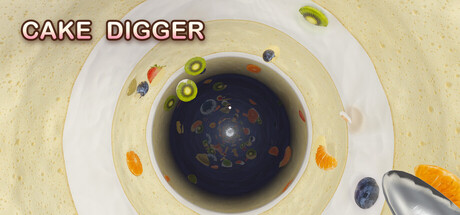 Cake Digger In-game content art | Pre-generated content: Many 3D models and textures used in the game, including cakes, fruit, items, tools, and environmental/shop assets, were generated using Meshy AI and then edited and integrated by the developer. Generative AI was also used to assist in drafting some store-page text, which was reviewed and edited by the developer. No generative AI is used at runtime. No AI-generated voice or music is used. | Iridium Studio | - | Oct 12, 2026 | |
 Planet Pilot In-game content arttextaudio | Some of the art in Planet Pilot was made with generative AI tools during development, then selected, edited and fitted into the game by the developer. This covers the store and key art, many 2D illustrations (mission briefing, Legends, ace, medal and loading pictures, hangar plane pictures, emblems and some painted ground textures), the picture thumbnails in the landmarks list, and the high-detail 3D models of more than 40 landmarks. The game's translations were made with AI tools and reviewed by the developer. In the trailers, the opening 30 seconds of the cinematic trailer and the trailer music and sound effects were made with AI tools. The world, aircraft, flight model and gameplay were built by the developer. Nothing in the game is generated by AI while you play. | Postify Games | - | Oct 12, 2026 | |
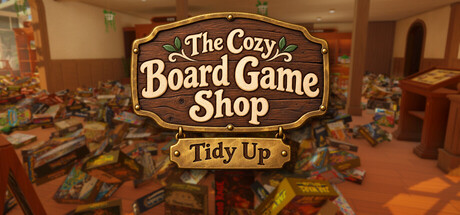 The Cozy Board Game Shop: Tidy Up In-game content artaudio | Some art assets (the board game box covers, in-game posters and the game logo) and the background music were created with the help of generative AI tools, then selected and refined by our small team. Everything else, from the shop itself to the gameplay, was built by hand. No AI content is generated during gameplay. | BoomGames | - | Oct 12, 2026 | |
 Squall Riders In-game content artaudio | Generative AI tools were used during development to create the sky panoramas, several 3D models and textures, the music and sound effects, and the store art. No AI content is generated while you play. | Bitmagic | - | Oct 12, 2026 | |
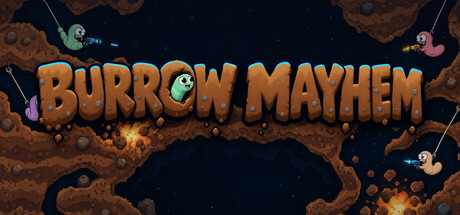 Burrow Mayhem In-game content artaudio | Some weapon images and sound effects in this game were created with the help of generative AI tools and then reviewed and edited by our team. | LEPOR GAMES | - | Oct 12, 2026 | |
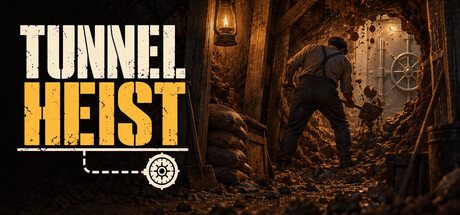 Tunnel Heist In-game content audioarttextcode | Pre-generated content: the character voices, some sound effects, ambience and the music were generated with AI audio tools (ElevenLabs), then selected, edited and mixed by the developer. Most 3D models (props, tools, vehicles) and some 2D artwork (signs, posters, in-game documents, interface illustrations and store art) were generated with AI tools and then integrated, adjusted and reviewed in the game by the developer. The people are built with the open-source MakeHuman tools and animated with motion capture (CMU), not with AI. Translations were made with AI assistance and reviewed. The levels and code were built with AI-assisted tools and reviewed and tested by the developer. No content is generated by AI while you play. | Highlander Interactive | - | Oct 12, 2026 | |
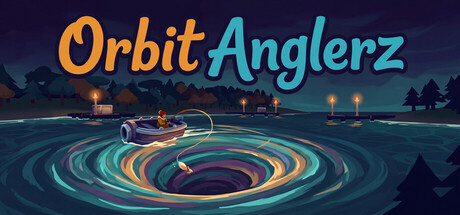 Orbit Anglerz In-game content artaudiotext | Generative AI tools were used throughout this game's production pipeline, alongside traditional development tools and techniques, to speed up iteration and expand what our team can make. AI-assisted content that ships in the game includes 2D artwork, voice narration, sound effects, music and in-game text. Every asset in the final product was selected, reviewed, modified where appropriate, and integrated by the development team. No generative AI content is created during gameplay. | Big Velvet Games | - | Oct 12, 2026 | |
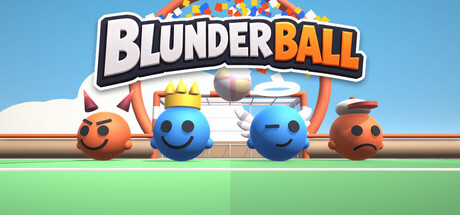 Blunderball In-game content audioart | The music was created with Suno and the logo lettering with an AI image tool (DeeVid); both were edited and are fixed assets in the game. The tutorial voice is text-to-speech. Nothing is generated while the game runs. | Foulplay | - | Oct 12, 2026 | |
 JANGDOK Delivery Store/marketing textart | - (in some languages) In-game text
- (in some languages) Steam store descriptions
- Edited some images for the Steam Store | Hoon Arcade | - | Oct 12, 2026 | |
 SLASHER NIGHT In-game content art | Use for Cover Art and decorative Posters in Game. | N0N | - | Oct 12, 2026 | |
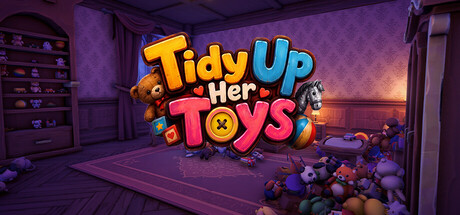 Tidy Up Her Toys In-game content artaudiocode | AI-assisted tools were used during the development of Tidy Up Her Toys as part of the creative and production workflow.
AI was utilized to assist with certain aspects of programming and development, music creation, and the production of selected graphical and visual elements. These tools were used to support the development process, experimentation, iteration, and creative production.
The overall game design, direction, implementation, integration, editing, and final creative decisions were handled by the developer. AI-generated and AI-assisted content was reviewed, adapted, and integrated into the game as part of the development process. | Volkan Kutlubay | - | Oct 12, 2026 | |
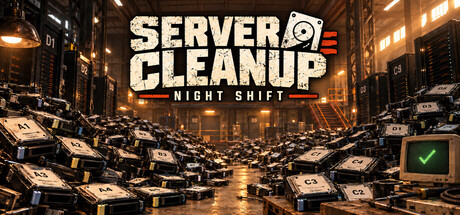 Server Cleanup: Night Shift In-game content art | Some of the images on our store page were created by artificial intelligence and edits were made on the images. and some images in the game were made by artificial intelligence. | BigFish Studio | - | Oct 12, 2026 | |
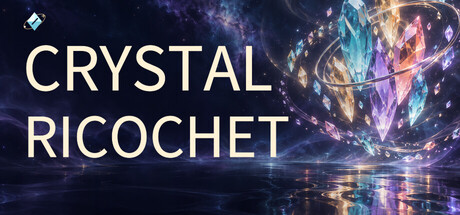 一发收工 Crystal Ricochet In-game content arttext | Generative AI was used for some background and crystal artwork, and assisted with interface and store text localization. These assets are prepared before release. The game does not generate content or connect to AI services during play. | 龙鱼 | - | Oct 12, 2026 | |
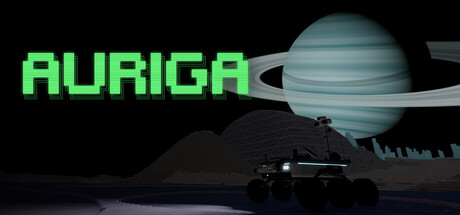 Auriga In-game content arttextcode | Generative AI tools were used during development to help create code, 2D art and text, including draft translations. The developer directed, selected and assembled all of it into the game.
No generative AI runs while you play. Meridian, your companion, is scripted rather than a chatbot, and the game sends nothing to AI services. Planets come from the game's own procedural generator, not an AI model. | NonAverageStudio | - | Oct 12, 2026 | |
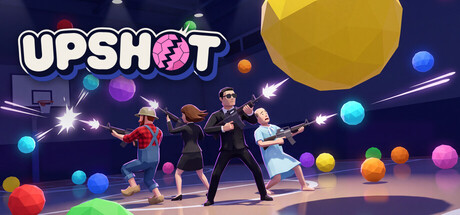 UPSHOT Store/marketing art | AI tools were used to help prepare sketches for the store capsule artwork. | Wazang Games | - | Oct 12, 2026 | |
 弹珠之王 In-game content arttext | Generative AI assisted with some story illustrations and narrative text, as well as store artwork and icons. These materials were reviewed, edited and arranged during development. All content is pre-generated; the game does not connect to AI services or generate content during gameplay. | DONG FENGJIA | - | Oct 12, 2026 | |
 SORT THEM ALPACAS: OVERLOAD! In-game content text | AI tools assisted with translations of some in-game text for localization. | Shy Gekko | - | Oct 12, 2026 | |
 flingkeep In-game content audioarttext | Includes prerecorded AI-generated enemy voices, AI-generated promotional artwork in the Steam assets and trailer, and AI-assisted store-page translations awaiting native review. No AI content is generated during gameplay. | Nextgenrun games | - | Oct 12, 2026 | |
 Fully Funded In-game content text | Some content was made with generative AI: the game's logo, and much of the in-game writing (tutorial text, shop item names and descriptions, and other on-screen text), which was drafted with an AI assistant and edited by the developer. Parts of this store page were written the same way. Everything else - rooms, props, characters, sound and gameplay - is made procedurally in code or comes from CC0 asset kits. Nothing is generated by AI while you play. | PTL Studios | - | Oct 12, 2026 | |
 The Film Archive In-game content artaudiotext | Generative AI was used during development to help create visual assets, including textures and 3D models, as well as music, in-game text, including fictional film titles and catalog descriptions, and translations. AI tools were also used to create store and promotional artwork. All such content was created in advance. The game does not generate AI content during gameplay or connect to external AI services. | Breakwater Forge | - | Oct 12, 2026 | |
 Everbreak In-game content textart | Text for the game and store page was localized with AI assistance. The game's menu and store page feature title artwork created with the help of AI tools. | unomy | - | Oct 12, 2026 | |
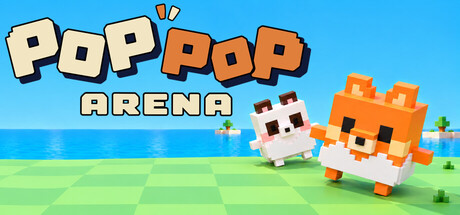 Pop Pop Arena In-game content artaudiotext | Generative AI tools were used during development to create background artwork, images, music, and translations. These are pre-generated assets. No AI content is generated during gameplay. | Team Monolith Inc. | - | Oct 12, 2026 | |
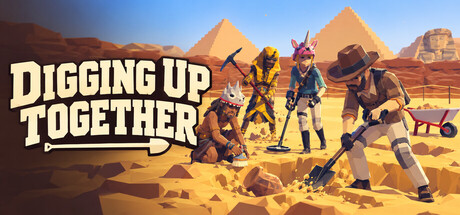 Digging Up Together Store/marketing art | It has been used in the page visuals and logo. | cnsgames | - | Oct 10, 2026 | |
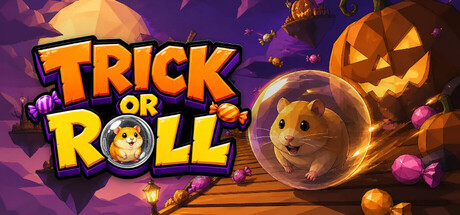 Trick or Roll In-game content artaudio | AI tools created the models, textures, skies, art, music and sound effects during development. No AI content is generated during gameplay. | Bitmagic | - | Oct 10, 2026 | |
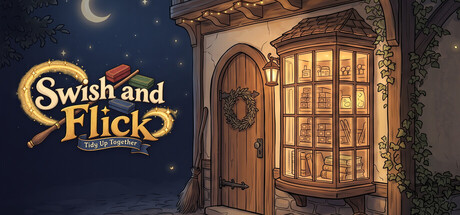 Swish and Flick: Tidy Up Together In-game content artaudio | The game is made by a single developer, with help from two friends. I used generative AI for some of the artwork (backgrounds, portraits, icons, book covers, record sleeves, skies) and for some of the music, selecting, editing and integrating every asset by hand. 3D models were bought from their creators, taken from free libraries or made in Blender, and sound effects come from free sound libraries: all authors are credited in the game. | Sylvanus | - | Oct 10, 2026 | |
 Seasonal Reset: Christmas Edition In-game content audio | AI generated the music for this game | Budder Technology LLC | - | Oct 10, 2026 | |
 Lily or Horse In-game content artaudiotext | During development, AI tools assisted with modifying some existing 3D models, procedurally generating some original models and sound effects, coding, and translating the developer's own ending text. All other assets are licensed asset packs, Creative Commons music and real recordings. No AI content is generated during play. | MetallJellyfish | - | Oct 10, 2026 | |
 CLACKPOT: Marble Bounce Roguelike In-game content arttext | A few in-game images were generated with an AI image tool and edited by the developer. The game's translations were drafted with AI tools and reviewed by the developer. All other art, sound and design were made by the developer. | gamjadeulkkae | - | Oct 10, 2026 | |
 Pocket Sports In-game content artcode | The game's code, some graphics, were created with AI assistance | AC | - | Oct 10, 2026 | |
 Billiard Cat In-game content audioart | Some content in this game and its store materials was created with the help of generative AI:
- Sound effects and background music were generated with Stable Audio (Stability AI) and edited by the developer.
- The trailer narration was generated with ElevenLabs.
- The store capsule artwork was created with Google's image-generation AI (Nano Banana) and finished by hand.
Cat vocalizations (meows, purrs, hisses) are real recordings, not AI-generated. The game does not generate any content with AI during gameplay. | YOIAO | - | Oct 10, 2026 | |
 Sort the Magic Potions: Tidy Up and Shelve In-game content arttext | Generative AI was used only as a supporting tool for the design of some fictional potions, selected game artwork, and language translation. | Sleepless Alchemist | - | Oct 10, 2026 | |
 CloudBurst In-game content audio | The game's sound effects were created with AI audio-generation tools during development, then selected and level-matched by the developer. Nothing is generated by AI while you play. | GabDsg | - | Oct 10, 2026 | |
 Last Call: Bar Simulator In-game content arttextaudio | Generative AI was used to create promotional store artwork and assist with written store descriptions. The game includes Midnight Cocktails, an instrumental background-music track created with Suno. It contains no sung or spoken words. | Marji Development Studio | - | Oct 10, 2026 | |
 The Last UNION In-game content artaudio | Some images in the game were generated using AI tools and then refined by the game's developer. All the music in the game was written by the game's developer, but the mastering was done using AI tools. The 3D character models (all except the zombie mutants) were initially generated via AI and later refined and adapted by the game's developer. | DevStoria | - | Oct 10, 2026 | |
 DesktopKins In-game content artaudiocode | The code base is built with help from AI including artwork and sounds. | IamGru | - | Oct 10, 2026 | |
 I'm not an Idiot In-game content textart | The store texts and parts of the game's content, such as text and some 3D models, were made with the help of generative AI and then reviewed and edited by the developer. Nothing is generated by AI while you play. | alpacaman | - | Oct 10, 2026 | |
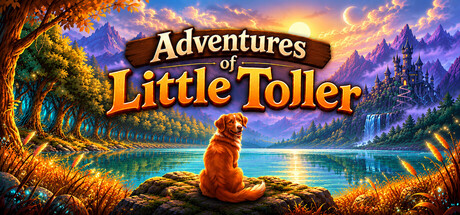 Adventures of Little Toller In-game content artaudiocode | Generative AI tools were used during development to assist with the creation of some artwork, music, and game code. All AI-assisted content was reviewed, edited, and integrated by the developer as part of the game’s creative and development process. | zerooneseven | - | Oct 10, 2026 | |
 Spherion In-game content art | Some pre-rendered 2D artwork and textures, including promotional artwork, were created with generative AI and reviewed and edited by the developer. The game does not generate AI content during play. | DPとーやま | - | Oct 10, 2026 | |
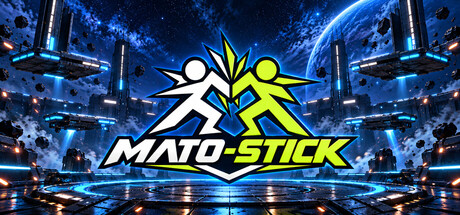 MATO-STICK In-game content artaudiotext | Generative AI tools were used during development to create pre-generated artwork, audio content, and text/translations. These assets are included as fixed content in the game. No content is generated by generative AI during gameplay, and the game does not connect to external generative AI services. | Veyr Works | - | Oct 10, 2026 | |
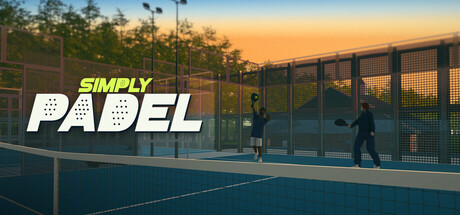 Simply Padel In-game content text | The game's interface translations were made with AI translation tools, and AI tools helped draft some store page text. The game's art, animation, audio and gameplay were not made with generative AI, and no AI content is generated while you play. | Avzilabs | - | Oct 10, 2026 | |
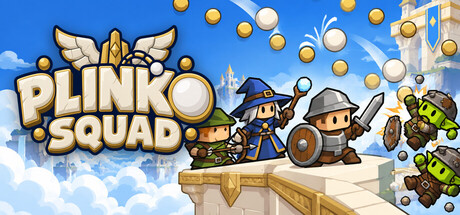 Plinko Squad In-game content arttext | Character art, UI graphics and icons were created with generative AI image tools, then selected and edited by the developer. Some in-game text, translations and store page text were drafted with AI assistance and reviewed by the developer. Nothing is generated by AI while you play. | Natural Nomad | - | Oct 10, 2026 | |
 Put the Ball in the Hole In-game content textart | Some content in this game was made with AI tools: the translations, textures, and interface icons. The music and sound effects are human recordings. Nothing is generated by AI while you play. | Uggly Game Studios | - | Oct 10, 2026 | |
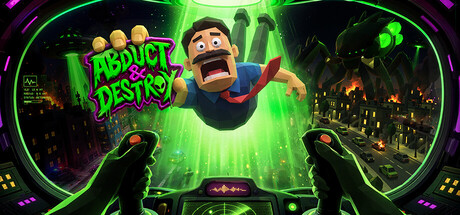 Abduct & Destroy Store/marketing art | Generative AI was used to assist in creating some promotional artwork for the Steam store page. No AI-generated content is created during gameplay. | Studio Soup | - | Oct 10, 2026 | |
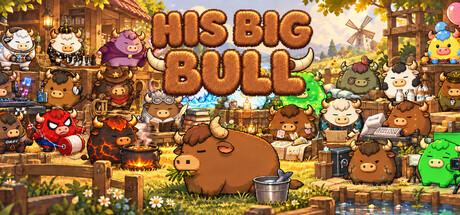 His Big Bull Live AI arttext | Some artwork and localized text were created with generative AI assistance. Optional AI chat generates text replies through a service chosen and configured by the player: OpenAI, Claude, Gemini, DeepSeek, Kimi or a custom compatible endpoint. | Ulysses | - | Oct 10, 2026 | |
 Gamejam In-game content arttext | We use generative AI tools during development for some game art, 3D models and text. Everything generated is selected, edited and integrated by our team. No content is generated while you play, and the app does not connect to AI services. | Sentifold | - | Oct 10, 2026 | |
 CosmoLaunch System In-game content artaudiocode | In the development of this game, artificial intelligence was used in the following areas:
Code and Logic: Game algorithms (including the autopilot systems and the mission generator) were developed with the assistance of AI-powered programming tools and assistants.
Graphics and Audio: Selected graphic/visual elements and the audio design were generated using artificial intelligence tools.
The game does not use generative artificial intelligence to create content in real time during actual gameplay—all assets were pre-generated and are part of the static game content. | LukGames | - | Oct 10, 2026 | |
 Love Locks Store/marketing audiotext | Love Locks is handcrafted with love. Generative AI was used only for marketing materials, voiceovers, and translations. | Collision Games | - | Oct 10, 2026 | |
 Fabulous Football In-game content art | The Steam store page artwork (capsule, header, hero, logo and icon images) was created with the help of a generative AI image tool, using our own prompts and art direction. This artwork is used on the store page only and is not part of the game itself. Screenshots and trailer footage are real in-engine captures. The game itself contains no AI-generated art, audio, voice or text, and it does not use generative AI while you play. | Pedro J Perez | - | Oct 10, 2026 | |
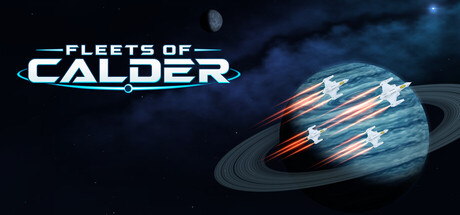 Fleets of Calder Dev only code | The game's artwork, audio and other assets are not AI-generated. The game engine is written from scratch over the course of 8 months in C++ and Simple DirectMedia Layer 2; in which Codex assistance was used for programming. No content is generated by AI during gameplay. No AI service is used during gameplay. All AI actions in the game are classic decision tree based intelligence made. | Strike Wings Games | - | Oct 10, 2026 |


