








Disclosure
Some images shipped in the game were created with generative AI during development and then selected and reviewed by the developer. No other shipped content was generated by AI.
- Creator
- Holy Terra team
- Reviews
- -
- Added
- Sep 29, 2026
Public Steam disclosure research 25,380 disclosures tracked
Search developers’ Steam disclosures, compare classified AI use across games, and follow recorded changes. This index adds cross-game classifications and statistics to statements published on individual store pages.
Code help, debugging and other development work.
Capsule art, trailers and promotional material.
Pre-made art, audio, writing and other game assets.
Interactive or runtime AI features disclosed by the developer.
Groups reflect automatic analysis of public disclosures; mature records are excluded. These counts do not measure AI use across all of Steam. Missing or unclear statements cannot establish whether a game uses AI.
Some images shipped in the game were created with generative AI during development and then selected and reviewed by the developer. No other shipped content was generated by AI.
As a solo developer with a big dream and limited resources, I want to be entirely upfront how this game was built. The vast majority of this game is completely human-made: I crafted the pixel characters, animations, code, and story over the past 10 years. I also utilized incredible royalty-free and purchased assets from human creators like gyvr, Eunity, RafaelMatos, penusbmic, Winlu, Geoff Harvey. The use of generative AI was for touching up and refining the marketing capsule images using Adobe Photoshop tools.
All in-game artwork, music, and sound effects were made by people, not generative AI.
AI is used solely to assist with development, such as for some localization and the creation of internal tools. The game does not include any features that automatically generate content in real-time during gameplay.
Selected visual and audio assets were created with generative AI tools. AI was also used to assist with English and Italian localization, with all localized text reviewed and edited by the developer. No generative AI is used during gameplay.
AI elements were used for the text. No AI-generated content is created during gameplay.
AI tools assisted historical card wording, interface and rules text, Japanese translations, and original procedural game and marketing artwork. Cards include source references. No generative AI runs during gameplay.
All the artwork in the Steam store was generated using AI.
Generative AI tools were used during development to assist with localization, programming, and store/marketing text. All AI-assisted output was reviewed, edited, and integrated by the developer. The game does not use generative AI at runtime and does not generate live AI content.
Generative AI was used during development to assist in the creation of some 3D models and visual assets. These assets are used alongside content created manually by the developer.
Generative AI was used during development to create or assist with some in-game artwork, promotional images, written content, and localization. The game does not use generative AI to generate content during gameplay.
Generative AI is used only for translations in this game.
Generative AI was used as an assistive development tool for programming, debugging and technical problem solving. Some developer created 2D concepts may also be refined using generative AI. Final creative direction, editing, implementation, game design and level design are handled by the developer.
AI Voice over
Some of the game's content was created with the help of generative AI tools and then edited, cleaned up, rigged, animated and integrated by the developer. This includes 3D models of characters and enemies, 2D art such as ability icons, UI elements and some store page artwork, sound effects, and parts of the store page text. All gameplay, design, balance and final assembly were done by the developer.
Most of the game's visual art and sound was pre-generated with AI tools and then selected, edited and placed by the developer: the dungeon panoramas, room props, floors, town and building plates, character portraits, walk and combat sprite sheets, monster, boss and villager sprites, item, skill and stack icons, combat and reward effects, and the store page art were generated with the FLUX.1 image model through fal.ai and animated with AutoSprite; the sound effects, ambience beds, voice barks and music were generated with ElevenLabs. Every generated file, the tool that made it and the prompt that asked for it are recorded in the game's files (assets/README.md and assets/PROMPTS.md). All game text, design, rules and code are written by people. Nothing is generated while you play: the game contains no live AI generation and calls no AI service at runtime.
We used AI to generate artworks only. entire game mechanics, assets and other things are human made
DEADLUCK V was created using generative AI, including its artwork, music, sound effects and written content. This content was generated during development. The game does not generate AI content or connect to AI services during gameplay.
Ai used to create the Steam page art and all the cards art in the game.
This game includes assets created with generative AI during development (official music, song artwork, and drum animations). Nothing is generated while you play, and the game does not connect to an AI service at runtime. Players cannot send prompts to any AI.
Some store and library capsule art was produced with image-generation tools (SDXL and a chat assistant) using our own in-game screenshots as the input image. The underlying game content -- models, textures, code, text -- is authored by us without generative AI. All generated art was reviewed by us before publication.
No art or audio in DEAD TIME is AI-generated: the music and sound effects are CC0 files from Freesound and Kenney, the characters and animations come from Adobe Mixamo, and every set, prop and the logo itself are drawn procedurally by the game's own code. Generative AI was used as a writing assistant for text: the host's lines, the rules manual, the interface strings, their translation into the game's 12 languages, and this store description. Nothing is generated while you play, and the game never connects to an AI service.
Generative AI helped create/edit art assets and assisted with writing code. All game development and art direction choices were made by a human.
Art design and gameplay assisted by AI
Generative AI tools were used during development to help write portions of the game's code and create some UI elements and store promotional materials. These materials were created before release. The game does not generate content with AI during gameplay.
Some visual, audio and written content was created with the help of AI tools and then reworked and finalized by the developer. Nothing is generated while you play.
Generative AI tools were used during development to create or assist with pre-made visual artwork, interface artwork and icons, procedural 3D modeling scripts, prerecorded faction voice lines, sound effects, and music. This includes voice lines and sound effects generated with ElevenLabs. These assets are prepared and integrated into the game before release. The game does not generate AI content during play or connect to an AI generation service. Computer-controlled opponents use scripted game logic.
Generative AI was used to create art assets and assist with localization text. These assets and translations are prepared during development.
Some content in Camping Resort Simulator was made with the help of generative AI tools and then reviewed and reworked by the developer: - base 3D models for some buildings, props and characters, retouched by hand; - the music of the in-game radio; - the first draft of the translations; - some promotional artwork. Nothing is generated by AI while you play.
Some of MoonDoku's art and audio was made with generative AI tools while I built the game: the animated world backdrops, the MoonDoku FM music, a few sound effects, parts of the store and icon art, and a handful of smaller in-game images. I directed, edited, and composited all of it by hand. Everything else is made without generative AI. The puzzles come from my own deterministic generator, the cat is a commissioned 3D model I animated in Blender, and the game design & layout are directly from my brain. Nothing is generated while you play, and the game never talks to an AI service.
Some promotional artwork and visual assets were created with the assistance of generative AI and have been reviewed, refined, and integrated by the developer. No generative AI is used during gameplay.
Generative AI was used by an artist to support visual aspects. The creative process was entirely human-led.
Generative AI tools assisted development and the creation of promotional artwork and some written content. Screenshots and gameplay footage show the actual game. No AI content is generated during gameplay, and the game does not connect to external AI services.
Some content in this game was made with the help of generative AI tools and then reviewed and edited by the developer: parts of the 2D artwork (backgrounds, characters, icons), some sound effects, the trailer narration voice, and first drafts of the translated text. No content is generated by AI during gameplay.
Generative AI tools were used during development to assist with the creation of certain pre-generated visual and 3D art assets used in the game. AI-assisted content is reviewed, selected, edited, and integrated by the developer. Hollowfall does not generate AI content during gameplay.
AI tools assisted with pre-rendered artwork, character illustrations, UI, achievement icons, narrative and marketing materials. No AI content is generated during gameplay.
Generative AI was used during development for a small number of visual assets and background music. All AI-generated content was carefully directed, reviewed, and edited by the developer to maintain the game's quality, consistency, and artistic vision. No AI-generated content is created during gameplay.
The game's original languages are Portuguese and English. Generative AI was used exclusively to translate and localize the text into the other supported languages, making the game accessible to more players worldwide at launch. All code, game design, artwork, audio, and original Portuguese and English text were created by humans.
We use generative AI across all disciplines of game development with heavy amounts of human editing. That involves audio and visual art. We use it as a productivity tool so we can achieve a higher level of quality, faster, than we would have been able to.
Some in-game assets were created with the assistance of generative AI tools during development. All AI-assisted content has been reviewed, edited, and curated by our team before being included in the game. The game does not use generative AI at runtime — no content is generated while you play.
localization assistance.
Generative AI was used during development to create and refine pre-generated visual assets for Legends of the Pitch, including character illustrations, environment artwork, card and interface imagery, and promotional artwork for the Steam store. Screenshots and trailers may display these assets. The developer selected, edited and integrated the final content. No AI content is generated during gameplay, and the game does not connect to any external AI service while playing.
A handful of key art pieces, concept illustrations, and store-page graphics were generated with AI image-generation software to help communicate. This use of AI is limited strictly to marketing materials.
AI was used for assets, code and some sounds
Generative AI was used as a supporting tool for selected elements of the artwork. Most elements were extensively modified and adapted through substantial hands-on work, including repainting, rigging, and animation.
Some promotional artwork for this game (such as the store capsule image) was created with the help of generative AI tools and then edited by hand. All in-game content — 3D models, animations, sound effects, interface and code — was created without generative AI. The game does not use AI during gameplay and does not connect to any external AI service.
Art assets were initially generated using AI image-generation tools, then reviewed, manually edited, and refined by human artists.
AI tools were mainly used to speed up development of the game, not to replace human creativity.
Generative AI tools were used in parts of the developer's workflow: some texture source images (such as water splash sprites and certain ground materials) originate from AI image tools, and the dragon character's base mesh was initially created with AI assistance. All of this content was then extensively hand-edited, sculpted, rigged and integrated by the developer. Some music tracks were generated with Suno (licensed under a paid subscription). The world itself, the environment models and the game's art direction are hand-made. The game does not generate any content at runtime.
Card and key art generated with AI tools to a studio style guide, then hand-composited in Photoshop; all text, UI, code and music are original or purchased assets.
| Title⇅ | Disclosure | Creator⇅ | Src | Reviews⇅ | Added↓ |
|---|---|---|---|---|---|
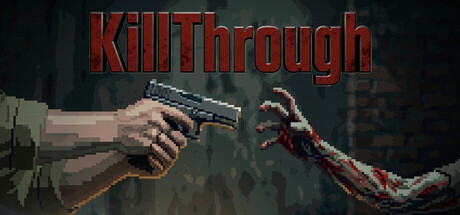 Kill Through In-game content art | Some images shipped in the game were created with generative AI during development and then selected and reviewed by the developer. No other shipped content was generated by AI. | Holy Terra team | - | Sep 29, 2026 | |
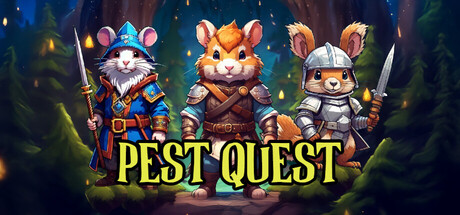 Pest Quest Store/marketing art | As a solo developer with a big dream and limited resources, I want to be entirely upfront how this game was built. The vast majority of this game is completely human-made: I crafted the pixel characters, animations, code, and story over the past 10 years. I also utilized incredible royalty-free and purchased assets from human creators like gyvr, Eunity, RafaelMatos, penusbmic, Winlu, Geoff Harvey.
The use of generative AI was for touching up and refining the marketing capsule images using Adobe Photoshop tools. | AzamaruStudio | - | Sep 29, 2026 | |
 Digging A Hole In Ice With A Chainsaw general | All in-game artwork, music, and sound effects were made by people, not generative AI. | Four Games | - | Sep 29, 2026 | |
 俺たちのボトルフリップ : Flip or Fade In-game content text | AI is used solely to assist with development, such as for some localization and the creation of internal tools.
The game does not include any features that automatically generate content in real-time during gameplay. | Unagi Tech | - | Sep 29, 2026 | |
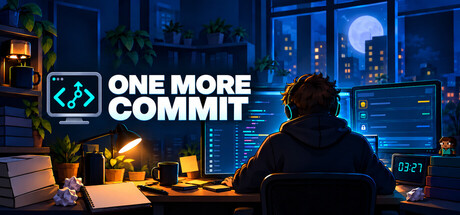 One More Commit In-game content artaudiotext | Selected visual and audio assets were created with generative AI tools. AI was also used to assist with English and Italian localization, with all localized text reviewed and edited by the developer. No generative AI is used during gameplay. | VD Interactive | - | Sep 28, 2026 | |
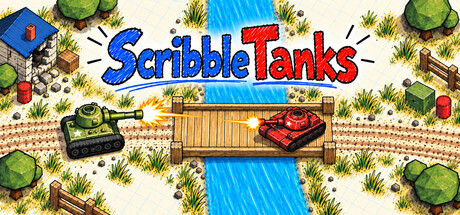 Scribble Tanks Dev only text | AI elements were used for the text. No AI-generated content is created during gameplay. | Alexander Komissarov | - | Sep 28, 2026 | |
 Dates at the Table In-game content textart | AI tools assisted historical card wording, interface and rules text, Japanese translations, and original procedural game and marketing artwork. Cards include source references. No generative AI runs during gameplay. | Luka Yeaman | - | Sep 28, 2026 | |
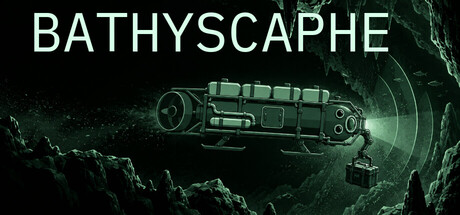 Bathyscaphe Store/marketing art | All the artwork in the Steam store was generated using AI. | WaterGamers | - | Sep 28, 2026 | |
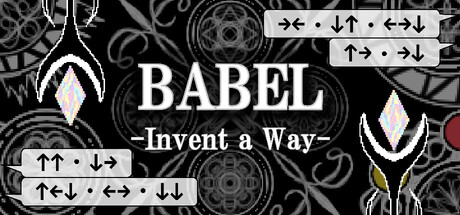 BABEL: Invent a Way Store/marketing textcode | Generative AI tools were used during development to assist with localization, programming, and store/marketing text. All AI-assisted output was reviewed, edited, and integrated by the developer. The game does not use generative AI at runtime and does not generate live AI content. | NthAxs | - | Sep 28, 2026 | |
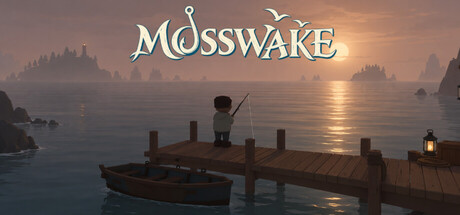 Cast Away In-game content art | Generative AI was used during development to assist in the creation of some 3D models and visual assets. These assets are used alongside content created manually by the developer. | Nightspire Games | - | Sep 28, 2026 | |
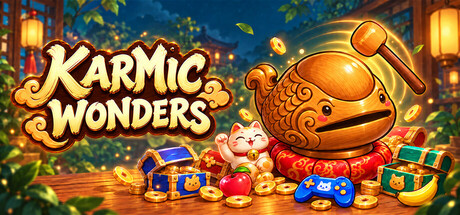 Karmic Wonders In-game content arttext | Generative AI was used during development to create or assist with some in-game artwork, promotional images, written content, and localization. The game does not use generative AI to generate content during gameplay. | WU QIU DONG | - | Sep 28, 2026 | |
 Just Pancake Simulator In-game content text | Generative AI is used only for translations in this game. | ovov games | - | Sep 28, 2026 | |
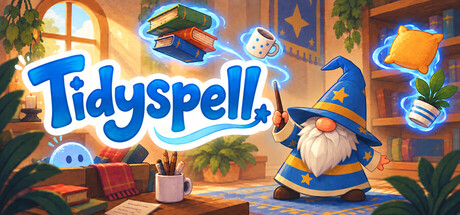 Tidyspell In-game content codeart | Generative AI was used as an assistive development tool for programming, debugging and technical problem solving. Some developer created 2D concepts may also be refined using generative AI. Final creative direction, editing, implementation, game design and level design are handled by the developer. | Turshu Games | - | Sep 28, 2026 | |
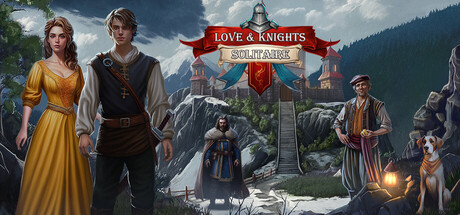 Love&Knights Solitaire In-game content audio | AI Voice over | DigiMight | - | Sep 28, 2026 | |
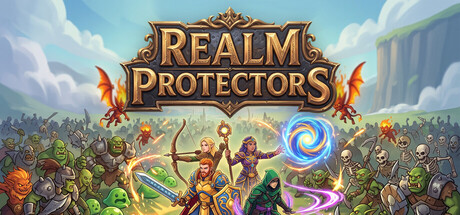 Realm Protectors In-game content artaudiotext | Some of the game's content was created with the help of generative AI tools and then edited, cleaned up, rigged, animated and integrated by the developer. This includes 3D models of characters and enemies, 2D art such as ability icons, UI elements and some store page artwork, sound effects, and parts of the store page text. All gameplay, design, balance and final assembly were done by the developer. | slimevault | - | Sep 28, 2026 | |
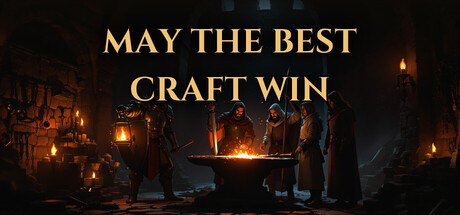 May the Best Craft Win In-game content artaudio | Most of the game's visual art and sound was pre-generated with AI tools and then selected, edited and placed by the developer: the dungeon panoramas, room props, floors, town and building plates, character portraits, walk and combat sprite sheets, monster, boss and villager sprites, item, skill and stack icons, combat and reward effects, and the store page art were generated with the FLUX.1 image model through fal.ai and animated with AutoSprite; the sound effects, ambience beds, voice barks and music were generated with ElevenLabs. Every generated file, the tool that made it and the prompt that asked for it are recorded in the game's files (assets/README.md and assets/PROMPTS.md). All game text, design, rules and code are written by people. Nothing is generated while you play: the game contains no live AI generation and calls no AI service at runtime. | SCVI Media | - | Sep 28, 2026 | |
 DEADLINE: LAST CHECKPOINT In-game content art | We used AI to generate artworks only. entire game mechanics, assets and other things are human made | Redcontroller Interactive | - | Sep 28, 2026 | |
 DEADLUCK V In-game content artaudiotext | DEADLUCK V was created using generative AI, including its artwork, music, sound effects and written content. This content was generated during development. The game does not generate AI content or connect to AI services during gameplay. | DEADLUCK publishing | - | Sep 28, 2026 | |
 EchoMon: Pack & Stack! In-game content art | Ai used to create the Steam page art and all the cards art in the game. | Binary Lunar | - | Sep 28, 2026 | |
 Music Maniaz In-game content artaudio | This game includes assets created with generative AI during development (official music, song artwork, and drum animations). Nothing is generated while you play, and the game does not connect to an AI service at runtime. Players cannot send prompts to any AI. | Maniaz | - | Sep 28, 2026 | |
 Dealer's Tell: All Bets Are Final Store/marketing art | Some store and library capsule art was produced with image-generation tools
(SDXL and a chat assistant) using our own in-game screenshots as the input
image. The underlying game content -- models, textures, code, text -- is
authored by us without generative AI. All generated art was reviewed by us
before publication. | MistaNonik | - | Sep 28, 2026 | |
 DEAD TIME In-game content text | No art or audio in DEAD TIME is AI-generated: the music and sound effects are CC0 files from Freesound and Kenney, the characters and animations come from Adobe Mixamo, and every set, prop and the logo itself are drawn procedurally by the game's own code.
Generative AI was used as a writing assistant for text: the host's lines, the rules manual, the interface strings, their translation into the game's 12 languages, and this store description. Nothing is generated while you play, and the game never connects to an AI service. | Sheep Arcade | - | Sep 28, 2026 | |
 STARZ.PEG In-game content artcode | Generative AI helped create/edit art assets and assisted with writing code. All game development and art direction choices were made by a human. | Loop Logic | - | Sep 28, 2026 | |
 Nekomancer In-game content arttext | Art design and gameplay assisted by AI | Company Named | - | Sep 28, 2026 | |
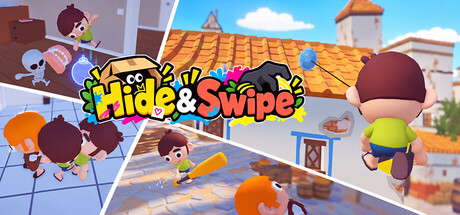 Hide & Swipe Store/marketing codeart | Generative AI tools were used during development to help write portions of the game's code and create some UI elements and store promotional materials. These materials were created before release. The game does not generate content with AI during gameplay. | AWeekGame | - | Sep 28, 2026 | |
 Don't Let Him Cook In-game content artaudiotext | Some visual, audio and written content was created with the help of AI tools and then reworked and finalized by the developer. Nothing is generated while you play. | @games | - | Sep 28, 2026 | |
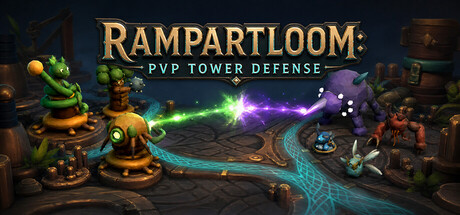 Rampartloom: PvP Tower Defense In-game content artaudio | Generative AI tools were used during development to create or assist with pre-made visual artwork, interface artwork and icons, procedural 3D modeling scripts, prerecorded faction voice lines, sound effects, and music. This includes voice lines and sound effects generated with ElevenLabs. These assets are prepared and integrated into the game before release. The game does not generate AI content during play or connect to an AI generation service. Computer-controlled opponents use scripted game logic. | Mumin Bayar | - | Sep 28, 2026 | |
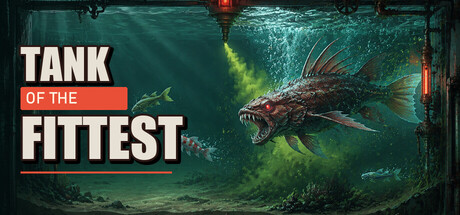 开缸大吉 In-game content arttext | Generative AI was used to create art assets and assist with localization text. These assets and translations are prepared during development. | Wuhan Wind Tunnel Network Technology Co., Ltd. | - | Sep 28, 2026 | |
 Camping Resort Simulator In-game content artaudiotext | Some content in Camping Resort Simulator was made with the help of generative AI tools and then reviewed and reworked by the developer:
- base 3D models for some buildings, props and characters, retouched by hand;
- the music of the in-game radio;
- the first draft of the translations;
- some promotional artwork.
Nothing is generated by AI while you play. | Cottondream Studios | - | Sep 28, 2026 | |
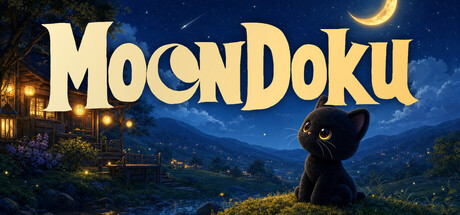 MoonDoku In-game content artaudio | Some of MoonDoku's art and audio was made with generative AI tools while I built the game: the animated world backdrops, the MoonDoku FM music, a few sound effects, parts of the store and icon art, and a handful of smaller in-game images. I directed, edited, and composited all of it by hand.
Everything else is made without generative AI. The puzzles come from my own deterministic generator, the cat is a commissioned 3D model I animated in Blender, and the game design & layout are directly from my brain.
Nothing is generated while you play, and the game never talks to an AI service. | Altamont Interactive | - | Sep 28, 2026 | |
 Battle Quads Store/marketing art | Some promotional artwork and visual assets were created with the assistance of generative AI and have been reviewed, refined, and integrated by the developer. No generative AI is used during gameplay. | Millenary Games | - | Sep 28, 2026 | |
 Soap Soup Tycoon Dev only art | Generative AI was used by an artist to support visual aspects. The creative process was entirely human-led. | Cosnyx Studios | - | Sep 28, 2026 | |
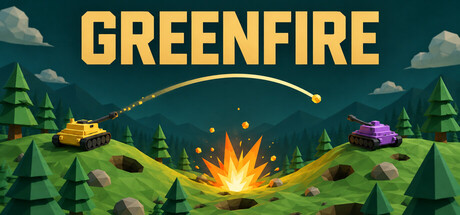 Greenfire Store/marketing arttext | Generative AI tools assisted development and the creation of promotional artwork and some written content. Screenshots and gameplay footage show the actual game. No AI content is generated during gameplay, and the game does not connect to external AI services. | Lee Doren | - | Sep 27, 2026 | |
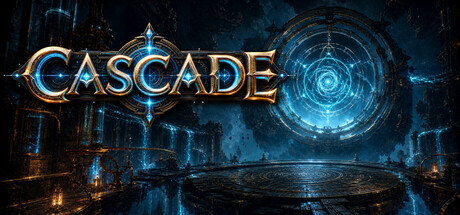 Cascade In-game content artaudiotext | Some content in this game was made with the help of generative AI tools and then reviewed and edited by the developer: parts of the 2D artwork (backgrounds, characters, icons), some sound effects, the trailer narration voice, and first drafts of the translated text. No content is generated by AI during gameplay. | 14Dimension Enterprise | - | Sep 27, 2026 | |
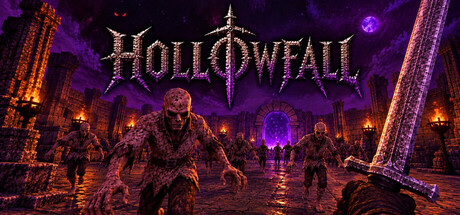 Hollowfall In-game content art | Generative AI tools were used during development to assist with the creation of certain pre-generated visual and 3D art assets used in the game. AI-assisted content is reviewed, selected, edited, and integrated by the developer. Hollowfall does not generate AI content during gameplay. | Afterlight Games | - | Sep 27, 2026 | |
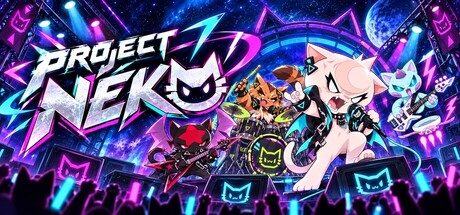 Project Neko In-game content arttext | AI tools assisted with pre-rendered artwork, character illustrations, UI, achievement icons, narrative and marketing materials. No AI content is generated during gameplay. | Nuclear Kitty Games | - | Sep 27, 2026 | |
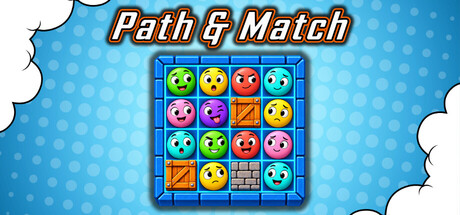 Path & Match In-game content artaudio | Generative AI was used during development for a small number of visual assets and background music. All AI-generated content was carefully directed, reviewed, and edited by the developer to maintain the game's quality, consistency, and artistic vision. No AI-generated content is created during gameplay. | RK9 Games | - | Sep 27, 2026 | |
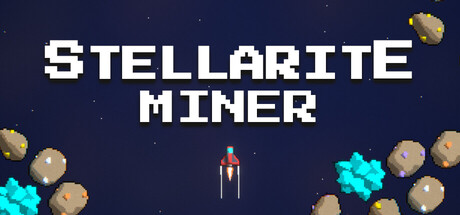 Stellarite Miner In-game content text | The game's original languages are Portuguese and English. Generative AI was used exclusively to translate and localize the text into the other supported languages, making the game accessible to more players worldwide at launch. All code, game design, artwork, audio, and original Portuguese and English text were created by humans. | Rising Moon Games | - | Sep 27, 2026 | |
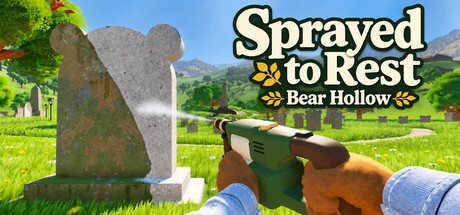 Sprayed to Rest: Bear Hollow Unclear artaudio | We use generative AI across all disciplines of game development with heavy amounts of human editing. That involves audio and visual art. We use it as a productivity tool so we can achieve a higher level of quality, faster, than we would have been able to. | Over The Moon | - | Sep 27, 2026 | |
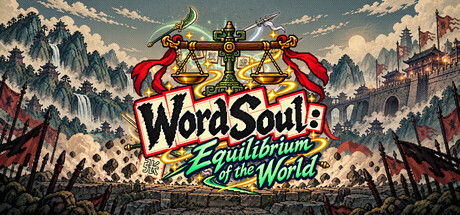 字魂三国:均衡天下 In-game content artaudiocodetext | Some in-game assets were created with the assistance of generative AI tools during development. All AI-assisted content has been reviewed, edited, and curated by our team before being included in the game. The game does not use generative AI at runtime — no content is generated while you play. | 歪DOC | - | Sep 27, 2026 | |
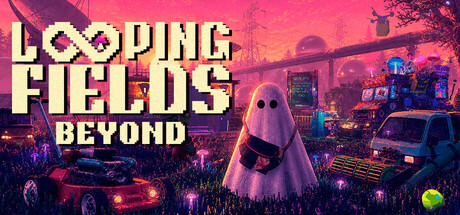 Looping Fields Beyond In-game content text | localization assistance. | Zakharov Viacheslav | - | Sep 27, 2026 | |
 Legends of the Pitch In-game content art | Generative AI was used during development to create and refine pre-generated visual assets for Legends of the Pitch, including character illustrations, environment artwork, card and interface imagery, and promotional artwork for the Steam store. Screenshots and trailers may display these assets. The developer selected, edited and integrated the final content. No AI content is generated during gameplay, and the game does not connect to any external AI service while playing. | LZQI STUDIOS | - | Sep 27, 2026 | |
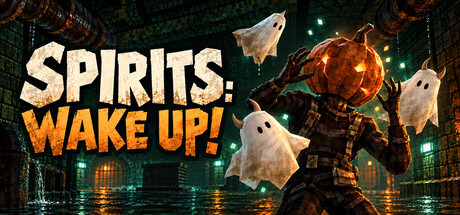 Spirits: Wake Up! Store/marketing art | A handful of key art pieces, concept illustrations, and store-page graphics were generated with AI image-generation software to help communicate. This use of AI is limited strictly to marketing materials. | DodoModo | - | Sep 27, 2026 | |
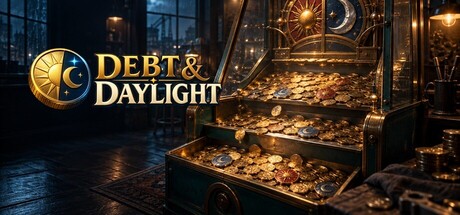 Debt & Daylight In-game content artcodeaudio | AI was used for assets, code and some sounds | Nextgenrun games | - | Sep 27, 2026 | |
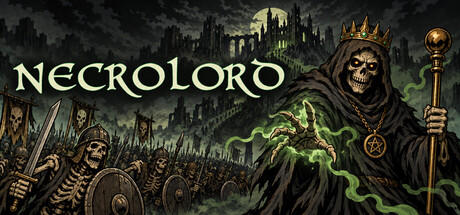 Necrolord In-game content art | Generative AI was used as a supporting tool for selected elements of the artwork. Most elements were extensively modified and adapted through substantial hands-on work, including repainting, rigging, and animation. | Daniel Nasseh | - | Sep 27, 2026 | |
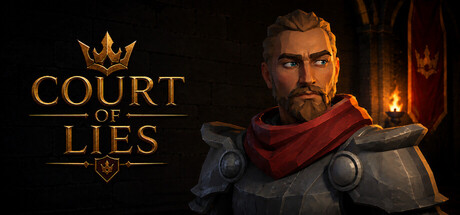 Court of Lies art | Some promotional artwork for this game (such as the store capsule image)
was created with the help of generative AI tools and then edited by hand.
All in-game content — 3D models, animations, sound effects, interface and
code — was created without generative AI. The game does not use AI during
gameplay and does not connect to any external AI service. | TAMGA Games | - | Sep 27, 2026 | |
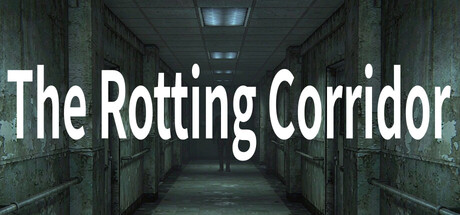 The Rotting Corridor In-game content art | Art assets were initially generated using AI image-generation tools, then reviewed, manually edited, and refined by human artists. | NimbusCode Studio | - | Sep 27, 2026 | |
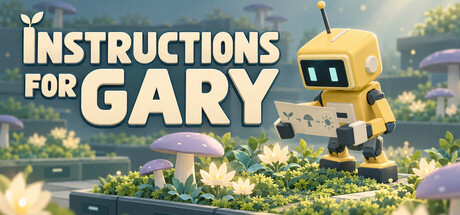 Instructions for Gary Dev only | AI tools were mainly used to speed up development of the game, not to replace human creativity. | Slade | - | Sep 27, 2026 | |
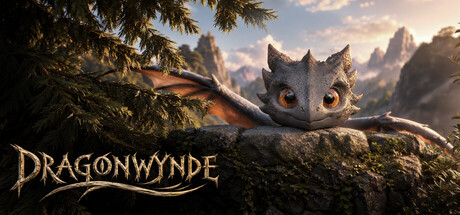 Dragonwynde In-game content artaudio | Generative AI tools were used in parts of the developer's workflow: some texture source images (such as water splash sprites and certain ground materials) originate from AI image tools, and the dragon character's base mesh was initially created with AI assistance. All of this content was then extensively hand-edited, sculpted, rigged and integrated by the developer. Some music tracks were generated with Suno (licensed under a paid subscription). The world itself, the environment models and the game's art direction are hand-made. The game does not generate any content at runtime. | Ikihonka Studios | - | Sep 27, 2026 | |
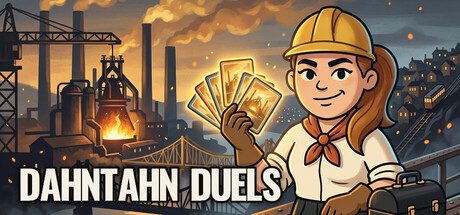 Dahntahn Duels Store/marketing art | Card and key art generated with AI tools to a studio style guide, then hand-composited in Photoshop; all text, UI, code and music are original or purchased assets. | Git Aht Games | - | Sep 27, 2026 |


