Public Steam disclosure research25,380 disclosures tracked
Where do games disclose AI use?
Search developers’ Steam disclosures, compare classified AI use across
games, and follow recorded changes.
This index adds cross-game classifications and statistics to
statements published on individual store pages.
Groups reflect automatic analysis of public disclosures; mature records are excluded. These counts do not measure AI use across all of Steam.
Missing or unclear statements cannot establish whether a game uses AI.
Generative AI tools were used during development to create some pre-generated 2D concept art and visual assets that appear in the game and its marketing materials. These assets were selected, edited, integrated, and reviewed by the development team. The game does not generate AI content while it is running.
AI was used to generate some temporary artwork for the store page and in-game placeholder character sprites, as well as to assist with translation during localization. Temporary AI-generated assets will be replaced with final artwork during development. All content is reviewed by the development team.
Ash Run '84 is a human-designed game built with the assistance of AI tools in specific areas of development.
*Gameplay, mechanics, game design, level design, balance, pixel art units, buildings, tiles, UI, and production direction were created by our two-person development team.*
AI Created:
- Commander portraits are currently AI-assisted placeholder artwork. We plan to replace them with original human-created artwork as development continues.
- Music is currently AI-generated for this release. If the game receives sufficient support, we intend to commission an original soundtrack composed by a human musician.
- Programming was developed by our team with AI-assisted coding tools used to accelerate implementation, debugging, testing, and iteration. All code was reviewed, integrated, and directed by the developers.
Generative AI tools were used during development to assist with programming and to create or refine portions of the game’s artwork, visual assets, sound effects, and other audio. All AI-assisted content was selected, edited, integrated, and reviewed by the developer. The game does not generate AI content or connect to external AI services during gameplay.
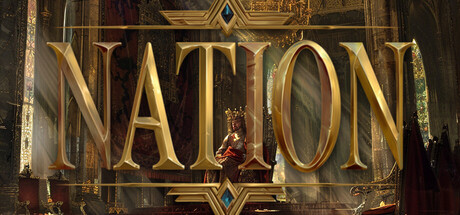
Some of Nation's 2D artwork — character portraits, card illustrations, backgrounds, and store/marketing images — was created with the assistance of generative AI tools, then selected, edited, and composited by our team. All game design, rules, writing, and code are human-made. The game does not generate content with AI while you play.
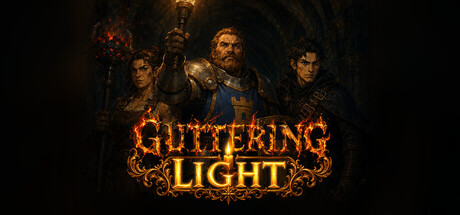
Guttering Light's content was created using generative AI tools, with every piece prompted, curated, and integrated by the game's solo developer. All AI-generated content is pre-generated: it was reviewed and hand-finished during development, and nothing is generated while you play.
Some of the capsule artwork on this store page was created with the help of AI tools. No AI-generated content is used in the game's in-game art, code, audio or text.
During development, OpenAI image generation tools were used to create portions of the game's 2D artwork, including characters, monsters, backgrounds, UI elements, and icons. Suno was used to create portions of the background music, and ElevenLabs was used to create portions of the sound effects. Generative AI was also used as a drafting and editing aid for some in-game writing and localization.
All generated material was selected, edited, processed, and reviewed by the developer before inclusion in the game. The game does not connect to generative AI services at runtime and does not generate content from player input.
This game uses generative AI for the following:
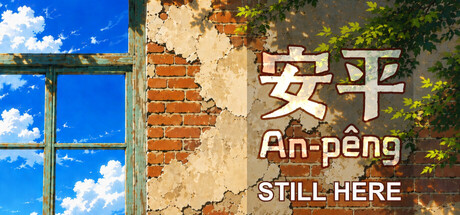
Images: the source material for both the scene artwork and the item icons (backpack, hand cart and so on) is photographs taken by the developer — the scenes in the lanes, stairwells and apartment courtyards of Anping, Tainan; the items shot as physical objects. Each photograph is processed first — removing things that should not appear in frame, commercial branding, and anything touching on privacy — and then stylised into animation by AI.
Music: planned to be AI-generated (not yet implemented).
Localisation: Traditional Chinese is the language the game is written in. Every other language — English, Japanese, German, and Taiwanese Pe̍h-ōe-jī — is AI-translated, with no native-speaker editing pass. If you find a mistake, please do tell me.
Store page and marketing images also include AI-generated elements.
Some music, sound effects, and UI icons in this game were created with the assistance of generative AI tools during development. All AI-generated content has been directly reviewed, selected, and retouched for optimal integration.
Generative AI tools were used to create some background assets used within the actual game client. All game assets created this way were pre-generated and fixed by the developer.
Generative artwork is used in the creation of part or full of assets that can not be generated by the game engine. AI is used in the drafting of art and writing before it is reviewed and heavily edited.
The shipped game contains no AI-generated art, audio or written content, and uses no AI at runtime — it runs entirely offline. Some AI tools (like ChatGPT and Claud code) were used during the development of the game for research purposes and reviewing. All game source code is human-written, human-reviewed and occasionally reviewed/tested by AI tools.
Generative AI was used in the development of this game. 2D artwork (characters, familiars, cards, backgrounds, etc.) was created with image-generation AI, then curated, edited, and retouched by the developer. AI-assisted tools were also used during development (e.g., programming). No AI content is generated at runtime. BOT opponents are rule-based programs, not generative AI.
Generative AI was used during development to assist with some pre-generated visual artwork. The development team reviewed and curated the AI-assisted artwork before including it in the game. No generative AI content is created during gameplay, and no player data or input is sent to an AI service.
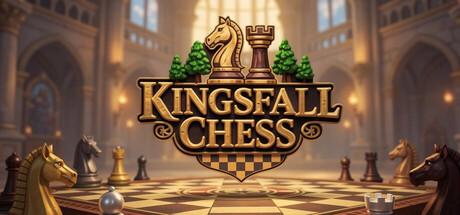
Kingsfall:Chess uses pre-generated AI-generated imagery for some visual assets within the game and promotional/store materials. Other visual assets were created by artists using traditional methods. No content is generated by AI during gameplay.
The two announcer voices, BroadcASH and BOBcast, are generated with ElevenLabs from scripts we write and edit ourselves. Every line is approved, levelled and listened to by hand before it ships.
Nothing else in the game is AI generated. The card art is emoji placeholder today, and is being replaced with original illustrations commissioned from human artists. The music is composed in-house by our own procedural scripts, and every track has a written provenance log. The rules, the design and the natural history research are ours.
Some marketing and store copy is drafted with AI assistance and edited before use.
Generative AI was used during development to create some 2D artwork, specifically cover art and certain in-game officer portraits. These assets were reviewed and integrated by the developer before release. They are pre-generated static files included with the game. The game does not use generative AI at runtime, and no content is generated or modified based on player input.
Image assets and some localized text were created with generative AI assistance, then manually processed and reviewed by the developer. No content is generated at runtime.
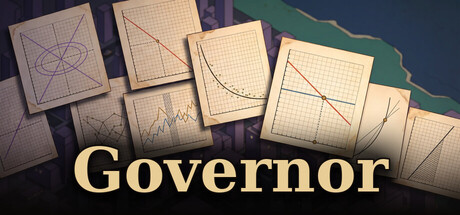
Some of the pre-rendered 2D art shipped with the game (era intermission illustrations, panel icons, campaign cover images and the Economic Association hall with economist portraits) was produced with generative image tools (fal.ai, Krea) from prompts authored by the developer, then post-processed by hand and by scripts in tools/. No generative AI is used at runtime. The game's simulation code, UI, isometric city renderer, world map (built from Natural Earth data) and all text, including the three interface languages, are authored by the developer.
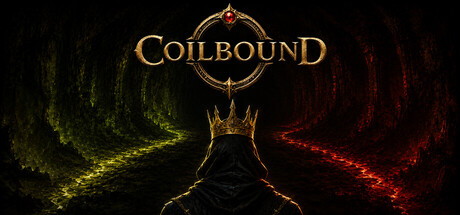
Some of the visual artwork in Coilbound — including character and card illustrations, environment art, and store assets — was created with the assistance of generative AI image tools during development. All generated content was reviewed, edited, and curated by the developer. Coilbound does not use any AI-generated content in real time during gameplay.
This game uses artificial intelligence to assist in generating art assets and supplementing the game code architecture. (AI was not used for game design or music.)
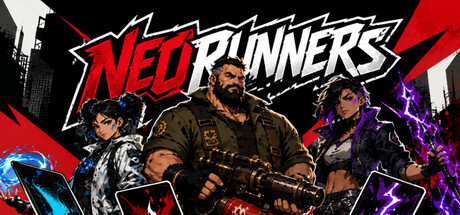
NeoRunners uses generative AI tools as part of its development process. AI-assisted content includes portions of the game's visual artwork and UI assets, promotional/store artwork, and character voice audio. These assets are generated and/or iterated on during development and are reviewed, selected, edited, and integrated by the development team before being included in the game. The game does not generate this content dynamically during gameplay.
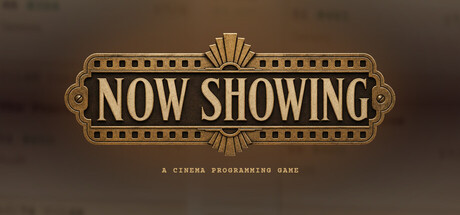
Some visual assets in this game and on this store page were made with the assistance of generative AI tools and then edited by hand — specifically, the game's logo and the decorative border of the certificate you are awarded at the end of a run. Everything else was authored by the developer: all other art, all interface text, all film titles, and all game data. Nothing is generated while you play. The game makes no network connection of any kind.
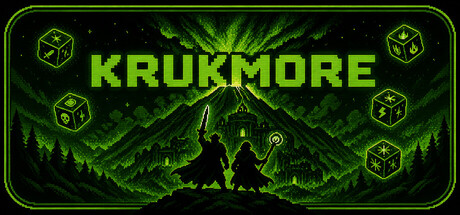
Krukmore is developed by a solo developer who uses generative AI as part of the production pipeline. Character and environment sprite art was created using AI image generation, then processed, edited, and integrated by hand. Portions of the game's code were written with AI assistance under the developer's direction, with all systems designed, reviewed, and tested by the developer. All AI-generated content is created during development ("pre-generated") — the game does not generate any content while you play, and no AI runs on your machine. Game design, writing, and all creative decisions are the work of the developer.
This game contains pre-generated AI-assisted visual assets, including promotional images, icons, artwork, character portraits, and some UI elements. No live or runtime AI is used during gameplay. All gameplay, mechanics, code, and player interactions are handcrafted.
The card illustrations, background art and background music in this game were created with generative AI tools during development. All of it is produced ahead of time, reviewed and selected by the developer, and shipped as fixed asset files. The game does not generate any content at runtime and does not connect to any AI service while you play.
Some of the art assets in this game utilize image resources provided by third parties, which were created using generative AI technology and subsequently modified manually. Specifically, these involve character illustrations and scene background image.Outside the game: achievement icons, promotional images, and Library images
Generated code is applied to:
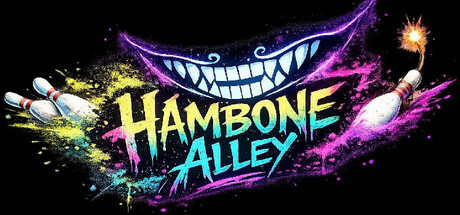
Create some shaders (like smoke and vertex snapping)
Procedurally draw billboard objects like pins and balls.
Procedurally produce sfx like pin knock sounds.
Some Store art is temporary generative concept art.
In-game Graffiti is hand drawn and not a product of generative AI.
This game uses generative AI to create visual assets, including character portraits, event CGs, and background images. All generated images were selected, adjusted, and finalized by the developer.
The scenario, dialogue, game design, and system programming were created by the developer. AI translation assistance was used as part of the localization process, with the results reviewed by the developer.
Generative AI tools were used during development to assist with the creation of some visual assets, store artwork and initial localization drafts. All generated content was reviewed, edited, and integrated by the developer.
Immortal Chess does not generate AI content during gameplay.
Some card illustrations currently use AI-generated artwork. Following the game’s full release, these illustrations will gradually be replaced with artwork created by professional artists.
This game adopts generative AI technology to provide players with real-time interactive text dialogue with in-game NPCs. We have set strict content filtering rules to prevent the generation of inappropriate, illegal, pornographic or violent content. Players can report improper AI outputs through Steam's built-in marking tool.
The game's design, rules, simulation, scenarios, and text are all authored by people. Some event background illustrations and background music were produced with generative tools run in-house by the development team, and every asset was then accepted or rejected by a human. The game does not generate any content while it runs.
Some in-game art - including relic icons, character/enemy art, and background imagery - was created with the assistance of generative AI tools during development. Some written content, such as boss dialogue and relic/item flavor text, was drafted with the assistance of generative AI and then reviewed and edited by the development team before being included in the game.
AI translation tools were used to produce the localized text for the game. Additionally, initial concept drafts for select visual assets were generated using AI, but were subsequently heavily modified, painted over, and finalized by human artists.
Generative AI tools were used during development to create some pre-generated 2D concept art and visual assets that appear in the game and its marketing materials. These assets were selected, edited, integrated, and reviewed by the development team. The game does not generate AI content while it is running.
AI was used to generate some temporary artwork for the store page and in-game placeholder character sprites, as well as to assist with translation during localization. Temporary AI-generated assets will be replaced with final artwork during development. All content is reviewed by the development team.
Ash Run '84 is a human-designed game built with the assistance of AI tools in specific areas of development.
*Gameplay, mechanics, game design, level design, balance, pixel art units, buildings, tiles, UI, and production direction were created by our two-person development team.*
AI Created:
- Commander portraits are currently AI-assisted placeholder artwork. We plan to replace them with original human-created artwork as development continues.
- Music is currently AI-generated for this release. If the game receives sufficient support, we intend to commission an original soundtrack composed by a human musician.
- Programming was developed by our team with AI-assisted coding tools used to accelerate implementation, debugging, testing, and iteration. All code was reviewed, integrated, and directed by the developers.
Generative AI tools were used during development to assist with programming and to create or refine portions of the game’s artwork, visual assets, sound effects, and other audio. All AI-assisted content was selected, edited, integrated, and reviewed by the developer. The game does not generate AI content or connect to external AI services during gameplay.
Some of Nation's 2D artwork — character portraits, card illustrations, backgrounds, and store/marketing images — was created with the assistance of generative AI tools, then selected, edited, and composited by our team. All game design, rules, writing, and code are human-made. The game does not generate content with AI while you play.
Guttering Light's content was created using generative AI tools, with every piece prompted, curated, and integrated by the game's solo developer. All AI-generated content is pre-generated: it was reviewed and hand-finished during development, and nothing is generated while you play.
Some of the capsule artwork on this store page was created with the help of AI tools. No AI-generated content is used in the game's in-game art, code, audio or text.
During development, OpenAI image generation tools were used to create portions of the game's 2D artwork, including characters, monsters, backgrounds, UI elements, and icons. Suno was used to create portions of the background music, and ElevenLabs was used to create portions of the sound effects. Generative AI was also used as a drafting and editing aid for some in-game writing and localization.
All generated material was selected, edited, processed, and reviewed by the developer before inclusion in the game. The game does not connect to generative AI services at runtime and does not generate content from player input.
This game uses generative AI for the following:
Images: the source material for both the scene artwork and the item icons (backpack, hand cart and so on) is photographs taken by the developer — the scenes in the lanes, stairwells and apartment courtyards of Anping, Tainan; the items shot as physical objects. Each photograph is processed first — removing things that should not appear in frame, commercial branding, and anything touching on privacy — and then stylised into animation by AI.
Music: planned to be AI-generated (not yet implemented).
Localisation: Traditional Chinese is the language the game is written in. Every other language — English, Japanese, German, and Taiwanese Pe̍h-ōe-jī — is AI-translated, with no native-speaker editing pass. If you find a mistake, please do tell me.
Store page and marketing images also include AI-generated elements.
Some music, sound effects, and UI icons in this game were created with the assistance of generative AI tools during development. All AI-generated content has been directly reviewed, selected, and retouched for optimal integration.
Generative AI tools were used to create some background assets used within the actual game client. All game assets created this way were pre-generated and fixed by the developer.
Generative artwork is used in the creation of part or full of assets that can not be generated by the game engine. AI is used in the drafting of art and writing before it is reviewed and heavily edited.
The shipped game contains no AI-generated art, audio or written content, and uses no AI at runtime — it runs entirely offline. Some AI tools (like ChatGPT and Claud code) were used during the development of the game for research purposes and reviewing. All game source code is human-written, human-reviewed and occasionally reviewed/tested by AI tools.
Generative AI was used in the development of this game. 2D artwork (characters, familiars, cards, backgrounds, etc.) was created with image-generation AI, then curated, edited, and retouched by the developer. AI-assisted tools were also used during development (e.g., programming). No AI content is generated at runtime. BOT opponents are rule-based programs, not generative AI.
Generative AI was used during development to assist with some pre-generated visual artwork. The development team reviewed and curated the AI-assisted artwork before including it in the game. No generative AI content is created during gameplay, and no player data or input is sent to an AI service.
Kingsfall:Chess uses pre-generated AI-generated imagery for some visual assets within the game and promotional/store materials. Other visual assets were created by artists using traditional methods. No content is generated by AI during gameplay.
The two announcer voices, BroadcASH and BOBcast, are generated with ElevenLabs from scripts we write and edit ourselves. Every line is approved, levelled and listened to by hand before it ships.
Nothing else in the game is AI generated. The card art is emoji placeholder today, and is being replaced with original illustrations commissioned from human artists. The music is composed in-house by our own procedural scripts, and every track has a written provenance log. The rules, the design and the natural history research are ours.
Some marketing and store copy is drafted with AI assistance and edited before use.
Generative AI was used during development to create some 2D artwork, specifically cover art and certain in-game officer portraits. These assets were reviewed and integrated by the developer before release. They are pre-generated static files included with the game. The game does not use generative AI at runtime, and no content is generated or modified based on player input.
Image assets and some localized text were created with generative AI assistance, then manually processed and reviewed by the developer. No content is generated at runtime.
Some of the pre-rendered 2D art shipped with the game (era intermission illustrations, panel icons, campaign cover images and the Economic Association hall with economist portraits) was produced with generative image tools (fal.ai, Krea) from prompts authored by the developer, then post-processed by hand and by scripts in tools/. No generative AI is used at runtime. The game's simulation code, UI, isometric city renderer, world map (built from Natural Earth data) and all text, including the three interface languages, are authored by the developer.
Some of the visual artwork in Coilbound — including character and card illustrations, environment art, and store assets — was created with the assistance of generative AI image tools during development. All generated content was reviewed, edited, and curated by the developer. Coilbound does not use any AI-generated content in real time during gameplay.
This game uses artificial intelligence to assist in generating art assets and supplementing the game code architecture. (AI was not used for game design or music.)
NeoRunners uses generative AI tools as part of its development process. AI-assisted content includes portions of the game's visual artwork and UI assets, promotional/store artwork, and character voice audio. These assets are generated and/or iterated on during development and are reviewed, selected, edited, and integrated by the development team before being included in the game. The game does not generate this content dynamically during gameplay.
Some visual assets in this game and on this store page were made with the assistance of generative AI tools and then edited by hand — specifically, the game's logo and the decorative border of the certificate you are awarded at the end of a run. Everything else was authored by the developer: all other art, all interface text, all film titles, and all game data. Nothing is generated while you play. The game makes no network connection of any kind.
Krukmore is developed by a solo developer who uses generative AI as part of the production pipeline. Character and environment sprite art was created using AI image generation, then processed, edited, and integrated by hand. Portions of the game's code were written with AI assistance under the developer's direction, with all systems designed, reviewed, and tested by the developer. All AI-generated content is created during development ("pre-generated") — the game does not generate any content while you play, and no AI runs on your machine. Game design, writing, and all creative decisions are the work of the developer.
This game contains pre-generated AI-assisted visual assets, including promotional images, icons, artwork, character portraits, and some UI elements. No live or runtime AI is used during gameplay. All gameplay, mechanics, code, and player interactions are handcrafted.
The card illustrations, background art and background music in this game were created with generative AI tools during development. All of it is produced ahead of time, reviewed and selected by the developer, and shipped as fixed asset files. The game does not generate any content at runtime and does not connect to any AI service while you play.
Some of the art assets in this game utilize image resources provided by third parties, which were created using generative AI technology and subsequently modified manually. Specifically, these involve character illustrations and scene background image.Outside the game: achievement icons, promotional images, and Library images
Generated code is applied to:
Create some shaders (like smoke and vertex snapping)
Procedurally draw billboard objects like pins and balls.
Procedurally produce sfx like pin knock sounds.
Some Store art is temporary generative concept art.
In-game Graffiti is hand drawn and not a product of generative AI.
This game uses generative AI to create visual assets, including character portraits, event CGs, and background images. All generated images were selected, adjusted, and finalized by the developer.
The scenario, dialogue, game design, and system programming were created by the developer. AI translation assistance was used as part of the localization process, with the results reviewed by the developer.
Generative AI tools were used during development to assist with the creation of some visual assets, store artwork and initial localization drafts. All generated content was reviewed, edited, and integrated by the developer.
Immortal Chess does not generate AI content during gameplay.
Some card illustrations currently use AI-generated artwork. Following the game’s full release, these illustrations will gradually be replaced with artwork created by professional artists.
This game adopts generative AI technology to provide players with real-time interactive text dialogue with in-game NPCs. We have set strict content filtering rules to prevent the generation of inappropriate, illegal, pornographic or violent content. Players can report improper AI outputs through Steam's built-in marking tool.
The game's design, rules, simulation, scenarios, and text are all authored by people. Some event background illustrations and background music were produced with generative tools run in-house by the development team, and every asset was then accepted or rejected by a human. The game does not generate any content while it runs.
Some in-game art - including relic icons, character/enemy art, and background imagery - was created with the assistance of generative AI tools during development. Some written content, such as boss dialogue and relic/item flavor text, was drafted with the assistance of generative AI and then reviewed and edited by the development team before being included in the game.
AI translation tools were used to produce the localized text for the game. Additionally, initial concept drafts for select visual assets were generated using AI, but were subsequently heavily modified, painted over, and finalized by human artists.