
Disclosure
Some AI tools were used during the development of this game for code cleanup and to seek solutions to certain technical issues.
- Creator
- N.A.M.S
- Reviews
- -
- Added
- Aug 11, 2026
Public Steam disclosure research 25,727 disclosures tracked
Search developers’ Steam disclosures, compare classified AI use across games, and follow recorded changes. This index adds cross-game classifications and statistics to statements published on individual store pages.
Code help, debugging and other development work.
Capsule art, trailers and promotional material.
Pre-made art, audio, writing and other game assets.
Interactive or runtime AI features disclosed by the developer.
Groups reflect automatic analysis of public disclosures; mature records are excluded. These counts do not measure AI use across all of Steam. Missing or unclear statements cannot establish whether a game uses AI.
Some AI tools were used during the development of this game for code cleanup and to seek solutions to certain technical issues.
Pre-rendered AI Generated content was used in this game.
Development of this game used AI under human direction and review for the code and game text.
RLG:Origins uses a locally operated generative AI model during play to interpret free-form player input and generate GM narration and character dialogue. AI-generated text does not establish game facts or decide outcomes. A separate deterministic rules system validates actions and controls game-state changes. Generation takes place on the player's device, and player input is not sent to an external AI service.
Wizard Disaster was made by a solo developer, using generative AI tools as part of the production pipeline. Art. Character, boss and background artwork, and the source frames the animations are built from, were produced with generative image and video tools. Everything was then cut, keyed, aligned, retimed and composited by hand into the sheets the game actually plays. The generated output is the raw material, not the finished asset. Concept passes were made the same way. Audio. The music and most of the sound effects were generated with Suno, then trimmed, pitched, levelled and fitted to the length of the action each one accompanies. Not all of the audio is generated: a number of the effects are synthesised procedurally in code from a 1930s orchestra-pit palette, and the wizard's own voice (his cries and shouts) are human recordings. Code. Generative AI was used as a programming assistant during development, and to build and run the automated test harnesses that measure boss pacing, damage output and medal times. Those harnesses are development-only tooling and are not part of the shipped game. The game contains no live-generated AI content. Nothing is generated while you play, and the game makes no network or AI service calls at runtime.
AI was used in some developer workflows for programming and for translation to all languages other than English.
Steam Store Page Capsule Images are Created by AI.
Generative AI tools were used during development to create pre-generated visual assets, UI graphics, in-game text, character content, fictional file contents, audio, and localization. All AI-generated content was reviewed and edited by the development team before being included in the game. The game does not use generative AI at runtime or generate content live for players.
We used Gemini AI during the development process to assist in generating some ambient background music tracks. Additionally, AI tools were used for minor assistance in refining some visual components and lighting enhancements for marketing assets. All components have been carefully curated, hand-edited, and integrated by the developer to comply with Steam's content policies.
AI-generated content is used to create some of the images featured in the game.
all the pictures are generated by artificial intelligence.
Pre-generated AI tools were used during development to create some 2D visual assets, including in-game sprites, the application icon, and promotional artwork used on the Steam store page. AI tools also assisted with some English and Japanese text and localization. All outputs were reviewed and, where necessary, edited by the developer before being included. The game does not generate AI content during gameplay and does not connect to external AI services.
Crownsink is a hand-crafted game built the modern way: the developer writes and directs the code with the support of AI tools, while every sprite, sound and note of music springs from the game's own hand-written algorithms.
Some character models, textures, animations, and visual props were created before release using generative AI tools, including Meshy image-to-3D, auto-rigging, and animation. Selected outputs were edited, integrated, and reviewed by the developer. Generative AI also assisted in drafting and refining portions of the Steam store-page text. The game does not generate AI content during gameplay and does not connect to external AI services.
AI tools are used to assist with the localization of in-game and store page text into other languages. All translations are reviewed by the development team and improved with community feedback. Some marketing artwork (store capsules and promotional images) was created with AI assistance, based on the game's own assets, characters and art style. All in-game content, gameplay, art assets and audio design are created by the development team.
Portions of this game's 2D artwork — character and enemy sprites, item and orb illustrations, backgrounds, UI decoration, and HUD icons — were created with the assistance of image-generation AI (GPT-image-2), working from the developer's own compositions, reference art, and prompts. Every AI-assisted image was individually selected, post-processed, and reviewed by the developer, and is tracked in an internal asset ledger. Store capsule artwork was produced the same way. Store screenshots are unedited captures of actual gameplay. Visual effects are generated procedurally by the developer's own code without AI. The game contains no AI-generated audio or music. Some in-game text was drafted with AI assistance and edited by the developer.
Some game assets are generated using AI.
This game does not generate or modify content at runtime. A small portion of assets (around 20%) was made with the help of some generative AI tools during development. All such assets were manually edited, reviewed, and finalized to ensure originality, quality, and compliance with copyright and safety standards.
Some artwork and game assets were edited and created using AI tools.
Generative AI tools were used during development to assist with programming and code generation, and to create or refine certain pre-generated visual assets, including promotional artwork and selected in-game UI and art assets. All AI-assisted code and assets were reviewed, tested, and edited by the developer before inclusion. The released game does not generate content or code during gameplay and does not connect to external AI services.
Generative AI tools were used during development to assist with the creation of some visual assets, store artwork and initial localization drafts. All generated content was reviewed, edited, and integrated by the developer. Immortal Chess does not generate AI content during gameplay.
We view artificial intelligence solely as a supportive tool. Generative AI was used only as a supportive tool for certain visual designs and language translation. Artificial intelligence helped with grammar corrections in in-game text; these corrections were then carefully reviewed and edited manually.
Some 2D art was made with generative AI as a starting point, cards are renders of our real 3D models with painted backgrounds. No in-game AI, no AI voices, no real people's likenesses. Art may be replaced during Early Access.
Certain visuals in this game have been created with AI.
Development is AI-assisted: source code, the procedural asset factories (meshes, MetaSound hero sounds, code-driven UMG) and docs are written with AI tooling under human review in-repo. No external generative-AI image/audio assets are imported; everything ships from the code-authored pipeline.
The game includes AI-generated virtual price data and images.
Generative AI was used during the development and publishing process.
Sia's art and sound - her sprites, the outfits, the tarot cards, the item and monster icons, the sound effects - were produced with the help of generative AI tools and then edited and assembled by hand. The store images were made the same way. The game's text was written in Korean by hand; the seven other language translations were AI-assisted and reviewed by a human. Nothing is generated while you play. The game ships as fixed image, sound and text files and never contacts an AI service.
AI is used only for translation and sound effects.
Generative AI was used to create a small portion of the game’s artwork.
Some card illustrations currently use AI-generated artwork. Following the game’s full release, these illustrations will gradually be replaced with artwork created by professional artists.
This game uses generative artificial intelligence (AI) tools to assist in the creation of certain visual assets, promotional store materials, and workflow scripts during development.
Portions of the game's text content (item descriptions and English localization) and store page text were written with the assistance of a generative AI language model, under human direction with full review and editing. All artwork is hand-drawn by the developers, and the game does not use any live/runtime AI generation.
Gildoria uses AI-assisted tools in parts of its development: some UI icons were made with AI image generation, the in-game text was translated with AI translation tools. All of it was reviewed and edited by the developer. 3D art, level design, game design and codes are human-made or licensed. No content is generated by AI while the game runs.
The capsule artwork, logo, some card illustrations, and soundtrack were created with the assistance of generative AI tools. All other in-game content — including UI, effects, and text — is hand-crafted without AI generation. No AI content is generated during gameplay.
Only the game's logo was generated using AI, solely as a temporary placeholder. It will eventually be replaced with artwork created by a human artist.
Generative AI was used as part of the development pipeline for selected 2D icons and some 3D model source assets. All included assets were reviewed, edited, optimized, and integrated by the developer.
Some visual assets used in the game were edited with the assistance of AI-based tools and subsequently refined and integrated into the project by the developer.
The game's music was generated using an AI tool (Suno), then selected and mixed by me. Everything else — 3D models, textures, animations, sound effects, text and code is handmade. My goal is to replace it with original compositions from a human artist as soon as sales allow.
Pre-generated content only. Some 2D artwork (menu and loading-screen key art) and UI sound effects were created or processed with generative AI tools, then reviewed and edited by the developer. No content is AI-generated at runtime.
AI is used for localization purposes. All graphics are human made.
The core gameplay, rules, progression structure, level objectives, and detailed level designs were created, reviewed, and finalized by the human development team. Generative AI was used only as a development aid for research and reference gathering, code assistance, and the initial creation of visual assets and in-game scene images. All AI-assisted content was manually selected, edited, integrated, and reviewed before being included in the game.
Some of the visual assets in this game including character key art, promotional images, and certain 3D art were created with the assistance of generative AI tools during development. All AI-generated content was reviewed, edited, and integrated by the developer. No generative AI is used at runtime; nothing is generated live while you play. All gameplay, code, and design are hand-crafted by a developer.
Generative AI tools were used to assist in the creation of visual assets, background graphics, and promotional store art for the game.
Portions of this game's content were created with generative AI assistance under human direction and review: in-game text (social feed posts, event copy), localization into 8 languages, and marketing materials including the trailer. All AI-assisted content was reviewed by the developer. The game does not generate AI content at runtime.
Generative AI was used during development to assist with brainstorming, coding assistance, and drafting certain written materials. All game content, gameplay implementation, testing, review, and final decisions were completed and verified by the developer before release.
All primary artwork in this game, including the main character and every enemy, was created by hand either drawn by the developer or by human artists. AI assistance was limited to a few secondary visual effects (light effects, explosions, blood/spray), produced with custom procedural drawing scripts written with the help of an AI coding assistant and then hand-edited and curated by the developer. Some in-game text translations may be pre-generated with AI-assisted localization and reviewed by the developer. No image, audio, or video generation models were used. No AI is used at runtime.
Some of the art and audio assets in Dokaebi Gate were created using generative AI tools, then processed and edited by hand before shipping. This covers equipment and item icons, some VFX textures, sound effects and background music, and a portion of the 3D enemy and environment models. Artwork used on this store page is included as well. No AI runs while you play. Nothing is generated live during gameplay, and no player input or data is sent to any AI service. Game design, code, balance, and all writing are human-authored.
Some of the store marketing images were created with AI assistance.
Generative AI tools were used in the development of this game and for some of the art.
| Title⇅ | Disclosure | Creator⇅ | Src | Reviews⇅ | Added↓ |
|---|---|---|---|---|---|
 The Legend Of Joke Dev only code | Some AI tools were used during the development of this game for code cleanup and to seek solutions to certain technical issues. | N.A.M.S | - | Aug 11, 2026 | |
 mythorune In-game content art | Pre-rendered AI Generated content was used in this game. | Team Mythorune | - | Aug 11, 2026 | |
 Long Dives Dev only codetext | Development of this game used AI under human direction and review for the code and game text. | KazooKat | - | Aug 11, 2026 | |
 RLG:Origins Live AI text | RLG:Origins uses a locally operated generative AI model during play to interpret free-form player input and generate GM narration and character dialogue. AI-generated text does not establish game facts or decide outcomes. A separate deterministic rules system validates actions and controls game-state changes. Generation takes place on the player's device, and player input is not sent to an external AI service. | Stardust Factory Studio | - | Aug 11, 2026 | |
 Wizard Disaster In-game content artaudiocode | Wizard Disaster was made by a solo developer, using generative AI tools as part of the production pipeline.
Art. Character, boss and background artwork, and the source frames the animations are built from, were produced with generative image and video tools. Everything was then cut, keyed, aligned, retimed and composited by hand into the sheets the game actually plays. The generated output is the raw material, not the finished asset. Concept passes were made the same way.
Audio. The music and most of the sound effects were generated with Suno, then trimmed, pitched, levelled and fitted to the length of the action each one accompanies. Not all of the audio is generated: a number of the effects are synthesised procedurally in code from a 1930s orchestra-pit palette, and the wizard's own voice (his cries and shouts) are human recordings.
Code. Generative AI was used as a programming assistant during development, and to build and run the automated test harnesses that measure boss pacing, damage output and medal times. Those harnesses are development-only tooling and are not part of the shipped game.
The game contains no live-generated AI content. Nothing is generated while you play, and the game makes no network or AI service calls at runtime. | Slimboy M. | - | Aug 11, 2026 | |
 AfterImage In-game content codetext | AI was used in some developer workflows for programming and for translation to all languages other than English. | Wolf Studios | - | Aug 11, 2026 | |
 Lord of the Grind Store/marketing art | Steam Store Page Capsule Images are Created by AI. | Musa GUNGOR | - | Aug 11, 2026 | |
 Cleandows XP In-game content artcodetextaudio | Generative AI tools were used during development to create pre-generated visual assets, UI graphics, in-game text, character content, fictional file contents, audio, and localization. All AI-generated content was reviewed and edited by the development team before being included in the game. The game does not use generative AI at runtime or generate content live for players. | QP Games | - | Aug 11, 2026 | |
 WHY THE LADDER? In-game content audioart | We used Gemini AI during the development process to assist in generating some ambient background music tracks. Additionally, AI tools were used for minor assistance in refining some visual components and lighting enhancements for marketing assets. All components have been carefully curated, hand-edited, and integrated by the developer to comply with Steam's content policies. | ZeroFlux Games | - | Aug 11, 2026 | |
 Crystalase In-game content art | AI-generated content is used to create some of the images featured in the game. | Andrei Ivashentsev | - | Aug 11, 2026 | |
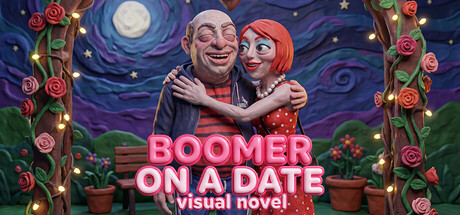 Visual Novel: Boomer on a Date In-game content art | all the pictures are generated by artificial intelligence. | Reanim Games | - | Aug 11, 2026 | |
 CURRENTBOUND:Rescue Run In-game content arttext | Pre-generated AI tools were used during development to create some 2D visual assets, including in-game sprites, the application icon, and promotional artwork used on the Steam store page. AI tools also assisted with some English and Japanese text and localization. All outputs were reviewed and, where necessary, edited by the developer before being included. The game does not generate AI content during gameplay and does not connect to external AI services. | Taka | - | Aug 11, 2026 | |
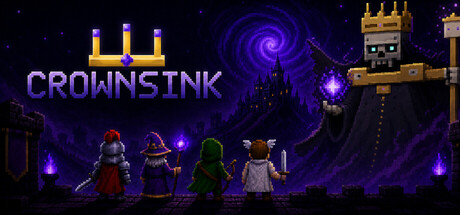 Crownsink In-game content artaudiocode | Crownsink is a hand-crafted game built the modern way: the developer writes and directs the code with the support of AI tools, while every sprite, sound and note of music springs from the game's own hand-written algorithms. | Lunvero Studio | - | Aug 11, 2026 | |
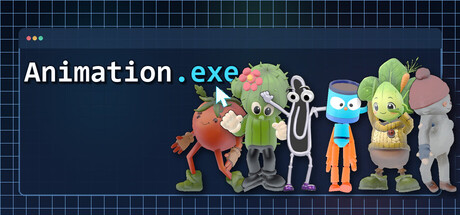 Animation.exe In-game content art | Some character models, textures, animations, and visual props were created before release using generative AI tools, including Meshy image-to-3D, auto-rigging, and animation. Selected outputs were edited, integrated, and reviewed by the developer. Generative AI also assisted in drafting and refining portions of the Steam store-page text. The game does not generate AI content during gameplay and does not connect to external AI services. | Matielle Games | - | Aug 11, 2026 | |
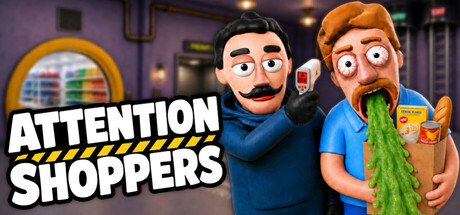 Attention Shoppers In-game content textart | AI tools are used to assist with the localization of in-game and store page text into other languages. All translations are reviewed by the development team and improved with community feedback.
Some marketing artwork (store capsules and promotional images) was created with AI assistance, based on the game's own assets, characters and art style. All in-game content, gameplay, art assets and audio design are created by the development team. | Blue Mayonnaise | - | Aug 11, 2026 | |
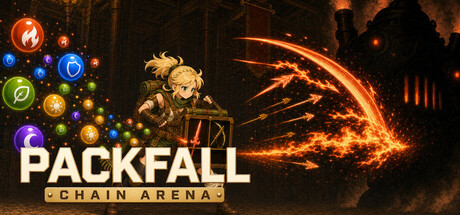 Packfall Chain Arena In-game content arttext | Portions of this game's 2D artwork — character and enemy sprites, item and orb illustrations, backgrounds, UI decoration, and HUD icons — were created with the assistance of image-generation AI (GPT-image-2), working from the developer's own compositions, reference art, and prompts. Every AI-assisted image was individually selected, post-processed, and reviewed by the developer, and is tracked in an internal asset ledger. Store capsule artwork was produced the same way. Store screenshots are unedited captures of actual gameplay. Visual effects are generated procedurally by the developer's own code without AI. The game contains no AI-generated audio or music. Some in-game text was drafted with AI assistance and edited by the developer. | 往復びんた | - | Aug 11, 2026 | |
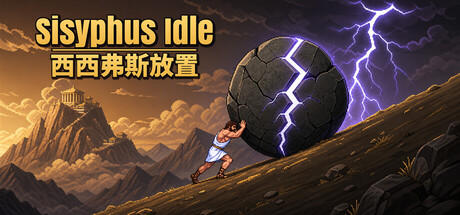 西西弗斯放置(Sisyphus Idle) In-game content | Some game assets are generated using AI. | Lazymangamestudio | - | Aug 11, 2026 | |
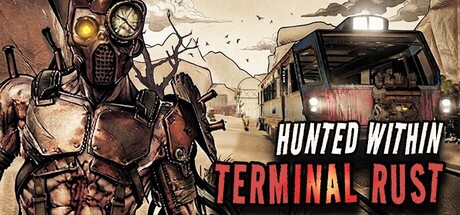 Hunted Within: Terminal Rust In-game content art | This game does not generate or modify content at runtime.
A small portion of assets (around 20%) was made with the help of some generative AI tools during development.
All such assets were manually edited, reviewed, and finalized to ensure originality, quality, and compliance with copyright and safety standards. | LRDev Games | - | Aug 11, 2026 | |
 Seven Seals In-game content art | Some artwork and game assets were edited and created using AI tools. | Nexus Media | - | Aug 11, 2026 | |
 Starwreck Reclaimer In-game content artcode | Generative AI tools were used during development to assist with programming and code generation, and to create or refine certain pre-generated visual assets, including promotional artwork and selected in-game UI and art assets. All AI-assisted code and assets were reviewed, tested, and edited by the developer before inclusion. The released game does not generate content or code during gameplay and does not connect to external AI services. | Starwreck Studio | - | Aug 11, 2026 | |
 Immortal Chess In-game content arttext | Generative AI tools were used during development to assist with the creation of some visual assets, store artwork and initial localization drafts. All generated content was reviewed, edited, and integrated by the developer.
Immortal Chess does not generate AI content during gameplay. | Arcane Square Games | - | Aug 11, 2026 | |
 Elf Shift In-game content arttext | We view artificial intelligence solely as a supportive tool. Generative AI was used only as a supportive tool for certain visual designs and language translation.
Artificial intelligence helped with grammar corrections in in-game text; these corrections were then carefully reviewed and edited manually. | Kiki Games | - | Aug 11, 2026 | |
 Project September In-game content art | Some 2D art was made with generative AI as a starting point, cards are renders of our real 3D models with painted backgrounds. No in-game AI, no AI voices, no real people's likenesses. Art may be replaced during Early Access. | Livari Studio | - | Aug 11, 2026 | |
 Shardwatch Dominion In-game content art | Certain visuals in this game have been created with AI. | grishkogameplay | - | Aug 11, 2026 | |
 Ultracode Dev only codeartaudio | Development is AI-assisted: source code, the procedural asset factories (meshes, MetaSound hero sounds, code-driven UMG) and docs are written with AI tooling under human review in-repo. No external generative-AI image/audio assets are imported; everything ships from the code-authored pipeline. | Lava Block | - | Aug 11, 2026 | |
 币圈模拟器 In-game content arttext | The game includes AI-generated virtual price data and images. | zhdabiao | - | Aug 11, 2026 | |
 The Day I Became a Werewolf Dev only | Generative AI was used during the development and publishing process. | Studio Nox | - | Aug 11, 2026 | |
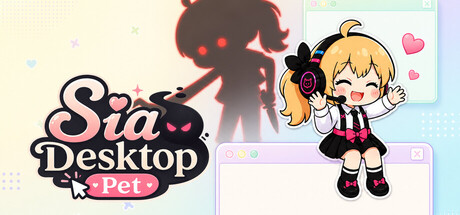 Sia Desktop Pet In-game content artaudiotext | Sia's art and sound - her sprites, the outfits, the tarot cards, the item and monster icons, the sound effects - were produced with the help of generative AI tools and then edited and assembled by hand. The store images were made the same way. The game's text was written in Korean by hand; the seven other language translations were AI-assisted and reviewed by a human.
Nothing is generated while you play. The game ships as fixed image, sound and text files and never contacts an AI service. | akarolls | - | Aug 11, 2026 | |
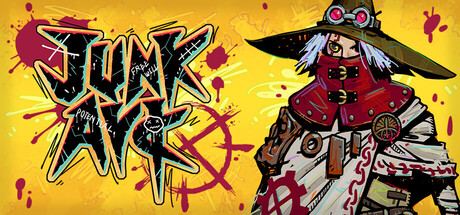 Junk Ark In-game content textaudio | AI is used only for translation and sound effects. | Burning Bone | - | Aug 11, 2026 | |
 Dead Tube In-game content art | Generative AI was used to create a small portion of the game’s artwork. | DaiFire | - | Aug 11, 2026 | |
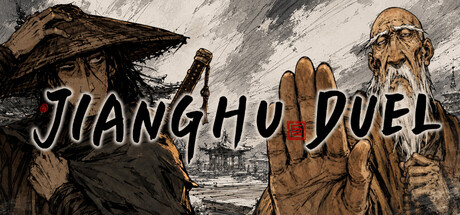 刀与剑 ~斗牌风云录 In-game content art | Some card illustrations currently use AI-generated artwork. Following the game’s full release, these illustrations will gradually be replaced with artwork created by professional artists. | LarjGameStudio | - | Aug 11, 2026 | |
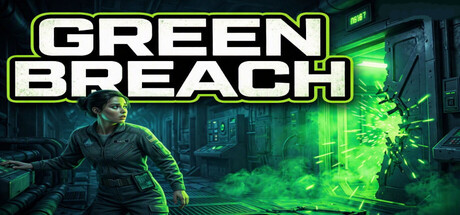 Green Breach In-game content art | This game uses generative artificial intelligence (AI) tools to assist in the creation of certain visual assets, promotional store materials, and workflow scripts during development. | Megazolt Studios | - | Aug 11, 2026 | |
 Loadout Rush In-game content text | Portions of the game's text content (item descriptions and English localization) and store page text were written with the assistance of a generative AI language model, under human direction with full review and editing. All artwork is hand-drawn by the developers, and the game does not use any live/runtime AI generation. | Basil Ciabatta Studio | - | Aug 11, 2026 | |
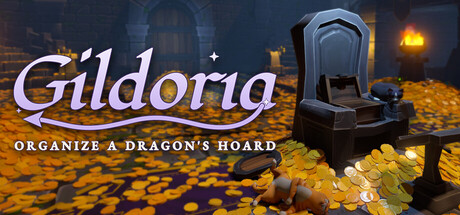 Gildoria - Organize a Dragon's Hoard In-game content arttext | Gildoria uses AI-assisted tools in parts of its development: some UI icons were made with AI image generation, the in-game text was translated with AI translation tools. All of it was reviewed and edited by the developer. 3D art, level design, game design and codes are human-made or licensed. No content is generated by AI while the game runs. | LoudScream | - | Aug 11, 2026 | |
 Arithmetrick In-game content artaudio | The capsule artwork, logo, some card illustrations, and soundtrack were created with the assistance of generative AI tools. All other in-game content — including UI, effects, and text — is hand-crafted without AI generation. No AI content is generated during gameplay. | WeiLuo | - | Aug 11, 2026 | |
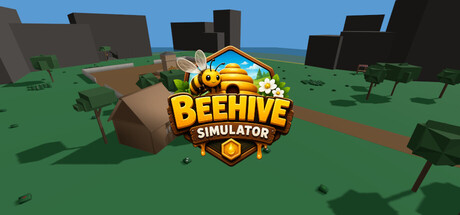 Beehive Simulator Store/marketing art | Only the game's logo was generated using AI, solely as a temporary placeholder. It will eventually be replaced with artwork created by a human artist. | Eragone | - | Aug 11, 2026 | |
 Resonurgy In-game content art | Generative AI was used as part of the development pipeline for selected 2D icons and some 3D model source assets. All included assets were reviewed, edited, optimized, and integrated by the developer. | Manafold Studio | - | Aug 11, 2026 | |
 Where I am Not In-game content art | Some visual assets used in the game were edited with the assistance of AI-based tools and subsequently refined and integrated into the project by the developer. | ZioCane | - | Aug 11, 2026 | |
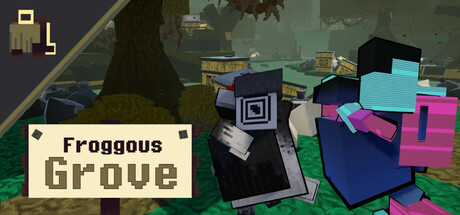 Froggous Grove In-game content audio | The game's music was generated using an AI tool (Suno), then selected and mixed by me. Everything else — 3D models, textures, animations, sound effects, text and code is handmade. My goal is to replace it with original compositions from a human artist as soon as sales allow. | Bloom³ | - | Aug 11, 2026 | |
 Watch Party: Watch the web together In-game content artaudio | Pre-generated content only. Some 2D artwork (menu and loading-screen key art) and UI sound effects were created or processed with generative AI tools, then reviewed and edited by the developer. No content is AI-generated at runtime. | Strangeloop Interactive | - | Aug 11, 2026 | |
 Cryptogram In-game content text | AI is used for localization purposes. All graphics are human made. | MrCakeSlayer | - | Aug 11, 2026 | |
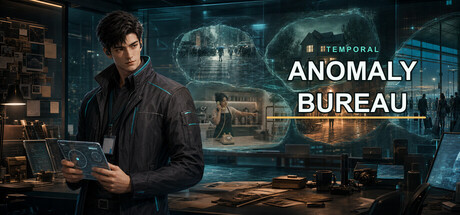 Temporal Anomaly Bureau In-game content artcode | The core gameplay, rules, progression structure, level objectives, and detailed level designs were created, reviewed, and finalized by the human development team. Generative AI was used only as a development aid for research and reference gathering, code assistance, and the initial creation of visual assets and in-game scene images. All AI-assisted content was manually selected, edited, integrated, and reviewed before being included in the game. | wing | - | Aug 11, 2026 | |
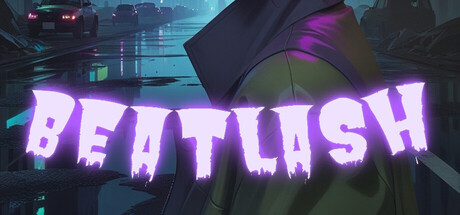 Beatlash: Survival In-game content art | Some of the visual assets in this game including character key art, promotional images, and certain 3D art were created with the assistance of generative AI tools during development. All AI-generated content was reviewed, edited, and integrated by the developer. No generative AI is used at runtime; nothing is generated live while you play. All gameplay, code, and design are hand-crafted by a developer. | Hawks and Owls | - | Aug 11, 2026 | |
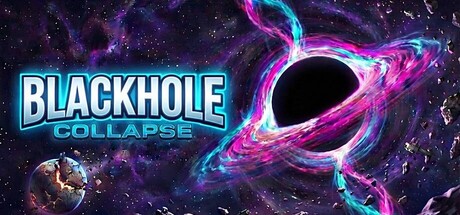 BlackHole Collapse Store/marketing art | Generative AI tools were used to assist in the creation of visual assets, background graphics, and promotional store art for the game. | AakNextGames | - | Aug 11, 2026 | |
 Commit!!! In-game content textart | Portions of this game's content were created with generative AI assistance under human direction and review: in-game text (social feed posts, event copy), localization into 8 languages, and marketing materials including the trailer. All AI-assisted content was reviewed by the developer. The game does not generate AI content at runtime. | gand-tr | - | Aug 11, 2026 | |
 Metroidvania In-game content codetext | Generative AI was used during development to assist with brainstorming, coding assistance, and drafting certain written materials. All game content, gameplay implementation, testing, review, and final decisions were completed and verified by the developer before release. | David Chuks | - | Aug 11, 2026 | |
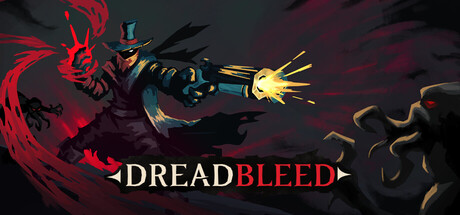 Dreadbleed In-game content arttext | All primary artwork in this game, including the main character and every enemy, was created by hand either drawn by the developer or by human artists. AI assistance was limited to a few secondary visual effects (light effects, explosions, blood/spray), produced with custom procedural drawing scripts written with the help of an AI coding assistant and then hand-edited and curated by the developer. Some in-game text translations may be pre-generated with AI-assisted localization and reviewed by the developer. No image, audio, or video generation models were used. No AI is used at runtime. | FxGames | - | Aug 11, 2026 | |
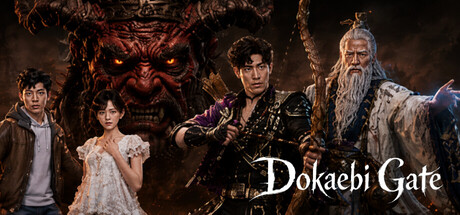 도깨비문 In-game content artaudio | Some of the art and audio assets in Dokaebi Gate were created using generative AI tools, then processed and edited by hand before shipping. This covers equipment and item icons, some VFX textures, sound effects and background music, and a portion of the 3D enemy and environment models. Artwork used on this store page is included as well.
No AI runs while you play. Nothing is generated live during gameplay, and no player input or data is sent to any AI service. Game design, code, balance, and all writing are human-authored. | NonSugar | - | Aug 11, 2026 | |
 Froggy Logic Store/marketing art | Some of the store marketing images were created with AI assistance. | Qianyu Tiancheng | - | Aug 11, 2026 | |
 TEXAS DOMINOES In-game content art | Generative AI tools were used in the development of this game and for some of the art. | Signal Boost Publishing | - | Aug 11, 2026 |


