Public Steam disclosure research25,714 disclosures tracked
Where do games disclose AI use?
Search developers’ Steam disclosures, compare classified AI use across
games, and follow recorded changes.
This index adds cross-game classifications and statistics to
statements published on individual store pages.
Groups reflect automatic analysis of public disclosures; mature records are excluded. These counts do not measure AI use across all of Steam.
Missing or unclear statements cannot establish whether a game uses AI.
Some marketing materials for this game were made with generative AI: the trailer's narration uses an AI text-to-speech voice, and parts of this store page were drafted with AI assistance.
Nothing inside the game is AI-generated. The soundtrack is human-composed music licensed for commercial use, all artwork and logos are drawn programmatically by the game's own code, and every screenshot is captured from real gameplay. The game generates no AI content while you play.
Pre-generated generative AI was used during development to assist with visual artwork, music, sound effects, spoken audio, narrative and dialogue, and portions of the game code. The developer directed, reviewed, selected, edited, arranged, tested, and integrated the final content. No generative AI content is created while the game is running.
This whole game exists because I wondered whether, with these tools, I could actually make one.
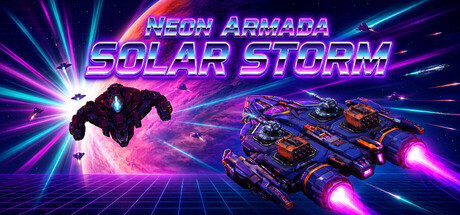
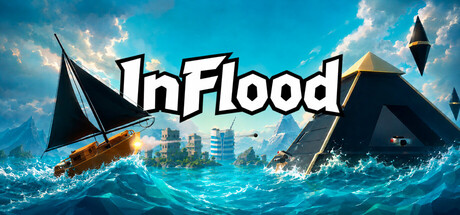
Generative AI tools were used to create assets that ship with the game. The 3D ship and enemy models were generated with Meshy AI from my own 2D concept art, and AI tools assisted with in-game text, audio, and parts of the store page and marketing materials.
The design, code and balance are mine — the wave generation, the ship and weapon tuning, the modification link-set system, the campaign structure. Seventeen worlds' worth of hand-tuned numbers.
I'm a solo developer with a full-time job and three kids. The answer to the question turned out to be yes, and this is it.
Some 3D assets in this game were created with the help of AI generation tools, then edited, retextured and integrated by hand. Parts of the written text, including store page copy and in-game text translations, were drafted with AI assistance and reviewed by the developer. No content is generated live while you play, and no AI-generated voice acting is used. Everything is created and checked before release.
This game uses generative AI tools to help create some of its visual assets, such as background art, characters, and the logo. All such assets were generated during development and were reviewed, curated, and hand-adjusted by the developer before being included in the game. No generative AI runs while you play, and no player input or personal data is ever sent to any AI service.
Some assets in this game were created using generative AI tools. The theme song and its stem tracks were generated with Suno and edited by the developer. Some 3D models (the pursuer, corpse and flower props) were generated with Meshy. Some in-game images, such as photographs and posters, were created with image-generation AI. All program code was designed and implemented by the developer, with AI coding assistance. The game contains no live AI-generated content.
This game uses generative AI in the creation of some graphics, text, and English localization. All AI-generated content has been reviewed and edited by the developer before being used.
No generative AI content is created during gameplay.
Some of the art and audio assets in this game were created with the assistance of generative AI tools. Specifically, certain 3D models, UI icons, and background music tracks were generated using AI and then reviewed, edited, and integrated by the developer. No AI-generated content is created live during gameplay.
AI translation tools were used to produce the localized text for the game. Additionally, initial concept drafts for select visual assets were generated using AI, but were subsequently heavily modified, painted over, and finalized by human artists.
This game contains pre-generated AI-assisted visual assets. Specifically, the background HDRI environment texture used for lighting/background purposes was created using generative AI. No live-generated AI content is presented to players during gameplay.
Generative AI Usage
- Reference for some backgrounds and CG compositions
- Editing and proofreading of some text
- Assistance with English and Japanese localization
All final content was created, reviewed, and/or revised by the developer.
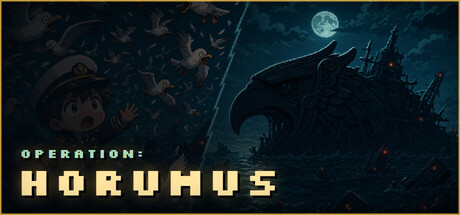
Operation: Horumus is a "vibe coding" experiment. Most of the game's content — code, game design, pixel art, sound effects, procedural music, narrative writing, and all four language localizations (English, Korean, Japanese, Simplified Chinese) — was developed with extensive use of generative AI tools, under the developer's direction. Every creative and technical decision was made by the developer, and all AI-generated output was reviewed and curated before inclusion.
No AI is invoked during gameplay. The game runs entirely offline and makes no calls to external AI services.
This is a parody experiment, and the use of AI is part of the experiment itself. We disclose it here so you can decide whether that approach is interesting to you.
Portions of this game's artwork were created with generative AI tools under human direction, curation, and editing — including aircraft counter sprites, scene illustrations, character portraits, achievement icons, and some store/marketing images. The store trailer's narration is AI-generated voiceover. Some code was developed with AI assistance and human review. The game does not generate any content with AI while running.
Some in-game text and store page copy was drafted with an AI assistant and edited by the developer. No generative AI runs in the game or generates content at runtime. All artwork is programmatically composited from photographs taken by the developer.
AI helped with some writing, troubleshooting, localization, and the Steam store page. All art, animation, music, sound effects, and level design were created entirely by me. I reviewed and edited everything AI assisted with, and several translations were also checked by native speakers. The game does not generate AI content during gameplay and does not connect to any external AI services.
Generative AI tools were used as an editorial and localization assistant for some written content in the game and on the Steam store page. All such text is reviewed, revised, and approved by the development team. The game does not use generative AI at runtime.
This game uses generative artificial intelligence in part to improve development efficiency.
It is primarily utilized to assist with programming implementation and development tasks, as well as for generating BGM melodies and assisting in the creation of in-game messages.
However, all final decisions regarding game specifications and quality control are made by the developer, and only AI-generated content that has been reviewed and adjusted by human hands is used.
Pre-rendered content: 2D artwork (character sprites, backgrounds, marketing art) and music were created with the assistance of generative AI tools, then manually curated, edited and composited by the developer. The game does not generate any content at runtime (no live AI).
Parts of this game's source code and in-game text were produced with the assistance of generative AI tools during development.
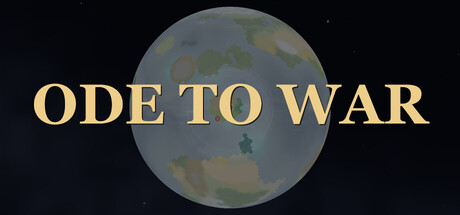
The planet itself is not AI-generated. It is built by conventional deterministic algorithms : noise functions, Voronoi tessellation, plate tectonics, erosion and climate simulation (the same family of techniques used in procedural generation for decades. Every world is reproducible from its seed).
No AI runs while you play, and the game never connects to an external AI service.
Generative AI tools were used to create part of this game's visual assets: 2D unit and building sprites, terrain textures, background art, and 3D models. Some store page and marketing images were created the same way. Every generated asset was selected, edited and assembled by hand, and the game generates no content at runtime.
Generative AI tools were used to assist in creating and refining some pre-generated visual assets, narrative text, localization, and store/marketing artwork. All AI-assisted content was reviewed, edited, and curated by Plants Game. No content is generated during gameplay, and the game does not connect to external AI services.
Some image assets (such as the apparitions and the hanging scroll artwork) and some audio assets (music and sound effects) in this game were created using generative AI. All generated material was selected and edited by the developer before use, and only models licensed for commercial use were used.
No generative AI runs while you play. Everything shipped in the game is pre-generated and fixed, and the game never sends your input to an AI service.
Some visual art assets and music used in this game were created with the assistance of generative AI tools. These materials are used as part of the game's visual presentation and soundtrack. No content is generated by AI during gameplay.
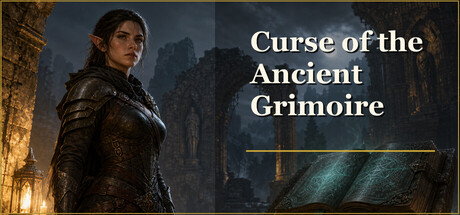
Some code elements and visual assets in Curse of the Ancient Grimoire were created or refined with the assistance of generative AI tools, including character portraits, monster images, scene illustrations, and store capsule artwork. All AI-assisted assets were reviewed, selected, edited, and integrated by the developer.
Generative AI is not used during gameplay to create dynamic content, dialogue, player-facing text, decisions, or game mechanics.
Generative AI is not used during gameplay to create dynamic content, dialogue, player-facing text, decisions, or game mechanics.
Some BGM are AI-generated. Additionally, some textures were AI-generated based on human designs and fully refined by hand. AI tools were also used for translation and general development assistance.
This game uses generative artificial intelligence in its development.
Some visual assets — including character sprites, unit artwork, and related
game graphics — were created or assisted with generative AI tools and then
integrated into the game. AI was also used during development to assist with
programming and production workflows.
Generative AI is not used to create content live during gameplay. The game
does not connect to external AI services while you are playing.
All 2D artwork (hwatu card illustrations, character portraits, backgrounds) and music tracks were created using generative AI tools, then curated, edited, and assembled by the developer. All AI content is pre-rendered during development — nothing is generated live at runtime. Localization was machine-assisted and human-reviewed. Store page assets were produced the same way.
Generative AI tools were used during development to assist with selected pre-generated content,including some balance-object artwork, reflective text, localization, store-page copy, and selected marketing artwork. All generated outputs were manually reviewed, curated, and edited by the developer before being included. The game does not use generative AI at runtime and does not generate or modify player-facing content during play.
[Pre-Generated AI Content] Generative AI (Anthropic Claude) was used during development to write game code, to create the BGM (note data transcribed from a public-domain piece and procedurally generated music), and to compose store artwork from in-game assets. No content is generated by AI at runtime.
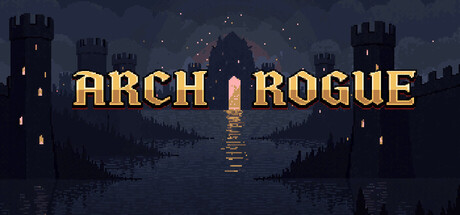
Arch Rogue was developed with extensive use of generative AI. Most of the game's code was written with AI assistance. The pixel-art sprites, tiles, animations, and store artwork were created with AI image-generation tools and then curated and integrated by the developer. Dialogue, quest text, and lore were AI-generated from developer-designed prompts and story structure. All AI content is created during development, not at runtime — the game does not generate any content with AI at runtime.
Generative AI was used to assist in creating certain promotional artwork and the game's logo/title. These assets were manually edited, composited, and refined by the developer. All gameplay, code, vehicles, environments, UI, level design, and core game content were created manually by the developer.
Nexus Ascendant contains pre-generated content created with the assistance of generative AI tools during development. This includes portions of the character and environment artwork, animated visual assets, user-interface graphics, gameplay textures, narrative writing, Japanese voice audio, and marketing materials. All AI-assisted content was selected, edited, reviewed, and integrated by the developer before inclusion. The game does not generate AI content during gameplay or transmit player data to generative AI services.
AI tools were used to assist with some of the game’s translations and in the creation of two in-game textures. These textures were subsequently edited, refined, and carefully reviewed by a human before being included in the final game.
We strictly rely on human creativity and craftsmanship throughout the game’s development.
I used Grok CLI for coding and all sprite generation. I use AI to debug.
There are AI generated videos in the tutorial sections.
AI was used to implement sound and music as well as menu assets and backgrounds.
No AI LLM is in the game. There is no real time AI asset generation or LLM streaming.
Generative tools were used during development to assist in creating selected pre-generated visual assets.All AI-assisted content was reviewed, edited, and integrated by the developer.
Some marketing materials for this game were made with generative AI: the trailer's narration uses an AI text-to-speech voice, and parts of this store page were drafted with AI assistance.
Nothing inside the game is AI-generated. The soundtrack is human-composed music licensed for commercial use, all artwork and logos are drawn programmatically by the game's own code, and every screenshot is captured from real gameplay. The game generates no AI content while you play.
Pre-generated generative AI was used during development to assist with visual artwork, music, sound effects, spoken audio, narrative and dialogue, and portions of the game code. The developer directed, reviewed, selected, edited, arranged, tested, and integrated the final content. No generative AI content is created while the game is running.
This whole game exists because I wondered whether, with these tools, I could actually make one.
Generative AI tools were used to create assets that ship with the game. The 3D ship and enemy models were generated with Meshy AI from my own 2D concept art, and AI tools assisted with in-game text, audio, and parts of the store page and marketing materials.
The design, code and balance are mine — the wave generation, the ship and weapon tuning, the modification link-set system, the campaign structure. Seventeen worlds' worth of hand-tuned numbers.
I'm a solo developer with a full-time job and three kids. The answer to the question turned out to be yes, and this is it.
Some 3D assets in this game were created with the help of AI generation tools, then edited, retextured and integrated by hand. Parts of the written text, including store page copy and in-game text translations, were drafted with AI assistance and reviewed by the developer. No content is generated live while you play, and no AI-generated voice acting is used. Everything is created and checked before release.
This game uses generative AI tools to help create some of its visual assets, such as background art, characters, and the logo. All such assets were generated during development and were reviewed, curated, and hand-adjusted by the developer before being included in the game. No generative AI runs while you play, and no player input or personal data is ever sent to any AI service.
Some assets in this game were created using generative AI tools. The theme song and its stem tracks were generated with Suno and edited by the developer. Some 3D models (the pursuer, corpse and flower props) were generated with Meshy. Some in-game images, such as photographs and posters, were created with image-generation AI. All program code was designed and implemented by the developer, with AI coding assistance. The game contains no live AI-generated content.
This game uses generative AI in the creation of some graphics, text, and English localization. All AI-generated content has been reviewed and edited by the developer before being used.
No generative AI content is created during gameplay.
Some of the art and audio assets in this game were created with the assistance of generative AI tools. Specifically, certain 3D models, UI icons, and background music tracks were generated using AI and then reviewed, edited, and integrated by the developer. No AI-generated content is created live during gameplay.
AI translation tools were used to produce the localized text for the game. Additionally, initial concept drafts for select visual assets were generated using AI, but were subsequently heavily modified, painted over, and finalized by human artists.
This game contains pre-generated AI-assisted visual assets. Specifically, the background HDRI environment texture used for lighting/background purposes was created using generative AI. No live-generated AI content is presented to players during gameplay.
Generative AI Usage
- Reference for some backgrounds and CG compositions
- Editing and proofreading of some text
- Assistance with English and Japanese localization
All final content was created, reviewed, and/or revised by the developer.
Operation: Horumus is a "vibe coding" experiment. Most of the game's content — code, game design, pixel art, sound effects, procedural music, narrative writing, and all four language localizations (English, Korean, Japanese, Simplified Chinese) — was developed with extensive use of generative AI tools, under the developer's direction. Every creative and technical decision was made by the developer, and all AI-generated output was reviewed and curated before inclusion.
No AI is invoked during gameplay. The game runs entirely offline and makes no calls to external AI services.
This is a parody experiment, and the use of AI is part of the experiment itself. We disclose it here so you can decide whether that approach is interesting to you.
Portions of this game's artwork were created with generative AI tools under human direction, curation, and editing — including aircraft counter sprites, scene illustrations, character portraits, achievement icons, and some store/marketing images. The store trailer's narration is AI-generated voiceover. Some code was developed with AI assistance and human review. The game does not generate any content with AI while running.
Some in-game text and store page copy was drafted with an AI assistant and edited by the developer. No generative AI runs in the game or generates content at runtime. All artwork is programmatically composited from photographs taken by the developer.
AI helped with some writing, troubleshooting, localization, and the Steam store page. All art, animation, music, sound effects, and level design were created entirely by me. I reviewed and edited everything AI assisted with, and several translations were also checked by native speakers. The game does not generate AI content during gameplay and does not connect to any external AI services.
Generative AI tools were used as an editorial and localization assistant for some written content in the game and on the Steam store page. All such text is reviewed, revised, and approved by the development team. The game does not use generative AI at runtime.
This game uses generative artificial intelligence in part to improve development efficiency.
It is primarily utilized to assist with programming implementation and development tasks, as well as for generating BGM melodies and assisting in the creation of in-game messages.
However, all final decisions regarding game specifications and quality control are made by the developer, and only AI-generated content that has been reviewed and adjusted by human hands is used.
Pre-rendered content: 2D artwork (character sprites, backgrounds, marketing art) and music were created with the assistance of generative AI tools, then manually curated, edited and composited by the developer. The game does not generate any content at runtime (no live AI).
Parts of this game's source code and in-game text were produced with the assistance of generative AI tools during development.
The planet itself is not AI-generated. It is built by conventional deterministic algorithms : noise functions, Voronoi tessellation, plate tectonics, erosion and climate simulation (the same family of techniques used in procedural generation for decades. Every world is reproducible from its seed).
No AI runs while you play, and the game never connects to an external AI service.
Generative AI tools were used to create part of this game's visual assets: 2D unit and building sprites, terrain textures, background art, and 3D models. Some store page and marketing images were created the same way. Every generated asset was selected, edited and assembled by hand, and the game generates no content at runtime.
Generative AI tools were used to assist in creating and refining some pre-generated visual assets, narrative text, localization, and store/marketing artwork. All AI-assisted content was reviewed, edited, and curated by Plants Game. No content is generated during gameplay, and the game does not connect to external AI services.
Some image assets (such as the apparitions and the hanging scroll artwork) and some audio assets (music and sound effects) in this game were created using generative AI. All generated material was selected and edited by the developer before use, and only models licensed for commercial use were used.
No generative AI runs while you play. Everything shipped in the game is pre-generated and fixed, and the game never sends your input to an AI service.
Some visual art assets and music used in this game were created with the assistance of generative AI tools. These materials are used as part of the game's visual presentation and soundtrack. No content is generated by AI during gameplay.
Some code elements and visual assets in Curse of the Ancient Grimoire were created or refined with the assistance of generative AI tools, including character portraits, monster images, scene illustrations, and store capsule artwork. All AI-assisted assets were reviewed, selected, edited, and integrated by the developer.
Generative AI is not used during gameplay to create dynamic content, dialogue, player-facing text, decisions, or game mechanics.
Generative AI is not used during gameplay to create dynamic content, dialogue, player-facing text, decisions, or game mechanics.
Some BGM are AI-generated. Additionally, some textures were AI-generated based on human designs and fully refined by hand. AI tools were also used for translation and general development assistance.
This game uses generative artificial intelligence in its development.
Some visual assets — including character sprites, unit artwork, and related
game graphics — were created or assisted with generative AI tools and then
integrated into the game. AI was also used during development to assist with
programming and production workflows.
Generative AI is not used to create content live during gameplay. The game
does not connect to external AI services while you are playing.
All 2D artwork (hwatu card illustrations, character portraits, backgrounds) and music tracks were created using generative AI tools, then curated, edited, and assembled by the developer. All AI content is pre-rendered during development — nothing is generated live at runtime. Localization was machine-assisted and human-reviewed. Store page assets were produced the same way.
Generative AI tools were used during development to assist with selected pre-generated content,including some balance-object artwork, reflective text, localization, store-page copy, and selected marketing artwork. All generated outputs were manually reviewed, curated, and edited by the developer before being included. The game does not use generative AI at runtime and does not generate or modify player-facing content during play.
[Pre-Generated AI Content] Generative AI (Anthropic Claude) was used during development to write game code, to create the BGM (note data transcribed from a public-domain piece and procedurally generated music), and to compose store artwork from in-game assets. No content is generated by AI at runtime.
Arch Rogue was developed with extensive use of generative AI. Most of the game's code was written with AI assistance. The pixel-art sprites, tiles, animations, and store artwork were created with AI image-generation tools and then curated and integrated by the developer. Dialogue, quest text, and lore were AI-generated from developer-designed prompts and story structure. All AI content is created during development, not at runtime — the game does not generate any content with AI at runtime.
Generative AI was used to assist in creating certain promotional artwork and the game's logo/title. These assets were manually edited, composited, and refined by the developer. All gameplay, code, vehicles, environments, UI, level design, and core game content were created manually by the developer.
Nexus Ascendant contains pre-generated content created with the assistance of generative AI tools during development. This includes portions of the character and environment artwork, animated visual assets, user-interface graphics, gameplay textures, narrative writing, Japanese voice audio, and marketing materials. All AI-assisted content was selected, edited, reviewed, and integrated by the developer before inclusion. The game does not generate AI content during gameplay or transmit player data to generative AI services.
AI tools were used to assist with some of the game’s translations and in the creation of two in-game textures. These textures were subsequently edited, refined, and carefully reviewed by a human before being included in the final game.
We strictly rely on human creativity and craftsmanship throughout the game’s development.
I used Grok CLI for coding and all sprite generation. I use AI to debug.
There are AI generated videos in the tutorial sections.
AI was used to implement sound and music as well as menu assets and backgrounds.
No AI LLM is in the game. There is no real time AI asset generation or LLM streaming.
Generative tools were used during development to assist in creating selected pre-generated visual assets.All AI-assisted content was reviewed, edited, and integrated by the developer.