Public Steam disclosure research25,376 disclosures tracked
Where do games disclose AI use?
Search developers’ Steam disclosures, compare classified AI use across
games, and follow recorded changes.
This index adds cross-game classifications and statistics to
statements published on individual store pages.
Groups reflect automatic analysis of public disclosures; mature records are excluded. These counts do not measure AI use across all of Steam.
Missing or unclear statements cannot establish whether a game uses AI.
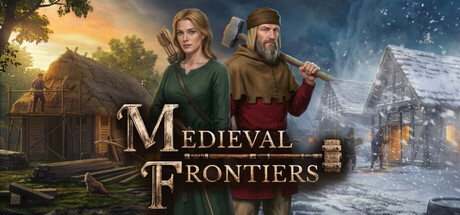
Some game content, marketing materials, and character voices for Medieval Frontiers were created or translated with the assistance of AI tools. While we use these technologies to support our workflow, every feature and narrative beat is a result of our team’s deliberate creative decisions. The final experience is hand-guided by our vision to ensure the world feels authentic to our players.
AI tools were used in the production of the voice acting. We are a five-person team that has been working on this project for several years without the budget of a large studio. In our case, this was a practical solution that allowed us to complete the game at the level of quality we were aiming for. All creative decisions and the final shape of the game were made by our team. AI was used as a supporting production tool, not as a replacement for the creative work behind the game.
Using LLM Code Agent for indie development speed up (no "VIBE CODING", it's originally human made project in 2012-2025, author starts using LLM as smart assistant code edit tool since December 2025)
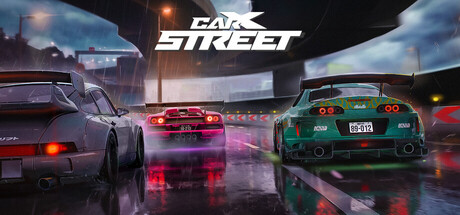
The package image of this game was created using multiple AI tools.
Background image and part of the background character: Created using Stable Diffusion and provided under the CreativeML Open RAIL-M license.
Part of the logo design: Created by Sonic-Alpha using OpenAI's generative AI, "ChatGPT," under the paid "ChatGPT Plus" plan.
No AI-generated elements are included in the main game or in-game content.
During development, we may use AI tools to assist with character voice-overs and certain illustrations. In all such cases, AI-generated materials are treated as draft content: our team selects, edits, and combines them before approving the end result. The final product is made under the full creative control of our developers and artists and reflects their artistic vision.
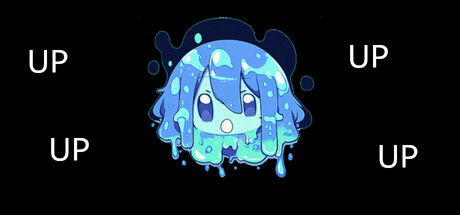
This game has used AI to partially create the following art assets:
Slime character, Chain, Ball, Slime picture from the menu's and the slime imagery on steam.
The 2D character portraits (standing illustrations) in the game were created using Stable Diffusion and are provided under the CreativeML Open RAIL-M license.
We leveraged AI-generated content to enrich our game with elements that would have been otherwise challenging to include. Specifically, we used AI for the AI character voiceover in different languages, a feature made possible thanks to this technology. In this case it made even more sense since the character is actually an AI. Otherwise, all the core art and visual elements of the game have been designed by human talents.
We do not use generative AI in the game. For community-requested languages that are not officially supported, we use DeepL to assist with localization, with the help of community members who review and improve the translations.
This project did not use tools to create content from text prompts.
Because "Generative Artificial Intelligence" is inconcistently defined, following it the list all Machine Learning technologies I use. Many of them are widely used and not commonly considered AI, but meet the current dictionary definition of "computer system that has some qualities of human brain that is able to produce text, images, etc.", so I list them for full transparency:
- Generating crew portraits with artist-driven sliders for facial features.
- Creating portrait depth maps for dynamic lighting.
- Upscaling promotional images.
- Denoising rendered images.
- Enhancing in-game ads with actor face replacement for realism.
- Spell-checking, grammar-checking and rephrasing some text.
Some of the voice-over dialogs during the introduction cut-scene are computer generated. Some of the images during the introduction cut-scene were stylized using generative AI.
Some game content, marketing materials, and character voices for Medieval Frontiers were created or translated with the assistance of AI tools. While we use these technologies to support our workflow, every feature and narrative beat is a result of our team’s deliberate creative decisions. The final experience is hand-guided by our vision to ensure the world feels authentic to our players.
AI tools were used in the production of the voice acting. We are a five-person team that has been working on this project for several years without the budget of a large studio. In our case, this was a practical solution that allowed us to complete the game at the level of quality we were aiming for. All creative decisions and the final shape of the game were made by our team. AI was used as a supporting production tool, not as a replacement for the creative work behind the game.
Using LLM Code Agent for indie development speed up (no "VIBE CODING", it's originally human made project in 2012-2025, author starts using LLM as smart assistant code edit tool since December 2025)
The package image of this game was created using multiple AI tools.
Background image and part of the background character: Created using Stable Diffusion and provided under the CreativeML Open RAIL-M license.
Part of the logo design: Created by Sonic-Alpha using OpenAI's generative AI, "ChatGPT," under the paid "ChatGPT Plus" plan.
No AI-generated elements are included in the main game or in-game content.
During development, we may use AI tools to assist with character voice-overs and certain illustrations. In all such cases, AI-generated materials are treated as draft content: our team selects, edits, and combines them before approving the end result. The final product is made under the full creative control of our developers and artists and reflects their artistic vision.
This game has used AI to partially create the following art assets:
Slime character, Chain, Ball, Slime picture from the menu's and the slime imagery on steam.
The 2D character portraits (standing illustrations) in the game were created using Stable Diffusion and are provided under the CreativeML Open RAIL-M license.
We leveraged AI-generated content to enrich our game with elements that would have been otherwise challenging to include. Specifically, we used AI for the AI character voiceover in different languages, a feature made possible thanks to this technology. In this case it made even more sense since the character is actually an AI. Otherwise, all the core art and visual elements of the game have been designed by human talents.
We do not use generative AI in the game. For community-requested languages that are not officially supported, we use DeepL to assist with localization, with the help of community members who review and improve the translations.
This project did not use tools to create content from text prompts.
Because "Generative Artificial Intelligence" is inconcistently defined, following it the list all Machine Learning technologies I use. Many of them are widely used and not commonly considered AI, but meet the current dictionary definition of "computer system that has some qualities of human brain that is able to produce text, images, etc.", so I list them for full transparency:
- Generating crew portraits with artist-driven sliders for facial features.
- Creating portrait depth maps for dynamic lighting.
- Upscaling promotional images.
- Denoising rendered images.
- Enhancing in-game ads with actor face replacement for realism.
- Spell-checking, grammar-checking and rephrasing some text.
Some of the voice-over dialogs during the introduction cut-scene are computer generated. Some of the images during the introduction cut-scene were stylized using generative AI.