Public Steam disclosure research25,376 disclosures tracked
Where do games disclose AI use?
Search developers’ Steam disclosures, compare classified AI use across
games, and follow recorded changes.
This index adds cross-game classifications and statistics to
statements published on individual store pages.
Groups reflect automatic analysis of public disclosures; mature records are excluded. These counts do not measure AI use across all of Steam.
Missing or unclear statements cannot establish whether a game uses AI.
Pre-generated content: Many 3D models and textures used in the game, including cakes, fruit, items, tools, and environmental/shop assets, were generated using Meshy AI and then edited and integrated by the developer. Generative AI was also used to assist in drafting some store-page text, which was reviewed and edited by the developer. No generative AI is used at runtime. No AI-generated voice or music is used.
Some of the art in Planet Pilot was made with generative AI tools during development, then selected, edited and fitted into the game by the developer. This covers the store and key art, many 2D illustrations (mission briefing, Legends, ace, medal and loading pictures, hangar plane pictures, emblems and some painted ground textures), the picture thumbnails in the landmarks list, and the high-detail 3D models of more than 40 landmarks. The game's translations were made with AI tools and reviewed by the developer. In the trailers, the opening 30 seconds of the cinematic trailer and the trailer music and sound effects were made with AI tools. The world, aircraft, flight model and gameplay were built by the developer. Nothing in the game is generated by AI while you play.
Generative AI tools were used to assist with the creation and refinement of some pre-generated sound effects, 3D assets, 2D images, voice lines, and localization. All AI-assisted content was reviewed, edited, and integrated by the developer. The game does not use generative AI to create content during gameplay.
Pre-generated content: the character voices, some sound effects, ambience and the music were generated with AI audio tools (ElevenLabs), then selected, edited and mixed by the developer. Most 3D models (props, tools, vehicles) and some 2D artwork (signs, posters, in-game documents, interface illustrations and store art) were generated with AI tools and then integrated, adjusted and reviewed in the game by the developer. The people are built with the open-source MakeHuman tools and animated with motion capture (CMU), not with AI. Translations were made with AI assistance and reviewed. The levels and code were built with AI-assisted tools and reviewed and tested by the developer. No content is generated by AI while you play.
Generative AI tools were used throughout this game's production pipeline, alongside traditional development tools and techniques, to speed up iteration and expand what our team can make. AI-assisted content that ships in the game includes 2D artwork, voice narration, sound effects, music and in-game text. Every asset in the final product was selected, reviewed, modified where appropriate, and integrated by the development team. No generative AI content is created during gameplay.
Generative AI tools were used to create music and visual artwork, including store and promotional images. These assets were generated before release and selected by the developer. No AI content is generated during gameplay.
I enjoy code and music, yet I am terrible at art.
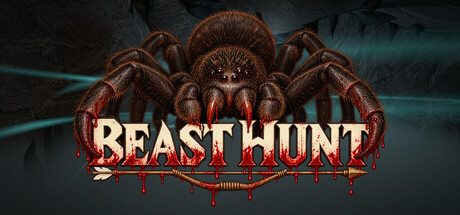
Therefore, generative AI was used during development to create some game artwork, including interface elements, achievements, and icons, and the Beast Hunt logo used in the game. The game does not generate AI content during gameplay.
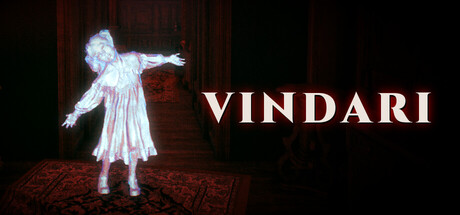
The ghost's voice lines, lullaby, screams, laughter and some sound effects were generated with AI audio tools (ElevenLabs). The store page description and the layout of the capsule art were prepared with the help of an AI assistant, using screenshots captured from the game. All 3D models, environments and animations are human-made assets licensed from the Fab marketplace.
AI tools assisted in creating and revising the ending illustrations, narrative and explanatory text, English localization, and some visuals and sound effects produced through code. AI tools also assisted with store descriptions and promotional artwork. The game contains fixed, completed content and does not generate new content or connect to external AI services during play.
Generative AI tools were used during development to help create code, 2D art and text, including draft translations. The developer directed, selected and assembled all of it into the game.
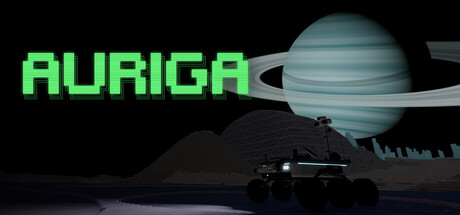
No generative AI runs while you play. Meridian, your companion, is scripted rather than a chatbot, and the game sends nothing to AI services. Planets come from the game's own procedural generator, not an AI model.
Some pre-generated content was made with AI tools: the store key art and capsule images, the localization into 19 languages, and parts of the in-game and store text. 3D models, sound effects and achievement icons are built procedurally by code written with AI assistance. No AI-generated content is created live while you play.
The game's code, in-game text (item names, objectives, story) and synthesized sound effects were created with the help of an AI coding assistant and reviewed by the developer. Store and library art is composed from in-game screenshots. 3D models, textures, music and recorded sound effects are human-made CC0 assets (Kenney, Poly Haven, OpenGameArt).
AI was used to create a handful of static images within the game as the developer had no other options at the time. All of this will be replaced as soon as possible.
The voices, music and sound effects were generated with AI audio tools (ElevenLabs) and then edited and mixed by the developer. The 3D world and the game itself were built with the help of an AI coding assistant. The trailers' narration also uses AI-generated voices. Nothing is generated by AI while you play.
Halmweit is a one-person project, and I've had a little help from some tools along the way. AI helped with writing and translating the texts and with programming. What goes into the game is my decision. The music was written by hand by a composer. While you play, the game doesn't generate anything with AI.
This game contains pre-generated AI content, all reviewed and edited by the developer:
- Voice acting: every radio and PA line, in English and Turkish, is text-to-speech generated with ElevenLabs.
- Audio: most sound effects and the three music beds were generated with ElevenLabs.
- 3D art: some organic growth props were shaped with an image-to-3D pipeline (SDXL + Hunyuan3D), then UV-unwrapped, baked and finished by hand in Blender.
- 2D art: the still images in the narrated opening were made with an image model.
The game generates nothing with AI while it runs. The trailer, screenshots and capsule art on this page are in-game footage and in-engine captures.
Sound effects, some character voices and music in the game were made with generative AI tools (ElevenLabs). Everything is pre-generated during development; nothing is generated while you play.
Generative AI tools are used during the development of MASSVEIL to assist with the creation and refinement of certain pre-generated materials, including selected visual elements, sound effects, voice lines, and text content.
All AI-assisted content is reviewed and, where necessary, edited by the developer before being included in the game.
Generative AI is not used to create new content during gameplay, and the game does not connect to third-party AI services while running.
This game was made by a solo developer with the help of AI tools. Some of the pixel art was drawn by hand by the developer and then revised with AI tools. Other art (including the logo, interface icons, menu backgrounds and some terrain tiles) was created with an AI pixel-art tool and then edited by the developer. The music and sound effects are synthesized in code, and were composed and designed with the help of an AI assistant. Some in-game text, such as the Field Guide and tutorial tips, was drafted with AI assistance and edited by the developer. No AI is used while you play: nothing is generated live, and the game never connects to an AI service.
AI tools assisted in developing some procedural animations and sound effects. These elements were reviewed and refined to match the game’s artistic direction.
All in-game graphical assets were handcrafted by artists.
The developer uses AI tools to assist in creating 2D graphic assets, specifically the game icon. All assets have been carefully reviewed to ensure they are unique and do not infringe on any copyrighted materials.
AI-GENERATED CONTENT
Parts of this game were created with generative AI tools during development. Character art, backgrounds and icons were generated with image models and then edited, composited and corrected by hand. The voice acting in Portuguese and English was produced with AI voice synthesis. Some sound effects and cutscene music were generated with AI audio tools. Much of the source code was written with the assistance of an AI coding tool, reviewed and tested by the developer.
All of this content was generated before release and ships as fixed audio and image files. Game design, economy, balancing, story and script are the developer's own work, as is the procedurally synthesized music and sound of the minigames, which uses no AI model.
Custom Built LLM & Vertex DB, 100% home made AI model built by developer of Abandon All Hope was used to aid in padding out Dialog for the game, as well as the store page description. All Other content has been hand crafted.
Generative AI was used during development to create fixed visual assets, including backgrounds, item and achievement icons, interface artwork, and store marketing art. Some music, ambience, and sound effects were also created with generative AI. AI assisted in-game text and English localization. These assets are included as fixed files. The game does not accept player prompts or generate images, audio, text, or code during play.
Generative AI was used to create background music, paintings displayed throughout the motel, and selected 3D assets, including sequence props, keys, relics, and pedestals. AI assistance was also used to draft portions of the store page text.
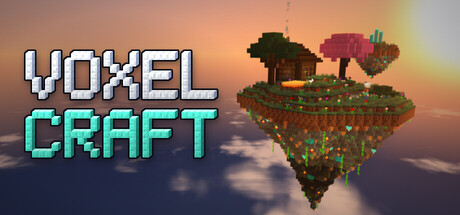
Generative AI tools were used to help create promotional artwork and store page images for VoxelCraft. AI is not used to generate in-game content, code, or gameplay at runtime.
Used Ai to generate a NPC of my daughter Princess Octavia, Also used it to implement bought assets from epic store. Used to generate capsules for steam page.
Generative AI assisted in creating selected illustrations, visual assets, narrative text, and translations during development, including store materials. No content is generated by AI during gameplay.
Generative AI tools were used during development to create pre-rendered visual assets, UI elements, and marketing materials. All generated assets were reviewed, finalized, and statically integrated into the game build prior to release. No content is generated in real-time or dynamically during gameplay.
The game uses pre-generated AI-assisted artwork, including some game visuals and Steam promotional artwork. An optional local large language model generates character conversations, some fictional social text and short resident plans during play. Players can turn the local AI feature off and continue playing.
Some visual assets were created with the assistance of generative AI during development, while others were created manually. AI-assisted assets were reviewed and adjusted by the developer. The game does not generate AI content during gameplay.
This game contains content created with the assistance of AI tools. AI was used during development to assist with programming, visual assets, and other creative elements. All generated content was reviewed, edited, and integrated by the dev.
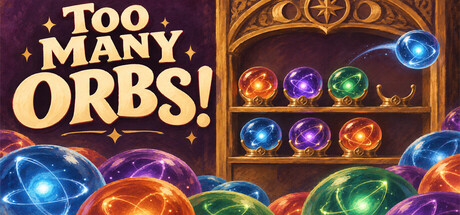
various visual assets and materials for Too Many Orbs! were created with the assistance of generative AI tools.
All AI-generated content was reviewed, refined, and integrated by the developer to ensure consistency with the game's artistic direction and quality standards.
Generative AI was used to help create pre-generated character and enemy artwork, scene backgrounds, and store promotional illustrations. These assets were selected, prepared, and integrated by the developer. No AI content is generated during gameplay.
Se han utilizado herramientas de inteligencia artificial generativa durante el desarrollo para ayudar en la creación y adaptación de algunos recursos del juego, como modelos 3D, imágenes, audio y otros elementos gráficos. Todo el contenido generado con IA ha sido revisado y preparado previamente antes de incluirse en el juego. El juego no genera contenido mediante IA en tiempo real ni se conecta a servicios externos de IA durante la partida.
Some pre-generated artwork was created with the help of generative AI tools and then edited by the developer, including store and marketing images and some loading-screen art. No AI content is generated live while you play, and the game does not connect to any AI service.
Generative AI was used to create some of the game's content. The illustrations and the characters (character designs and artwork and models) were created with the help of generative AI tools, then selected, edited and integrated by the developer. Some English localization text (UI and character descriptions) and the store page description were also drafted with an AI assistant and reviewed and edited by the developer. The game does not generate any content with AI while it is running.
NBD2 is an AI game development studio. As a solo indie dev who is unlikely to ever make a dime from any of my games, there's no other way I could bring my ideas to life.
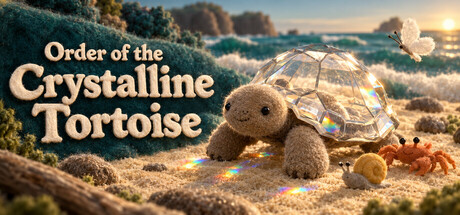
Order of the Crystalline Tortoise was created using generative AI throughout development, including its game code, 3D models, interface art, sound and text. The models were built by AI agents writing Blender scripts, the poster is drawn by code, and the music and sound effects were synthesized by code, with gull calls from a CC0 field recording. All AI generation took place during development. The game does not generate AI content or code during play or connect to an external AI service.
I recognize AI in game development is an extremely sensitive topic and I appreciate both sides. I only hope the game is fun.
The goal should always be making something that human beings will enjoy.
Generative AI tools were used for parts of this game during development: some story and dialogue text, the English localization, store page text, and some of the code that draws patterns and shapes. The developer directed all of it, chose what to keep, and reviewed and edited every piece. The music and sound effects were not made with AI, and nothing is generated by AI while you play.
Some images in the game were generated using AI tools and then refined by the game's developer. All the music in the game was written by the game's developer, but the mastering was done using AI tools. The 3D character models (all except the zombie mutants) were initially generated via AI and later refined and adapted by the game's developer.
Pre-generated content: Many 3D models and textures used in the game, including cakes, fruit, items, tools, and environmental/shop assets, were generated using Meshy AI and then edited and integrated by the developer. Generative AI was also used to assist in drafting some store-page text, which was reviewed and edited by the developer. No generative AI is used at runtime. No AI-generated voice or music is used.
Some of the art in Planet Pilot was made with generative AI tools during development, then selected, edited and fitted into the game by the developer. This covers the store and key art, many 2D illustrations (mission briefing, Legends, ace, medal and loading pictures, hangar plane pictures, emblems and some painted ground textures), the picture thumbnails in the landmarks list, and the high-detail 3D models of more than 40 landmarks. The game's translations were made with AI tools and reviewed by the developer. In the trailers, the opening 30 seconds of the cinematic trailer and the trailer music and sound effects were made with AI tools. The world, aircraft, flight model and gameplay were built by the developer. Nothing in the game is generated by AI while you play.
Generative AI tools were used to assist with the creation and refinement of some pre-generated sound effects, 3D assets, 2D images, voice lines, and localization. All AI-assisted content was reviewed, edited, and integrated by the developer. The game does not use generative AI to create content during gameplay.
Pre-generated content: the character voices, some sound effects, ambience and the music were generated with AI audio tools (ElevenLabs), then selected, edited and mixed by the developer. Most 3D models (props, tools, vehicles) and some 2D artwork (signs, posters, in-game documents, interface illustrations and store art) were generated with AI tools and then integrated, adjusted and reviewed in the game by the developer. The people are built with the open-source MakeHuman tools and animated with motion capture (CMU), not with AI. Translations were made with AI assistance and reviewed. The levels and code were built with AI-assisted tools and reviewed and tested by the developer. No content is generated by AI while you play.
Generative AI tools were used throughout this game's production pipeline, alongside traditional development tools and techniques, to speed up iteration and expand what our team can make. AI-assisted content that ships in the game includes 2D artwork, voice narration, sound effects, music and in-game text. Every asset in the final product was selected, reviewed, modified where appropriate, and integrated by the development team. No generative AI content is created during gameplay.
Generative AI tools were used to create music and visual artwork, including store and promotional images. These assets were generated before release and selected by the developer. No AI content is generated during gameplay.
I enjoy code and music, yet I am terrible at art.
Therefore, generative AI was used during development to create some game artwork, including interface elements, achievements, and icons, and the Beast Hunt logo used in the game. The game does not generate AI content during gameplay.
The ghost's voice lines, lullaby, screams, laughter and some sound effects were generated with AI audio tools (ElevenLabs). The store page description and the layout of the capsule art were prepared with the help of an AI assistant, using screenshots captured from the game. All 3D models, environments and animations are human-made assets licensed from the Fab marketplace.
AI tools assisted in creating and revising the ending illustrations, narrative and explanatory text, English localization, and some visuals and sound effects produced through code. AI tools also assisted with store descriptions and promotional artwork. The game contains fixed, completed content and does not generate new content or connect to external AI services during play.
Generative AI tools were used during development to help create code, 2D art and text, including draft translations. The developer directed, selected and assembled all of it into the game.
No generative AI runs while you play. Meridian, your companion, is scripted rather than a chatbot, and the game sends nothing to AI services. Planets come from the game's own procedural generator, not an AI model.
Some pre-generated content was made with AI tools: the store key art and capsule images, the localization into 19 languages, and parts of the in-game and store text. 3D models, sound effects and achievement icons are built procedurally by code written with AI assistance. No AI-generated content is created live while you play.
The game's code, in-game text (item names, objectives, story) and synthesized sound effects were created with the help of an AI coding assistant and reviewed by the developer. Store and library art is composed from in-game screenshots. 3D models, textures, music and recorded sound effects are human-made CC0 assets (Kenney, Poly Haven, OpenGameArt).
AI was used to create a handful of static images within the game as the developer had no other options at the time. All of this will be replaced as soon as possible.
The voices, music and sound effects were generated with AI audio tools (ElevenLabs) and then edited and mixed by the developer. The 3D world and the game itself were built with the help of an AI coding assistant. The trailers' narration also uses AI-generated voices. Nothing is generated by AI while you play.
Halmweit is a one-person project, and I've had a little help from some tools along the way. AI helped with writing and translating the texts and with programming. What goes into the game is my decision. The music was written by hand by a composer. While you play, the game doesn't generate anything with AI.
This game contains pre-generated AI content, all reviewed and edited by the developer:
- Voice acting: every radio and PA line, in English and Turkish, is text-to-speech generated with ElevenLabs.
- Audio: most sound effects and the three music beds were generated with ElevenLabs.
- 3D art: some organic growth props were shaped with an image-to-3D pipeline (SDXL + Hunyuan3D), then UV-unwrapped, baked and finished by hand in Blender.
- 2D art: the still images in the narrated opening were made with an image model.
The game generates nothing with AI while it runs. The trailer, screenshots and capsule art on this page are in-game footage and in-engine captures.
Sound effects, some character voices and music in the game were made with generative AI tools (ElevenLabs). Everything is pre-generated during development; nothing is generated while you play.
Generative AI tools are used during the development of MASSVEIL to assist with the creation and refinement of certain pre-generated materials, including selected visual elements, sound effects, voice lines, and text content.
All AI-assisted content is reviewed and, where necessary, edited by the developer before being included in the game.
Generative AI is not used to create new content during gameplay, and the game does not connect to third-party AI services while running.
This game was made by a solo developer with the help of AI tools. Some of the pixel art was drawn by hand by the developer and then revised with AI tools. Other art (including the logo, interface icons, menu backgrounds and some terrain tiles) was created with an AI pixel-art tool and then edited by the developer. The music and sound effects are synthesized in code, and were composed and designed with the help of an AI assistant. Some in-game text, such as the Field Guide and tutorial tips, was drafted with AI assistance and edited by the developer. No AI is used while you play: nothing is generated live, and the game never connects to an AI service.
AI tools assisted in developing some procedural animations and sound effects. These elements were reviewed and refined to match the game’s artistic direction.
All in-game graphical assets were handcrafted by artists.
The developer uses AI tools to assist in creating 2D graphic assets, specifically the game icon. All assets have been carefully reviewed to ensure they are unique and do not infringe on any copyrighted materials.
AI-GENERATED CONTENT
Parts of this game were created with generative AI tools during development. Character art, backgrounds and icons were generated with image models and then edited, composited and corrected by hand. The voice acting in Portuguese and English was produced with AI voice synthesis. Some sound effects and cutscene music were generated with AI audio tools. Much of the source code was written with the assistance of an AI coding tool, reviewed and tested by the developer.
All of this content was generated before release and ships as fixed audio and image files. Game design, economy, balancing, story and script are the developer's own work, as is the procedurally synthesized music and sound of the minigames, which uses no AI model.
Custom Built LLM & Vertex DB, 100% home made AI model built by developer of Abandon All Hope was used to aid in padding out Dialog for the game, as well as the store page description. All Other content has been hand crafted.
Generative AI was used during development to create fixed visual assets, including backgrounds, item and achievement icons, interface artwork, and store marketing art. Some music, ambience, and sound effects were also created with generative AI. AI assisted in-game text and English localization. These assets are included as fixed files. The game does not accept player prompts or generate images, audio, text, or code during play.
Generative AI was used to create background music, paintings displayed throughout the motel, and selected 3D assets, including sequence props, keys, relics, and pedestals. AI assistance was also used to draft portions of the store page text.
Generative AI tools were used to help create promotional artwork and store page images for VoxelCraft. AI is not used to generate in-game content, code, or gameplay at runtime.
Used Ai to generate a NPC of my daughter Princess Octavia, Also used it to implement bought assets from epic store. Used to generate capsules for steam page.
Generative AI assisted in creating selected illustrations, visual assets, narrative text, and translations during development, including store materials. No content is generated by AI during gameplay.
Generative AI tools were used during development to create pre-rendered visual assets, UI elements, and marketing materials. All generated assets were reviewed, finalized, and statically integrated into the game build prior to release. No content is generated in real-time or dynamically during gameplay.
The game uses pre-generated AI-assisted artwork, including some game visuals and Steam promotional artwork. An optional local large language model generates character conversations, some fictional social text and short resident plans during play. Players can turn the local AI feature off and continue playing.
Some visual assets were created with the assistance of generative AI during development, while others were created manually. AI-assisted assets were reviewed and adjusted by the developer. The game does not generate AI content during gameplay.
This game contains content created with the assistance of AI tools. AI was used during development to assist with programming, visual assets, and other creative elements. All generated content was reviewed, edited, and integrated by the dev.
various visual assets and materials for Too Many Orbs! were created with the assistance of generative AI tools.
All AI-generated content was reviewed, refined, and integrated by the developer to ensure consistency with the game's artistic direction and quality standards.
Generative AI was used to help create pre-generated character and enemy artwork, scene backgrounds, and store promotional illustrations. These assets were selected, prepared, and integrated by the developer. No AI content is generated during gameplay.
Se han utilizado herramientas de inteligencia artificial generativa durante el desarrollo para ayudar en la creación y adaptación de algunos recursos del juego, como modelos 3D, imágenes, audio y otros elementos gráficos. Todo el contenido generado con IA ha sido revisado y preparado previamente antes de incluirse en el juego. El juego no genera contenido mediante IA en tiempo real ni se conecta a servicios externos de IA durante la partida.
Some pre-generated artwork was created with the help of generative AI tools and then edited by the developer, including store and marketing images and some loading-screen art. No AI content is generated live while you play, and the game does not connect to any AI service.
Generative AI was used to create some of the game's content. The illustrations and the characters (character designs and artwork and models) were created with the help of generative AI tools, then selected, edited and integrated by the developer. Some English localization text (UI and character descriptions) and the store page description were also drafted with an AI assistant and reviewed and edited by the developer. The game does not generate any content with AI while it is running.
NBD2 is an AI game development studio. As a solo indie dev who is unlikely to ever make a dime from any of my games, there's no other way I could bring my ideas to life.
Order of the Crystalline Tortoise was created using generative AI throughout development, including its game code, 3D models, interface art, sound and text. The models were built by AI agents writing Blender scripts, the poster is drawn by code, and the music and sound effects were synthesized by code, with gull calls from a CC0 field recording. All AI generation took place during development. The game does not generate AI content or code during play or connect to an external AI service.
I recognize AI in game development is an extremely sensitive topic and I appreciate both sides. I only hope the game is fun.
The goal should always be making something that human beings will enjoy.
Generative AI tools were used for parts of this game during development: some story and dialogue text, the English localization, store page text, and some of the code that draws patterns and shapes. The developer directed all of it, chose what to keep, and reviewed and edited every piece. The music and sound effects were not made with AI, and nothing is generated by AI while you play.
Some images in the game were generated using AI tools and then refined by the game's developer. All the music in the game was written by the game's developer, but the mastering was done using AI tools. The 3D character models (all except the zombie mutants) were initially generated via AI and later refined and adapted by the game's developer.