Public Steam disclosure research25,717 disclosures tracked
Where do games disclose AI use?
Search developers’ Steam disclosures, compare classified AI use across
games, and follow recorded changes.
This index adds cross-game classifications and statistics to
statements published on individual store pages.
Groups reflect automatic analysis of public disclosures; mature records are excluded. These counts do not measure AI use across all of Steam.
Missing or unclear statements cannot establish whether a game uses AI.
Generative AI tools were used during development to assist with programming and code generation, and to create or refine certain pre-generated visual assets, including promotional artwork and selected in-game UI and art assets. All AI-assisted code and assets were reviewed, tested, and edited by the developer before inclusion. The released game does not generate content or code during gameplay and does not connect to external AI services.
Generative AI tools were used during development to assist with the creation of some visual assets, store artwork and initial localization drafts. All generated content was reviewed, edited, and integrated by the developer.
Immortal Chess does not generate AI content during gameplay.
We view artificial intelligence solely as a supportive tool. Generative AI was used only as a supportive tool for certain visual designs and language translation.
Artificial intelligence helped with grammar corrections in in-game text; these corrections were then carefully reviewed and edited manually.
Development is AI-assisted: source code, the procedural asset factories (meshes, MetaSound hero sounds, code-driven UMG) and docs are written with AI tooling under human review in-repo. No external generative-AI image/audio assets are imported; everything ships from the code-authored pipeline.
Pre-generated AI was used for store text and five original rank-emblem images (Bronze, Silver, Gold, Diamond, and Grand Racc) shown in the ranked hub and marketing. The emblems were made from our own prompts with OpenAI Codex ImageGen, reviewed and processed by us, and use no third-party source art. The game generates no AI content during play.
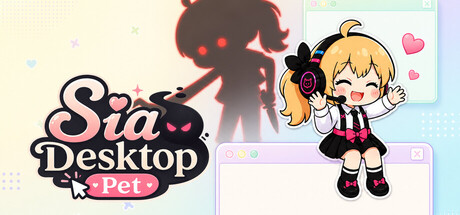
Sia's art and sound - her sprites, the outfits, the tarot cards, the item and monster icons, the sound effects - were produced with the help of generative AI tools and then edited and assembled by hand. The store images were made the same way. The game's text was written in Korean by hand; the seven other language translations were AI-assisted and reviewed by a human.
Nothing is generated while you play. The game ships as fixed image, sound and text files and never contacts an AI service.
This game uses generative artificial intelligence (AI) tools to assist in the creation of certain visual assets, promotional store materials, and workflow scripts during development.
Generative AI was used during development to create or assist with some pre-generated visual assets, including character, item, environment, and Steam store capsule, library, and marketing artwork. All output is selected, edited, integrated, and reviewed by the developer. No content is generated during gameplay.
AI tool assisted in translating the store page into 15 different languages.
We do NOT use AI-generated art, and we never intentionally include AI assets in our game. We sometimes buy assets and use stock photos. We do our best to verify them, but nowadays, distinguishing AI from human-made art can be hard.
That said, if there is any specific artwork that you believe looks like AI or raises concerns, we would appreciate it if you could point it out on our Discord server. We will investigate and replace anything that might have slipped through.
AI-generated art is NOT something we want to include in our game.
Gildoria uses AI-assisted tools in parts of its development: some UI icons were made with AI image generation, the in-game text was translated with AI translation tools. All of it was reviewed and edited by the developer. 3D art, level design, game design and codes are human-made or licensed. No content is generated by AI while the game runs.
The creative direction of GAZE IN SHADOWS was developed and controlled entirely by our team, including its 1928 setting, story, characters, case design, gameplay, and film noir-inspired visual style.
Generative AI was used only as a supporting tool for early art exploration, asset refinement, and limited programming assistance. All AI-assisted content was manually reviewed, extensively revised, and finalized by our developers. AI was not involved in any core creative decisions.
The capsule artwork, logo, some card illustrations, and soundtrack were created with the assistance of generative AI tools. All other in-game content — including UI, effects, and text — is hand-crafted without AI generation. No AI content is generated during gameplay.
During development, as a solo developer, Claude Code was especially helpful for debugging, development and testing. There is no LLM usage within Frontier Protocol and no external connection is required to play Frontier Protocol.
Generative AI was used as part of the development pipeline for selected 2D icons and some 3D model source assets. All included assets were reviewed, edited, optimized, and integrated by the developer.
Some visual assets used in the game were edited with the assistance of AI-based tools and subsequently refined and integrated into the project by the developer.
The game's music was generated using an AI tool (Suno), then selected and mixed by me. Everything else — 3D models, textures, animations, sound effects, text and code is handmade. My goal is to replace it with original compositions from a human artist as soon as sales allow.
Pre-generated content only. Some 2D artwork (menu and loading-screen key art) and UI sound effects were created or processed with generative AI tools, then reviewed and edited by the developer. No content is AI-generated at runtime.
Some of the visual assets in this game including character key art, promotional images, and certain 3D art were created with the assistance of generative AI tools during development. All AI-generated content was reviewed, edited, and integrated by the developer. No generative AI is used at runtime; nothing is generated live while you play. All gameplay, code, and design are hand-crafted by a developer.
This game adopts generative AI technology to provide players with real-time interactive text dialogue with in-game NPCs. We have set strict content filtering rules to prevent the generation of inappropriate, illegal, pornographic or violent content. Players can report improper AI outputs through Steam's built-in marking tool.
Portions of this game's content were created with generative AI assistance under human direction and review: in-game text (social feed posts, event copy), localization into 8 languages, and marketing materials including the trailer. All AI-assisted content was reviewed by the developer. The game does not generate AI content at runtime.
Generative AI was used during development to assist with brainstorming, coding assistance, and drafting certain written materials. All game content, gameplay implementation, testing, review, and final decisions were completed and verified by the developer before release.
All primary artwork in this game, including the main character and every enemy, was created by hand either drawn by the developer or by human artists. AI assistance was limited to a few secondary visual effects (light effects, explosions, blood/spray), produced with custom procedural drawing scripts written with the help of an AI coding assistant and then hand-edited and curated by the developer. Some in-game text translations may be pre-generated with AI-assisted localization and reviewed by the developer. No image, audio, or video generation models were used. No AI is used at runtime.
Some cosmetic cat skins and visual assets were created with the assistance of generative AI tools. All final assets are manually reviewed, edited, and integrated by the developer. The game does not generate AI content during gameplay.
The game's main soundtrack was created using generative AI. The game's promotional capsule artwork was also created with the assistance of generative AI. All other gameplay, programming, game design, pixel art, animations, visual effects, sound effects, UI, and game content were created by the developer.
AI was used to assist with code, art, and sfx. I have manually edited and polished all AI-assisted elements by hand to make them as unsloppy as I possibly can. If anything feels like slop, please let me know in the Community Discussions / Discord, and I'll do my best to fix it. Thanks! :)
Some visual assets, including certain item artwork, icons, and promotional images, were created or assisted using generative AI. All AI-generated content was reviewed, edited, and curated by the development team before being included in the game.
Character and environment art and animations are AI-generated as a starting point (PixelLab, ComfyUI), then reworked, corrected and integrated by hand by the solo developer. The same applies to store page and marketing artwork. All AI-assisted content is pre-generated and finalized before shipping — no content is generated at runtime on the player's machine.
MonsterBash includes pre-generated AI-assisted artwork for certain menu backgrounds and between-level illustrations. All AI-generated assets were reviewed, edited, and integrated by the developer. No AI-generated content is created during gameplay.
Some card‑art images were initially generated by generative‑AI tools, then manually edited, redrawn and processed by developers. No AI‑generated content is created during gameplay.
Some in-game art - including relic icons, character/enemy art, and background imagery - was created with the assistance of generative AI tools during development. Some written content, such as boss dialogue and relic/item flavor text, was drafted with the assistance of generative AI and then reviewed and edited by the development team before being included in the game.
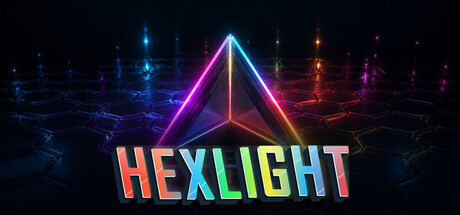
Generative artificial intelligence was used to create the artwork for HexLight’s Steam achievement icons. The resulting images were reviewed and prepared for use by the developer.
Generative AI tools were used during development to assist in creating and refining certain pre-generated visual, audio, localization, and promotional materials. All AI-assisted content was reviewed, edited, and curated by the development team before being included in the game or its marketing materials. The game does not generate AI content in real time during gameplay.
Cover art, store page imagery and music were created with AI generation tools. All game design, writing and gameplay systems were created by the developer.
Generative AI tools were used during development to assist with programming and code generation, and to create or refine certain pre-generated visual assets, including promotional artwork and selected in-game UI and art assets. All AI-assisted code and assets were reviewed, tested, and edited by the developer before inclusion. The released game does not generate content or code during gameplay and does not connect to external AI services.
Generative AI tools were used during development to assist with the creation of some visual assets, store artwork and initial localization drafts. All generated content was reviewed, edited, and integrated by the developer.
Immortal Chess does not generate AI content during gameplay.
We view artificial intelligence solely as a supportive tool. Generative AI was used only as a supportive tool for certain visual designs and language translation.
Artificial intelligence helped with grammar corrections in in-game text; these corrections were then carefully reviewed and edited manually.
Development is AI-assisted: source code, the procedural asset factories (meshes, MetaSound hero sounds, code-driven UMG) and docs are written with AI tooling under human review in-repo. No external generative-AI image/audio assets are imported; everything ships from the code-authored pipeline.
Pre-generated AI was used for store text and five original rank-emblem images (Bronze, Silver, Gold, Diamond, and Grand Racc) shown in the ranked hub and marketing. The emblems were made from our own prompts with OpenAI Codex ImageGen, reviewed and processed by us, and use no third-party source art. The game generates no AI content during play.
Sia's art and sound - her sprites, the outfits, the tarot cards, the item and monster icons, the sound effects - were produced with the help of generative AI tools and then edited and assembled by hand. The store images were made the same way. The game's text was written in Korean by hand; the seven other language translations were AI-assisted and reviewed by a human.
Nothing is generated while you play. The game ships as fixed image, sound and text files and never contacts an AI service.
This game uses generative artificial intelligence (AI) tools to assist in the creation of certain visual assets, promotional store materials, and workflow scripts during development.
Generative AI was used during development to create or assist with some pre-generated visual assets, including character, item, environment, and Steam store capsule, library, and marketing artwork. All output is selected, edited, integrated, and reviewed by the developer. No content is generated during gameplay.
AI tool assisted in translating the store page into 15 different languages.
We do NOT use AI-generated art, and we never intentionally include AI assets in our game. We sometimes buy assets and use stock photos. We do our best to verify them, but nowadays, distinguishing AI from human-made art can be hard.
That said, if there is any specific artwork that you believe looks like AI or raises concerns, we would appreciate it if you could point it out on our Discord server. We will investigate and replace anything that might have slipped through.
AI-generated art is NOT something we want to include in our game.
Gildoria uses AI-assisted tools in parts of its development: some UI icons were made with AI image generation, the in-game text was translated with AI translation tools. All of it was reviewed and edited by the developer. 3D art, level design, game design and codes are human-made or licensed. No content is generated by AI while the game runs.
The creative direction of GAZE IN SHADOWS was developed and controlled entirely by our team, including its 1928 setting, story, characters, case design, gameplay, and film noir-inspired visual style.
Generative AI was used only as a supporting tool for early art exploration, asset refinement, and limited programming assistance. All AI-assisted content was manually reviewed, extensively revised, and finalized by our developers. AI was not involved in any core creative decisions.
The capsule artwork, logo, some card illustrations, and soundtrack were created with the assistance of generative AI tools. All other in-game content — including UI, effects, and text — is hand-crafted without AI generation. No AI content is generated during gameplay.
During development, as a solo developer, Claude Code was especially helpful for debugging, development and testing. There is no LLM usage within Frontier Protocol and no external connection is required to play Frontier Protocol.
Generative AI was used as part of the development pipeline for selected 2D icons and some 3D model source assets. All included assets were reviewed, edited, optimized, and integrated by the developer.
Some visual assets used in the game were edited with the assistance of AI-based tools and subsequently refined and integrated into the project by the developer.
The game's music was generated using an AI tool (Suno), then selected and mixed by me. Everything else — 3D models, textures, animations, sound effects, text and code is handmade. My goal is to replace it with original compositions from a human artist as soon as sales allow.
Pre-generated content only. Some 2D artwork (menu and loading-screen key art) and UI sound effects were created or processed with generative AI tools, then reviewed and edited by the developer. No content is AI-generated at runtime.
Some of the visual assets in this game including character key art, promotional images, and certain 3D art were created with the assistance of generative AI tools during development. All AI-generated content was reviewed, edited, and integrated by the developer. No generative AI is used at runtime; nothing is generated live while you play. All gameplay, code, and design are hand-crafted by a developer.
This game adopts generative AI technology to provide players with real-time interactive text dialogue with in-game NPCs. We have set strict content filtering rules to prevent the generation of inappropriate, illegal, pornographic or violent content. Players can report improper AI outputs through Steam's built-in marking tool.
Portions of this game's content were created with generative AI assistance under human direction and review: in-game text (social feed posts, event copy), localization into 8 languages, and marketing materials including the trailer. All AI-assisted content was reviewed by the developer. The game does not generate AI content at runtime.
Generative AI was used during development to assist with brainstorming, coding assistance, and drafting certain written materials. All game content, gameplay implementation, testing, review, and final decisions were completed and verified by the developer before release.
All primary artwork in this game, including the main character and every enemy, was created by hand either drawn by the developer or by human artists. AI assistance was limited to a few secondary visual effects (light effects, explosions, blood/spray), produced with custom procedural drawing scripts written with the help of an AI coding assistant and then hand-edited and curated by the developer. Some in-game text translations may be pre-generated with AI-assisted localization and reviewed by the developer. No image, audio, or video generation models were used. No AI is used at runtime.
Some cosmetic cat skins and visual assets were created with the assistance of generative AI tools. All final assets are manually reviewed, edited, and integrated by the developer. The game does not generate AI content during gameplay.
The game's main soundtrack was created using generative AI. The game's promotional capsule artwork was also created with the assistance of generative AI. All other gameplay, programming, game design, pixel art, animations, visual effects, sound effects, UI, and game content were created by the developer.
AI was used to assist with code, art, and sfx. I have manually edited and polished all AI-assisted elements by hand to make them as unsloppy as I possibly can. If anything feels like slop, please let me know in the Community Discussions / Discord, and I'll do my best to fix it. Thanks! :)
Some visual assets, including certain item artwork, icons, and promotional images, were created or assisted using generative AI. All AI-generated content was reviewed, edited, and curated by the development team before being included in the game.
Character and environment art and animations are AI-generated as a starting point (PixelLab, ComfyUI), then reworked, corrected and integrated by hand by the solo developer. The same applies to store page and marketing artwork. All AI-assisted content is pre-generated and finalized before shipping — no content is generated at runtime on the player's machine.
MonsterBash includes pre-generated AI-assisted artwork for certain menu backgrounds and between-level illustrations. All AI-generated assets were reviewed, edited, and integrated by the developer. No AI-generated content is created during gameplay.
Some card‑art images were initially generated by generative‑AI tools, then manually edited, redrawn and processed by developers. No AI‑generated content is created during gameplay.
Some in-game art - including relic icons, character/enemy art, and background imagery - was created with the assistance of generative AI tools during development. Some written content, such as boss dialogue and relic/item flavor text, was drafted with the assistance of generative AI and then reviewed and edited by the development team before being included in the game.
Generative artificial intelligence was used to create the artwork for HexLight’s Steam achievement icons. The resulting images were reviewed and prepared for use by the developer.
Generative AI tools were used during development to assist in creating and refining certain pre-generated visual, audio, localization, and promotional materials. All AI-assisted content was reviewed, edited, and curated by the development team before being included in the game or its marketing materials. The game does not generate AI content in real time during gameplay.
Cover art, store page imagery and music were created with AI generation tools. All game design, writing and gameplay systems were created by the developer.