Public Steam disclosure research25,727 disclosures tracked
Where do games disclose AI use?
Search developers’ Steam disclosures, compare classified AI use across
games, and follow recorded changes.
This index adds cross-game classifications and statistics to
statements published on individual store pages.
Groups reflect automatic analysis of public disclosures; mature records are excluded. These counts do not measure AI use across all of Steam.
Missing or unclear statements cannot establish whether a game uses AI.
During development, this game used generative AI tools to assist in creating fixed assets. These outputs were produced during development, reviewed and selected by humans, and then packaged into the game. The game does not call any AI while it is running:
▎ - Code: Anthropic's Claude was used to assist in writing and refactoring the Flutter/Dart game code. All code was reviewed and tested by the developer before being included; no unreviewed AI output is executed automatically.
▎ - Art / Images: Leonardo AI was used to generate pixel-art assets, which were human-selected and edited before use.
▎ - Sound & Voice: ElevenLabs was used to generate sound effects and voice, which were human-selected before use.
This game uses content created or assisted by generative AI. Generative AI was used to help create and edit some visual assets, music/sound materials, and scripts. All final content was reviewed, selected, and adjusted by the developer before being included in the game.
We are a small two-person studio. We apologize for using generative AI to assist with the translation and for any inaccuracies that may be present. We used it to make the game available in this language.
Parts of this game's assets were produced with the help of generative AI tools, then reviewed and edited by the developer before being included.
This applies to:
- Character and background artwork, UI art, and store/marketing images
- Portions of the dialogue text
- Translation into English, Simplified Chinese, Traditional Chinese, Korean, and Spanish
The game does not generate any content while you play, and it never connects to an external AI service. Everything you see and hear ships with the build.
As an indie dev, I leveraged AI to create this game. Some voices are AI-generated. Concept art was generated for inspiration and then built from scratch.
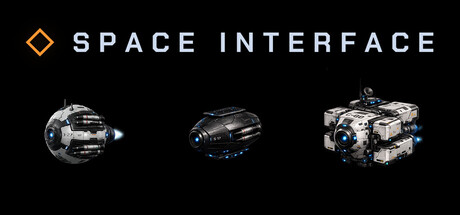
The drone images on the website and Steam game page, (not used in the actual game), were generated by AI. The Symbology of the in-game tactical display was generated by AI under close human supervision and iteration. The music in this game was not generated by AI.
Einige visuelle Elemente des Spiels wurden mithilfe generativer KI-Tools erstellt und anschließend vom Entwickler ausgewählt, bearbeitet und integriert. Während des Spielablaufs kommt keine generative KI zum Einsatz.
The cinematic artworks were created using AI and are based on my own concept sketches. They were used to reinforce the emotional atmosphere and my vision of the game world, while the game itself is designed entirely in hand-drawn pixel art.
AI was used for programming
AI is used to generate the club crests for the fictional first-division clubs, and to translate the game into languages the developer does not speak. The game's design, systems, and data logic are the developer's own.
Generative AI tools were used during development to assist with the refinement of certain visual assets and to improve the quality and consistency of translations. All AI-assisted content was reviewed and edited by the developer before being included in the final game. No generative AI is used to create content dynamically during gameplay.
BattleDeck uses AI tools in the following areas:
Artwork, audio and as a development assistant during coding. All AI generated content has been reviewed and refined by the developer.
All voice content in Abyssal Guardians is recorded using actor's real voices but some content might be modified with AI to achieve certain styles that match our game.
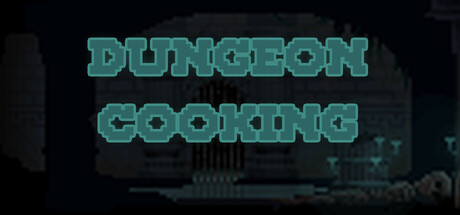
Dungeon Cooking uses generative AI tools for some of its content, created during development (pre-generated, not generated in real time):
- Part of the creature art: 6 of the game's 18 monsters were made with AI image tools, then edited and integrated by the developer.
- Some in-game dungeon event content was drafted with AI assistance and edited by the developer.
- The announcement trailer was produced using AI tools.
The rest of the game's art comes from licensed asset packs and the developer's own work. All AI-generated content was reviewed and curated by the developer before shipping.
Some character portrait sprite sheets and brand/division imagery shipped with Bankr are produced with generative AI tools during development, then reviewed and edited by the team before inclusion. All game text, simulation code, balance-sheet math, ratio logic, and gameplay systems are human-authored. No content is AI-generated at runtime — every asset is pre-rendered and pinned in the build.
Generative AI tools were used to create and refine some pre-generated 2D artwork and Steam store graphical assets. All outputs were reviewed, curated, and edited by the developer before inclusion. The game does not generate AI content at runtime or connect to external AI services.
Generative AI was used to create the capsule artwork displayed on the Steam store page. No AI-generated content is used during gameplay, and the game does not use live-generated AI.
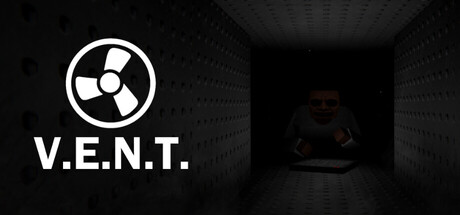
When developing V.E.N.T. I used close to no generative AI tools, it was only used for production support. AI was used to assist with refining Danish to English translations for subtitles and store page text to make sure clarity and accuracy were good. I also used voice processing tools to modify my own recorded voice for in-game audio in order to protect personal privacy and strong lore consistency. No AI was used to generate core creative content such as story, gameplay systems, artwork, or level design.
Some of the background music in Aquora was produced using a generative audio tool. Those tracks are placeholder. They are being replaced with commissioned
original music, and any remaining generated audio will be phased out of the game over time.
All visual art in Aquora is procedurally generated by the developer's own custom tooling, drawn from hand-authored colour palettes, explicit shape instructions
and seeded random number generation. No image generation model is involved at any point in the art pipeline, and no AI generated images appear in the game.
I am a solo developer with a very limited budget. The announcer voice lines are AI generated. I plan on replacing it completely with a human voice actor when I have the budget to do so.
Generative AI tools were used during development to assist with enhancing certain texture assets. All final assets were reviewed and tweaked by the developer.
Generative AI was used to create some base assets, which were subsequently heavily edited by hand. All final assets included in the game have undergone substantial manual editing.
Generative AI tools were used during the development of this game in the following ways:
- Art creation: AI was used to assist in generating and refining visual art assets.
- Mathematical computations: AI was used to perform complex mathematical calculations and to derive equations used in the game's systems.
All AI-generated content was reviewed and integrated by the development team.
Generative AI tools were used during development to assist with selected 3D assets, music, promotional artwork, and parts of the game code. All AI-assisted content was reviewed, modified where necessary, tested, and integrated by the developer. No content or code is generated by AI during gameplay.
The artwork in this game (backgrounds, menu art, the still-life and landscape references used as puzzle targets, achievement medals, and store art) and the music were created with generative AI tools, then selected and adjusted by the developer before inclusion. No content is generated live during gameplay.
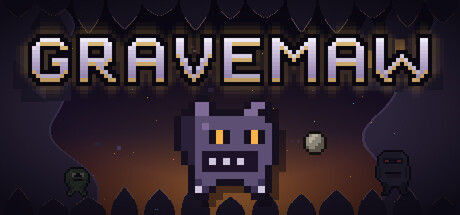
Gravemaw's music was generated with Suno AI and its sound effects with
Stable Audio Open, then edited by hand — trimmed, loop-pointed and mixed —
before being placed in the game. Some store and marketing artwork was also
produced with AI assistance.
Every generated asset was reviewed by the developer before shipping. Nothing
is generated while you play: the game runs fully offline and all content is
baked into the build.
Generative AI tools were used during development to assist with some promotional artwork and written content. All AI-assisted material was reviewed and edited by the developer before inclusion. Apple Catcher does not use generative AI at runtime, and no content is generated during gameplay.
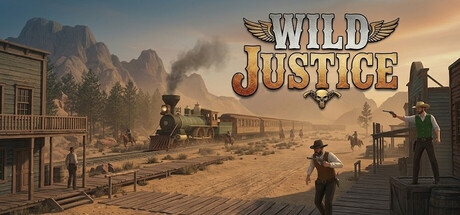
Generative AI tools were used during development to assist in creating pre-rendered 2D artwork and graphical assets (including cowboy character portraits and background visuals), as well as generating select background music tracks for the game.
I received assistance from text-generative AI (LLM) for the English translation (localization) of all in-game text (dialogues, UI, system messages) and for writing the English description on the Steam store page.
We use generative AI for some of the following elements.
・Some of the in-game art
・Some of the code
・Some of the banners and trailers on the store page
Some in-game text and code were written with AI assistance during development. All content was reviewed, edited and approved by the developer before shipping. The game does not generate any content using AI at runtime and does not connect to any AI service.
AI tools were used during development to help compose the soundtrack, draw the pixel art, and draft text (including localization and this store page), all under human direction — every piece was reviewed, curated, and approved by the developer. All content is fixed at build time; the game contains no live or runtime AI generation.
During the development process, I use procedural and AI-based tools to assist with content creation. In all such cases, the final product reflects my own creativity and vision as a solo developer. Examples include utilizing AI tools to help generate and refine certain textures and 3D models in the game.
During development, this game used generative AI tools to assist in creating fixed assets. These outputs were produced during development, reviewed and selected by humans, and then packaged into the game. The game does not call any AI while it is running:
▎ - Code: Anthropic's Claude was used to assist in writing and refactoring the Flutter/Dart game code. All code was reviewed and tested by the developer before being included; no unreviewed AI output is executed automatically.
▎ - Art / Images: Leonardo AI was used to generate pixel-art assets, which were human-selected and edited before use.
▎ - Sound & Voice: ElevenLabs was used to generate sound effects and voice, which were human-selected before use.
This game uses content created or assisted by generative AI. Generative AI was used to help create and edit some visual assets, music/sound materials, and scripts. All final content was reviewed, selected, and adjusted by the developer before being included in the game.
We are a small two-person studio. We apologize for using generative AI to assist with the translation and for any inaccuracies that may be present. We used it to make the game available in this language.
Parts of this game's assets were produced with the help of generative AI tools, then reviewed and edited by the developer before being included.
This applies to:
- Character and background artwork, UI art, and store/marketing images
- Portions of the dialogue text
- Translation into English, Simplified Chinese, Traditional Chinese, Korean, and Spanish
The game does not generate any content while you play, and it never connects to an external AI service. Everything you see and hear ships with the build.
As an indie dev, I leveraged AI to create this game. Some voices are AI-generated. Concept art was generated for inspiration and then built from scratch.
The drone images on the website and Steam game page, (not used in the actual game), were generated by AI. The Symbology of the in-game tactical display was generated by AI under close human supervision and iteration. The music in this game was not generated by AI.
Einige visuelle Elemente des Spiels wurden mithilfe generativer KI-Tools erstellt und anschließend vom Entwickler ausgewählt, bearbeitet und integriert. Während des Spielablaufs kommt keine generative KI zum Einsatz.
The cinematic artworks were created using AI and are based on my own concept sketches. They were used to reinforce the emotional atmosphere and my vision of the game world, while the game itself is designed entirely in hand-drawn pixel art.
AI was used for programming
AI is used to generate the club crests for the fictional first-division clubs, and to translate the game into languages the developer does not speak. The game's design, systems, and data logic are the developer's own.
Generative AI tools were used during development to assist with the refinement of certain visual assets and to improve the quality and consistency of translations. All AI-assisted content was reviewed and edited by the developer before being included in the final game. No generative AI is used to create content dynamically during gameplay.
BattleDeck uses AI tools in the following areas:
Artwork, audio and as a development assistant during coding. All AI generated content has been reviewed and refined by the developer.
All voice content in Abyssal Guardians is recorded using actor's real voices but some content might be modified with AI to achieve certain styles that match our game.
Dungeon Cooking uses generative AI tools for some of its content, created during development (pre-generated, not generated in real time):
- Part of the creature art: 6 of the game's 18 monsters were made with AI image tools, then edited and integrated by the developer.
- Some in-game dungeon event content was drafted with AI assistance and edited by the developer.
- The announcement trailer was produced using AI tools.
The rest of the game's art comes from licensed asset packs and the developer's own work. All AI-generated content was reviewed and curated by the developer before shipping.
Some character portrait sprite sheets and brand/division imagery shipped with Bankr are produced with generative AI tools during development, then reviewed and edited by the team before inclusion. All game text, simulation code, balance-sheet math, ratio logic, and gameplay systems are human-authored. No content is AI-generated at runtime — every asset is pre-rendered and pinned in the build.
Generative AI tools were used to create and refine some pre-generated 2D artwork and Steam store graphical assets. All outputs were reviewed, curated, and edited by the developer before inclusion. The game does not generate AI content at runtime or connect to external AI services.
Generative AI was used to create the capsule artwork displayed on the Steam store page. No AI-generated content is used during gameplay, and the game does not use live-generated AI.
When developing V.E.N.T. I used close to no generative AI tools, it was only used for production support. AI was used to assist with refining Danish to English translations for subtitles and store page text to make sure clarity and accuracy were good. I also used voice processing tools to modify my own recorded voice for in-game audio in order to protect personal privacy and strong lore consistency. No AI was used to generate core creative content such as story, gameplay systems, artwork, or level design.
Some of the background music in Aquora was produced using a generative audio tool. Those tracks are placeholder. They are being replaced with commissioned
original music, and any remaining generated audio will be phased out of the game over time.
All visual art in Aquora is procedurally generated by the developer's own custom tooling, drawn from hand-authored colour palettes, explicit shape instructions
and seeded random number generation. No image generation model is involved at any point in the art pipeline, and no AI generated images appear in the game.
I am a solo developer with a very limited budget. The announcer voice lines are AI generated. I plan on replacing it completely with a human voice actor when I have the budget to do so.
Generative AI tools were used during development to assist with enhancing certain texture assets. All final assets were reviewed and tweaked by the developer.
Generative AI was used to create some base assets, which were subsequently heavily edited by hand. All final assets included in the game have undergone substantial manual editing.
Generative AI tools were used during the development of this game in the following ways:
- Art creation: AI was used to assist in generating and refining visual art assets.
- Mathematical computations: AI was used to perform complex mathematical calculations and to derive equations used in the game's systems.
All AI-generated content was reviewed and integrated by the development team.
Generative AI tools were used during development to assist with selected 3D assets, music, promotional artwork, and parts of the game code. All AI-assisted content was reviewed, modified where necessary, tested, and integrated by the developer. No content or code is generated by AI during gameplay.
The artwork in this game (backgrounds, menu art, the still-life and landscape references used as puzzle targets, achievement medals, and store art) and the music were created with generative AI tools, then selected and adjusted by the developer before inclusion. No content is generated live during gameplay.
Gravemaw's music was generated with Suno AI and its sound effects with
Stable Audio Open, then edited by hand — trimmed, loop-pointed and mixed —
before being placed in the game. Some store and marketing artwork was also
produced with AI assistance.
Every generated asset was reviewed by the developer before shipping. Nothing
is generated while you play: the game runs fully offline and all content is
baked into the build.
Generative AI tools were used during development to assist with some promotional artwork and written content. All AI-assisted material was reviewed and edited by the developer before inclusion. Apple Catcher does not use generative AI at runtime, and no content is generated during gameplay.
Generative AI tools were used during development to assist in creating pre-rendered 2D artwork and graphical assets (including cowboy character portraits and background visuals), as well as generating select background music tracks for the game.
I received assistance from text-generative AI (LLM) for the English translation (localization) of all in-game text (dialogues, UI, system messages) and for writing the English description on the Steam store page.
We use generative AI for some of the following elements.
・Some of the in-game art
・Some of the code
・Some of the banners and trailers on the store page
Some in-game text and code were written with AI assistance during development. All content was reviewed, edited and approved by the developer before shipping. The game does not generate any content using AI at runtime and does not connect to any AI service.
AI tools were used during development to help compose the soundtrack, draw the pixel art, and draft text (including localization and this store page), all under human direction — every piece was reviewed, curated, and approved by the developer. All content is fixed at build time; the game contains no live or runtime AI generation.
During the development process, I use procedural and AI-based tools to assist with content creation. In all such cases, the final product reflects my own creativity and vision as a solo developer. Examples include utilizing AI tools to help generate and refine certain textures and 3D models in the game.