Public Steam disclosure research25,380 disclosures tracked
Where do games disclose AI use?
Search developers’ Steam disclosures, compare classified AI use across
games, and follow recorded changes.
This index adds cross-game classifications and statistics to
statements published on individual store pages.
Groups reflect automatic analysis of public disclosures; mature records are excluded. These counts do not measure AI use across all of Steam.
Missing or unclear statements cannot establish whether a game uses AI.
Generative AI tools were used during development to assist with visual assets, music and programming. Generated outputs were reviewed, edited and integrated by the developer to fit the game’s design and creative direction.
The game includes a limited number of developer-reviewed AI-assisted 2D atmospheric illustrations used as static, non-interactive UI/background art. They are not gameplay screenshots, playable characters, dialogue, code, or user-generated content. Interactive levels, gameplay systems, text, and the in-game 3D presentation are authored or assembled by the developer using project-owned and separately tracked third-party assets.
Some artwork, cinematic sequences, and music were created with the assistance of generative AI tools and then selected, edited, and integrated by the developer. No AI-generated content is created during gameplay, and the game does not connect to external AI services.
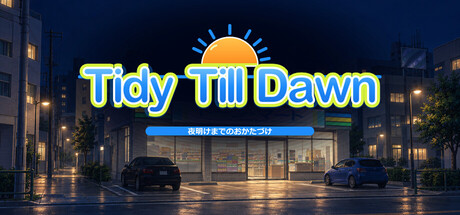
This game uses generative AI for: in-game product packaging (bento, ice cream, chips, cup noodles, gummies, gum, chocolate, candy, dried snacks, stationery, sundries, bath salts, hair care and hair color, coffee/tea boxes, drink and can labels, magazine covers, newspaper pages, and so on); full-screen art (title background, intro and epilogue illustrations, character icons, the morning results screen, the store floor plan, skill cards, skill icons, and effect overlays); some UI elements (panels, buttons, tabs); outdoor art and props (night sky panorama, vending machines, signage, banner flags, pavement, building walls, the traffic signal textures and the textures of small props by the entrance); the store capsule art and achievement icons; some 3D models (the radio by the register, the parking wheel stops, the trash bins by the entrance, three parked cars, the traffic lights, the coffee machine, the oden pot, the bun steamer and the bread crates, generated with Meshy and finished by the developer in Blender); and the background music (title and in-store tracks, also used in the trailer), generated with Suno and selected and arranged by the developer. All generated assets were reviewed and edited by the developer to avoid resembling real trademarks, people, or works. No content is generated by AI at runtime.
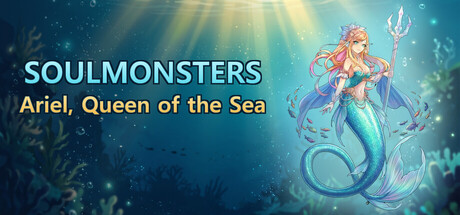
AI-assisted tools were used during development to create fixed assets that are baked into the build and the store page:
- Pixel-art sprites for the sea creatures, the guardians, battle effects and Ariel
- Store page art (capsules, library images, logo)
- Drafts of some in-game text and the EN / RU / JA localization, reviewed by the developer
Game design, code, level layouts and music are human-authored. All music and sound effects are generated procedurally by the game's own code at runtime - there are no audio files and no AI model is involved.
No AI model runs while the game is playing. The build is fully offline.
Generative AI was used to assist in creating artwork for marine creatures, plants, decorations, underwater environments, and Steam store and marketing images, as well as portions of descriptive text. This content is pre-generated and included as fixed assets or text. The game does not generate content during play and does not connect to external AI services.
Generative AI was used during development to assist with the creation of some visual assets, as well as marketing materials. AI-generated assets were reviewed, edited, and integrated by the developer as part of the game's overall art direction. Generative AI is not used to generate content or code during gameplay.
Generative AI tools were used during development to assist with the creation of some visual assets, promotional artwork, and selected localization or text drafts. All AI-assisted content was reviewed by the developer and, where needed, edited before being included in the game or its Steam store materials.
The game does not generate AI content during gameplay and does not connect to external AI services.
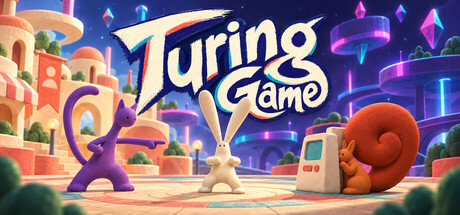
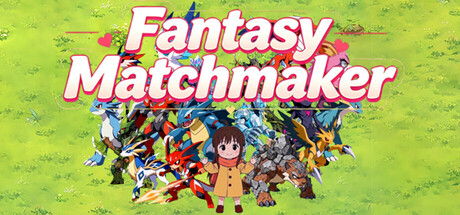
During matches, AI characters generate text through our official service, which connects to a third-party AI provider. Players do not need to enter an API key or manage a third-party account. The game includes a limited number of Turing Tickets; creating a match normally uses one. Additional Tickets are planned for purchase through Steam in-game purchases, and some may be earned through gameplay. Generative AI was also used to create promotional illustrations and store artwork. These staged images are not gameplay screenshots.
Generative AI tools were used during development to assist with the creation of some visual assets and localization. All AI-assisted content was reviewed and edited by the developer before being included in the game. No content is generated by AI during gameplay.
This game was developed with the assistance of generative AI tools during development. AI was used to assist with source code generation, modification, debugging, and refactoring. No generative AI is used at runtime, and the game does not provide any AI-generated content or AI generation features to players.
Generative AI tools were used during development to assist with portions of the game's 2D artwork, UI illustrations, audio, and text/localization. All AI-assisted content was reviewed, selected, edited, and integrated by the developer. The game does not generate AI content during gameplay and does not connect to external AI services.
Generative AI tools were used during development to assist in creating some pre-generated 2D game artwork, promotional artwork, and Steam store and community assets. All AI-assisted outputs were reviewed and edited by the developer. The game does not generate content using AI while it is running.
Generative AI was used during development to create some visual artwork and background music. The generated content was reviewed by the development team before being included in the game. The game does not generate AI content during gameplay.
Generative AI was used to create or edit selected artwork, including title and menu illustrations, world-map scenery, and promotional images. No content is generated by AI during gameplay.
Part of the game's visual content (location backgrounds and some animated CG scenes) was created using generative neural networks based on references and artistic descriptions developed by the author.
Some of the promotional and storefront images were created with AI tools and then refined by hand. All of the in-game assets were designed by a 3D artist.
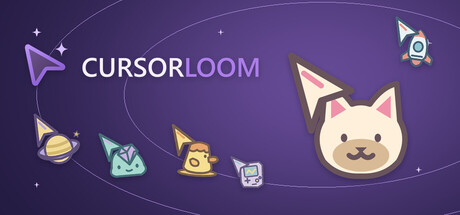
Generative AI assisted the creation of pre-made cursor artwork and localized text during development. These assets are included with CURSORLOOM. The application does not generate AI content during use or connect to an external AI service.
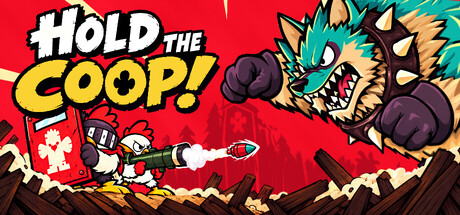
We used AI tools to speed up parts of our creative workflow, including artwork, music, text, and translations. Our creative vision guided the process, and we selected and refined the visuals to match Hold the Coop!’s cartoon style.
Generative AI tools were used during development to assist with programming, gameplay and balance systems, mission and narrative text, UI copy, Korean–English localization, and some store and marketing text. Generative AI was also used to create an early pre-rendered concept image for the game's visual direction. The current in-game character and environment artwork, fonts, music, and most sound effects are human-created assets used under their respective licenses. The game does not generate content with AI at runtime, and players cannot submit prompts or interact with generative AI.
Generative AI tools were used during development to assist with programming, writing in-game dialogue and descriptive text, translation into multiple languages, implementing graphics and sound effects, and creating promotional artwork and descriptions for the Steam store page.
These materials were created and incorporated during development. The game does not use generative AI to create new dialogue, images, or audio during gameplay. The autonomous behavior of residents and monsters, as well as their context-sensitive conversations, is driven by pre-programmed game logic and pre-written dialogue.
The music for this game has been created with AI through serious prompting and critical listening.
Want to donate your own electric swing music to this game? Contact us on Discord :)
Almost all graphic elements in the game were created using artificial intelligence tools and subsequently refined in graphic editing software to ensure visual consistency. Non-English translations are generated automatically.
No AI-generated content is created in real time during gameplay. All graphical assets are static and pre-rendered.
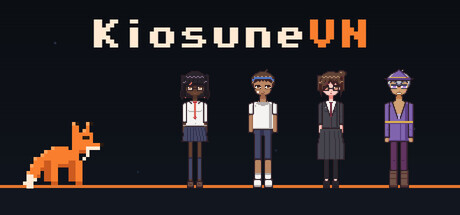
KiosuneVN ships no generative AI: nothing it draws, composes or exports comes out of an AI model, it makes no calls to any AI service, and nothing you make is collected or sent anywhere. The developer used an AI assistant (Claude) to help write parts of the application's code and this store page's text; every character, sprite, cue and starter script the tools produce comes from hand-built, deterministic engines.
FishyFox includes pre-generated visual assets created with the assistance of generative AI tools. These assets were selected, edited, refined, composited, and integrated by the developer. No content is generated by AI while the game is running.
Generative AI was used during development to create interface illustrations, assist with procedural artwork and in-game text, and produce store and library artwork. This includes botanical interface frames, coin and wallet illustrations, and elements of the floating-island world. The game does not generate AI content during play or connect to an external AI service.
Pre-generated content only. Store page artwork (capsules, hero image) was created with an image-generation model and then edited by hand. Some in-game art (level backgrounds, some character sprite sheets) was generated with AI tools and hand-edited. UI text for German, French, Spanish, Italian, Polish and Czech was machine-translated with an AI model from the human-written English source and is being reviewed by native speakers. No AI is used at runtime; players cannot generate content with AI in the game.
We use generative AI across all disciplines of game development most often with heavy amounts of human editing. That involves audio and visual art, our logo, and localization. We use it as a productivity tool so we can achieve a higher level of quality, faster, than we would have been able to.
Generative AI tools were used during development to assist with visual assets, music and programming. Generated outputs were reviewed, edited and integrated by the developer to fit the game’s design and creative direction.
The game includes a limited number of developer-reviewed AI-assisted 2D atmospheric illustrations used as static, non-interactive UI/background art. They are not gameplay screenshots, playable characters, dialogue, code, or user-generated content. Interactive levels, gameplay systems, text, and the in-game 3D presentation are authored or assembled by the developer using project-owned and separately tracked third-party assets.
Some artwork, cinematic sequences, and music were created with the assistance of generative AI tools and then selected, edited, and integrated by the developer. No AI-generated content is created during gameplay, and the game does not connect to external AI services.
This game uses generative AI for: in-game product packaging (bento, ice cream, chips, cup noodles, gummies, gum, chocolate, candy, dried snacks, stationery, sundries, bath salts, hair care and hair color, coffee/tea boxes, drink and can labels, magazine covers, newspaper pages, and so on); full-screen art (title background, intro and epilogue illustrations, character icons, the morning results screen, the store floor plan, skill cards, skill icons, and effect overlays); some UI elements (panels, buttons, tabs); outdoor art and props (night sky panorama, vending machines, signage, banner flags, pavement, building walls, the traffic signal textures and the textures of small props by the entrance); the store capsule art and achievement icons; some 3D models (the radio by the register, the parking wheel stops, the trash bins by the entrance, three parked cars, the traffic lights, the coffee machine, the oden pot, the bun steamer and the bread crates, generated with Meshy and finished by the developer in Blender); and the background music (title and in-store tracks, also used in the trailer), generated with Suno and selected and arranged by the developer. All generated assets were reviewed and edited by the developer to avoid resembling real trademarks, people, or works. No content is generated by AI at runtime.
AI-assisted tools were used during development to create fixed assets that are baked into the build and the store page:
- Pixel-art sprites for the sea creatures, the guardians, battle effects and Ariel
- Store page art (capsules, library images, logo)
- Drafts of some in-game text and the EN / RU / JA localization, reviewed by the developer
Game design, code, level layouts and music are human-authored. All music and sound effects are generated procedurally by the game's own code at runtime - there are no audio files and no AI model is involved.
No AI model runs while the game is playing. The build is fully offline.
Generative AI was used to assist in creating artwork for marine creatures, plants, decorations, underwater environments, and Steam store and marketing images, as well as portions of descriptive text. This content is pre-generated and included as fixed assets or text. The game does not generate content during play and does not connect to external AI services.
Generative AI was used during development to assist with the creation of some visual assets, as well as marketing materials. AI-generated assets were reviewed, edited, and integrated by the developer as part of the game's overall art direction. Generative AI is not used to generate content or code during gameplay.
Generative AI tools were used during development to assist with the creation of some visual assets, promotional artwork, and selected localization or text drafts. All AI-assisted content was reviewed by the developer and, where needed, edited before being included in the game or its Steam store materials.
The game does not generate AI content during gameplay and does not connect to external AI services.
During matches, AI characters generate text through our official service, which connects to a third-party AI provider. Players do not need to enter an API key or manage a third-party account. The game includes a limited number of Turing Tickets; creating a match normally uses one. Additional Tickets are planned for purchase through Steam in-game purchases, and some may be earned through gameplay. Generative AI was also used to create promotional illustrations and store artwork. These staged images are not gameplay screenshots.
Generative AI tools were used during development to assist with the creation of some visual assets and localization. All AI-assisted content was reviewed and edited by the developer before being included in the game. No content is generated by AI during gameplay.
This game was developed with the assistance of generative AI tools during development. AI was used to assist with source code generation, modification, debugging, and refactoring. No generative AI is used at runtime, and the game does not provide any AI-generated content or AI generation features to players.
Generative AI tools were used during development to assist with portions of the game's 2D artwork, UI illustrations, audio, and text/localization. All AI-assisted content was reviewed, selected, edited, and integrated by the developer. The game does not generate AI content during gameplay and does not connect to external AI services.
Generative AI tools were used during development to assist in creating some pre-generated 2D game artwork, promotional artwork, and Steam store and community assets. All AI-assisted outputs were reviewed and edited by the developer. The game does not generate content using AI while it is running.
Generative AI was used during development to create some visual artwork and background music. The generated content was reviewed by the development team before being included in the game. The game does not generate AI content during gameplay.
Generative AI was used to create or edit selected artwork, including title and menu illustrations, world-map scenery, and promotional images. No content is generated by AI during gameplay.
Part of the game's visual content (location backgrounds and some animated CG scenes) was created using generative neural networks based on references and artistic descriptions developed by the author.
Some of the promotional and storefront images were created with AI tools and then refined by hand. All of the in-game assets were designed by a 3D artist.
Generative AI assisted the creation of pre-made cursor artwork and localized text during development. These assets are included with CURSORLOOM. The application does not generate AI content during use or connect to an external AI service.
We used AI tools to speed up parts of our creative workflow, including artwork, music, text, and translations. Our creative vision guided the process, and we selected and refined the visuals to match Hold the Coop!’s cartoon style.
Generative AI tools were used during development to assist with programming, gameplay and balance systems, mission and narrative text, UI copy, Korean–English localization, and some store and marketing text. Generative AI was also used to create an early pre-rendered concept image for the game's visual direction. The current in-game character and environment artwork, fonts, music, and most sound effects are human-created assets used under their respective licenses. The game does not generate content with AI at runtime, and players cannot submit prompts or interact with generative AI.
Generative AI tools were used during development to assist with programming, writing in-game dialogue and descriptive text, translation into multiple languages, implementing graphics and sound effects, and creating promotional artwork and descriptions for the Steam store page.
These materials were created and incorporated during development. The game does not use generative AI to create new dialogue, images, or audio during gameplay. The autonomous behavior of residents and monsters, as well as their context-sensitive conversations, is driven by pre-programmed game logic and pre-written dialogue.
The music for this game has been created with AI through serious prompting and critical listening.
Want to donate your own electric swing music to this game? Contact us on Discord :)
Almost all graphic elements in the game were created using artificial intelligence tools and subsequently refined in graphic editing software to ensure visual consistency. Non-English translations are generated automatically.
No AI-generated content is created in real time during gameplay. All graphical assets are static and pre-rendered.
KiosuneVN ships no generative AI: nothing it draws, composes or exports comes out of an AI model, it makes no calls to any AI service, and nothing you make is collected or sent anywhere. The developer used an AI assistant (Claude) to help write parts of the application's code and this store page's text; every character, sprite, cue and starter script the tools produce comes from hand-built, deterministic engines.
FishyFox includes pre-generated visual assets created with the assistance of generative AI tools. These assets were selected, edited, refined, composited, and integrated by the developer. No content is generated by AI while the game is running.
Generative AI was used during development to create interface illustrations, assist with procedural artwork and in-game text, and produce store and library artwork. This includes botanical interface frames, coin and wallet illustrations, and elements of the floating-island world. The game does not generate AI content during play or connect to an external AI service.
Pre-generated content only. Store page artwork (capsules, hero image) was created with an image-generation model and then edited by hand. Some in-game art (level backgrounds, some character sprite sheets) was generated with AI tools and hand-edited. UI text for German, French, Spanish, Italian, Polish and Czech was machine-translated with an AI model from the human-written English source and is being reviewed by native speakers. No AI is used at runtime; players cannot generate content with AI in the game.
We use generative AI across all disciplines of game development most often with heavy amounts of human editing. That involves audio and visual art, our logo, and localization. We use it as a productivity tool so we can achieve a higher level of quality, faster, than we would have been able to.